Category Archives: Science

Widdle (9)

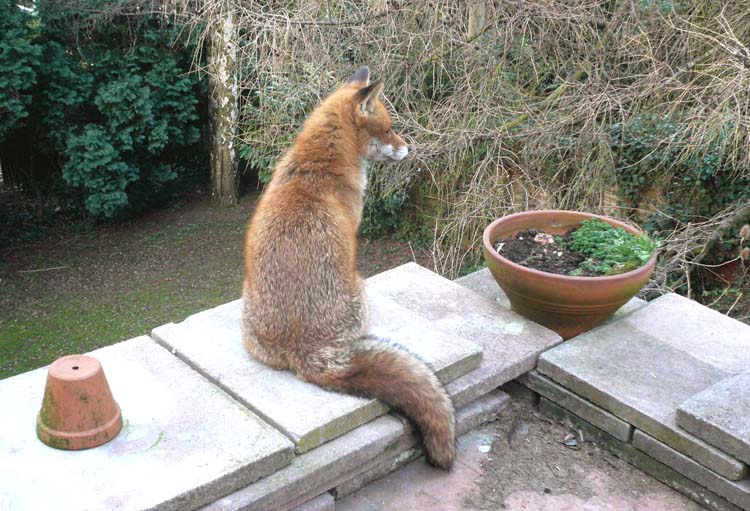
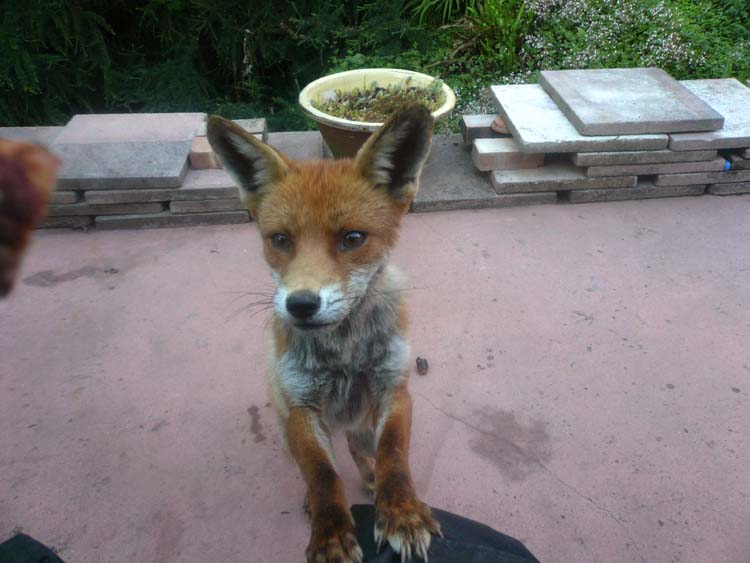
Let’s remind ourselves of a typical urban fox. Let’s call him “Widdle”.

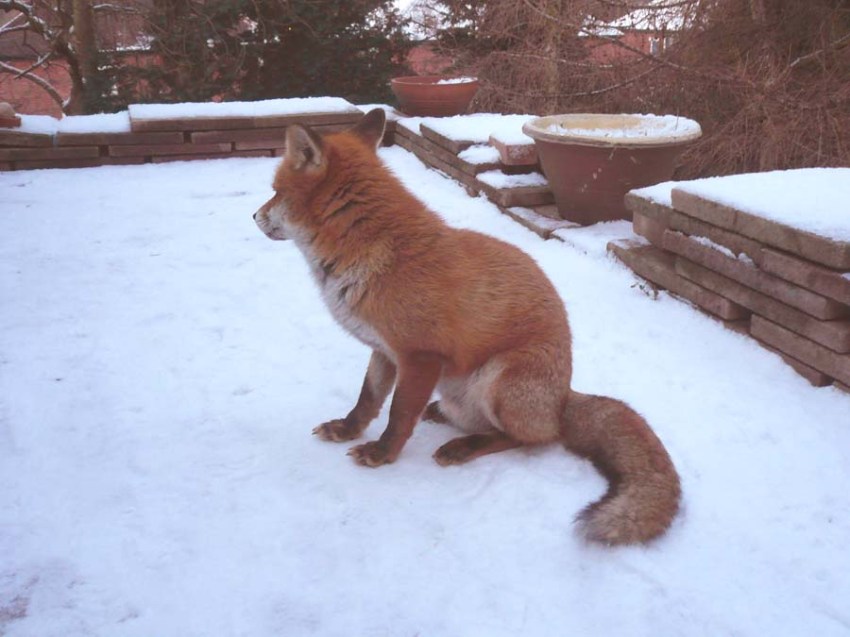
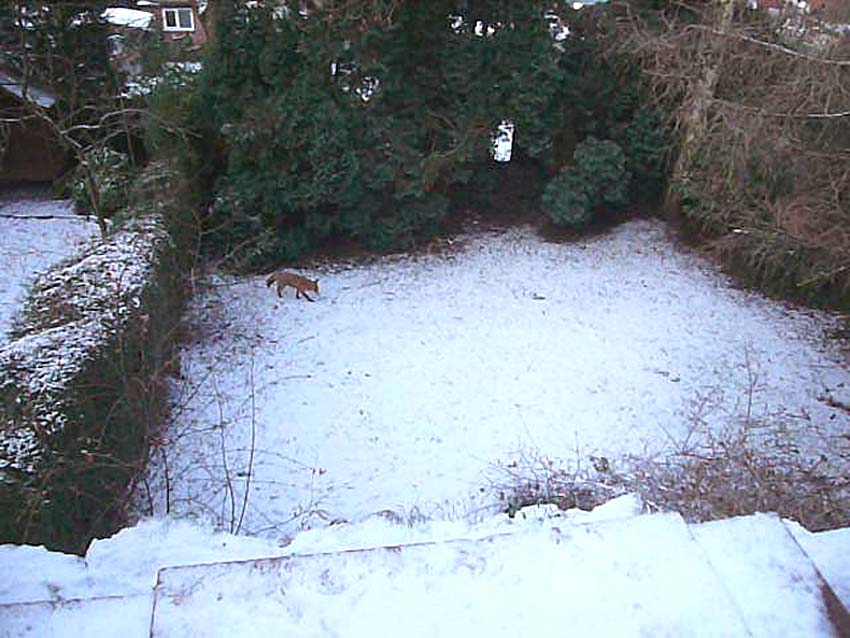
In December 2009, he arrives at the corner of our blizzard swept lawn:

The weather is unusually cold for Nottingham, and he is rather cold. And, as always, he is rather hungry. Lucky then, that he knows exactly where to go.

He makes his way up to what used to be the base of an old garage which was burnt down years ago in an insurance job fire, and prison time was served, I believe, (not by me, I hasten to add, nor indeed, by Widdle). He doesn’t have to shout out his order, but if he could shout it out, it would be “Sausages all round!” .

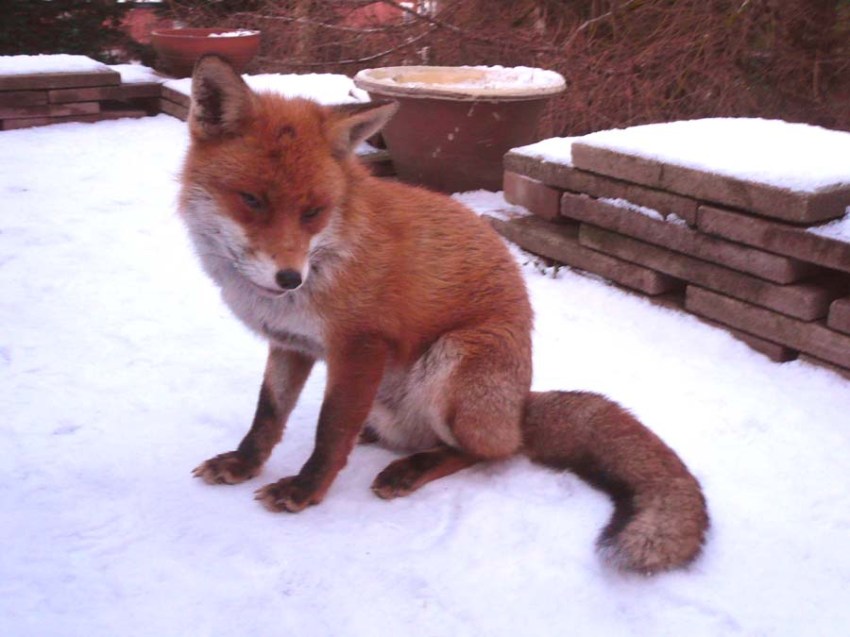
And then he settles down in the snow to sit quietly and wait for his meal. Just look at that fantastic fur coat. For winter, it is at its thickest. A luxuriant, magnificent warm fur coat:

Just occasionally, he changes his position so that nothing freezes solid:

He waits patiently until he catches that distinctive smell…….

“What’s that smell?

That meaty smell ?

That’s the smell of…..sausages!!!”


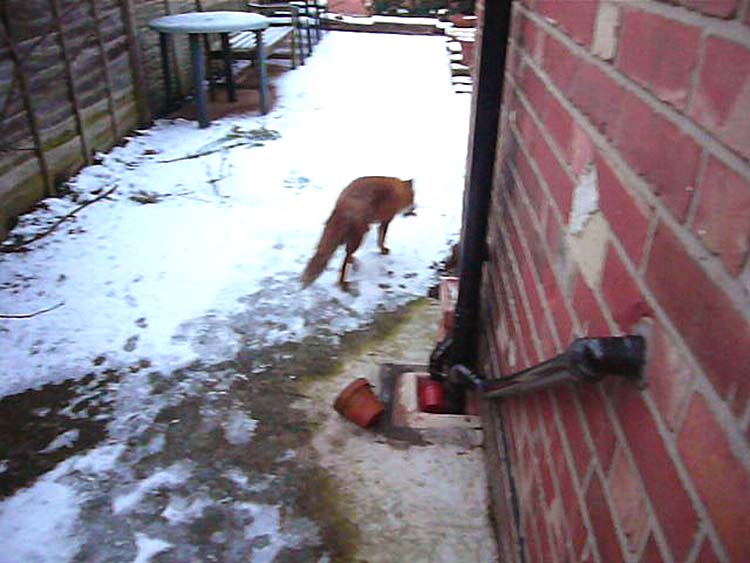
The best cheap sausages we could find. They came from the Iceland supermarket chain and contained 42% meat with no ash included, as many foods for dogs seemed to have. Widdle took what he could carry in his mouth, and set off back to his den to take it to his family:

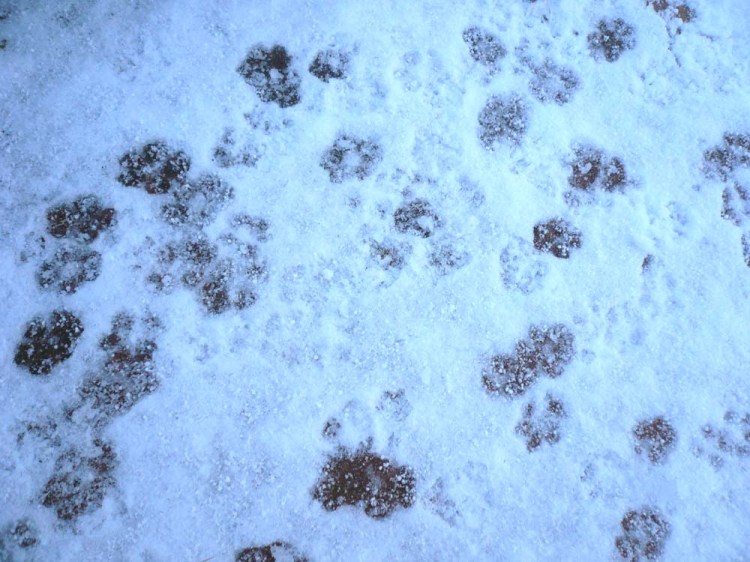
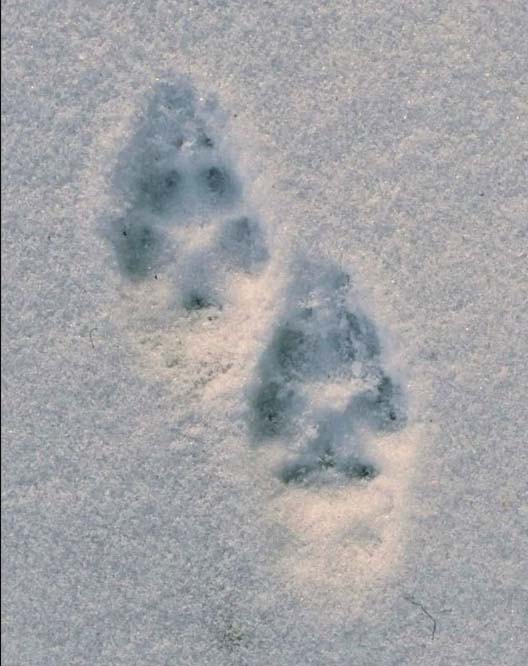
And he ate one, and then he took another three back to his den, for Mrs Widdle and the rest of the family. Naturally, in such weather, Widdle left a lot of tracks. Mixed in may be a few domestic cat (felis catus) but I would be amazed if there were any dog prints:

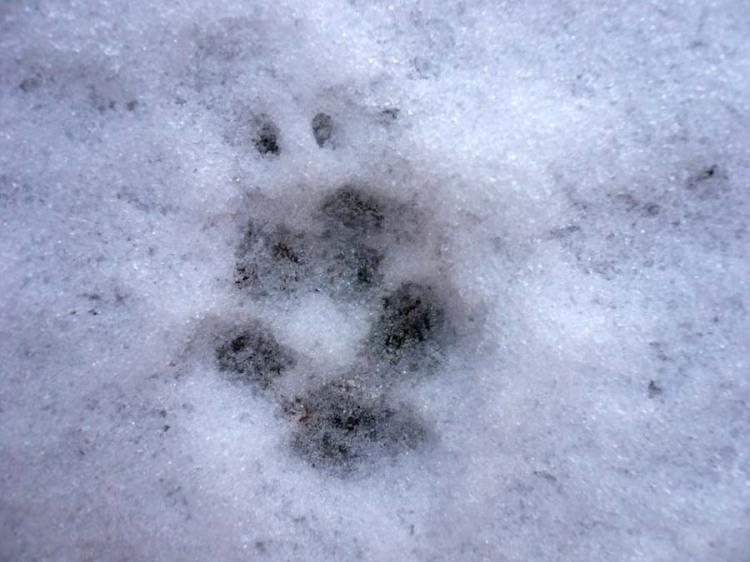
Here’s an individual print. The claws are visible which excludes domestic cat:

Here’s another one:

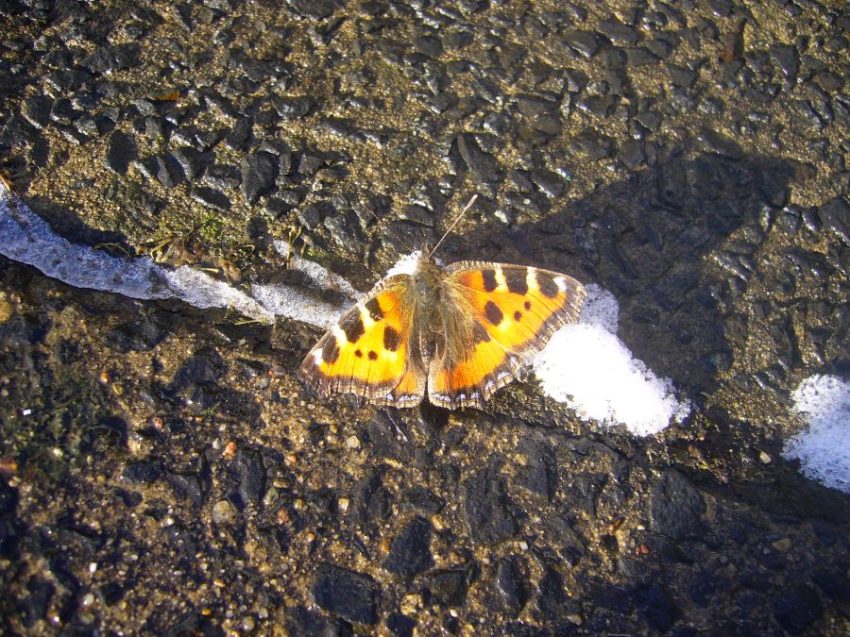
The following day, the weather cleared up markedly and most of the snow quickly melted. Even so, I was more than a little surprised to see a butterfly sunning itself in the rays of the winter sun:

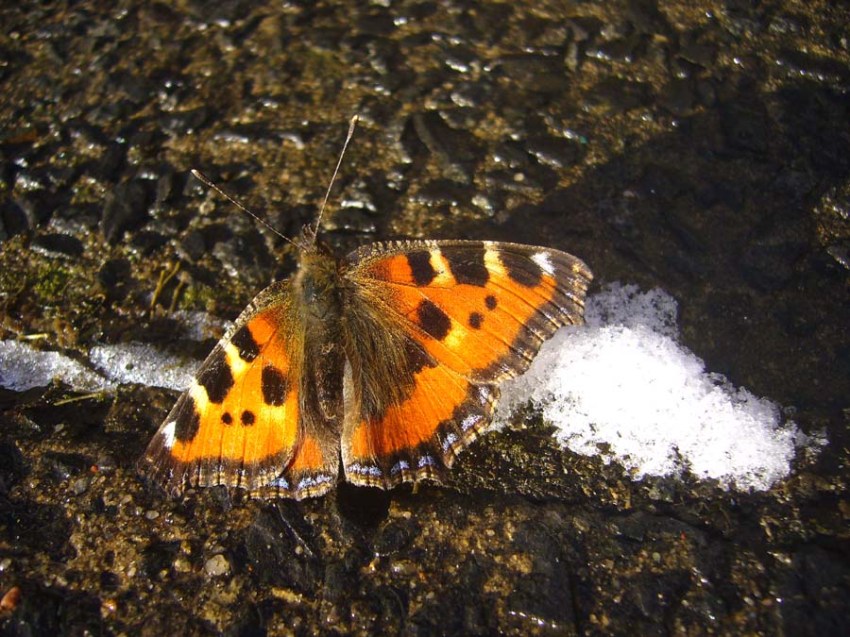
And even closer up, it is really beautiful. It’s a Small Tortoiseshell:

It looks as if it is injured but I don’t think it is. It seems merely to have twisted itself a little to make sure that it gets the maximum amount of sun.

14 Comments

Filed under My Garden, My House, Nottingham, Personal, Science, Widdle, Wildlife and Nature

Goose Fair (4)

Before the sudden advent of the huge electric amusement machines around 1900, exotic animals were a firm favourite of the Goose Fair hordes………

The big problem, of course, was the fact that, in the desire to exhibit the most unusual animals, the owners of the animals would often end up by going to an animal market and buying a creature that they themselves could not identify. So sit back and enjoy my own attempts to work out what the unknown animal really was………

Let’s start with……..

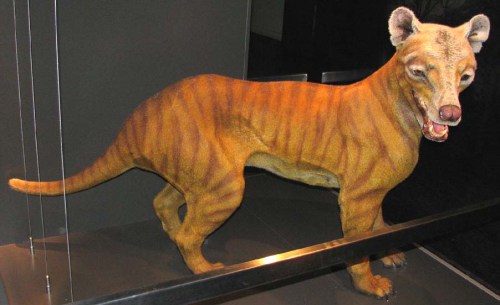
Tiger Wolves direct from the Black Rocks of Abyssinia”. These were shown in Day’s “No 1 Royal Menagerie” in 1898 as a “Group of Wild and ferocious Tiger Wolves direct from the Black Rocks of Abyssinia”. Alongside them was a group of Baby Lions”.

There are wolves in Ethiopia, but they are red, so much so that they are also called “the Simien fox or Simien jackal or horse jackal”. Intriguingly, at this time, the name “Tiger-Wolf” was the accepted shortened form of “Tasmanian Tiger-Wolf”. This phrase was used to refer to the Thylacine, an unbelievably rare Australian animal to turn up in a fair in Nottingham. I really do wonder what these animals were!

A slightly less colourful one:

I think you’re getting the idea…..

Day’s “No 1 Royal Menagerie” also had “Blonko Bill, King of the Lion Tamers” working for them.” I have been unable to trace the meaning of “blonko”, although if ever a word sounded like Australian slang, this is it! The internet was no help. One site said it meant “kind, entertaining, handsome”, another said it meant “fat, fat, fat”.

In 1899, Bostock & Wombwell produced a special poster listing all of their animals, including the “Great Pongo Baboon, or Hairy Wild Man”. Intriguingly, “Pongo” is the scientific name for the orangutan, thought to be a close relative of Bigfoot, hence the “Hairy Wild Man” epithet:

This slideshow requires JavaScript.


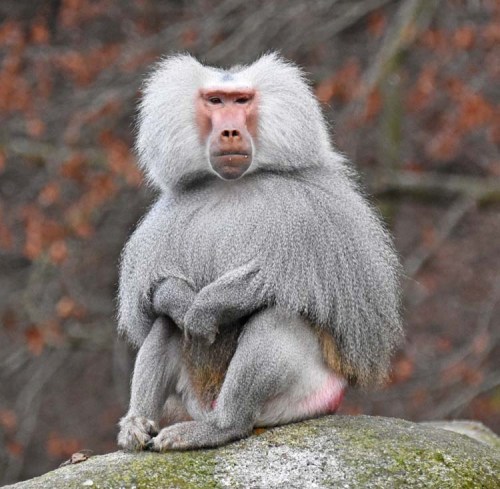
Another strange sounding animal on the Bostock & Wombwell poster was the “Hamadryas, or Sacred Baboon” although, ironically, it is very simple. The poster is referring to the Hamadryas Baboon from the Horn of Africa and the southwestern region of the Arabian Peninsula. You can just see the side of his bright scarlet posterior……

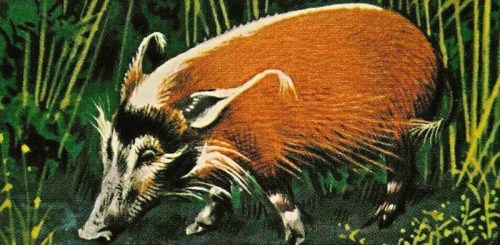
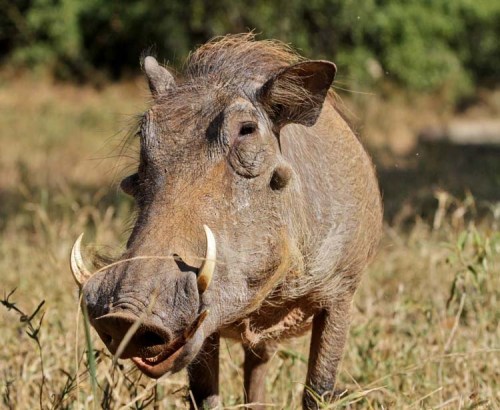
The same owners had a “Chiropottamus, or Vlacko-Vark” which is merely a sort of wild pig. It may be the Red River Hog, “a wild member of the pig family living in the Guinean and Congolian forests. Here’s the old Brooke Bond tea card from the “Wild Animals of Africa” collection….

Alternatively, it may be the warthog which is the “vlakvark” in Afrikaans…..

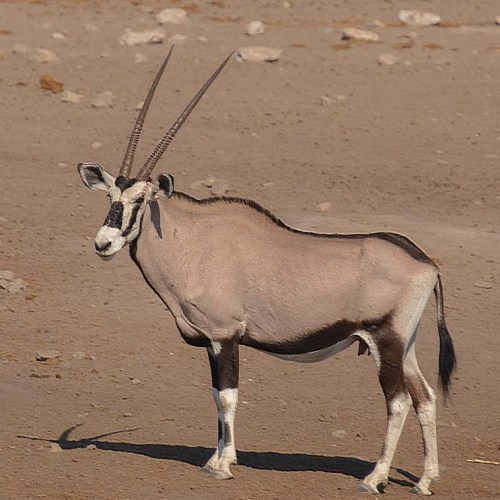
A “Leucoryx Antelope” sounds a very strange beast but it is also called the “Gemsboc” on the poster. And the “Gemsboc is the gemsbok, gemsbuck or South African oryx, native to the arid regions of Southern Africa, such as the Kalahari Desert. It is a very beautiful animal….

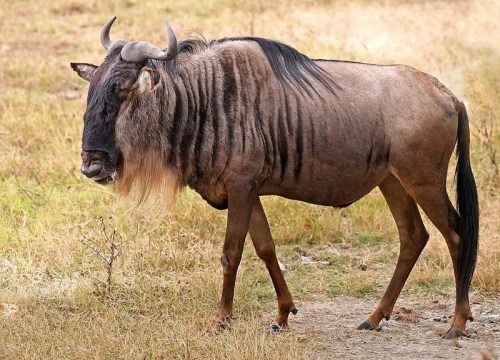
The “Brindled Gnu, or Horned Horse” is a lot easier, because we have all seen this strange word. Not totally unexpectedly, the Brindled Gnu is the blue wildebeest, also called the common wildebeest, the white-bearded wildebeest or the white-bearded gnu. It is one of the two species of wildebeest…..

The Bostock & Wombwell poster advertises a “White Silken Sacred Yak” which would have been a pure white yak. Nowadays, some 5% of the herds are white. They are regarded as an extremely auspicious animal since white represents light, a personification of the illumination of wisdom and the universal Buddha……

Some animals are very easy to sort out.

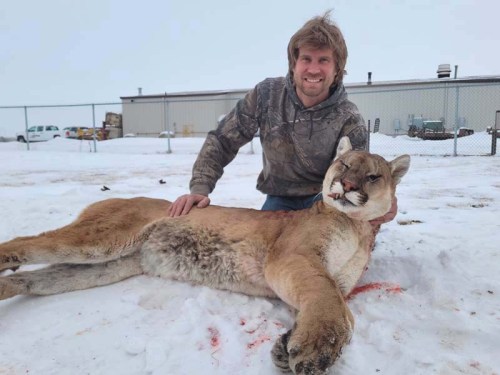
A “Puma or Silver Lion” was presumably a North American mountain lion, cougar or puma. Here’s a lovely picture of one of the first ever mountain lions to be found in North Dakota…..

A “Jaguar or Clouded Tiger” is nowadays called a “jaguar” or a “clouded leopard”……

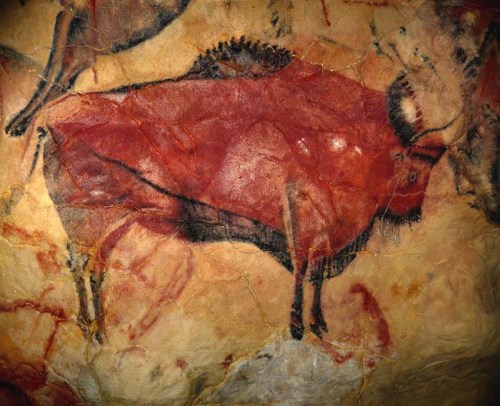
A “Bison, or Wild Prairie Bull” is most probably the North American bison…..

A “Monstre Nennock” sounds incomprehensible, but the alternate names give it away, with “Arctic Sea Bear” making it the polar bear. It would be nice to know what a nennock is, though. Incidentally, I’ve just turned my slides into digital photographs, photoshopped them to make them a little lighter and got rid of the hairs and general dirt. So, here is a nennock or two at Basel Zoo in Switzerland in 1979….

Two final animals though, are most intriguing. Just what were the “Hideous Aswaila”, or “Himalayan Monsters”? Were they a family group of yetis? I bet they were, but the people of the time did not know what yeti was…….

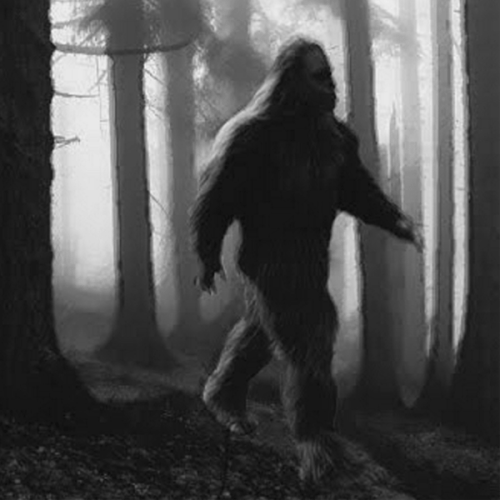
And last of all. What on earth were “Lorenzo’s Performing and Talking Bears”? Were they a family group of Bigfoots? Using their famous “Samurai Chatter” to pass comment about Nottingham and its inhabitants? Here’s a youtube video, and if you move swiftly to 4 minutes exactly, you’ll hear what “Samurai Chatter” is. At 4.40, you can hear the Bigfoot walking around the cabin. It’s really scary!

17 Comments

Filed under Africa, Cryptozoology, History, Humour, Nottingham, Science, Wildlife and Nature

Widdle (7) or, more accurately, the Rise of the Urban Fox

After the First World War, London began to expand as a city, particularly to the north and west. What had been farmland was now purchased and then built on. Many, but not all, of the woods were chopped down, the trees and branches were burnt, and new houses were then built on the site. The people who lived in those new houses for the most part worked in the centre of London and new words had to be invented to describe what they had to do in order to get to work. They took the train. Suburban, local trains, whose only purpose was to carry people who were now being called “commuters”, on their way to work. What they did was called “commuting”, and it obviously paid them to do it. Their salaries must have been high enough to justify adding a couple of hours to every one of their working days.

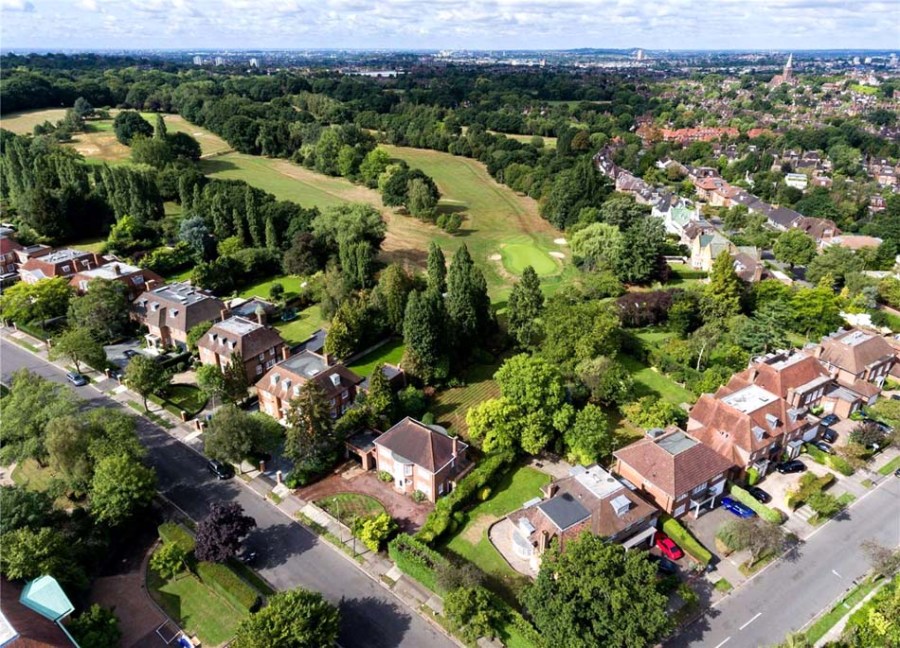
The very best paid commuters lived in what were called the “leafy suburbs”. They could even afford to buy a detached house near the golf course, with four or five bedrooms and a large private garden all the way round it:

In some cases, the leaves of the new leafy suburbs were attached to trees which pre-dated the building of the new houses. Builders with a bit of vision had soon realised that they could save themselves a lot of cash, and finish up with a much better product if they kept as many of the mature trees as possible. All they had to do was to build the houses between them and to do the same with the streets, if they could. Look at the age of these trees:

That slight change in approach by the builders had quite an effect on the suburbs created at the ends of the hundreds of the suburban railway lines which linked the centre of London with the houses where their office workers lived. And, to their credit, instead of just moving on elsewhere, the creatures which had lived in the woods before the developers arrived, made enormous efforts to stay in their homes and not be forced out.

In some cases badger setts survived the building process and remained unnoticed behind the park-keeper’s new storage sheds.

Hedgehogs hunted slugs and snails in rockeries and vegetable gardens, just as they had in spinneys, copses and woods.

Mice, shrews and rats went unnoticed, as they always have. But above all, one animal benefited enormously. That was “vulpes vulpes”, better known as the fox. They carried on their lives pretty much as they always had done, taking little or no notice of human beings and their machines. If anything, life was considerably easier, and food more plentiful now that they lived in a city suburb, which was always a few degrees warmer than the bleak countryside. And very soon London had in excess of 10,000 urban foxes. And many other cities experienced the same process. Bristol. Birmingham. Sheffield. And Nottingham, the home of the most famous fox of them all…….

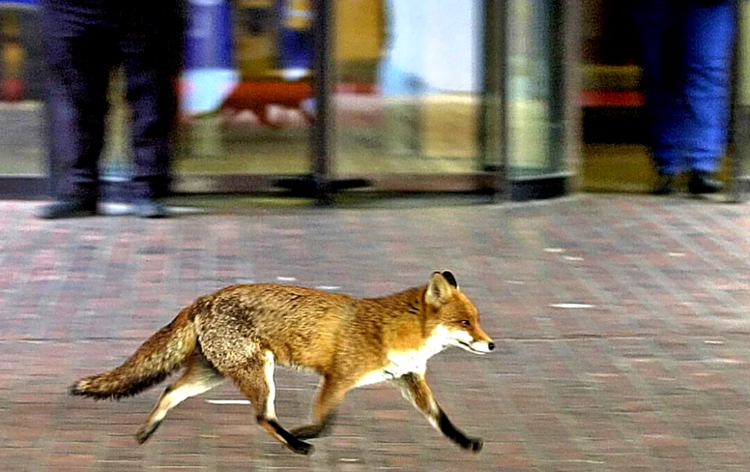
Here’s another of them, hurrying to the fish and chip shop to see if anybody couldn’t eat all of what are, hopefully, generous portions:

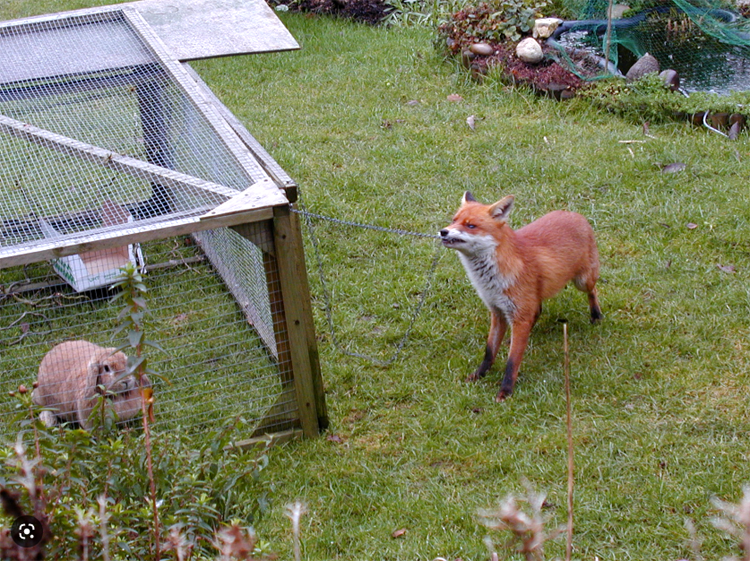
Foxes, like all undomesticated canids, are extremely intelligent. Once they have made a friend such as a big, fat rabbit, they always like to see if they can get even closer to him, perhaps by pulling a likely chain:

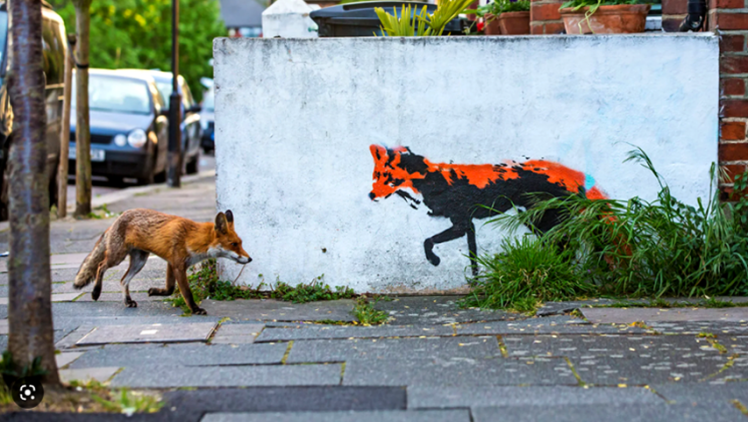
And here’s one of the very few photographs of Banksy Fox”…….

Next time, we take a look at the quality of the sausages available in the Iceland supermarket chain, exploring the views of one of their keenest consumers…………

17 Comments

Filed under History, My Garden, My House, Nottingham, Personal, Science, Widdle, Wildlife and Nature

A campfire tale by the President (2)

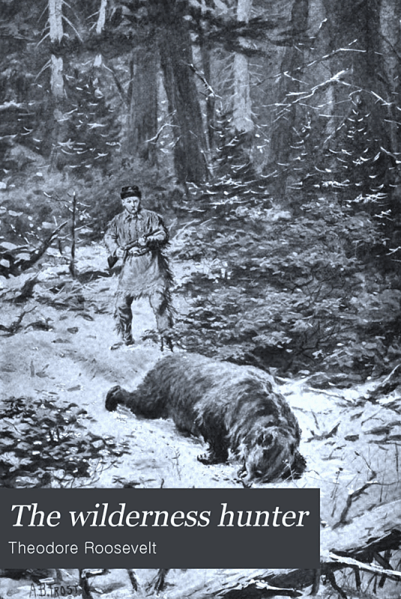
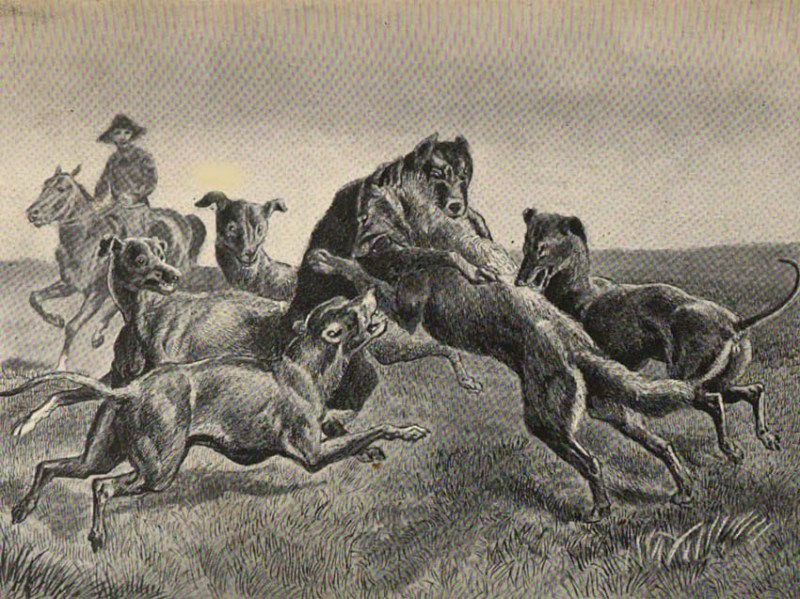
Way back in 1893, Theodore Roosevelt, the future President of the United States, published his latest book, entitled “The Wilderness Hunter”. It was :

“An Account of the Big Game of the United States and Its Chase with Horse, Hound, and Rifle” 

Last time I showed you the first part of a very famous story which I knew Roosevelt had incorporated into his book. It concerns two men, one called Bauman and the other unnamed, who go into the American wilderness to trap animals for their fur. I finished the first instalment of the story with a whole host of disquieting events:

“In the morning, they left to inspect the traps they had set the previous evening, and to put out new ones. They kept together all day and returned towards evening.

Hardly to their astonishment, their lean-to had been again torn down. The visitor of the preceding day had returned and maliciously thrown around their camp kit and bedding, and destroyed the shanty. Its tracks were everywhere. On leaving the camp, it had trod in the soft earth near the brook, and the footprints were as plain as if on snow. And after a careful scrutiny of the trail, it certainly did seem that, whatever the creature was, it had walked off on two legs.”

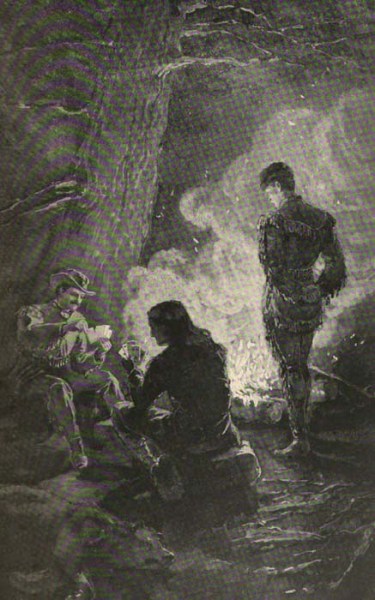
The men were now uneasy. They gathered a great heap of dead logs and kept up a roaring fire all through the night.”
And now, the nightmare continues…………

“One or the other man stood on guard all the time. Around midnight, the creature came down through the forest opposite, across the brook, and stayed on the hillside for nearly an hour. Branches were crackling as it moved about. Several times it uttered a harsh, grating, long-drawn moan, a peculiarly sinister sound. Yet it never approached the fire.

In the morning, the two trappers decided that they would leave the valley that afternoon. They were the more ready to do this because, despite seeing a good deal of game, they had caught very little.

First they had to gather up their traps. All morning, they kept together, picking up trap after trap, each one empty. Leaving their camp, they had the disagreeable sensation of being followed. In the dense spruce thickets, they occasionally heard a branch snap after they had passed; and now and then, there were slight rustling noises among the small pines to one side of them.

At noon, they were around a couple of miles from camp. In the bright sunlight, their fears seemed absurd to the two armed men, accustomed as they were to face every danger from man, animal, or element. There were still three beaver traps to retrieve from a little pond in a wide ravine nearby. Bauman volunteered to recover these, while his companion went ahead and got their packs ready.

Bauman reached the pond and found three dead beaver in the traps, one of which had been pulled loose and carried into a beaver house. He took several hours in securing and preparing the beaver, and when he started homewards he was worried how low the sun was getting. As he hurried back under the tall trees, the silence and desolation of the forest weighed on him. His feet made no sound on the pine needles, and the slanting sun rays, striking through the straight trunks, created a grey twilight where distant objects glimmered indistinctly. There was nothing to break the ghostly stillness which, on windless days, always broods over these sombre primeval forests.”

“At last, he came to the little glade where the camp lay. He shouted as he approached, but there was no answer. The campfire had gone out, although the thin blue smoke was still curling upwards. Nearby lay the packs wrapped and arranged. At first, Bauman could see nobody. There was no answer to his call. Stepping forward he shouted again. And then his eyes fell on the body of his friend, stretched beside the trunk of a great fallen spruce. Rushing towards it, the horrified trapper found that the body was still warm, but that the neck was broken, and there were four great fang marks in the throat.

The footprints of the unknown creature, printed deep in the soil, told the whole story:

“The poor man had finished his packing and then sat down on the spruce log with his face to the fire. His back faced the dense woods, as he waited for his companion to return. His monstrous assailant must have been lurking nearby in the woods, waiting to catch one of the fur trappers unprepared. He came silently from behind, walking with long, noiseless steps, and seemingly still on two legs. Evidently unheard, it reached the man, and broke his neck by wrenching his head back with its forepaws, while it buried its teeth in his throat. It had not eaten the body, but had gambolled around it in ferocious glee, occasionally rolling over and over it. Then he fled back into the soundless depths of the woods.”

Bauman, utterly unnerved, and believing that the creature was either half-human or half-devil, abandoned everything but his rifle, and rushed off at top speed down the valley, not stopping until he reached the beaver meadows where the hobbled ponies were still grazing. Mounting, he rode onwards through the night, until far beyond the reach of pursuit.”

THE END

The book from which this famous story is taken is freely available. Here is the link. 

The account begins at page 441, where it is introduced as a “goblin story”. That must have been one heck of a goblin. Still, everything is bigger in the USA, as they say.

 

20 Comments

Filed under Bigfoot, Cryptozoology, History, Literature, Science, Wildlife and Nature

A campfire tale told by the President (1)

Way back in 1893, a book called “The Wilderness Hunter” was published. It was written by Theodore Roosevelt, the future President of the United States and was described as :

“An Account of the Big Game of the United States and Its Chase with Horse, Hound, and Rifle” 

I bought a copy recently, a modern reprint, but not because I am particularly interested in the “Chase with Horse, Hound, and Rifle”. Indeed I possess none of the three. No, I wanted to read a very famous story which I knew Roosevelt had incorporated into his book. Not that I could find it, of course. I searched and searched and searched but with no success whatsoever. So, I was reduced to looking for the story on the internet. And eventually, I found it, tucked away in one of the  several different versions of what I now know can be a two volume book.

The story, hidden away in Chapter XX (or 20) was told to Roosevelt by :

” a grisled old mountain hunter, named Bauman, who was born and had passed all his life on the frontier.”

Anyway, here’s Part One of a ripping yarn:

“Bauman, still a young man, was trapping with a partner among the mountains near the head of Wisdom River. They went up into a wild and lonely pass with a small stream said to contain many beavers. The pass had an evil reputation. The year before a solitary hunter had been killed there, seemingly by a wild beast. The half-eaten remains were afterwards found by some mining prospectors who had passed his camp only the night before.

Bauman and his friend weren’t bothered. They were as adventurous and hardy as others of their kind. They took their two ponies to the foot of the pass and left them in an open meadow. The rocky ground was now impracticable for horses.

They then struck out on foot through the vast, gloomy forest, and four hours later, they reached a beautiful glade where they camped, as game was plentiful.

There was an hour or two of daylight left. After building a lean-to and opening up their packs, they set off up the valley. The country was very dense and difficult with many dead trees on the ground, although occasionally the dark forest was broken by small clearings with mountain grass.
At dusk, they returned to camp. The glade where it was pitched was not very wide, the tall pines and firs rising round it like a wall. On one side was a stream, beyond which rose the steep mountain-slopes, covered with the endless evergreen forest.

They were surprised to find that something, apparently a bear, had visited their camp, and rummaged among their things, scattering everything, and then destroying their lean-to. The footprints of the beast were quite plain but they paid no heed to them, busying themselves with rebuilding the lean-to, laying out their beds and stores, and lighting the fire.”

“While Bauman was making supper, his companion began to examine the tracks more closely, and took a brand from the fire to follow them, where the intruder had walked along a game trail after leaving the camp. When the brand flickered out, he returned and took another, repeating his careful inspection of the footprints. Returning to the fire, he stood for a moment or two, peering out into the darkness, and suddenly remarked:

“Bauman, that bear has been walking on two legs.”

Bauman laughed, but his partner insisted that he was right; and, examining the tracks with a torch, they certainly did seem to be made by just two feet. However, it was too dark to make sure. After discussing whether the footprints could be a human being, and deciding that they could not be, the two men rolled up in their blankets, and went to sleep under the lean-to.

At midnight, Bauman was awakened by some noise, and sat up in his blankets. As he did so, his nostrils were struck by a strong, wild-beast odour and he glimpsed a huge body in the darkness at the mouth of the lean-to. Grasping his rifle, he fired at the vague, threatening shadow, but must have missed. Immediately afterwards he heard the smashing of the underwood as the creature, whatever it was, rushed off into the impenetrable blackness of the forest and the night.

After this the two men slept fitfully, sitting by the fire, but they heard nothing more.

In the morning, they left to inspect the traps they had set the previous evening, and to put out new ones. They kept together all day and returned towards evening.

Hardly to their astonishment, their lean-to had been again torn down. The visitor of the preceding day had returned and maliciously thrown around their camp kit and bedding, and destroyed the shanty. Its tracks were everywhere. On leaving the camp, it had trod in the soft earth near the brook, and the footprints were as plain as if on snow. And after a careful scrutiny of the trail, it certainly did seem that, whatever the creature was, it had walked off on two legs.”

Next time :  Things take a turn for the worse, as if that were possible.


15 Comments

Filed under Bigfoot, Cryptozoology, History, Literature, Science, Wildlife and Nature

Headless Valley (3)

The Nahanni Valley is in the middle of nowhere in Canada’s Northwest Territories, some 300 miles or so west of Yellowknife. It is a very hostile region accessible only on foot, by boat or by floatplane. For many years tales were told about fur trappers and gold prospectors going into the area, and either disappearing without trace or being found beheaded  and dead. The number of decapitated bodies found within Nahanni Valley earned it the nickname “Valley of Headless Men”.

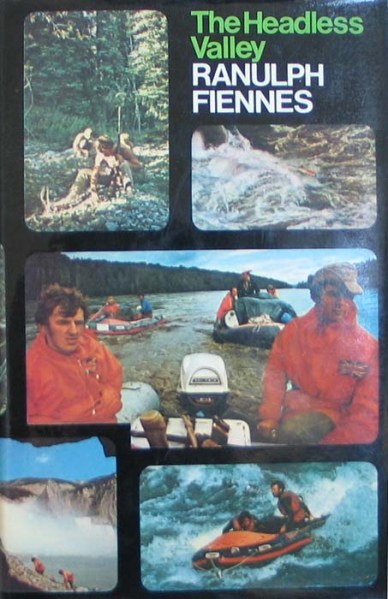
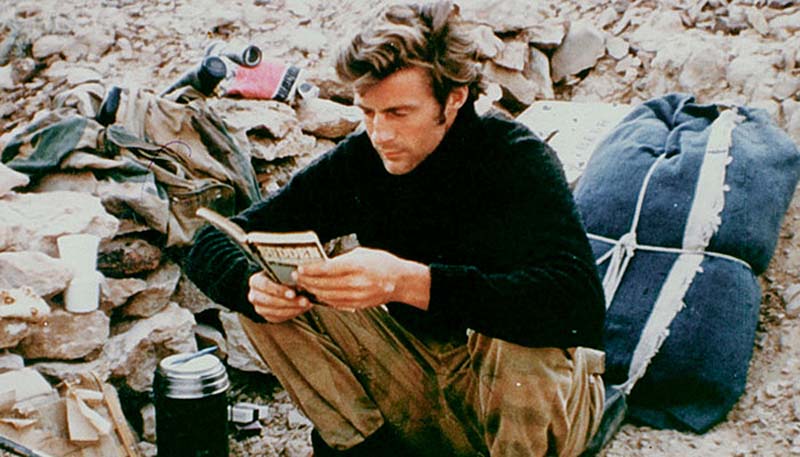
In 1971, the intrepid explorer, traveller and writer, Ranulph Fiennes, aka “Ranulph Twisleton-Wykeham-Fiennes” took a small expedition of soldiers from the Scots Greys to explore the region. Ranulph’s book is called “The Headless Valley” and contains a very perceptive account of the murders that gave it its name. Clearly, from his writings, the author seems to have discovered that many of the victims had quite simply not lost their heads. Here he is, in his comfy trousers:

Ranulph Fiennes, throughout his book, seems to tease the reader a little. He repeatedly mentions details which to a person interested in Bigfoot seem to be very strong indications that there is a Bigfoot very close to them, but then Ranulph chooses to feign innocence, just reporting any strange events as something which can easily be dismissed with a simple, normal, everyday explanation. For example, we have a moment when they are moving through very thick cover and suddenly….

“A crackling of breaking alder sounded ahead and the ground trembled as some great beast moved away.”

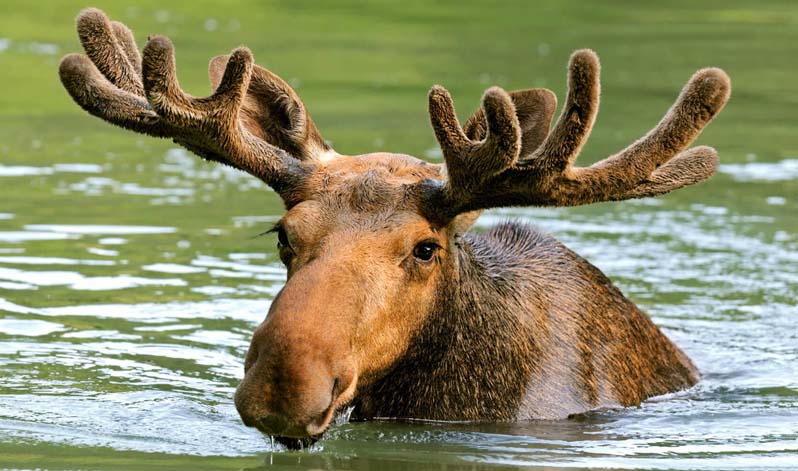
Perhaps it was a moose or a bear but I really do wonder if the ground trembles as they walk along. It frequently does for Bigfoot. who can weigh up to a thousand pounds for a mature male. Here’s a moose:

And then:

“(we went) to find rabbits beyond Prairie Creek. We followed the stream inland for an hour and smelled the stench of sulphur pools, though we saw none. Moving through a tall forest in dark undergrowth we heard a roar from higher up the valley: perhaps it was a bear or cougar we didn’t know, and, finding no rabbits…”

Bigfoot roars extremely loudly and very often, and he certainly stinks. Usually it is described as the smell of excrement, sewage, dead, rotting flesh, a wet skunk but also as the smell of sulphur.

And then, as they camped overnight….

Some of the animals that moved about around us that night were large enough to shake the ground- perhaps bears but more probably deer since we had seen a great many deer spoor along the narrow “game” runs.”

This is the same argument as I mentioned the first time, when they are moving through very thick cover.  And my point of view is still the same. Deer do not make the ground shake. And then….

“We heard the thud of hooves or paws as heavy creatures moved ahead through the trees.”

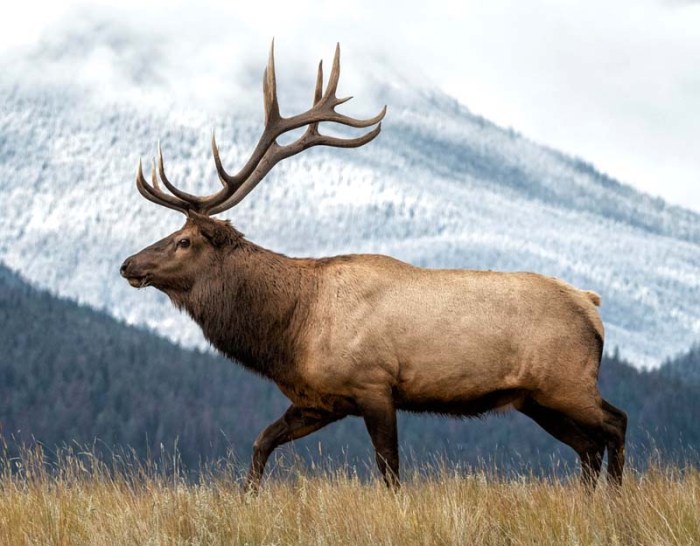
A classic mark of Bigfoot. Yes, they could be bears, or moose, or elk, but don’t forget that Bigfoot is always very keen to get away from human observers. Here’s that elk. He isn’t big enough to make the ground shake:

Bigfoot frequently wanders around a campsite at night looking for food, but he is also capable of stealing other things that he likes, such as in this short anecdote….

“An aged prospector, returning from a fruitless three year search in the Yukon found his mug had been stolen and a chunk of rock left in its place. The rock contained gold quartz and the prospector made a fortune.”

And:

Jack told us of a large black bear which he had watched ambling through some bush”.

People who say they have seen a black bigfoot are frequently told that they have seen a black bear, so, presumably, the two must be similar. I have seen neither, unfortunately!

Overall, “The Headless Valley” is a really good read, if you like tales of the wilderness. Ranulph Fiennes captures well the thrills of  shooting the rapids, or, equally, the awful couple of hours when he is a long way from camp and is totally lost. If you like that kind of book, then a second hand copy is very easy to acquire via the usual websites, and well worth taking the trouble.

22 Comments

Filed under Bigfoot, Canada, Criminology, Cryptozoology, History, Science, Wildlife and Nature

Why no statue ? (10)

Last time, I revealed that, up to and including the Second Boer War…….

“in every war fought by British forces they lost more men to typhoid than to the enemy”.

That was easily true of the Crimean War where 4,602 were killed in battle and 17,580 by typhoid. It was certainly true too of the Second Boer War and it would have been true of World War One, but for Almroth Wright.

Once he had seen the efficacy of his vaccine, Almroth gradually convinced the people in charge of the British armed forces of two measures which they absolutely had to take. Firstly, all military personnel would have to be injected, whatever they personally thought about it. Secondly, from 1910 onwards, around 10,000,000 vaccine doses had to be made immediately available for the troops.

As a consequence, when World War One began, the British Army was the only one with 100% vaccination of its troops against typhoid. In the Boer War in South Africa, there were 105 cases of typhoid per 1,000 troops and the death rate was 14.6 per 1,000 troops. In World War One though, there were 2.35 cases of typhoid per 1,000 troops and the death rate was 0.139 per 1,000 troops.

The result was that the British Empire suffered an appalling total of 1,118,264 casualties but the vast majority of them were on the battlefield. If the war had taken place without Almroth’s vaccine then the number of men and women to die would have been 2,236,529, and that would have been the figure if typhoid deaths were only one man more than those killed in action (which was extremely unlikely).

Let’s imagine that World War One had been played by Boer War rules. In South Africa, 5,774 men died in combat, or of the wounds they received in combat and 14, 210 died of disease. That is a ratio of just about 2½ to one, disease and combat. I’m not sure that I can believe my own Maths, but that would give you a grand total of 3,354,792 dead by the end of World War One, if typhoid had killed soldiers at its usual rate.

Is that not enough to warrant a statue? A total of 2,236,528 lives saved if the calculations are done by Boer War rules.

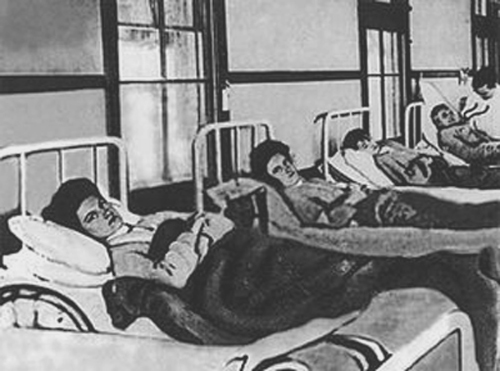
Even after Almroth Wright’s work, typhoid did still break out here and there in Great Britain. Without really searching very hard, I found that there were outbreaks in Maidstone in Kent (1897), Southampton and Winchester (1902) and Lincoln, England (1905). There was one very famous outbreak in New York (1906), but the disease kept up its unhealthy average in Dublin (1908), Retford in Nottinghamshire (1912), Tideswell in Derbyshire (1915), Croydon (1937), Chatham (1938), Dundee (1938) and Aberdeen (1964). Presumably, the arrival of lorry loads of Almroth’s vaccine prevented these outbreaks from becoming really serious (with the exception of Typhoid Mary, of course, in New York in 1906). Here she is, nearest bed:

During his lifetime, Almroth received at least 28 medals, prizes and honorary degrees. There is no statue of him, though. He was nominated 14 times for the Nobel prize from 1906 till 1925 but he didn’t receive one. All he has is a ward named after him at St Mary’s Hospital in Paddington in London…….


25 Comments

Filed under Africa, History, military, Science

Headless Valley (2)

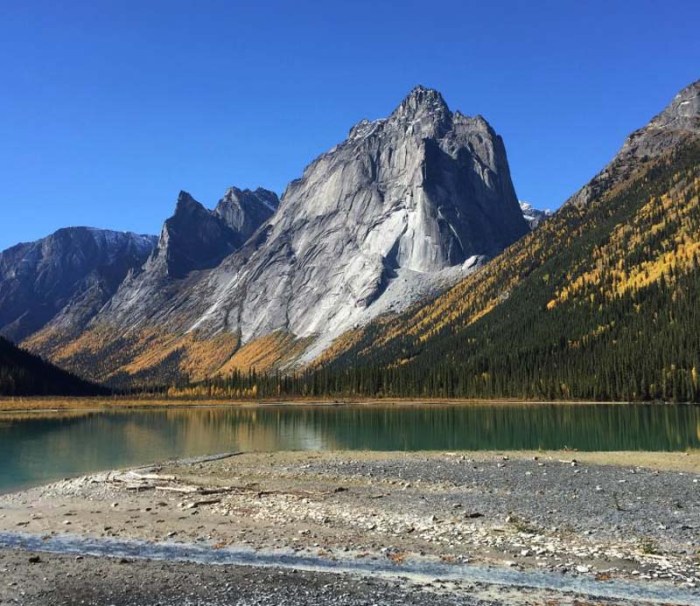
The Nahanni Valley is in the middle of nowhere in Canada’s Northwest Territories, some 300 miles or so west of Yellowknife. It is a very hostile region accessible only on foot, by boat or by floatplane. It’s very beautiful, though:

For many years there have been large numbers of tales told about fur trappers and gold prospectors going into the area, and then either disappearing without trace or being found dead minus their heads. All these decapitated bodies found within the Nahanni Valley have earned it the nickname “Valley of Headless Men”. You can read what I have already written about this region here.

In 1971, the intrepid explorer, traveller and writer, Ranulph Fiennes, aka “Ranulph Twisleton-Wykeham-Fiennes” took a small expedition of soldiers from the Scots Greys to explore the region. Ranulph’s book is called “The Headless Valley” and contains a very perceptive account of the murders that gave it its name. Clearly, from his writings, the author seems to have discovered that a great many of the victims had quite simply not lost their heads. Here he is:

In 1926, Annie Laferte was lost in the bush. There was a sighting of her some time afterwards, by an Indian named Big Charley. She was climbing a nearby hill, almost naked, but was never seen again. Supposedly, she had lost her mind, rather than her entire head.

In 1927, the bones of “Yukon Fisher,” a man wanted by the RCMP, were found on Bennett Creek. They included the bones of his head. The anticipation of gold had claimed his life. Far too impatient, he had pushed on ahead of the main party and was never seen again.

In 1932, a prospector named Phil Powers was found dead by a Mountie patrol.  Constable Martin found his bones in a burnt down cottage  upstream of the mouth of the Flat River.  Powers lay on the remains of a bunk and had been laid out in the outline of a human being, as though he had been sleeping. The skull was there at the opposite ending to the footbones and a rifle was laid over the knees. So, not a lot of decapitation there, then!

In 1936, William Epier and Joseph Mulholland were trapping and prospecting when they disappeared up the Nahanni. A bush pilot called Dalziel (pronounced “Dee-Ell”) located their cabin on Glacier Lake. It was burnt down to the ground. He reported it to Constable Graham at Fort Liard. Here’s Glacier Lake:

In 1940, a prospector named Holmberg was found dead of no established cause.

In 1945, a miner from Ontario, whose name has not survived for definite, but who may well have been Ernest Savard, was found dead in his sleeping bag. His head had been ripped off and was never found. At last! The hint of a reason for the area to be called “The Valley of the Headless Men”.

Ranulph Fiennes was told by Brian Doke of Nahanni Butte, how…….

“His father-in-law, Mr Turner, had travelled up the Nahanni in 1953, to take some food to a man who lived upstream. He was a prospector or trapper or both and Mr Turner found him dead with his cabin burnt down around him. His head was firmly intact.”

In 1961, Alec Mieskonen, a gold prospector, was blown up by dynamite, despite his well-known fear of explosives. This was thought to be a case of suicide, despite Mieskonen’s deep seated fear that one day he would die through trying to use explosives. What a strange story!!

In the same year, 1961, two partners, Orville Webb and Tom Pappas, set off overland for Nahanni Butte since they were short of food, but they were never seen again.

In the 1961 quarterly magazine of the Royal Canadian Mounted Police, Constable Shaw said….

Of the deaths….there is one aspect common to all….fire of undetermined origin has often been a factor in each in some way or another.”

No mention there of heads being ripped off, then! And so many of the deaths reported to the RCMP did involve fire, a factor which may well exclude Bigfoot, who has never been known to use fire. And if it isn’t Bigfoot decapitating his victims, I simply don’t know whether there might be another predator which enjoys the challenge of pulling the heads off its victims so that it can eat them. On the other hand, so many TV nature programmes here in England will tell you that apex predators always go first for two extremely nutritious parts of the body.  Indeed, they are quite capable of leaving the rest if they are not particularly hungry. Those two best bits are the brain and the liver.

In 1962 Blake MacKenzie survived an aircraft crash but then disappeared completely.  He was a strong healthy man with an ample supply of food and was seen close to the river. He kept a diary and survived at least 42 days after the crash and was well and healthy. And then suddenly, MacKenzie’s  daily diary entries stopped, abruptly and inexplicably.

A second aircraft crashed in the Nahanni Valley in 1962. A prospector named Hudson was found dead by the plane. The other two occupants and the pilot were never found.

For many of these men, especially those who just disappeared, the best candidate as the killer will be the supposedly much more violent and much larger northern variety of Bigfoot. Hundreds of years ago, the First Nations people regularly fought wars with Bigfoot because of their violence and their cannibalism.

A gentleman called David Paulides (pronounced “Poor–Lid–Uss”, with the emphasis on the first syllable), has written a number of books about the many unexplained disappearances in the National Parks of the USA.  He has written quite a few of these “Missing 411” books and estimates that well over 1,600 people may disappear there every year. Paulides used to be a police officer. This link takes you to his website :

This is one of his many excellent books about disappearances in the North American national parks:


18 Comments

Filed under Bigfoot, Canada, Criminology, Cryptozoology, History, Science, Wildlife and Nature

Why no statue? (9)

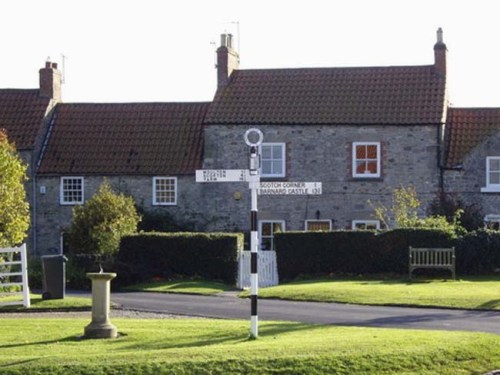
Almroth Edward Wright was born on August 10th 1861 in Middleton Tyas, which is a small village near Richmond in the extremely picturesque countryside of North Yorkshire in England.

And here’s the village church, which dates back to the twelfth century:

Almroth’s family was of mixed Anglo-Irish and Swedish origin. His father was a rector in the Church of England but his mother was Ebba Johanna Dorothea Almroth, the daughter of Nils Wilhelm Almroth, who was a professor of chemistry in the Carolinska Medico-Surgical Institute and the Royal Artillery School in Stockholm. In later years he became the director of the Swedish Royal Mint.

Almroth does not seem to be particularly famous nowadays, but he changed the world. Even on the Wikipedia page for his village, though, he is not paid any real attention. The village’s “notable people” therefore, are listed as, in first place, the fraudster Sir Edmund Backhouse and his brother, the naval officer, Roger Backhouse. Then comes in third place, Lady Alicia Blackwood, and then Arthur Francis Pease. Then comes Almroth Wright and his brother, and finally Keith Hawkins, the poker player.

Almroth was a lot cleverer than any of those, though.

Almroth was, in actual fact, the man responsible for developing a system of inoculation against typhoid fever, a disease which, at the time, was killing literally millions of people across the world. In the late 1890s, he also pointed out to whoever cared to listen, that one day bacteria would develop a resistance to antibiotics and then we would really be in trouble. His other main idea was that preventive medicine was what doctors should really be aiming at developing. And lastly, in any spare time he had, he also managed to develop vaccines against enteric tuberculosis and pneumonia, the latter a disease which killed more people in England than any other at that time. Not for nothing was it called

“The Captain of the Men of Death”

In the 1890 census in the United States, 76,490 had died of it, a death rate per 100,000 of the population of 186.94.

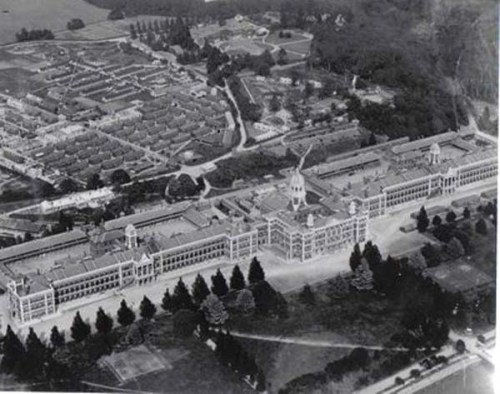
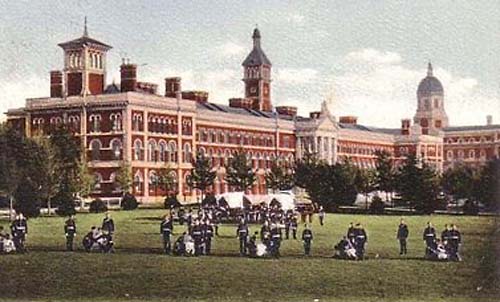
Almroth graduated in 1882 from Trinity College, Dublin with first class honours in modern literature and modern languages. In 1883 he graduated in medicine, before studying and lecturing at Cambridge, London, Leipzig, Magdeburg, Marburg, and Straßburg as it then was. Back in England in 1891, he worked in the laboratories of the Royal Colleges of Physicians and Surgeons and was then appointed Professor of Pathology at the Army Medical School in Netley, on the south coast of Hampshire in England.

Here is the hospital in black and white:And here it is in colour:

At Netley, he developed a method of immunising people against that mighty killer, typhoid fever. And then, in 1898, he went to India as a member of the Plague Commission and tested his vaccine on the 3,000 Indian soldiers who had all volunteered to try it out for him.

And it worked!

Not a single one of the vaccinated soldiers succumbed to the dreaded disease. And then, the vaccine was equally successful in the Boer War of 1899-1902, although a major mistake was made by continuing to make vaccination optional rather than compulsory.

There were 328,244 men in the British Army in the Boer War but sadly, only 14,626 men volunteered to be injected. None of that select group, though, were among the 57,684 cases of typhoid in South Africa or the 9,022 who died from the disease. Exactly as had been the case in India, the ones who had the vaccine all survived because of it.

Until Almroth came upon the scene, though, typhoid fever had always held the entire world in its grasp. It was a simple disease with lots of places to catch it. As Wikipedia says:

“Typhoid is spread by eating or drinking food or water contaminated with the fæces of an infected person”.

That scenario was easily arranged before a vaccine was developed.

In 430 BC in Greece, typhoid killed Pericles and a third of all Athenians. It killed off at least half of the inhabitants of the English settlement in Jamestown, Virginia. Between 1607 and 1624 more than 6,000 of them perished and they may well have passed it to the rest, thereby eliminating the entire colony……

Typhoid went on to kill 80,000 soldiers in the American Civil War. And I have seen more than one source which said that in every war fought by British forces until the Boer War, more men were lost to typhoid than to the enemy.

Next time, we’ll look at the impact that Almroth’s vaccine had on the number of casualties in the British Empire forces in World War One. It’s giving nothing away to say that he prevented deaths from disease in unprecedented numbers.

17 Comments

Filed under Africa, History, Nottingham, Science, The High School, Wildlife and Nature

Headless Valley 1

The Nahanni Valley is in the middle of more or less nowhere in Canada’s Northwest Territories, some 300 miles or so west of Yellowknife. It is, however, unbelievably beautiful:

It is a very hostile region, much of it accessible only on foot, by boat or by floatplane. For well over a hundred years, there have been countless tales told about fur trappers and gold prospectors who went into the area, and then either disappeared without trace or were found minus their heads. And obviously dead.

One website, taken more or less at random from the many, states that

“Over the years, many unfortunate travellers and explorers have gone missing, or turned up dead and beheaded. The number of decapitated bodies found within Nahanni Valley have earned it the nickname “Valley of Headless Men”. 

The number of headless bodies found in the Nahanni Valley varies enormously from one website to another or from one book to another. It is usually quoted as between somewhere 30-50 deaths. Explanations vary. The chief suspects include the extremely naughty Naha tribe who are apparently extremely aggressive and extremely elusive and guard their land very jealously. Or perhaps it’s a different group of people, namely a race of hairy, cave-dwelling cannibals who are extremely aggressive and extremely hungry too. And don’t forget that legendary scary hominid who goes by the name of “Nuk-luk”, a Neanderthal-like creature, five feet tall with a long beard. He doesn’t wear any clothes. Here he is, in a very blurred photograph, thank goodness:

In first place in the long list of suspects, though, is the supposedly much more violent northern variety of Bigfoot, examples of which supposedly measuring up to twelve feet tall or even more are regularly claimed in this area. This is a perfect application of Bergmann’s Rule :

“According to Bergmann’s rule, the body size of vertebrates is closely related to the average ambient air temperature in the region in which the vertebrate lives, so organisms in warmer regions are typically smaller than members of the same species in colder regions.”

Given this colourful and perhaps rather horrific, background to the area, in 1971, the intrepid English explorer, traveller and writer, Ranulph Fiennes, aka “Ranulph Twisleton-Wykeham-Fiennes” to give him his full name, took a small expedition of soldiers from the Royal Scots Greys to explore the Nahanni Valley. Ranulph’s book is called “The Headless Valley” and contains a very detailed account of the murders that have given the area its name (and his book its title). Clearly, from his writings, the author seems to have discovered that many of the victims had, quite simply, not lost their heads.

But first, from the internet, the famous tale of the McLeod brothers, who were mixed race, with one First Nation parent and one white:


“In 1908, after a lengthy search which had lasted two years, their brother Charley finally found the skeletons of Frank and Willie McLeod. Both men had been shot as they lay warm in their blankets, one either side the fire. They still had their heads. There was no sign of Weir, their partner, he was never seen again.”

I did find, though, in a rather more sensationalist book, an account which recorded the tale of the McLeod brothers as being found “reportedly decapitated”.  To be fair, though, there were some men on the list who did lack their heads:

” In 1916, a mounted policeman called Corporal Churchill found the headless skeleton of a prospector called Jorgensen up the Nahanni.”

Jorgenson evidently died a rather painful death, although one which had been particularly thoroughly carried out:

“a tough experienced woodsman, his remains were found by a log cabin near the Flat River’s confluence with the Nahanni. A loaded rifle close to the body, the cabin had been burnt down…. However heavy a sleeper Jorgensen would surely have woken up if the cabin had been on fire …..if he was still alive.”

And next, one with no head mentioned:

“In 1922, a prospector named John O’ Brien went up the Nahanni and never came back…”

The Nahanni Valley stories are good examples of how a rather shaky, iffy, perhaps somewhat gossipy piece of evidence can take on a life of its own. Granted, there may have been a small number of trappers and prospectors found minus their heads, but such a fate was certainly not what happened to every single person killed or disappeared in the Nahanni Valley, and there were certainly not thirty to fifty of them. More blood-soaked examples next time, when we will further examine that familiar old dilemna:

“Head or no Head?”


18 Comments

Filed under Bigfoot, Canada, Criminology, Cryptozoology, History, Science, Wildlife and Nature