Tag Archives: Comet

The Last of the Saxon Kings (1)

When I was a little boy, I used to read every comic I could lay my hands on, usually for a period of just a few weeks. I was very quick to change if they didn’t attract me for whatever reason. Some took only five minutes to read, which was clearly a waste of my sixpence pocket money. Some were repetitively inane, something which is funny the first time but not the fiftieth.

Two stories stood out and I remembered them well into my adult years.  There was “The Big Tree” in “Rover and Wizard”, and, best of all, “The Last of the Saxon Kings” in “Eagle”. The Last of the Saxon Kings, of course, was Harold, and the double page centre spread began in Volume 12, No 38, and finished in that volume’s No 52.

In terms of dates, that would be September 23rd-December 30th 1961. As a little boy 0f only seven, I did not know that the story had already appeared in a publication called “Comet”, but entitled “Under the Golden Dragon”. These were issues 285-306, January 3rd-May 29 1954. The story was written by Michael Butterworth and it was drawn by Patrick Nicolle.

When the graphic novel appeared, Eagle was already on the way down and out. “Last of The Saxon Kings” was quickly accused of being historically inaccurate and of being sluggishly and insipidly drawn, with two many small panels. But I adored it.

I can still remember the thrill of reading the first four frames. They use the well tried device of a single person making his way to somewhere important, usually in darkness. I would meet it for the first time in my final year at school, in the novel “Germinal” by the French novelist Emile Zola, the man who invented cheese.

Here’s the first frame. It’s really raining. But what is this daring rider doing? :

Just look at the sheen on the soaked surface of the stone area in front of the castle:

And now we are given some idea of what is going on:

And here is the solution to the mystery. The colours are not desperately dramatic, nor is the palette particularly varied, but a seven year old was delighted:

The king, not named at this point, is actually Harthacnut.  The next picture I have chosen may be the first outbreak of “historical inaccuracy”. As an argument about who will succeed to the throne develops, Harold finds himself fighting his elder brother, Sweyn. Whether it all happened in this way on such an absolutely splendid bridge I do not know:

Harold is unwilling to kill his brother, no matter how much of a swine Sweyn is. The frame below has a very Roy Lichtenstein like look about it:

Even in the most dramatic situations, the dialogue can be rather extended. Still, at least you know who’s doing what to whom and why.
17 Comments

Filed under France, History, Humour, military, Personal, Writing

Kamikaze (5)

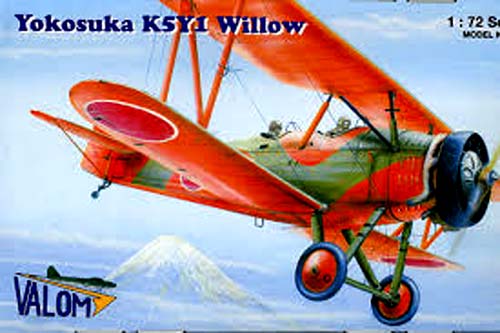
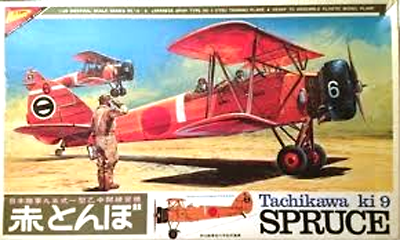
By the end of the war, the Japanese were using any aircraft that they could find to use as kamikazes. As author Robert Stern points out in his fascinating book “Fire from the Sky”, this was the moment when the Japanese accidentally invented the stealth aircraft. They were forced to go right to the back of the disused hangar and dig out some of the oldest and most infrequently used training aircraft to use as kamikazes. These included the “Spruce” and “Willow” trainers, which were biplanes apparently made from bits of wood, canvas, knotted string and bits of old wallpaper. For this reason they did not show up on radar very much at all, something which puzzled the Americans enormously and which the Japanese never found out about.

Here is a “Willow” aka a Yokosuka K5Y :

And here is a “Spruce” aka a Tachikawa Ki 9 :

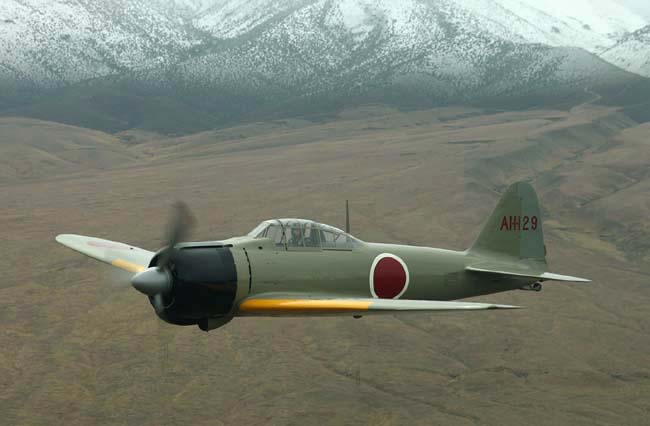
The Japanese used a variety of aircraft for kamikaze attacks. The single engined ones were mainly the naval “Zeke” or the army’s “Oscar”, the two often being misidentified. Here’s the “Zeke” aka the Mitsubishi A6M Zero:

And here is the “Oscar” aka the Nakajima Ki 43 :

Use was also made of the “Tony”, the “Frank” and the twin engined “Dinah”.

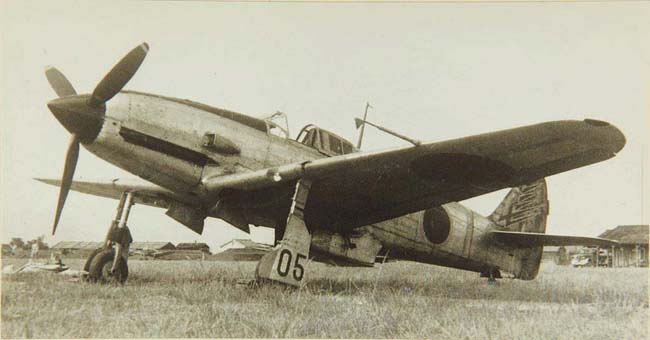
Here’s the “Tony” aka the Kawasaki Ki-61 Hien (Swallow). When it first came into service, Allied pilots thought they were Messerschmitt Bf 109s, perhaps built under licence.:

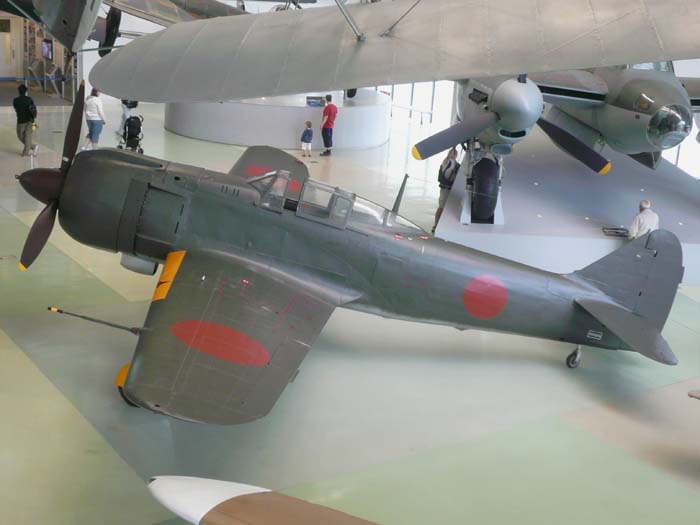
And here is a “Frank” aka the Nakajima Ki 84 Hayate. This photograph is by yours truly, taken at Hendon. Can you see the Mosquito, about to shoot it down?:

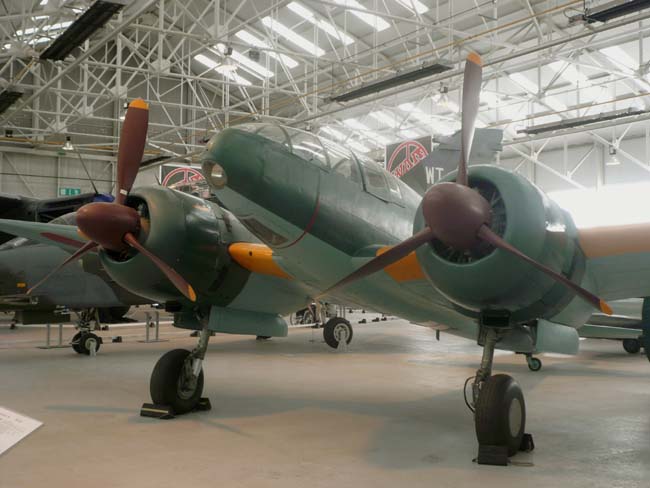
And this is my even more splendid photograph of a backlit “Dinah” aka Mitsubishi Ki-46 :

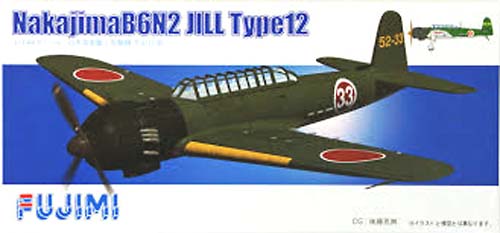
There was a welter of single engined torpedo bombers used by the Japanese as kamikaze planes. They included the “Jill” aka the Nakajima B6N Tenzan. “Tenzan” means “Heavenly Mountain”, and is under no circumstances ever to be used as a term of endearment for the woman in your life. Perhaps worth trying with the man, though:

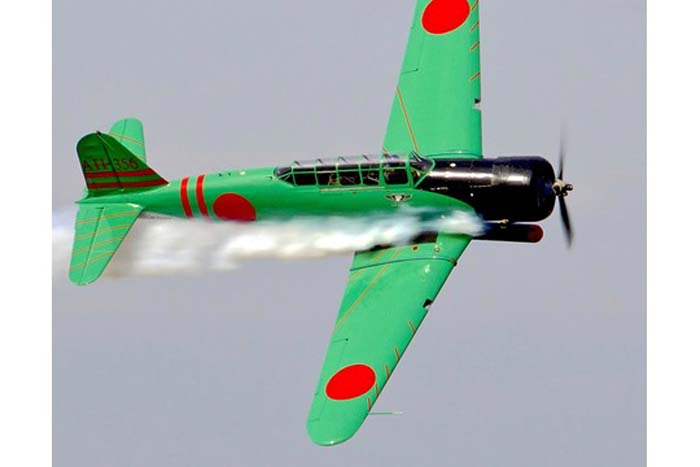
The “Kate” was aka the Nakajima B5N. It seems to have been painted on occasion in the most vomit provoking luminous green ever used:

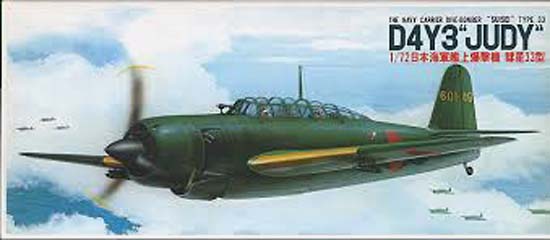
The “Judy” was aka the Yokosuka D4Y Suisei (Comet):

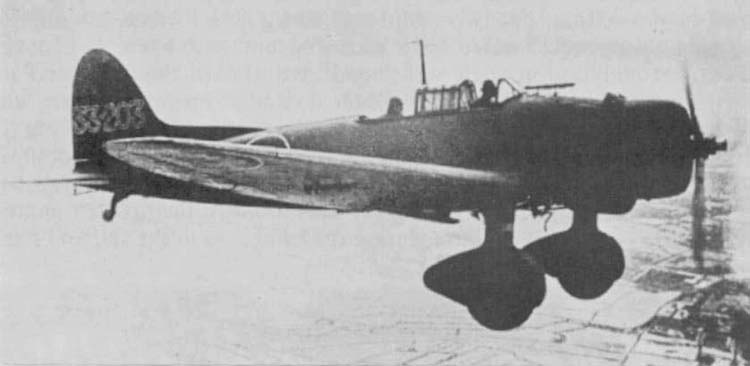
Perhaps the most frequent mount for the would-be suicide jockey was the Aichi “Val” or the Aichi D3A. This photograph is the one most frequently used:

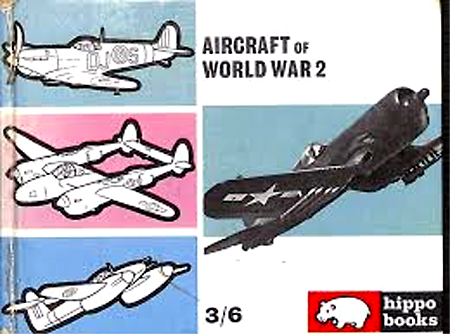
I first saw it in the “Hippo Book of Aircraft of the Second World War” when I was nine or ten :

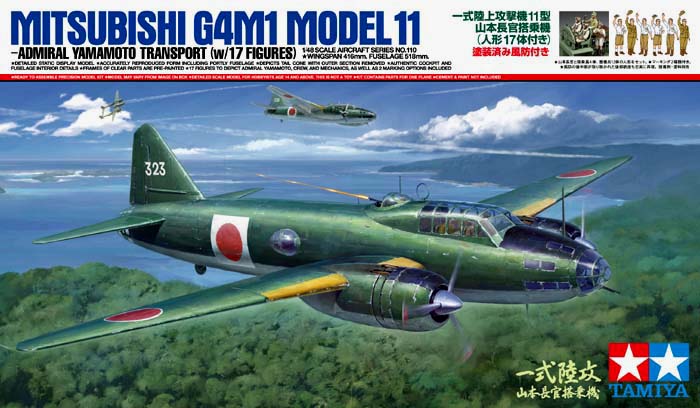
The list goes on. Twin engined bombers were mainly the “Betty” and the “Sally”. Here’s a “Betty” which the Japanese called the Mitsubishi G4M1 :

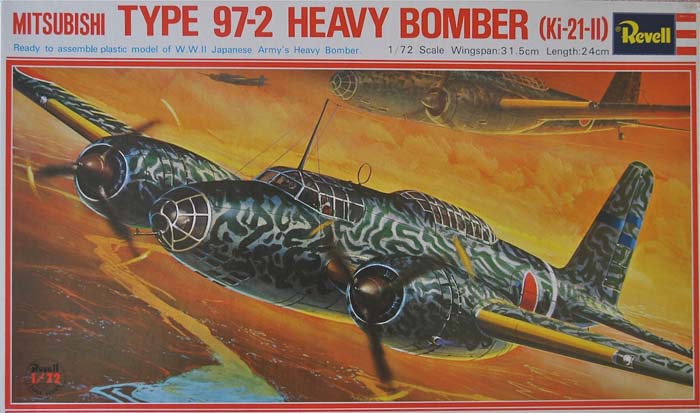
And this is a “Sally” or a Mitsubishi Ki 21. It was actually possible to cultivate a decent crop of tomato plants in the long greenhouse behind the cockpit :

That’s enough photographs for now. Other aircraft types to be used, but much less frequently, are listed below:

“Claude”, Mitsubishi A5M, carrier based fighter

“Frances”, Yokosuka P1Y, navy land-based bomber

“Hamp”, Mitsubishi A6M3, navy carrier fighter

“Irving”, Nakajima J1N, navy land reconnaissance aircraft

“Jake”, Aichi E13A, navy reconnaissance seaplane

“Myrt”, Nakajima C6, navy carrier reconnaissance aircraft

“Nate”, Nakajima Ki-27, army fighter

“Nick”, Kawasaki Ki-45, army two-seat fighter

“Pete”, Mitsubishi F1M, navy observation seaplane

“Sonia”, Mitsubishi Ki-51, army light/dive bomber

Here’s a “Pete”, but its very easy to find the rest on “Google Images” :

Next time…..the Last Kamikaze.


20 Comments

Filed under Aviation, History, Pacific Theatre, the Japanese