
I haven’t written a book review before, but last week I was quite struck by this particular book, entitled “In for a penny, In for a pound : The Adventures and Misadventures of a Wireless Operator in Bomber Command” written by Howard Hewer. It is by no means a new book. My copy was published in 2000 and I bought a used copy from Abebooks. It was from a bookseller in Toledo, Ohio and the book had been a Library Copy from Greater Victoria Public Library at 735 Broughton St, Victoria, British Columbia, V8W 3H2, Canada.
With used library books, especially foreign ones, I always spend time wondering where the book has been, who borrowed it, what their lives were like and so on. I was most intrigued to find a till receipt still inside, detailing the book’s being taken out at precisely 10.41 am on June 16th 2001. Who read it? Did they enjoy it? And most exciting, did they get it back to the library on time by June 30th?
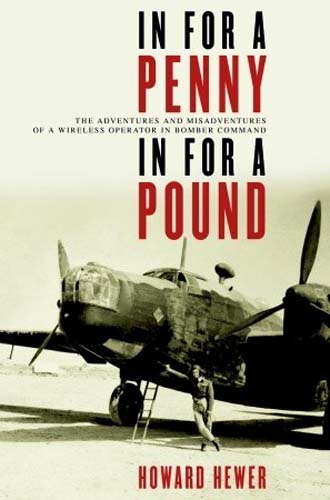
The book tells the story of a young Canadian who joins up and then spends the war in the RAF, mainly in Europe and the Middle East. He is in Bomber Command where casualties, of course, were enormous. There are, really, any number of such books. Some are written to be exciting, some to be poignant and some as detailed historical records. This one is a little bit different and tells the story from the point of view of a Canadian:
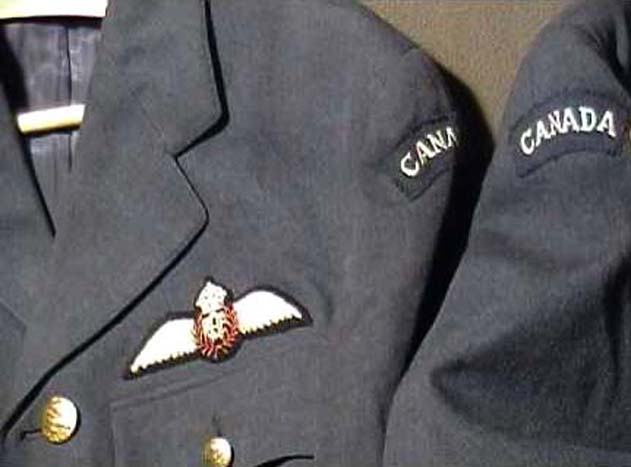
I just did not realise that the British would drag innocent young blokes half a world away from their homes to do their fighting and then insult them for their pains…
“We encountered the ‘colonial label’ usually with some snide remark. We grew restive and increasingly rebellious.”
Their reactions were pretty easy-going though, compared to one group. The Aussies:
“erupted in a near riot and refused to appear on parade or in class…Things reached a climax one day in the mess hall. This day the food was particularly inedible and one Aussie grabbed his plate and flung it against the wall just as an RAF air commodore walked through the door…this was not an isolated incident”.
Indeed, he speaks of the Canadian involvement in the “Cranwell Riot”, calmed only by the intervention of Canadian diplomats and Canadian officers. This may be what is being referred to in “The Cream of the Crop: Canadian Aircrew 1939-1945” by Allan D English (page 120) but I haven’t read that book yet. I could find nothing about the episode on the Internet.
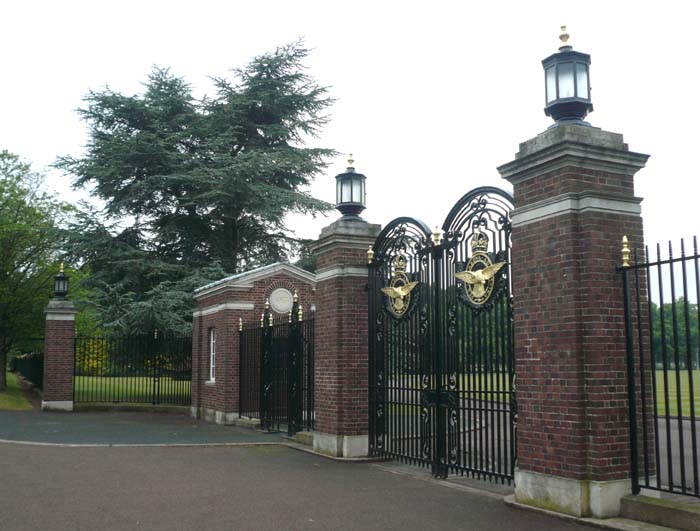
We visited Cranwell in May 2010. It was a dull rainy day but here is the main building:

The gates are typical architecture of the time:
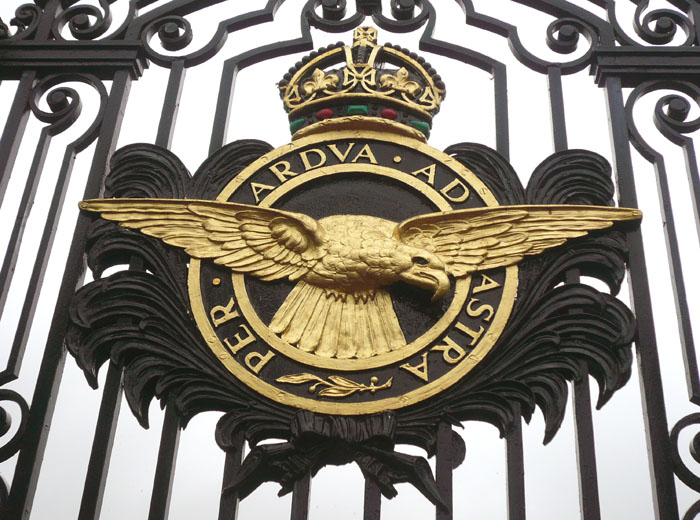
They are decorated with the superb badge of the RAF:
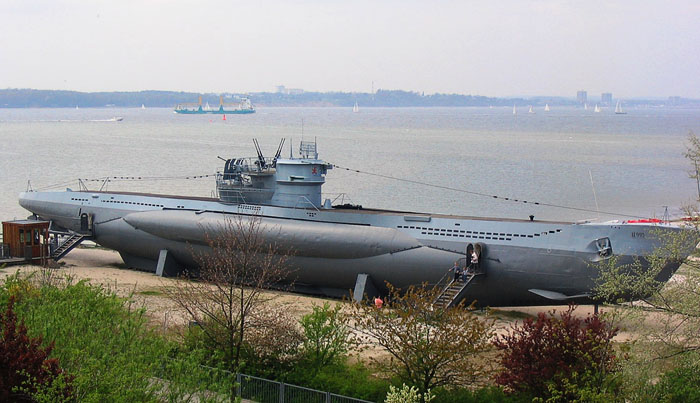
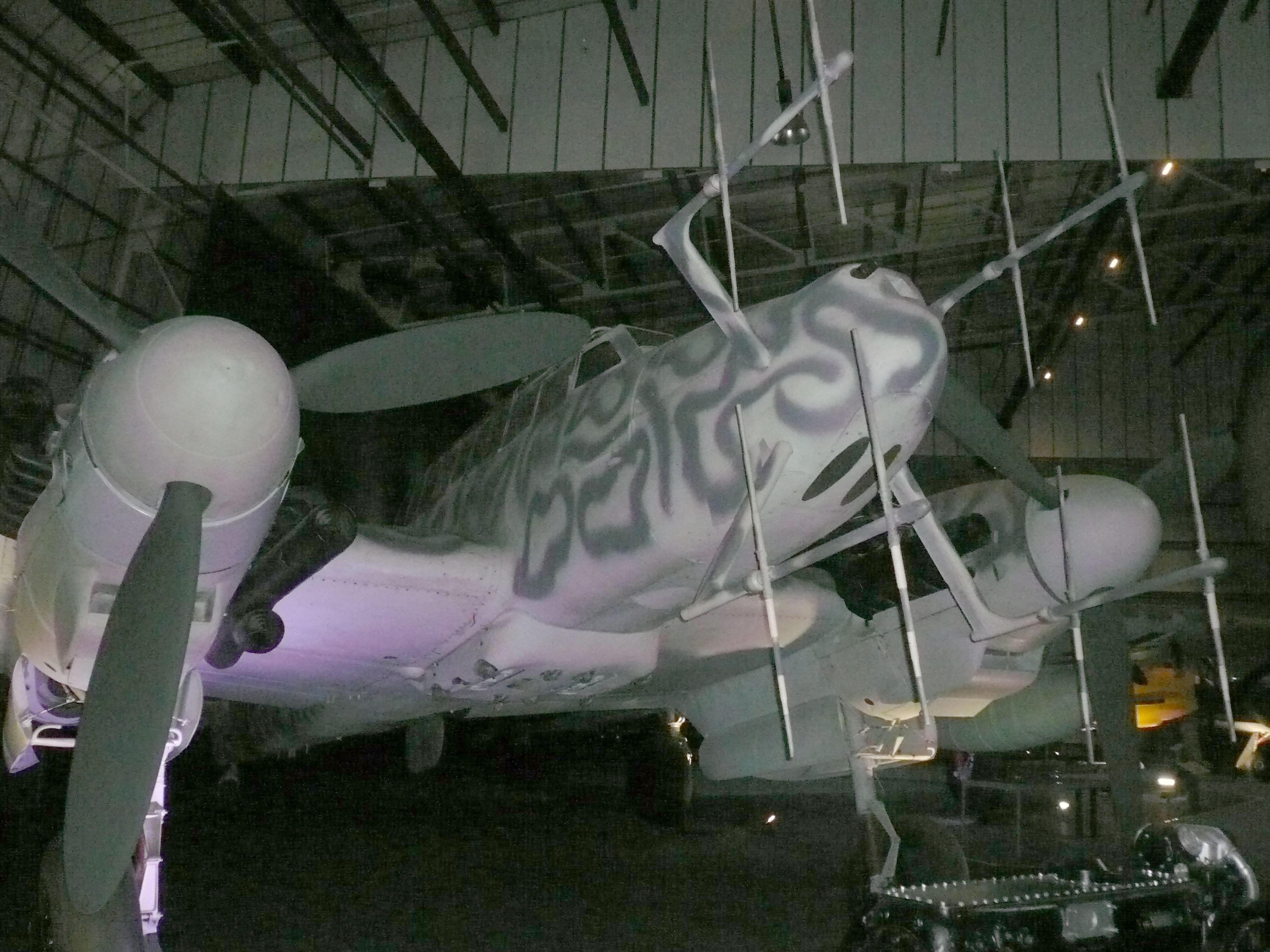
I read a lot about the RAF in World War Two but this book presents so much that is new to me. One intriguing footnote tells of the author’s neighbour in 1995 who told him of a fairly amazing incident. The Irish, always pretty anti-English at that time, were supposedly allowing U-boats to refuel in Cork Harbour, so, in late 1942 or early 1943, the RAF sent a force of 8 Blenheims to bomb the harbour “most bombs purposely landing in the bay.”
Well, I’ve never heard this before, but that doesn’t mean it isn’t true. Some 20,000 Irishmen from the Republic were in the British forces, but there were a good few who were very sinister in their activities. In his book, “Clouds of Fear”, Roger Hall alleges that more than one RAF flyer was killed by Irish parachute packers who deliberately sabotaged their parachutes. The men murdered this way included a young man from the High School but that is, as they say, a story for another day.
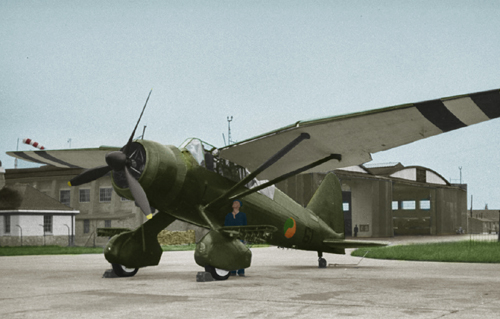
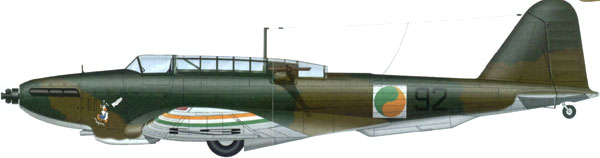
Bombing Cork, even Blenheims would have been safe from the Irish Air Corps, who used Lysanders:
And the Fairey Battle:
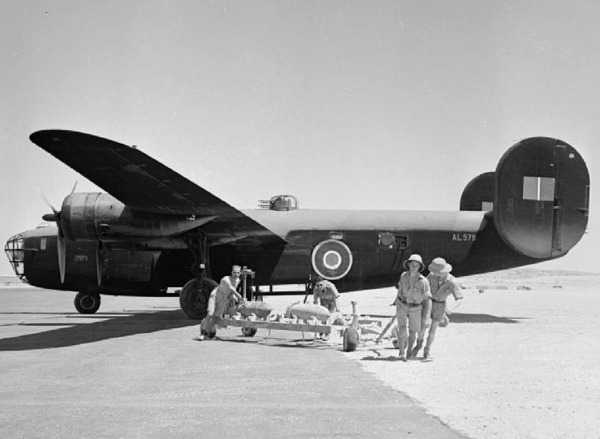
Going back to Howard Hewer’s book, when he was posted to the Middle East, I was really surprised to hear for the first time, of the practice in North Africa of bombing targets which were so far away that the aircraft had to refuel both on the way there and on the way back. The book discusses the conditions at these stopover sites “situated on dried up salt lakes…We carried our bomb load from base, and had to land fully and lethally loaded…we slept on the floor of the aircraft in winter, under the wings during the summer months…we were not issued with sleeping bags…” Presumably, the advent of B-24 Liberators would have helped to phase out these stopovers which were unavoidable with the Wellingtons:

The Liberator had a much better range. Here is one of the first that the RAF received:
Next time, I’ll carry on with Howard Hewer’s adventures in Egypt. There are many more stories about the RAF officers that I had never heard, but they all have that ring of truth.























 John Knifton