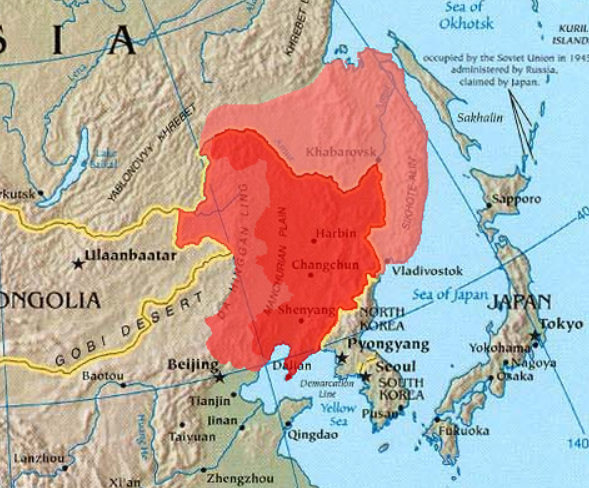
Last time I was talking about “The Devil’s Doctors” by Dr Mark Felton which describes how, at Mukden POW Camp in Manchuria, Allied prisoners of war, primarily Americans, were used to test Japanese biological weapons developed at Pingfan, the nearby headquarters of Unit 731. This is Manchuria:
The events at Mukden were not a unique series of atrocities, however. By no means:
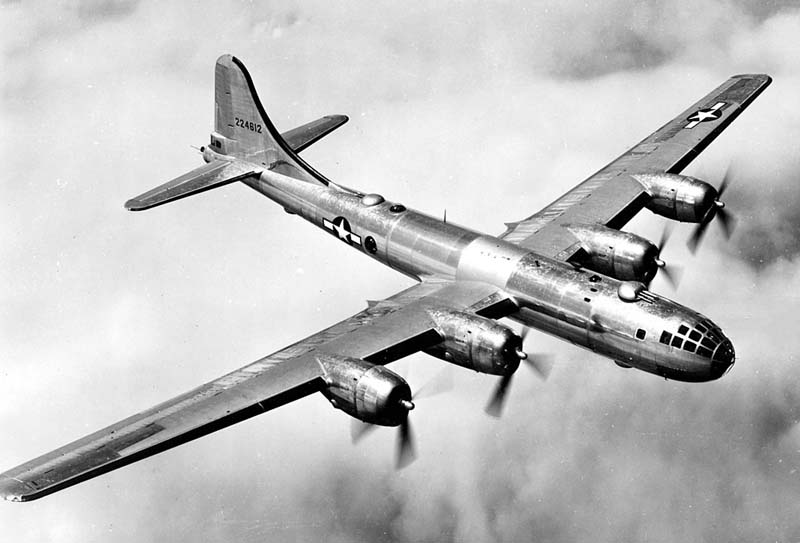
The author relates the dreadful events which took place on May 5th 1945 when a B-29 was rammed and brought down over Japan by a kamikaze fighter pilot. Of the crew, the first fatality had his parachute lines cut in mid-air by the wing of a second Japanese fighter aircraft. A second American was attacked by a mob of Japanese civilians who came running across a field to kill him. With the six bullets in his revolver he shot five of them and then himself. A third man was shot by civilians. A fourth man was never found. A fifth was sent to Tokyo to be questioned under torture. The rest were rounded up and taken to Kyushu Imperial University where they were murdered by the medical staff who dissected them alive in the post mortem room. The witness to all this was Dr Toshio Tono, a young medical assistant at the time.
In the 1980s he wrote a book about the event which named names, most of whom were, by then, in senior posts within the university. According to the author, the dissection of the prisoners paid particular attention to the brain, heart, liver and stomach. Times and places are given. On May 17th 1945, two Americans were dissected, on May 22nd two more, on the 25th a single man and on June 2nd, the last three men died. The horror is not over yet. On June 3rd the last victim’s liver was preserved for a party that evening in the Officers’ Hospital. More than one witness has come forward to say that the meat was chargrilled, seasoned with soy sauce and served as an hors-d’œuvre to the military and civilian guests, who knew what they were eating and enjoyed the meal.
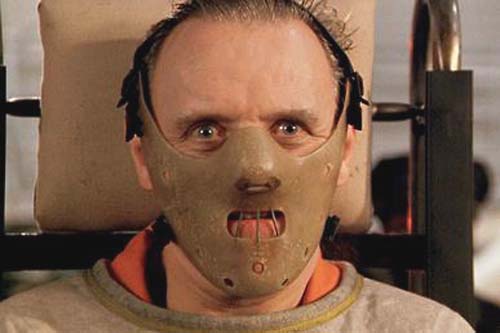
I suspect that this incident may well have inspired Hannibal Lecter.
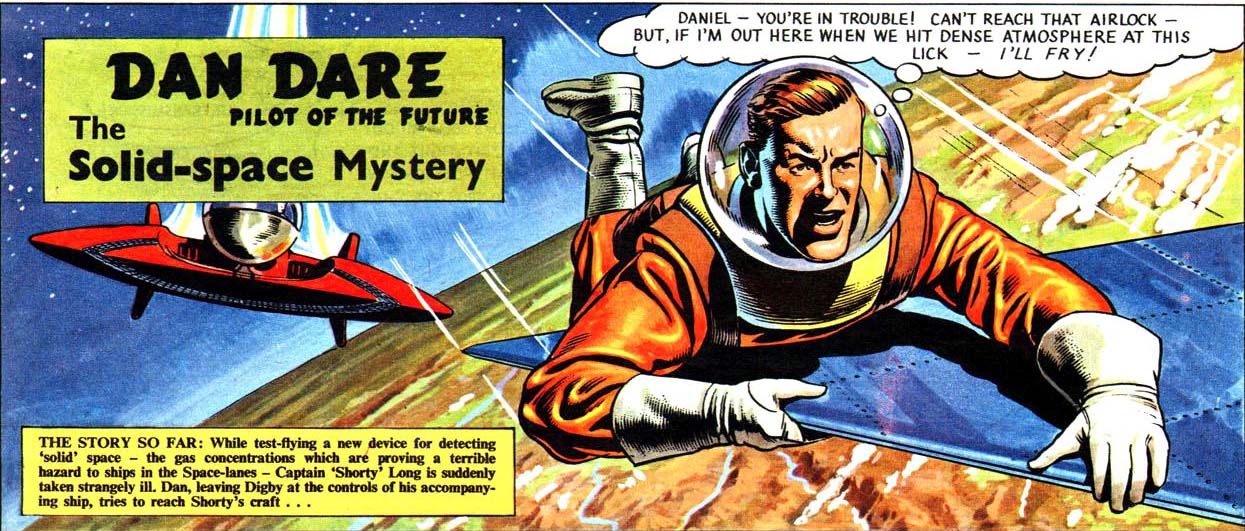
On the front cover, Eagle featured Dan Dare, the lantern jawed squeaky clean hero:
He could easily dominate the whole front page:
He was always helped, and occasionally hindered, by Digby, his rather podgy sidekick:
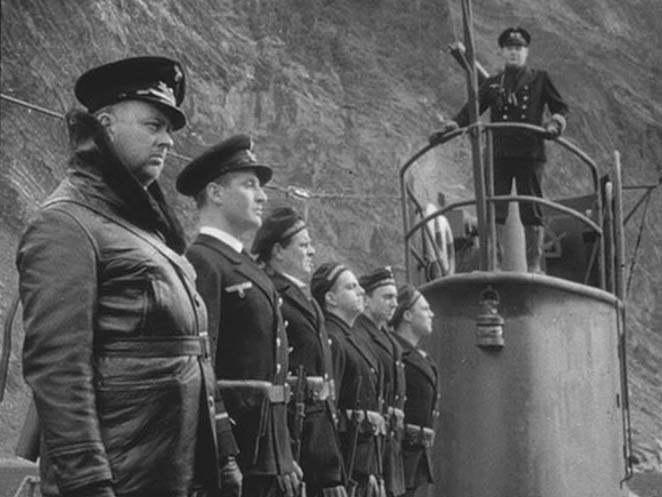
Presumably, he was named after an extremely obscure aircraft called the Digby, which was the name given to the Douglas B-18 Bolo in Canadian Air Force service. You can see this lost aircraft in action in the Powell and Pressburger film “49th Parallel” made in 1941 with Leslie Howard and Laurence Olivier. It’s a thriller well worth keeping an eye out for, and a film which portrays perfectly the repulsive attitudes of the Nazis:
Here’s another picture of Digby:
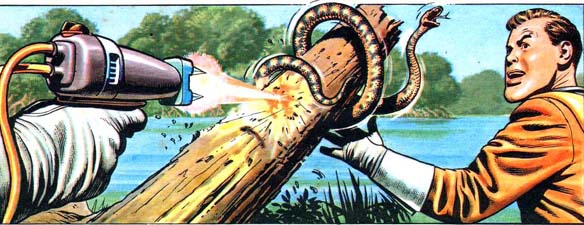
And, yes, he is using an electric hairdryer as a weapon:
I shouldn’t poke fun, though. Some of the science was years ahead of its time. Who else had heard of nuclear fusion in 1950?:
Dan Dare and Digby had their nemesis in the extraterrestrial figure of “The Mekon”:
Dan, Digby and the Mekon caused a revolution in the unchanging comic world of Weary Willie and Tired Tim. Issue N0 2 of Eagle came out on April 21st and the comic was on its way. Here’s the top half of that second issue:
And the bottom half of the same page:
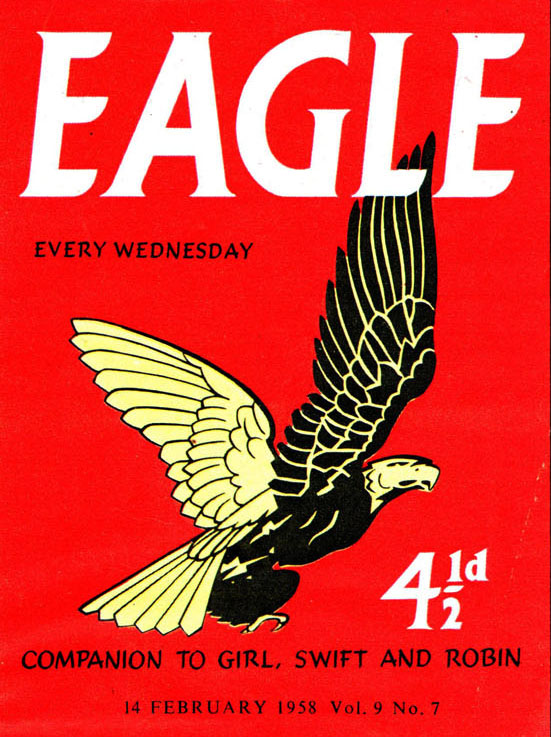
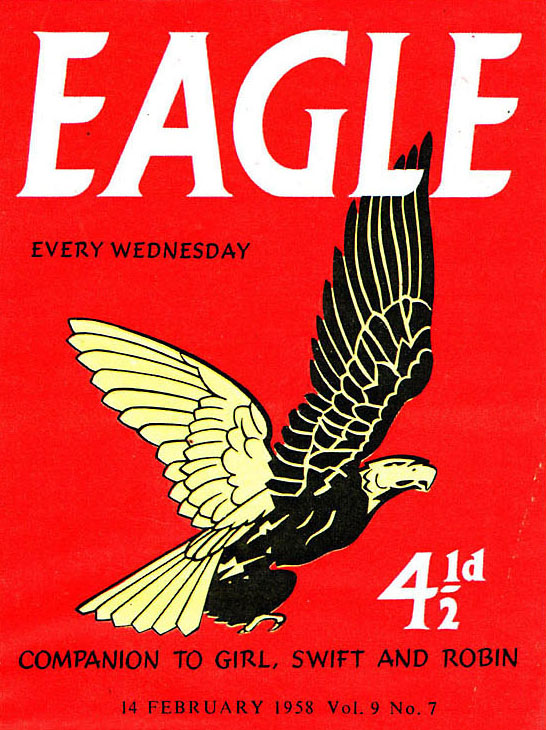
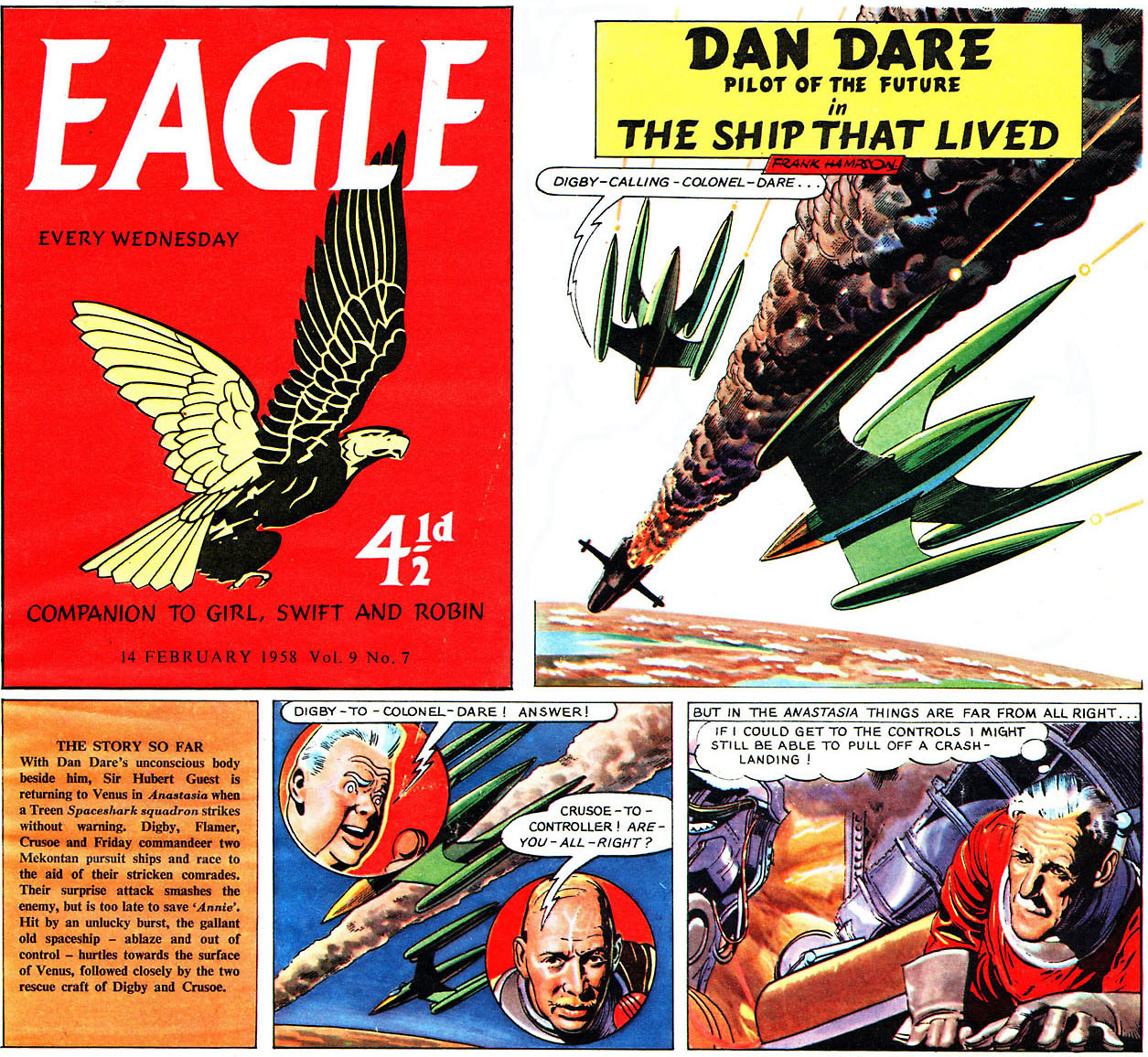
Sometimes the price of the comic was rather strange. This issue cost 4½ old pence which even in the days of a pound made up of 240 pence was an unusual price. I can’t get enough of that eagle personally:
On the other hand, there was a 4½d stamp at the time. Here’s a special one for National Nature Week:
The Eagle went from strength to strength, with its brightly coloured, vigorous art work…
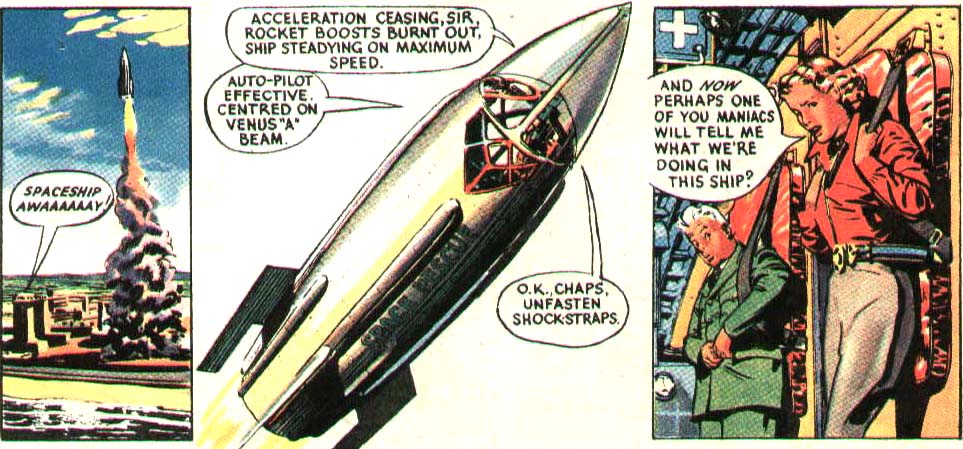
It always had futuristic machines…
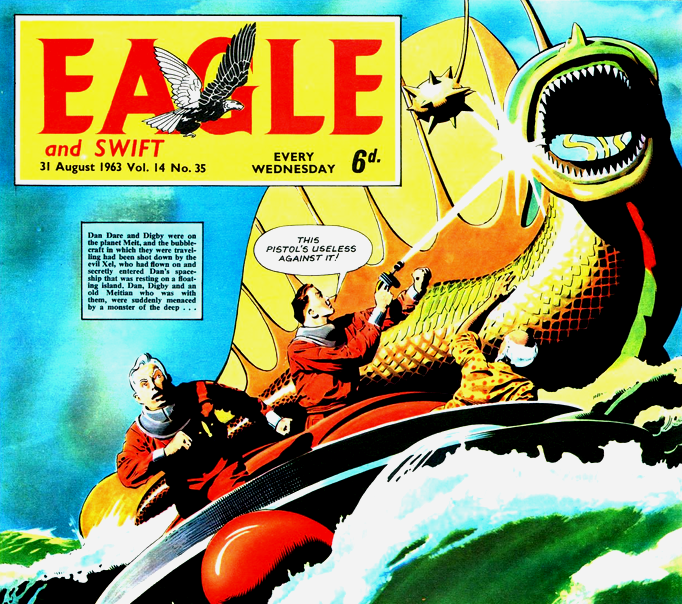
Here’s that orange caption:
There are occasional monsters…
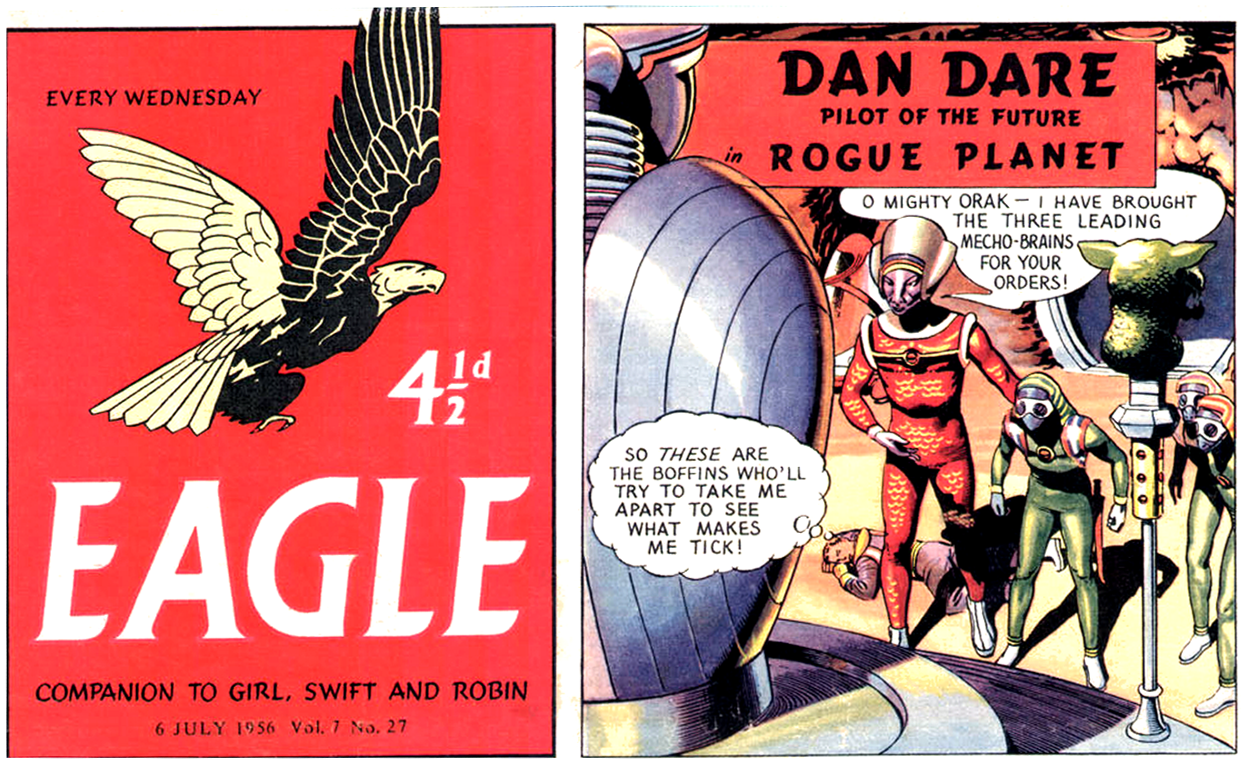
And the Dan Dare stories always had lots of alien species. Was it this type of picture that inspired the bars and cafes of “Star Wars” ?
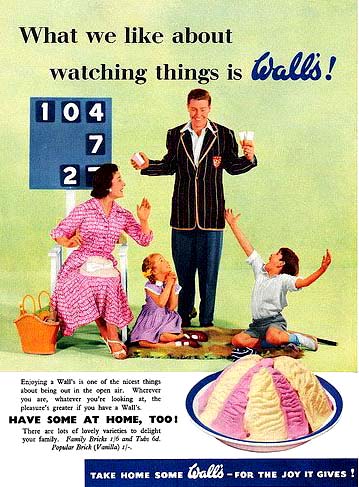
In Eagle Comic, the sponsored stories and advertisers’ contributions were always very interesting. Walls Ice Cream had their ordinary run-of-the-mill adverts:
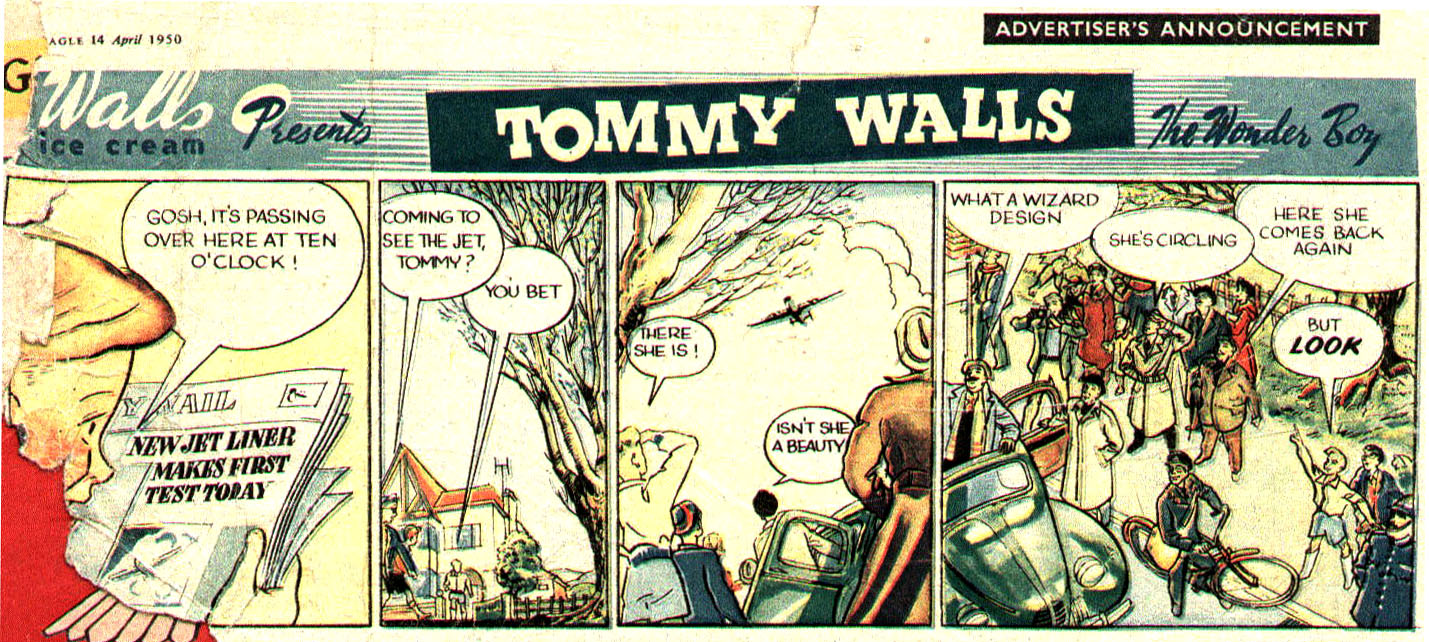
But they also had “Tommy Walls- the Wonder Boy”. The first stirrings of product placement. The perfect planting of a brand name in young, impressionable minds. I think that lots of the young readers actually thought that this story was part of the comic itself. I know I did:
The first picture says “NEW JET LINER MAKES FIRST TEST TODAY”
The last one says “WHAT A WIZARD DESIGN” which is countered by “BUT LOOK”
Clearly something has gone drastically wrong, but if you eat lots and lots and lots of Walls ice cream, you’ll be able to save the day:
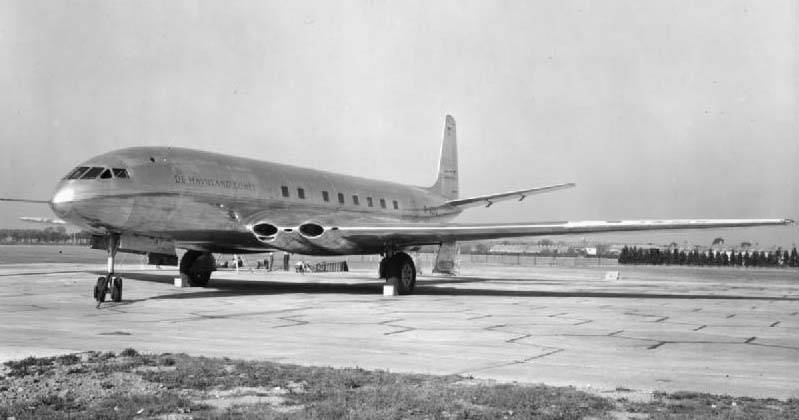
It must take sacks and sacks of sugar consumed to have the strength to hold the wing and the fuselage of a jet airliner together as it flies to an airport and makes a normal landing. Where was Tommy Walls when the De Havilland Comet was crashing all over Europe?
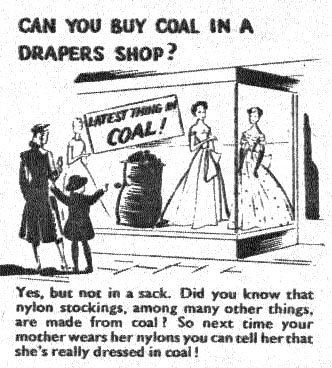
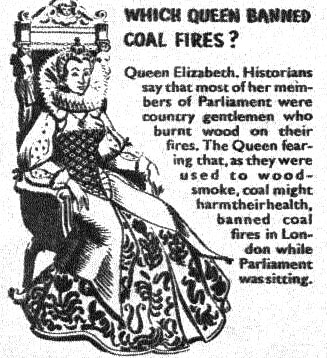
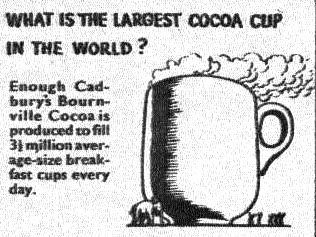
Cadbury’s came a close second with their “Cadbury’s Corner Quiz”. Here’s the first question:And Question 2:And Question 3:
And the final question:
And, of course, there were the ordinary quarter page adverts. Television told our mothers not to forget the Rowntrees Fruit Gums. Only listen to this irritating tune if you have always wanted your brain reformatted :
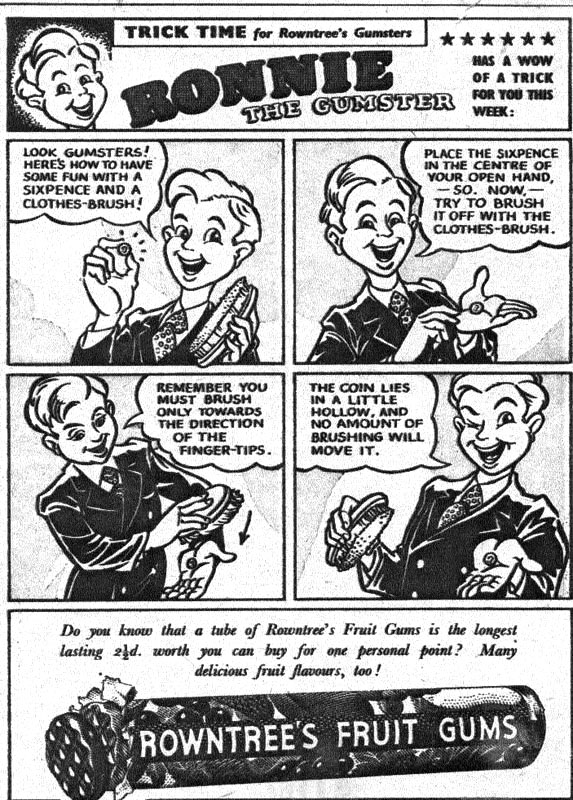
As well as the commercial links between our mothers and Rowntrees Fruit Gums, ‘Eagle’ Comic also emphasised the point with a comic strip starring “Ronnie the Gumster” :
But what’s a “Gumster” ? Something you find in a Forrest? Like Forrest Gumster.
Last time we were trying very hard to get the Ovaltineys song out of our heads. I was trying to make the point that Dan Dare was not the only character in the comic:
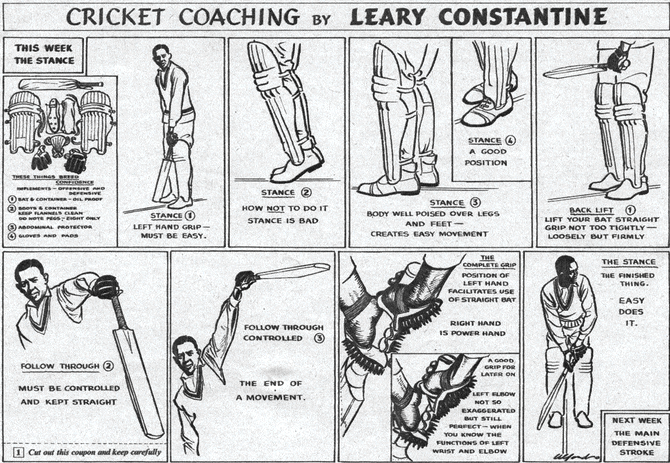
There was cricket coaching, and, thirty years before its time, and in a largely all white society, it was presented by a black man, Leary Constantine, a cricketer who achieved more in his life than most of us do:
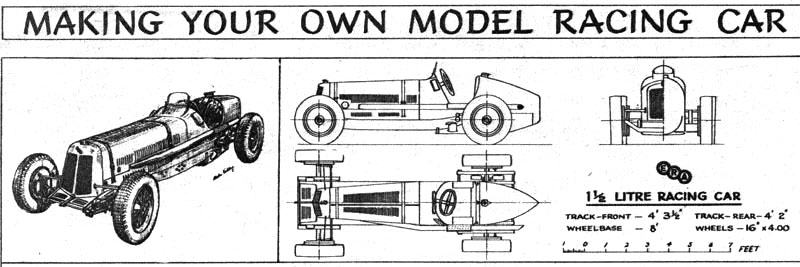
There were features about how to make models:
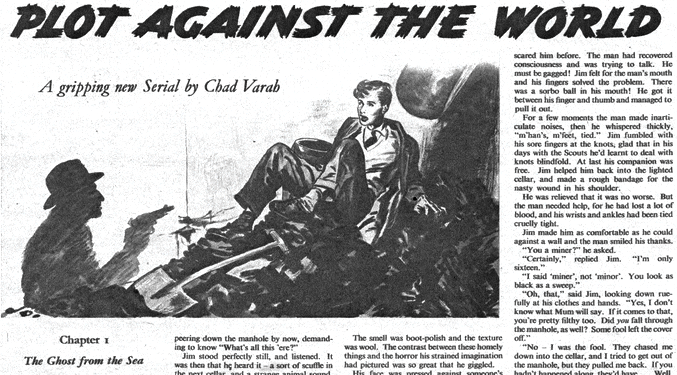
There were two written serials with solid text rather than just pictures. “Plot against the World” was the first ever to appear:
There was a half page about road safety. It was presented by Billy Steel, the famous Derby County footballer of the day:
During the 1950s lots and lots of children would be killed on the roads, because the drivers in England knew very little about how to drive safely and the children of England, accustomed to just a couple of cars a day going past, had very little road sense. Around 1963, a little boy in our class called Nigel Sparrow was killed by a car as he cycled along country lanes looking for bluebells for his mother. He was in hospital for two weeks or so before he passed away. We prayed for him every day in our school assembly but it was all in vain. He succumbed to his injuries and died. That was the first time I ever had any serious doubts about the religion I had been given. I think about Nigel regularly, poor little boy.
Billy Steel offered a lot of very good advice:
He offered advice a lot better than he played football for Derby County.
Years ago, I actually wrote about him, but only in the context of my Dad, Fred, who thought he was “a right twerp”:
“As regards football players, in the late 1940s, Fred was always less than impressed by Derby’s then record signing, a young man they bought as they attempted to stop their slow but inexorable slide out of the First Division. This was a handsome young forward called Billy Steel, whose dark tousled hair was, for Fred, his best, and probably only, positive feature. Fred was just unable to stomach how Steel would miss an easy chance to score a goal, and then merely laugh about it as if it were nothing important.”
Next time, the other features that made Eagle the best selling comic in English history:
Last time we looked at the appearance of a brand new comic called “Eagle”, which was an almost revolutionary step forward in the world of boys’ comics in England. The eponymous hero of the comic was space pilot Dan Dare, always combatting something or other, in this case Psycho-Rocket-Repair-Man :
Dan wasn’t the only person in the comic though. There was “Rob Conway” who seems to have been some kind of aviation detective:
Note the three aircraft, a Hawker Seahawk, an Avro Lancaster and possibly a Gloster Meteor.
There was PC 49, where ‘PC’ does not necessarily stand for “politically correct” :
And “Seth and Shorty – Cowboys”, wrangling away deep in the heart of Texas :
Seth’s grandson is probably better known to you as Dr Sheldon Cooper:
“The Great Adventurer” was a comic strip that predicted Middle East politics seventy years ahead of its time:
And there was even Captain Pugwash:
There were cutaway drawings of the latest technological marvels of the day:
And more science from Professor Brittain, now that radar wasn’t top secret any more:
“Discovering the Countryside” featured the hedgehog and an adder:
We learnt about aviation from reading “Heroes of the Clouds”:
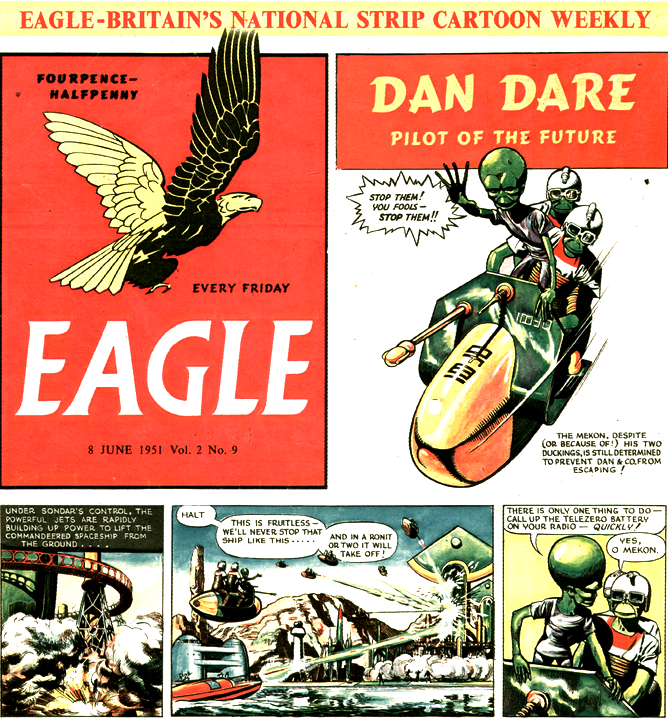
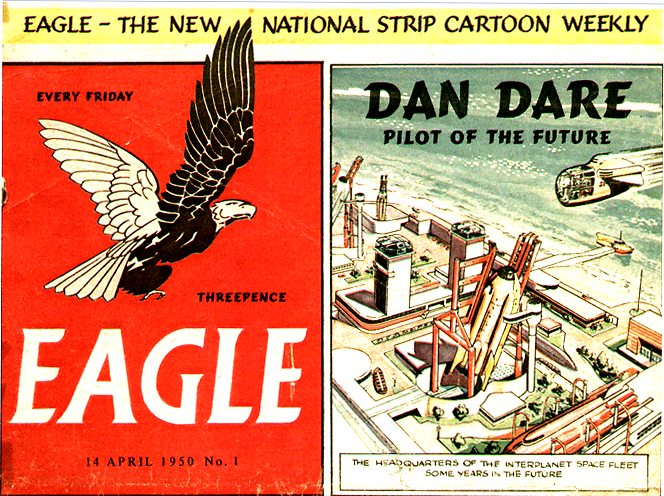
The first edition of ‘Eagle’ comic came out on April 14th 1950. It was the brainchild of Marcus Morris, a Lancashire vicar from Southport and it was illustrated by Frank Hampson who had previously worked on the vicar’s parish magazine. The Reverend Morris wanted a comic which told stories based on Christian ethics. Here’s the front cover, with the top half of the first ever Dan Dare story:
Dan Dare was the hero of this famous science fiction epic. It was perhaps a little like a cross between Flash Gordon and Star Trek. There was a villain as the equivalent of Ming the Merciless, and Dan belonged to the Interplanet Space Fleet who were a little like Captain Kirk’s United Federation of Planets. Here’s the second half of that historic first page:
I found it very difficult to create a clear illustration of the first edition where it is possible to read the text. The important thing, though, is the fact that a rocket is taking off, bound for outer space. In a 1930’s comic, it would have been a biplane, bound for Edinburgh.
The story continued in full colour on the back page. Here’s the bottom half of that very first second page, complete with jet propelled gyroscopic jeep:
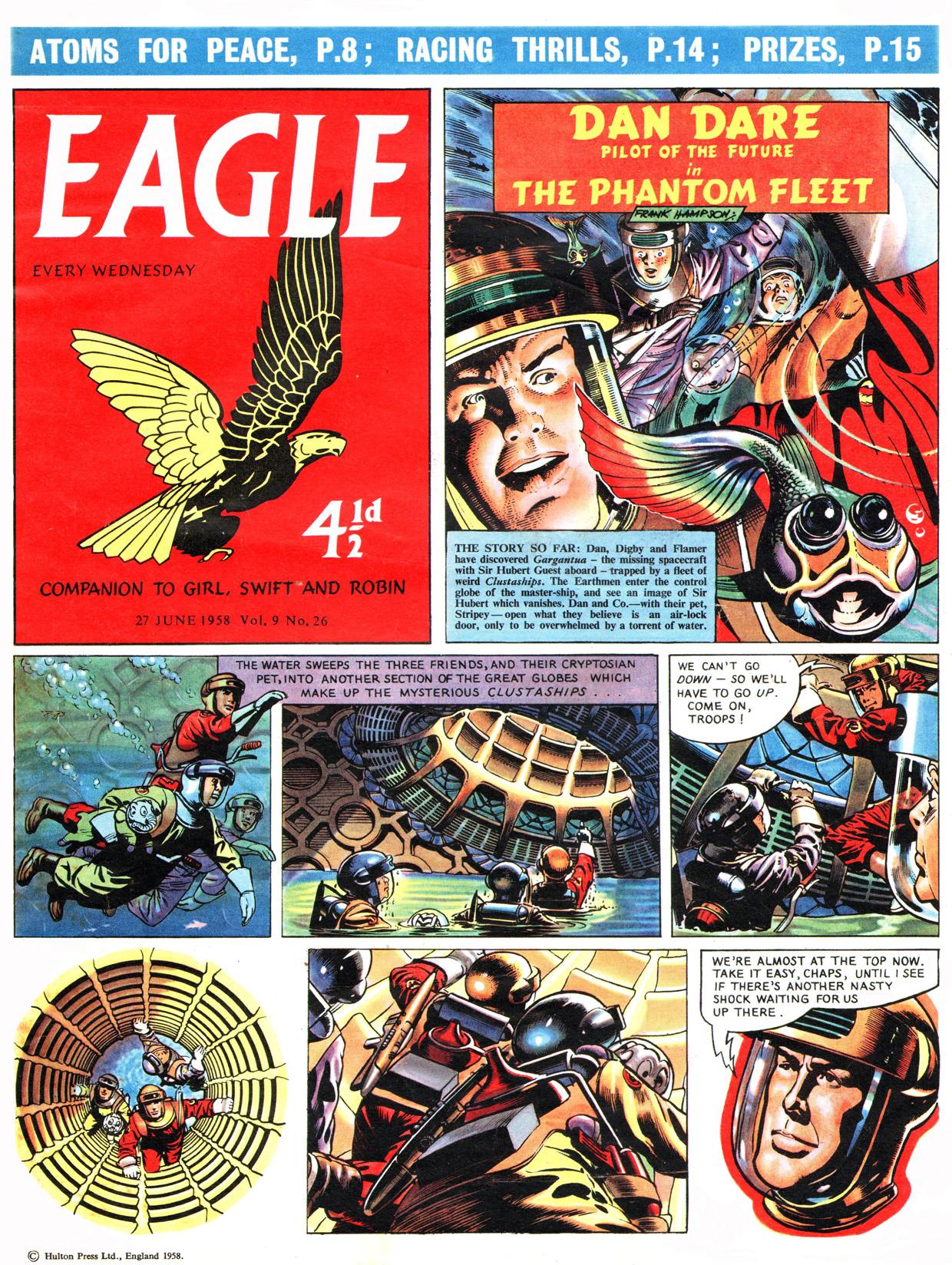
What is important, though, is that the printing, both of the words and of the illustrations, would be unrecognisable by 1958. Mind you, the cost of the comic had gone up from the original threepence to four and a halfpence. Just look at the quality now:
Next time, we’ll look at some of the other characters to appear in that first edition of Eagle comic:
I said last time that I would take Cliff Barackman, James “Bobo” Fay, Ranae Holland and Matt Moneymaker back into history and legend, to see if I could find any creatures, perhaps based on Bigfoot, mentioned over the course of the last 5,000 years or so. I spoke of Enkidu, and Moses’ Twelve Spies in the land of Canaan. I also rejected Goliath, and I described Grendel who, although I thought he was possibly not as dangerous as he has been portrayed, I thought was not necessarily armless.
This time the situation is a little more complex in that Jean Grin was, supposedly, a historical figure who was active as recently as 1800. He lived in a mountain ravine, in a crude cottage of stone with what is now a collapsed roof, surrounded by pine trees and dry scrubland. Inside, against the very rock itself, there is the oven where he roasted children to eat. Outside are several piles of stones covered with soil, supposedly the burial places of his victims:
Jean Grin was living here because of his inability to get along with his neighbours. They called him an ogre, and considered him an ambiguous being, “mi-homme mi-bête”, half way between animal and man. Soon after his arrival in the ravine, he seemed increasingly to take on the attributes of a savage, brutal, wild person that no social norms could restrain:
Young shepherds and shepherdesses began to disappear in the surrounding region. At the time, in a neighbouring area, there had been severe problems with some kind of mystery animal, either a very large wolf or a canid of an unknown species. It had been termed the “Beast of Veyreau” or “La Bête de Veyreau” and I have already written about it:
Whatever the killer in Lozère was, it only attacked weak people or children. In just six months, from June-December 1799, three victims were killed and eaten.
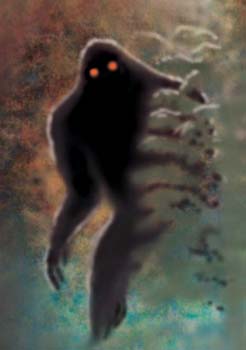
Physically, Jean Grin was by now dreadful to look at. He supposedly wore just animal skins and he could run extremely fast across the countryside and up and down slopes:In the dark, his eyes gleamed bright, shining red and you could see him coming from far away. Jean Grin too has been given the attributes of a Bigfoot. Memories from centuries ago have been added to his story. He had luminous red eyes. He possessed prodigious speed both going up and coming down mountainsides. He had an appearance generally thought to be “mi-homme mi-bête”. In addition, photographs show that he lived in exactly the same kind of dry, rocky environment where Bigfoot lives nowadays in the Sierra Nevada of California:
It is my contention though, that the story of Jean Grin is obviously much, much older than a mere 200 years. Indeed, I think that quite a complex process has therefore come about here.
Firstly, the people had a dim memory from centuries previously of Bigfoot type creatures in the forest and in the mountains. Secondly, there was an eccentric and unpopular man called Jean Grin who lived in the area. He was big and ugly. Thirdly, an unknown animal, the “Beast of Veyreau”, was attacking, killing and eating the young children who were left on their own to guard the flocks of sheep.
And what has happened is that these three elements, of Bigfoot, of gory deaths and of weird loners have all been melded together to give us the present legend. There are no Bigfoots in France nowadays, but in the centuries when the east of the country, in particular, was covered in extensive thick forest, I think there were, and recent enough for memories to linger on.
In 1962, Eagle Annual carried an article about the aircraft of the future.
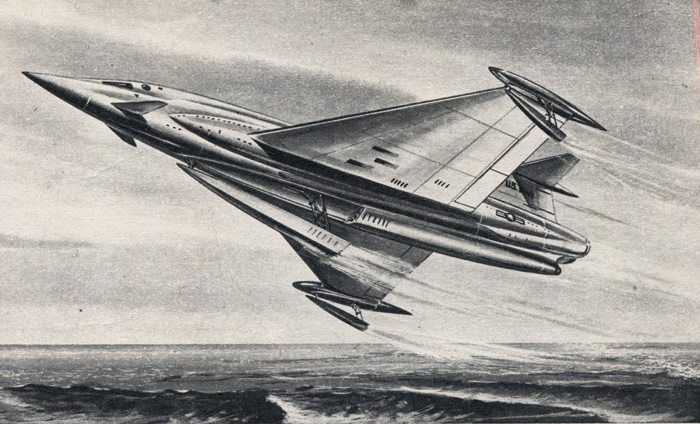
I thought I would take just a quick look with you at what the aviation buffs of that distant time though we were going to see in 2017. This was one of their suggestions:
Strangely reminiscent of a Convair Sea Dart for me. Did the writers know something that the readers didn’t know?
This slideshow requires JavaScript.
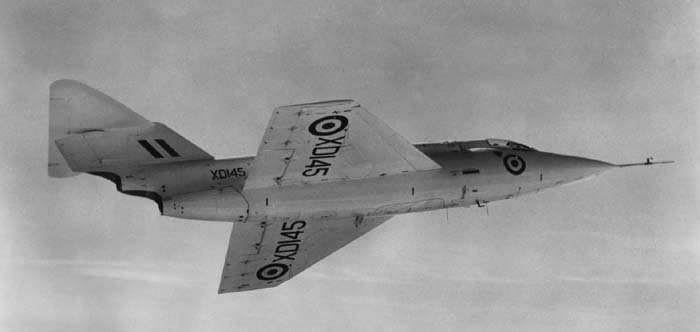
Alternatively, was it the doppelgänger of the Saunders Roe SR53? The rocket powered interceptor of the 1950s that was so unlucky to have been scrapped. It would have been a brilliant aircraft. And why didn’t the Germans buy it?
Here’s one I photographed myself at RAF Cosford, I think:
Here’s another suggestion from Eagle:
Rather like the B-70 Valkyrie, n’est-ce pas?
This is more like a completely fresh thought, not based even subconsciously on anything the writers had ever seen:
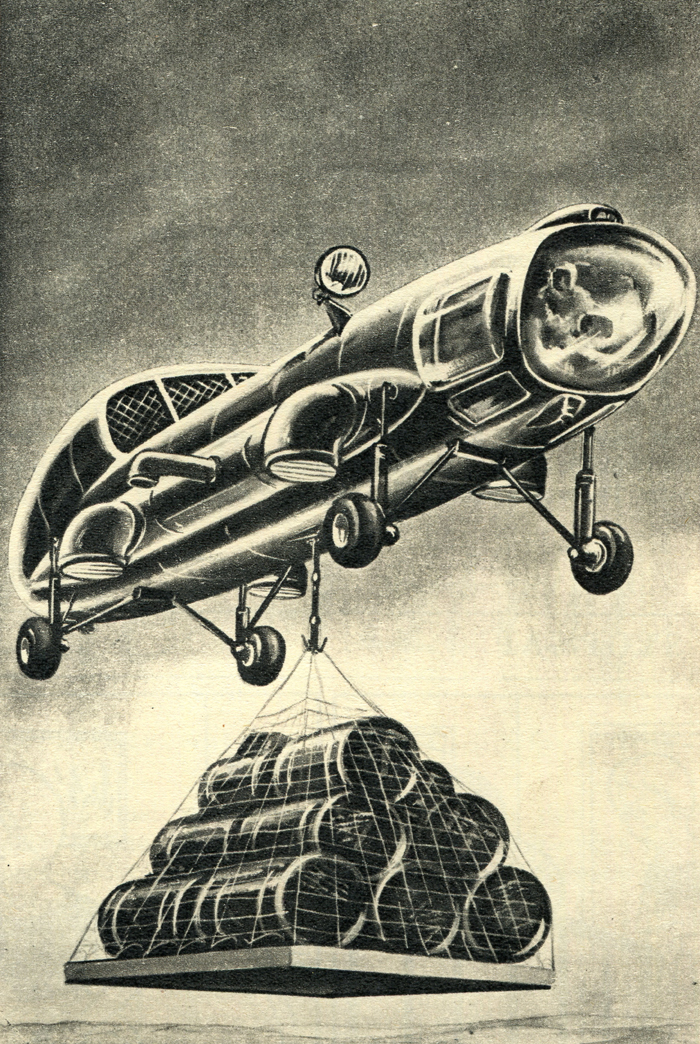
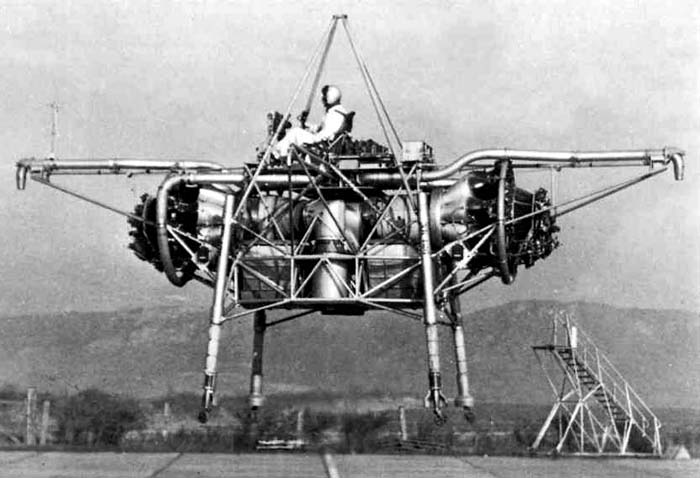
The likeliest aircraft to make the cut is this VTOL workhorse. It’s rather like the cultivated well mannered cousin of the Flying Bedstead:
The Flying Bedstead, of course, had no covering of any kind over the structure of the machine:
Although the Short SC1 did, and that took it a huge leap towards the Eagle VTOL aircraft of the future:
To me, it almost looks as if the writers of the Eagle article, perhaps subconsciously, included real aircraft, usually experimental types or prototypes, in their portfolio of supposedly imaginary aeroplanes of the future.
This was the real aircraft of the future when it made its appearance:
I am sure that it would surprise a great many people to be told that there have been fairies, gnomes and elves seen in Nottingham in quite recent times. The most famous incident was in the late September of 1979. This took place in Wollaton Park, which is the extensive grassland, studded with trees, which surrounds stately Wollaton Hall, home of the Hollywood blockbuster, The Dark Knight Rises :
Wollaton Park is in the centre of Nottingham. Look for the orange arrow:
I do not know the exact place where the fairies and gnomes were seen, but I suspect that it was probably here. Again, look for the orange arrow:
This location fits in quite well with details I have found, namely, “near the lake”, “swampy”, “near an exit from the park” and “near a fenced off nature reserve”. The most frequently quoted directions are “in a rather wet area down by the lake”. Here is the Lake. The orange arrow points to the place where doting parents take their children to feed the ducks and fight off the Canada Geese:
The little elvish creatures were seen by a small group of children between eight and ten years of age who were playing in a swampy section of the park. The children were Angie and her brother Glen and her sister Julie. There was also Andrew and Rosie who were brother and sister, and Patrick. Here are just some of the sixty gnomes:
The children were playing just as dusk was falling, around half past eight. The light was deteriorating but it was still bright enough to see. The children’s attention was attracted by something that sounded like a bell. They saw a throng of around sixty little gnome like men coming out of an area of woodland and bushes which had been fenced off to prevent the general public from entering. The little men were riding in small bubble-like vehicles. These cars were completely silent but they were very quick and could jump and skip over anything in their way such as fallen trees or branches.
Down near the lake they seemed to be enjoying riding over the marshy swampy area, and a few of them chased the children towards the exit gate from the park, just in play, though, not aggressively.
The little men were just half the size of the children, around two feet tall. They all had wrinkled faces, perhaps with a greenish tinge and long white beards, tipped with red. Sometimes they laughed in a strange way. On their little heads, they were wearing what the children described as caps like old-fashioned nightcaps. They were just like what Noddy used to wear, with a little bobble on the very end:
They had blue tops and yellow or green tights or pants. Despite the encroaching darkness, the children were able to see them all plainly. Patrick explained to the Headmaster: “I could see them in the dark. They all showed up.”:
The children watched them for about a quarter of an hour, as the men drove round in their little cars. Each of the fifteen cars carried two little men. They did not have steering wheels but some kind of circular device with a tiny handle to turn it. The little men also were climbing up into the surrounding trees, going into and emerging from, holes in the trunk or branches. All of the children felt that they had somehow surprised the little men, who usually would only have come out after night fell. Eventually, the children all ran away, because it was getting late. The little men had not been threatening or aggressive.
The adults who subsequently heard their stories thought that the little group of children were all telling lies, but the children were completely unwavering in their belief that they had seen what they said they had seen. Furthermore, they had seen the little men previously, during the six weeks of the long summer holiday from school. Some were at the lake, but others were at the Gnomes Anonymous, anti-Alcoholism Group:
The day after they returned to school, their Headmaster questioned them all separately and recorded their answers on a cassette tape recorder. The children all told, more or less, the same story. Their drawings too, were all very similar:
The Headmaster’s opinion was that the children were all telling the truth, although, as might be expected, there were minor differences of detail and emphasis between their different accounts. His overall final judgement was that “The children do sound truthful”. Here is the Headmaster on the School Photo taken that year. You can see why he believed the children:
In actual fact, the Headmaster actually corresponded about the events with Marjorie T Johnson, the author of “Seeing Fairies”:
He sent her the cassette tapes of the children he had recorded. His letter said:
“I think the tape reveals the wide measure of corroboration between the children, as well as the fluency with which they were able to describe the events. I remain sceptical as to the explanation of what they saw, but I am also convinced that the children were describing a real occurrence.”
When the children’s story about the Wollaton little people became public, a number of claims were made that they had been seen before in the boggy area around the lake. Marjorie Johnson, formerly Secretary of the Nottingham-based “Fairy Investigation Society”, confirmed that she had “received a number of previous reports of Little People frequenting this locality”. They included Mrs C George of Stapleford near Nottingham, who, in 1900, had seen both gnomes and fairies by the Wollaton Park Gates as she walked past on the pavement. Here is one of their little cars, abandoned temporarily by the roadside, and taken into the police pound:
Just before the children’s experience, Mrs Brown reported that she had been led telepathically around the Park, from one beauty spot to another, by a group of gnomes. At each stopping place they had magically provided her with a feather to find.
The famous writer on mysteries, and expert on fairy sightings, Janet Bord, added an interesting extra detail to the story:
“Over six years before the Wollaton fairies were reported in the media, I had corresponded with Marina Fry of Cornwall, who wrote to me giving details of her own fairy sighting when she was nearly four years old, around 1940. One night she and her older sisters, all sleeping in one bedroom, awoke to hear a buzzing noise (one sister said ‘music and bells’). Looking out of the window they saw a little man in a tiny blue and yellow car driving around in circles’. He was about 18 inches tall and had a white beard and a ‘blue pointed hat’…he just disappeared after a while.”
Originally, it was the “Surrey Puma” which had caused all the fuss throughout the 1960s. The first possible sightings had been recorded in 1959, but by the mid-sixties, at Godalming Police Station alone, 362 reports were received over a two-year period. And then, in August 1966, a former police photographer took a pale, blurry grainy snap which he claimed showed the Surrey Puma at Worplesdon, near Guildford. The photo was published in the “News of the World”, and showed an animal almost surprised by the fuss.
It was enough to get the local plods out of the chip shop, though, and out on patrol…
They found little (if anything). Ten years later, in the very early morning of July 29th 1976, the focus was very much on the Queen of the Midlands, the beautiful City of Nottingham…
Not on the stone lions on the Council House, the rendez-vous point of countless lovers since they were placed there by the Third Reich School of Architecture in the late 1920s…
Not even the local ice hockey team…..
But rather on a country lane a few miles from the city centre. It must have been a very countrified area at the time, with lots of now disappeared open fields, and the grassy expanses of the airstrip at Tollerton, the rather grandiosely named “Nottingham Airport”. It was one of the two years of extreme drought in the mid-1970s, and it was….
“…shortly after 6am, 29 July 76, when two milkmen were delivering to a bungalow opposite the entrance to Nottingham airport on Tollerton Lane between Nottingham and Tollerton. Different accounts put it at 15 or 50 yards away from the men; they were in no doubt: “We both saw together what to us us was certainly a lion….its head down and its tail had a bushy end. It was walking slowly away from us.”
It is unclear whether it was a male or a female, but presumably they would have said “lioness” if that was what they had seen.
This slideshow requires JavaScript.
It must have been difficult to be mistaken though even at fifty yards’ range.
“They watched it walk around the edge of a field, then called the police from the bungalow. By nightfall, the police mounted a huge search, with dogs, guns, loud hailers and a helicopter, in the Tollerton and West Bridgford areas. The police also said they had calls from people telling of the mysterious restlessness of their pets on the night of the 28/29th; and a local farmer at Clipstone, near Cotgrave, reported ‘strange paw prints’ on his land.”
As is often the case…
“The police found nothing. They checked zoos and private lion-owners within 100 miles, but ‘no-one appears to have lost a lion.’ They said they were taking at least 15 sightings seriously. The hunt hit a turning point in its second day when a sighting at Radcliffe-on-Trent turned out to be somebody’s Great Dane. At the same time a sighting came in from Bassingfield. One of the reports was from as far away as Norfolk by a couple who said they saw a lion in a lay-by at Lowdham (a country village near Nottingham) but did not report it they didn’t think they’d be believed. Yet despite these sightings, the police were getting disappointed by the lack of anything positive. As in the ‘Surrey Puma’ cases, the lack of any killed livestock, no pets missing etc as there would be if there were a lion conventionally on the loose. The milkmen were rechecked and both (David Crowther and David Bentley) were unshaken in their belief that they had actually seen a lion.”
How different from the present day. I cannot imagine that there are too many zoos or private lion-owners within a hundred miles of Nottingham nowadays. It is certainly strange, though, that the two milkmen were adamant about what they had seen…
“On the third day of the hunt, reports were still coming into West Bridgford, the nerve-centre of the operations. One caller heard something big crashing through Bunny Woods, and another heard something in a copse near Trent Lane church at East Bridgford. In fact, the police were obliged to maintain the alert.
Martin Lacey, a former Nottingham zoo owner, enters the fray, saying all the noisy activity has driven the lion into hiding, and offers the use of his lion-hunting Rhodesian ridgeback hounds.”
Just as the press were losing interest in the ‘Nottingham Lion’ the story receives a shot in the rump.
“John Chisholm, a doctor of Normanton-on-the-Wolds, near Tollerton, saw a large animal trying to break through some undergrowth to get to a stream on the evening of 1st Aug, while he was walking near his home. When he returned home he and his wife watched it leave the area from their upstairs window. Police said they were following up several other sightings in the same area.”
Curiouser and curiouser….
“2nd Aug police searching the A610 at Temple Lake, near Kimberley, found a large tortoise on the embankment. They were unable to trace any owner so they adopted it.”
The saga continued…
“The dailies for the next day (3rd) run the story of Dr.Chisholm’s sighting. Naturally in everybody’s eyes the fact that he is a deputy coroner makes the sighting more impressive and believable. (The police were) now 98% certain that there was an animal in the area…..
By the 6th Aug the lack of results was telling on the police. They issued a statement saying they no longer believed there was a lion at large despite 65 reported sightings in the last 8 days. They said that they proved to be mistakes, large dogs, and even a large brown paper bag.”
This slideshow requires JavaScript.
After this negative statement, the police announce three more reports of it in the Plumtree and Normanton areas.
It is rather difficult to sort out this East Midlands X-file. If we accept that the two milkmen were not liars, however, and they had not just misidentified somebody’s Great Dane, it would make a lot more sense of they saw a lioness…
With the benefit of 38 years’ hindsight, I suspect that what they actually saw was
In other words, a common-or-garden “Alien Big Cat”
Nowadays, of course, nobody would think twice about claims of seeing a so-called “Alien Big Cat” in this area south of Nottingham, even though it is probably a lot more built-up than it used to be.
I recently saw a TV programme which claimed that there were two identifiable big cat territories centred on Rutland Water, giving a long list of the many different places in the area where animals had been seen. There have been suggestions, too, that these cats, whatever they may be, are making use of disused railway lines to travel around, possibly even penetrating into the suburbs of large cities, rather like foxes have done in the past.
Some ABCs are reported as melanistic…
But do be careful over the question of size, however…
Otherwise your claims to the Nottingham Evening Post may leave you looking more than a little stupid…
But it’s not all over yet… there are still lions out there, back in 1976…
“No sooner had the Nottingham mystery been killed off, it turns up over 70 miles away just south of York. On the night of the 9th Aug, Alan Pestall was on his way to his local walking down the moonlit main street of Thorganby, when a black shadow crossed in front of him, by the church. He thought it was a dog and spoke to it.
Then I realised it had a cat’s face and a long tail. It was about 3 to 4ft long and nearly 3ft high. Before I had a chance to run, it leaps over a fence and was away over the fields.’
He kept walking slowly to the pub, believing if he hurried or turned it would attack him. Police took his story seriously and mounted a search on the 10th, but found no sign of a lion.”
A police spokesman said
“We have no reason to connect this report with the recent sightings of a lion in Nottinghamshire.”
Almost thirty years later, it was the turn of Norfolk’s Boys in Blue to take on the Killer Menace of the Big Cats..
Thankfully, perhaps, Alan Partridge kept out of it.
The picture of the Rhodesian Ridgebacks is used by kind permission of Jackie Ellis whose website is http://www.zejak.co.uk/. Even if you don’t particularly like dogs, there are some lovely cute puppies there…and the bonus is that they’ll protect you from the Nottingham Lion!
































 John Knifton