Tag Archives: Alfred Chenhalls

The Murder of Leslie Howard (5)

Last time, I tried to show you some of the marvellous speeches and wonderful films that Leslie Howard created to defend Democracy and Freedom against the German onslaught. I do know if any of you actually watched any of the recommended titles, but keep your eyes open for them on TV. Howard truly was a very gifted man.

Among his films, don’t forget “49th Parallel”, the horrendous tale of a U-boat whose crew members are forced to abandon it on the southern shore of the Hudson’s Bay in Canada and then make their way southwards to the USA. I will never forget the scene where the Germans slaughter the peaceful Inuits of a village they come across, just because the Inuits are not of the same race as themselves. Here’s a link to the complete film :

To whet your appetiote, here’s the film’s official trailer :
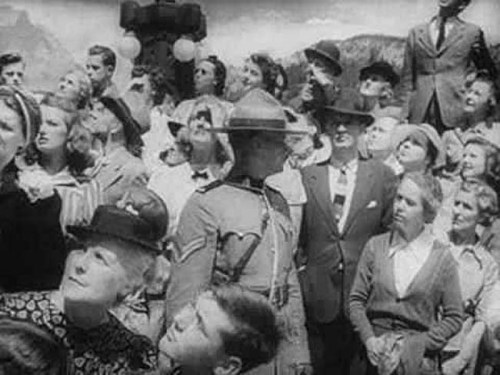
This is a very strong film. It was directed by Michael Powell and Emeric Pressburger and the main parts were played by Leslie Howard, Laurence Olivier, Anton Walbrook, Raymond Massey, Glynis Johns and Eric Portman. The film editing was by David Lean and the music came from Ralph Vaughan Williams. One detail that I particularly enjoyed was that :

“For the scene where the Hutterite community listens to Eric Portman’s impassioned pro-Nazi speech, the actors had to be all “hand picked faces”. Over half were refugees from Hitler.”

That says it all about the appeal of Nazism and racism.

Leslie Howard had done amazingly well with his films to defend Democracy and Freedom against the Germans. The Germans, of course, had long decided that Howard had to die.

The American-born traitor, William Joyce, who, as Lord Haw-Haw, broadcast on German propaganda radio to Britain, had even promised on the radio that Goebbels was personally going to have him shot. And Goebbels himself had made the same threats in “Der Angriff”, his own personal propaganda newspaper. Goebbels was not happy that Leslie had both directed and starred in, not just the anti-Nazi “49th Parallel” and “’Pimpernel’ Smith” but also in “The First of the Few”. He called Leslie, among many other things,

“Britain’s most dangerous propagandist.”

He viewed Howard as an irritant, a source of pain and, perhaps, a source of infection for Nazism, and a source, even, of death for German bigotry.

Linked with this is the theory that Chenhalls, Howard’s business manager, had negotiated a huge deal with the Portuguese and Spanish film industries. Vast numbers of English films were to be sold directly to companies in those two countries. All of the proceeds would then be spent on making new propaganda films.

Further to this, it has long been thought that both Leslie Howard and Alfred Chenhalls may have been British secret agents.

They were supposedly on the “Ibis” in the first place because they were returning from a job in Spain, whereby Howard had carried a top secret message from Churchill to Generalissimo Franco, trying to persuade Franco to stay neutral, not to join Hitler as an ally and not to close the Mediterranean to the British and thereby sever permanently their links to both India and Australia. And for this anti-German meddling, Hitler had decided that Howard had to die. Here’s Franco, whose first name was not either “Frank” and certainly not “Franco”. It was “Generalissimo” :

Those ideas about the real reason for the destruction of DC-3 Dakota “Ibis”, though, are just the beginning. There are lots and lots and lots more. So, let’s take a quick look at some of them……

Hitler did not like the fact that Leslie Howard had been working hard to win over the neutral Portuguese, trying to get them to allow the Allies to use the Azores for air and naval bases in the U-boat war. For this, he had to die.

Leslie Howard was merely an ordinary run-of-the-mill spy. For this, he had to die.

Leslie Howard was working hard at fundraising for the war. He was, given his mother’s background, a fluent German speaker and was turning out anti-Nazi programmes for the radio. For this, he had to die.

The presence of Howard and Chenhalls on that DC-3 saved the lives of seven year old Derek Partridge and his friend, the two little boys who were put off the aircraft to make room for the two important latecomers, Howard and Chenhalls. Several crewmembers immediately came to the door of the airliner and asked them to get off. As they left the aircraft, young Derek could not fail to see several aircraft with German markings parked around the airfield. He could see even more of them from the terminal building when he got back there. According to Derek, the BOAC aircraft was supposed to leave at 9.30 am but Howard was late. He was buying silk stockings at the departure lounge as a gift for a lady friend. They finally left at 9.35 am. Ironically that five minutes was fatal. It meant that the DC-3 ran into the eight German fighters. If they had taken off as planned, they wouldn’t have. The cruising speed of a Dakota is around 210 mph. In five or so minutes therefore, it covers just under twenty miles. If the DC-3 and the eight German fighters had been even fifteen miles apart, neither party would have seen the other. No lives would have been lost.

We may have a very long wait for the truth. Certain papers about the flight will be secret until 2025. Other papers which were due to be declassified in 1980 were not released and will now remain classified until January 2056. I’ll see you then!
17 Comments

Filed under Aviation, Film & TV, History, military, Politics, war crimes

The Murder of Leslie Howard (4)

Last time I showed you a whole selection of what could be called “mistaken identity” conspiracy theories. Leslie Howard was erroneously identified therefore by the German intelligence service, the “Abwehr”, as Harold Thompson, Churchill’s bodygard.

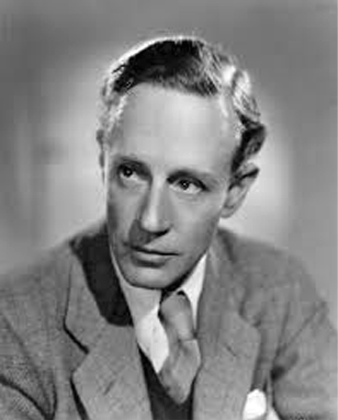
Here’s Leslie Howard, in the wonderful anti-war play by RC Sheriff, “Journey’s End”…..

And here’s Harold Thompson (on the right), a man who was frequently appalled by Churchill’s apparently total disregard for his own safety. The best example of that was when Churchill stopped his staff car in Hyde Park and jumped out, armed with a Colt revolver, to do battle with the three members of the Irish Republican Army who were trying to assassinate him…….

……..sometimes Leslie Howard was identified as Anthony Eden, the Foreign Secretary, despite the biggest hairy caterpillar in the world, that he had trained to cling to his top lip, irrespective of weather conditions…….

Sometimes the Germans confused Leslie Howard with Reginald Mitchell, the designer of the Spitfire, and in the grave for the past six years :

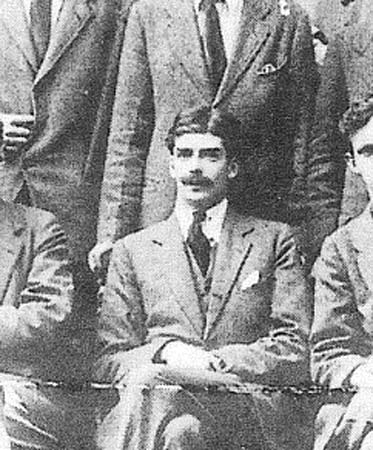
And,  an Old Boy of Nottingham High School, Alfred Chenhalls, Leslie Howard’s business manager, was repeatedly thought to be Winston Churchill. Bald, cigar smoking and fond of whisky, who else could it be?

Another rather different theory suggests that Leslie Howard rather than Churchill, was the real target of those eight Luftwaffe aircraft. By now, Howard had become a hard core enemy of the Third Reich, reverting back to his origins as……

“a Jew who was a ferocious and prominent critic of Nazism”

By 1943, Howard frequently expressed himself much more actively than merely speaking up occasionally in interviews.

Indeed, he was soon not just starring in anti-German propaganda films, but he was directing and producing them himself, using as much of his own money as he dared.

On one occasion, his royalties from “Gone with the Wind” paid for his anti-Nazi productions. And in those movies, Howard did not hesitate to name and shame. In one film, he speaks of the Germans’ plans for the rest of Mankind, the people who had suffered the dreadful fate of not being born German. Howard was sure that Hitler would destroy for ever the political systems they had adopted…….

“Every day reveals the utter and desperate determination to smash us to bits, root and branch and to wipe out every trace of democracy.”

But……

“we are better than them”

In 1941, Howard made a fifteen minute film entitled “From the Four Corners” (1941). This is a still from it:

And here is a speech that may well make the hair stand up on the back of your neck :

“And so our fathers’ minds crept along and their ideas of justice and tolerance and the rights of man took shape in the sunlight and the smoke, sometimes standing still, sometimes even slipping back, but slowly broadening with the centuries. Some of those ideas are written down in the constitutions of our commonwealth and some are unwritten. We just try and carry them in our hearts and in our minds. Perhaps the men who came nearest to putting them into words were those Americans, many of them the sons of British pioneers, who, founding an independent nation, proclaimed:

We hold these truths to be self-evident, that all men are created equal, that they are endowed by their Creator with certain unalienable Rights, that among these are Life, Liberty and the pursuit of Happiness.”

Those words and that spirit were born and nourished here, and your fathers carried them to the ends of the earth. They are our inheritance from the past, our legacy to the future. That’s why you came here – to defend them.”

Here is a link to the complete film. It is fifteen minutes that may well reaffirm your faith in good old fashioned democracy:

In “Pimpernel Smith”, he discusses Nazi philosophy with the film’s head of the SS,  who has just captured Howard, the man who has helped countless political prisoners to escape from Germany:

“von Graum : Why do I talk to you? You are a dead man.

Smith : May a dead man say a few words to you for your enlightenment?

You will never rule the world, because you are doomed. All of you who have demoralized and corrupted a nation are doomed. Tonight you will take the first step along a dark road from which there is no turning back. You will have to go on and on, from one madness to another, leaving behind you a wilderness of misery and hatred. And still you will have to go on, because you will find no horizon, and see no dawn, until at last you are lost and destroyed. You are doomed, captain of murderers. And one day, sooner or later, you will remember my words…”

You can watch the complete film of “Pimpernel Smith” if you click on this link :

Having said that, the film is so good that you may wish to buy a much better quality DVD of it for around £10.

Like millions of people in the world, Leslie Howard had little reason to love the Germans, but, as a Jew, the appalling anti-Semitic policies of the Nazis in the 1930s really sealed the deal.

Howard wrote: “Britain’s destiny has been to uphold tolerance in religion, thought, speech, and race–– the mainspring of democracy. We have still far to travel on the road to true democracy, but only the Germans have made no progress in this direction. Britain, with her great gifts has helped populate five continents and shown that the white man and the coloured man can live in peace together.”

Few of us, more than eighty years later, would quarrel with those sentiments.


13 Comments

Filed under Aviation, Film & TV, History, military, Politics, war crimes

The Murder of Leslie Howard (3)

Last time we were looking at how the airliner in which Leslie Howard, the film star, was returning to England, was shot down in the Bay of Biscay by the German Luftwaffe, resulting in the deaths of every single person on board, including the children. Here is some of Leslie Howard’s best work, taken from the now controversial “Gone with the Wind” :


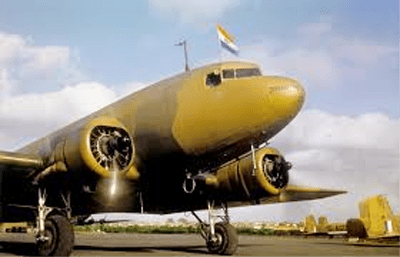
Since that first day of June 1943, there have been literally scores of theories put forward as to why Leslie Howard and the rest of the civilian passengers and crew of the DC-3 “Ibis” were all murdered in this callous fashion. Shot down into the waters of the cold Atlantic Ocean, while travelling to England in an aircraft which was unarmed and the property of a neutral country, namely the Netherlands. And this attack was clearly directed at somebody, because the attackers were eight Junkers Heavy Fighters, armed to the teeth and clearly, sent specifically to destroy this inoffensive DC-3 Dakota.

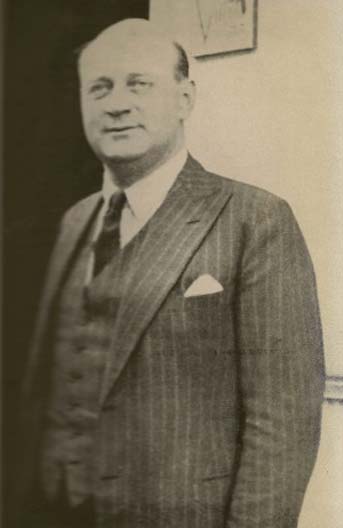
Leslie Howard’s business manager, Alfred Chenhalls was a fat, bald man who loved to smoke cigars and who occasionally drank alcohol in sensible quantities. It was extremely easy to mistake him for Winston Churchill. What do you think ? Did a German spy see Chenhalls get on the plane and immediatelyt telephone the German Embassy in Lisbon?

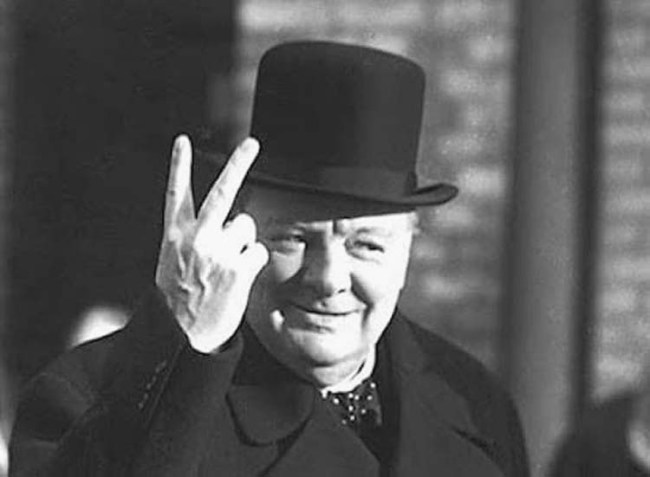
Which one is this?  Churchill or Chenhalls?

And is this the Prime Minister or a party going bon viveur, who liked nothing better than drinking the very best whisky in large quantities?

“Two bottles for each of us, barman !!! “

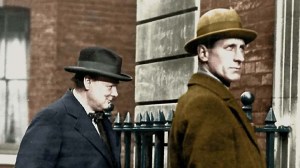
As we have seen elsewhere, Leslie Howard was not an English landowning gentleman, but a Hungarian Jew. He supposedly resembled Churchill’s bodyguard, Detective Inspector Walter Thompson. Similarly, Detective Inspector Thompson had the air of an archetypal English gentleman, self assured, self confident, upper class and, most of all, slim. Here’s Leslie Howard:

And here’s Walter Thompson, on the right:

There are other theories, of course.

How valid is the theory, though, that Leslie Howard was supposedly the virtual double of Sir Anthony Eden, England’s Foreign Secretary at the time? Here’s Eden at the age of around twenty, as a student at Oxford University……….

There is though, a bit of a giveaway which is tremendously helpful in any “Pick-out-Anthony-Eden” competition. The real Anthony Eden, for his entire adult life, had that stonking great moustache which he fixed into his nostrils at seven o’clock every morning and then didn’t take off until midnight.

And what about the idea, quite widespread at the time apparently, that the Germans thought that Leslie Howard and Reginald Mitchell, designer of the legendary Spitfire, were one and the same man? Leslie Howard we have already seen, and here’s the designer of what began its life as the Supermarine Shrew :

In my mind, the best fit is “Churchill and Thompson v Howard and Chenhalls”.  And we must not forget that the only images of Churchill or Leslie Howard seen by most of the attendees of the Dakota’s take-off from London would have been either crudely printed photographs from newspapers or perhaps slightly better quality pictures from magazines. Moving pictures would have been from Howard’s films, or for Churchill , the two minute Pathé News films shown in cinemas during the interval. In other words, confusion was a great deal easier in 1943 than it was in 2023.

It was by no means a completely ridiculous idea, therefore, to suggest that “Churchill–Chenhalls” was on that plane from Lisbon. And for the Germans, it was well worth organising an attempt to shoot down the plane, even if the Prime Minister was supposedly at an important conference in Algiers.

How easy it would have been to alert Berlin, who could then have contacted the fighter base, probably at Mérignac near Bordeaux in southern France, and then telling those eight Junkers Ju88C-6 heavy fighters to take off and intercept the DC-3. Such attacks were in actual fact very rare in the Bay of Biscay, so this particular Luftwaffe operation must surely have been for a specific reason, and for a specific and important target.

And now a whole second level of conspiracy theories swings into action. Perhaps British Intelligence invented the entire story of Churchill’s being on board “Ibis” that day, so that he could fly back home to England in his own private aeroplane, an Avro York. Here’s an excellent short film giving you all the relevant facts about the Avro York, which was basically a different fuselage, set on a pair of Lancaster wings:


There were plenty of people who believed this story that British Intelligence had told the Germans that Churchill was returning to England in the DC-3 that particular day, and that he would be refuelling near Lisbon. In this way, his Avro York would be able to return to London in peace, even if the Dakota finished up in pieces.

And so it goes on, round and round in ever decreasing circles with very little beyond well informed guesswork and random supposition. These are certainly very far from being guaranteed truths.

In 1943, the earliest rumours to surface were that “bon viveur” Alfred Chenhalls had actually been mistaken for Churchill by German agents as he walked out to the plane in Lisbon. Furthermore, this explanation is known to have been the one favoured by Churchill himself. At the same time, though, Churchill was certainly puzzled as to how German intelligence could possibly believe that he, with all the resources of the British Empire’s armed forces and those of the United States at his fingertips, should be reduced to travelling in an unarmed, relatively slow and vulnerable commercial airliner.

24 Comments

Filed under Aviation, Film & TV, History, military

“In the Footsteps of the Valiant” : Volume One : the Verdict (2)

As I said a couple of days ago when I was talking about Volume One of “In the Footsteps of the Valiant”, I had hoped to portray the High School’s war dead as real human beings rather than just a surname and a set of initials in a very long list of names. That is why I tried so very hard to unearth a great number of tiny details which I hoped would help to portray them all as rounded young men rather than just a couple of lines in the School List:

Some of them I could only present as adults because there were no photographs of them as boys.

Alfred Chenhalls was the personal friend and accountant of Leslie Howard, “The Man Who Gave a Damn”. He had lived at 2 Hamilton Drive in The Park, his family occupying the whole house, not just a flat as it would be nowadays:

Edwin Thomas Banks lived at No 7 Rutland Road in West Bridgford. As I discovered from his squadron’s log book, he was killed flying his Gloster Gladiator biplane into Lake Ioannina in Greece. He was buried with a full military funeral and a large number of Greek Generals in attendance. As one of his friends said: “coldest wait ever.”  At school, Edwin had been a keen rower: “Not very heavy but a hard worker. He sits the boat well. There was a noticeable improvement in the Second Crew when he stroked it. Although he has a good beginning he is still rather short.” As well as short, he is also rather blurred in the only picture I could find of him :

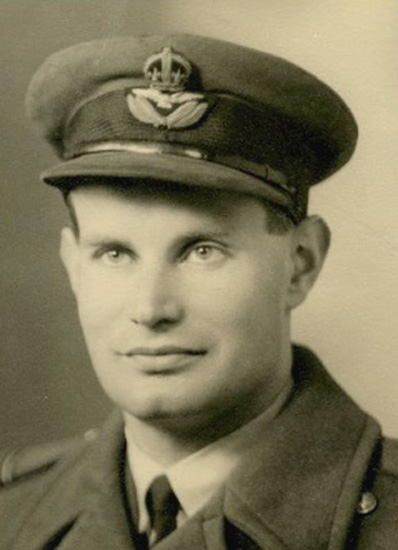
Howard Rolleston Simmonds lived at 28 Nottingham Road in Bingham. He went to Canada to learn to fly, one of the 131,533 aircrew who graduated successfully from that enormous country, including the best part of fifty thousand pilots. Howard was sent to help look for a missing aeroplane, a Lockheed Hudson which had been lost off the coast of Nova Scotia. He was the pilot of an Avro Anson I, 652A, with a serial number of W1754. He and his crew just flew off and were never seen again and no wreck has ever been found. Here he is in uniform, proudly displaying his wings:

And here he is sitting in his Anson:

John Harold Gilbert Walker was a Spitfire pilot who was shot down over northern France in 1941. The objective was the railway marshalling yards at Hazebrouck on the outskirts of Dunkirk and four squadrons of Spitfires, including Nos 118 and 457, were escorting just six Douglas Boston Mark III bombers. He was already a veteran of the Battle of Britain, flying a Bristol Blenheim nightfighter:

Keith Henry Whitson served in India with the Royal Indian Army Service Corps. He survived the war only to perish at Pindi-Khut eight months or so after the end of hostilities. Interestingly, Pindi-Khut seems to have disappeared from the map since World War Two. Again, the only photograph I could get hold of is not particularly sharp :

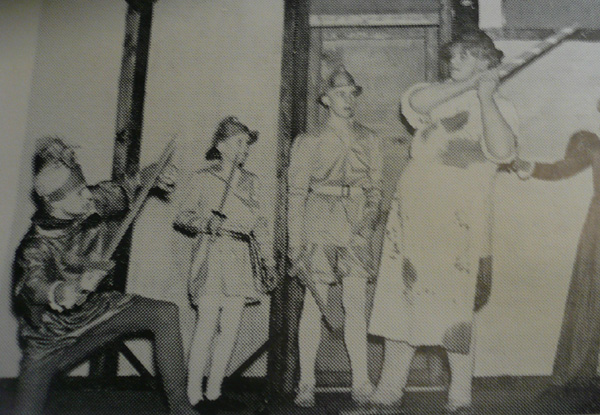
William Ray Llewellyn from “Torisdale” in Devon Drive in Sherwood and then 136 Melton Road in West Bridgford. He appeared in two school plays. In the first, he played a young woman in “The Admirable Crichton” by JM Barrie. He really was damned by faint praise: “The rest of the cast was quite adequate. I have no criticisms of WR Llewellyn as a Lady’s Maid.”

In what is now pretty much a forgotten play, “The Knight of the Burning Pestle” by Beaumont and Fletcher, he played one of the three Gentlemen who made up “The Spectators”. The overall verdict in the School Magazine was that: “the School play delighted me and many others too. The performance began in the most striking way, with three spot lit Elizabethan cavaliers coming right from the back of the hall up on to the stage. Llewellyn, Marchmont and Rowbotham were realistically discourteous spectators, and throughout their long period on the stage made the most of their restricted opportunities……. William’s little brother, Peter George Llewellyn, also had a rôle in the play. Looking tiny, he played three bit parts, Ralph’s Boy, the Soldier and the Dancer.”

Here he is :

The four actors are Russell Cruddas Lansberry, young Peter, Derrick John Turner and RN Walker (no such person) according to one page of the School Magazine and Robert Norman Walters according to the next page.

And little Peter got an excellent review: “Their fellow dancer, PG Llewellyn, shared their good delivery and confidence. As Ralph’s boy, he played his part with humour; as a pikeman he was certainly a menace.”

Again, the picture of his elder brother, William Ray Llewellyn, required a lot of work on Photoshop and is still very poor:

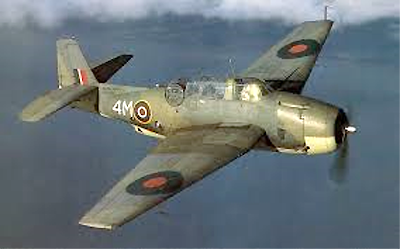
William went to meet his maker in what was then called Ceylon, a place he clearly adored:

“I beheld the dawn yesterday. Not from the foothills of the Himalayas, not even from the more prosaic bedroom window but from the cockpit of an Avenger bomber flying over Ceylon. We had all scrambled whilst it was still dark. The air was still and not a bump disturbed our passage.”

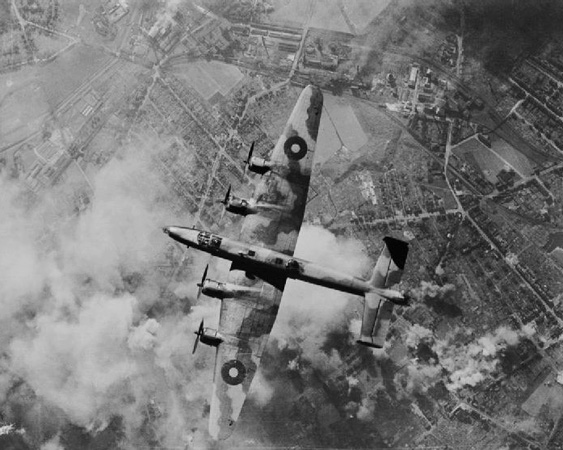
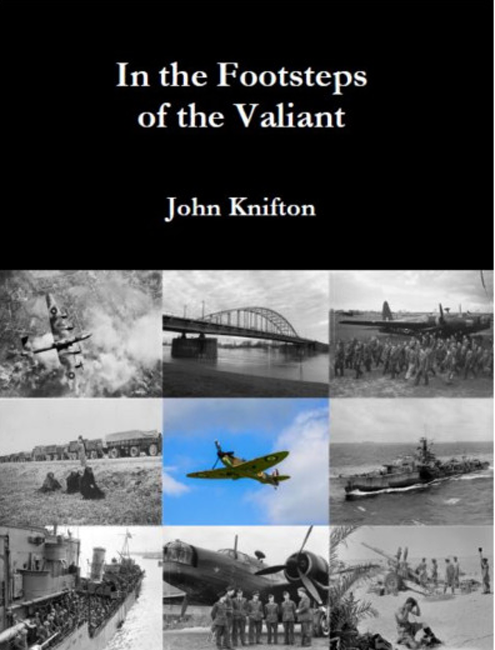
My team and I put a great deal of time into designing the cover. I don’t know if anybody looked at the photographs very carefully but they were all chosen carefully and with a definite link to an Old Nottinghamian in mind. There was a Handley Page Halifax:

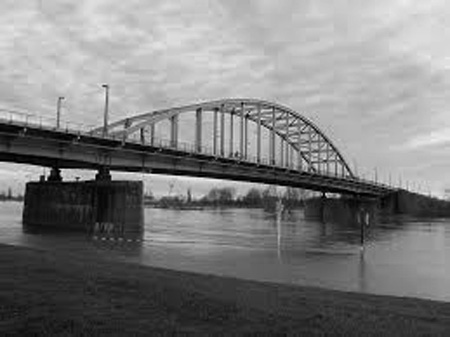
There was a Bridge Too Far :

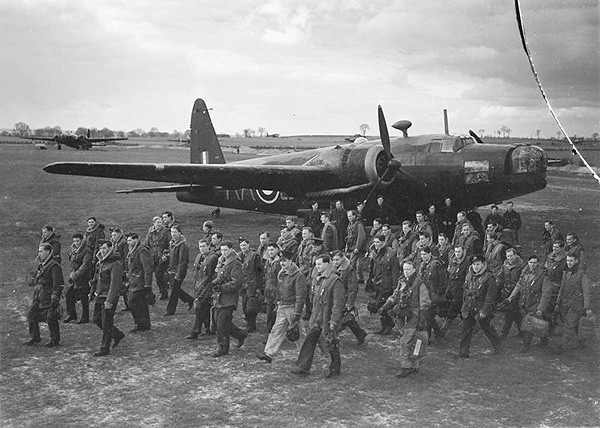
All of a RAF base’s airmen walking back to the Mess after a raid :

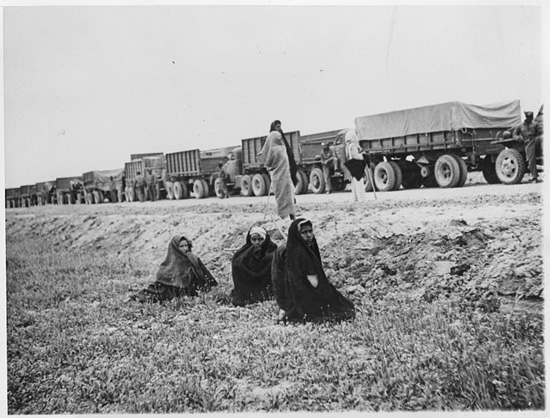
Here, Iranian women sit and watch British lorries invade their country with minimal opposition from the Iranian Army and a great deal of co-operation from the Soviet Army :

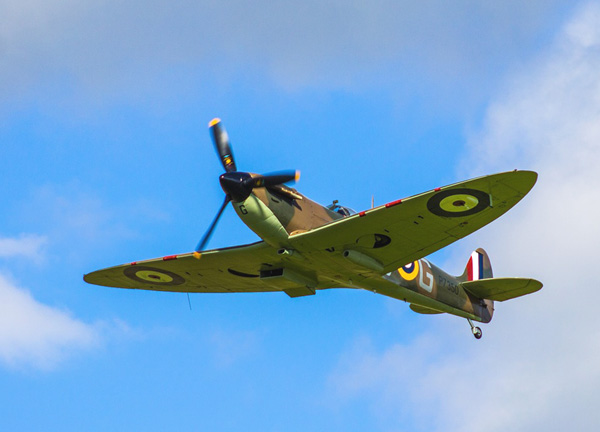
The most beautiful aeroplane ever built, the saviour of our country, and arguably, the world.

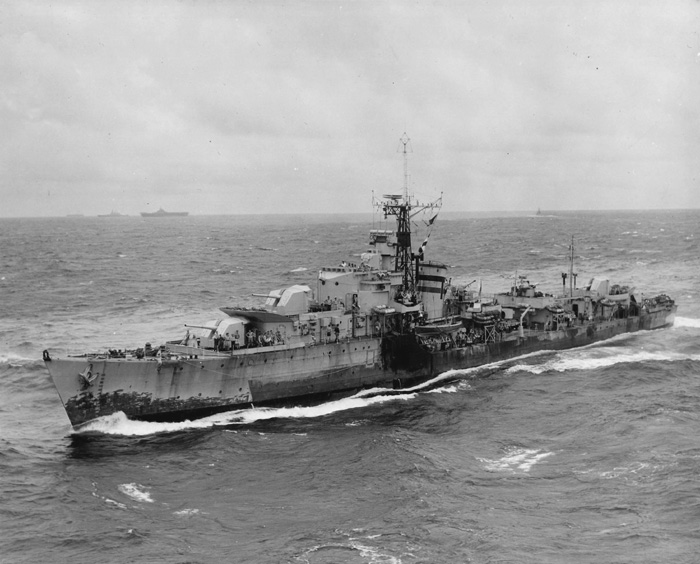
A T-class destroyer of the Royal Navy :

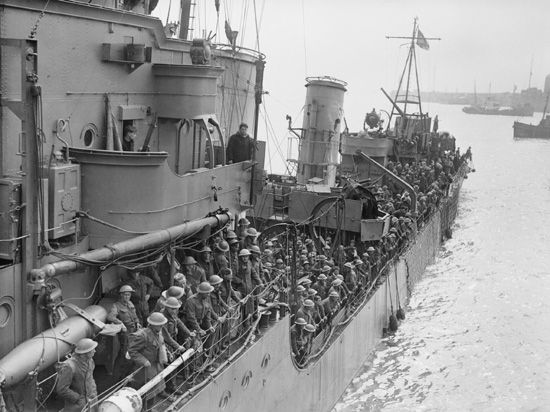
Here’s the return from Dunkirk :

And here’s a Wellington crew just back from Germany.

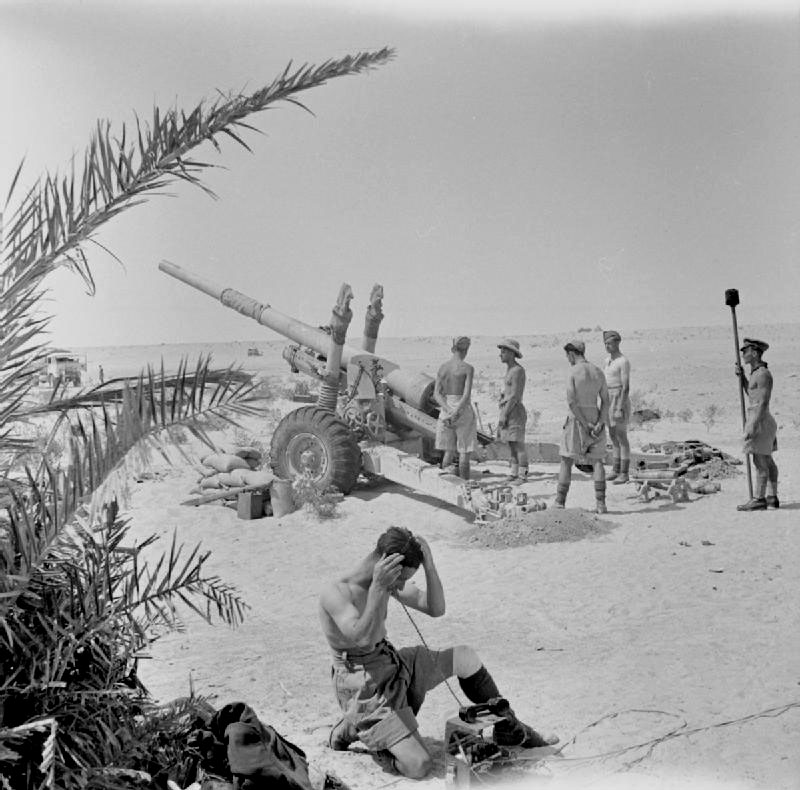
And this is the war in the North African desert, a location visited by a good many Old Nottinghamians with both the Sherwood Foresters and the South Notts Hussars:


8 Comments

Filed under Aviation, Bomber Command, History, Personal, The High School, Writing

In the Footsteps of the Valiant (Volume One)

Three months or so have passed by since I first published “In the Footsteps of the Valiant”, which was the story of the lives and deaths of 23 of the 120 or so men who were educated at Nottingham High School and who subsequently sacrificed their lives for us all in the Second World War. Also included is one young man who was killed in the early 1950s in the RAF.

So far, I am afraid, sales have been really quite disappointing. I have no real idea why this should be the case. The book is of a length commensurate with the price. The number of words holds up well alongside, say, “20,000 Leagues Under the Sea”, “The Two Towers”, “The Last of the Mohicans” and “Emma”.

The book is priced at £18 and is more or less entirely my original research. And what better things could you get for £18? Two cinema seats. A bottle of “Graham’s 10-Year-Old Tawny Port”. You could buy a Venus Fly Trap. Or a glasses case with your name on it. Or enough wildflower seeds to plant three square metres. You could buy some Miracle berry tablets. The tablets last for about an hour and alter your taste buds so that anything sour tastes sweet.

Perhaps the book is being perceived as being limited to only one town or city. I don’t know, but I had hoped that people would realise that Nottingham stands here for any British town of similar size.

What is much more important though, much more important than sales alone, is that my original research has now been completed and that we now have a much longer list of war casualties than was previously the case. In the immediate aftermath of the end of hostilities in 1945-1946, the High School thought that 82 of its former pupils had perished in the war. My researches have extended that number to 121 men whose lives and deaths have been investigated and will now never be forgotten. I have also found five deaths in the early 1950s. Once they have been unearthed and brought out into the light, they will never be lost again. And people will have a chance to read something about the lives of these brave men and to see what they did for us all.

In the First Volume, the men featured are Alfred Highfield Warren, Bruce Arthur Richardson, Sidney Moger Saxton, Edwin Thomas Banks, Francis Nairn Baird, Clifford Frank Shearn, John Edwin Armitage, Wilfrid Henry Vivian Richiardi, Ian Mactaggart MacKirdy, John Harold Gilbert Walker, Robert Renwick Jackson, Howard Rolleston Simmonds, Charles Davy Hudson, Alfred Tregear Chenhalls, Walter Raymond Julyan Hoyte, Paul Wilson Cherry, Warren Herbert Cheale, Philip Bonnington Smith, Anthony Bertram Lloyd, Philip Mackenzie Britton, Richard Christopher Sowerbutts, William Roy Llewellyn, Keith Henry Whitson and John Jeffrey Catlin.

Here are just a few of them. This is Tony Lloyd of the Parachute Regiment:

This slideshow requires JavaScript.

This is Keith Whitson:

And  John Harold Gilbert Walker, Spitfire pilot:

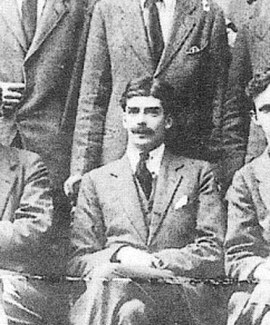
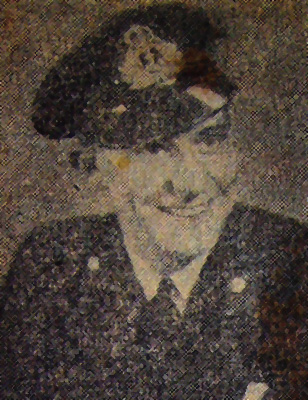
And Alfred Chenhalls:

And Edwin Banks and his aircraft, a Gloster Gladiator:

This slideshow requires JavaScript.

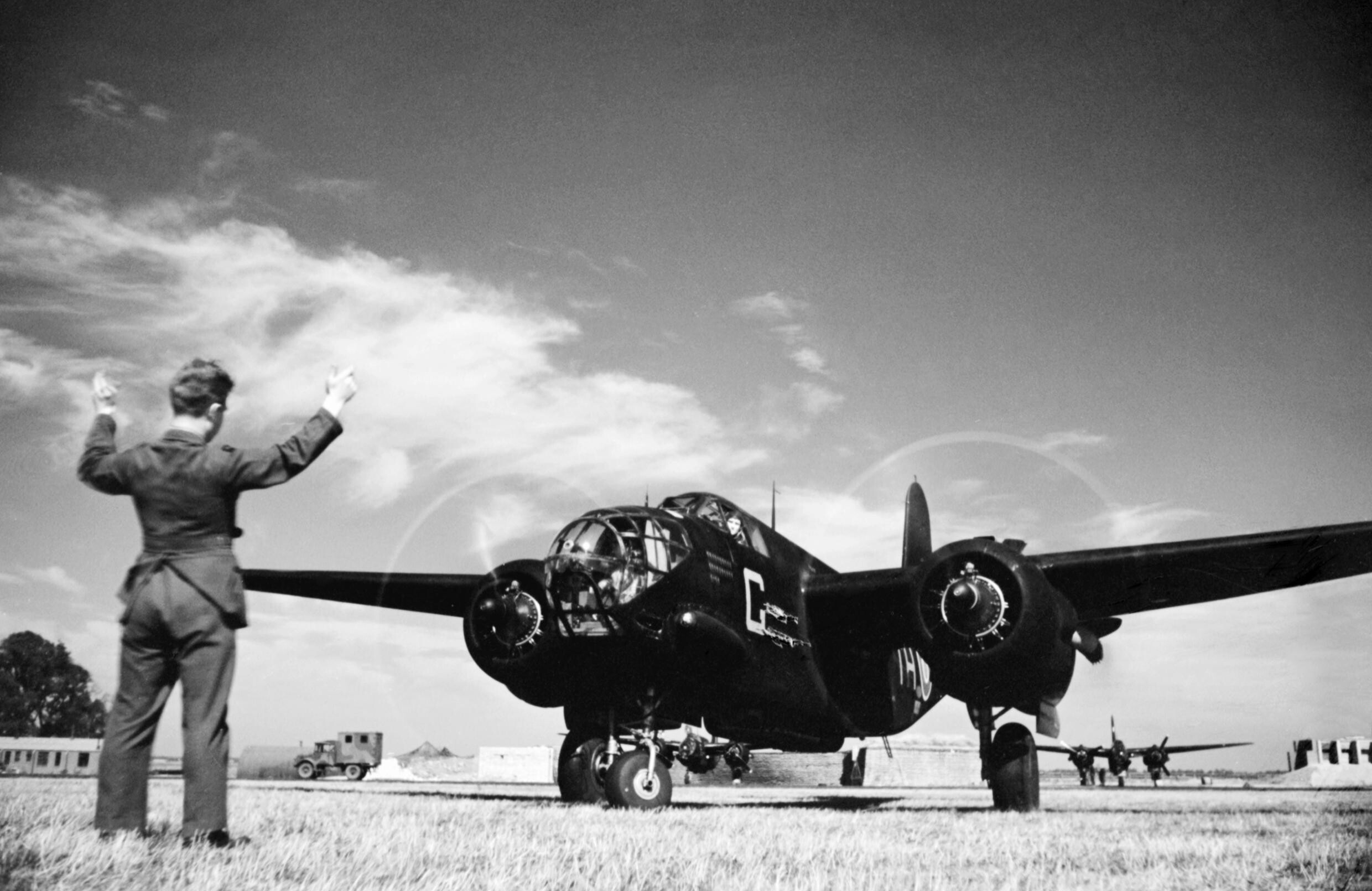
And Robert Renwick Jackson and his all-black Douglas Boston:

Their brave deaths spanned a whole world. Killed in a Dakota over the Bay of Biscay. Killed in a Bomber Command aircraft over Germany. Killed by the Blitz in Leicester. Killed in North Africa fighting on foot. Killed fighting to seize a bridge in Sicily. Killed fighting to seize a bridge too far in the Netherlands. Killed by exposure during the summer in an unenclosed RAF dinghy in the English Channel. Killed in the Anglo-Soviet invasion of Persia. Killed crashing a Gloster Gladiator in Greece. Lost for ever in the trackless snowy Canadian wastes. Killed crashing a Fleet Air Arm fighter into the warm waters off Trincomalee.

Here’s that link:

21 Comments

Filed under Aviation, Bomber Command, Canada, Criminology, France, History, Nottingham, Personal, The High School, Writing