
The last post finished on a bit of a cliffhanger.
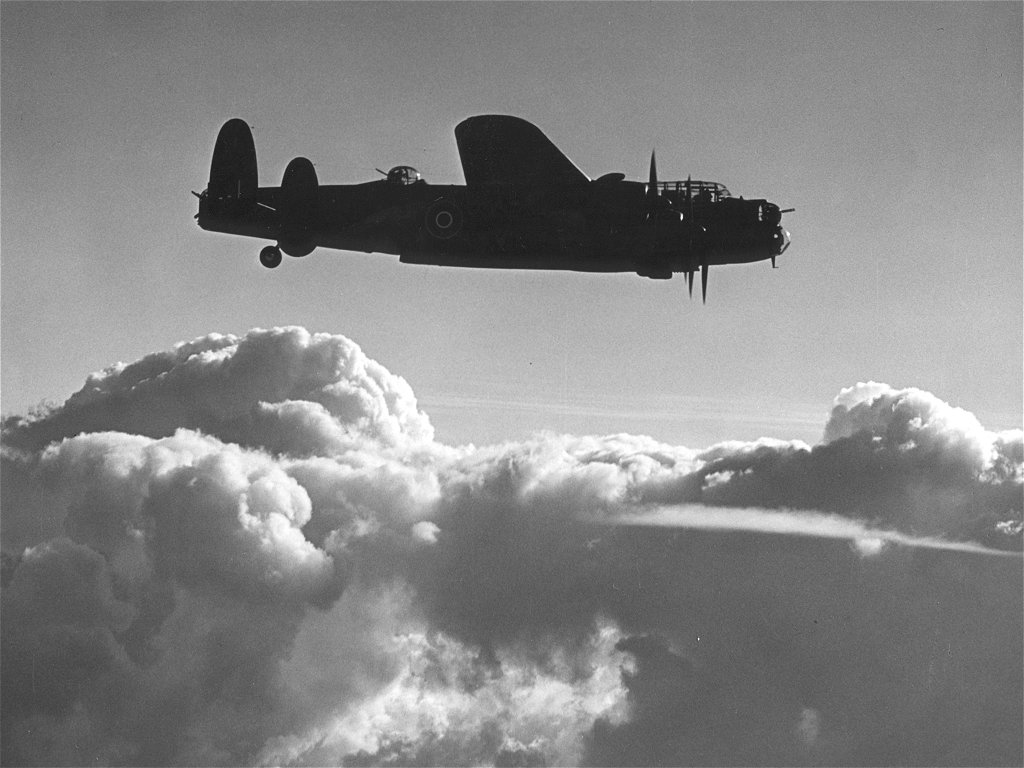
A 61 Squadron Lancaster, serial number EE176, squadron letters QR-M, had taken off from RAF Coningsby to attack Nuremburg.
During the raid, more or less everything had gone wrong for the bomber force during the costliest raid of the war. Almost 100 bombers were destroyed and around 550 RAF aircrew were killed.
When EE176 was just short of the coast of Suffolk, England on the way back, the aircraft was struck by lightning:

The pilot was blinded and the whole crew were stunned. As the aircraft plunged earthwards, thinking that they were over land, the pilot ordered his crew to bale out. Just a thousand feet from catastrophe, though, just a thousand feet from what would prove for two crew members to be a cold and watery grave, he suddenly regained some of his eyesight. It was enough for him to stabilise the aircraft and to fly it straight and level. He turned to ask the crew if they were all OK……
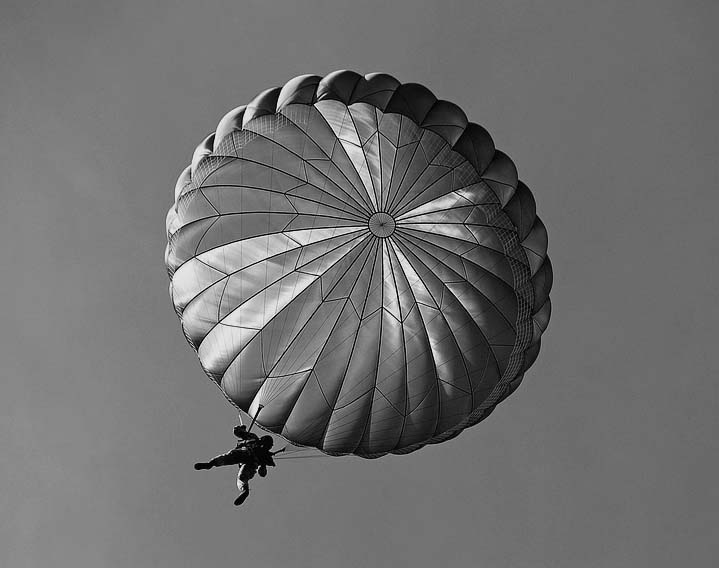
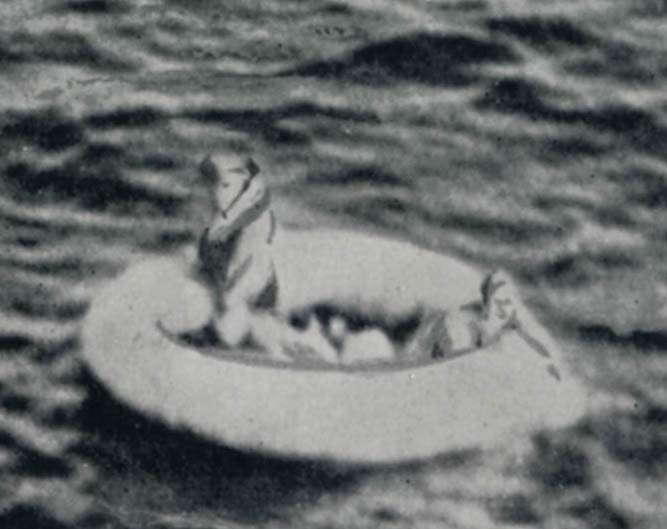
Unfortunately, Harold Pronger and Leonard George Darben, the wireless operator / air gunner, thinking that it was the right thing to do, had both baled out, taking their Mae West flotation gear with them:

The rest of the crew, luckily for them, had all been too affected by the lightning strike to follow the pilot’s order. They were all, literally, stunned.
The bomber was now really quite close to the English coast, and Air Sea Rescue were immediately notified by radio about what had happened, and that there were two men in the sea who needed rescuing as soon as possible:
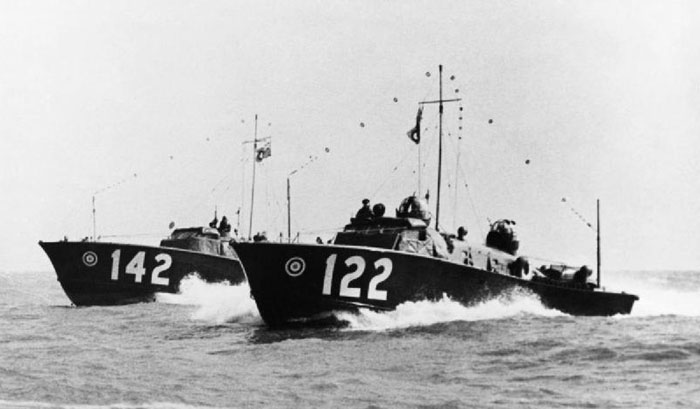
Despite extensive searching at first light the following day, the rescue boats failed to find the two missing men.
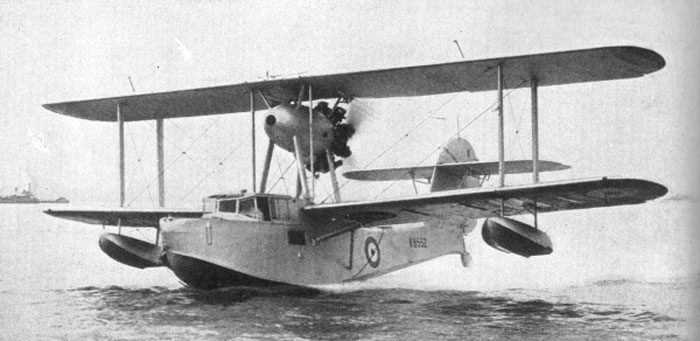
The water in the North Sea is too cold in late March to survive for very long and it was presumed that both men had perished. Research in 2008 showed that a body floating in the sea off Western Europe becomes a partial skeleton after a month and a complete skeleton after three months. Once the latter stage is reached, presumably the bones all disappear.
We already know the bare details of Harold Pronger’s life back in Australia, but not Len Darben. Poor Len was only 20 years old. He was the son of Joseph William Darben and Emily Darben of Walthamstow in Essex.
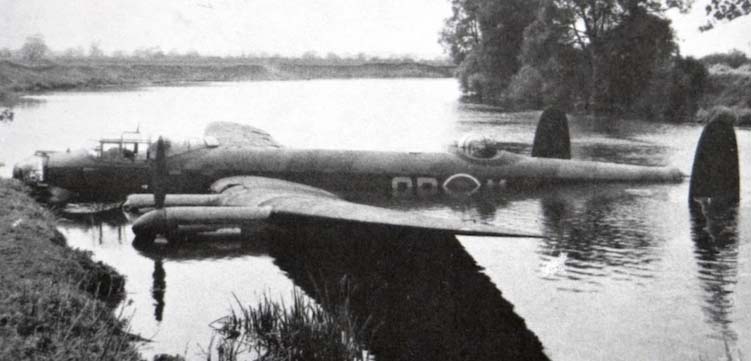
No cold and watery grave for the rest of the crew, though, the five men still in the aircraft. The pilot, Flying Officer John Augustus Forrest, also of the RAAF, managed to reach the English coast without difficulty and they all landed safely at RAF Little Snoring in north Norfolk at 0600 hours.
The crew of this Lancaster, EE176, was Flying Officer JA Forrest (pilot), Sergeant AH Davies, (flight engineer), Flight Sergeant JRS Wood, (navigator), Sergeant DC Newman, (bomb aimer), Sergeant LG Darben, (wireless operator/air gunner), Flight Sergeant HW Pronger, (air gunner) and Sergeant J Macfie, (air gunner).
I did not realise until long afterwards, though, that Lancaster, EE176, was a star among Lancasters, a Bette Davis or an Errol Flynn among bombers.
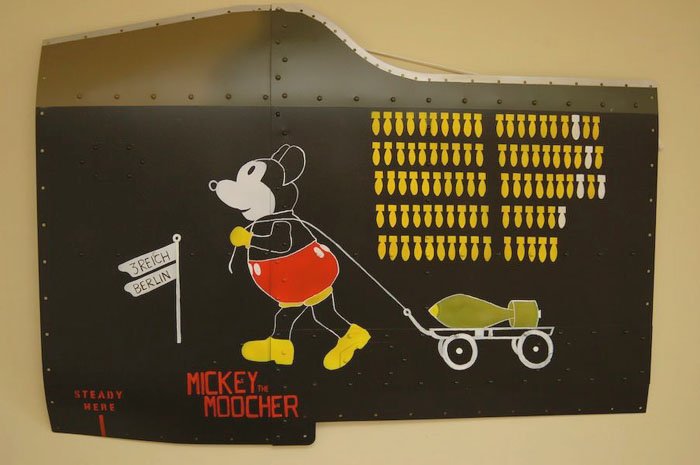
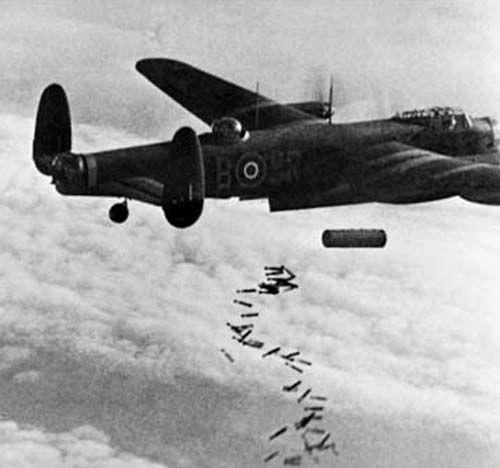
EE176 of 61 Squadron was in actual fact, “Mickey the Moocher”, a so-called “Ton-up Lanc” which carried out 119 missions. This section of the fuselage has been preserved:
These larger bits were probably not preserved:

In actual fact, 61 Squadron had another, second, “Ton-up Lanc”, JB138, the famous “Just Jane”, which carried out somewhere in the region of 120 missions. Here’s the original:
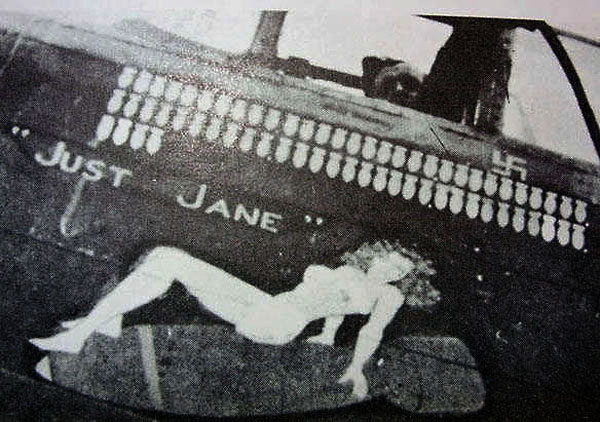
The Lancaster in the wonderful museum at East Kirkby is currently painted as this particular aircraft:

And subsequent research revealed others.
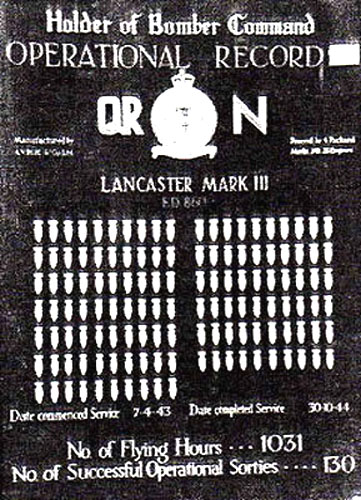
ED860 carried out 130 operations until it all came to an end on October 28th 1944 after a bombing raid on Bergen in Norway. Apparently, on its return, the Lancaster swung out of control on the runway and crashed. Nobody was injured. Shared with 156 Squadron, N-Nuts or N-Nan had flown almost 1032 hours before it was struck off charge on November 4th 1944 and subsequently scrapped:
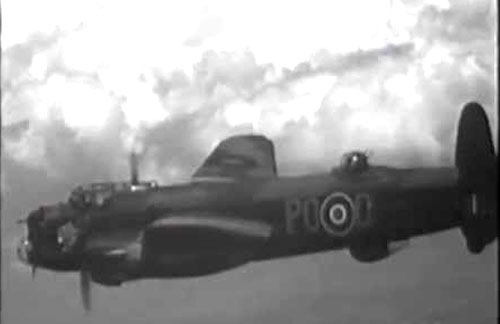
LL843 or ‘Pod’ (=P=OD) was a 61 Squadron Lancaster which was also shared with 467 Squadron. It was scrapped by Messrs Cooley & Co on May 7th 1947 after carrying out 118 raids:
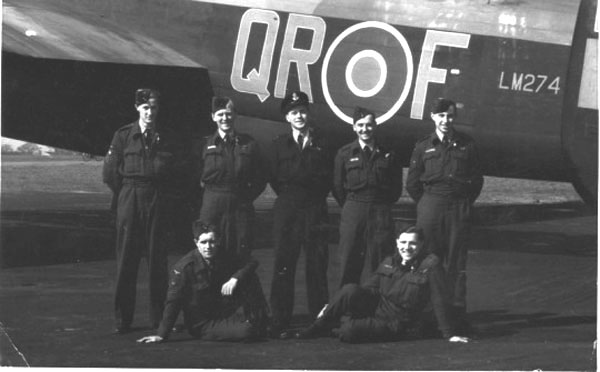
LM274 carried out 138 missions as QR-F for Freddie. This aircraft survived everything the Luftwaffe and the Third Reich could throw at it, but not the end of the war. It was scrapped and turned into ploughshares on April 18th 1946:
Around 35 Lancasters achieved 100 ‘ops’ or more. You can read about all of them in “Ton-up Lancs” a splendid book:




















 But that wasn’t the only one:









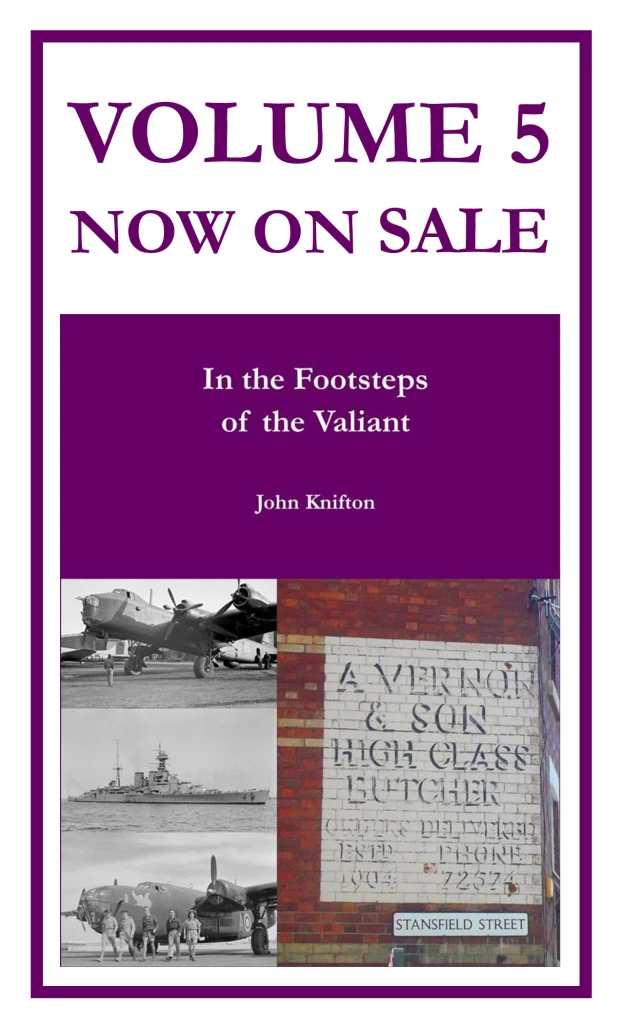


 John Knifton