In 1948-1952, the then US Secretary of State, George Marshall, launched his famous Marshall Plan ($61 billion today) to help reenergise not just one, but sixteen different European countries. Money was even offered to the Soviet Union and its allies, but they refused it. Nearly sixty years later, Aghan corruption and waste have now pushed the price of reconstruction of that one single country to more than $62 billion, thus exceeding the amount the USA provided for Europe under the Marshall plan.
Despite all this cash spent in Afghanistan, the country remains in what appears to be almost permanent and insoluble political crisis and may well remain dependent on hand-outs for years to come, even though British and other foreign troops prepare to withdraw at the end of the year.
Development projects meant to provide Afghans with a sound structural foundation have cost American taxpayers $61.5 billion, but John Sopko, the Special Inspector General for Afghanistan Reconstruction, told Congress that…
“The majority of the projects seen were hampered by poor planning, shoddy construction, mechanical failures and inadequate oversight. Billions were spent on ill-fated agricultural and infrastructure projects that failed to take into account Afghanistan’s culture. More than £2 billion was spent on improving the Afghan police, yet tens of thousands of ghost officers collect their pay, but never turn up for work. Nearly half of the 747,000 firearms provided for Afghan security forces at a cost of £372 million have vanished. The annual cost of maintaining Afghans police and military is likely to be double what the country collects in tax revenue.”
Well, poor old Afghanistan.
What more help do they need?
What else do we have to give them?
Have we not given enough?
This slideshow requires JavaScript.
The whole situation is so very reminiscent of a previous involvement of the USA in Asia, now almost fifty years ago. This time, the American forces are helped by their many allies, but the situation is not so very different. They are fighting a frequently invisible foe, on behalf of people who may well not be worth fighting for.
It may not quite be a case of “Those who cannot learn from history are doomed to repeat it.” but so often it seems like that…
Recently, the Premier League teams released their charges for a seat to watch a game next season.
As you might expect, prices are fixed at an almost unbelievable level for the ordinary working person. The days when an averagely wealthy parent might have taken his two children to a game seem to be long over.
When I was much, much, younger, my Dad used to take my brother and myself to matches at the now demolished Baseball Ground in Derby. Granted, though, the playing surface might occasionally lack a little of the green stuff…
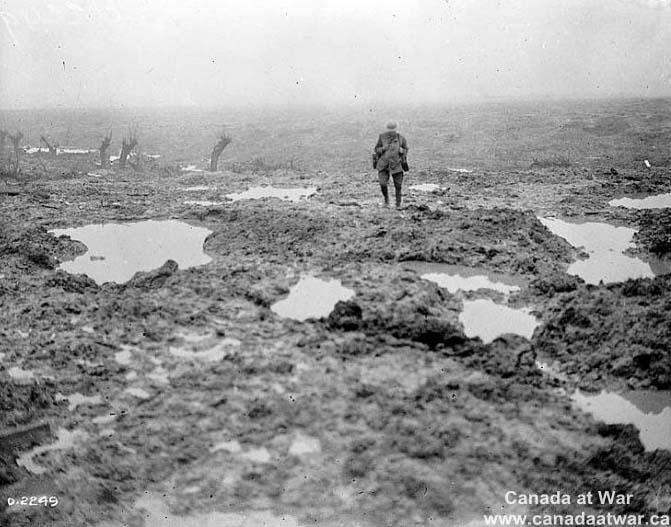
And just now and again, it became a little muddy in places…
This slideshow requires JavaScript.
I don’t know how much it cost my Dad, though, because we had season tickets, and I never saw him physically hand over his hard earned cash.
Forty years on, of course, the Baseball Ground is long gone…
I just cannot remember what prices for admission were posted up on the old stands at the Baseball Ground. And in any case, in those early days of the 1970s, there were terraces, where it was even cheaper to watch the game, although admittedly, hooliganism could often run riot.
I am pretty sure though, that, even allowing for the passage of time, my dad was not paying out anywhere near that average cost of £90.24 for a single game at White Hart Lane, or a possible £127 to watch their great rivals, Arsenal.
Unbelievably, if my dad were still with us now, it could cost him almost £300 to take my brother and myself to a Spurs game, and probably more, should we wish to watch Arsenal. Even the cheapest seats would give him too little change from his £100 for him to buy everybody a skinny latte and a prawn sandwich.
And the net result of all this, of course, is that the rich get richer and the poor get poorer. Little teams like QPR or Burnley might optimistically put their prices up, ready for a long and successful stay in the Premier League, but in terms of actually achieving any real footballing success, they stand quite simply no chance whatsoever.
This slideshow requires JavaScript.
The days when a team like Derby County could win what would have been the Premier League twice in four years are long gone…
…and the years when a team like Nottingham Forest could win the European Cup in two consecutive seasons have gone with them.
Football, though, was a lot more exciting in those days…
And occasionally, considerably naughtier…
Derby County only missed reaching the European Cup Final by the narrowest of margins. The width of an Italian’s banknote, you might say…
I don’t really know what to offer as advice. Most of us know which football team we are destined to support as a matter of instinct, and, judging by next season’s proposed prices, if we support a London team in particular, we could well be in financial difficulties.
It is, though, more or less impossible to invent an artificial love for Leyton Orient, Stevenage or Dagenham & Redbridge, just because it is cheaper to go inside their stadium and physically watch them play.
I would commend to you, though, not so much the teams in League One and League Two, but the teams lower down the pyramid. Have a look in your local evening newspaper, and see which local clubs are going to be playing on the following Saturday, kicking off probably at the traditional three o’clock. And go and watch one of them. You never know, you might enjoy it. The programme will not be £5. When you ask for “A skinny latte and some nice focaccia, please”, the lady will probably reply, “Yer what??”
And pick a team with a good name, such as… Coventry Sphinx, Tonbridge Angels, Solihull Moors, Pontefract Collieries or even the West Midlands Police.
You may or may not like it, but at least it will not be costing you the best part of a hundred quid. And who knows? You may one day take to them, and realise that you have become a supporter of real football, not showbiz.
Originally, it was the “Surrey Puma” which had caused all the fuss throughout the 1960s. The first possible sightings had been recorded in 1959, but by the mid-sixties, at Godalming Police Station alone, 362 reports were received over a two-year period. And then, in August 1966, a former police photographer took a pale, blurry grainy snap which he claimed showed the Surrey Puma at Worplesdon, near Guildford. The photo was published in the “News of the World”, and showed an animal almost surprised by the fuss.
It was enough to get the local plods out of the chip shop, though, and out on patrol…
They found little (if anything). Ten years later, in the very early morning of July 29th 1976, the focus was very much on the Queen of the Midlands, the beautiful City of Nottingham…
Not on the stone lions on the Council House, the rendez-vous point of countless lovers since they were placed there by the Third Reich School of Architecture in the late 1920s…
Not even the local ice hockey team…..
But rather on a country lane a few miles from the city centre. It must have been a very countrified area at the time, with lots of now disappeared open fields, and the grassy expanses of the airstrip at Tollerton, the rather grandiosely named “Nottingham Airport”. It was one of the two years of extreme drought in the mid-1970s, and it was….
“…shortly after 6am, 29 July 76, when two milkmen were delivering to a bungalow opposite the entrance to Nottingham airport on Tollerton Lane between Nottingham and Tollerton. Different accounts put it at 15 or 50 yards away from the men; they were in no doubt: “We both saw together what to us us was certainly a lion….its head down and its tail had a bushy end. It was walking slowly away from us.”
It is unclear whether it was a male or a female, but presumably they would have said “lioness” if that was what they had seen.
This slideshow requires JavaScript.
It must have been difficult to be mistaken though even at fifty yards’ range.
“They watched it walk around the edge of a field, then called the police from the bungalow. By nightfall, the police mounted a huge search, with dogs, guns, loud hailers and a helicopter, in the Tollerton and West Bridgford areas. The police also said they had calls from people telling of the mysterious restlessness of their pets on the night of the 28/29th; and a local farmer at Clipstone, near Cotgrave, reported ‘strange paw prints’ on his land.”
As is often the case…
“The police found nothing. They checked zoos and private lion-owners within 100 miles, but ‘no-one appears to have lost a lion.’ They said they were taking at least 15 sightings seriously. The hunt hit a turning point in its second day when a sighting at Radcliffe-on-Trent turned out to be somebody’s Great Dane. At the same time a sighting came in from Bassingfield. One of the reports was from as far away as Norfolk by a couple who said they saw a lion in a lay-by at Lowdham (a country village near Nottingham) but did not report it they didn’t think they’d be believed. Yet despite these sightings, the police were getting disappointed by the lack of anything positive. As in the ‘Surrey Puma’ cases, the lack of any killed livestock, no pets missing etc as there would be if there were a lion conventionally on the loose. The milkmen were rechecked and both (David Crowther and David Bentley) were unshaken in their belief that they had actually seen a lion.”
How different from the present day. I cannot imagine that there are too many zoos or private lion-owners within a hundred miles of Nottingham nowadays. It is certainly strange, though, that the two milkmen were adamant about what they had seen…
“On the third day of the hunt, reports were still coming into West Bridgford, the nerve-centre of the operations. One caller heard something big crashing through Bunny Woods, and another heard something in a copse near Trent Lane church at East Bridgford. In fact, the police were obliged to maintain the alert.
Martin Lacey, a former Nottingham zoo owner, enters the fray, saying all the noisy activity has driven the lion into hiding, and offers the use of his lion-hunting Rhodesian ridgeback hounds.”
Just as the press were losing interest in the ‘Nottingham Lion’ the story receives a shot in the rump.
“John Chisholm, a doctor of Normanton-on-the-Wolds, near Tollerton, saw a large animal trying to break through some undergrowth to get to a stream on the evening of 1st Aug, while he was walking near his home. When he returned home he and his wife watched it leave the area from their upstairs window. Police said they were following up several other sightings in the same area.”
Curiouser and curiouser….
“2nd Aug police searching the A610 at Temple Lake, near Kimberley, found a large tortoise on the embankment. They were unable to trace any owner so they adopted it.”
The saga continued…
“The dailies for the next day (3rd) run the story of Dr.Chisholm’s sighting. Naturally in everybody’s eyes the fact that he is a deputy coroner makes the sighting more impressive and believable. (The police were) now 98% certain that there was an animal in the area…..
By the 6th Aug the lack of results was telling on the police. They issued a statement saying they no longer believed there was a lion at large despite 65 reported sightings in the last 8 days. They said that they proved to be mistakes, large dogs, and even a large brown paper bag.”
This slideshow requires JavaScript.
After this negative statement, the police announce three more reports of it in the Plumtree and Normanton areas.
It is rather difficult to sort out this East Midlands X-file. If we accept that the two milkmen were not liars, however, and they had not just misidentified somebody’s Great Dane, it would make a lot more sense of they saw a lioness…
With the benefit of 38 years’ hindsight, I suspect that what they actually saw was
In other words, a common-or-garden “Alien Big Cat”
Nowadays, of course, nobody would think twice about claims of seeing a so-called “Alien Big Cat” in this area south of Nottingham, even though it is probably a lot more built-up than it used to be.
I recently saw a TV programme which claimed that there were two identifiable big cat territories centred on Rutland Water, giving a long list of the many different places in the area where animals had been seen. There have been suggestions, too, that these cats, whatever they may be, are making use of disused railway lines to travel around, possibly even penetrating into the suburbs of large cities, rather like foxes have done in the past.
Some ABCs are reported as melanistic…
But do be careful over the question of size, however…
Otherwise your claims to the Nottingham Evening Post may leave you looking more than a little stupid…
But it’s not all over yet… there are still lions out there, back in 1976…
“No sooner had the Nottingham mystery been killed off, it turns up over 70 miles away just south of York. On the night of the 9th Aug, Alan Pestall was on his way to his local walking down the moonlit main street of Thorganby, when a black shadow crossed in front of him, by the church. He thought it was a dog and spoke to it.
Then I realised it had a cat’s face and a long tail. It was about 3 to 4ft long and nearly 3ft high. Before I had a chance to run, it leaps over a fence and was away over the fields.’
He kept walking slowly to the pub, believing if he hurried or turned it would attack him. Police took his story seriously and mounted a search on the 10th, but found no sign of a lion.”
A police spokesman said
“We have no reason to connect this report with the recent sightings of a lion in Nottinghamshire.”
Almost thirty years later, it was the turn of Norfolk’s Boys in Blue to take on the Killer Menace of the Big Cats..
Thankfully, perhaps, Alan Partridge kept out of it.
The picture of the Rhodesian Ridgebacks is used by kind permission of Jackie Ellis whose website is http://www.zejak.co.uk/. Even if you don’t particularly like dogs, there are some lovely cute puppies there…and the bonus is that they’ll protect you from the Nottingham Lion!
I write today’s post with a very heavy heart. It is about a human tragedy in Northern Ireland. First though, I will need to explain one or two basics, for the benefit of my wonderful readers in Brazil, Bulgaria, Madagascar and Mauritius.
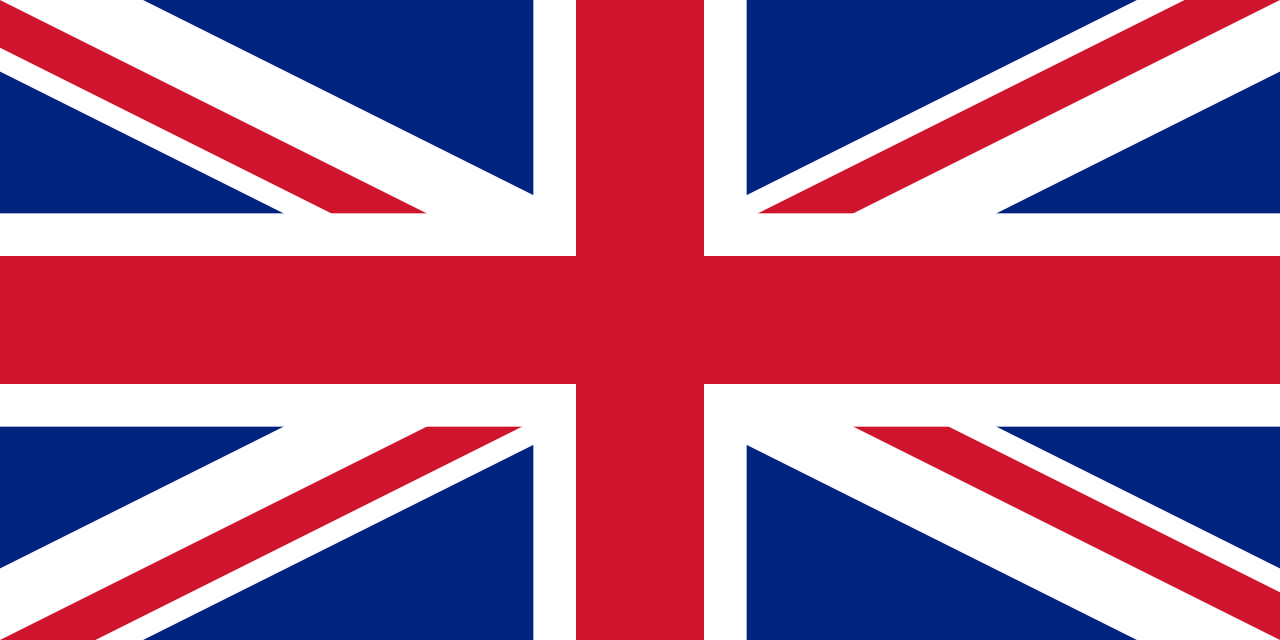
This is the flag of the United Kingdom…
And this is the flag of Ireland…
Northern Ireland, or Ulster, is not part of Ireland, but one of the four bits of the United Kingdom. The population of Northern Ireland, however, is a mixture of Loyalists, who wish to remain part of the United Kingdom, and Republicans, who would possibly prefer to be part of Ireland, which is not a kingdom, but a republic. Within Northern Ireland, political parties can often reflect these different groups, and the two flags have taken on an importance which is far greater in Ulster than they could ever have in the three other bits of the United Kingdom, namely, England, Scotland and Wales.
Over the past three or four days, the BBC have been telling a tragic tale about Bessbrook Pond in County Armagh, in Northern Ireland. I hope you will read their full first report here.
I have abridged it for you in case you haven’t got enough time to spend on the full version.
“25 July 2014
Sinn Féin calls for Irish tricolour flags to be removed from Bessbrook village.
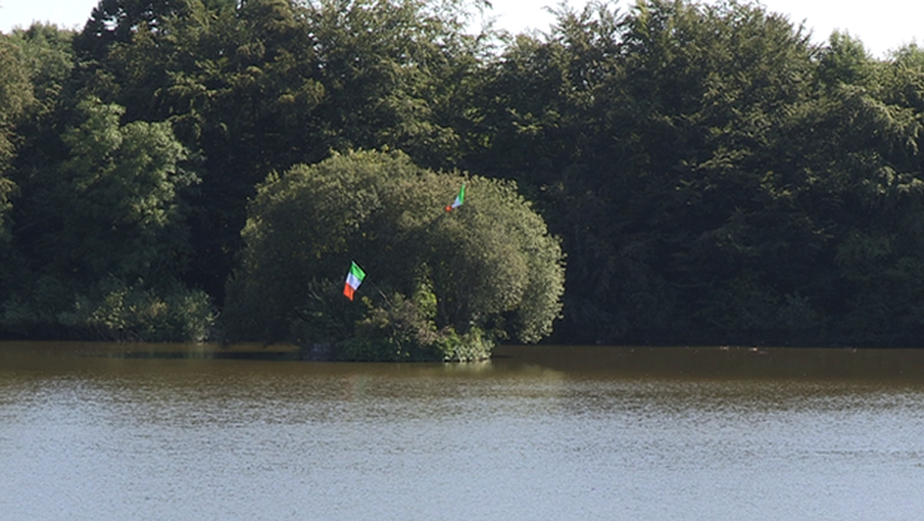
Sometime this week, Irish tricolours have been erected on trees in Bessbrook Pond. Sinn Féin politicians have called for their removal. Sinn Féin member of the Legislative Assembly Mickey Brady said the flags could be seen as intimidating by Protestant residents in the village.
“The issue is causing contention because in Bessbrook particularly there is a mixed community. These flags, some may consider them as overtly sectarian, intimidating and threatening, and I think what we do not want to do in relation to this is perpetuate division.”
Here are the flags in question….
In a separate report in the “Newry Times”, it was statted that Bessbrook Sinn Féin Councillor Dáire Hughes has called for the removal of (the)two Irish Tricolours….
“The erection of the national flag in places like trees in the middle of a pond is effectively dishonouring it and also neither at any time should it be used to impose, intimidate or disrespect.
“I share the belief that our national flag should at all times command the highest degree of respect,” said the Mayor and he asked for those who erected the flags to remove them.
“29 July 2014
A 68-year-old man has drowned in an incident at a lake in Bessbrook village.
Oswald ‘Ossie’ Bradley was swimming to trees in Bessbrook Pond to remove two Irish tricolour flags from trees.
It is claimed Mr Bradley intended to replace them with a Union Flag when he got into difficulties. Police are not treating the death as suspicious.
A teenage boy managed to bring Mr Bradley ashore at about 5:00 p.m. on Monday and attempts were made to resuscitate him.
Emergency services took him to Daisy Hill Hospital in Newry, about four miles away, where it was announced that he had died.
Ulster Unionist MLA Danny Kennedy said “This is a very tragic outcome to controversies surrounding flags in this village. His untimely and tragic death is too high a price for any family and community to pay.”
For me, Mr.Kennedy has hit the nail right on the head. Flags might well be seen as important. They should certainly never be dishonoured. They should never be disrespected. And they should never ever be used to emphasise differences in the community, to intimidate, or to threaten. And most of all, no piece of cloth is more important than a man’s life, or the happiness of his family.
To conclude, though, may I pay my sincerest condolences to the family of Mr.Bradley and the village of Bessbrook.
The ranks of those who flew Lancasters with Bomber Command in the Second World War have, with the inevitable passage of time, thinned out somewhat, but the BBC has managed to put together the requisite crew of seven combat veterans. There were, therefore, a pilot, a flight engineer, a navigator, a bomb aimer, a wireless operator, a mid-upper gunner and a rear gunner…”tail-end Charlie”.
Every single man in Bomber Command was a proud volunteer. During the course of the war, they were to suffer 55,573 casualties from a total of 125,000 aircrew (a 44.4% death rate). The average bomber usually lasted for fewer than ten sorties. Life expectancy for crew members could be as low as two weeks, the same as a soldier in the Battle of the Somme in the First World War. Of every hundred airmen who joined Bomber Command, forty five were to be killed outright, six would be badly wounded, eight were captured by the enemy, and only forty survived physically unscathed. From the men who were serving in Bomber Command on September 3rd 1939, only 10% made it through to the end of the war some six years later.
There was no knighthood for Bomber Command’s leader though, and no campaign medal for his “old lags”. In 1945, Roosevelt and Churchill had been asked by Stalin to destroy Dresden for him, and the two Western leaders were only too eager to demonstrate their ability to slaughter the enemy, be it German, or perhaps, even, one day, Russian. But when Bomber Command, as the best area bombers in the world, carried out this ghastly task, as they had been ordered to do , they then found themselves ostracised by those very same politicians, who now wanted to be popular as humanitarians, and to win elections after the end of the war.
It was eventually public subscription that finally paid for Bomber Command’s well-deserved memorial, fifty years or so too late, perhaps…
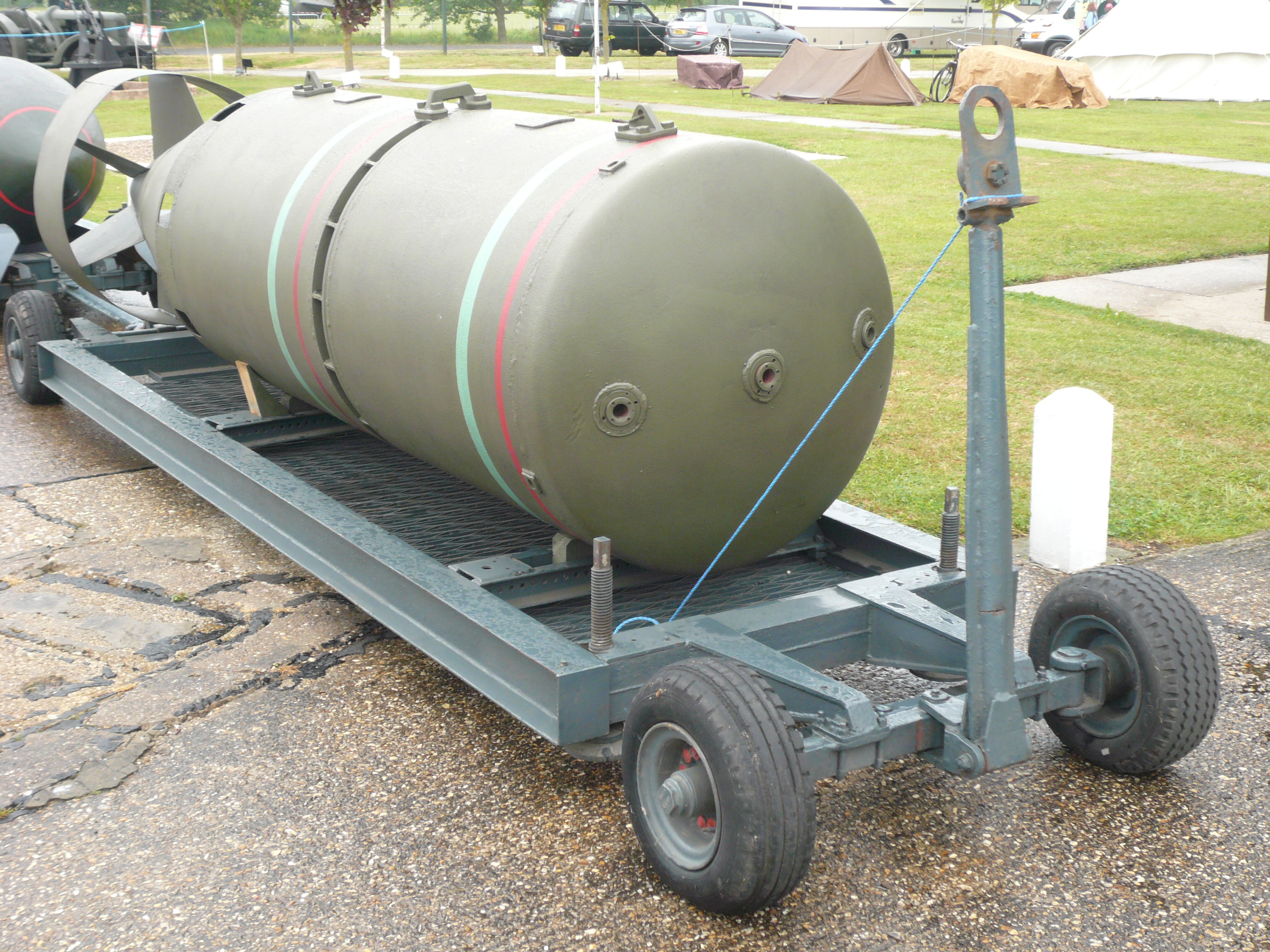
The “Lanc” was the greatest bomber ever made. It could fly at 300 m.p.h. and carry an enormous weight of bombs, with the more usual 4,000 pound “cookies” often bolted together to form either 8,000 or 12,000 pound “blockbuster”bombs. A Lancaster might carry hundreds of incendiaries, and some specially adapted aircraft could carry the 22,000 pound, ten ton “Grand Slam” bomb designed by Barnes Wallis.
What an enormous bomb bay….
The aircraft’s immense power came from four magicians, well, four Merlin engines to be more precise…
The Lancaster is a very large bomber; museums often struggle to fit them in, as here at Duxford
This slideshow requires JavaScript.
Best of all is the Lancaster in the RAF Museum at Hendon in north London (very easy to reach off the motorway)
Don’t miss the vain boast of Hermann Göring, painted on the nose of the bomber(with his name misspelt!).
This slideshow requires JavaScript.
The Reichsmarschall was also foolish enough to say that if any enemy plane did fly over the Reich, then , as the man in charge of the Luftwaffe, people could call him “Herr Müller”, a common Jewish name. Well, guess who had the last laugh?
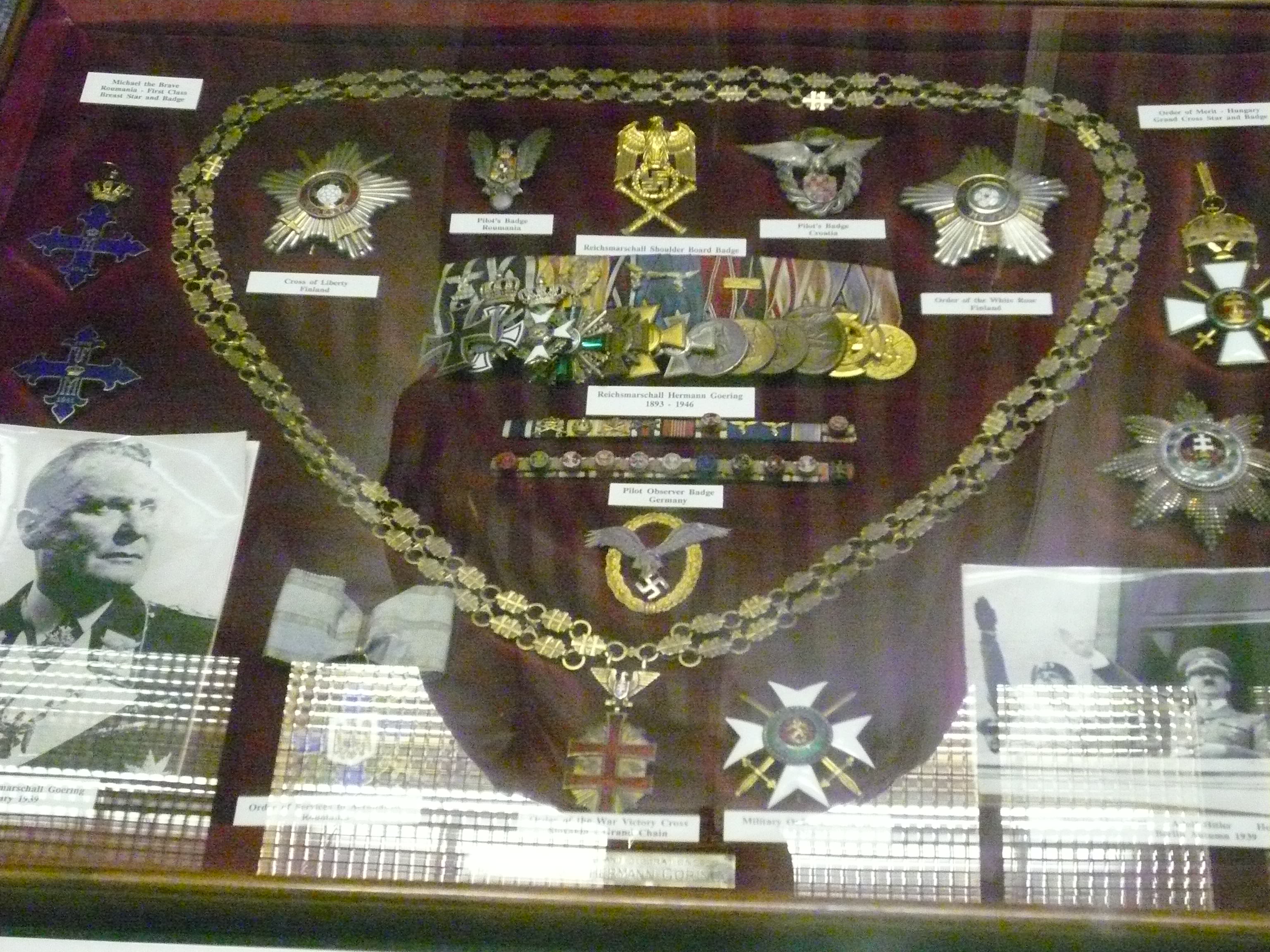
Göring‘s medals too, are in the museum…
A couple of years ago, I really enjoyed visiting East Kirkby in Lincolnshire to see their Lancaster. The aircraft does not fly but is taxied around the airfield every day.
What a beautiful machine, painted here as “Just Jane”, a fictional character in the wartime newspaper, the Daily Mirror.
This slideshow requires JavaScript.
The force of the engines being warmed up is amazing…
Then it sets off around the very large field…
Before returning, eventually, back to its rightful place…
It’s just such a pity that there are so few Avro Lancasters left for us all to enjoy!
My grandfather had a very eventful journey through the First World War. He joined the Canadian Army on June 12th 1916, and fought at Vimy Ridge, Passchaendale and the Somme. The highlight, though, was when he married his childhood sweetheart, on July 15th 1917, I am writing this account on his 97th wedding anniversary.
Will has left an enormous amount of material behind him, including a piece of German shrapnel, his leather dog tags, and a piece of camouflaged fabric he cut off the wing of a German aircraft which had crashed in front of him in no-man’s-land.
He was, as can be judged from the surviving photographs, a hard man. He was one of what must have been the thousands of impoverished Englishmen who all set off to make their fortune in the distant reaches of the British Empire
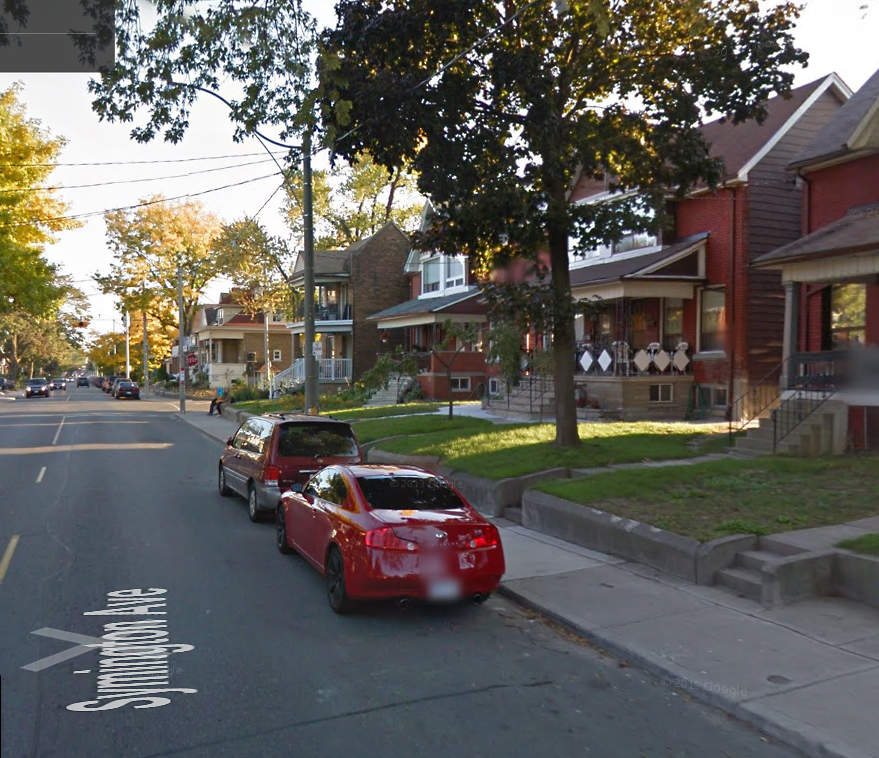
He lived at 266, Symington Avenue, Toronto.
He was employed as a locomotive fireman on an enormous Canadian Pacific Railways train, number 2528, which ran between Chapleau, Ontario, right across the Great Plains to Winnipeg. In this picture, Will is actually in the cab of the giant locomotive…
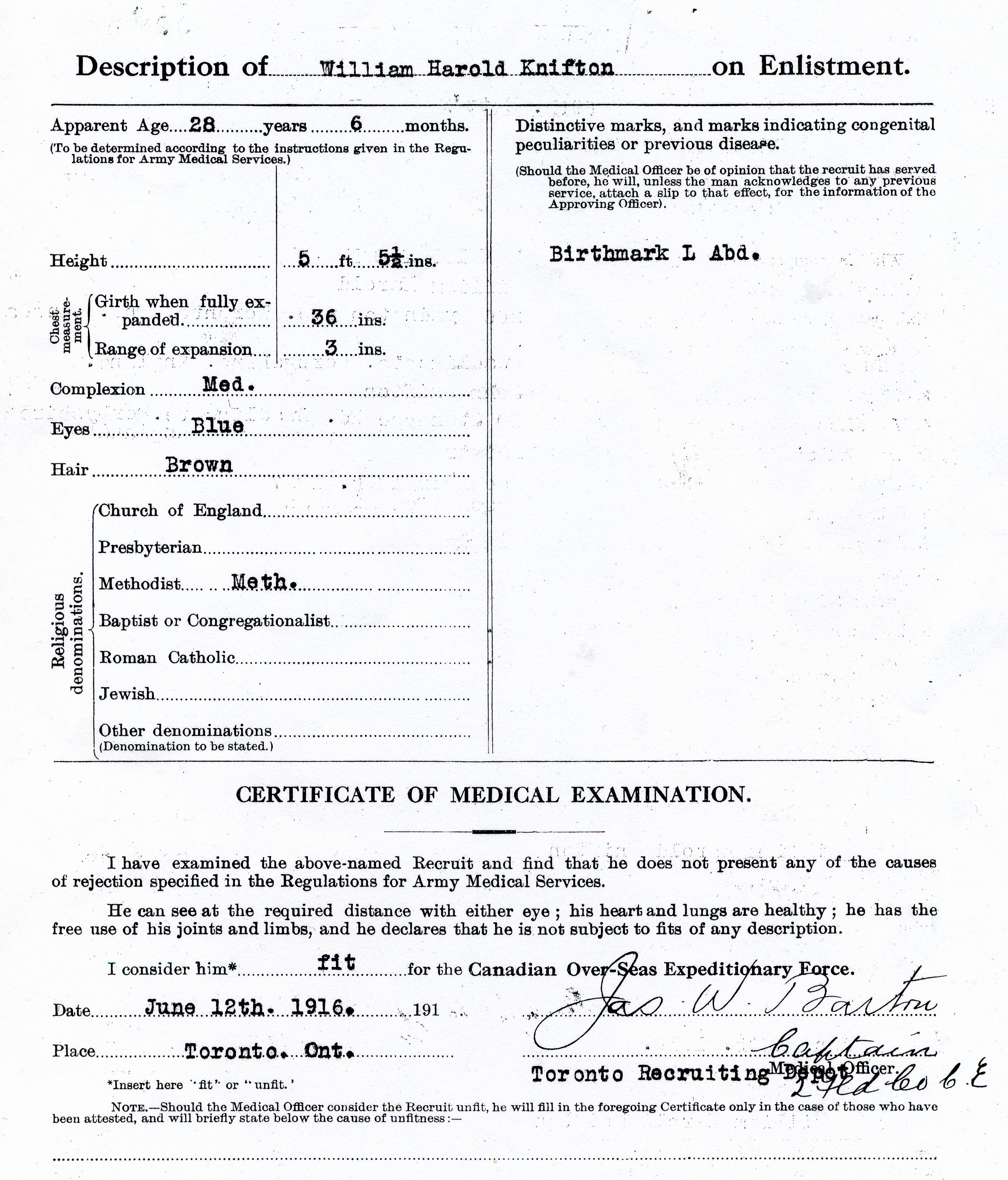
Will was to join the Canadian Army at the Toronto Recruiting Depot on June 12th 1916. He weighed 123½ pounds, and was considered by Captain J.W.Barton to be fit enough to join the Canadian Over-Seas Expeditionary Force.
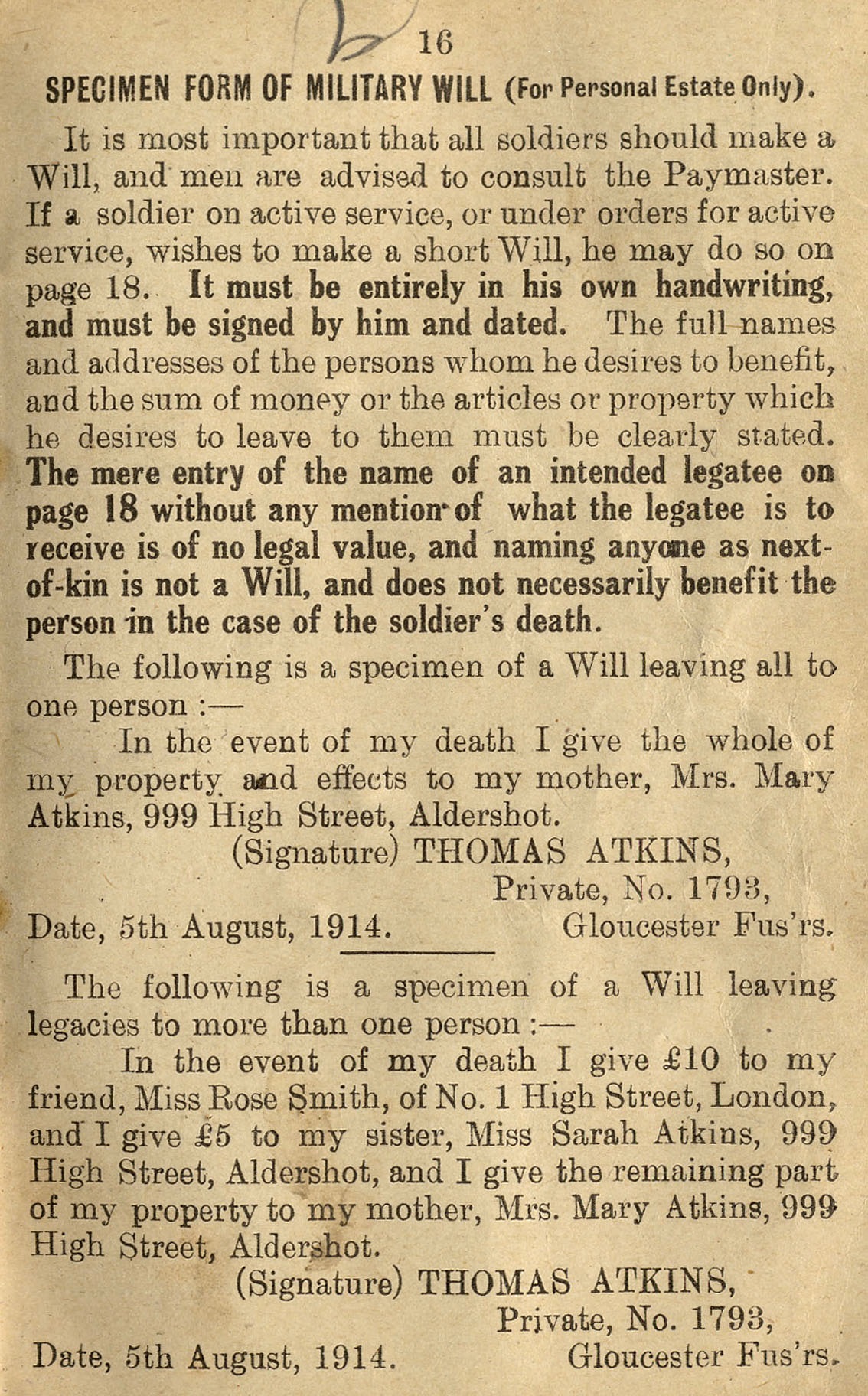
On July 6th 1916, he made a will, witnessed by the Orderly Room clerks, Messrs Irving and Smith. Judging by the small print, this document was eventually to make Mrs Mary Atkins of 999, High Street, Aldershot, a very rich woman indeed, particularly after the Battle of the Somme.
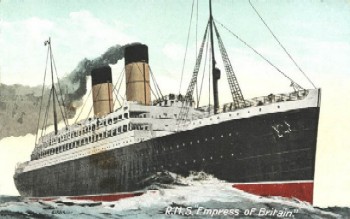
Will sailed from Canada to the Western Front on July 16th 1916 on the “S.S.Empress of Britain”.
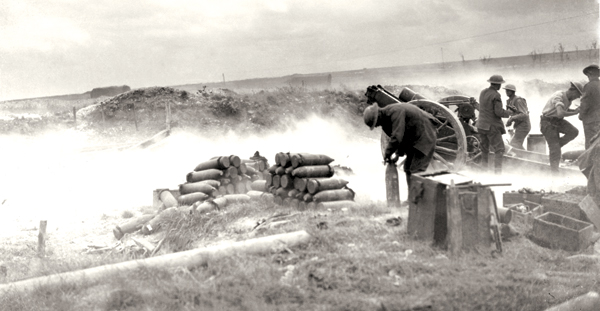
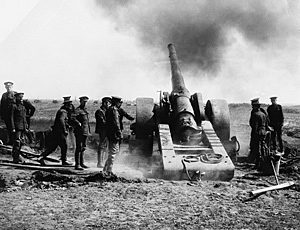
On July 25th, he arrived in England, and was taken on strength at Shorecliffe in Kent. On November 23rd 1916, he arrived in France and went straight into the 69th Overseas Battery of the Canadian Field Artillery, where he was eventually to become a Gunner.
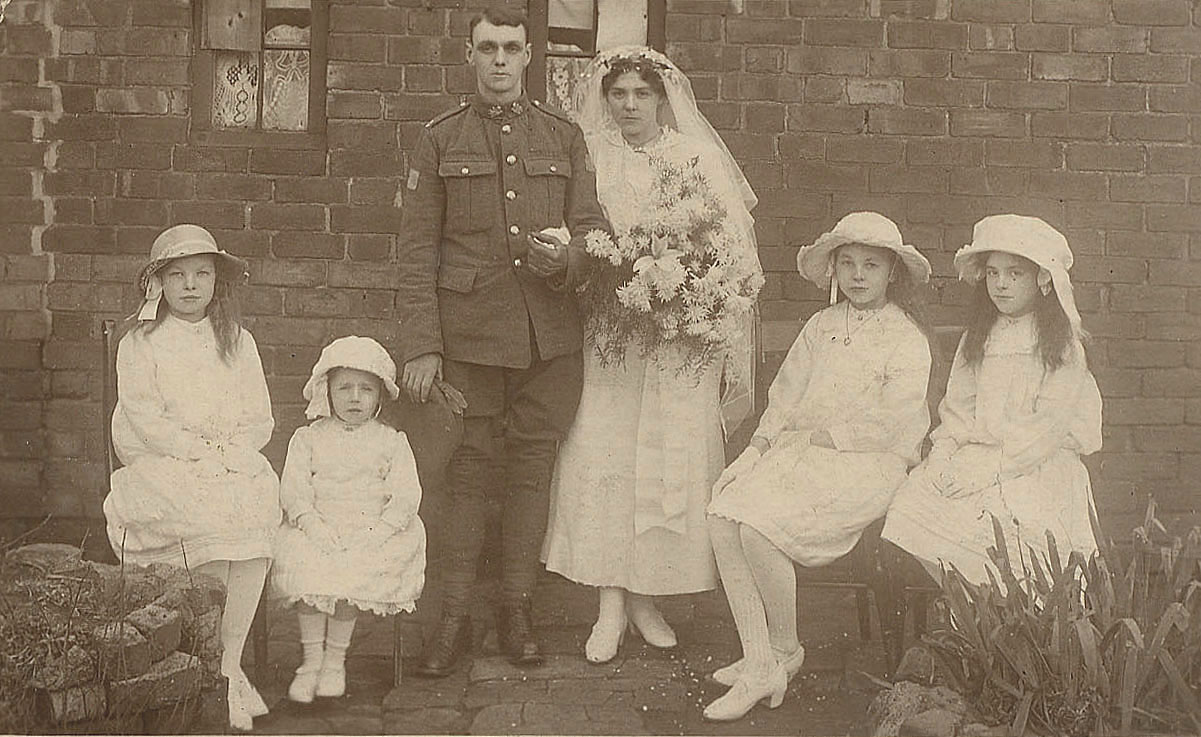
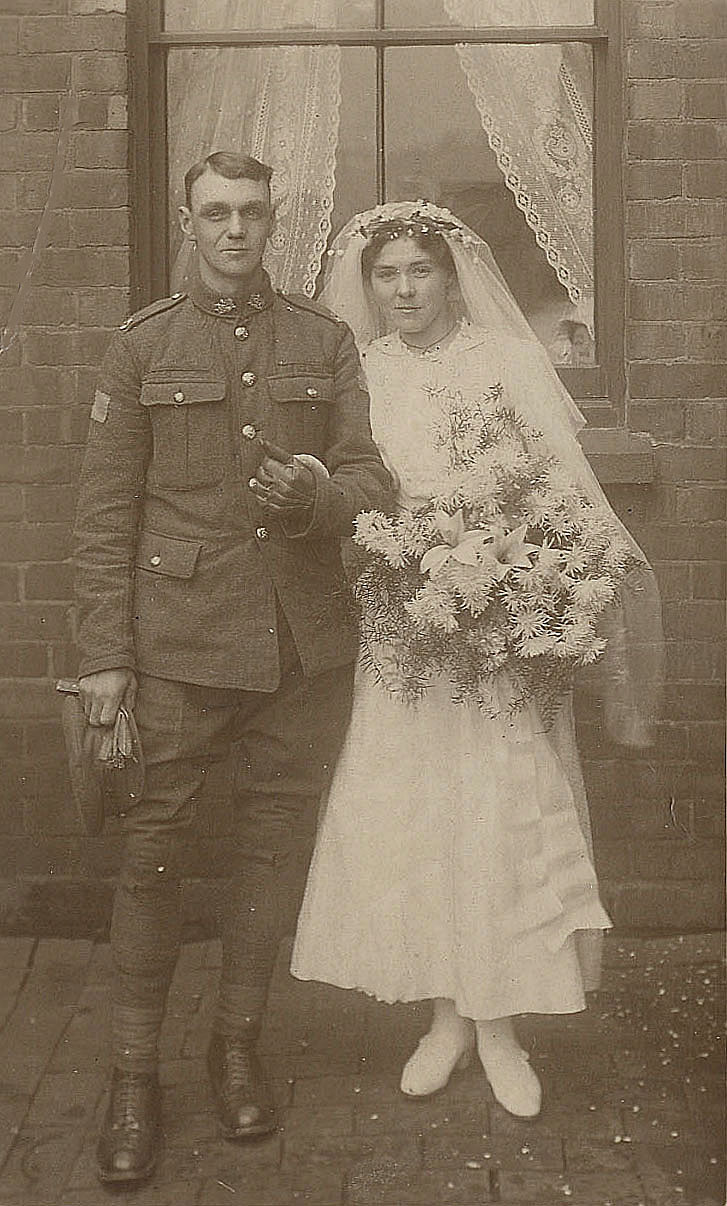
In the early part of his military career, Will seems to have earned some fifteen Canadian dollars per month, which then appears to have risen eventually to thirty dollars in 1917 and 1918. Perhaps the most significant event in Will’s war service was being given permission to marry, back in the sunny and rather more safe, South Derbyshire. The happy day was July 15th 1917…
When I was a boy, my grandfather spoke to me not of wedding dresses, though, but of events in the war. He talked of having fought at Bapaume, at either Pozières Wood or Polygon Wood, and above all, at Vimy Ridge.
Canadian author Pierre Burton writes wonderfully of
“…soldiers, trapped in the horrors of a silly and senseless war and enduring almost indescribable conditions”.
But at the same time, it was the day when a fledgling nation came of age, when a colony became an independent nation……
“On a chill Easter Monday in 1917, with a blizzard blowing in their faces, the four divisions of the Canadian Corps in France did what neither the British, nor the French armies had been able to do in more than two years of fighting.
They seized and held the best-defended German bastion on the Western Front – a muddy scarp known as the Vimy Ridge. The French, who had lost 150,000 men trying to take the ridge, didn’t believe it could be done. Nor did the Germans; even the British were sceptical. But the Canadians triumphed!
They went over the top at dawn. By lunchtime, most of the ridge was in their hands – at a cost of ten thousand casualties. ” (Pierre Burton)
This is the Canadian Memorial, at the top of the ridge…
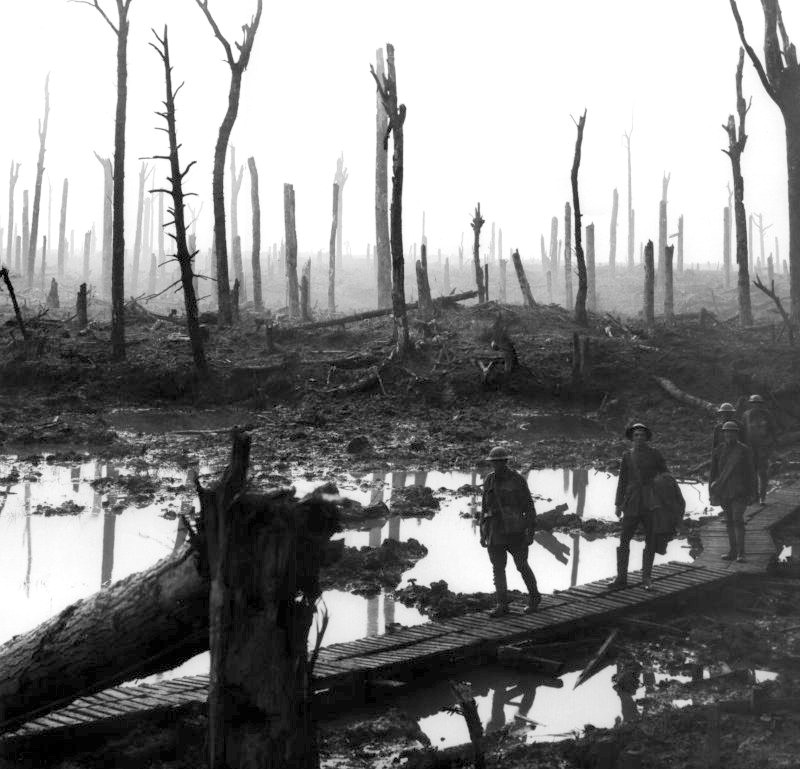
Will was certainly a veteran of Passchendaele in 1917, and in 1918, I believe, fought in the Somme area where blood soaked battles had taken place some two years earlier….
In later life, of course, Will was to become profoundly deaf. It is tempting to think that the very first steps in this unfortunate process began with the enormous volume of noise he must have experienced in the Canadian artillery during the First World War.
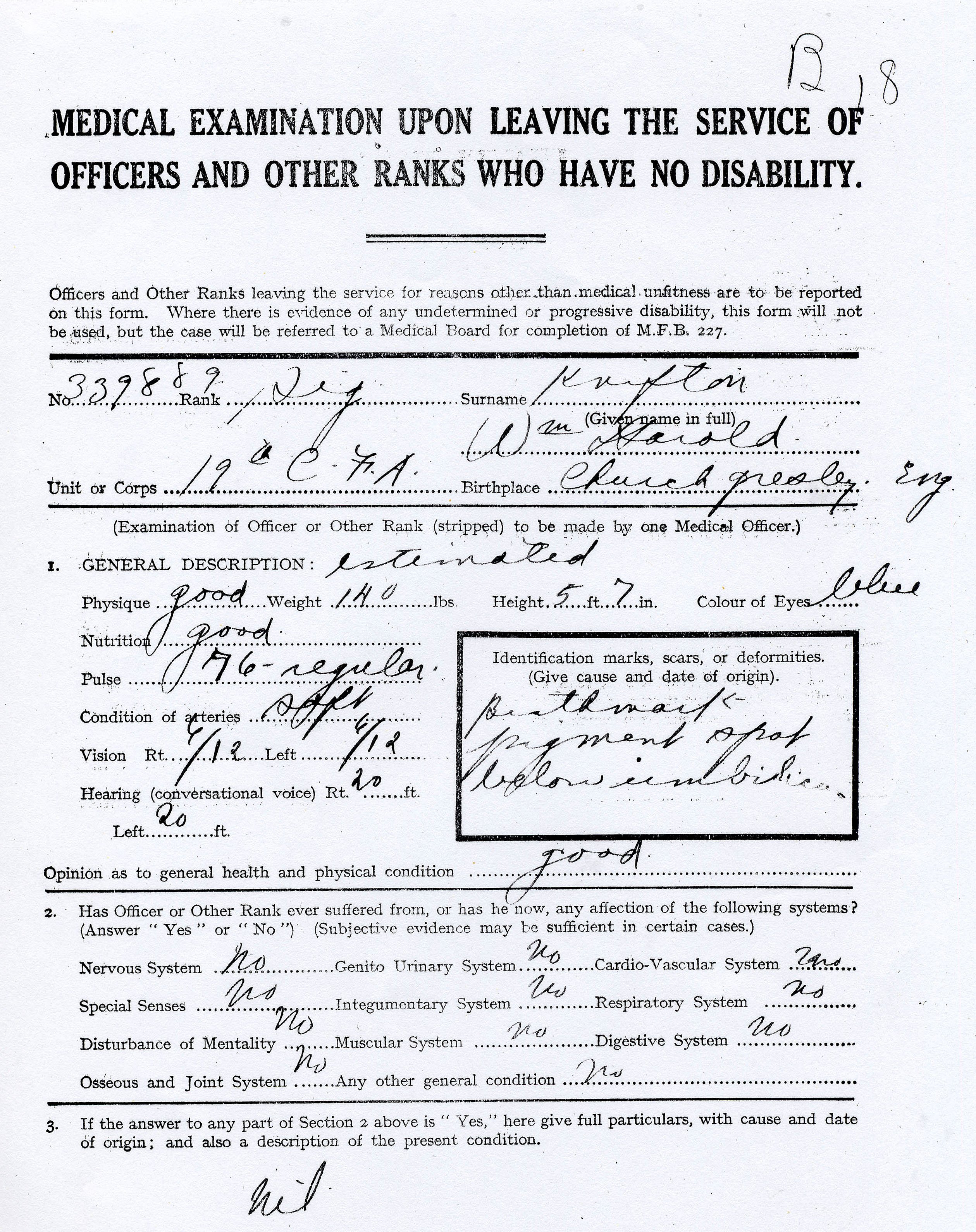
Will finally left France for the last time, and proceeded to England, via the French port of Le Havre. He was finally discharged from the army on May 23rd 1919.
From his medical examination, he had put on some sixteen pounds during his time in the army, and now weighed a hundred and forty pounds, a glowing testimony to the quality of the food in the Canadian Over-Seas Expeditionary Force. He had also apparently grown half an inch taller.
Still, at least Will did actually come back home safe and sound. It was not a speedy process, however. It was six months before he was no longer a soldier.
On March 4th and 5th 1919, at Kinmel Park in Denbighshire, north Wales, Canadian troops had rioted against their dreadful living conditions, sick of the constant, apparently pointless delays, and longing to be allowed to go home at last back to their families in Canada. The rioters were fired upon by British troops.
Five brave Canadians were killed and 23 were wounded. It was one of 13 mutinous riots by Canadian troops, all for exactly that same reason.
For my grandfather, two pages are viewable. I know from my own experience, though, that if you pay your money, you will have access to page after page of extremely interesting material.
I adore History, but most of all, I adore the bright, vivid, and O so human figures who populate those dusty days of yesteryear. One such was Mr Sparey, who, with his friend Mr Hewson, burned like blazing comic meteors across the drab High School skies of the middle years of the nineteenth century. This, of course, was when the old Free School was in Stoney Street in the Broadmarsh area of the city, ten or fifteen years before it moved to its present location.
Mr Sparey taught just one class, which was in one of the two downstairs classrooms. He was a “splendid writer, and a fair arithmetician and grammarian, but a rather rough man with a love for the cane.” He was ably assisted by Mr Hewson, “…a teacher of a more patient temper”. Mr Hewson taught not just English but also French, teaching grammar, setting exercises and marking them.
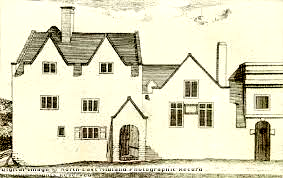
In late 1854, the pair of them caused great scandal in the town when they decided one Saturday evening to seek prolonged and alcoholic refreshment together in a local tavern on Long Row. It may have been near here…
Or it may have been further down…
Over the course of a spectacular evening, Messrs Sparey and Hewson grew progressively more and more drunk, and eventually managed thoroughly, and publicly, to disgrace themselves.
This was an escapade, though, which they might well have got away with, had it not been for the fact that their appalling behaviour coincided more or less exactly with the arrival of a Government Inspector, who had recently come to the town. He soon found out about this debauched episode, and, as might be imagined, a great deal of embarrassment was caused for the school.
Mr Sparey was told that if the offence was ever repeated, he would be instantly dismissed. Mr Hewson fared even worse. A witness in the subsequent inquiry actually said of him that “…I do not send my boys to this School. I should not like to so long as a character like Hewson’s taught there.” Hewson was then forced to resign.
In 1858, after almost five years of, hopefully, temperance and model behaviour, Mr Sparey, the remaining member of the Long Row Two, himself resigned. No reason was ever given for his departure.
It was not, however, as if Mr Sparey was unused to criticism. Two years earlier, the Headmaster had written to the Governors about “Mr Sparey’s bad English”, and when, later that same year, it was suggested that no member of staff should ever be allowed to keep a public house, for some unrecorded reason, it was Mr Sparey’s name that happened to crop up. The Writing Master countered this foul accusation by saying that that the inn was in actual fact not his, but was held in the name of his wife’s sister.
History is such, of course, that the fate of the Long Row Two remains unknown. But just for a moment they must have lit up a dreary, provincial town in a wonderfully spectacular way.

 Nearly sixty years later, Aghan corruption and waste have now pushed the price of reconstruction of that one single country to more than $62 billion, thus exceeding the amount the USA provided for Europe under the Marshall plan.




















 John Knifton