Category Archives: Personal

Look at that fat bloke, Stan (5)

Please don’t look at these blog posts and think “I don’t like football” and then go on your merry way. All of these blog posts are about much more than football. In particular they concern the eternal battle between sporting genius and cream cakes.

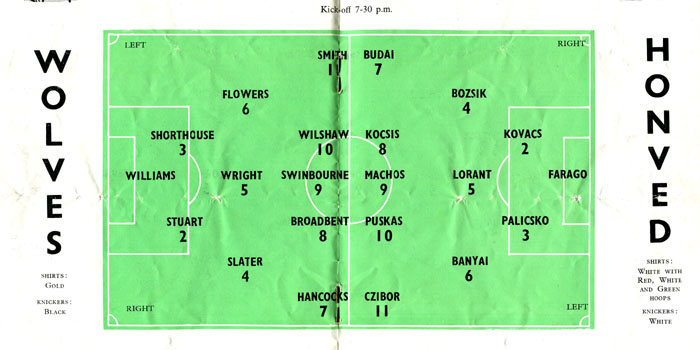
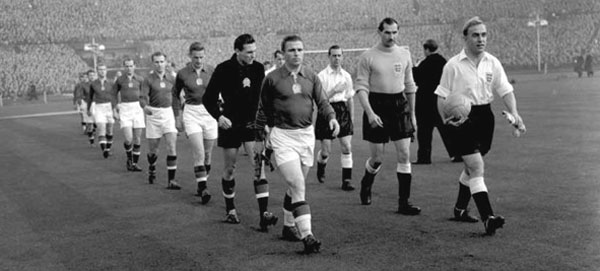
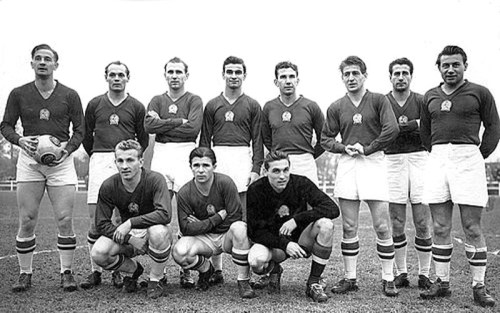
After the Wembley game in 1953, Ferenc Puskás went on to play in a number of other matches in Great Britain. After England’s defeat, Wolverhampton Wanderers tried to re-establish the reputation and the enduring quality of English football by playing prestigious friendlies against top European club sides. And if they beat enough of them, they would be able to make the claim that they were  the Champions of Europe. Puskás played for Honved of Budapest in one such game:

Here’s the line up of the two teams. Six of the players had played in 1953:

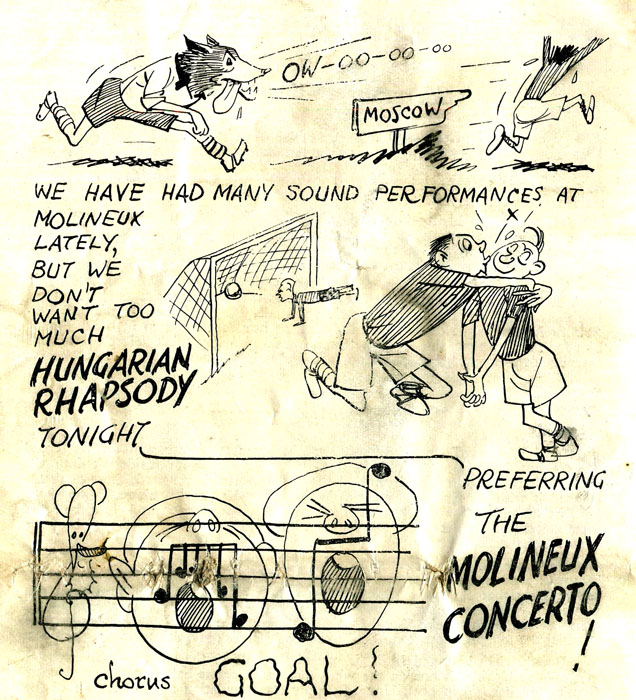
Never underestimate the English love of a cartoon on the back cover of a football programme:

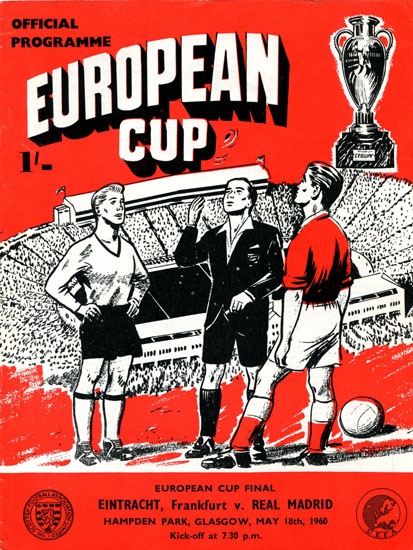
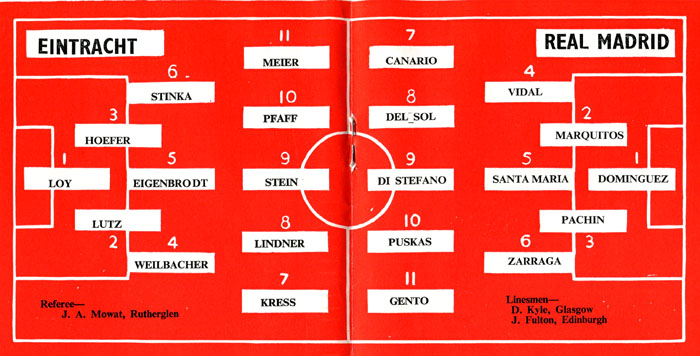
From Hungarian football Puskás joined Real Madrid.  He played in a second legendary game, the European Cup Final of 1960 which finished Real Madrid 7 Eintracht Frankfurt 3. Frankfurt had already beaten Glasgow Rangers by an aggregate of 12-4 in the semi finals. In the final, Puskás scored four goals:

Here’s the team line-ups:

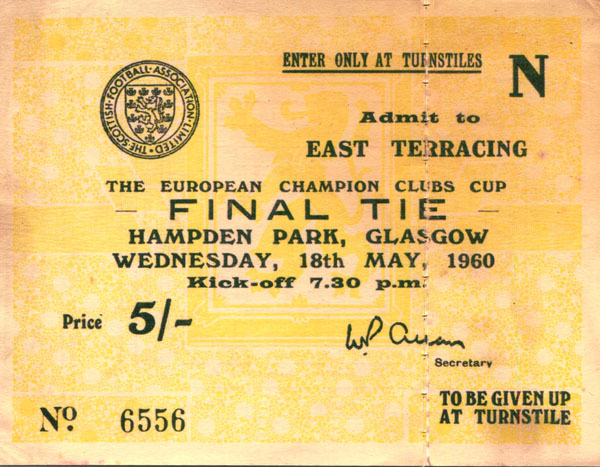
Being a very sad person indeed, I bought a reproduction ticket to the game. Here’s the front:

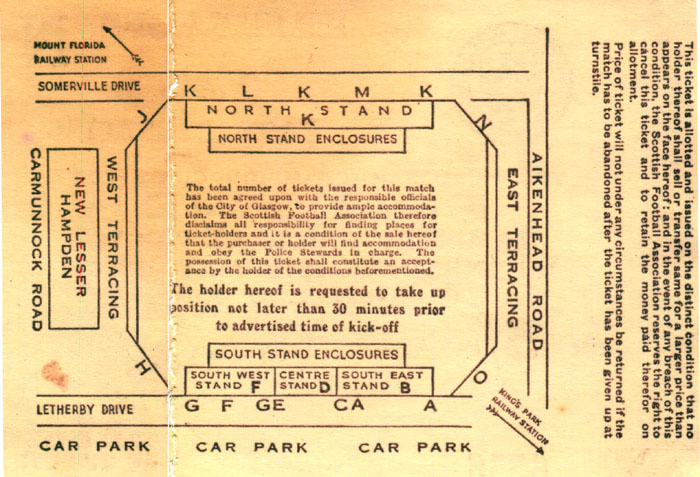
And the back

That game is widely accepted in football as the greatest ever played. It was between two teams, one of which was very, very good and one of which was walking into legend. And certainly, very few of the crowd of ‎127,621 were disappointed by the game.


10 Comments

Filed under Football, History, Personal

Look at that fat bloke, Stan (4)

Please don’t look at these blog posts and just think “I don’t like football” and then go on your merry way. All of these blog posts are about much more than football. In particular they concern the eternal battle between sporting genius and cream cakes.

Last time, I wrote about the “Match of the Century” played at Wembley between England and Hungary in 1953, a game which resulted in England’s first ever defeat at home by a foreign team.

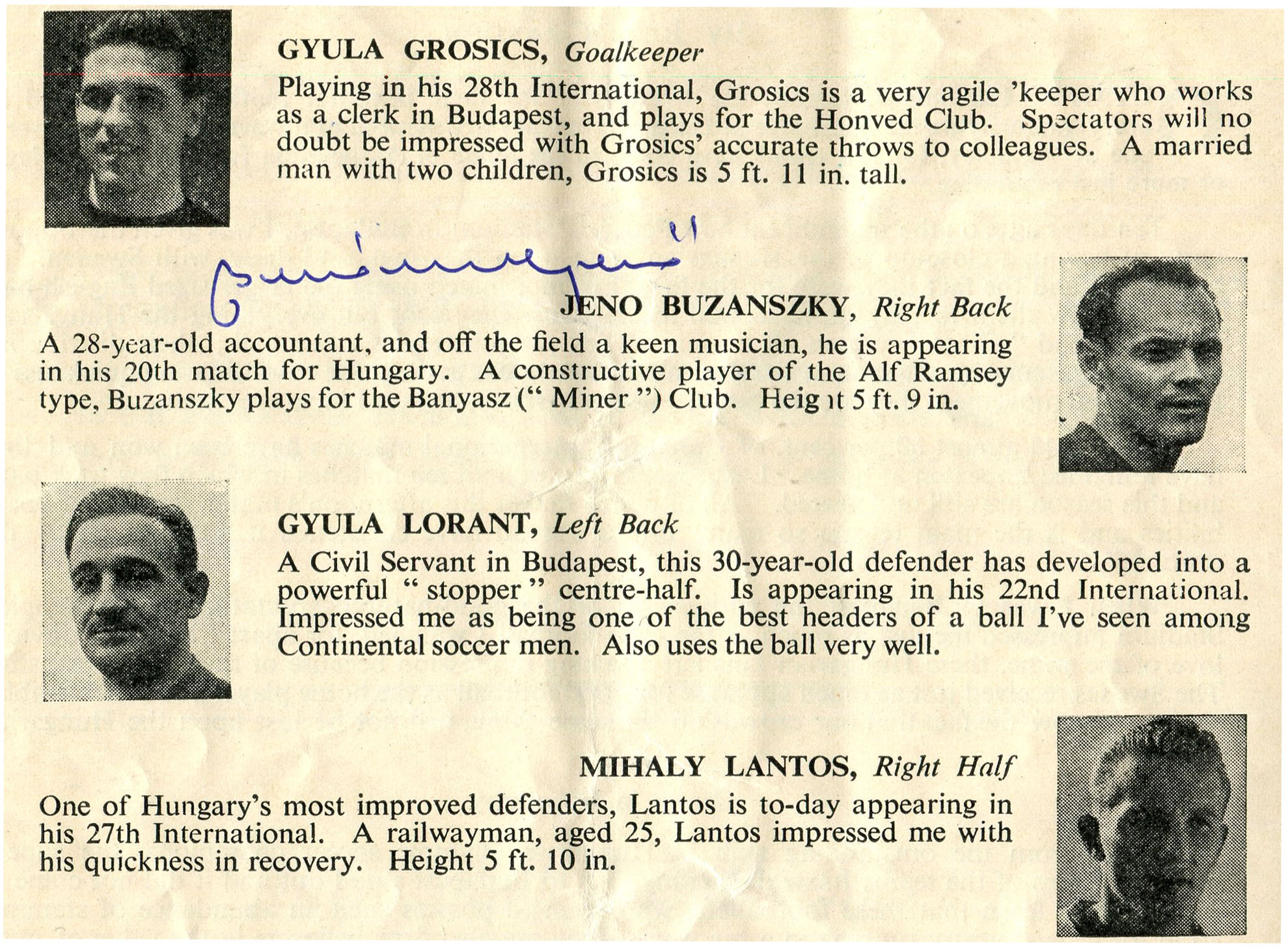
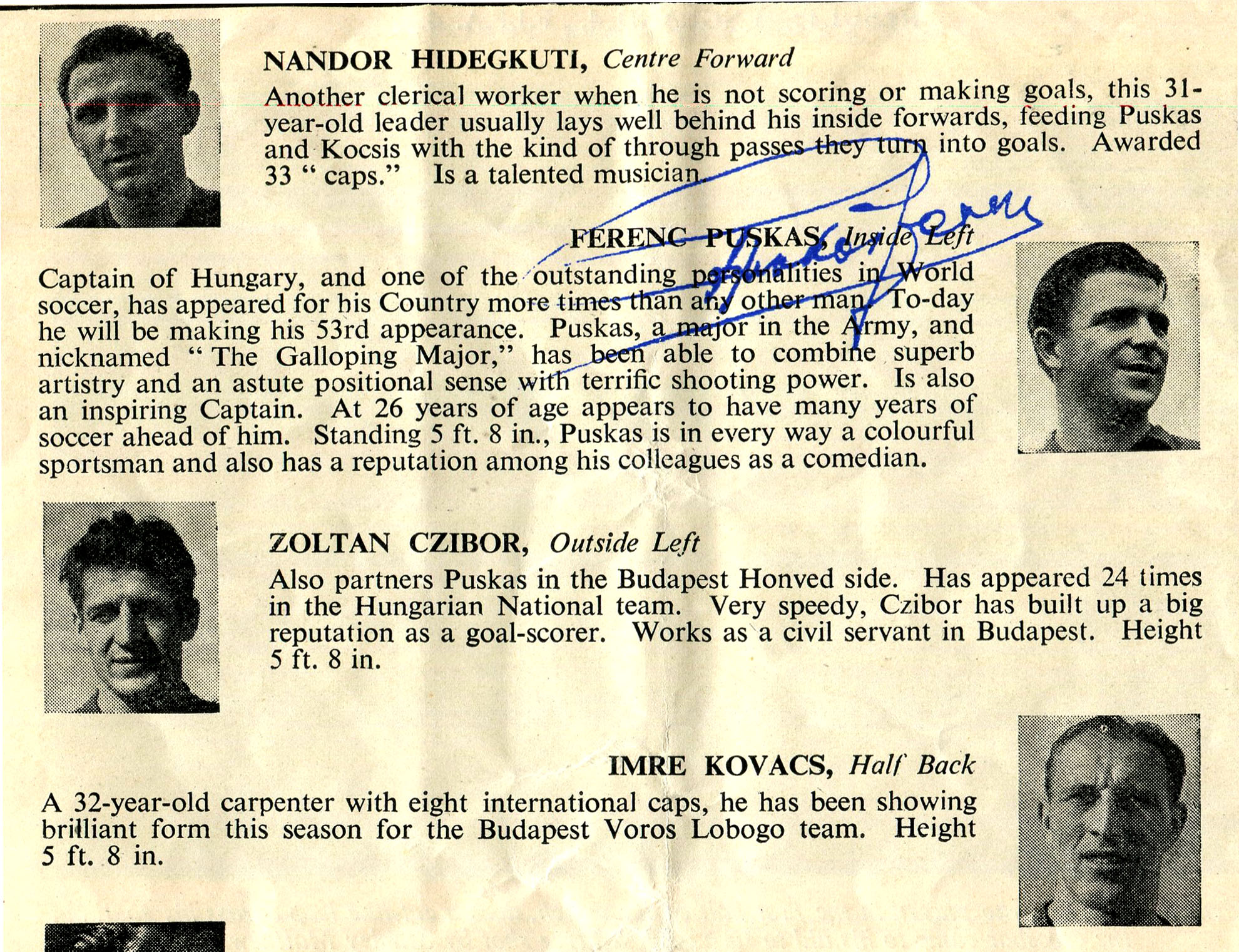
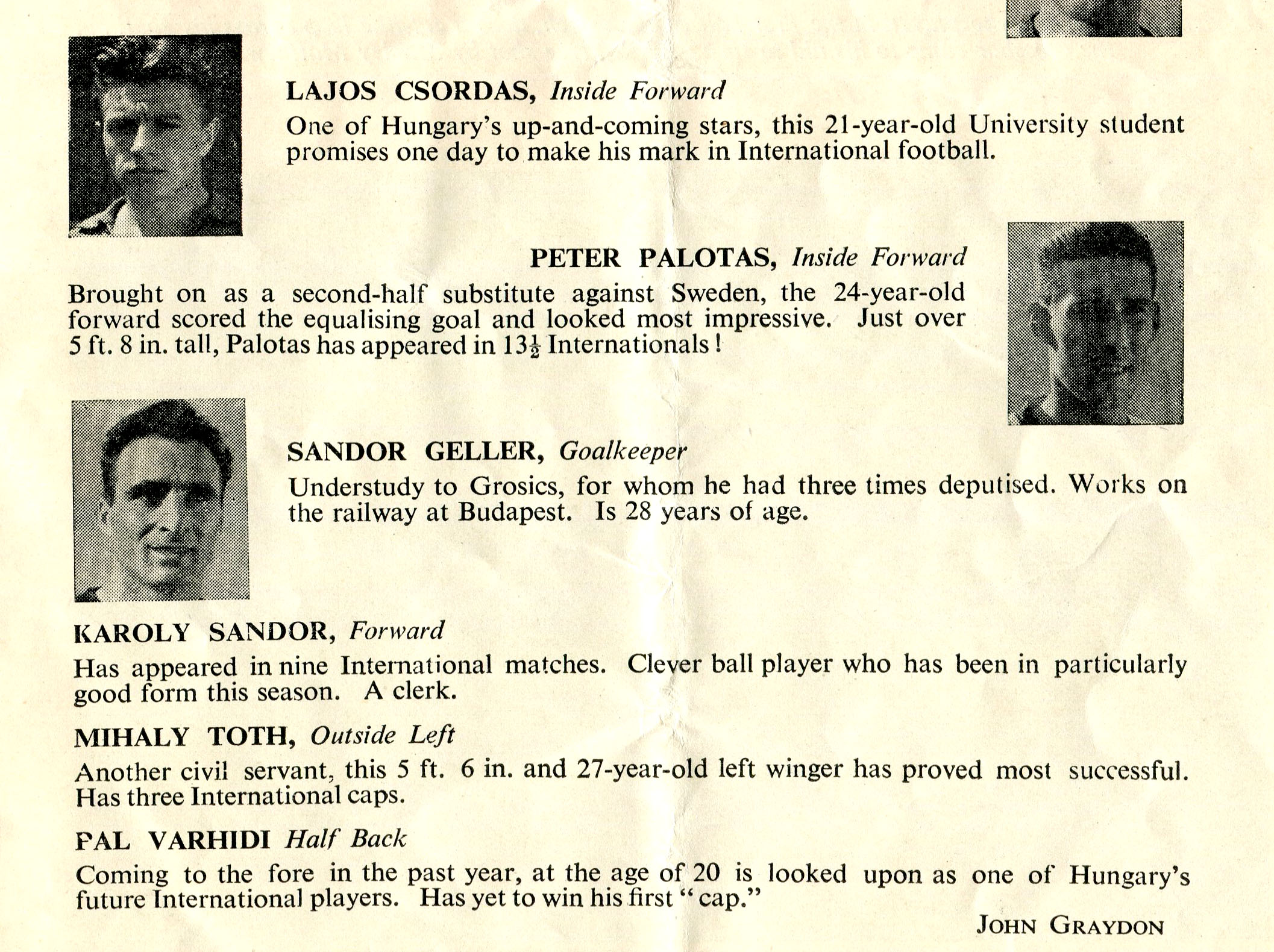
The programme, of course, did not just contain details about the English players. There was a section of equal size, of course, for the Hungarian players:

And there is the clue as to why the programme cost me more than might be expected. It has autographs in it. The one above, I presume, is Jeno Buzansky, although it looks as if he writes it as “BuzanskyJeno”. This is because he is not English, I expect, and has a different way of going about things. Here are the second lot of players:

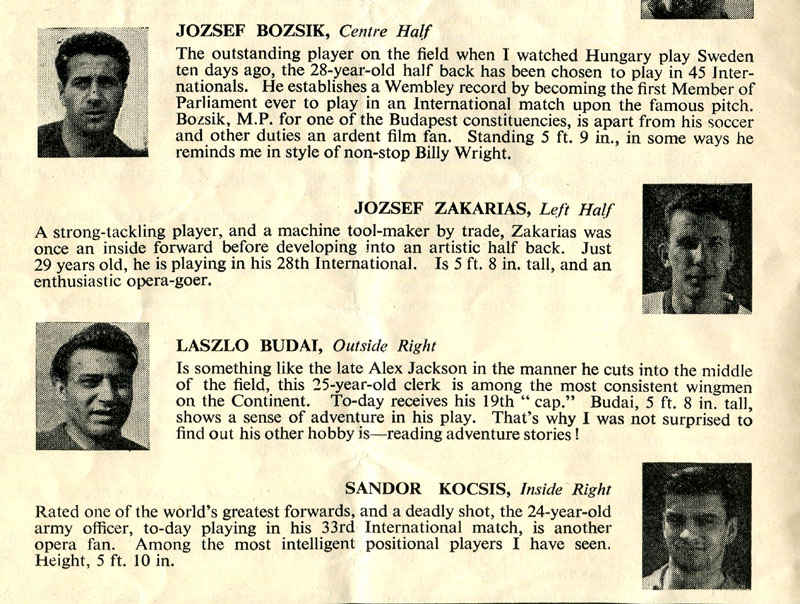
No autographs here, although the players are quite famous in the world of football, especially Jozsef Bozsik, who was a Member of Parliament, and Sandor Kocsis who was very naughty because he was one of the rascally Hungarian forwards who would not stay in position so that the England players could mark him. On to No 3:

This section bears the great man’s autograph, written as PuskásFerenc. Notice that the English writer, John Graydon, is well aware of his nickname of “The Galloping Major” which had been a popular song in 1906, the same year as Puskás’ grandfather had been born. The man at the top, Nandor Hidegkuti, was, I believe, the key to England’s disastrous performance. He was the Hungarian centre forward but stubbornly refused to play where a centre forward was supposed to play. That in turn meant that the England defence did not know what to do. They did not know who to mark. When they asked the coach if they should change their own formation, he replied that he didn’t know what to do either and he told them to carry on, it would all come out OK eventually, so don’t worry lads, fingers crossed.  Here’s the last of the pen pictures:

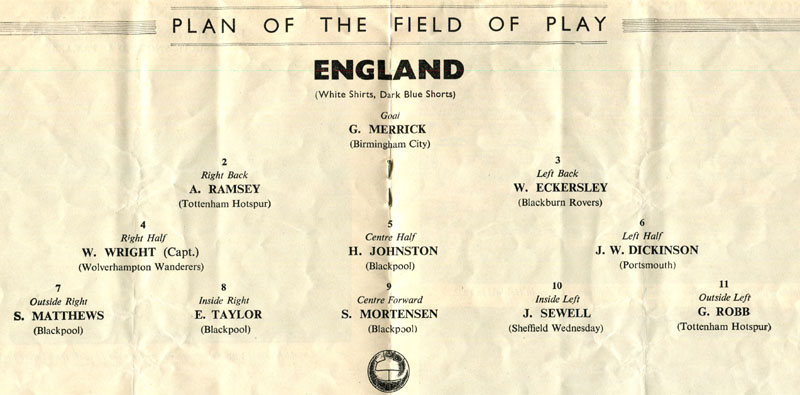
That meant that the teams lined up as, for England:

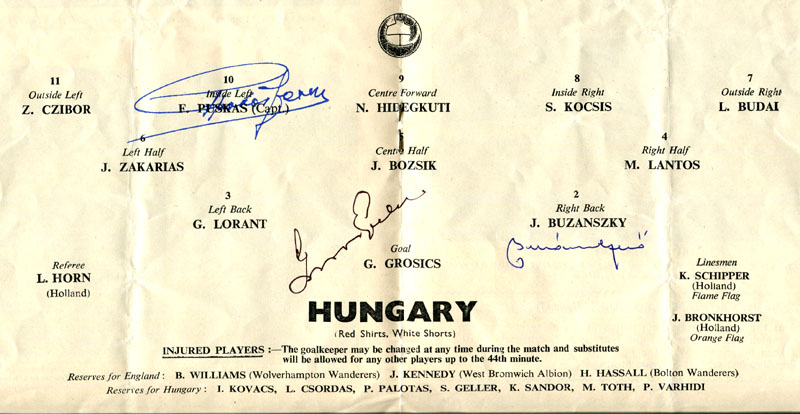
And for the Hungarians:

And yes, three more autographs. PuskásFerenc and BuzanskyJeno and a new one, the goalkeeper, Gyula Grosics, or GrosicsGyula as he liked to sign himself.

The attendance was 105,000 spectators . This was one of the biggest accurately counted crowds ever recorded in England.  Any number of managers of First Division clubs always claimed to have been there but of course, there is no way of checking now. The game started badly for England and got worse after that. The scores went, from England’s point of view, 0-1, 1-1 (hurrah!), 1-2, 1-3, 1-4, 2-4 (hurrah!), half time, 2-5, 2-6, 3-6. The game was filmed, and as I have already mentioned, it is available on DVD, although, shop around…ebay can be very expensive.

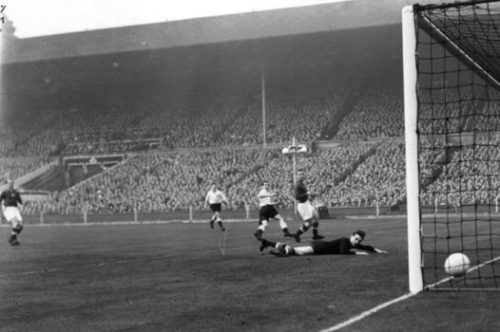
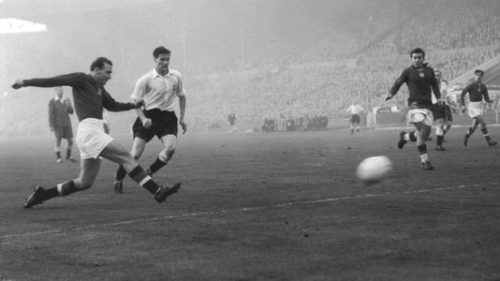
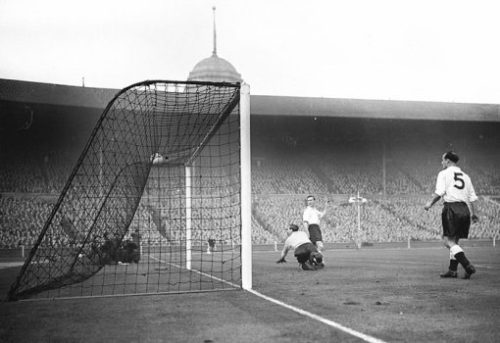
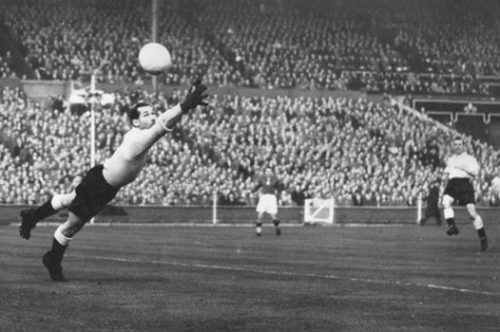
Here are some photographs from the match:

Some editions of the film of the game have only eight of the nine goals in the main match, If you are lucky, the makers of your DVD will have contacted Pathé News to make use their film of the missing goal as an ‘extra’.

Here’s one film about the game from gr8footy:

And here’s the full match version. The commentary is in Hungarian but the picture is better than most (Yes, really!):

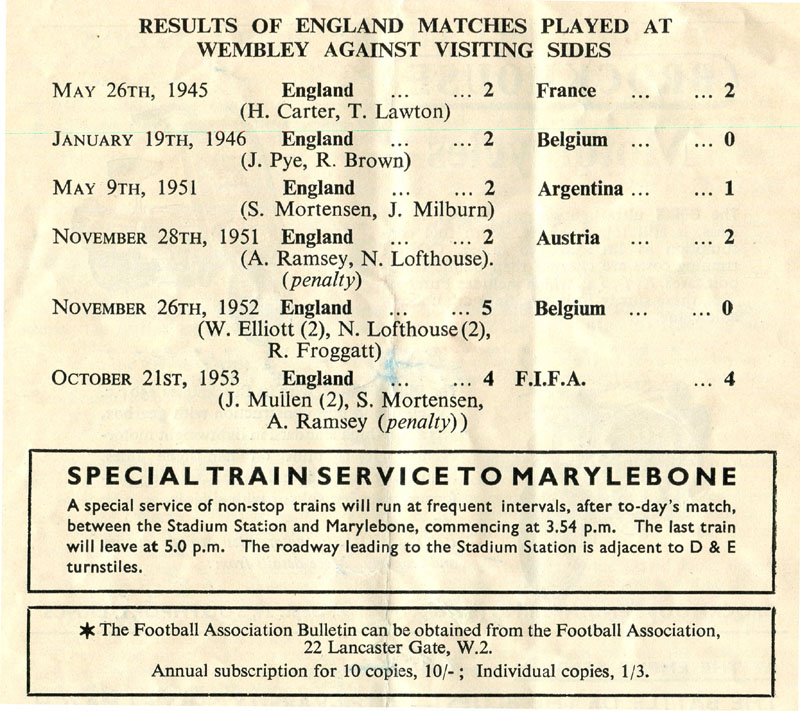
And the programme still manages to be helpful. Here’s how you can get home by train:


19 Comments

Filed under Football, History, Personal

Look at that fat bloke, Stan (3)

Please don’t look at this series of blog posts and just think “I don’t like football” and then go on your merry way. All of these blog posts are about much more than football. In particular they concern the eternal battle between sporting genius and cream cakes.

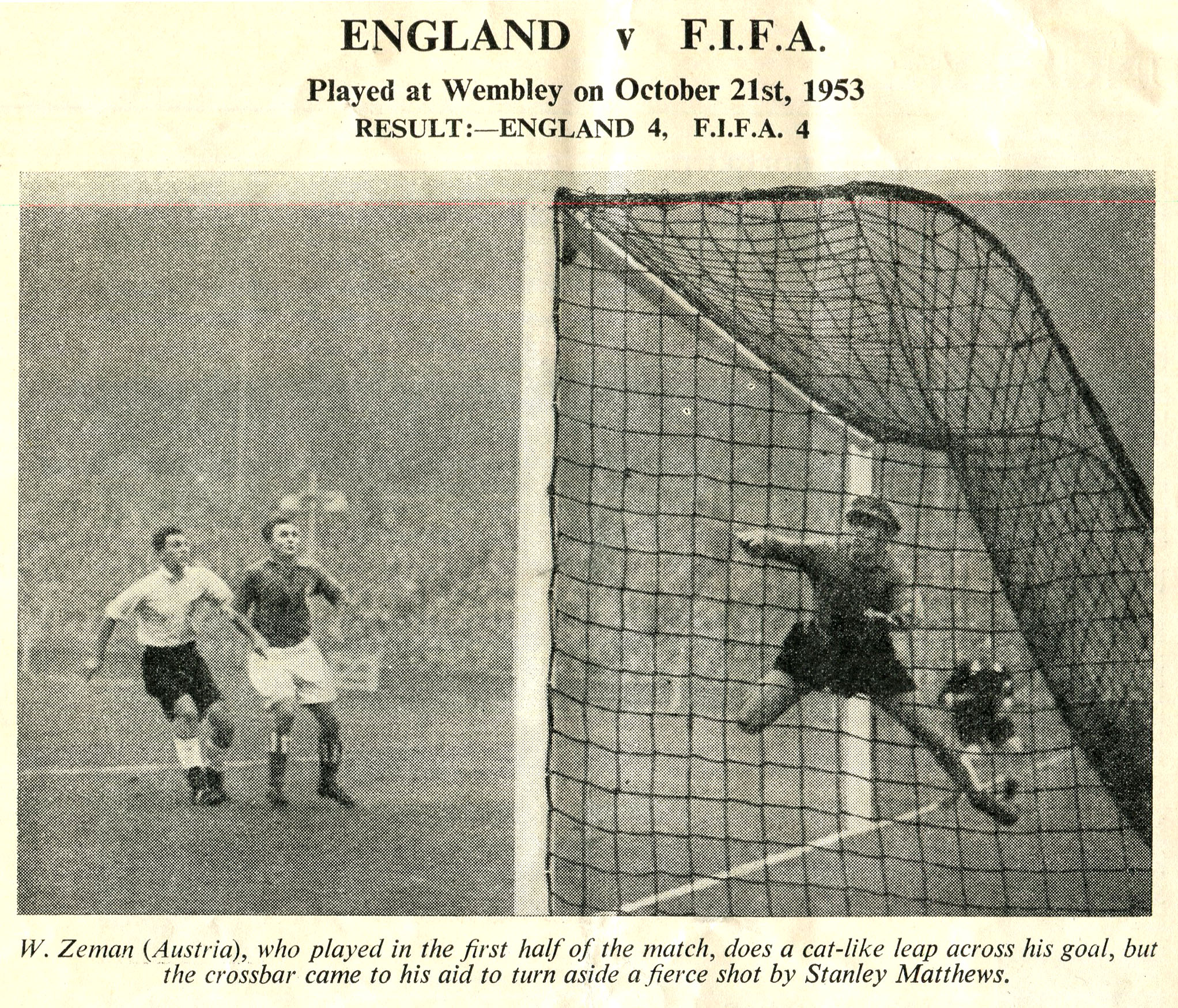
In the last post, I talked about the one football match I wish I had seen. It was England v Hungary, played on November 25th 1953 at 2.15 pm because there were no floodlights at Wembley. This game would later be called the “Game of the Century”. Hungary were the Olympic champions, undefeated since 1950. The programme took comfort in offering us pictures of previous successes by the England team. The first one shows an exhibition game against FIFA, the World Federation of Football, only a few weeks previously. General Montgomery was the guest of honour. He was brilliant at beating foreigners :

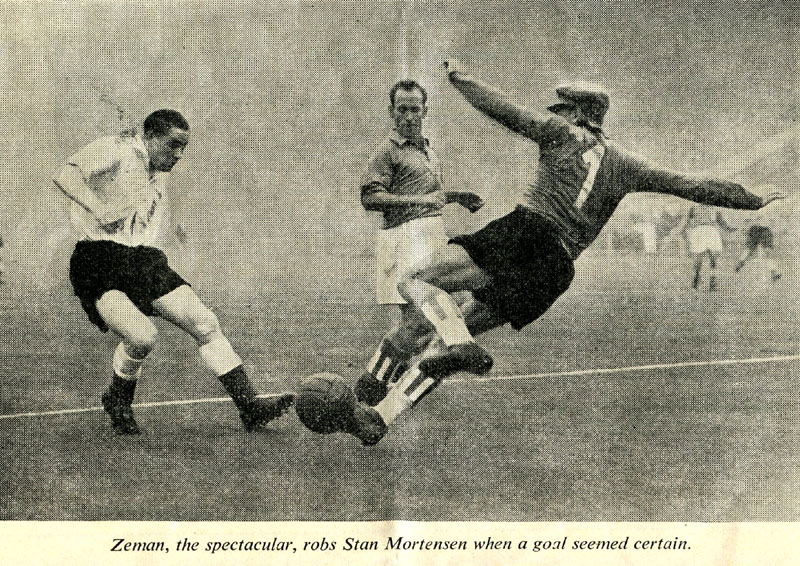
Another picture showed Stan Mortenson being hypnotised by a cheating foreign goalkeeper and his brightly striped socks:

This photo from the game would have been used for the “Spot-the-Ball” contest until somebody eventually spotted that the ball had never ever been there in the first place:

A full programme of activities would precede the match itself:

I don’t know if there were many Hungarians in the crowd, but the effort had certainly been made  to include some appropriate music with ‘Hungariana’ and ‘Bond of Friendship’. And then , at 2.05…. pm….

I’m not too sure that anybody would have stayed behind for a second go at the national anthem.

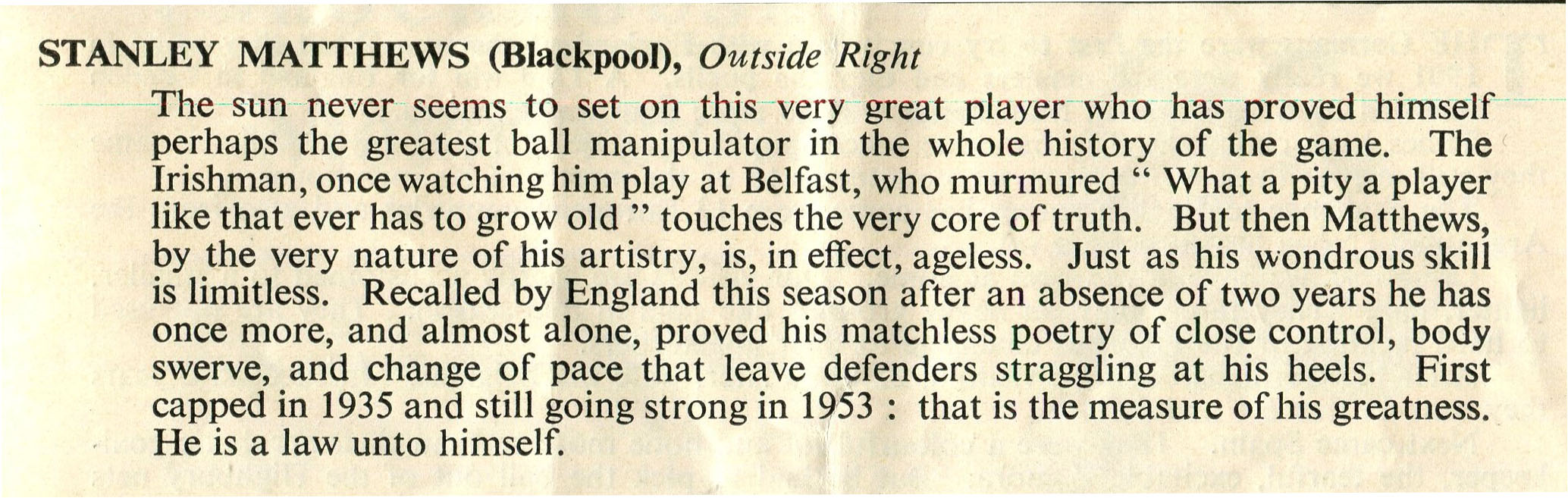
If you didn’t like foreign music, then you could content yourself with reading the players’ pen pictures. I copied a couple of the best English ones. First of all Stanley Matthews:

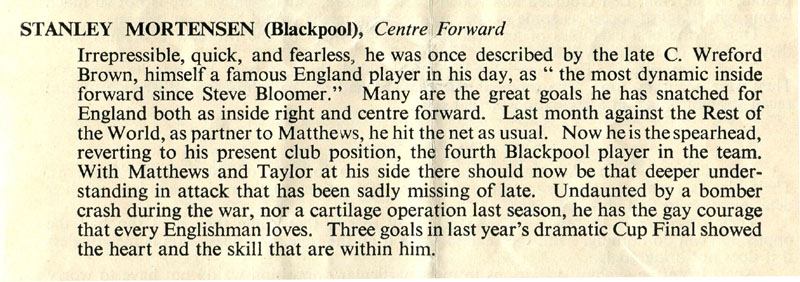
Alas, Stan would soon be proved NOT to be the “greatest ball manipulator in the whole history of the game”. The second Stan was Stan Mortensen, who also played at Blackpool:

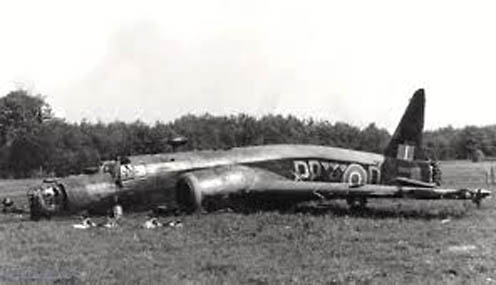
I don’t know about “the gay courage that every Englishman loves” but Stan Mortenson was a very brave man. He was a wireless operator in the RAF and was almost killed in a practice parachute jump. A short time later, after a serious plane crash in a conifer plantation while flying in a Vickers Wellington, Stan escaped death by the narrowest of margins.  Both the pilot and the bomb aimer were killed. The navigator lost one of his legs and Stan suffered severe head injuries, necessitating 12 stitches. He was plagued by insomnia for the rest of his life:

Like Stan Mortensen, my Dad was stationed in Lossiemouth in northern Scotland. He met the famous footballer on one occasion:

“My Dad was a fellow wireless operator in the RAF. One day he was travelling on the train from Elgin in northern Scotland down to Crewe in north western England. He was in the same compartment as Stan Mortensen, the famous professional footballer. Mortensen played on many, many occasions as a centre forward both for Blackpool in the First Division, and in international games for England. Indeed, during the course of his career, Mortensen managed 222 goals for Blackpool in just 354 appearances, and 23 goals in 25 games for his country. In later years, he was to appear in the 1953 F.A.Cup Final, when the whole country was firmly behind Stanley Matthews in his third attempt to win a cup winner’s medal. Blackpool duly triumphed against Bolton Wanderers, but, in the euphoria over Matthews’ medal, the fact that Mortensen had himself scored three vital goals has always tended to be rather forgotten. Indeed, the match itself was to become known as “The Matthews Final”, with never a mention of Mortensen’s unique feat. In later years as an old man, Mortensen was to joke grimly that when he finally passed on, they would call his interment “The Matthews Funeral”:

On this particular occasion, another RAF man was in the crowded train compartment, and, during the long and tedious journey south, he began boasting about his extensive triumphs in the world of football. He had played in any number of games and scored any number of vital goals. He went on and on, with everybody else in the compartment, who were all well aware of Mortensen’s identity, acutely embarrassed. Finally, the man turned to Mortensen and said “Do you play at all, mate?” and Mortensen replied “Yes, just a bit.” Mortensen left the train shortly afterwards, and everybody was then able to tell the boastful buffoon just who his erstwhile travelling companion had been. The stupid young man was completely mortified.”


19 Comments

Filed under Bomber Command, Football, History, Personal

Look at that fat bloke, Stan (2)

Please don’t look at this series of blog posts and just think “I don’t like football” and then go on your merry way. All of these blog posts are about much more than football. In particular they concern the eternal battle between sporting genius and cream cakes.

In the last post, I said that there was one football match that I wish I had seen. It took place just a few months after I was born. It was England v Hungary, played on a cold, dull, misty afternoon on November 25th 1953 at Wembley. This game would later be called the “Game of the Century”
Kick off was at 2.15 pm because there were no floodlights. Hungary were the greatest team the world had ever known. They were Olympic champions, undefeated since 1950:

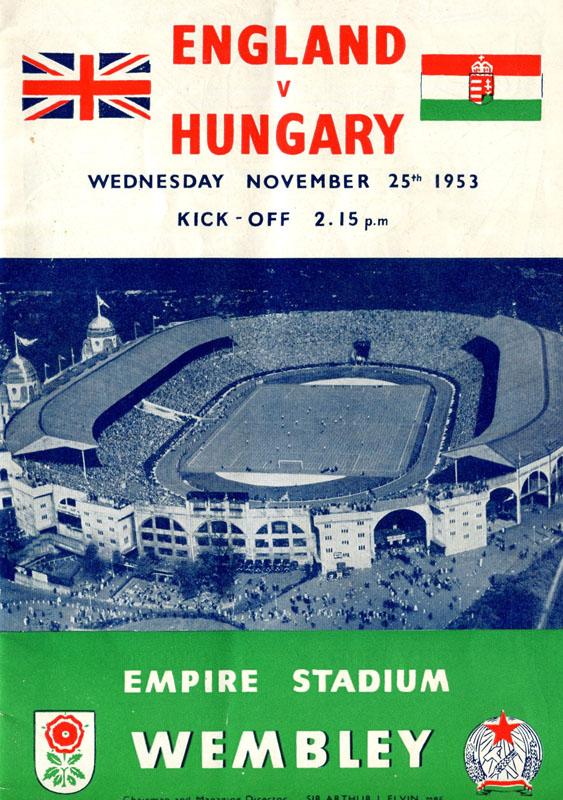
A good ten years ago I bought the programme for “Goal of the Century” on ebay. I paid more for it than I cared to communicate to my wife, but the big thing was that it contained three autographs. Of that more later. Here is the front cover:

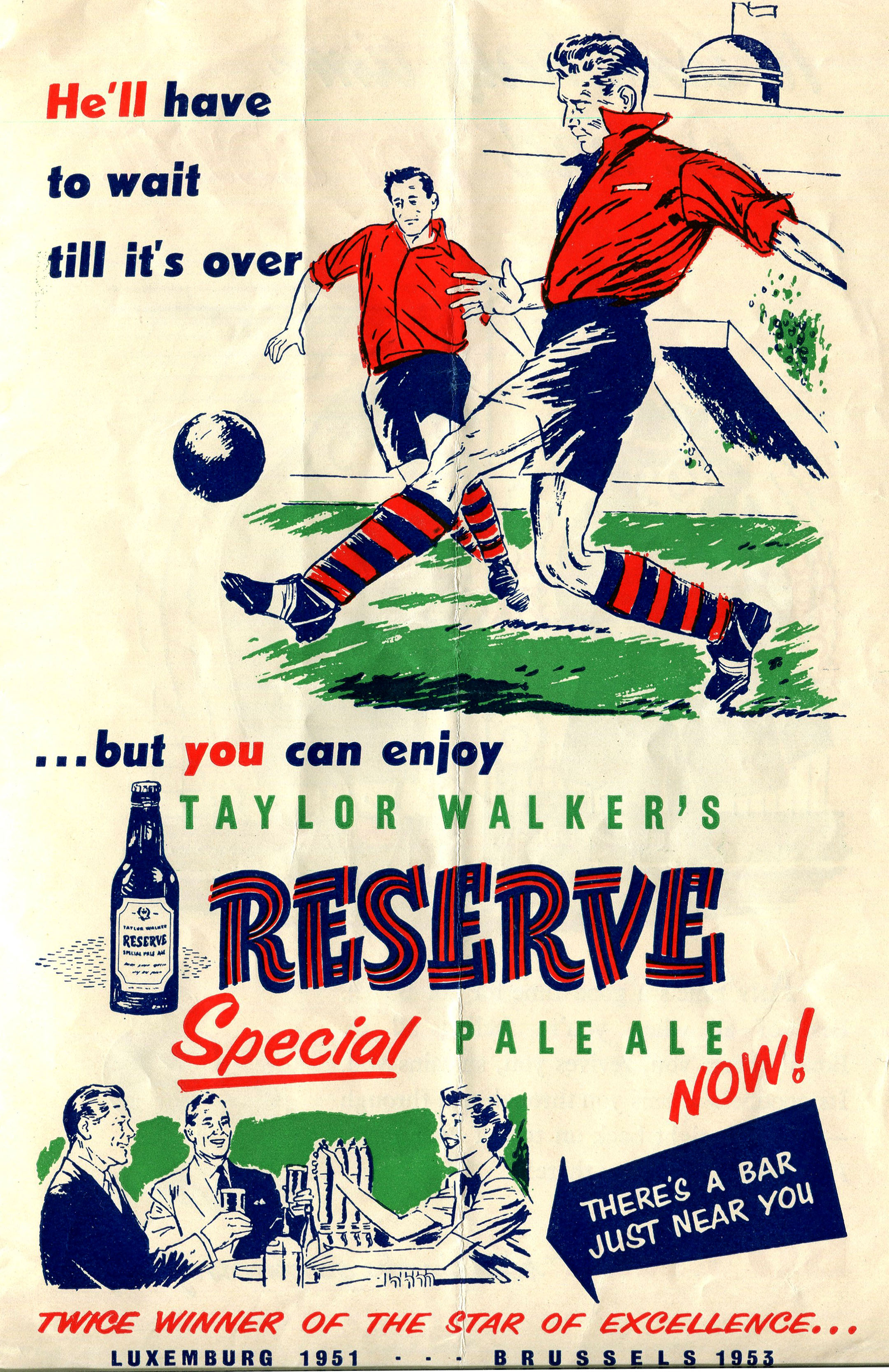
The back cover showed, perhaps, the suggestion of a possible contributory factor to England’s problems:

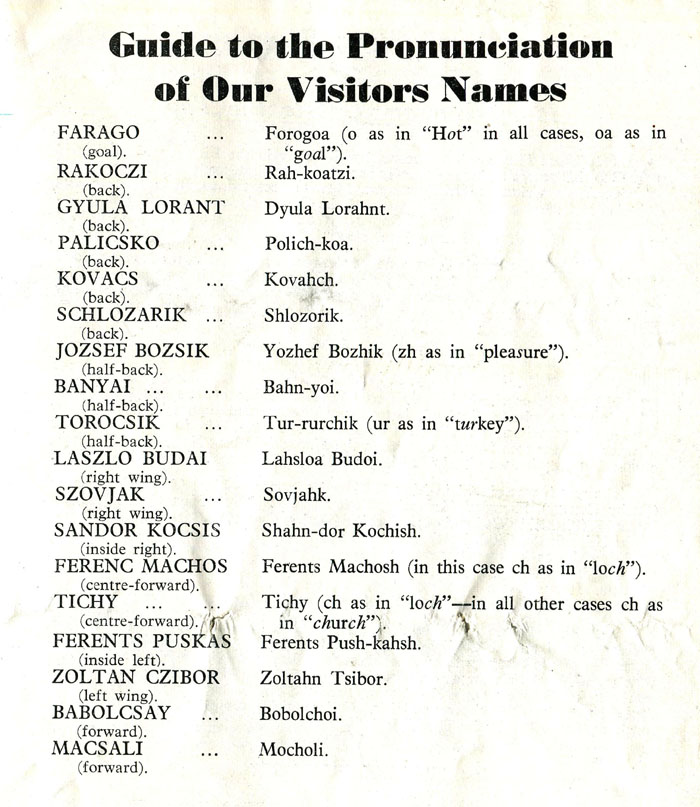
The programme did everything possible to welcome the Hungarians. There was a pronunciation guide:

And news of an exhibition about Hungary:

There was a nice bit of “whistling in the dark”. A list of recent results against those pesky foreigners:

A couple too many draws, perhaps, but we had beaten both Belgium and Argentina. But had we played too few home games against foreign opposition ? Just five in eight years.

The programme had adverts for other games at Wembley but they were very inward looking. Firstly, the Varsity match:

And then, the next best thing to the biggest England game of the season:

Next time, we’ll look at the players and the timetable for the day’s events.


16 Comments

Filed under Football, History, Humour, Personal

Look at that fat bloke, Stan (1)

Please don’t look at this forthcoming series of blog posts and just think “I don’t like football” and then go on your merry way. All of these blog posts are about much more than football. In particular they concern the eternal battle between sporting genius and cream cakes. Go on, give it a go….

There is one football match that I wish I had seen. It took place just a few months after I was born. It was England v Hungary, played on a cold, dull, misty afternoon on November 25th 1953 at Wembley Stadium in London. This game would later be called the “Game of the Century”:
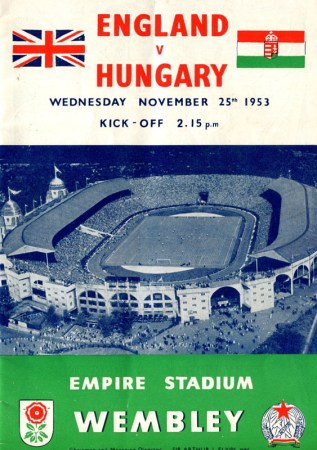
Kick off was at 2.15 pm because there were no floodlights. Hungary were the greatest team the world had ever known. They were Olympic champions and were undefeated since 1950. In fact, they would go on to register 42 victories, 7 draws and just one defeat, which came  in the World Cup Final against West Germany in 1954. Between that World Cup Final and February 1956, the “Mighty Magyars” played 19 more games, with 16 victories, 3 draws and no defeats.

A final record then of played 72, won 61, drew 10 and one defeat. The Hungarian Uprising against their Soviet guests and protectors brought the team to an end in 1956.

The Hungarians played the revolutionary 4-2-4 system, and their team that grey misty day was Grosics, Buzansky, Lantos, Lorant, Zakarias, Bozsik, Budai, Czibor, Puskás, Hidegkuti, and Kocsis.

In England they became known as the “Mighty Magyars” and elsewhere as “The Golden Team”. In Hungary they were the Aranycsapat.
Ferenc Puskás, nicknamed by the Hungarians “Öcsi” and by the English ‘the Galloping Major’, was their star player and he would go on to finish with 83 goals in 84 internationals and 514 goals in 529 matches.

Puskás became an Olympic champion in 1952 and he would eventually finish his career with an Olympic Gold Medal from 1952, a runners-up medal in the World Cup in 1954, where he was named the tournament’s best player, three European Cups, (1959, 1960, 1966), 5 Hungarian championships and 5 Spanish championships with Real Madrid, as well as 8 top individual scoring honours.

Puskás, however, was a martyr to Hungarian cream cakes, and always looked a little on the chubby side.

Legend has it that before the two teams kicked off in the “Match of the Century”, one of the England players, none of whom had ever heard of Puskás, said to Stanley Mortenson, “Look at that fat bloke, Stan, he won’t give us any trouble.”
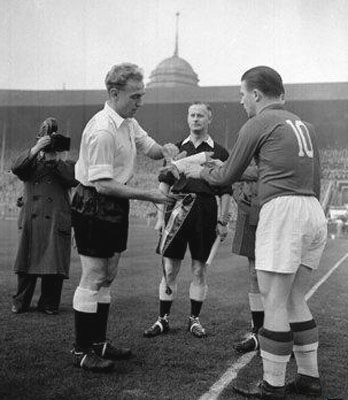
He was wrong. Hungary won 6-3 to inflict England’s first ever defeat on home soil. Puskás scored one of the sport’s legendary goals, avoiding the carthorse tackle of Billy Wright by dragging the ball back with the sole of his boot before tucking it into the roof of the net.

And English coaches realised that as far as the continentals were concerned, it was as if Hungary were from another planet. Indeed, if you watch the match on a DVD you will see that in the first half Puskás scores a goal which the Dutch referee disallows for offside. In actual fact, it is onside by about two yards so the result might have well have been 7-3. That would have spoilt things for Hungarian speakers, because 6-3 in Hungarian is “Hat harom” and the phrase has now passed into the Hungarian language. Just google “Hat harom” and see how many things turn up…unfortunately all in Hungarian:

One of the best journalists to write about the match was Geoffrey Green of The Times . He famously described England as “strangers in a strange world.” His description of one of Puskás’ goals has passed into legend. It is, in fact, the goal that I described above:

“Centre half Billy Wright rushed across to tackle him, but Puskás pulled the ball out of his path as the defender barged past like a fire engine going to the wrong fire”.

The following year, 1954, foolish England went to Budapest to see if they could repeat Hungary’s shock victory. In fact, they lost by 7-1, still now their biggest defeat. Puskás only scored two. “They were such a wonderful side” said Sir Tom Finney who played in the match.

Let’s finish by torturing myself. Here’s the ticket to the game I bought 60 years too late. Alas, the old Wembley has now been demolished and you would struggle to find the South Terrace seating, let alone Row 3 Seat 41. But that doesn’t stop this ticket being the best 10/6 you could have spent in the history of sport:

One final point I would like to make is that I had a minor operation on my hand recently and for that reason I will not be able to reply to any of your comments in the immediate future. If you do want to make a comment, by all means please do so, but I will not be able to write any replies until after December 6th as a minimum. After this date, with luck, I should be back in business.

16 Comments

Filed under Football, History, Humour, Personal

1937: The Clouds of War (3)

Imagine that it is the height of a glorious summer, in southern Derbyshire in 1937. My Dad, Fred Knifton is only 14. One day, with his friends, Jonty Brearley, Bernard Swift and John Varty, he sets off to cycle through the Anglo-Saxon village of Hartshorne, to explore the old Stone Age trackway of Green Lane. By the time they get there, it is the late afternoon of a glorious summer’s day.

Last time, we saw the arrival of PC Bstard on his bike who forbids the four Boy Scouts to camp on common land at the side of a public footpath several miles from the nearest house. Sadly the boys did not rise up and drive off this sad servant of the bourgeoisie but instead promised that they would leave before nightfall.

Their brightly burning campfire gleamed in the dusk:fire

The boys, still filled with their spirit of youthful adventure, sat happily around the dancing flames. They roasted the sausages they had brought wrapped in grease proof paper in their saddle bags:

imagesR7PN9JPS

They toasted bread which was nothing like the bread we are told to enjoy nowadays. They made cups of scalding hot tea. And then, as night grew so dark that they could hardly see either each other or the bats which flickered through the invisible branches of the barely visible trees, they packed up all their things into the panniers on their bicycles.  Slowly but purposefully they cycled back under the stars through the warm summer darkness to the continuing years of their lives.

Fred was to say many times afterwards, that all four of those happy boys went off to the Second World War, but only two were destined to survive that awful conflict. Bernard Swift and himself.

John Varty was killed in 1943 in Tunisia, fighting ferociously against Germans who claimed every single sand dune as their own.  Corporal Varty is buried somewhere out there. Somewhere on the road to Teboursouk. Somewhere where his mother and father never had the money to go. Somewhere where nobody with any sense would dare nowadays to go. A country where only the dead are beyond killing:

Jonty Brealey was killed on June 27th 1944, in some long forgotten episode in the aftermath of D-Day. He was buried, along with more than 4,000 others, in Bayeux Cemetery in Normandy. He died to liberate France but for the first 25 years of his life, I can’t imagine that he had ever seen a Frenchman. Or a German come to that.

When I was a little boy in the 1950s, my Granny and Grandad lived two houses up the road from the Brealeys.  Jonty’s father, whose first name was Alf, was by now an old man. He spent all of the day leaning over his front gate, saying hello to passers by and keeping his eyes open for people coming down the hill from the main bus stop on High Street. I thought as a child that he was looking for anybody who might come past, but I now realise as a man, that he was waiting patiently for just one special person who, alas, would never come.


31 Comments

Filed under History, Personal, Wildlife and Nature

1937: The Clouds of War (2)

Last time, it was the height of summer, in southern Derbyshire in 1937. My Dad, Fred Knifton was only 14. One day, with his friends, Jonty Brearley, Bernard Swift and John Varty, he set off to cycle through the Anglo-Saxon village of Hartshorne, to explore the old Stone Age trackway of Green Lane. By the time they got there, it was the late afternoon on a glorious summer’s day.

Even in the 1970s, this was an isolated country area, far, far away from the hustle and bustle of so-called civilisation. In the late 1930s, it must have been even quieter. Nothing except for the gentle humming of the bees, the whirr of the swallows’ wings, the buzzing of the grasshoppers and colourful butterflies fluttering by. A very peaceful, idyllic and rural place indeed. The boys duly set up their canvas tent, taking care to position all of the many guy ropes carefully. They followed their Boy Scout training and carefully cut a piece of turf from the grass at the side of the track, before they started their camp fire.

The_Hadrian's_Wall_Path_follows_a_'green_lane

It was a warm, calm, summer’s evening. Bats scythed through the still warm air. Large white and grey moths fluttered where butterflies had fluttered during the day. There was one bright star. Or was it a planet? Then a second star. And then a third. The night grew darker. The stars formed into patterns. The Plough. The Milky Way. Sparks flew up from the fire and disappeared into the darkness:

fire

I once saw a poster which said:

“Everything is going so well. Everything is perfect. But don’t worry. Some bstard will come along and spoil it.”

On this occasion the idyll was interrupted by the arrival of the local police constable on his bicycle. In later years, Fred was to wonder just why he was up there a thousand miles from the nearest police station and three light years from the nearest house. Had they stumbled upon his still? Did he have a secret girlfriend? Or a secret boyfriend? Did he like following teenage boys out to isolated areas?

Anyway, he sportingly told the four boys that despite their status as Boy Scouts and Ovaltineys they would not, under any circumstances whatsoever, be allowed to camp there overnight, as there were many, many important laws and many, many important byelaws which completely forbade such evildoing.

He sportingly told the four boys too, that they could finish their meal, just this once, before they left and went home and did not ever come back there ever again, even as old men. If they did, they would finish up in the galleys.

Will they refuse to obey him? Will they rise up and slay this bourgeois lickspittle?

We’ll see next time.


28 Comments

Filed under History, Personal, Politics, Wildlife and Nature

1937: The Clouds of War (1)

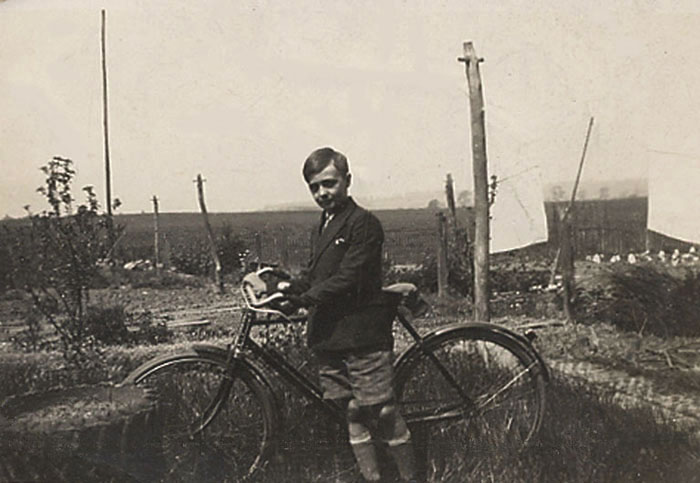
What must have been among the most magical moments in my father, Fred’s, long and eventful life, came one day, or rather one evening, around 1937. In a long golden English summer, he and three of his childhood friends decided to use their knowledge from the Wolf Cubs and the Boy Scouts and to go off camping. Those three other boys were Jonty Brearley, Bernard Swift and John Varty. Here’s my Dad, with his bicycle. Behind him, there is nothing but fields. Nowadays, there is nothing but houses:

AG with bike 1930 8

The boys all went by bicycle down Hartshorne Lane, into the village of Hartshorne itself, past the Georgian coaching inn and the haunted old Elizabethan house. Look for the camouflaged orange arrow which points at Fred’s house. The boys rode into the top right hand corner of the map, towards the church with a square tower:

journey 1

They cycled resolutely past the old Saxon church of St Peter:

Hartshorne_Church_web

Then they took the road westwards out towards Repton. The next orange arrow on the map below points to Hartshorne Church.

Repton, off to the west, was the village where, in the winter of 873-874 AD, the Danish Great Heathen Army, led by the reputedly nine feet tall Ivar the Boneless, spent a few months resting up and slaughtering the locals:

Fred and the boys ignored these ruffians, though, and they turned off to the north, the top right corner of the map, towards the villages of Ticknall and Foremarke, home of Fred’s ancestors from the days of the Stuarts:

journey 2

At the very top of the hill, though, by now high up on the horizon, they turned yet again, eastwards along the yellow-marked Coal Lane, before they turned for the last time into Green Lane, indicated by the orange arrow. They followed this grassy track for a good distance until it joined the steep orangey road towards Pistern Hills:

journey 3

Just look how many features on this map refer either to types of tree, the shape of the landscape or the name of a long forgotten landowner.

Just before the road junction, they put their bikes in the hedge and made camp.

journey 5

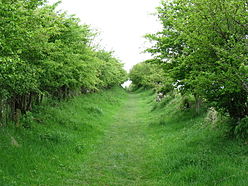
Green Lane, originally, formed part of an ancient trackway, dating back perhaps to Stone Age times. I don’t have a photograph, but this is what it would have looked like in that more countrified era:

green 1xxxxxxx

No insecticides then, or petrol powered machines to cut back the homes of the bee, the butterfly and the wood mouse:

green-lane-narrowing-11xxxxxxxxxxxxx

In a word, it was a countryside paradise. We’ll see who plays the part of the Serpent next time.

31 Comments

Filed under Bomber Command, History, Personal, Wildlife and Nature

Eagle Comic foretells the Aeronautical Future

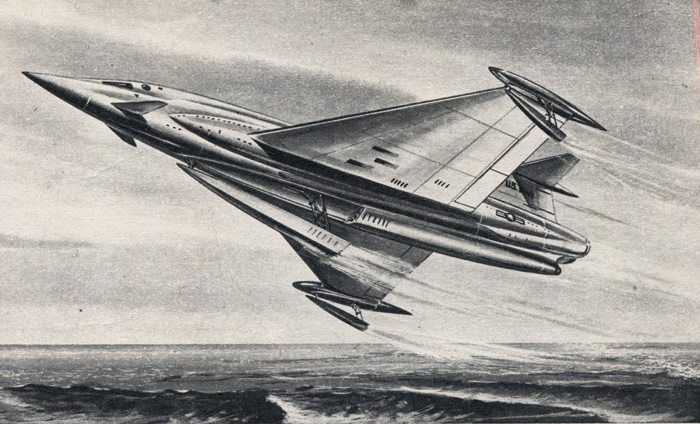
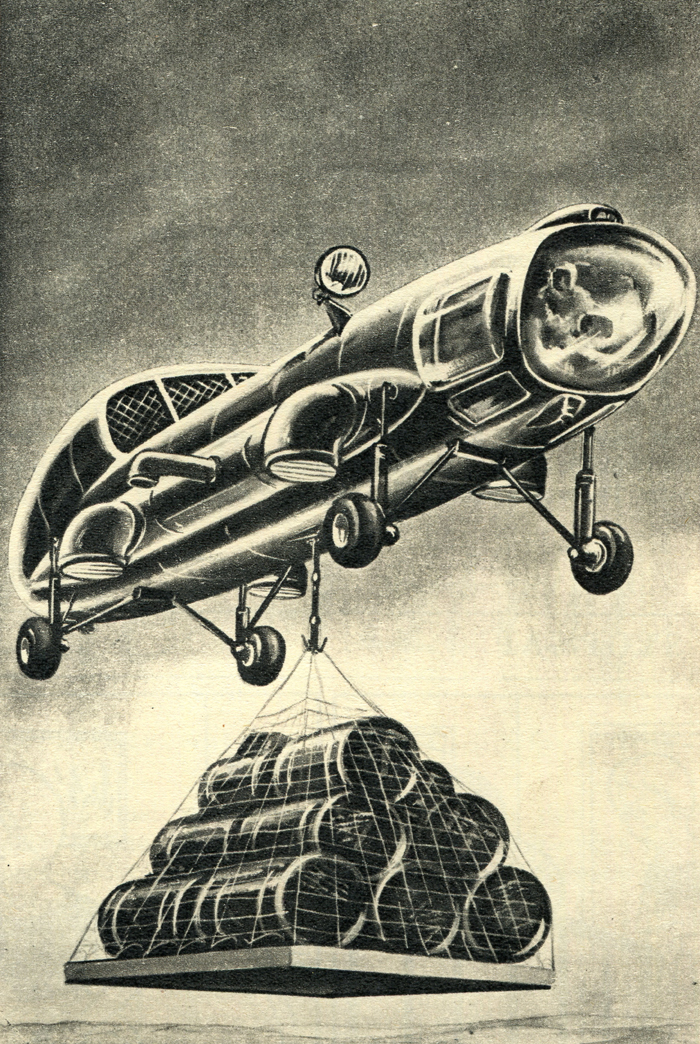
In 1962, Eagle Annual carried an article about the aircraft of the future.

I thought I would take just a quick look with you at what the aviation buffs of that distant time though we were going to see in 2017.  This was one of their suggestions:

Strangely reminiscent of a Convair Sea Dart for me. Did the writers know something that the readers didn’t know?


This slideshow requires JavaScript.

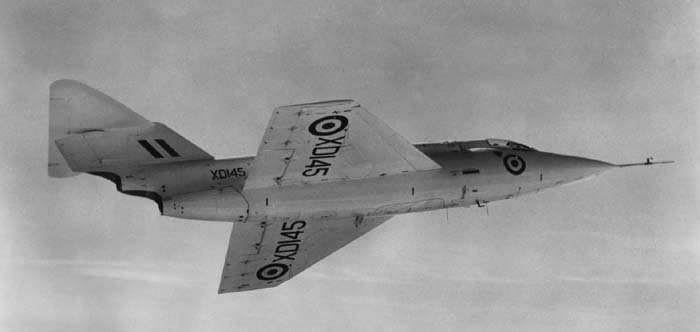
Alternatively, was it the doppelgänger of the Saunders Roe SR53? The rocket powered interceptor of the 1950s that was so unlucky to have been scrapped. It would have been a brilliant aircraft. And why didn’t the Germans buy it?

Here’s one I photographed myself at RAF Cosford, I think:

Here’s another suggestion from Eagle:

Rather like the B-70 Valkyrie, n’est-ce pas?

This is more like a completely fresh thought, not based even subconsciously on anything the writers had ever seen:

Well, perhaps not. This is Fireball XL5 from the Gerry Anderson puppet series of the same name:

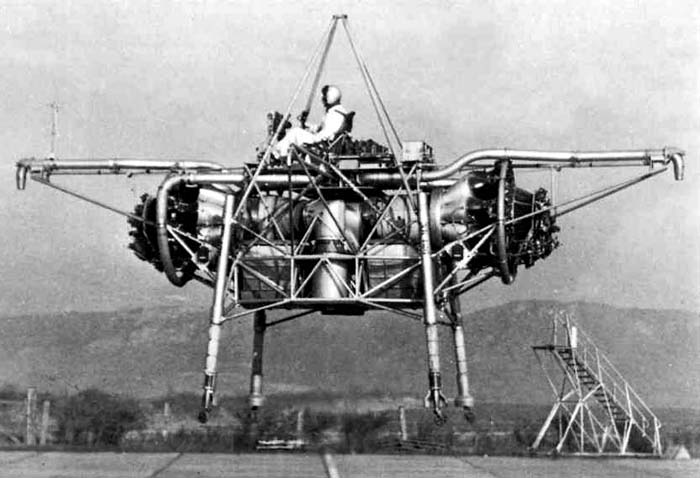
The likeliest aircraft to make the cut is this VTOL workhorse. It’s rather like the cultivated well mannered cousin of the Flying Bedstead:

The Flying Bedstead, of course, had no covering of any kind over the structure of the machine:

Although the Short SC1 did, and that took it a huge leap towards the Eagle VTOL aircraft of the future:

To me, it almost looks as if the writers of the Eagle article, perhaps subconsciously, included real aircraft, usually experimental types or prototypes, in their portfolio of supposedly imaginary aeroplanes of the future.

This was the real aircraft of the future when it made its appearance:


23 Comments

Filed under Aviation, Film & TV, History, Personal, Science

Nina Potapova: a woman I cannot forget (2)

Last time I was talking about the lovely artwork in a book which had intrigued me as a 9 year old. It was:

It has some beautiful pen and ink drawings. This is Moscow University in Moscow. The winning quiz question, of course, is “What is the name of the river in Moscow?”

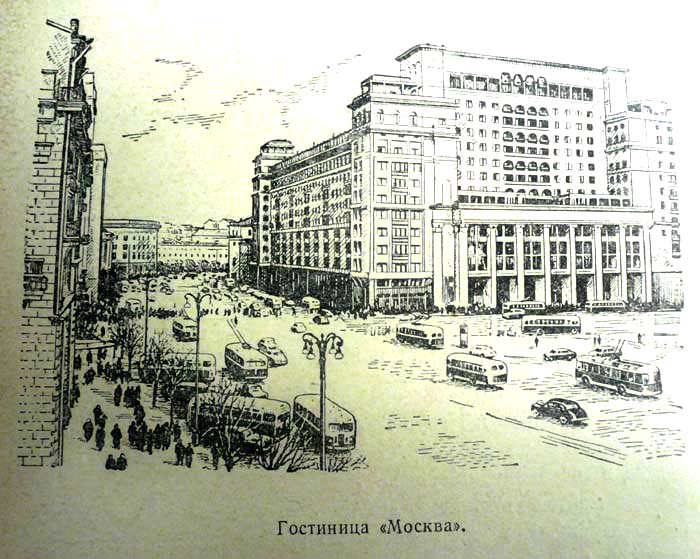
Here is the Moscow Hotel, built in the old Stalinist style:

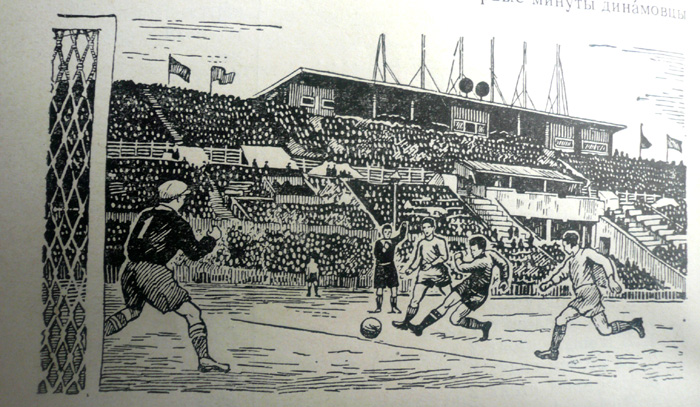
Here is a football match in Moscow. Defending the goal is Moscow Spartak and attacking is Moscow Dynamo, team of the great Lev Yashin, the ‘Black Octopus’:

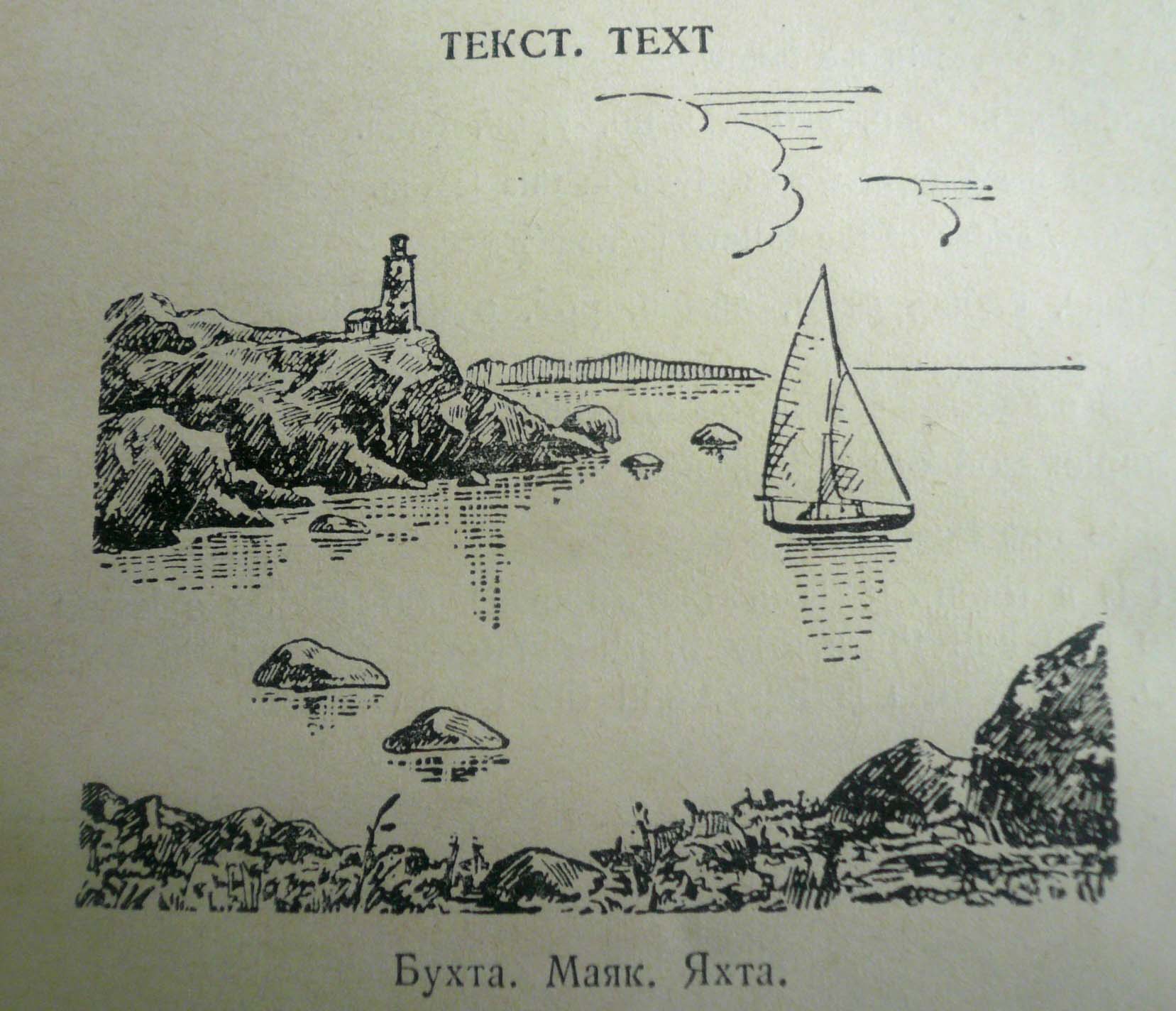
Other sketches are just of everyday events Here is the seaside. Don’t miss the seven nuclear submarines. The crews spent days camouflaging them:

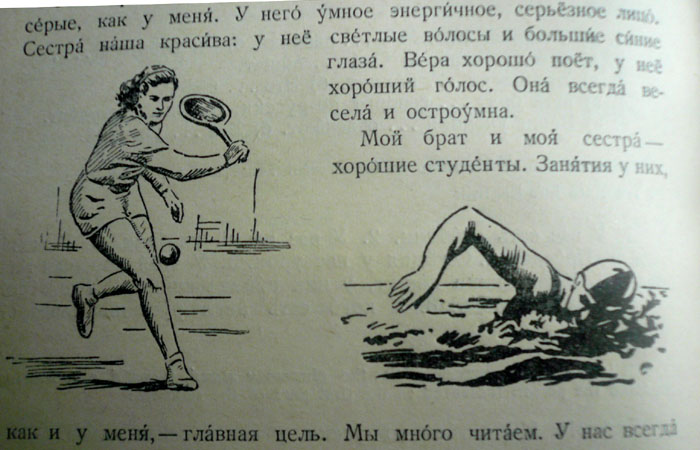
Here are two siblings, one is playing tennis despite her legs being drawn straight with a ruler while her brother is swimming away through a sea of oil after his submarine collided with one of the other six. That’s just one of the risks of high quality camouflage:

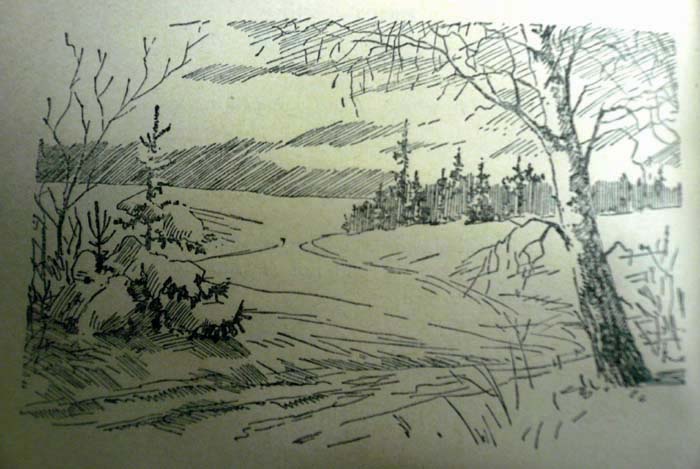
Here’s winter. Can you see Bigfoot sitting thoughtfully in front of the trees on the right?:

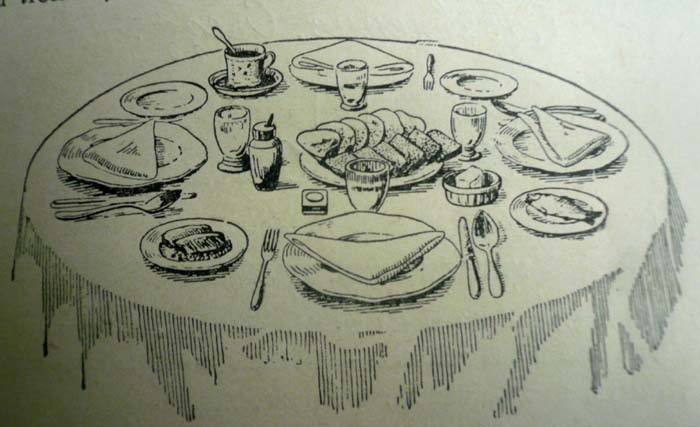
A nice picture of a table set for a meal. Note the traditional vodka in the tiny glasses although the bottle seems to be missing:

Lastly a bomber flies slowly over its target which appears to be some kind of factory. Surely the starboard propeller is about to cut the wing off ?

But who was Nina Potapova?

A beautiful slip of a girl when she got married:

She had all the usual hobbies:

She fought the Germans in the war:

She was always jealous of her husband, Frank, who always received more medals than she did. He was in the Red Fleet, the Commander of seven nuclear submarines. Note the KGB man behind him:

But that was all years ago. Nowadays, Nina is just famous as the mother of a successful Olympic weightlifter, Frank junior:

21 Comments

Filed under History, Humour, Personal