Tag Archives: Anthony Eden

The Murder of Leslie Howard (4)

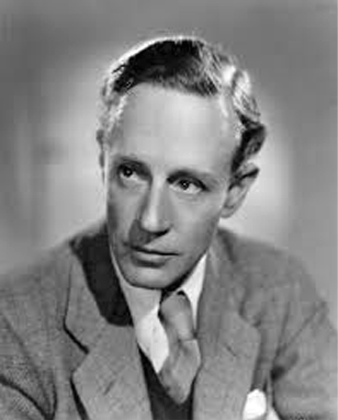
Last time I showed you a whole selection of what could be called “mistaken identity” conspiracy theories. Leslie Howard was erroneously identified therefore by the German intelligence service, the “Abwehr”, as Harold Thompson, Churchill’s bodygard.

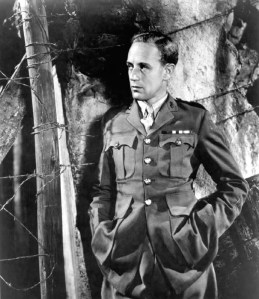
Here’s Leslie Howard, in the wonderful anti-war play by RC Sheriff, “Journey’s End”…..
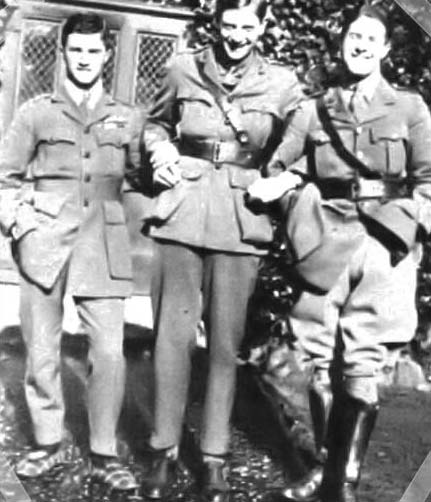
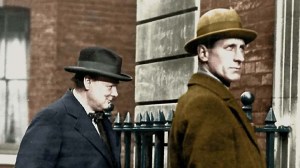
And here’s Harold Thompson (on the right), a man who was frequently appalled by Churchill’s apparently total disregard for his own safety. The best example of that was when Churchill stopped his staff car in Hyde Park and jumped out, armed with a Colt revolver, to do battle with the three members of the Irish Republican Army who were trying to assassinate him…….
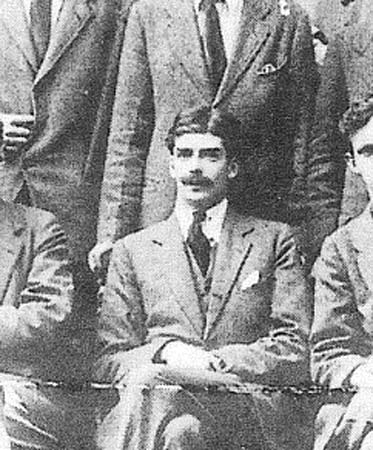
……..sometimes Leslie Howard was identified as Anthony Eden, the Foreign Secretary, despite the biggest hairy caterpillar in the world, that he had trained to cling to his top lip, irrespective of weather conditions…….
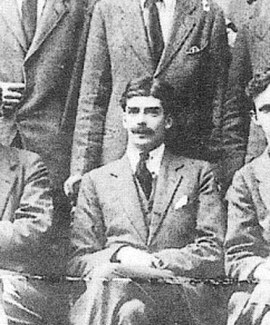
Sometimes the Germans confused Leslie Howard with Reginald Mitchell, the designer of the Spitfire, and in the grave for the past six years :

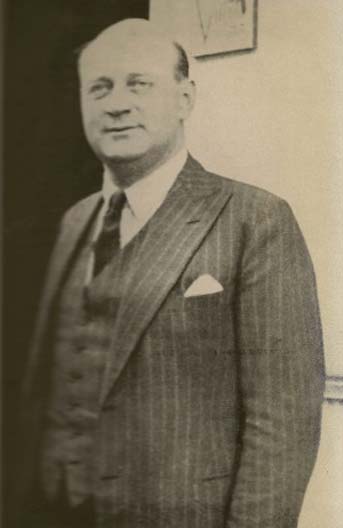
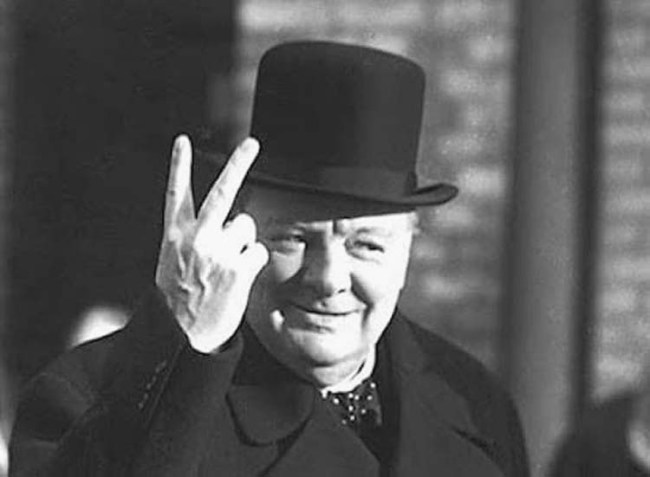
And,  an Old Boy of Nottingham High School, Alfred Chenhalls, Leslie Howard’s business manager, was repeatedly thought to be Winston Churchill. Bald, cigar smoking and fond of whisky, who else could it be?

Another rather different theory suggests that Leslie Howard rather than Churchill, was the real target of those eight Luftwaffe aircraft. By now, Howard had become a hard core enemy of the Third Reich, reverting back to his origins as……

“a Jew who was a ferocious and prominent critic of Nazism”

By 1943, Howard frequently expressed himself much more actively than merely speaking up occasionally in interviews.

Indeed, he was soon not just starring in anti-German propaganda films, but he was directing and producing them himself, using as much of his own money as he dared.

On one occasion, his royalties from “Gone with the Wind” paid for his anti-Nazi productions. And in those movies, Howard did not hesitate to name and shame. In one film, he speaks of the Germans’ plans for the rest of Mankind, the people who had suffered the dreadful fate of not being born German. Howard was sure that Hitler would destroy for ever the political systems they had adopted…….

“Every day reveals the utter and desperate determination to smash us to bits, root and branch and to wipe out every trace of democracy.”

But……

“we are better than them”

In 1941, Howard made a fifteen minute film entitled “From the Four Corners” (1941). This is a still from it:

And here is a speech that may well make the hair stand up on the back of your neck :

“And so our fathers’ minds crept along and their ideas of justice and tolerance and the rights of man took shape in the sunlight and the smoke, sometimes standing still, sometimes even slipping back, but slowly broadening with the centuries. Some of those ideas are written down in the constitutions of our commonwealth and some are unwritten. We just try and carry them in our hearts and in our minds. Perhaps the men who came nearest to putting them into words were those Americans, many of them the sons of British pioneers, who, founding an independent nation, proclaimed:

We hold these truths to be self-evident, that all men are created equal, that they are endowed by their Creator with certain unalienable Rights, that among these are Life, Liberty and the pursuit of Happiness.”

Those words and that spirit were born and nourished here, and your fathers carried them to the ends of the earth. They are our inheritance from the past, our legacy to the future. That’s why you came here – to defend them.”

Here is a link to the complete film. It is fifteen minutes that may well reaffirm your faith in good old fashioned democracy:

In “Pimpernel Smith”, he discusses Nazi philosophy with the film’s head of the SS,  who has just captured Howard, the man who has helped countless political prisoners to escape from Germany:

“von Graum : Why do I talk to you? You are a dead man.

Smith : May a dead man say a few words to you for your enlightenment?

You will never rule the world, because you are doomed. All of you who have demoralized and corrupted a nation are doomed. Tonight you will take the first step along a dark road from which there is no turning back. You will have to go on and on, from one madness to another, leaving behind you a wilderness of misery and hatred. And still you will have to go on, because you will find no horizon, and see no dawn, until at last you are lost and destroyed. You are doomed, captain of murderers. And one day, sooner or later, you will remember my words…”

You can watch the complete film of “Pimpernel Smith” if you click on this link :

Having said that, the film is so good that you may wish to buy a much better quality DVD of it for around £10.

Like millions of people in the world, Leslie Howard had little reason to love the Germans, but, as a Jew, the appalling anti-Semitic policies of the Nazis in the 1930s really sealed the deal.

Howard wrote: “Britain’s destiny has been to uphold tolerance in religion, thought, speech, and race–– the mainspring of democracy. We have still far to travel on the road to true democracy, but only the Germans have made no progress in this direction. Britain, with her great gifts has helped populate five continents and shown that the white man and the coloured man can live in peace together.”

Few of us, more than eighty years later, would quarrel with those sentiments.
 

13 Comments

Filed under Aviation, Film & TV, History, military, Politics, war crimes

The Murder of Leslie Howard (3)

Last time we were looking at how the airliner in which Leslie Howard, the film star, was returning to England, was shot down in the Bay of Biscay by the German Luftwaffe, resulting in the deaths of every single person on board, including the children. Here is some of Leslie Howard’s best work, taken from the now controversial “Gone with the Wind” :


Since that first day of June 1943, there have been literally scores of theories put forward as to why Leslie Howard and the rest of the civilian passengers and crew of the DC-3 “Ibis” were all murdered in this callous fashion. Shot down into the waters of the cold Atlantic Ocean, while travelling to England in an aircraft which was unarmed and the property of a neutral country, namely the Netherlands. And this attack was clearly directed at somebody, because the attackers were eight Junkers Heavy Fighters, armed to the teeth and clearly, sent specifically to destroy this inoffensive DC-3 Dakota.

Leslie Howard’s business manager, Alfred Chenhalls was a fat, bald man who loved to smoke cigars and who occasionally drank alcohol in sensible quantities. It was extremely easy to mistake him for Winston Churchill. What do you think ? Did a German spy see Chenhalls get on the plane and immediatelyt telephone the German Embassy in Lisbon?

Which one is this?  Churchill or Chenhalls?

And is this the Prime Minister or a party going bon viveur, who liked nothing better than drinking the very best whisky in large quantities?

“Two bottles for each of us, barman !!! “

As we have seen elsewhere, Leslie Howard was not an English landowning gentleman, but a Hungarian Jew. He supposedly resembled Churchill’s bodyguard, Detective Inspector Walter Thompson. Similarly, Detective Inspector Thompson had the air of an archetypal English gentleman, self assured, self confident, upper class and, most of all, slim. Here’s Leslie Howard:

And here’s Walter Thompson, on the right:

There are other theories, of course.

How valid is the theory, though, that Leslie Howard was supposedly the virtual double of Sir Anthony Eden, England’s Foreign Secretary at the time? Here’s Eden at the age of around twenty, as a student at Oxford University……….

There is though, a bit of a giveaway which is tremendously helpful in any “Pick-out-Anthony-Eden” competition. The real Anthony Eden, for his entire adult life, had that stonking great moustache which he fixed into his nostrils at seven o’clock every morning and then didn’t take off until midnight.

And what about the idea, quite widespread at the time apparently, that the Germans thought that Leslie Howard and Reginald Mitchell, designer of the legendary Spitfire, were one and the same man? Leslie Howard we have already seen, and here’s the designer of what began its life as the Supermarine Shrew :

In my mind, the best fit is “Churchill and Thompson v Howard and Chenhalls”.  And we must not forget that the only images of Churchill or Leslie Howard seen by most of the attendees of the Dakota’s take-off from London would have been either crudely printed photographs from newspapers or perhaps slightly better quality pictures from magazines. Moving pictures would have been from Howard’s films, or for Churchill , the two minute Pathé News films shown in cinemas during the interval. In other words, confusion was a great deal easier in 1943 than it was in 2023.

It was by no means a completely ridiculous idea, therefore, to suggest that “Churchill–Chenhalls” was on that plane from Lisbon. And for the Germans, it was well worth organising an attempt to shoot down the plane, even if the Prime Minister was supposedly at an important conference in Algiers.

How easy it would have been to alert Berlin, who could then have contacted the fighter base, probably at Mérignac near Bordeaux in southern France, and then telling those eight Junkers Ju88C-6 heavy fighters to take off and intercept the DC-3. Such attacks were in actual fact very rare in the Bay of Biscay, so this particular Luftwaffe operation must surely have been for a specific reason, and for a specific and important target.

And now a whole second level of conspiracy theories swings into action. Perhaps British Intelligence invented the entire story of Churchill’s being on board “Ibis” that day, so that he could fly back home to England in his own private aeroplane, an Avro York. Here’s an excellent short film giving you all the relevant facts about the Avro York, which was basically a different fuselage, set on a pair of Lancaster wings:


There were plenty of people who believed this story that British Intelligence had told the Germans that Churchill was returning to England in the DC-3 that particular day, and that he would be refuelling near Lisbon. In this way, his Avro York would be able to return to London in peace, even if the Dakota finished up in pieces.

And so it goes on, round and round in ever decreasing circles with very little beyond well informed guesswork and random supposition. These are certainly very far from being guaranteed truths.

In 1943, the earliest rumours to surface were that “bon viveur” Alfred Chenhalls had actually been mistaken for Churchill by German agents as he walked out to the plane in Lisbon. Furthermore, this explanation is known to have been the one favoured by Churchill himself. At the same time, though, Churchill was certainly puzzled as to how German intelligence could possibly believe that he, with all the resources of the British Empire’s armed forces and those of the United States at his fingertips, should be reduced to travelling in an unarmed, relatively slow and vulnerable commercial airliner.

24 Comments

Filed under Aviation, Film & TV, History, military

The Oldest Old Boy of Them All (4)

Many, many years ago, in 1990, my friend and colleague, Simon Williams, interviewed Roy Henderson who was then one of the oldest Old Boys still alive. In due course, I transcribed the taped interview and added some extra explanatory details where this seemed helpful to the reader. This is the penultimate section of an eventual five, all of which describe the High School just before the outbreak of the Great War, and then during the first few years of the conflict.

Roy used to live at 3, Lenton Road in Nottingham’s richest area, The Park. He would be awakened by another High School boy called Alfred Tregear Chenhalls, who would come along the road as he walked the family dog, and whistle loudly that it was soon time to go to school. Roy was then accompanied to school by his friend, who was walking from his own family house at 2, Hawthorne Drive in The Park. One particular day in the Fourth Form, Alfred Chenhalls did not arrive, and Roy Henderson was therefore late. Mr Lloyd Morgan ticked him off:

“Who shall we punish? Chenhalls or his dog? ”

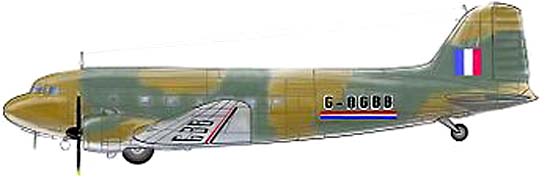
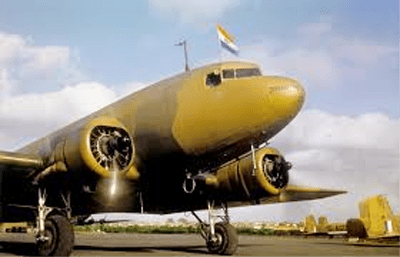
Alfred Chenhalls, whose father, like that of Roy Henderson, was a minister of the church, later became an accountant who dealt with lots of musicians and theatrical people, including the famous Hollywood actor, Leslie Howard. Chenhalls always smoked a large cigar, and as a big fat man, looked rather like Winston Churchill. He was killed on June 1st 1943, when the unarmed DC-3 of the B.O.A.C., carrying him and Leslie Howard between Lisbon and London, was shot down by Junkers Ju 88s of the German Luftwaffe. Here is the Douglas DC-3 Dakota, in question:

350px-BOAC_Flt_777

At the time, Churchill was known to be attending a conference in Algiers, and there was much speculation that a German spy had seen Chenhalls getting onto the plane in Lisbon, and had then organised its destruction. Here is Chenhalls pretending to be Churchill:

CHENHALLS

Further confirmation of the Germans’ interpretation was that Churchill’s colleague in Algiers, the Foreign Secretary, Sir Anthony Eden, looked very like Leslie Howard. Alternatively, Leslie Howard may have been thought to be Detective Inspector Walter Thompson Churchill’s personal bodyguard. Whatever the complex truth of it, Churchill himself considered all his life that this was a definite  assassination attempt. The incident was also one of the very few occasions when airliners were ever attacked on this route out of neutral Portugal. Much more detailed information on the event is available here.
At this time, many boys had nicknames. Donald James Clarkson was always called “Pug” because of his upturned nose. Here he is:

clarkson zzzzzzz

Another boy, an extremely good Fives player, was called, for obvious reasons, “Sparrowlegs”. Strangely enough, though, only one particular boy ever had a certain nickname. Nobody could ever be called “Pug” or “Sparrowlegs”, as long as the original boy remained in the school. There seemed to be no obvious reason for the nickname of “Fuzzy” Barton, given that his hair was not in the least bit curly. Peculiarly enough, though, his elder brother had extremely fuzzy hair. He, though, was never called “Fuzzy”.

Eventually, the younger Barton became the Headmaster of King Edward’s School in Sheffield. The latter establishment had an extremely peculiar cricket pitch, which was constructed on various levels, with a number of different slopes, flat areas, and two or three quite sharp drops. Certain unfortunate fielders were unable to see either wicket, and pieces of information had to be passed on to them by other fielders one level higher up.

Because of the Great War, and the subsequent restrictions on travelling by train, there were very few away matches at cricket. Boys went only to Derby, Worksop or Sheffield, but never to Denstone or Birmingham. On many occasions, they played home fixtures against Army teams billeted in the area, including a few Italian ones. This was much more enjoyable than the very limited number of fixtures against other schools.

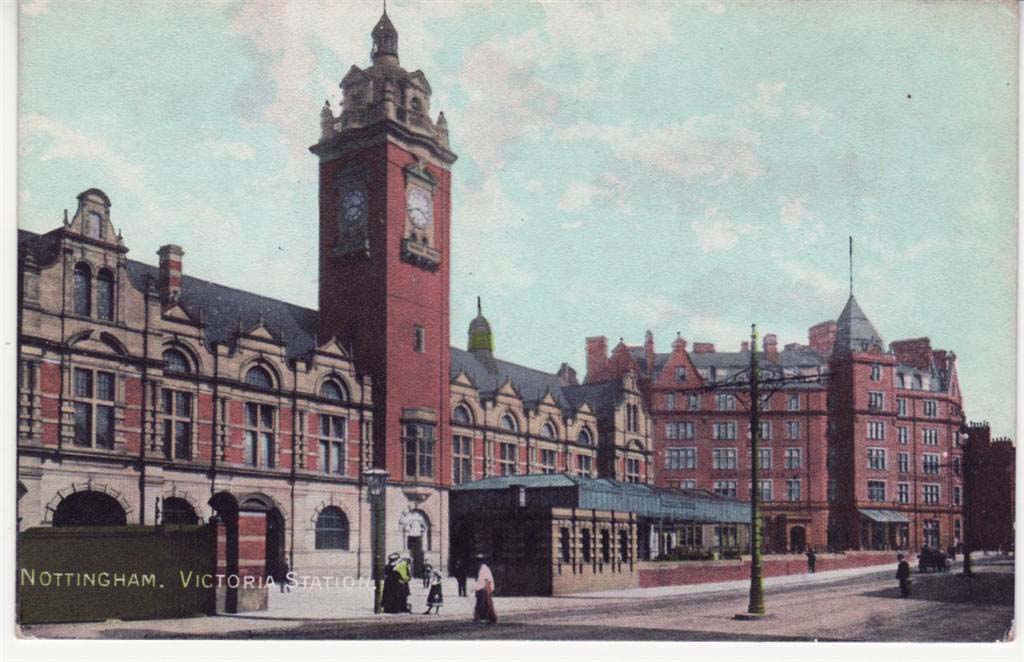
If they did ever travel by train, High School teams invariably used the now demolished Victoria Station. You might recognise the Clock Tower which still stands nowadays, outside the Victoria Shopping Centre. The hotel on the right is also still there:

Nottingham_Victoria_Station_3

Here is a steam train coming out of the tunnel which took rail traffic northwards towards Worksop and Sheffield. This tunnel is still visible, either from the modern multi storey underground car park or from Huntingdon Street:

train

At this time, in the school, in general, the rules on caps were very strict. Roy Henderson himself had a special dispensation from the Headmaster and was allowed not to wear a cap in school. For some unknown reason, his mother had contacted the Headmaster, and the latter had agreed to this special privilege. Roy wore a cap for the first time when he became a prefect, and that turned out to be a spectacular piece of headgear with a silver badge on it.

Roy was the secretary of the School Debating Society. He spoke quite frequently in debates, despite, by his own admission, not being particularly good at it. The meetings, which were mostly in the winter term, took place after school, between twelve and one o’clock on Saturday afternoons.

When he left the High School, Roy joined “B” Battalion of the Artists’ Rifles. He had already learned a lot in the school’s Officer Training Corps, as was confirmed by the first drill sergeant that he encountered in the regular army. Later, he joined the Regimental Concert Party, which did its training at Lichfield. Roy, because of his age, missed the Great War by a few weeks, but he caught Spanish Flu in January 1918. He was not to leave hospital before August 1918.

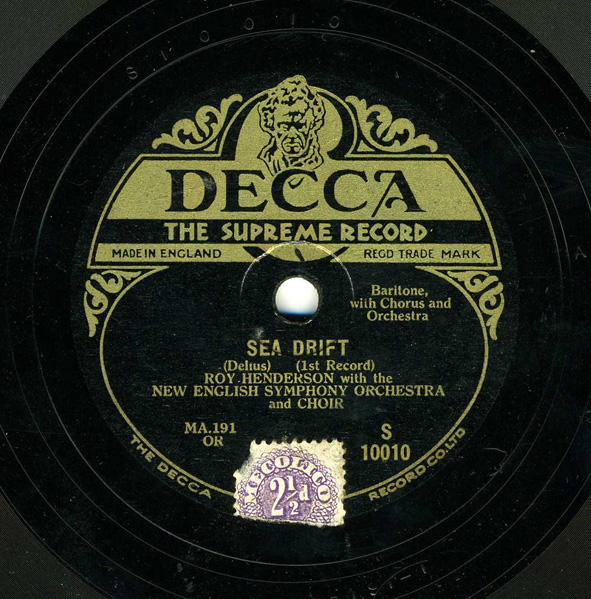
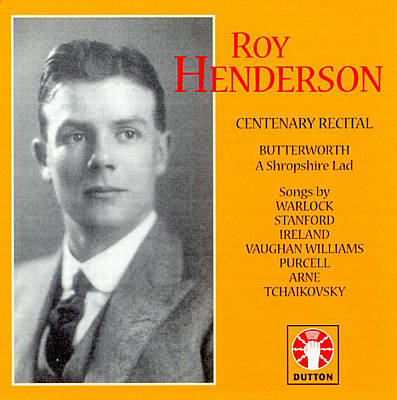
At the High School, there had been no specialist singing master, and no real in-depth teaching of music. Roy had never realised that he had any particular talent in this field, until he sang solo during the interval of a school play, and was overwhelmed and astonished by the great volume of applause which he received. Roy later went on to sing at Speech Day. Within only a few years of leaving the High School, he had become one of the leading singers in the country, who was destined to work with some of the greatest musical talents in the whole world. I have been unable to find any photographs of Roy Henderson, but here is one of his record labels:

Decca_1929_Sea_Drift

And here is one of his album sleeves:

record

In the near future, I will continue with the fifth, and final, article in this series. I hope you are enjoying them and finding them interesting.


16 Comments

Filed under Football, History, Nottingham, The High School

The Oldest Old Boy of Them All (3)

Many, many years ago, in 1990, my friend and colleague, Simon Williams, interviewed Roy Henderson who was then one of the oldest Old Boys still alive. In due course, I transcribed the taped interview and added some extra explanatory details where this seemed helpful to the reader. This is the third section of an eventual five, all of which describe the High School just before the outbreak of the Great War, and then during the first few years of the conflict.

Prominent boys in the High School at this time included Lancelot Wilson Foster, who, in the 1930s, was to become a vicar in Cheshire, and then a chaplain in World War Two.

William Donald Willatt became the Vicar of St.Martin’s, Sherwood, and eventually lived in West Bridgford. Here is St.Martin’s:

st martin sherwood ccccc

Along with Roy Henderson, William Willatt was later to start a school magazine called “The Highvite”. By Roy’s own admission, it was “a pretty dreadful magazine”, and only survived because it was financed by a variety of different adverts. The enterprising boys went round to local companies such as Sisson & Parker, and many other businesses. As editor of the other school magazine, Harold Connop was furious at the new rival. Roy didn’t get on very well with him at all.

Harold Arno Connop, however, was a first class scholar and very good rugby player. He was a fine three quarter, and a very fast runner, but for one reason or another, which Roy was not willing to divulge, he was, supposedly, never particularly well liked in the school, and in general, was apparently not a very popular figure. This may not have been totally unconnected, however, with Harold’s rare combination of outstanding academic prowess, and humble origins. His father was a mere Elementary School teacher, and Harold’s education throughout his time at the High School was entirely financed by his being both a Sir Thomas White Scholar, and a Foundation Scholar.

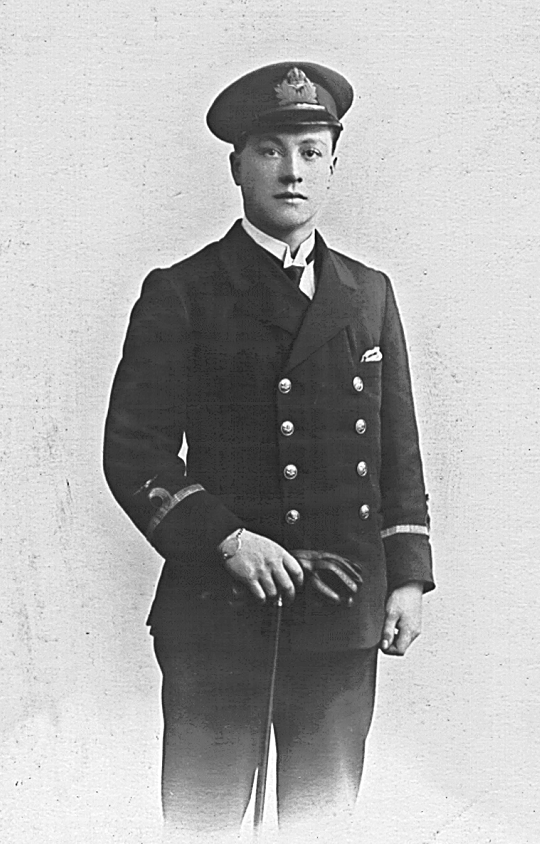
Harold eventually joined the Royal Naval Air Service, where he became a Lieutenant. He would not survive the conflict and was to die of his wounds on March 31st 1918. Here he is, resplendent in his uniform:

connop zzzzzzzzzzzzzzzzzz

Percival Henry Biddulph Furley always used to sit next to Henderson in the Classical Sixth. He was one of Deputy Headmaster Sammy Corner’s favourites. In actual fact, despite being well over sixty years of age, Mr Corner was to leave his post as Form Master of 5b to go to the Great War. Here is Mr Corner, showing the School Charter to interested parents on the occasion of the school’s 400th anniversary in 1913:

sammy corner s

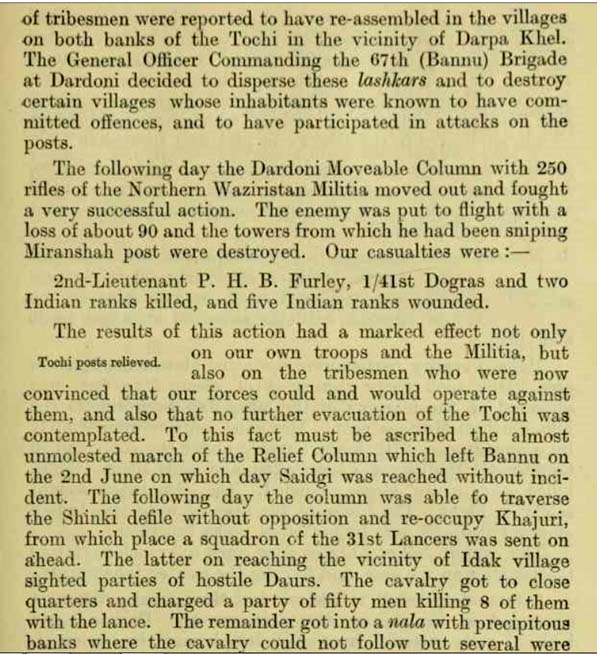
As a teacher, Mr Corner was famous for how easily he could be diverted from the work in hand. Anybody just had to get him started off on an interesting subject, especially in Scripture lessons, and the class would then seldom, if ever, have to return to what they were supposed to be doing. Percival Furley, for some unknown reason, was always nicknamed “Dab”. He was a member of the First Eleven at cricket for three years. His other claim to fame was his talent in school plays. At this time, all the female parts were taken by boys. Given his youthful good looks, “Dab” could always be made up into a very good looking lady or girl! When he left the High School, “Dab” joined the Army. He was eventually to be killed in a skirmish with some lashkars at Miranshah, in the North West Province of India, in June 1919. Here is the official account of that short rehearsal for our recent war in Afghanistan:

furley

And here is Miranshah today, now that it is running its own affairs:

PAKISTAN-UNREST-NORTHWEST

According to Roy Henderson. the younger of the two Boyd brothers, John Hardy Boyd, was the best athlete in the school. He was captain of the school cricket team and of the Officer Training Corps. His elder brother, Charles Gordon Boyd, had been the school’s wicketkeeper, and had represented the school at football from 1910-1912. He was killed on May 3rd 1917, while serving as a Second Lieutenant in the  9th Battalion of the Leicestershire Regiment.

Allan Roy Stewart Grant was the son of a Presbyterian minister. For some subtle reason, possibly connected with his initials, he was always nicknamed “Pongy”. Thomas Wright was quite a good bowler, as was Daft, the grandson of the famous Nottinghamshire cricketer. Other cricketers included Francis Arthur Bird and James Wilcox, and Roy was himself one of the better bowlers and batsmen. The school cricket coach at this time was, of course, Mr A.G.Onion, seen here, perhaps, in his later years:

onion

In one year, Roy was the school Fives champion. In the year before this, it had been Donald Clarkson, who was to become that most vulnerable rank of officers, a Second Lieutenant, killed on August 9th 1918 with the 1/6th Sherwood Foresters. “Pug” Clarkson lived only a street away from where I am now writing, at 52, Caledon Road, Sherwood.

Other school Fives champions included Victor Guy Willatt and his brother, William Donald Willatt. William Norman Hoyte, the Captain of Mellers House was also a very fine athlete, as was Sidney Charles Trease. The latter was to become a Second Lieutenant in the 11th Scottish Rifles. He went  missing on September 19th 1918 at the age of only nineteen. He was the beloved son of George and Annie Trease, of 85, Waterloo Crescent, within just a couple of minutes’ walk of the school. His death came in a fairly pointless campaign in Greece and is commemorated on the Doiran Memorial.

The School was converted to rugby by Mr Kennard. He had the unfortunate habit with smaller boys of pulling them close and then tugging their hair very hard. It was extremely painful! There was no real reaction on the part of the boys to the change of sports from soccer to rugby. They just did as they were told.

Roy played as goalkeeper for the school on several occasions. He once let in eight goals against Trent College, and towards the end of the game he became what was probably the first player ever to be substituted in the history of school football, when he was replaced in goal by Donald Clarkson.

At the time, boys who represented the school were awarded ornate colour caps.

This article will be continued in the near future.


10 Comments

Filed under Football, History, Nottingham, The High School

The Oldest Old Boy of Them All (2)

Many, many years ago, in 1990, my friend and colleague, Simon Williams, interviewed Roy Henderson who was then one of the oldest Old Boys still alive. In due course, I transcribed the taped interview and added some extra explanatory details where this seemed helpful to the reader. This is the second section of an eventual five, all of which describe the High School just before the outbreak of the Great War, and then during the first few years of the conflict:

Nobody was ever allowed to speak to or approach girls from the Girls’ High School. For this transgression, boys were punished by being confined to their own school. Attitudes at this time were very Victorian.

Dr Turpin, the Headmaster, was always a popular figure. On one occasion, Roy was grounded for three months for putting chewing gum on the seats of other boys. Perhaps fortunately for him, he was caught when just about to put it on Jumbo Ryles’ seat. Mr Ryles came in, and Henderson thought that he would be expelled for this offence.

There were two Ball brothers in the school at the time. They were both in trouble most of the time. The more famous brother, Albert, was “a real card”. This is a photo taken during the time of the Great War. It shows Albert, apparently still wearing his brightly coloured slippers, his brother Cyril and an unknown officer of the Royal Flying Corps:

Albert25 bro, unklnow

At this time, music was not in the curriculum. There were just “a few ridiculous songs” for the prize giving ceremony. The Third Form music master was a Mr Dunhill, who had one eye which was straight, but the other looked outwards at an angle, rather like half past ten on a clock. Boys always used to make fun of him. Whenever he shouted “Stand up you! ! ! ” and looked at a certain naughty boy, four others would get up elsewhere in the room. “NO! NO! NOT YOU!! …YOU! ! ” The first four would then sit down, and another four completely unrelated boys would stand up elsewhere in the room.

Albert Ball specialised in misbehaviour during these singing classes. He and his brother would invariably “kick up a terrible row”, and would then be sent out of the room. This is Albert in 1911:

Albert 1911 trent

According to one Old Boy from just a few years later, however, Albert Ball’s actual expulsion came from an incident which took place at morning prayers. Ball took in with him a huge bag full of boiled sweets, which, at one point, was allowed to burst, and hundreds of sweets were all dropped onto the floor. The whole school assembly then became one seething mass of boys, all scrabbling about on the floor, “heads down and bottoms up, completely out of control ”, trying to pick up as many sweets as they possibly could.

Albert Ball’s father was a City Alderman, but at the same time, he too was “a real character”. He took Roy trout fishing on several occasions around this period, but always used worms, never flies. This is Albert with his father, Sir Albert and his mother, Harriet Mary:

Albert22 family

Roy’s brother was also in the school around this time. He seemed always to be in scrapes when Roy was a prefect. Eventually he left Nottingham, and went to Millhill School. Roy himself enjoyed the High School, although he was never very good in the classroom. By his own admission, he was very poor academically, and was totally hopeless at exams.

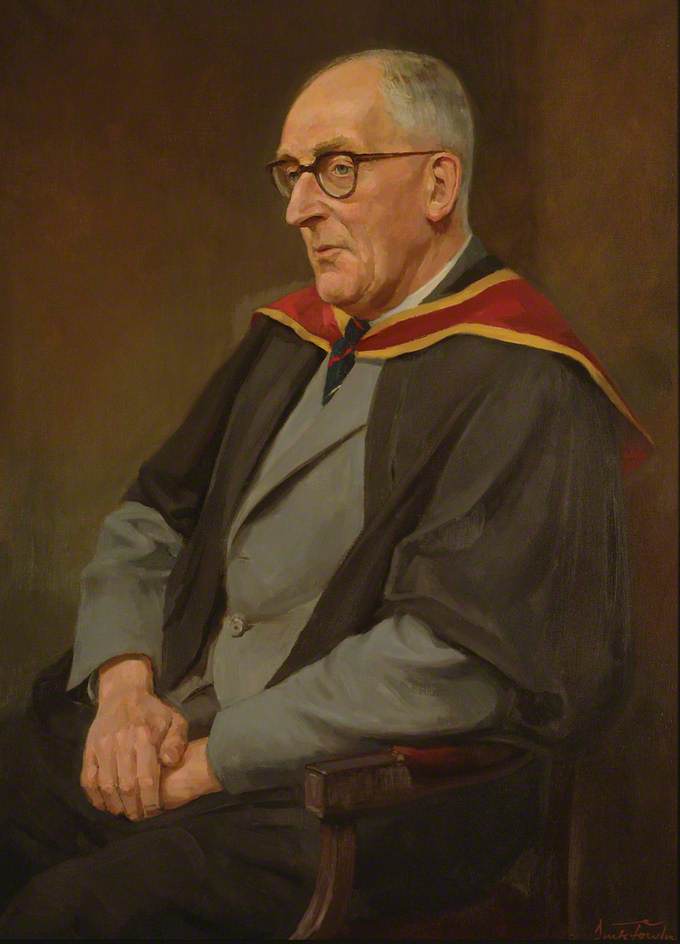
Roy was a best friend of Arthur Willoughby Barton, who was later to become the Headmaster of the City of London School. The pair of them always collaborated closely in Chemistry lessons with Dr Turpin. Henderson did the weighing and all the practical activities, while Arthur did all of the calculations. In lessons they always got full marks, but in examinations, Roy usually scored very low marks indeed. Arthur, of course, still got his ten out of ten. Here is the official paining of “Fuzzy” Barton as the Headmaster of the City of London School:

(c) City of London Corporation; Supplied by The Public Catalogue Foundation

The high point of Roy’s rather modest academic career came in the Sixth Form, when he finally won a prize, the Duke of Portland’s prize for an English essay. It was on “Militarism”, and Roy only won because the rest of the Sixth Form deliberately boycotted the competition, with the attitude of “It’s the only thing Henderson can do…..let him have it.”

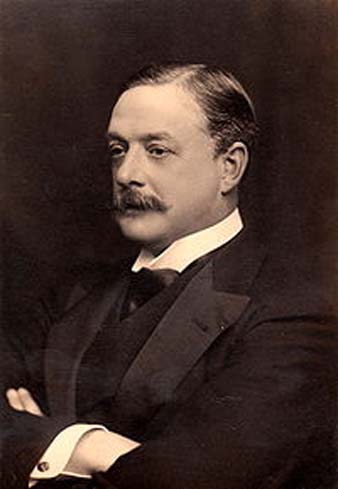
The Duke of Portland, in his capacity as the Lord Lieutenant of Nottinghamshire, was to unveil the school war memorial in 1922:

1900_Duke_of_Portland,_by_sssssssss

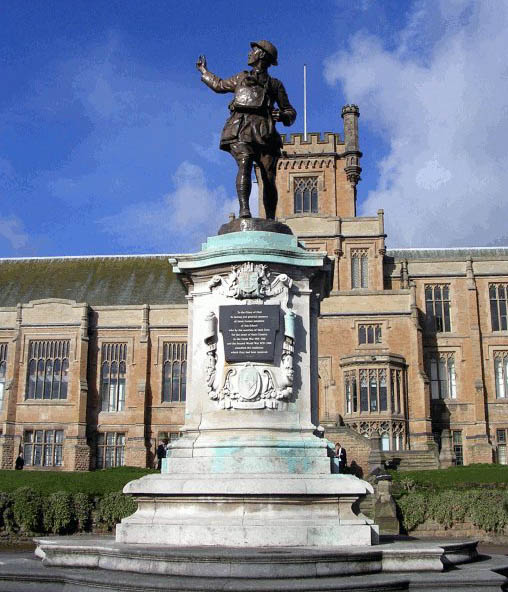
Roy sang a specially composed song, accompanied by a piano placed “at the top end, just inside the school”. A wonderful draught of wind blew outwards from the school throughout the very impressive and solemn ceremony. It carried his voice beautifully, but also gave him lumbago. Here is the school war memorial:

notting_high_school_war_memorial xxxxx

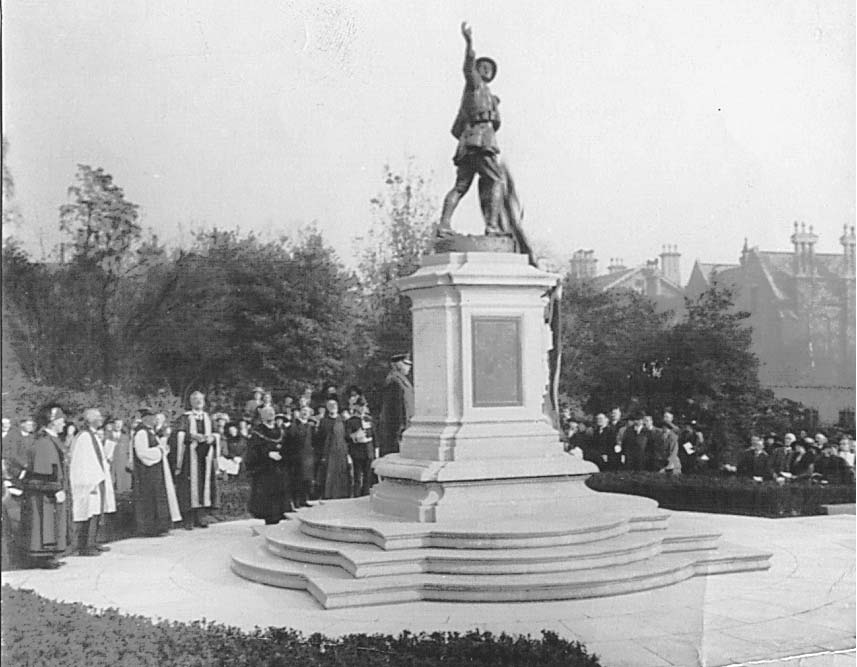
Here is a photograph of the dedication ceremony. One of the people is surely Roy Henderson. but I do not really know which one:

war meoorial ceremnoy

During the first year of the Great War, many of the Sixth Form members of the Officer Training Corps had gone to a special summer camp, working on a farm on the south side of Nottingham. It was hard, unpaid work, harvesting potatoes and hoeing turnips. The following year, Roy arranged his own summer camp, at a farm near Grantham. Six boys, all members of his father’s church, went with him. They were all Prefects, and comprised three pairs of friends, Harold Connop and Francis Bird, Thomas Wright and Lancelot Foster, and John Boyd and Roy Henderson. Unfortunately, as they waited for the train, the tent, which was supposed to arrive, did not turn up, so four of the boys went on to Grantham, while two had to stay behind in Nottingham. The farmer, unhappy with having to pick them up twice at Grantham, greeted the final two at the station with the words:

“What? What? My boy, I am not a little annoyed! ”

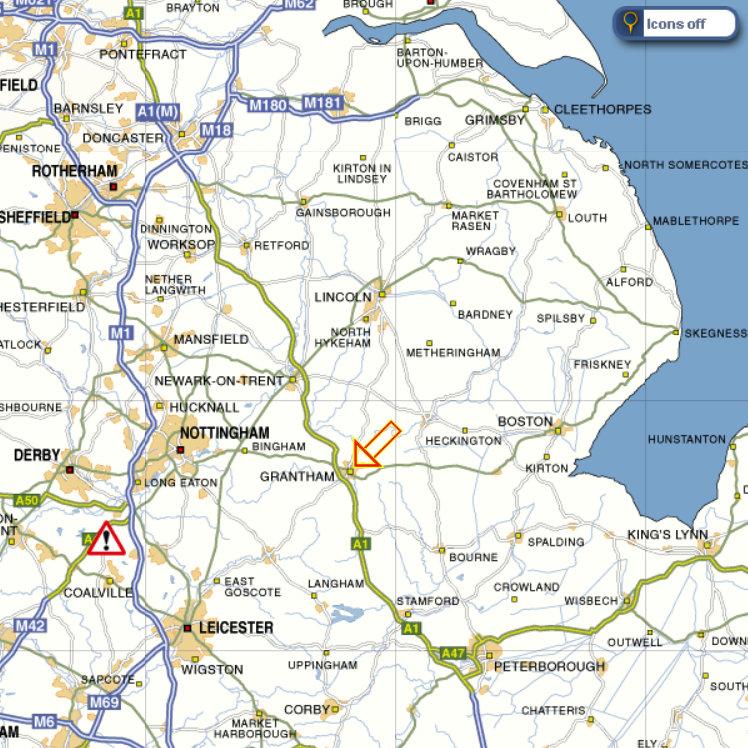
Here is Grantham relative to Nottingham. Look for the orange arrow:

granthsm

The boys were asked to load hay from a stack to the farm cart. They started piling it on enthusiastically, but they proved to be too quick for the man on the cart, a Mr Wright. The latter soon told them that half a load was enough, and then geed up the horse. When the cart set off, though, half the stack came with it, and the whole lot collapsed. Everyone found it immensely amusing, and they laughed about it for a long time afterwards. Other work for the boys included shaking the clover out of the cut wheat. At the end of the week, they enjoyed an amazing celebratory meal at the farmhouse. There was roast beef and duck, and by the end of the pudding, everybody was absolutely filled, collapsing with the weight of the food consumed. The farmer then sent for Henderson, obviously about to give him something as payment for the six boys’ work during the week.

When he returned they all quizzed him…“How much??? How much??? ” He replied “A pound.” There was a disappointed silence, which was broken only by Henderson’s single word “EACH!!” Everybody collapsed with excitement. They were totally flabbergasted, as, at the time, a pound was an absolute fortune. The boys were later invited to the farmhouse for dinner at Christmas. Under each of their plates, they found a ten shilling note as a gift from the generous farmer. In addition, the boys all went to the school’s army camp, but was a much more formal, military occasion.

This article will be continued in the near future.

12 Comments

Filed under Football, History, Nottingham, The High School

The Oldest Old Boy of Them All (1)

Many, many years ago, in 1990, my friend and colleague, Simon Williams, interviewed Roy Henderson who was then one of the oldest Old Boys still alive.  In due course, I transcribed the taped interview and added some extra explanatory details of my own where this seemed helpful to the reader.

This is the first section of an eventual five, all of which describe the High School just before the outbreak of the Great War, and then during the first few years of the conflict.

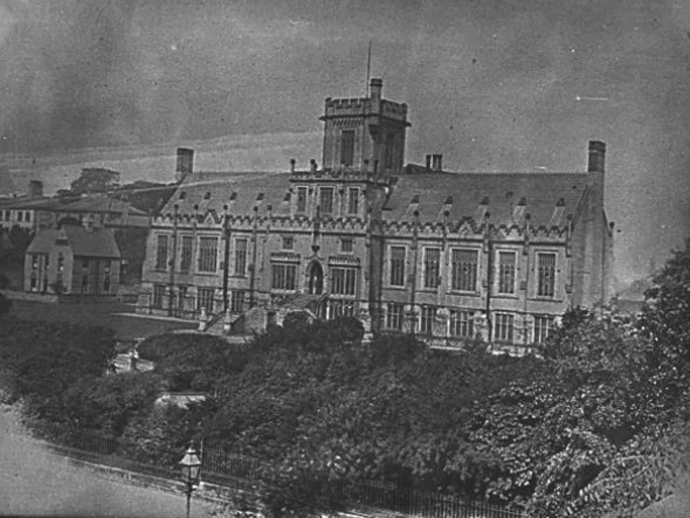
Here is the High School around this time. Notice at least four boys in the picture, including one sitting down on the edge of the tennis court:

west end of school

Roy Galbraith Henderson arrived in the High School Preparatory Department in January 1909. He had been born in Edinburgh, although he had not lived there since the age of three. Given his Scottish background, he arrived at the school wearing a kilt. This proved not to be the wisest of decisions, since he was immediately picked on by two older boys called Jaffer and Dodds, both of whom were at least a foot higher than he was. On many occasions in the future, he was to have water poured down his neck by these two bullies.

The Head of the Preparatory Department was Mr Leggatt, who was one of the very first to volunteer to go off and fight in the Great War. The main game in the school playground at this time was called “relievo”. It was a particularly thrilling game to play in one of the era’s many dense fogs.

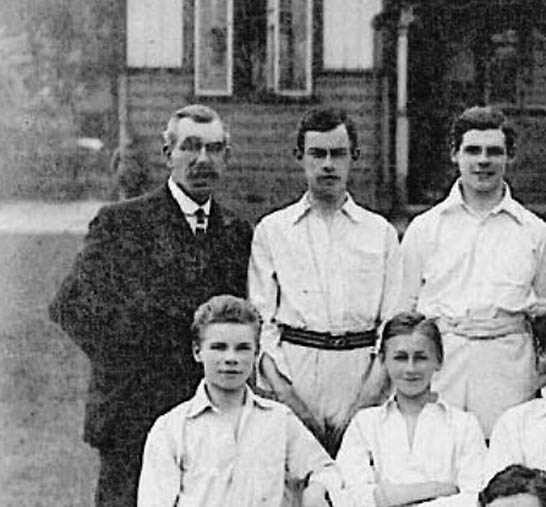
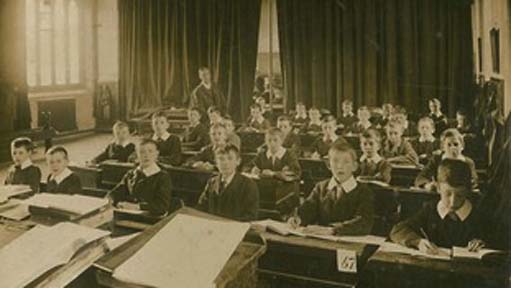
In the First Form, the form master was called Mr Radley, or “Pot-eye”. He always used to get the boys to begin work with a loud cry of “pens up!”. They would then write “like the blazes”, before the call of “pens down ! ”. Mr Radley is the third person from the left on the front row:

radley front 3rd from left

In Form 2a, “Nipper” Ryles was a very good master, and was thought to be one of the very few who did not possess a degree. Here he is:

jumbo ryles

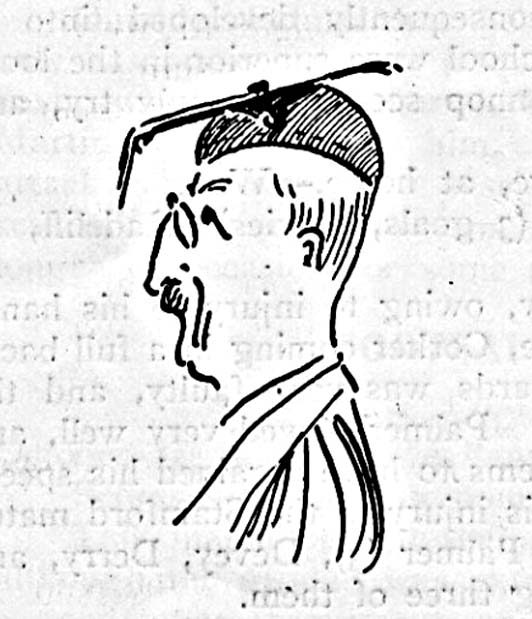
In the following year, in Form 3a, his brother, “Jumbo” Ryles, however, was “terrible, absolutely hopeless”. He used to have his feet up on the front desk all the time, and would practically go to sleep. The Drawing Master used to poke his nose around the door, and wake Jumbo up with a gentle cough. The latter would then rouse himself, and say to the class “Now get along there! Get along there! ” Jumbo’s teaching technique was to line boys up in a row for a series of questions. If they were correct, they would stay where they were. If they were wrong, they would go back to the end of the queue. This cartoon dates from just before “Jumbo” retired:

jumbo ryles left

In the Fourth Form, Mr Lloyd Morgan went to serve at the front during the middle of the school year, shortly after hostilities began. He was replaced by Mr D’Arcy Lever, who was the butt of many jokes, and found the boys extremely difficult to control. They made a lot of fun of him. Later in the conflict, retired teachers had to return to the school. Mr Trafford took over 3c, the worst form in the school, who were famed for their ability “to play up a lot”.

In Form 5a, Mr Brock was a “very nice chap, and very popular”. Everyone liked him very much. The Classical Sixth was looked after by Mr Strangeways.

In the yard, games tended to be played by years. In Form 1a, for example, everybody always had pockets full of marbles. They often played in the covered sheds near the Forest Road entrance.

This slideshow requires JavaScript.

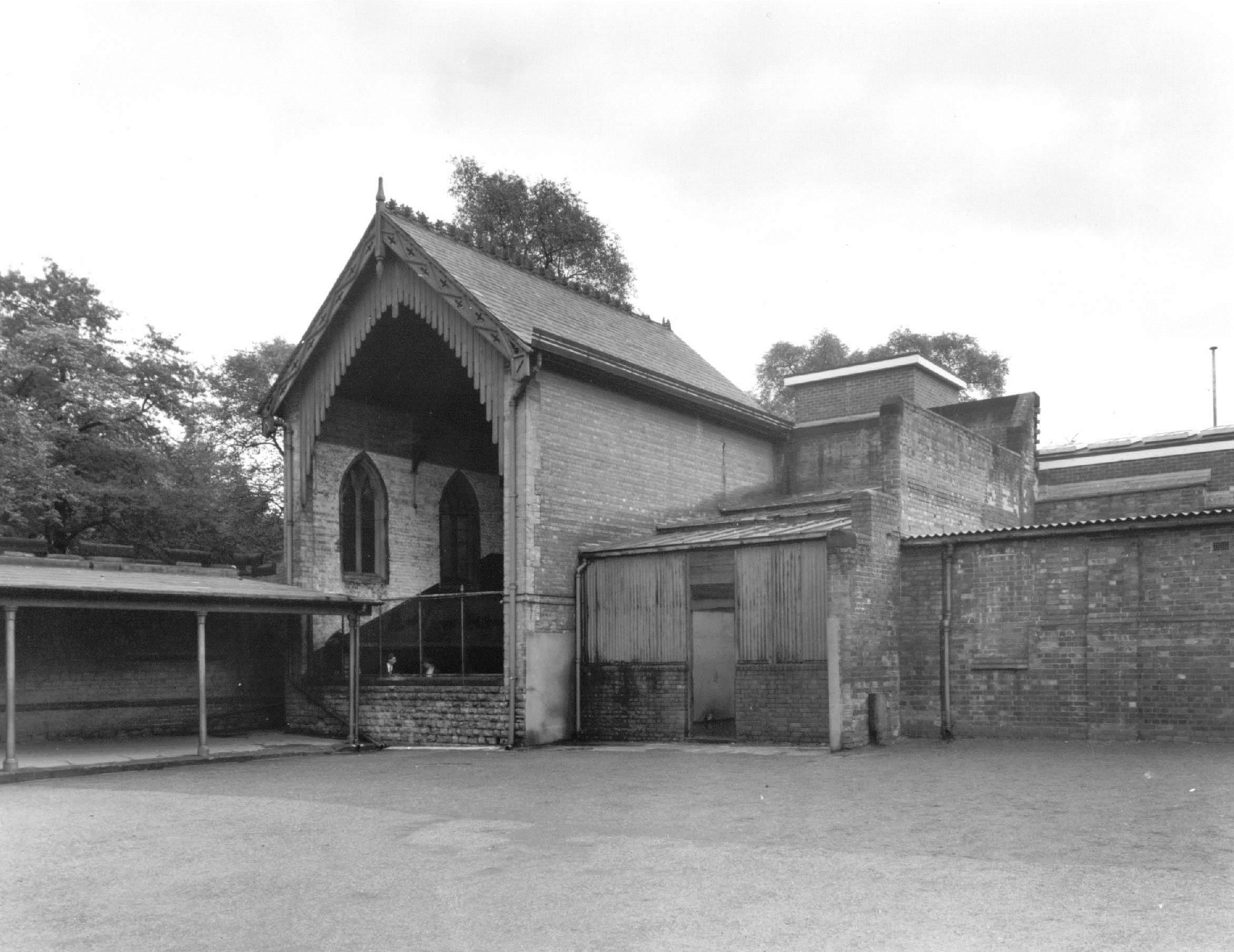
The yard also had two Fives courts, one of which was covered, and the other was left open to the elements.
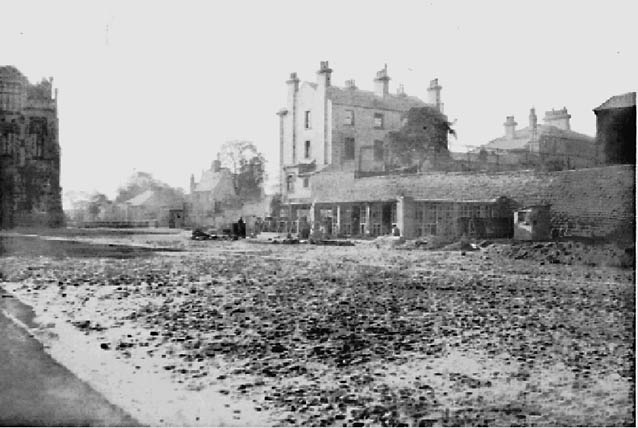
fivers

To the left as one entered the playground via the Forest Road entrance, there was some extremely dirty sand.

playgro 1932

This was used as a football pitch, with rough and ready goalposts at either end. Every year, around Easter, a competition was held among teams of eight players, each one of which was captained by a different member of the First Eleven. In 1913, Roy played in the winning team, which was captained by James Ivor Holroyd. On October 30 1917, Holroyd of the 1/28th London Regiment was to be reported missing, presumed dead, in the Second Battle of Passchendaele, at the age of only twenty one.

Form 2a enjoyed a game called “rempstick”. A member of one team would stand with his back to the wall, while one of the other members of his team stood with his head between the first boy’s legs. The next team member would then put his head between the legs of the second boy, and so on, until a long caterpillar-like scrum structure was formed, just one person wide. The members of the other team then took a long run-up, and, one by one, jumped onto the top of the human caterpillar. If they caused a collapse, then their team was allowed to have a second go. If the caterpillar held up, then its members were allowed to do the jumping:

This slideshow requires JavaScript.

In Form 3a, the main game was football, which was played on the left hand side of the playground. looking from the Forest Road entrance, right at the very far end. In Form 4a, football was played again to the left, but not as far along as in the Third Year.

The Fifth Form played their football under cover in the sheds along the Forest Road wall, kicking the ball against the wall in an effort to get past their opponent. Among these boys, Lancelot Wilson Foster was remembered as a particularly good full back.

The Sixth Form spent most of their free time just walking and talking on the lawns at the front of the school:

front schoollll

Nobody was ever allowed inside the school during breaks, but it never seemed to rain!  In any case, all the boys were always very keen to get out of the building.

There were few facilities for the boys, including just six to eight cracked stone washbasins. There was a tuck shop, near the south eastern corner of the present day West Quadrangle. It was run by Robert, the School Caretaker. The small shop which boys at the end of the twentieth century called “Dicko’s” was at this time called “Baldry’s”, and it was a sweet shop. A female member of staff, a Mrs Digblair, lived above it. She was one of the school’s first ever mistresses, and members of the Sixth Form loved to go and have tea with her.

Finally, my own footnote on Mr Radley. He was a teacher with what would nowadays be considered ideas before their time. He loved literature, art and music, and taught the boys about understanding and peace among mankind. Indeed, this was perhaps not particularly surprising for a man who knew French, German, Italian, Russian and Welsh. On one occasion, he brought an Egyptian into school to show his pupils that there were “other men than Englishmen and other creeds than Christianity.” His obituary in the school magazine ended with the words “Goodbye, Mr Chips!”

This article will be continued in the near future.


22 Comments

Filed under Football, History, Nottingham, The High School