Tag Archives: Leslie Howard

The Murder of Leslie Howard (6)

Leslie Howard was such a Hollywood star that we always think that he was the sole cause of  the BOAC airliner “Ibis” being shot down. The aircraft was actually owned by the Dutch, hence the flag on the top of the fuselage. I don’t quite understand how or why, but somehow BOAC were using a foreign airliner to fly some of their run-of-the-mill European trips, and the aircraft remained, throughout, Dutch property with an all-Dutch crew:
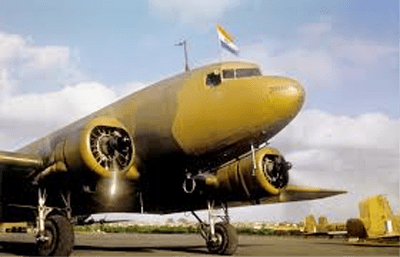
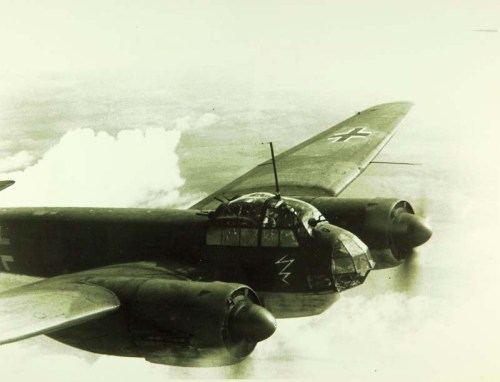
Could any of the other people on the plane, though, be the reason for the unexpected arrival of those eight heavy German Ju-88 fighters?

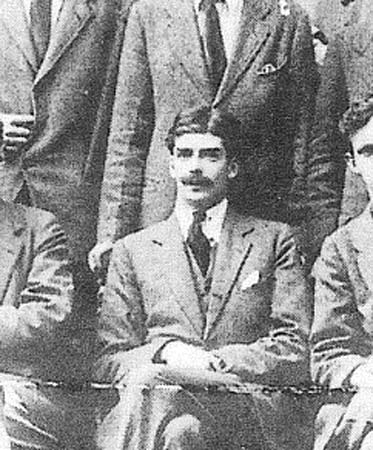
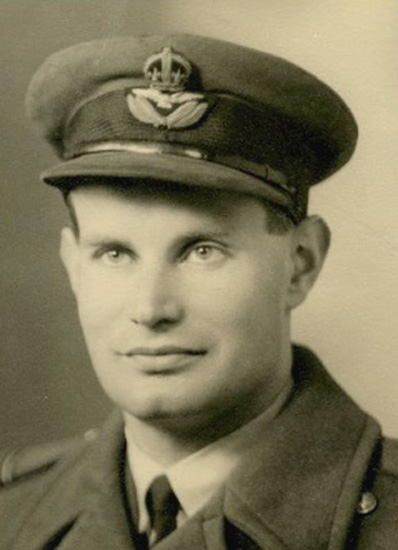
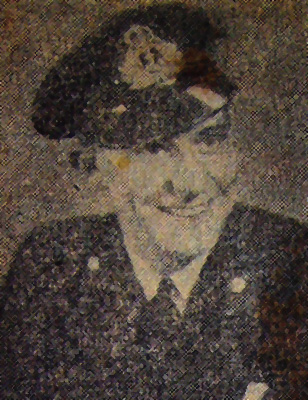
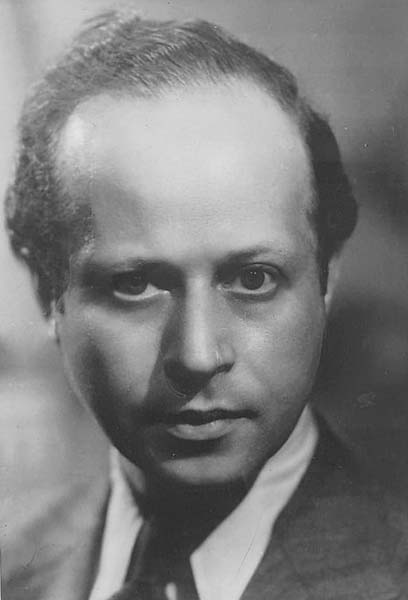
Perhaps the BOAC aircraft was destroyed because of Wilfrid Jacob Berthold Israel, a supposed British secret agent and a prominent Zionist, who was engaged in making sure that Jewish refugees could leave Spain and Portugal without difficulty to go to their rightful homeland. So far, he had helped 1500 of them, many of them children, to go there. Supposedly, Wilfrid had recently presented to the British government a very important proposal to solve the problem of getting Jewish refugees out of Europe to their homeland in Palestine. He was on his way to discuss increasing this exodus with Government ministers in London.  Here’s Wilfrid:
Perhaps the reason for the plane’s destruction was Ivan James Sharp, a mining engineer.  He was working for the British Government to offer the Portuguese and Spanish top prices for their tungsten, a hard, rare, metal used to produce various alloys and steels for weapon production. Also called “wolfram”, it was indispensable if you intended to manufacture armaments. Sharp had been trying to buy up 100% of the tungsten produced by Spain and Portugal. He was on his way to an important meeting at the Ministry of Economic Warfare.  I couldn’t find a picture of Ivan, but he began his career at the Camborne School of Mining in West Cornwall. They have a lovely example of a modern coat cof arms:

Perhaps the plane was destroyed because of Tyrrell Mildmay Shervington. Outwardly he was the Lisbon manager of the Shell-Mex oil company but, in the shadowy world of espionage, he was supposedly an agent of the Special Operations Executive. He was deeply involved in all of its many machinations across both Spain and Portugal and, according to some, he was the Head of the Lisbon Office.

Perhaps the plane was destroyed because of Francis German Cowlrick, a 67 year old civil engineer. He had worked for Babcock and Wilcox since 1905. Babcock and Wilcox made steam boilers, piping for steam, water tube boilers and welded pressure vessels, in short, as they said in an advertisement in 1937, “Everything for the Boiler House, including Valves”. They also produced electric cranes and pressed steel forgings. They manufactured munitions and tanks and boilers for Royal Navy warships. Mr Cowlrick was the manager and chief engineer for the company in Spain and Portugal. He was personally responsible for the designing and erection of a number of impressively large steam-generating plants in Lisbon, Madrid and half a hundred other places in Iberia. On this particular day he was travelling on behalf of the British Department of Overseas Trade. Here is one of the huge number of  Babcock and Wilcox factories which are situated all over the world. They are a truly gigantic, global concern:

Most of ther other passengers were ostensibly much more innocent. There was Mrs Rotha Violet Lettie Hutcheon and her two daughters, Petra Hutcheon, aged eleven, and Carolina Hutcheon, a baby some eighteen months old. Mrs Hutcheon was flying to rejoin her husband Allen, in England where he was a staff officer in the Imperial General Staff.

Mrs Cecelia Emilia Falla Paton was travelling back to England to start a new post as a secretary. She was the wife of James Paton of 53 Ullswater Road, Flixton in Greater Manchester. Kenneth Stonehouse, a British journalist, was working as the Reuters correspondent in Washington DC. He was accompanied by his wife Evelyn Peggy Margetts Stonehouse.

There were certainly no tourists in the aircraft. Everybody seems to have had a specific reason for being on board the “Ibis”.

It  is even possible to argue that the entire event was completely accidental. There doesn’t always have to be a conspiracy theory to explain everything that happens to famous people such as Leslie Howard.

For example, was it actually normal for the Luftwaffe’s Junkers  Ju88 fighters to patrol the Bay of Biscay in small groups? Were they so frightened of the RAF’s formidably powerful Bristol Beaufighter?

Or were the Germans still haunted by the bogey man of their worst nightmares, Das Fliegende Schtachelschwein?
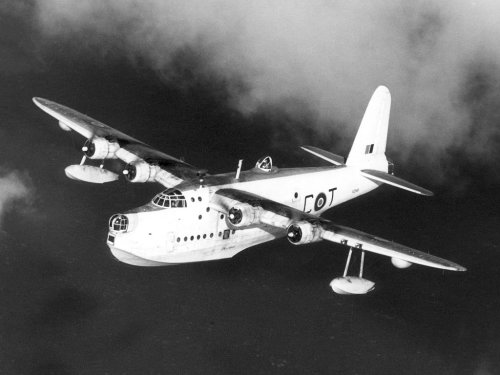
Or perhaps we should accept as the true, the story told by the senior officer in the German fighter formation, Oberleutnant Herbert Heintze, who said that he had decided to shoot the plane down before the eight German aircraft ran out of fuel? Do you accept his word that they thought it was a bona fide warplane? After all, the DC-3 was camouflaged like a military aircraft. Why was the aircraft not silver or white? After all, it was an airliner. Why did it not have neutral markings? A green cross on a white circle. Why no Portuguese or Dutch insignia? One further complaint from German pilots was that their Luftwaffe superiors knew very well that this airliner made a regular flight from Portugal to England but they had not bothered to tell them. If they had known this, Heintze said, they would not have shot the aircraft down but they would have escorted it back to their own base in France. Whatever the solution, BOAC issued the following statement:

“The British Overseas Airways Corporation regrets to announce that a civil aircraft on passage between Lisbon and the United Kingdom is overdue and presumed lost. The last message received from the aircraft stated that it was being attacked by an enemy aircraft. The aircraft carried 13 passengers and crew of four. Next of kin have been informed.”



10 Comments

Filed under Aviation, Film & TV, History, military, Politics

The Murder of Leslie Howard (5)

Last time, I tried to show you some of the marvellous speeches and wonderful films that Leslie Howard created to defend Democracy and Freedom against the German onslaught. I do know if any of you actually watched any of the recommended titles, but keep your eyes open for them on TV. Howard truly was a very gifted man.

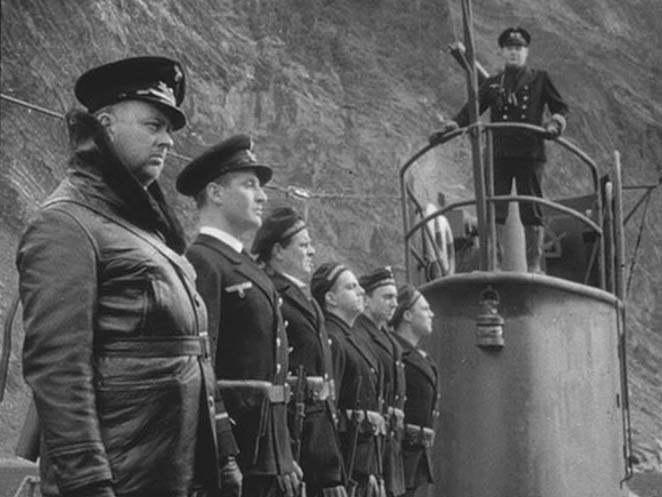
Among his films, don’t forget “49th Parallel”, the horrendous tale of a U-boat whose crew members are forced to abandon it on the southern shore of the Hudson’s Bay in Canada and then make their way southwards to the USA. I will never forget the scene where the Germans slaughter the peaceful Inuits of a village they come across, just because the Inuits are not of the same race as themselves. Here’s a link to the complete film :

To whet your appetiote, here’s the film’s official trailer :

This is a very strong film. It was directed by Michael Powell and Emeric Pressburger and the main parts were played by Leslie Howard, Laurence Olivier, Anton Walbrook, Raymond Massey, Glynis Johns and Eric Portman. The film editing was by David Lean and the music came from Ralph Vaughan Williams. One detail that I particularly enjoyed was that :

“For the scene where the Hutterite community listens to Eric Portman’s impassioned pro-Nazi speech, the actors had to be all “hand picked faces”. Over half were refugees from Hitler.”

That says it all about the appeal of Nazism and racism.

Leslie Howard had done amazingly well with his films to defend Democracy and Freedom against the Germans. The Germans, of course, had long decided that Howard had to die.

The American-born traitor, William Joyce, who, as Lord Haw-Haw, broadcast on German propaganda radio to Britain, had even promised on the radio that Goebbels was personally going to have him shot. And Goebbels himself had made the same threats in “Der Angriff”, his own personal propaganda newspaper. Goebbels was not happy that Leslie had both directed and starred in, not just the anti-Nazi “49th Parallel” and “’Pimpernel’ Smith” but also in “The First of the Few”. He called Leslie, among many other things,

“Britain’s most dangerous propagandist.”

He viewed Howard as an irritant, a source of pain and, perhaps, a source of infection for Nazism, and a source, even, of death for German bigotry.

Linked with this is the theory that Chenhalls, Howard’s business manager, had negotiated a huge deal with the Portuguese and Spanish film industries. Vast numbers of English films were to be sold directly to companies in those two countries. All of the proceeds would then be spent on making new propaganda films.

Further to this, it has long been thought that both Leslie Howard and Alfred Chenhalls may have been British secret agents.

They were supposedly on the “Ibis” in the first place because they were returning from a job in Spain, whereby Howard had carried a top secret message from Churchill to Generalissimo Franco, trying to persuade Franco to stay neutral, not to join Hitler as an ally and not to close the Mediterranean to the British and thereby sever permanently their links to both India and Australia. And for this anti-German meddling, Hitler had decided that Howard had to die. Here’s Franco, whose first name was not either “Frank” and certainly not “Franco”. It was “Generalissimo” :

Those ideas about the real reason for the destruction of DC-3 Dakota “Ibis”, though, are just the beginning. There are lots and lots and lots more. So, let’s take a quick look at some of them……

Hitler did not like the fact that Leslie Howard had been working hard to win over the neutral Portuguese, trying to get them to allow the Allies to use the Azores for air and naval bases in the U-boat war. For this, he had to die.

Leslie Howard was merely an ordinary run-of-the-mill spy. For this, he had to die.

Leslie Howard was working hard at fundraising for the war. He was, given his mother’s background, a fluent German speaker and was turning out anti-Nazi programmes for the radio. For this, he had to die.

The presence of Howard and Chenhalls on that DC-3 saved the lives of seven year old Derek Partridge and his friend, the two little boys who were put off the aircraft to make room for the two important latecomers, Howard and Chenhalls. Several crewmembers immediately came to the door of the airliner and asked them to get off. As they left the aircraft, young Derek could not fail to see several aircraft with German markings parked around the airfield. He could see even more of them from the terminal building when he got back there. According to Derek, the BOAC aircraft was supposed to leave at 9.30 am but Howard was late. He was buying silk stockings at the departure lounge as a gift for a lady friend. They finally left at 9.35 am. Ironically that five minutes was fatal. It meant that the DC-3 ran into the eight German fighters. If they had taken off as planned, they wouldn’t have. The cruising speed of a Dakota is around 210 mph. In five or so minutes therefore, it covers just under twenty miles. If the DC-3 and the eight German fighters had been even fifteen miles apart, neither party would have seen the other. No lives would have been lost.

We may have a very long wait for the truth. Certain papers about the flight will be secret until 2025. Other papers which were due to be declassified in 1980 were not released and will now remain classified until January 2056. I’ll see you then!

17 Comments

Filed under Aviation, Film & TV, History, military, Politics, war crimes

The Murder of Leslie Howard (4)

Last time I showed you a whole selection of what could be called “mistaken identity” conspiracy theories. Leslie Howard was erroneously identified therefore by the German intelligence service, the “Abwehr”, as Harold Thompson, Churchill’s bodygard.

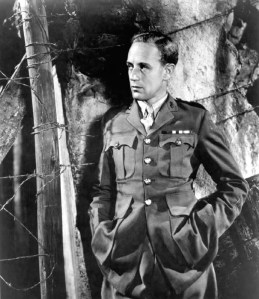
Here’s Leslie Howard, in the wonderful anti-war play by RC Sheriff, “Journey’s End”…..

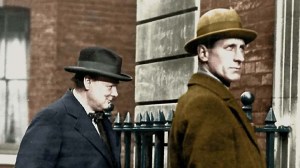
And here’s Harold Thompson (on the right), a man who was frequently appalled by Churchill’s apparently total disregard for his own safety. The best example of that was when Churchill stopped his staff car in Hyde Park and jumped out, armed with a Colt revolver, to do battle with the three members of the Irish Republican Army who were trying to assassinate him…….

……..sometimes Leslie Howard was identified as Anthony Eden, the Foreign Secretary, despite the biggest hairy caterpillar in the world, that he had trained to cling to his top lip, irrespective of weather conditions…….

Sometimes the Germans confused Leslie Howard with Reginald Mitchell, the designer of the Spitfire, and in the grave for the past six years :

And,  an Old Boy of Nottingham High School, Alfred Chenhalls, Leslie Howard’s business manager, was repeatedly thought to be Winston Churchill. Bald, cigar smoking and fond of whisky, who else could it be?

Another rather different theory suggests that Leslie Howard rather than Churchill, was the real target of those eight Luftwaffe aircraft. By now, Howard had become a hard core enemy of the Third Reich, reverting back to his origins as……

“a Jew who was a ferocious and prominent critic of Nazism”

By 1943, Howard frequently expressed himself much more actively than merely speaking up occasionally in interviews.

Indeed, he was soon not just starring in anti-German propaganda films, but he was directing and producing them himself, using as much of his own money as he dared.

On one occasion, his royalties from “Gone with the Wind” paid for his anti-Nazi productions. And in those movies, Howard did not hesitate to name and shame. In one film, he speaks of the Germans’ plans for the rest of Mankind, the people who had suffered the dreadful fate of not being born German. Howard was sure that Hitler would destroy for ever the political systems they had adopted…….

“Every day reveals the utter and desperate determination to smash us to bits, root and branch and to wipe out every trace of democracy.”

But……

“we are better than them”

In 1941, Howard made a fifteen minute film entitled “From the Four Corners” (1941). This is a still from it:

And here is a speech that may well make the hair stand up on the back of your neck :

“And so our fathers’ minds crept along and their ideas of justice and tolerance and the rights of man took shape in the sunlight and the smoke, sometimes standing still, sometimes even slipping back, but slowly broadening with the centuries. Some of those ideas are written down in the constitutions of our commonwealth and some are unwritten. We just try and carry them in our hearts and in our minds. Perhaps the men who came nearest to putting them into words were those Americans, many of them the sons of British pioneers, who, founding an independent nation, proclaimed:

We hold these truths to be self-evident, that all men are created equal, that they are endowed by their Creator with certain unalienable Rights, that among these are Life, Liberty and the pursuit of Happiness.”

Those words and that spirit were born and nourished here, and your fathers carried them to the ends of the earth. They are our inheritance from the past, our legacy to the future. That’s why you came here – to defend them.”

Here is a link to the complete film. It is fifteen minutes that may well reaffirm your faith in good old fashioned democracy:

In “Pimpernel Smith”, he discusses Nazi philosophy with the film’s head of the SS,  who has just captured Howard, the man who has helped countless political prisoners to escape from Germany:

“von Graum : Why do I talk to you? You are a dead man.

Smith : May a dead man say a few words to you for your enlightenment?

You will never rule the world, because you are doomed. All of you who have demoralized and corrupted a nation are doomed. Tonight you will take the first step along a dark road from which there is no turning back. You will have to go on and on, from one madness to another, leaving behind you a wilderness of misery and hatred. And still you will have to go on, because you will find no horizon, and see no dawn, until at last you are lost and destroyed. You are doomed, captain of murderers. And one day, sooner or later, you will remember my words…”

You can watch the complete film of “Pimpernel Smith” if you click on this link :

Having said that, the film is so good that you may wish to buy a much better quality DVD of it for around £10.

Like millions of people in the world, Leslie Howard had little reason to love the Germans, but, as a Jew, the appalling anti-Semitic policies of the Nazis in the 1930s really sealed the deal.

Howard wrote: “Britain’s destiny has been to uphold tolerance in religion, thought, speech, and race–– the mainspring of democracy. We have still far to travel on the road to true democracy, but only the Germans have made no progress in this direction. Britain, with her great gifts has helped populate five continents and shown that the white man and the coloured man can live in peace together.”

Few of us, more than eighty years later, would quarrel with those sentiments.


13 Comments

Filed under Aviation, Film & TV, History, military, Politics, war crimes

The Murder of Leslie Howard (3)

Last time we were looking at how the airliner in which Leslie Howard, the film star, was returning to England, was shot down in the Bay of Biscay by the German Luftwaffe, resulting in the deaths of every single person on board, including the children. Here is some of Leslie Howard’s best work, taken from the now controversial “Gone with the Wind” :


Since that first day of June 1943, there have been literally scores of theories put forward as to why Leslie Howard and the rest of the civilian passengers and crew of the DC-3 “Ibis” were all murdered in this callous fashion. Shot down into the waters of the cold Atlantic Ocean, while travelling to England in an aircraft which was unarmed and the property of a neutral country, namely the Netherlands. And this attack was clearly directed at somebody, because the attackers were eight Junkers Heavy Fighters, armed to the teeth and clearly, sent specifically to destroy this inoffensive DC-3 Dakota.

Leslie Howard’s business manager, Alfred Chenhalls was a fat, bald man who loved to smoke cigars and who occasionally drank alcohol in sensible quantities. It was extremely easy to mistake him for Winston Churchill. What do you think ? Did a German spy see Chenhalls get on the plane and immediatelyt telephone the German Embassy in Lisbon?

Which one is this?  Churchill or Chenhalls?

And is this the Prime Minister or a party going bon viveur, who liked nothing better than drinking the very best whisky in large quantities?

“Two bottles for each of us, barman !!! “

As we have seen elsewhere, Leslie Howard was not an English landowning gentleman, but a Hungarian Jew. He supposedly resembled Churchill’s bodyguard, Detective Inspector Walter Thompson. Similarly, Detective Inspector Thompson had the air of an archetypal English gentleman, self assured, self confident, upper class and, most of all, slim. Here’s Leslie Howard:

And here’s Walter Thompson, on the right:

There are other theories, of course.

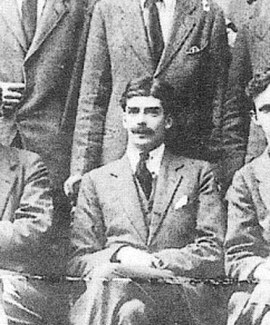
How valid is the theory, though, that Leslie Howard was supposedly the virtual double of Sir Anthony Eden, England’s Foreign Secretary at the time? Here’s Eden at the age of around twenty, as a student at Oxford University……….

There is though, a bit of a giveaway which is tremendously helpful in any “Pick-out-Anthony-Eden” competition. The real Anthony Eden, for his entire adult life, had that stonking great moustache which he fixed into his nostrils at seven o’clock every morning and then didn’t take off until midnight.

And what about the idea, quite widespread at the time apparently, that the Germans thought that Leslie Howard and Reginald Mitchell, designer of the legendary Spitfire, were one and the same man? Leslie Howard we have already seen, and here’s the designer of what began its life as the Supermarine Shrew :

In my mind, the best fit is “Churchill and Thompson v Howard and Chenhalls”.  And we must not forget that the only images of Churchill or Leslie Howard seen by most of the attendees of the Dakota’s take-off from London would have been either crudely printed photographs from newspapers or perhaps slightly better quality pictures from magazines. Moving pictures would have been from Howard’s films, or for Churchill , the two minute Pathé News films shown in cinemas during the interval. In other words, confusion was a great deal easier in 1943 than it was in 2023.

It was by no means a completely ridiculous idea, therefore, to suggest that “Churchill–Chenhalls” was on that plane from Lisbon. And for the Germans, it was well worth organising an attempt to shoot down the plane, even if the Prime Minister was supposedly at an important conference in Algiers.

How easy it would have been to alert Berlin, who could then have contacted the fighter base, probably at Mérignac near Bordeaux in southern France, and then telling those eight Junkers Ju88C-6 heavy fighters to take off and intercept the DC-3. Such attacks were in actual fact very rare in the Bay of Biscay, so this particular Luftwaffe operation must surely have been for a specific reason, and for a specific and important target.

And now a whole second level of conspiracy theories swings into action. Perhaps British Intelligence invented the entire story of Churchill’s being on board “Ibis” that day, so that he could fly back home to England in his own private aeroplane, an Avro York. Here’s an excellent short film giving you all the relevant facts about the Avro York, which was basically a different fuselage, set on a pair of Lancaster wings:


There were plenty of people who believed this story that British Intelligence had told the Germans that Churchill was returning to England in the DC-3 that particular day, and that he would be refuelling near Lisbon. In this way, his Avro York would be able to return to London in peace, even if the Dakota finished up in pieces.

And so it goes on, round and round in ever decreasing circles with very little beyond well informed guesswork and random supposition. These are certainly very far from being guaranteed truths.

In 1943, the earliest rumours to surface were that “bon viveur” Alfred Chenhalls had actually been mistaken for Churchill by German agents as he walked out to the plane in Lisbon. Furthermore, this explanation is known to have been the one favoured by Churchill himself. At the same time, though, Churchill was certainly puzzled as to how German intelligence could possibly believe that he, with all the resources of the British Empire’s armed forces and those of the United States at his fingertips, should be reduced to travelling in an unarmed, relatively slow and vulnerable commercial airliner.

24 Comments

Filed under Aviation, Film & TV, History, military

The Murder of Leslie Howard (2)

Last time, we read the most widely accepted version of the shooting down and killing of Hollywood star, Leslie Howard, by eight Luftwaffe Junkers Ju-88 heavy fighters:

Those two outstanding German authors, Sönke Neitzel and Harald Welzer, though, tell a much blacker story of the destruction of BOAC’s Dakota DC-3 “Ibis” in their recent book “Soldaten”.

………….During the war, the conversations of German POWs were recorded without their knowledge by their British captors. One of two prisoners in a particular prison camp near London had actually been in one of the Ju88s which had shot down Howard’s Flight 777:

His name was Dock and he said:

“Whatever crossed our path was shot down. Once we shot down – there were all sorts of bigwigs in it: seventeen people, a crew of four and fourteen passengers; they came from London. There was a famous English film-star in it too; Leslie Howard. The English radio announced it in the evening.

Those civil aircraft pilots know something about flying! We stood the aircraft on its head, with the fourteen passengers. They must all have hung on the ceiling! (Laughs) It flew at about 3200 meters. Such a silly dog, instead of flying straight ahead when he saw us, he started to take evasive action. Then we got him. Then we let him have it all right! He wanted to get away from us by putting on speed. Then he started to bank. Then first one of us was after him, and then another. All we had to do was to press the button, quietly and calmly. (…..laughs…)……It crashed…. They were all dead. Those fools don’t try to make a forced landing, even if they can see that it’s all up with them.”

The Allies proclaimed the act a war crime, and so too did a large number of neutral countries. After all, the Germans had shot down an aircraft which belonged to a neutral country (the Netherlands).

Not all of the names of the Ju 88 pilots who carried out this war crime have survived the Nazis’ frenzied burning of their own archives and records, but among the guilty men were:

Oberleutnant Albrecht Bellstedt, Staffelführer Oberleutnant Herbert Heintze, Oberfeldwebel Hans Rakow, Leutnant Max Wittmer-Eigenbrot

Bellstedt and Wittmer-Eigenbrot were both killed in the war, the others I have not been able to trace. No more BOAC daytime flights from Lisbon took place until the end of the war.

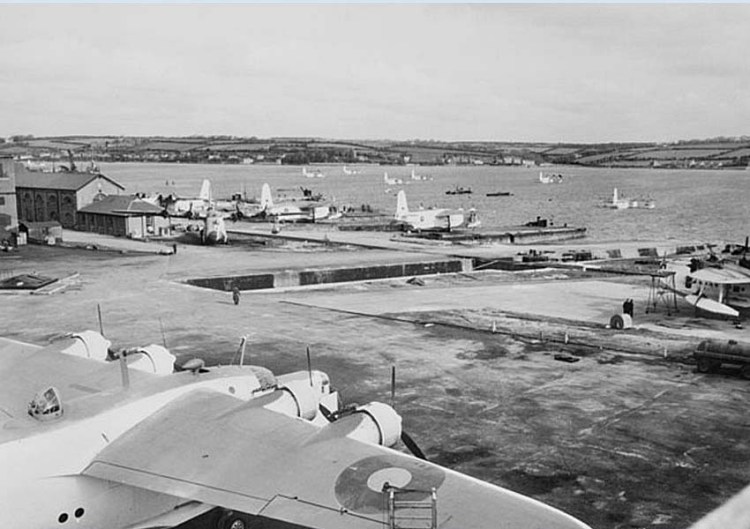
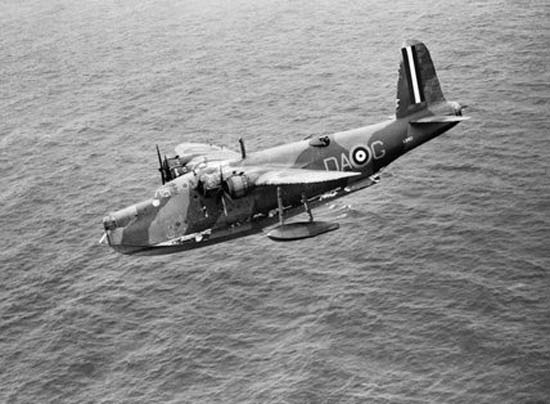
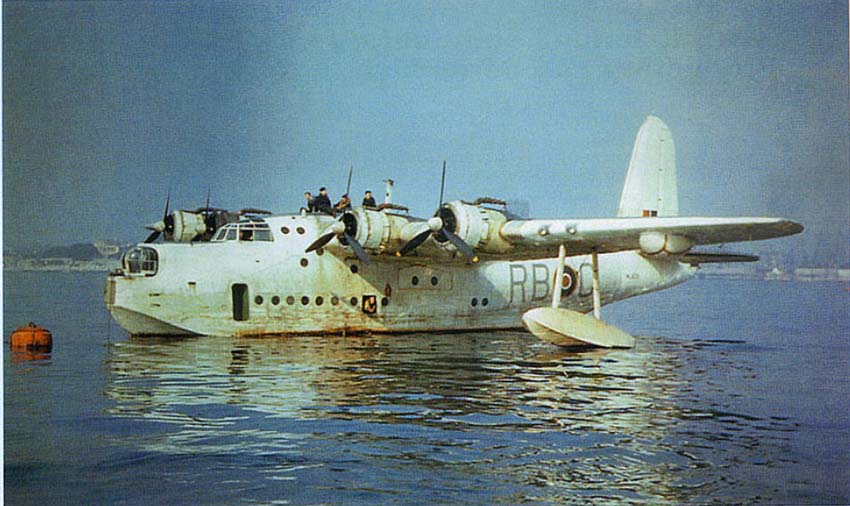
The flights which did take place were all at night, over a totally different route, completely beyond the range of a Ju-88. The British authorities responded to the DC-3’s failure to arrive by despatching a Short Sunderland GR3 flying boat to look for it. The aircraft, EJ134, was piloted by the brave Australians of 461 Squadron. The crew was James (Jim) Collier Amiss, Wilbur James Dowling, Alfred Eric Fuller, Ray Marston Goode, Albert Lane, Edward Charles Ernest Miles, Harold Arthur Miller, Kenneth McDonald Simpson, Philip Kelvin Turner, Colin Braidwood Walker and Louis Stanley Watson. Here’s a picture of RAAF 461 Squadron, looking for all the world like a flock of gigantic white geese:

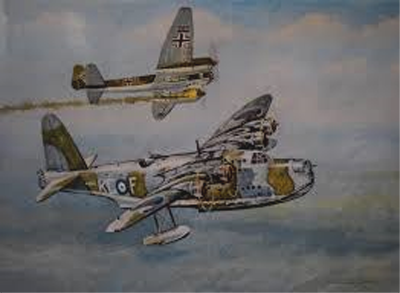
The Australians found nothing whatsoever on the surface of the sea, but they did find the very same group of eight Ju88C-6s that the DC-3 had already met, at more or less the very same place where it had met them. Sunderland EJ134 and its crew then won their place in aviation legend. In a prolonged battle, the flying boat lost one engine and its tail turret. Messrs Dowling, Goode, Miller, Simpson and Walker were all injured and poor Ted Miles (27), one of the two side gunners, was killed. They did manage, though, to shoot down three of the eight German fighters. Of the other five, only two made it all the way back to Bordeaux. The other three were never heard of again. Six out of eight shot down. That should teach them not to attack unarmed airliners flying from neutral countries.

Overall, the Germans were very wary, if not simply afraid, of the Sunderland flying boat. It was an extremely heavily armed aircraft and a formidable opponent.

No wonder they called it

“Das Fliegende Schtachelschwein”, the Flying Porcupine”

This phrase  has proved particularly useful in all of my many trips to Germany, especially those to Berlin Zoo. And one day, when I ask for a cocktail called “A Flying Porcupine”, the barman will know how to make it!

14 Comments

Filed under Aviation, Film & TV, History, military, Politics, war crimes

The Murder of Leslie Howard (1)

A couple of years ago, I wrote a series of blogposts about the Short Sunderland flying boat. In at least one of them, I talked about how a civilian airliner, with the film star Leslie Howard on board, was shot down over the Bay of Biscay on June 1st 1943. Howard, and the crew and all of the other passengers were killed.  I mentioned those events because, the following day, a Short Sunderland was sent out to look for the missing airliner. They didn’t find it, but they did find the eight German fighters which had shot down the BOAC Douglas Dakota DC-3. There then ensued one of the legendary battles of the Second World War as the Sunderland fought off a pack of Junkers Ju88s. That particular series of blog posts, though, concentrated on the Short Sunderland flying boat and the Junkers Ju88 long distance heavy fighter.

This series of blogposts which begins today, however, concentrates not on the aircraft involved, but instead the still unanswered question of……….

“Why did the Germans have to destroy that airliner ?”

And first of all, let’s take a look at the man who is usually put forward as the prime suspect for the reason that the Dakota had to be destroyed……..

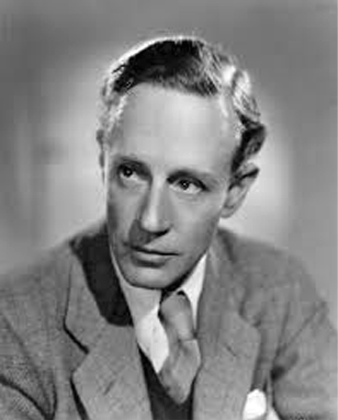
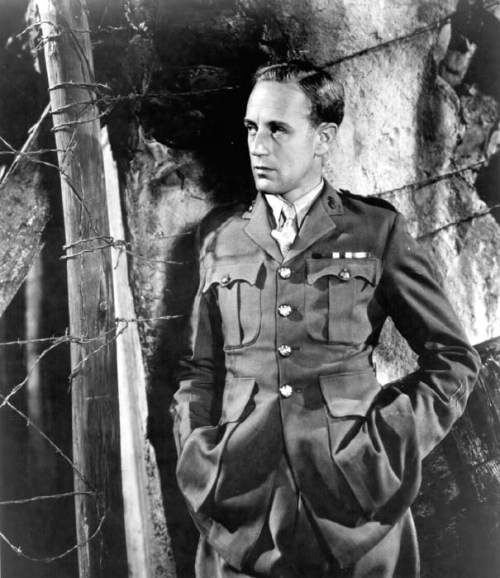
Leslie Howard was a film star who starred in “Pimpernel Smith”, “The First of the Few”, “Of Human Bondage” and most famous of all, “Gone with the Wind”, a huge smash hit in 1939. Here he is in “Journey’s End”:

Howard’s father was Ferdinand Steiner, a Hungarian Jew, and his mother was Lilian Blumberg, from an English Jewish family of German origin. Howard had originally styled himself Leslie Stainer in an effort to anglicise his real name of Leslie Howard Steiner, but eventually he decided on the name by which he is known nowadays.

On June 1st 1943, Leslie Howard was in Lisbon, the capital of Portugal, with his business manager, Alfred Chenhalls. They intended to take the civilian passenger aircraft of KLM Royal Dutch Airlines which, even in wartime, made a regular morning run between Portela Airport to the north of neutral Lisbon and Whitchurch Airport near Bristol in England. Neither Howard nor Chenhalls had tickets, so two passengers were turned off the aeroplane to make room for them. The lucky two were a little boy called Derek Partridge and his nanny called Dora Rove. Or, in another story, one of the two passengers was a Catholic priest, Father Holmes. Or perhps the lucky two were George and William Cecil, recalled from their boarding school in Switzerland.

There is a story that the take-off was delayed while Howard went to collect a small parcel full of silk and nylon stockings, a present, perhaps, for his wife and daughter. While filming, Howard was pretty much a serial adulterer, who said….

“I never chased women but I couldn’t always be bothered to run away”

The aircraft was a Douglas DC-3-194 called “Ibis” with the civilian letters G-AGBB. Here it is, complete with its Dutch flag:The aircraft had hardly ever been impeded by the Luftwaffe on its 1,000 mile, seven hour, flight:

In actual fact, though, the Germans had already attacked the aircraft on two occasions in the previous six months. On November 15th 1942, it had been challenged by a single Messerschmitt Bf110 Zerstörer heavy fighter and on April 19th 1943, it had been ambushed by a patrol of six Bf110s. Here’s the nightfighting version of the Bf-110. The Zerstörer heavy fighters would have lacked the radar antennae….

On both occasions, the camouflaged airliner escaped a watery grave. The first attack involved a party of very high ranking American Eighth Air Force officers which included Ira Eaker. They were saved when the Bf110’s engine caught fire as it attacked. Everybody in the airliner, both passengers and crew, was terrified. In the second attack, the pilot, Captain Koene Dirk Parmentier, dropped down to the waves and then climbed steeply into the thick low clouds.

On the other hand, though, the trip had been made more than 500 times between 1939-1943 without the slightest problem.

On this occasion, though, just after midday, they were shadowed  initially by two Junkers Ju 88s over the countryside of northern Portugal and then of north-western Spain. They broadcast a message “we are being followed by enemy aircraft” and then “we are being shadowed”.

At around 12.45 pm eight different Junkers Ju88C-6 fighters of Gruppe V / Kampfgeschwader 40 spotted the “grey silhouette” of the DC-3. The Ju88s were flying with six aircraft abreast, fifty yards or so apart, with another two flying above them and acting as “spotters”. They had apparently been told to look for a twin engined grey aircraft. Their commander, Oberleutnant Heintze, had been told to carry out rigorous patrols during June and to shoot down the aircraft they found. This is a Junlers Ju-88 heavy fighter:

The Ju88s attacked the airliner at between 6,000-10,000 feet over the Bay of Biscay some two hundred miles north of the Spanish coast. One of the pilots, Oberleutnant Albrecht Bellstedt, radioed to his companions: “Indians at 11 o’clock, AA”. This meant enemy aircraft ahead, slightly to the left, attack, attack. One fighter came in from above and one from below. With their heavy calibre cannons, they set the Dakota’s port engine on fire and this then spread to the wing. A radio message was picked up from the wireless operator, van Brugge: “I am being followed by a strange aircraft….Putting on best speed….we are being attacked by enemy aircraft….cannon shells and tracers are going through the fuselage…. Am wave hopping and doing my best.” Oberleutnant Heintze, however, drew level with the stricken aircraft and quickly realised that it was a civilian airliner. He immediately stopped the attacks. Three, presumably, crew members, jumped out of the DC-3, deploying their parachutes but they did not open as they were already on fire and all three fell to their deaths. The aircraft plummeted into the sea where the wreckage floated on the surface for a very short period and then sank. By one o’clock, all four crew members and all thirteen passengers, including Leslie Howard, had been killed.

The four members of the crew were the pilot, Quirinus Tepas MBE, the second pilot, Captain Dirk de Koning, Cornelis van Brugge, the radio operator, and Engbertus Rosevink, the flight engineer.

Whoever was their intended target, the Germans were certainly serious about killing him or her. They had sent eight twin engined heavy fighters from Gruppe V / Kampfgeschwader 40 in a deliberate attempt to intercept that lone Dutch aircraft. If they had come across it purely by chance then surely there would have been just a single fighter involved, at best two, surely not a group of eight. And after they had shot down the DC-3, the German fighters circled the floating wreckage and took photographs of the burning plane before it finally sank. You don’t do that with just any old aerial kill. It has to be done for a very special reason. But that reason has never been found.

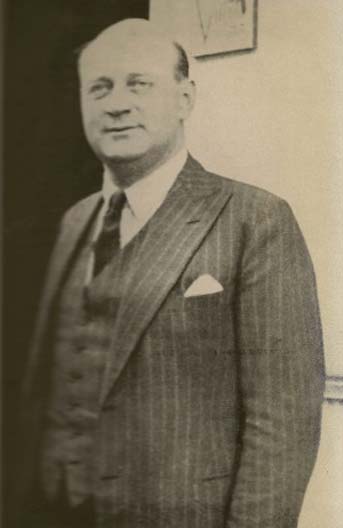
Here’s Alfred Chenhalls, Old Nopttinghamian, and Leslie Howard’s business manager. And with a cigar in one hand, and a whisky in the other, he’s a Winston Churchill look-alike. Apparently…………..

Don’t forget, though. In this day snd age, it was by no means simple to identify a famous person. They might have seen them in the cinema, but apart from this, there were only newspapers, magazines and, most of all, the radio. The latter, of course, was useful only for voice identification!

28 Comments

Filed under Aviation, Film & TV, History, military, Politics, war crimes

“In the Footsteps of the Valiant” : Volume One : the Verdict (2)

As I said a couple of days ago when I was talking about Volume One of “In the Footsteps of the Valiant”, I had hoped to portray the High School’s war dead as real human beings rather than just a surname and a set of initials in a very long list of names. That is why I tried so very hard to unearth a great number of tiny details which I hoped would help to portray them all as rounded young men rather than just a couple of lines in the School List:

Some of them I could only present as adults because there were no photographs of them as boys.

Alfred Chenhalls was the personal friend and accountant of Leslie Howard, “The Man Who Gave a Damn”. He had lived at 2 Hamilton Drive in The Park, his family occupying the whole house, not just a flat as it would be nowadays:

Edwin Thomas Banks lived at No 7 Rutland Road in West Bridgford. As I discovered from his squadron’s log book, he was killed flying his Gloster Gladiator biplane into Lake Ioannina in Greece. He was buried with a full military funeral and a large number of Greek Generals in attendance. As one of his friends said: “coldest wait ever.”  At school, Edwin had been a keen rower: “Not very heavy but a hard worker. He sits the boat well. There was a noticeable improvement in the Second Crew when he stroked it. Although he has a good beginning he is still rather short.” As well as short, he is also rather blurred in the only picture I could find of him :

Howard Rolleston Simmonds lived at 28 Nottingham Road in Bingham. He went to Canada to learn to fly, one of the 131,533 aircrew who graduated successfully from that enormous country, including the best part of fifty thousand pilots. Howard was sent to help look for a missing aeroplane, a Lockheed Hudson which had been lost off the coast of Nova Scotia. He was the pilot of an Avro Anson I, 652A, with a serial number of W1754. He and his crew just flew off and were never seen again and no wreck has ever been found. Here he is in uniform, proudly displaying his wings:

And here he is sitting in his Anson:

John Harold Gilbert Walker was a Spitfire pilot who was shot down over northern France in 1941. The objective was the railway marshalling yards at Hazebrouck on the outskirts of Dunkirk and four squadrons of Spitfires, including Nos 118 and 457, were escorting just six Douglas Boston Mark III bombers. He was already a veteran of the Battle of Britain, flying a Bristol Blenheim nightfighter:

Keith Henry Whitson served in India with the Royal Indian Army Service Corps. He survived the war only to perish at Pindi-Khut eight months or so after the end of hostilities. Interestingly, Pindi-Khut seems to have disappeared from the map since World War Two. Again, the only photograph I could get hold of is not particularly sharp :

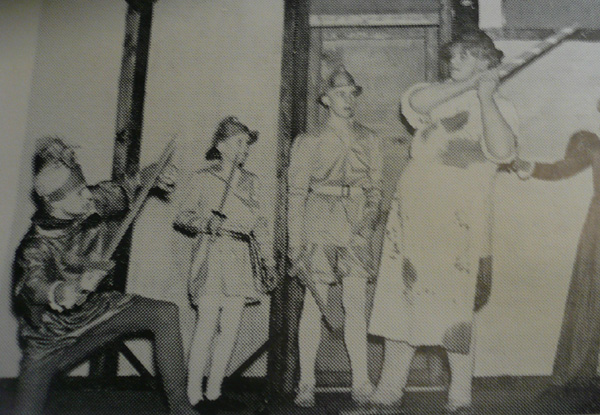
William Ray Llewellyn from “Torisdale” in Devon Drive in Sherwood and then 136 Melton Road in West Bridgford. He appeared in two school plays. In the first, he played a young woman in “The Admirable Crichton” by JM Barrie. He really was damned by faint praise: “The rest of the cast was quite adequate. I have no criticisms of WR Llewellyn as a Lady’s Maid.”
In what is now pretty much a forgotten play, “The Knight of the Burning Pestle” by Beaumont and Fletcher, he played one of the three Gentlemen who made up “The Spectators”. The overall verdict in the School Magazine was that: “the School play delighted me and many others too. The performance began in the most striking way, with three spot lit Elizabethan cavaliers coming right from the back of the hall up on to the stage. Llewellyn, Marchmont and Rowbotham were realistically discourteous spectators, and throughout their long period on the stage made the most of their restricted opportunities……. William’s little brother, Peter George Llewellyn, also had a rôle in the play. Looking tiny, he played three bit parts, Ralph’s Boy, the Soldier and the Dancer.”
Here he is :

The four actors are Russell Cruddas Lansberry, young Peter, Derrick John Turner and RN Walker (no such person) according to one page of the School Magazine and Robert Norman Walters according to the next page.

And little Peter got an excellent review: “Their fellow dancer, PG Llewellyn, shared their good delivery and confidence. As Ralph’s boy, he played his part with humour; as a pikeman he was certainly a menace.”
Again, the picture of his elder brother, William Ray Llewellyn, required a lot of work on Photoshop and is still very poor:

William went to meet his maker in what was then called Ceylon, a place he clearly adored:

“I beheld the dawn yesterday. Not from the foothills of the Himalayas, not even from the more prosaic bedroom window but from the cockpit of an Avenger bomber flying over Ceylon. We had all scrambled whilst it was still dark. The air was still and not a bump disturbed our passage.”

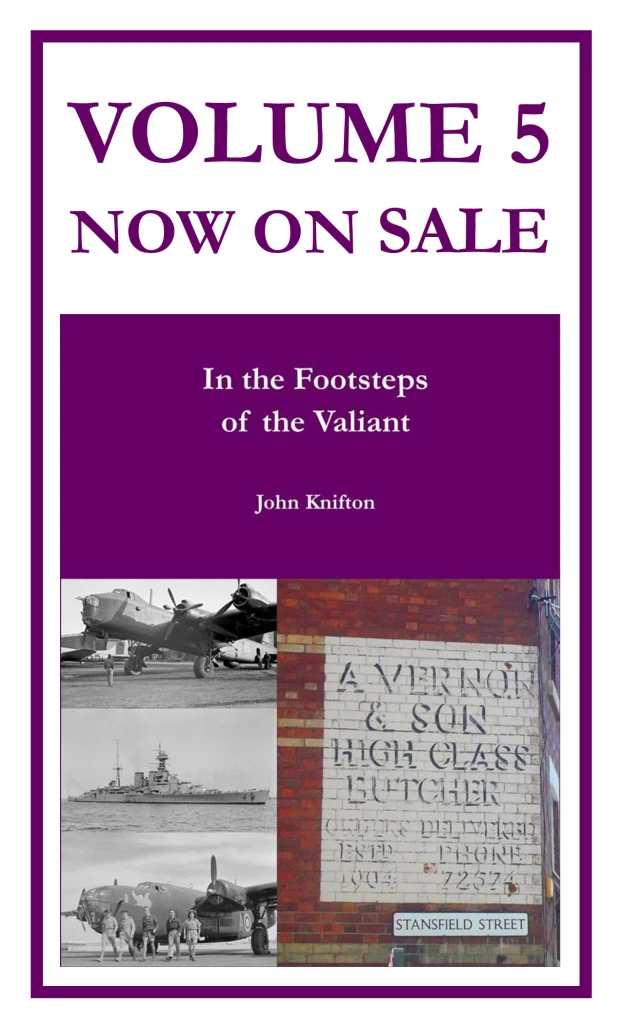
My team and I put a great deal of time into designing the cover. I don’t know if anybody looked at the photographs very carefully but they were all chosen carefully and with a definite link to an Old Nottinghamian in mind. There was a Handley Page Halifax:

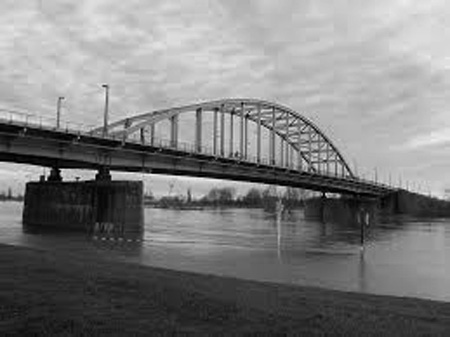
There was a Bridge Too Far :

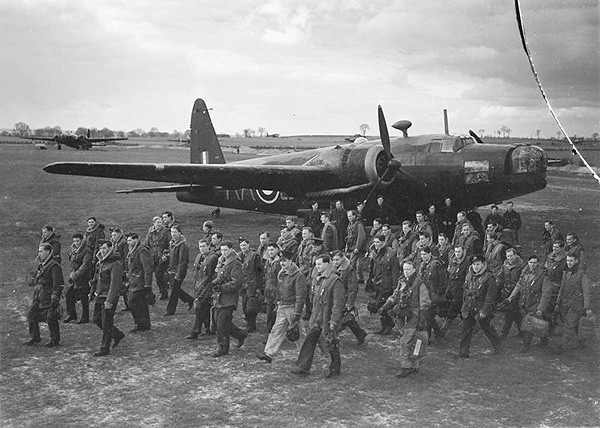
All of a RAF base’s airmen walking back to the Mess after a raid :

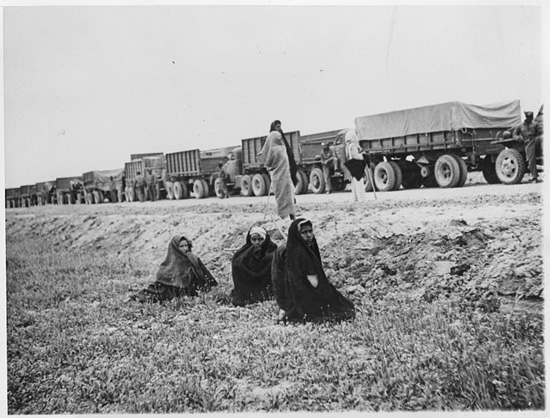
Here, Iranian women sit and watch British lorries invade their country with minimal opposition from the Iranian Army and a great deal of co-operation from the Soviet Army :

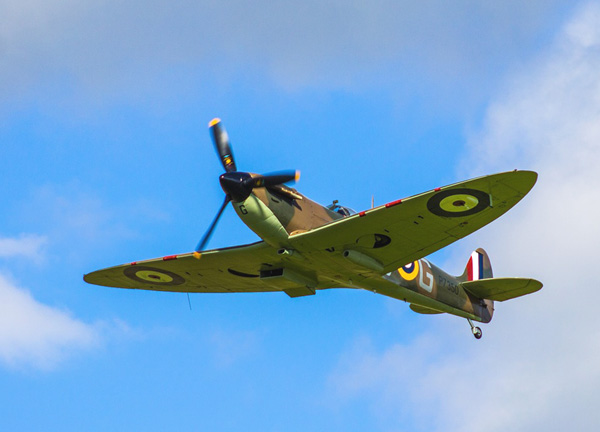
The most beautiful aeroplane ever built, the saviour of our country, and arguably, the world.

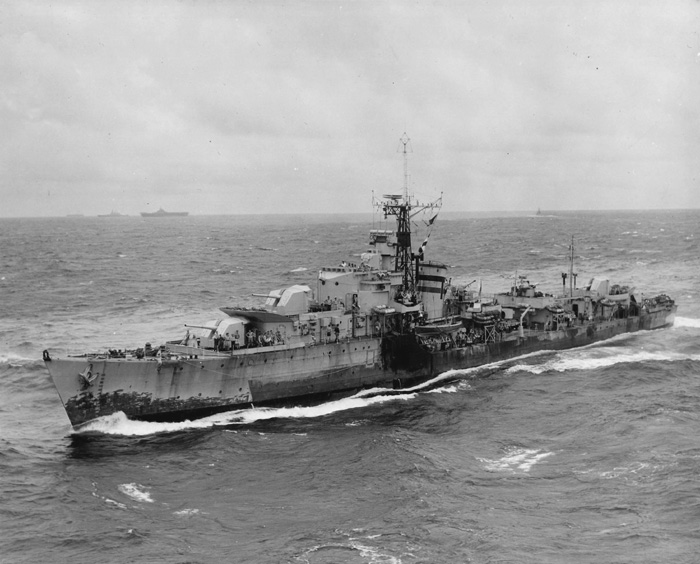
A T-class destroyer of the Royal Navy :

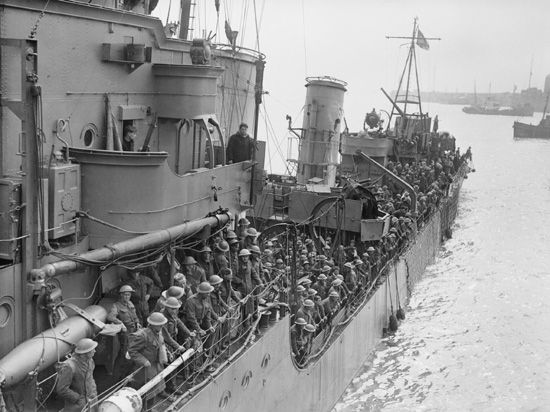
Here’s the return from Dunkirk :

And here’s a Wellington crew just back from Germany.

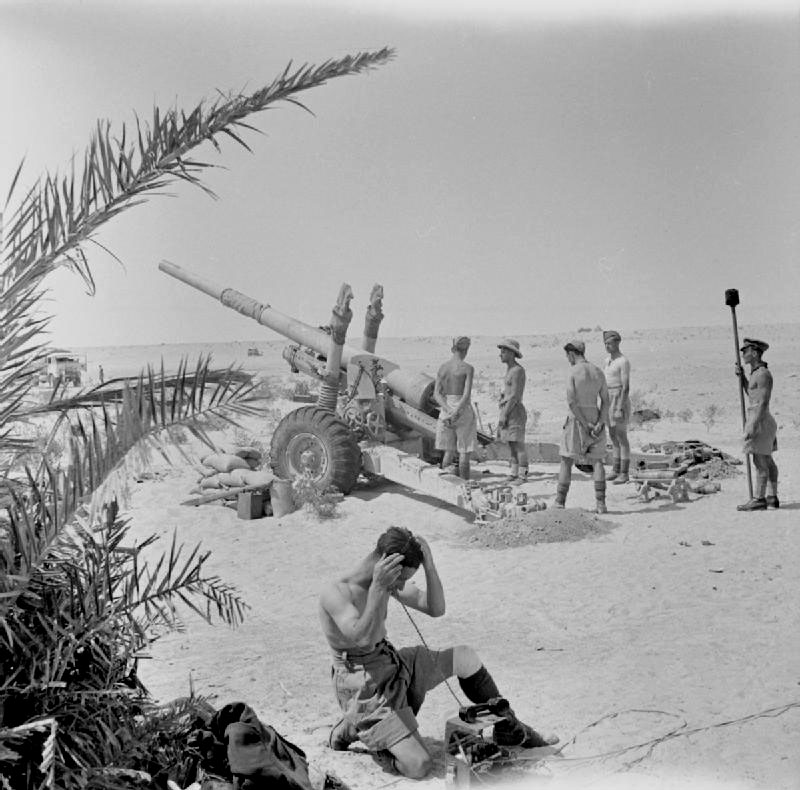
And this is the war in the North African desert, a location visited by a good many Old Nottinghamians with both the Sherwood Foresters and the South Notts Hussars:


8 Comments

Filed under Aviation, Bomber Command, History, Personal, The High School, Writing

Three war crimes, two Sunderlands and one Ashley Wilkes (5)

Last time we were looking at how the English film star, Leslie Howard, was killed when the aircraft he was in, a DC-3 Dakota, was shot down over the Bay of Biscay, by the Luftwaffe.

That Dakota, though, was actually completely unarmed and it was no match whatsoever for a single Junkers Ju88, let alone a group of eight of them. As well as being unarmed, it was also registered in a neutral country (the Netherlands) and flying from a neutral country (Portugal) to England.

Nobody took very much notice of this at the time, but, because of these seemingly innocuous details, the entire episode therefore crossed the line of human decency and became a war crime. Here’s the DC-3 in question. Note the Dutch flag, with the prominent orange:

In the immediate aftermath of the DC-3’s failure to arrive in Bristol, the British sent out a Short Sunderland GR3 flying boat to look for it on the following day (June 2nd 1943):

The aircraft carried the serial number EJ134 and it was piloted by the brave Australians of 461 Squadron. The crew was James (Jim) Collier Amiss (Second Pilot), Wilbur James Dowling (First Pilot), Alfred Eric Fuller (First Wireless Operator / Air Gunner), Ray Marston Goode (Tail Gunner), Albert Lane (Third Wireless Operator / Air Gunner), Edward Charles Ernest Miles (First Flight Engineer), Harold Arthur Miller (Second Wireless Operator / Air Gunner), Kenneth McDonald Simpson(Navigator), Philip Kelvin Turner (Second Flight Engineer), Colin Braidwood Walker (Captain) and Louis Stanley Watson (Rigger).

The flying boat found nothing whatsoever on the surface of the sea, no wreckage at all. What they did find though, were surely the very same eight Ju88C-6s that Leslie Howard had already met, at more or less the very same place where they had met them. Sunderland EJ134 and its crew then won their place in aviation legend. In a prolonged battle, the flying boat lost one engine and its tail turret. Messrs Dowling, Goode, Miller, Simpson and Walker were all injured and poor Ted Miles, one of the two side gunners and just 27 years old, was killed. The battling Aussies did manage, though, to shoot down three of the eight German fighters:

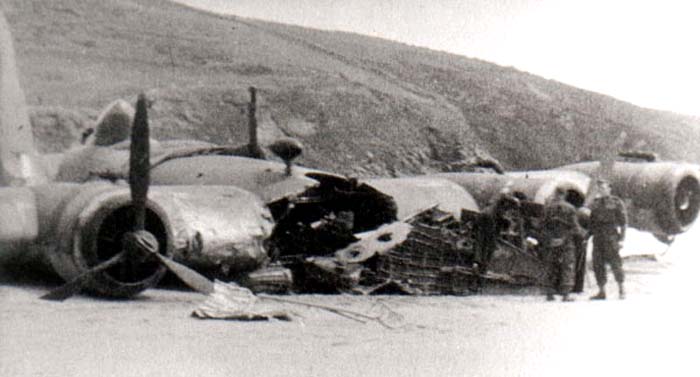
Of the other five, only two made it all the way back to Bordeaux. The other three were presumed to have crashed into the waves as they were never heard of again. Six out of eight shot down. That should teach them not to attack unarmed airliners flying from neutral countries. The now shot to pieces and extremely battered Sunderland EJ134 made it the 350 miles back to western Cornwall, not to Penzance, but only as far as a beach on the south Cornish coast, at Praa Sands:

The fierce Atlantic waves, however, ultimately smashed it to smithereens:

Young Ted Miles, just 27 years old, was buried at Pembroke Dock Military Cemetery joining 72 more casualties, 40 from World War I and 32 from World War II, including five Australians. On his grave his parents had written:

“There is no death: our stars go down to rise upon some fairer shore”.

The family came from Brixton in London. Ted’s parents were Edward Charles Miles and Florence Mabel Miles. His young wife was Frances Margaret Miles.

Around eight weeks later, virtually the same 461 Squadron crew was lost without trace out on patrol over the Bay of Biscay on Friday, August 13th 1943 in a Short Sunderland Mk III, serial number DV968. The last message that they transmitted was that they were being attacked by six Ju88s. The victory was claimed by Leutnant Artur Schröder so this particular incident may not have been exclusively carried out by members of the original eight, especially as Schröder was in 13 / KG40, not V/KG 40:

The men from EJ134 who were killed in DV968 were Wilbur James Dowling (34), Alfred Eric Fuller (20), Ray Marston Goode (34), Albert Lane (27), Harold Arthur Miller (23), Kenneth McDonald Simpson (28), Philip Kelvin Turner (26) and Louis Stanley Watson (25). The new members of the crew who died were David Taylor Galt (28), James Charles Grainger (24) and Charles Douglas Leslie (Les) Longson (20). Not flying that day were James (Jim) Collier Amiss and Colin Braidwood Walker from the original “Flying Porcupine”, Sunderland EJ134. Both men would survive the war and go home to Australia. Hopefully, they lived out very long and happy lives. Perhaps they followed a sports team:

Or perhaps they preferred the beach:

16 Comments

Filed under Aviation, Cornwall, Criminology, History, Personal, Politics

Three war crimes, two Sunderlands and one Ashley Wilkes (4)

Last time I was explaining the connection between the Short Sunderland flying boat and “Das Fliegende Schtachelschwein”, “The Flying Porcupine”:

I promised that I would show you the connection between this spiny porcine killer and Leslie Howard, a suave, sophisticated English actor, who used to boast that he “didn’t ever chase women but couldn’t always be bothered to run away from them”. Here he is in “Journey’s End”:

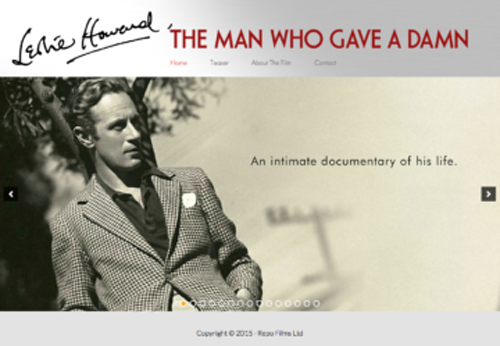
I recently watched an excellent documentary film about Howard. It was called “The Man who gave a Damn”:

The film was about the life, and particularly the death, of the famous film star, the actor who had played Ashley Wilkes in “Gone with the Wind” only two years before his death. Cue film extract:

Leslie Howard was English and he did not hesitate to stand up for the values of our country and those of our friends and allies. He did not hesitate to name and shame.

In one of his films made after “Gone with the Wind”, he speaks of the Germans’ aims:

“Every day reveals the utter and desperate determination to smash us to bits, root and branch, to wipe out every trace of democracy.”

But we English and Americans are better than the Germans, as he says in “From the Four Corners” (1941) as he addresses troops from the USA who have just arrived in England:

“And so our fathers’ minds crept along and their ideas of justice and tolerance and the rights of man took shape in the sunlight and the smoke, sometimes standing still, sometimes even slipping back, but slowly broadening with the centuries. Some of those ideas are written down in the constitutions of our commonwealth and some are unwritten. We just try and carry them in our hearts and in our minds. Perhaps the men who came nearest to putting them into words were those Americans, many of them the sons of British pioneers, who, founding an independent nation, proclaimed:

“We hold these truths to be self-evident, that all men are created equal, that they are endowed by their Creator with certain unalienable Rights, that among these are Life, Liberty and the pursuit of Happiness.”

Those words and that spirit were born and nourished here, and your fathers carried them to the ends of the earth. They are our inheritance from the past, our legacy to the future. That’s why you came here – to defend them.”

The documentary film was made by Derek Partridge, now an old man, whose young life was inadvertently saved by Leslie Howard. Here’s Derek:

On June 1st 1943 Derek and his brother were asked to give up their seats on an airliner travelling on the Lisbon-Bristol route, to allow Leslie Howard to get to a London film premiere on time. The two boys survived because they were not on the aircraft, a Dutch owned BOAC Douglas DC-3 Dakota, when it was shot down into the Atlantic Ocean. This war crime was carried out by eight Junkers Ju88C-6 fighters of Gruppe V / Kampfgeschwader 40. V/KG 40 was a heavy fighter unit which dated from 1942, when it was set up to intercept the bombers of RAF Coastal Command. It was the only long range maritime fighter unit the Luftwaffe ever had. The RAF answered them with firstly the Bristol Beaufighter and then the Mosquito. Here is a lovely shot of the aircraft of V/KG 40 in flight:

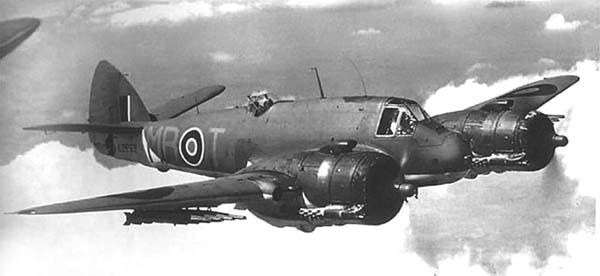
And here is a Bristol Beaufighter, a very powerful and well armed fighter:

In the immediate aftermath of these events, the British responded to the DC-3’s failure to arrive in Bristol by sending out a Short Sunderland GR3 flying boat to look for it on the following day. Here we go. Ein fliegende Schtachelschwein:

Don’t worry. He’ll sort ’em out.


29 Comments

Filed under Aviation, Cornwall, Film & TV, History, Personal, Politics

Eagle Comic (5)

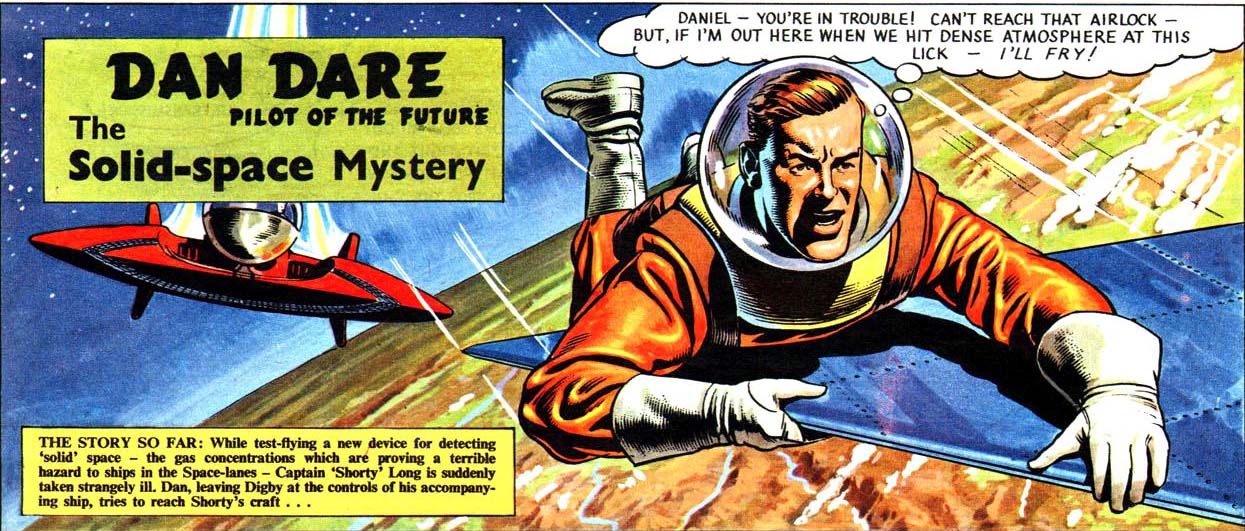
On the front cover, Eagle featured Dan Dare, the lantern jawed squeaky clean hero:

He could easily dominate the whole front page:

He was always helped, and occasionally hindered, by Digby, his rather podgy sidekick:

Presumably, he was named after an extremely obscure aircraft called the Digby, which was the name given to the Douglas B-18 Bolo in Canadian Air Force service. You can see this lost aircraft in action in the Powell and Pressburger film “49th Parallel” made in 1941 with Leslie Howard and Laurence Olivier. It’s a thriller well worth keeping an eye out for, and a film which portrays perfectly the repulsive attitudes of the Nazis:

Here’s another picture of Digby:

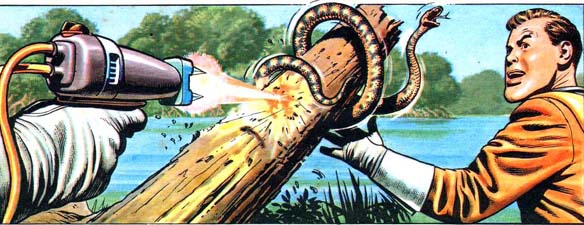
And, yes, he is using an electric hairdryer as a weapon:

I shouldn’t poke fun, though. Some of the science was years ahead of its time. Who else had heard of nuclear fusion in 1950?:

Dan Dare and Digby had their nemesis in the extraterrestrial figure of “The Mekon”:

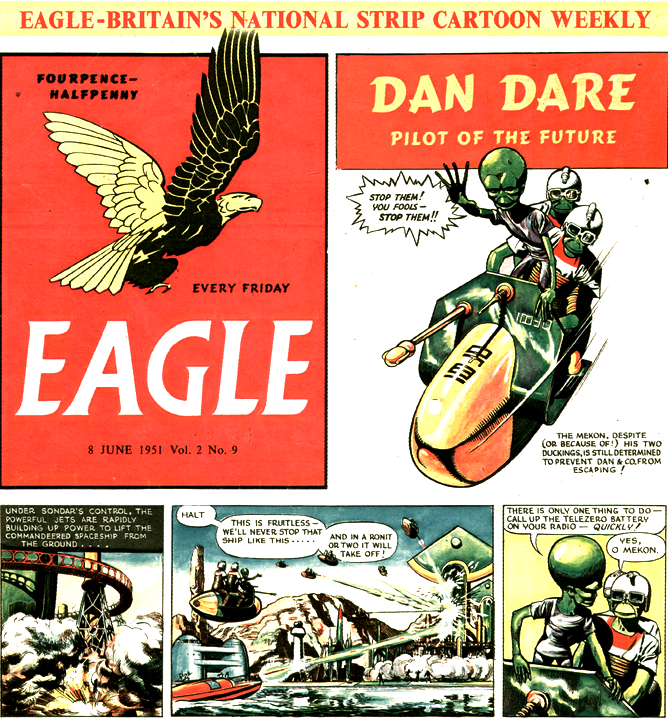
Dan, Digby and the Mekon caused a revolution in the unchanging comic world of Weary Willie and Tired Tim. Issue N0 2 of Eagle came out on April 21st and the comic was on its way. Here’s the top half of that second issue:

And the bottom half of the same page:

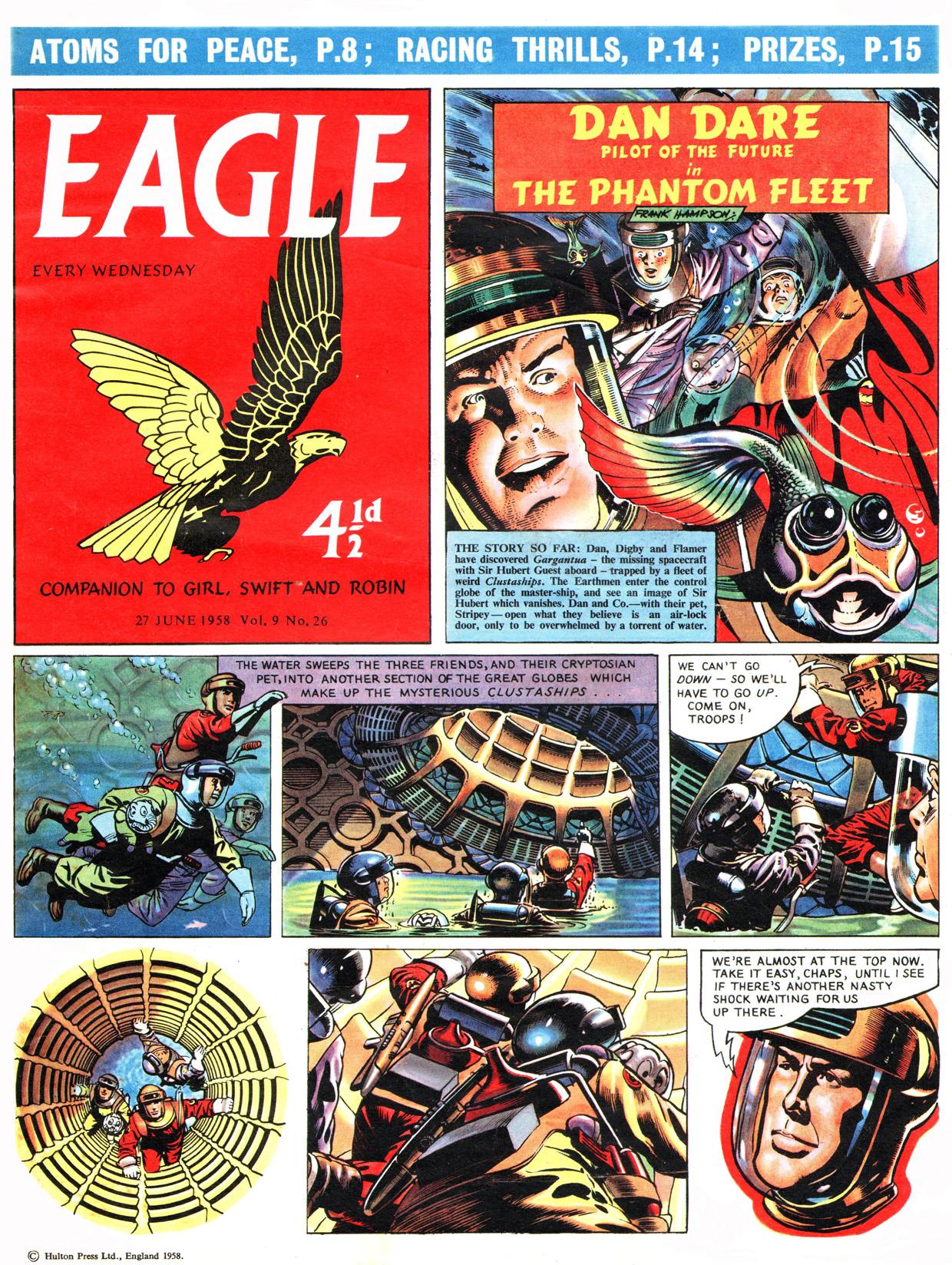
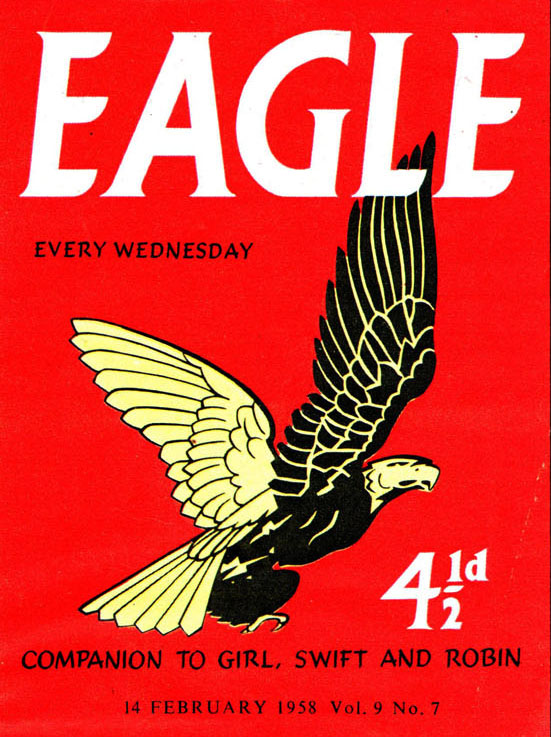
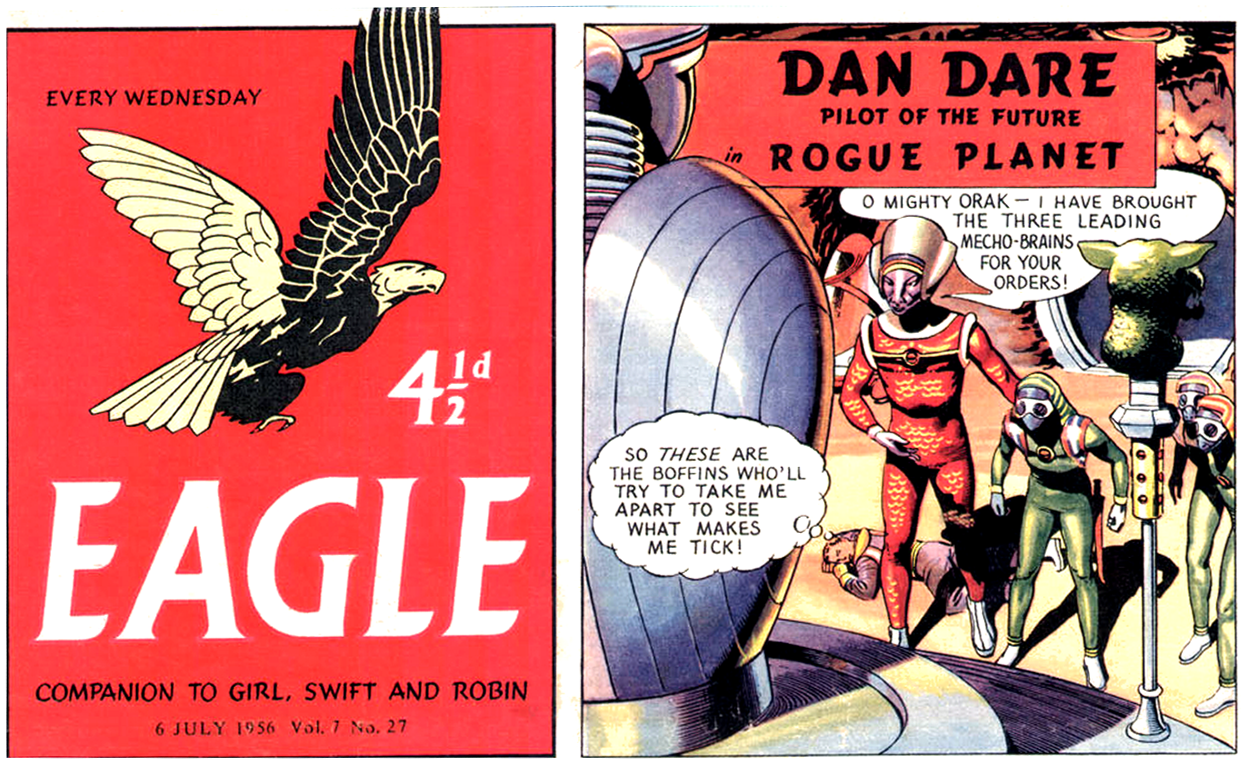
Sometimes the price of the comic was rather strange. This issue cost 4½ old pence which even in the days of a pound made up of 240 pence was an unusual price. I can’t get enough of that eagle personally:

On the other hand, there was a 4½d  stamp at the time. Here’s a special one for National Nature Week:

The Eagle went from strength to strength, with its brightly coloured, vigorous art work…

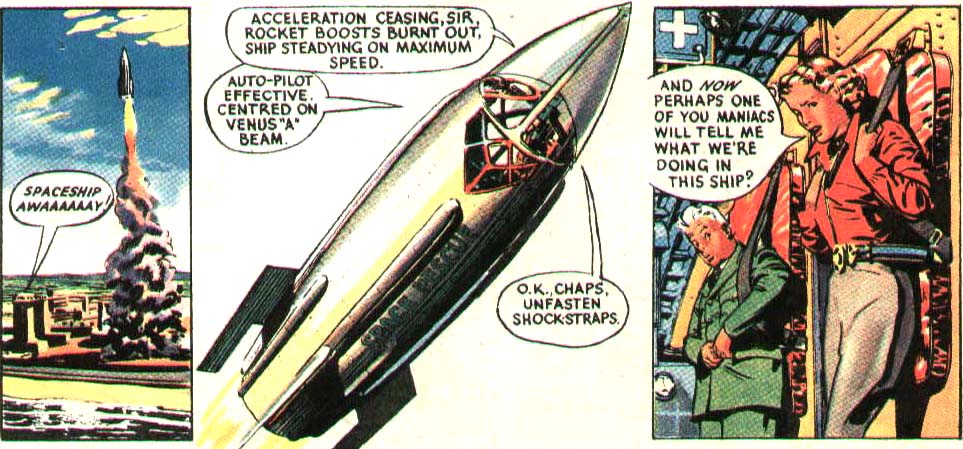
It always had futuristic machines…

Here’s that orange caption:

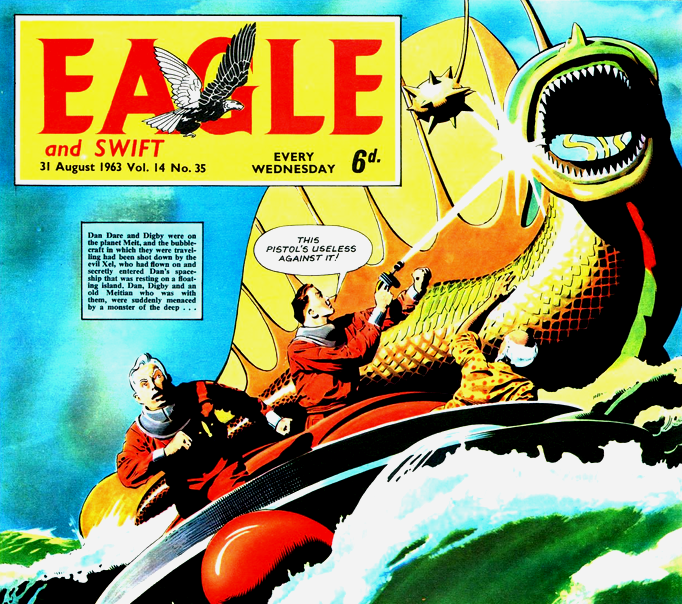
There are occasional monsters…

And the Dan Dare stories always had lots of alien species. Was it this type of picture that inspired the bars and cafes of “Star Wars” ?

Why, they even had girls from time to time…


19 Comments

Filed under Aviation, Film & TV, History, Literature, Personal, Science, Writing