Category Archives: Cornwall

An insect with a billion friends

This story is an extract from my old birdwatching diary “Crippling Views”.

These events all took place on Friday, October 28, 1988, which was the fourth day of my stay on the Isles of Scilly:

“A late lie-in this morning, with the Radde’s Warbler ticked off, and little else to get up for, certainly not at five o’clock in the morning:

RaddesWarblerxxxxxxxx

I eagerly consume a splendid Scillonian breakfast made up of every conceivable Identified Frying Object, with the possible exception of haggis, although this could well be the single mysterious item which I cannot identify with absolute certainty. Then it’s a leisurely walk down to the Porthcressa Restaurant where the magic blackboard promises Melodious Warbler at the Garrison. With a bit of luck, I might see that, and then go over to St Agnes for the Short toed Lark. I walk up the horrendously steep slopes of the hill to the Garrison, and start looking…

Melodious%20Warbler%zzzzzzzz

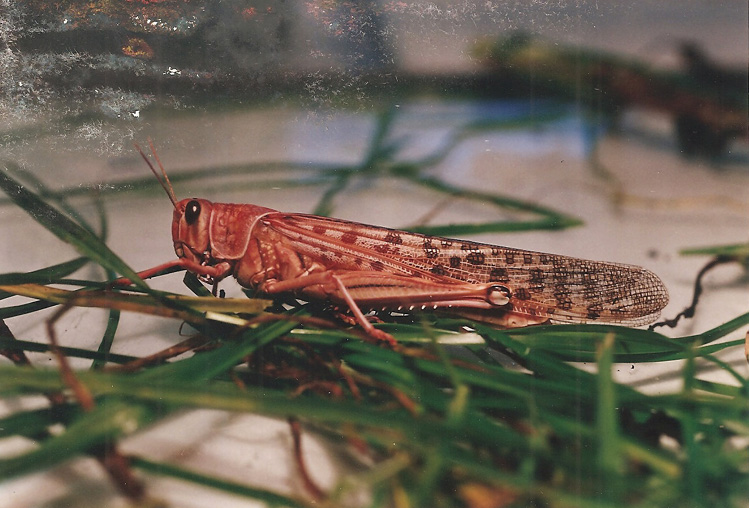
Unsuccessful after a couple of hours, I return to Hugh Town, the Big City. I find that I have a once-in-a-lifetime opportunity facing me. It’s not a bird, but a flying creature just as rare as any of the birds which reach the Scillies. It’s a Locust. Only the fourth or fifth ever to be blown to these rocky isles. At the moment, it is being housed in an art gallery in a backstreet. I stroll over there and find that the insect is living happily in a vivarium on the counter. It is a truly splendid and beautiful creature, far better than any of the birds that I have seen on the Scillies, including the juvenile Rose-coloured Starling:

rc starling xxxxxxxxxx

I could even imagine this magnificent insect being used as a powerful argument for the existence of God, particularly in mediaeval times.  It is constructed so wonderfully skilfully that it becomes a classic example of the Celestial Watchmaker. It has one set of protective plates inside another, and then another beyond that. It looks like a knight in armour, but instead of being as dry as dust and rusty like something in an old stately home, this is a live being and it can move. It is a child’s clockwork toy that has the gift of life.

I am surprised by two things. Firstly, the creature’s colour, or rather colours, for it is at one and the same time, both yellow and pink and orange and sandy. I am shocked too by the size. I have never seen a Locust before, and it is absolutely huge. At least to a person like me who leaves the room when the zookeepers take the tarantula out of the glass case, or somebody who thinks that ladybirds are fierce.
The gentleman in the shop tells me that the creature was found on the local beach and was brought to his gallery so it could be drawn and photographed. He quite clearly and obviously is very attached to his six legged guest and seems to be well on the way to regarding it as his very own pet, or at the very least as an attraction to his gallery. Apparently, the British Museum have already contacted him and told him that he must kill it immediately, put it in a cardboard box, and send it to them in a parcel as a scientific specimen:
scan one zzzzzzz

I am totally appalled and disgusted by this news. I cannot find the words to capture my feelings. It seems somehow so repulsive to kill this beautiful innocent creature which has had to fight so hard for life. It has crossed the Atlantic in all probability, or has perhaps arrived here all the way from West Africa. Now it’s happily munching English grass, but soon it is supposed to die at the whim of some cold hearted scientist who has taken upon himself the right to dole out life or death. It seems to be taking such an advantage of an insect’s lack of awareness and essentially innocent existence.

The gallery owner, I feel, would rather not kill the insect, but keep it. I do try to tell him that in all probability it belongs to him, and that the British Museum have no legal right whatsoever to tell him to do what he does not want to do, and still less to actually make him do it.

Strangely, it seems to be to no purpose. The  gallery owner seems overawed by the demands of an organisation as apparently so powerful as the British Museum. And presumably, the locust will have to die. It is so sad that we should be given the chance to meet such an exotic and unusual member of God’s family, but should then lack the reasoning power to do anything more creative or imaginative than to kill it.
I would hope that I personally could do better than that, if put in the position of having to look after a stray innocent. At the very least though, I will remain the only person with a framed, but not autographed, picture of a locust above the fireplace…Even if it is only when my wife is out of the house.

Years and years later and I am sure that I read somewhere that the poor unfortunate locust was not  killed for the British Museum, but instead was allowed by its admiring owner to live out its life in its little vivarium on the counter of his gallery. Unfortunately, I have been unable to substantiate this, as I have long forgotten where I read the wonderful news. Locusts continue to reach the shores of our freezing wet little island, but only on very rare occasions. Certainly, there has been nothing like the situation in 1869 when whole swarms of Desert Locusts reached England, apparently from West Africa.

Cruel scientists still insist on killing creatures to prove what they are, and there was considerable outcry a few years ago, when a Californian ornithologist, I think it was, killed the first Arctic Redpoll ever to be found in that state. This, of course, is why Bigfoot keeps such a low profile for somebody who is nine or ten feet tall. He knows he exists, so why should he get himself killed just so that other people can?

db_Bigfoot43_1xxxxxxxxxxxxxxxxxxxxxxxxx


6 Comments

Filed under Cornwall, History, Personal, Science, Twitching, Wildlife and Nature

A very long way from home

If you cast your minds back what seems now a very long time, my continuing researches about the German bomber shot down in St.Just in western Cornwall on September 27th 1942 , had led me to the cemetery in Penzance:

P1500367 XXXXXX

Of the seventy one Second World War burials in this cemetery, the grave of one particular sailor is very noticeable, because he lies such a very, very, long way from his home.

His name was Earl William Graham. Earl was an Able Seaman in the Royal Canadian Navy Volunteer Reserve (R.C.N.V.R):

March 29th 1945 cropped

Earl was born in 1917, the son of Arthur John Graham and Gertrude Graham. He was the husband of Regina Graham, of Preston, Ontario, Canada:

ontario

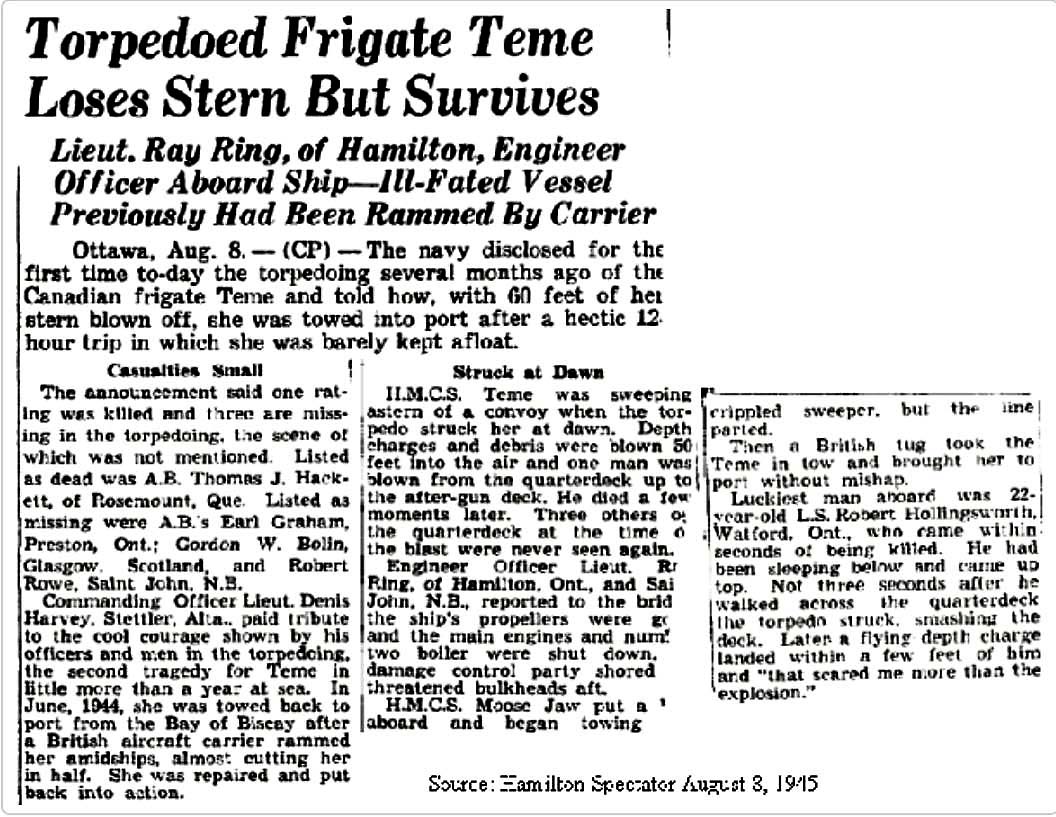
Earl Graham, aged just twenty eight, was serving on board H.M.C.S. Teme (K 458) not far off Land’s End, in position 50º07’N, 05º45’W. At 08.22 hours  on March 29th 1945, just six or seven weeks from the end of the conflict, the warship was torpedoed by the German submarine U-315. The Teme was hit in the stern and the rear sixty feet of the ship was blown off.
Three sailors were blown into the sea by the explosion, and poor Earl Williams was killed outright. The Teme might well have been thought, perhaps, an unlucky ship. It had already been the apparently jinxed victim of a significant collision, when an aircraft carrier struck her amidships in the Bay of Biscay in June 1944. The Teme only just avoided being sliced completely in half:

Capture

The “Teme” had been escorting the convoy BTC-111 off Land’s End. The Canadian warship had been “sweeping” to the rear of the convoy of merchant ships when it was attacked. Debris was flung some fifty feet into the air, and one man, later ascertained to be the unfortunate Earl Williams, was blown from the quarter deck up onto the after gun deck. He died moments later from his injuries. The three other seamen were never seen again, although they were initially posted as “missing in action”.
My internet researches have revealed their names as Gordon Walter Bolin, Thomas Joseph Hackett and Robert Everett Rowe. Thomas Hackett’s body was eventually found and his remains are buried in Falmouth Cemetery in Cornwall. Gordon Bolin and Robert Rowe, sadly, were never found, and their supreme sacrifice is commemorated on the Halifax Memorial, along with 2,842 others.
On this occasion, it took twelve hours to tow the mortally stricken “Teme” to Falmouth in Cornwall but the ship was so badly damaged that it was declared a Constructive Total Loss (CTL). A legal definition of the latter is…

“Insured property that has been abandoned because its actual total loss appears to be unavoidable, or because it could not be preserved or repaired without an expenditure which would exceed its value.”

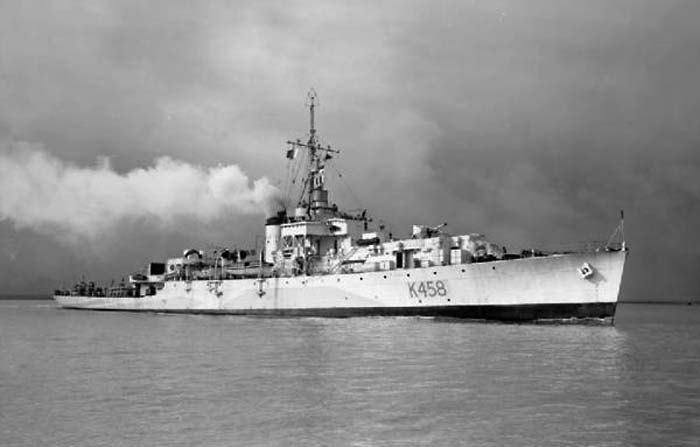
The “Teme” was a Frigate of the River class, with a tonnage of some 1,370 tons. It had only just been completed in 1944 at Smith’s Dock Co Ltd, South Bank, Middlesbrough, in the north east of England. The ship was decommissioned and returned to the Royal Navy on May 4th 1945. They sold it to be broken up for scrap on December 8th 1945. So far researches are ongoing but the names of at least eight people serving on the ship are known:

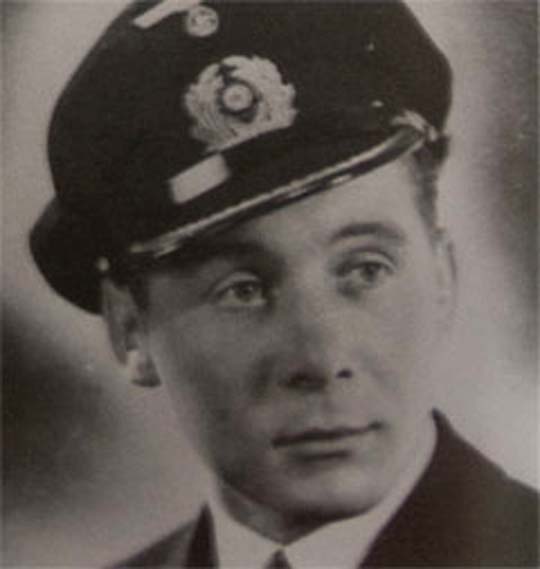
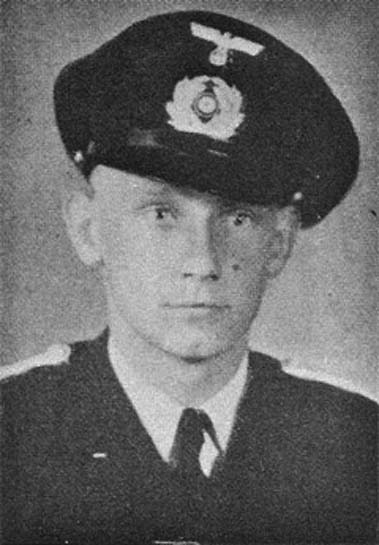
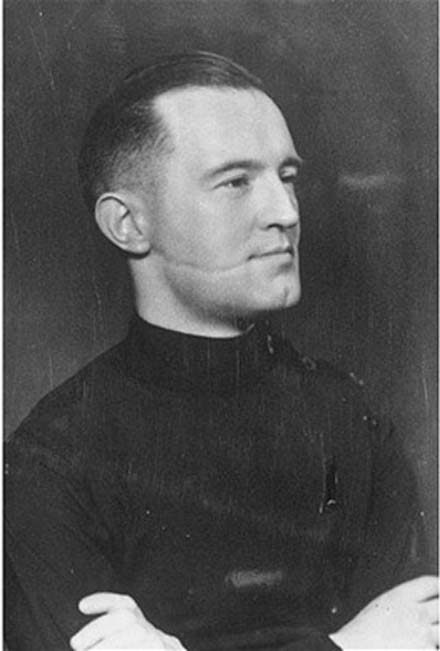
frigate_river_hmcs_teme dertfyThe U315 operated with a grand total of some thirteen different Wolfpacks during its career, in some cases for just a few days. Their names included Blitz, Donner, Grimm and Panther. Launched at Flender Werke AG, Lübeck  on May 29th 1943, the U-315 went on eleven different patrols, and was commanded throughout by Oberleutnant Herbert Zoller:

zoller_herbert

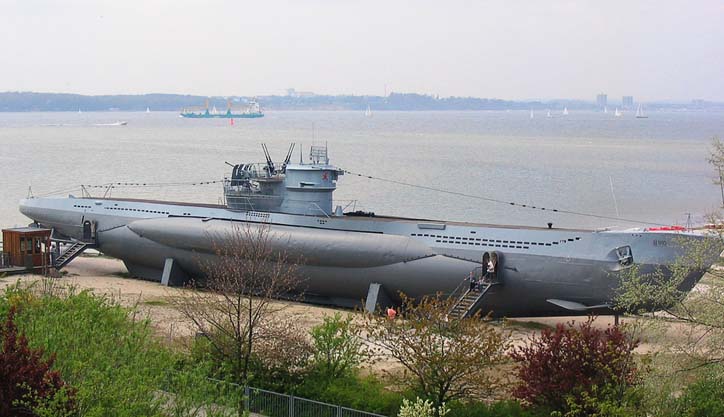
The submarine surrendered at Trondheim, Norway on May 9th 1945. The craft was declared unseaworthy. and cut up for scrap on site in Norway in March 1947. I have been unable to trace any photographs of the U-315, but here is another Type VIIC U-Boat, the U-995, currently on display at the Laboe Naval Memorial near Kiel. Do not fail to click on the link to the German website, and make sure that you try the Panorama views. They are guaranteed to scare you (top of the tower) or make you very seasick indeed. Just look for the three yellow-orange circles on the photograph:

u boat xxxxxxx

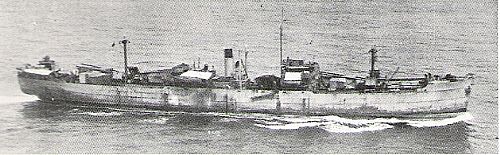
The U-315 did not suffer a single casualty throughout its fifteen month career, and sank only two ships, the Teme and the Empire Kingsley, a merchant vessel of just under 7,000 tons:

empire_kingsleyI would highly recommend this website about U-Boats. It has a vast database of the more than 80,000 people who were in the crews of ships attacked by U-boats, as well as the most astounding detail about the U-boats themselves. I was also strongly attracted by the “U-boat of the Day” feature (bottom left).

8 Comments

Filed under Canada, Cornwall, History

Aliens take refuge in Cornish Parish Church

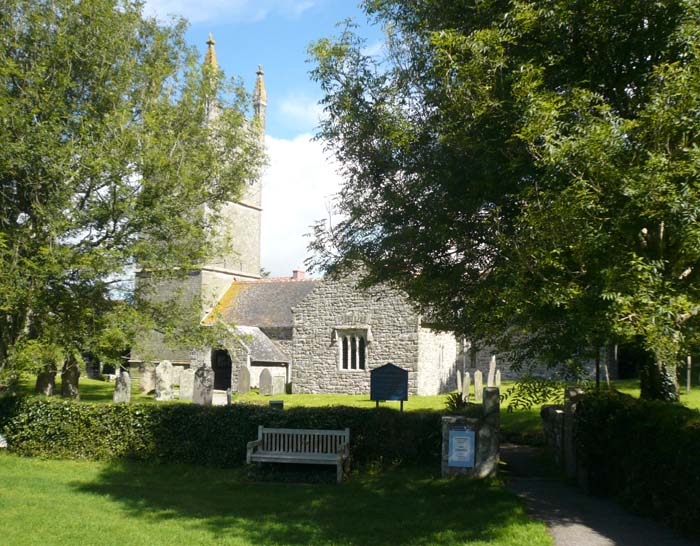
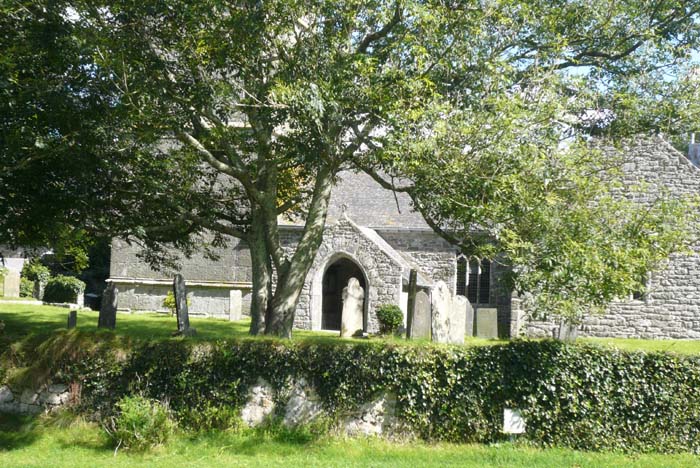
In August 2008, as we always have done, we spent our family holiday in Cornwall. On August 14th, in the late morning, we went to visit the parish church in Germoe, a tiny, tiny village, between Penzance and Helston in the very west of the county. Look for the orange arrow:

This slideshow requires JavaScript.


The church, like every ancient church in this part of the world, is built on or near the site of a pagan sacred well, in this case St Germoe’s Holy Well, which was renamed in honour of the patron saint of this little church, St Germoe:

P1140851xxxxxxxx
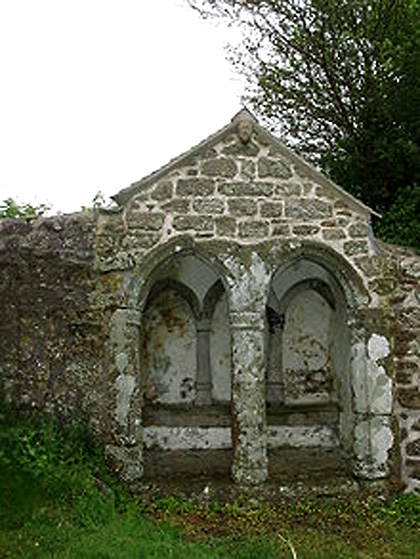
Germoe was a young Irishman from around 450 A.D.. This was just after the fall of the Roman Empire, in the so-called “Dark Ages”. Germoe was one of the disciples of St Patrick who came, or perhaps more probably, were sent, to convert the bloodthirsty savages of West Cornwall, such as their fierce War Chief, Teudar, to Christianity. Almost seven hundred years after this, in the eleventh century, the Normans built a church on the site. This original church was then in its turn replaced by a second church in the fourteenth century. The churchyard contains a strange little arched building known as St Germoe’s Chair. Supposedly, it was a shrine covering the bones of St Germoe, which sounds lovely, except that we know that there is no trace whatsoever of anybody’s bones under the structure:

220px-St_Germoe's_Chair_-

On either side of the church door are the quaintly carved “Germoe Monkeys” which supposedly represent long tailed monkeys of some kind and are said to ward off evil. As far as I can trace, nobody has ever thought it at all unusual that the peasant builders of a remote fourteenth century church should have a knowledge of monkeys:

This slideshow requires JavaScript.

Perhaps they are not monkeys! It’s very hard to tell after so many centuries of erosion. Most of it since 1900.

At this time, of course, Cornwall was a place where English was not spoken. Few, if any roads connected this Celtic speaking area with England, and the inhabitants of the county regarded themselves as a separate country. So how did they know about monkeys?
P1140842xxxxxx

Personally, I have always enjoyed the brightly coloured glass windows, straight from a Hammer Horror film. You almost expect Peter Cushing or Christopher Lee to peer through them:

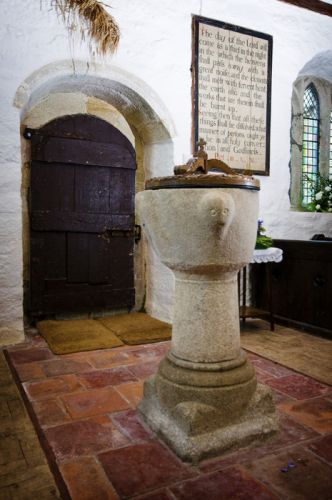
Most spectacular of all in the church, however, is the font. Nothing is known about its origin except that it is very, very ancient:

font

The stone structure is certainly pre-Norman Conquest (1066) and equally, cannot really be connected to the Celtic era of St Germoe. At this time, deep in the Dark Ages, baptisms are known to have taken place in the Holy Well, as a demonstration to the local pagans of the superior powers of the Christian faith. Any fonts were placed in as low a position as possible, because a baptism in this era always included the washing of the feet.
In my humble opinion, as they say, the font is not at all a Christian font but an object of veneration from a much. much older religion, forgotten for countless centuries, and perhaps older than even the Romans.  The faces carved on the side. I believe, are those of their gods, these unknown people  from so long ago.
One face has a chip on it, which looks like a tear and must surely represent the sadness of a long forgotten entity who knows that he is divine, but who now has no worshippers to emphasise that fact:

This slideshow requires JavaScript.

The other face is much more intriguing and always seems so very, very poignant.

This slideshow requires JavaScript.

To me it always looks like a sad alien, marooned here for ever, unable to return to his own planet.

Perhaps I should contact Giorgio Tsoukalos on Discovery History Channel’s “Ancient Aliens”?

ancient aliens

9 Comments

Filed under Cornwall, History

Seven graves to Penzance

If you cast your minds back what seems now a very long time, my continuing researches about the German bomber shot down in St.Just in western Cornwall on September 27th 1942 , had led me to the cemetery in Penzance. I have already spoken about some of the graves to be found there, and this article continues that theme.

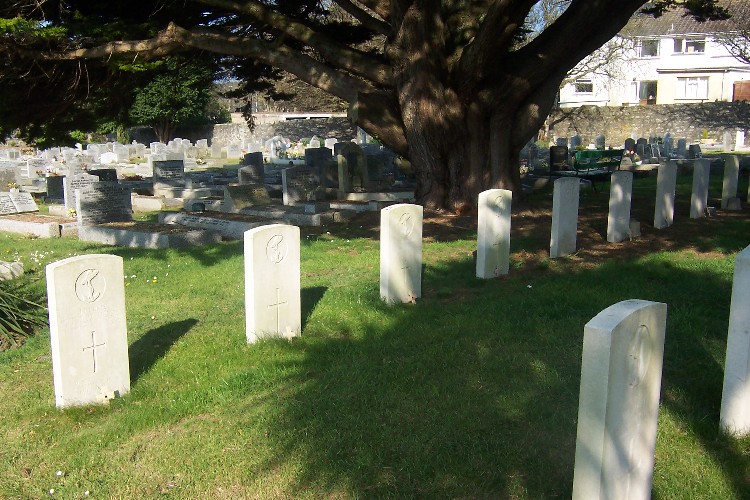
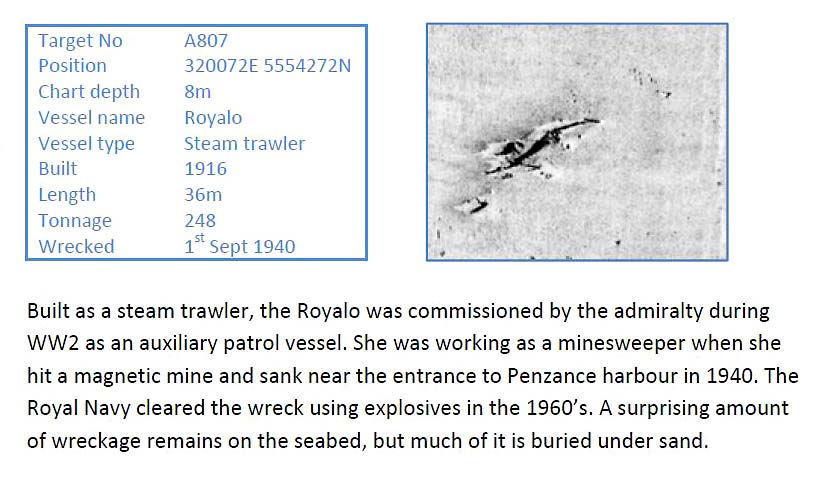
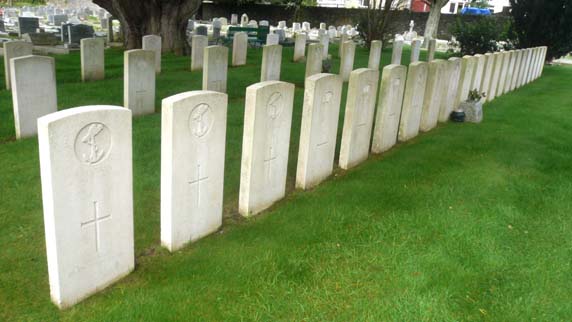
This beautiful, tranquil place contains seventy one Second World War burials, including the six graves of the crew of H.M.Trawler “Royalo”:

Royalo_Crew_04_Penzance

They were killed when their vessel was sunk by a magnetic mine on September 1st 1940 just outside Penzance Harbour, around one mile from the seafront. The orange arrow gives the approximate position:

This slideshow requires JavaScript.

The “Royalo” was built by Cook, Welton & Gemmell of Beverley, Yorkshire, and was launched on December 6th 1915, being fully completed by August of 1916. I have been unable to trace any photographs of the vessel. A ship of only 248 tons, when the Great War broke out, it was immediately requisitioned and converted into a minesweeper. After the end of the Great War, in 1919, it was returned to its owners. In 1933 the ship passed into the ownership of Sleight & Humphrey of Grimsby, only for it to be requisitioned for a second time in November 1939, just after the beginning of the Second World War. This time it was converted into an APV, an “Auxiliary Patrol Vessel”. In 1940, the vessel was converted for the second time into a minesweeper and given the serial number of FY825. It was armed with just one six pounder anti-aircraft gun.
A short but very vivid account of the ship’s sinking is given on the “Hearts of Oak” website:

“The “Royalo”, under Commanding Officer, Skipper William Durrant Warford RNR, was sweeping Mount’s Bay clear of mines which had been previously laid there by a German aircraft. Around midday, there came the sound of a huge explosion, which was easily heard in Penzance. My brother-in-law remembers, as a child, hearing the sound of an enormous explosion. He ran out of the house, and down the road, to see nothing but a pall of smoke; there was no sign of the vessel. She had been blown up by a magnetic mine, and a column of water had lifted her out of the water.
And she was gone.
The Penzance lifeboat was launched, and small boats came to the rescue of the survivors.
The “Royalo” had sunk in position 50.06N : 05.30W, about one mile off Penzance.”

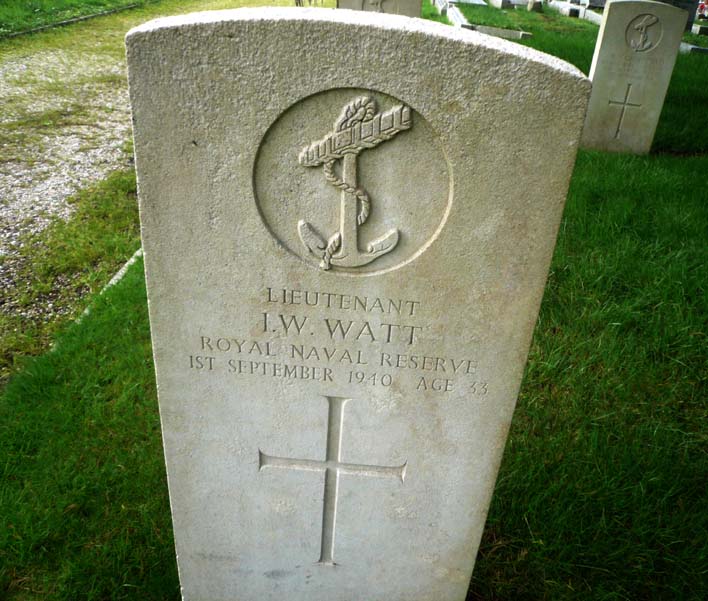
On at least one other website, Lieutenant Irvine Willox Watt is given as the Commanding Officer.

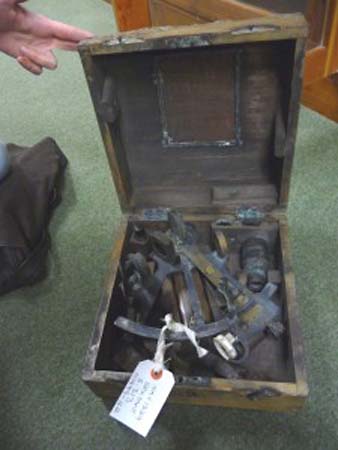
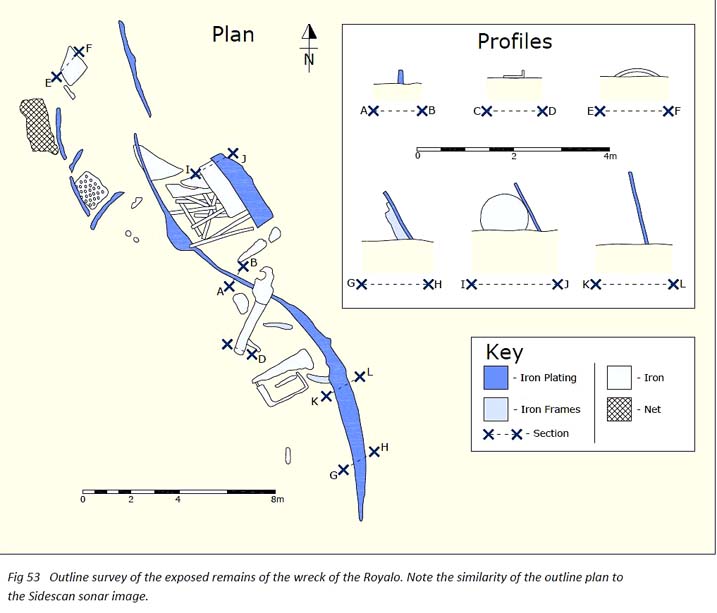
Given the dramatic way in which the “Royalo” had met its end, its position remained well known over the years to the people of Penzance. In 1962 a group of divers explored the wreck, which lay some ten metres below the surface. They were able to recover a wooden box. It turned out to contain a sextant, which is a navigational aid. This particular one was manufactured in 1939 by the celebrated Hughes & Son Ltd. of London. The Royal Museum at Greenwich acquired the sextant at some point during the 1970s:

sexrant

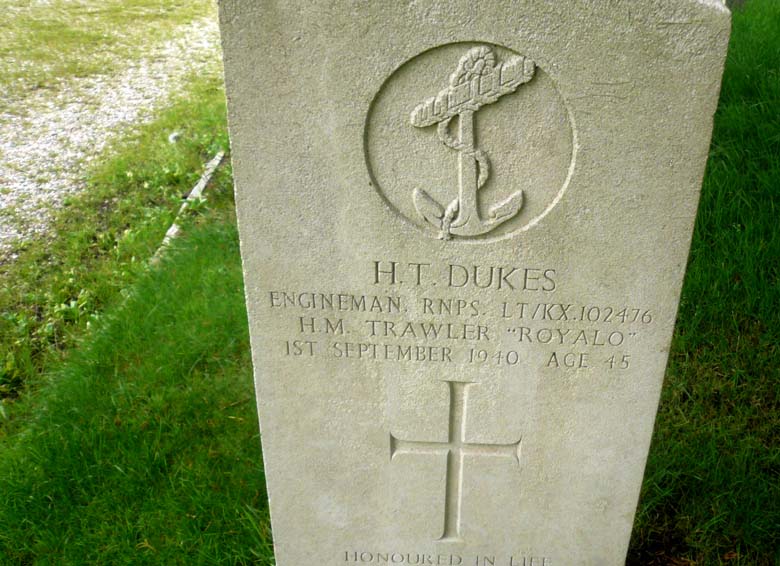
Of the casualties buried in Penzance Cemetery, Henry Thomas Dukes was an Engineman in the Royal Naval Patrol Service who was forty five years of age at the time of his death:

P1500286XXXXXX

He was the husband of Ellaline Isabell Dukes of Grimsby, Lincolnshire. The rather bittersweet verse inscribed on the lower section of his gravestone reads…

Honoured in life
Treasured in Death
A Beautiful Memory
Is all we have left.

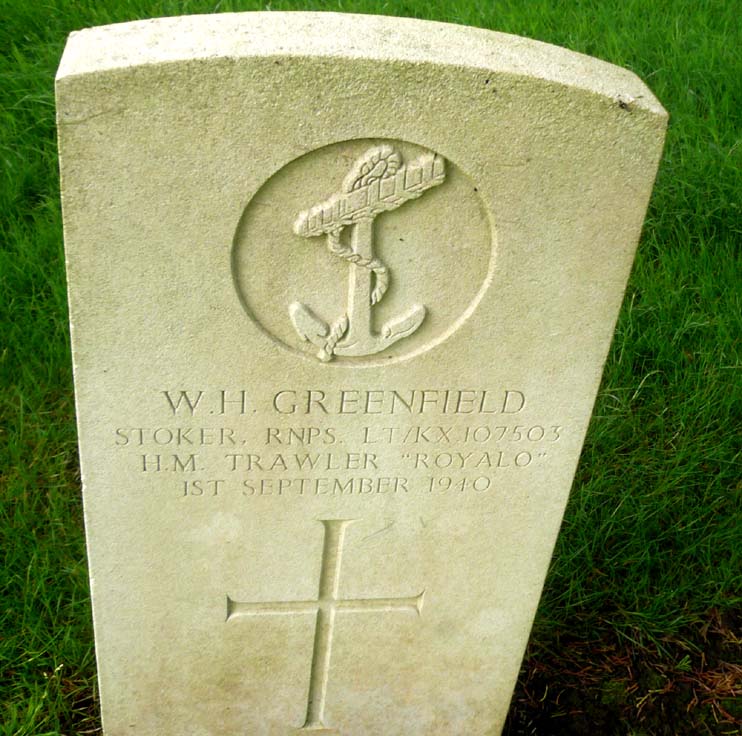
William Henry Greenfield was a Stoker in the Royal Naval Patrol Service. His age at the time of his death has not been recorded, and I have been unable to trace any further details about him:

P1500288XXXX

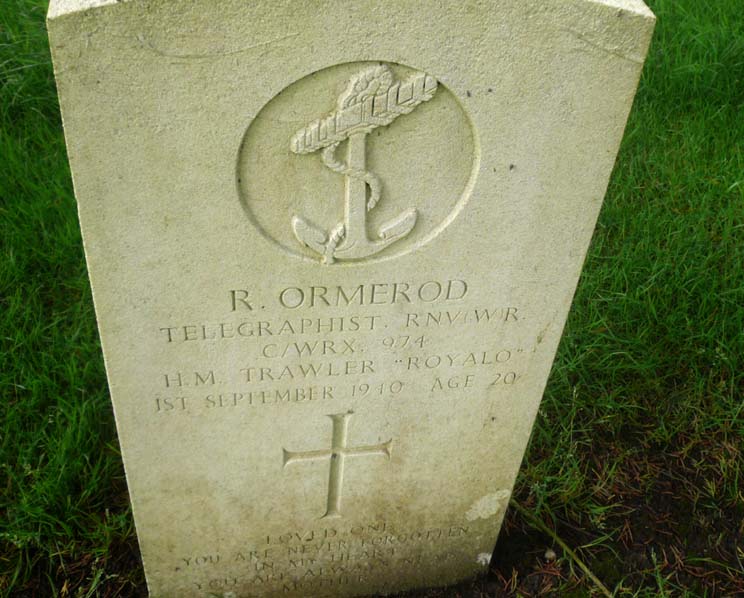
Raymond Ormerod was a Telegraphist in the Royal Naval Volunteer (Wireless) Reserve and was twenty years old at the time of his death:

P1500244 XXXX

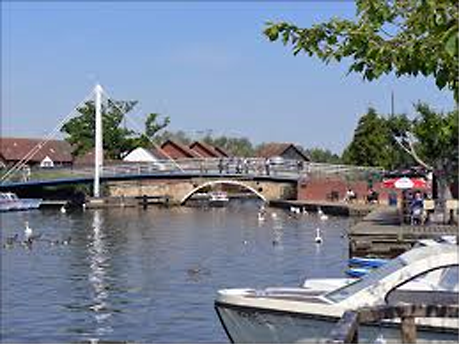
He was the son of Reginald and Octavia Ormerod, of Wroxham, Norfolk:

weoxham

His mother had the following verse inscribed on the lower section of his gravestone:

Loved one
You are never forgotten
In my heart
You are always near
Mother

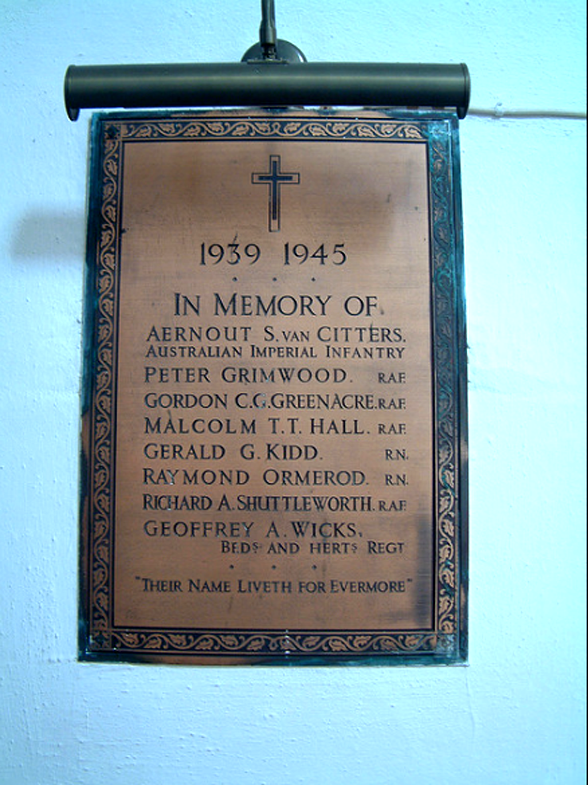
Raymond is listed on the memorial plaque in the Church of St Mary the Virgin in Wroxham:

wroxham church

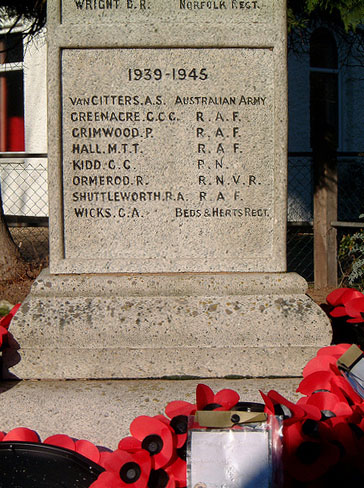
He also appears on the town’s War Memorial:

wroxham xxxxxxxxxxx

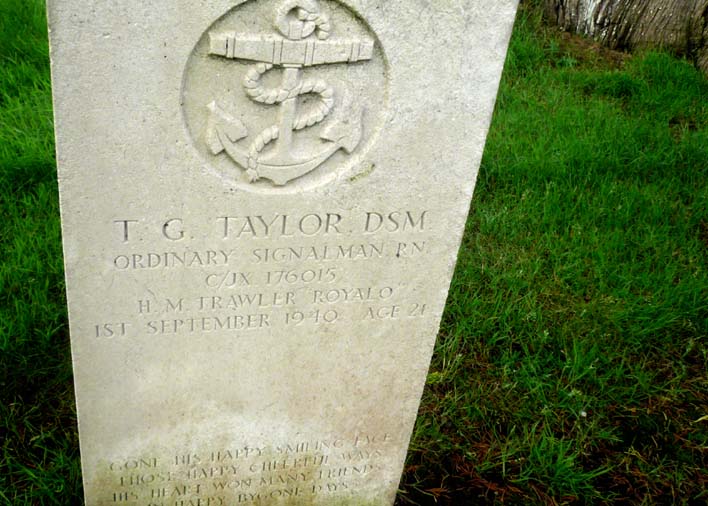
Thomas Gardner Taylor was an Ordinary Signalman in the Royal Navy who was twenty one years of age at the time of his death:

P1500296XXXXXX

He had already been awarded the Distinguished Service Medal. He was the son of Thomas Gardner Taylor and Hannah Ann Taylor, of High Heaton, Newcastle-on-Tyne. The verse inscribed on the lower section of his gravestone reads:

Gone his happy smiling face
Those happy cheerful ways
His heart won many friends
In happy bygone days

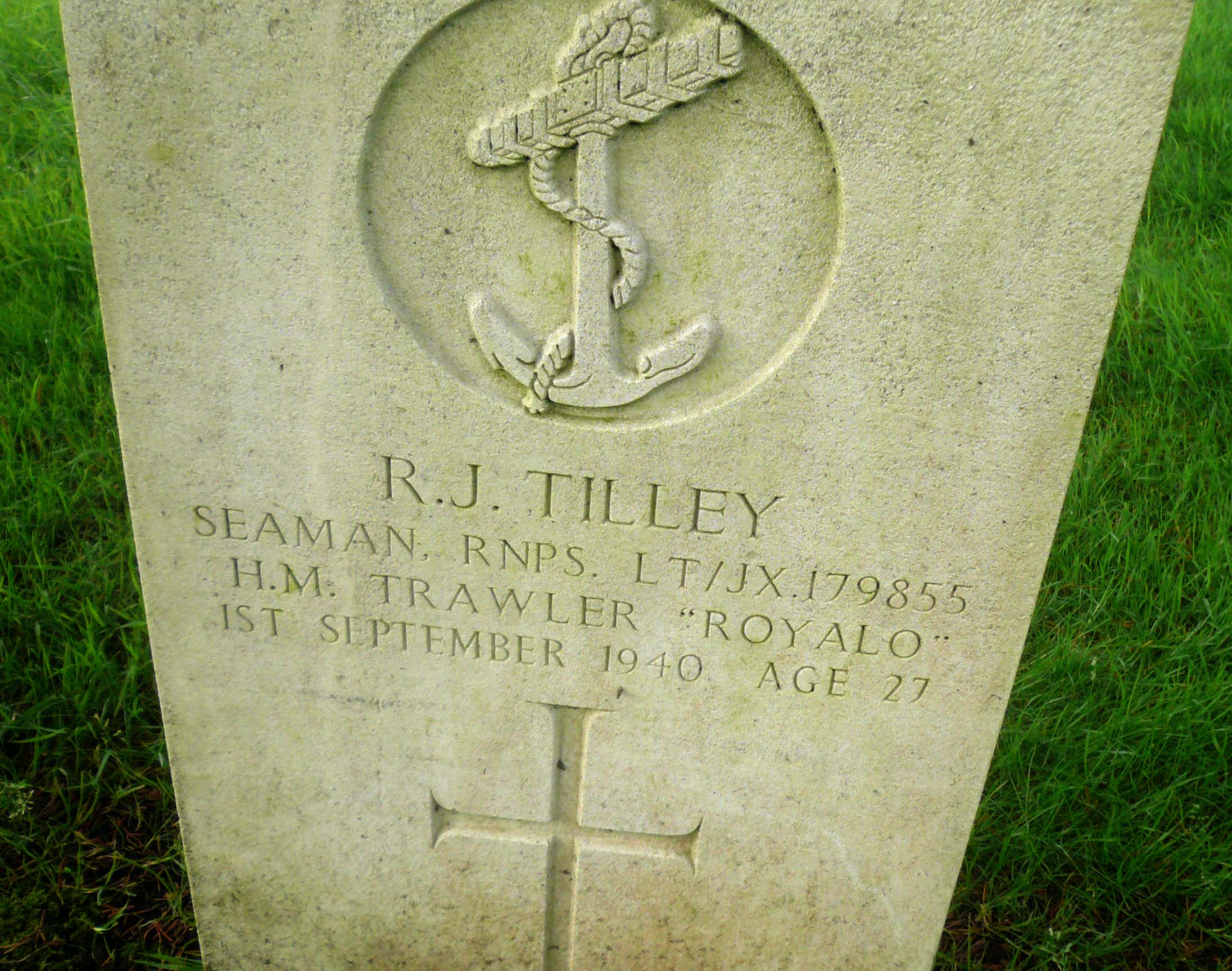
Robert John Tilley was a Seaman in the Royal Naval Patrol Service who was twenty seven years of age at the time of his death:

P1500297XXXXXX

The verse inscribed on the lower section of his gravestone reads…

No one knows
How much we miss him
None but aching hearts
Can tell
Mum and Mary

Robert John Tilley’s sacrifice is commemorated on the Memorial of the Whitstable Royal British Legion Club in Kent.

legion

Irvine Willox Watt was a Lieutenant in the Royal Naval Patrol Service who was thirty three years of age at the time of his death.  He was the son of G. Fieldes Watt and Jean Fieldes Watt, of Kensington, London.

P1500319XXXXX

Of the tiny crew of the Royalo, at least one is not buried here in Penzance, Sam Lockwood-Dukes was the son of Samuel and Emily Lockwood-Dukes, of Worsborough Bridge in distant South Yorkshire.  He was twenty two years of age when he was killed. He was not buried with the rest of his naval family in Penzance, as his parents no doubt wanted to be able to place flowers on his grave regularly, so he was interred in Saint Thomas Church Cemetery in Worsborough Dale.
Because of the nature of the incident, however, not all of the casualties were found.
One of these was Engineman Robert William Edward Grant Burgoyne who was an amazing sixty four years of age at the time of his death. He was the son of Robert and Sarah Burgoyne and the husband of Rosina Burgoyne. They all lived in Willington Quay, Northumberland. His sacrifice is commemorated on the Royal Naval Patrol Service Memorial at Lowestoft:

lowestoft_mem2xxxxxxxxxxxxxx
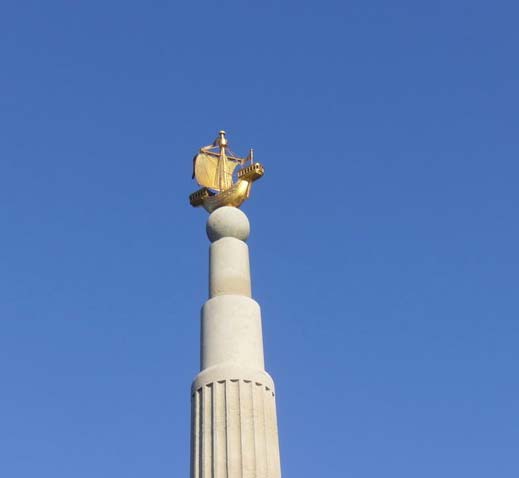
Second Hand Leonard Rye was in the Royal Naval Patrol Service. He was twenty six years of age at the time of his death and a holder of the Distinguished Service Medal. He was the son of Charles John and Clara Louise Rye and the husband of Florence Lilian Rye. They all lived in Hull in East Yorkshire. His sacrifice is commemorated on the Royal Naval Patrol Service Memorial at Lowestoft:

galleon

Engineman Jim Walker Pitts was twenty eight years of age at the time of his death. He was the son of Mr and Mrs James Pitts and the husband of Joan Agnes Norah Pitts. They all lived in Great Yarmouth, Norfolk. His sacrifice is commemorated on the Royal Naval Patrol Service Memorial at Lowestoft:

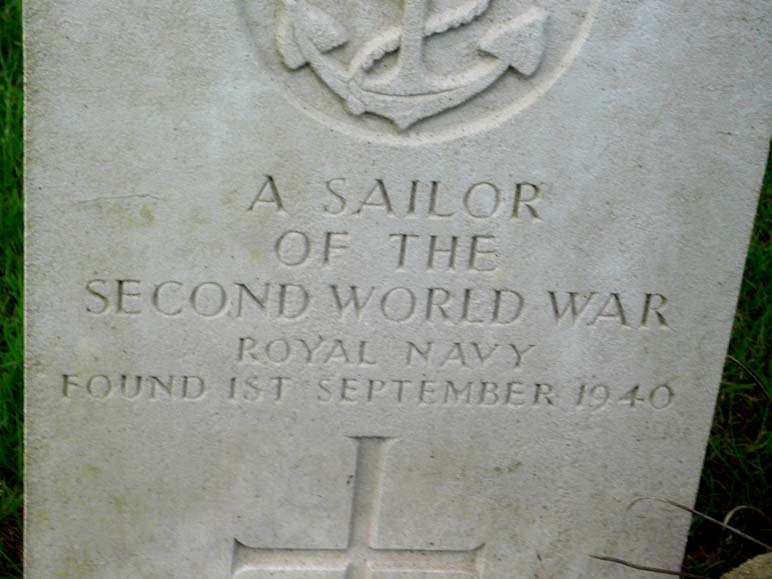
Surely one of these gallant seamen must be in this grave, whose date is the same, as the “Royalo”…

P1500241XXXX

I said that I had been unable to trace a photograph of the unfortunate “Royalo”. That is true, but I did find this…

Capture

And this…

Capture 2

 “Full fathom five thy father lies;
Of his bones are coral made;
Those are pearls that were his eyes:
Nothing of him that doth fade,
But doth suffer a sea-change
Into something rich and strange.
Sea-nymphs hourly ring his knell:
Ding-dong.
Hark! now I hear them—Ding-dong, bell.”


13 Comments

Filed under Aviation, Cornwall, History

Two strange graves

Wandering around Penzance Cemetery looking for the graves of three Luftwaffe bomber crew members, I soon found the War Graves Section of the cemetery.

P1500367 XXXXXX

Of the 110 identified casualties, two stood out from the rest for very different reasons. The first is a war grave of an extremely strange and unusual political background, coupled with a puzzling discrepancy over dates.
According to his grave, Sapper William Ormerod (1903548) of the 661st General Construction Company of the Royal Engineers died on June 17th 1941.

jun 17 1941

William was born in Manchester and had lived in London. As Sapper Ormerod, he was a British Volunteer in the Winter War of 1939-1940 and was killed in action fighting against the Soviet Red Army in Finland.

image001

Sapper Ormerod was initially buried in Karelia, but at some point his remains were returned to England. This lengthy delay is presumably the reason that the date of death on his grave in Penzance is listed as June 17th 1941, when there is much evidence to support the idea that he was actually killed in the previous year. But neither is a death date of June 17th 1940 particularly likely either, given that the Winter War ended with the Peace of Moscow,  a treaty which was signed on March 12th 1940. Perhaps Sapper Ormerod was initially injured in combat, and then died of his wounds.

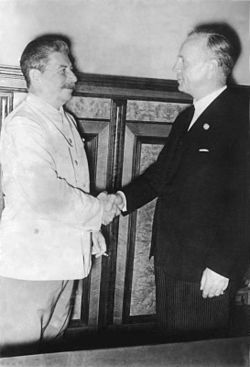
The Soviet Union, of course, were our allies for the vast majority of the Second World War. Before Hitler’s surprise attack on Russia, however, the Soviets, having signed a non-aggression pact with Nazi Germany in August 1939, the so-called Molotov–Ribbentrop Pact, were considered by the British to be an ally of Nazi Germany.

250px-Bundesarchiv_Bild_183-H27337,_Moskau,_Stalin_und_Ribbentrop_im_Kreml

For this reason, when the Soviets attacked Finland on November 30th 1939, the gallant Finns were considered to be our allies. Presumably, this was the reason that men such as Sapper William Ormerod went out there to fight and in some cases, to make the supreme sacrifice. The great ironies of war were re-established, of course on June 22nd 1941, Operation Barbarossa, when Hitler attacked his erstwhile ally. The Soviet Union then immediately ceased to be a bunch of Commies and became our true and most wonderful of friends. The gallant little Finns became our treacherous, despicable enemies. Too late alas, for William Ormerod.

A second war grave in Penzance Cemetery is unusual for a very different reason. It is the grave of John Ostrich.

P1500271 xxxxxxxx

John was a member of the Merchant Navy and served as a Mess Room Boy. He was aged only fourteen years and 344 days old at the time of his death. John was the son of Louis and Nancy Ostrich of Canton in Cardiff, and was a member of the crew of the S.S. Margo, a cargo ship registered in Cardiff, with a weight of 1,412 tons.

This slideshow requires JavaScript.


John was killed on March 8th 1941. This account comes from a Merchant Navy Message Board and was written by a guest who signed in with the name of “SIF9HD8”. I hope he will not mind my quoting his words…

“On the afternoon of the March 8, 1941, sailing in the English Channel, the Margo came under attack from three German aircraft who proceeded to rake the ship with machine gun, cannon fire and bombs. Although no bombs or explosives hit the Margo, the ship was violently shaken by the concussion of the near misses and her hull and superstructure were pierced by cannon and machine gun fire. Crew members returned fire with small calibre weapons onboard the Margo, and in the process hit one of the aircraft, which was subsequently seen to break off the attack and black smoke was observed coming from the starboard engine. The remaining aircraft continued their attacks for several more minutes, which was eventually broken off and the aircraft disappeared over the horizon. While assessing the ship’s damage, it was found four crew had suffered various injuries and the young Mess Room Boy lay dead. A course was then set for Penzance to land the wounded and the dead”.

At the tender age of fourteen, John Ostrich was one of the youngest casualties of the Second World War. I found another part of the story on the Internet….

“Archie Richards, a former serviceman with the Royal Navy, who notified the local; newspaper, “The Cornishman” of the grave, said: “I don’t want this to be a competition for who has the youngest war dead. I just want to let people know that a 14-year-old died for his country and lies here.” His final resting place is sited across a path from other war graves, meaning John Ostrich is separated from fallen comrades . Mr Richards added: “I also hope that maybe a family member might come across this and want to visit the grave”.

For years,  the Royal Navy Association had held a service at the war memorial in Penzance cemetery and members had wondered about this boy. Recent government acknowledgement now allows Merchant Navy veterans to stand alongside armed forces personnel and their efforts and achievements in time of war have been recognised as an important part in winning the war.”

A book “They Shall Grow Not Old” by Billy McGee is dedicated to more than 500 boys aged under 16 who died in service with the Merchant Navy during the Second World War. It is only available from the author who can be contacted on “billy1963@ntlworld.com”

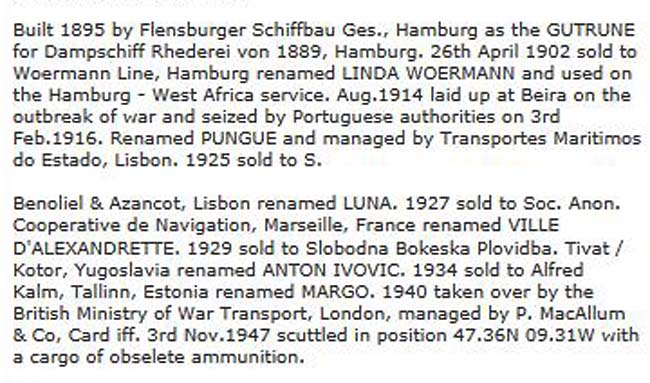
The Margo herself had a very long and complex history. Just one screen capture hardly does it justice.

Capture

9 Comments

Filed under Cornwall, History

A Life on the Ocean Wave

After doing my researches on the German Dornier Do. 217E bomber which was shot down in St.Just in western Cornwall, I tried very hard to find the graves of the crew. It seemed likely to me that, whatever side they might have been on in the conflict, they had probably been interred a very, very long way from their homes and families. After failing to find their graves in the two cemeteries at St.Just, I visited the cemetery at Penzance.

The dead crew members of the Dornier bomber were not in that particular cemetery either, but I did find a great many other graves from the Second World War.

This slideshow requires JavaScript.

And at the time, I was forcibly struck by two things. First of all, the majority of the dead were from ships, completely unlike, for example, the cemetery where my father is buried in South Derbyshire. Here more or less all the war casualties are from the Army or possibly, the RAF. Secondly, I became very aware of the discrepancy between what we do and say on Armistice Day, and what dreadful fates have befallen the people who are buried in these graves. We all wear our poppies, and dutifully pledge that “At the going down of the sun and in the morning, we will remember them.” yet I am very sure that we don’t, despite all our best intentions.
The poor people in those graves in Penzance Cemetery no longer have any life whatsoever, thanks to their decision to join up and serve their country. They hit a brick wall in time, sometimes known precisely down to the very minute, and then no more. And they weren’t anonymous. They all had their own lives just like we do now, with families, girlfriends, wives, beer to drink and Christmases to celebrate.

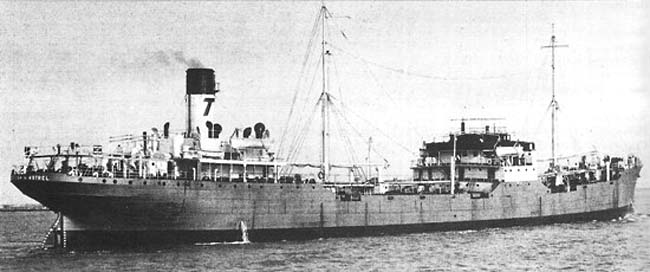
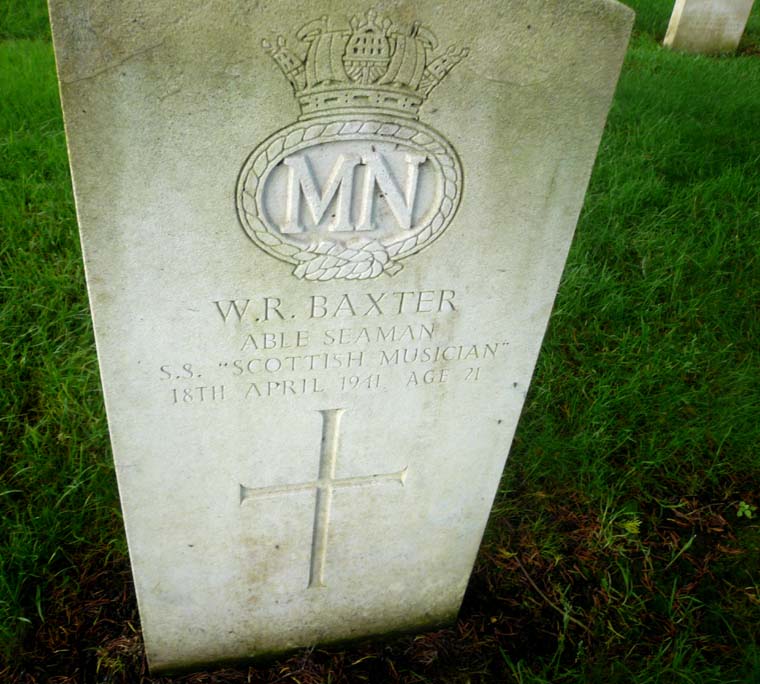
William R.Baxter was an Able Seaman on the Merchant Navy ship, the S.S.Scottish Musician which was a motor tanker of just under seven thousand tons, registered in London. The ship was to survive the war, but William R.Baxter was not.

scottish_minstrel

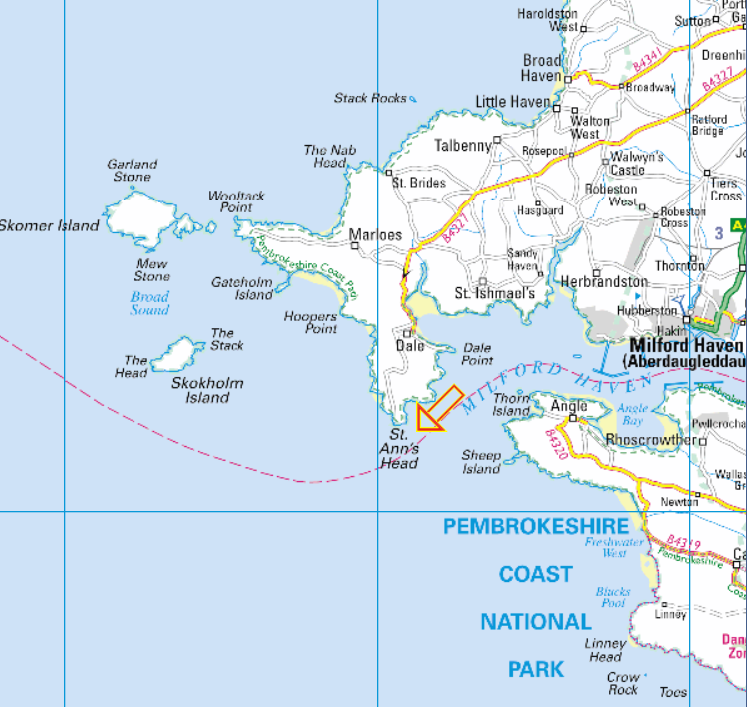
On Friday April 18th 1941, the Scottish Musician was damaged by aircraft bombing at a position some three miles from St. Ann’s Head on a bearing of 205°. St. Ann’s Head is the extreme south western tip of Pembrokeshire in south west Wales.

annd head

William Baxter was the only casualty. He was just twenty one years of age. William was the son of Richard George Baxter and Ruth Baxter of Penzance and the husband of Beatrice Joy Baxter.
P1500250xxxxxThe Scottish Musician was consequently further damaged on January 5th 1942 when she hit a mine at position 52° 16’ N, 01° 59’ E, which is near the port of Harwich in Suffolk in East Anglia. This resulted in the death of the twenty year old cabin boy, Albert Henry Jones. Albert is buried in Canada in the “Notre Dame des Neiges” Cemetery in Montréal.
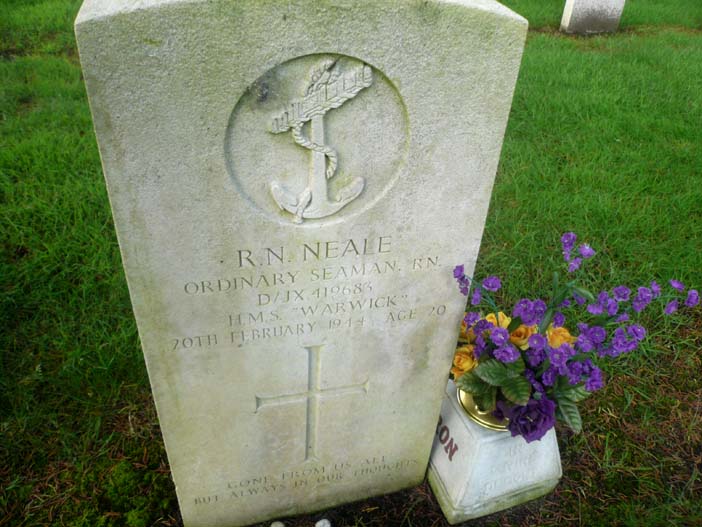
P1500256XXXXXXXRonald Norman Neale was an Ordinary Seaman. He served on board HMS Warwick which was an Admiralty ‘W’ class destroyer. Young Ronald was only twenty years of age when he was killed, on February 20th 1944. He was the unmarried son of James and Linaol Neale of Grove Park, London. On his grave, his grieving parents have had inscribed “Gone from us all, but always in our thoughts”, as Ronald no doubt was for the rest of their lives. On the day that I visited, there were flowers on his grave, conceivably from one of his aging siblings perhaps, or possibly his nephews or nieces.

dwm-1-u-boat-death-trap-HMS-Warwick (2)

HMS Warwick was itself only twenty seven years old, having been launched in 1917. As “D-25” she participated in both the First and Second World Wars, before she was torpedoed and sunk on the day that Ordinary Seaman Ronald Norman Neale was killed. From July to November 1943, she had been in the Bay of Biscay on anti-submarine duties, as part of the RAF Coastal Command offensive. In November she participated in Operation Alacrity,  helping to set up and supply Allied air bases in the Azores.
Having returned to Britain in January 1944,, HMS Warwick was tasked with leading an escort group operating in the South Western Approaches, guarding merchant ships against surprise attacks by German E-boats. The destroyer was patrolling off Trevose Head just north of Newquay on Cornwall’s northern coast when she was torpedoed by the U-413. At the time, HMS Warwick  was under the command of Commander Denys Rayner. The warship sank very quickly, in just a few minutes, with the loss of over half her crew.
The U-413 had been launched on January 15th 1942, and was commanded by Kapitänleutnant Gustav Poel, who, unlike the vast majority of German submariners, was to survive the war.

This slideshow requires JavaScript.

As well as the Warwick, the U-413 was an extremely successful submarine which sank five merchant ships amounting to a total tonnage of 36,885 tons. By August 20th 1944, the U-413  was  commanded by the 26 year old Oberleutnant Dietrich Sachse.

sasche_dietrich

On this summer’s day, though, the U-413 was sunk in the English Channel to the south of Brighton, by depth charges from the British escort destroyer HMS Wensleydale and the destroyers HMS Forester and HMS Vidette. Forty five members of the Kriegsmarine were killed, including the fresh faced young Captain.  Only one member of the crew survived. His name is not recorded but it is thought unlikely to have been Ishmael. Oy vey!

6 Comments

Filed under Aviation, Cornwall, History

The Luftwaffe comes to Cornwall (and stays there)

For many, many, years, we have spent our summer holidays in Cornwall, in the very westernmost part, which is called Penwith, and where the major town is Penzance, the birthplace of the pioneer chemist, Humphry Davy. Ten miles or so to the north west of Penzance is the even smaller town of St Just. Just look for the orange arrow:

This slideshow requires JavaScript.

In the nineteenth century, there were any number of tin mines around the town, which is made up for the most part of stone buildings with slate roofs.

This slideshow requires JavaScript.

It has a beautiful ancient parish church with its centuries old frescoes of Christ and St.George.

This slideshow requires JavaScript.

There is also the old battleflag of an old Great War battleship.

aaaaa50478

Nearby is the medieval “Plen an Gwarry”, which is a small area of open grass, used for watching plays or sporting contests or perhaps just for relaxation.

ab5

As you relax, you might want to eat a pasty or a pie from Mcfaddens, who are often quoted as making the best Cornish pasties in the world. The day I took these photographs, they had sold out. Fortunately, they do mail-order, although the pasties will not always be piping hot.

This slideshow requires JavaScript.

St Just also hosts its popular Lafrowda Festival, a community and arts celebration that lasts for seven days.

There is the old bank, with its many changes of owner and cryptic lettering.

P1330533xxxxxxxxxxxxx

More subtly famous is the Wesleyan Methodist Chapel which was built in the first half of the nineteenth century. It is an enormous stone building, and I remember reading somewhere that, as vast numbers of impoverished Cornishmen were forced to emigrate overseas, given its position so close to the cliffs of Land’s End, this building was usually the very last thing that thousands of emigrants saw as they set off towards the mines of the USA, Canada, Australia or South America.

This slideshow requires JavaScript.

Some of the very best and most spectacular cliff scenery is at either Carn Gloose or the nearby Cape Cornwall. This is the Brisons, a pair of storm battered sea stacks.

TT8 xxxxxxxxxxx

It was here that a very, very lost Steller’s Sea-lion lived in the late 1980s and 1990s. It should have been living in Eastern Siberia or Western Alaska.


Every time that I have ever driven down Cape Cornwall Road to look at the cliffs or to watch the fierce ocean storms, I have always looked up at the old Methodist School on the left, to check that the conspicuous gap on the ridge of the roof is still there.

This slideshow requires JavaScript.

From a tourist leaflet that I read many years ago, I know very well that, during an air raid in the Second World War, this gap was caused by a German bomber in its last few seconds before it crashed into Chapel Road.

Do_217E-2_

This year I decided to research the story more extensively, so I called in at the library in St Just, where the helpful staff tried very hard to check any references to this event in the books of their Local Collection. They were unfortunately unable to find anything but, not for the first time I suspect, they contacted long time St Just resident, John Harry, who came round to the library straightway to recount the full story. Mr Harry told me that the events had taken place in the autumn or winter of 1942.

As a little boy, he was always very excited indeed when the St Just air raid warning was sounded, and he always had to be dragged very reluctantly up to bed. In their home in Chapel Street, the family had a simple home-made air raid shelter downstairs in the kitchen. It consisted for the most part of a rather robust kitchen table which, in theory, should be able to withstand the majority of shocks which an air raid might cause. On most occasions, though, John’s aging grandmother would refuse to get inside it, but instead, ostrich like, would merely stick her head underneath.

This particular night, they could hear distant gunfire, which gradually grew louder and louder. Some kind of aerial dogfight was clearly taking place, as they could all hear the noise of aircraft engines, machine guns and a series of explosions. Granny kept shouting “We’ll all be killed! We’ll all be killed!”, but her daughter replied, “Be quiet! Don’t keep saying that! You’ll frighten the child!”.

“The child” himself thought that it was all extremely exciting, and was clapping his hands in sheer glee. Suddenly, there was a huge crash. John shouted, “We’re winning! we’re winning!”. Auntie went upstairs to see what was happening. She looked out of the bedroom window. Below her, she could see flames down in the street. “All of Chapel Street is on fire!”, she shouted, “All St Just is ablaze !”

The stricken bomber had destroyed two houses, but fortunately, nobody was injured. The first house was owned by an old lady, but she had gone away to her daughter’s for a two week holiday.

The other house was a second home for the newly married Mr and Mrs Vague. (sic) They did not normally bother to use their air raid shelter, but on this particular evening, their cat had kept making a huge fuss, walking repeatedly backwards and forwards from the bedroom to the shelter. In an effort to keep the cat quiet therefore, the two of them finally moved down to the air raid shelter. From this place of safety, they were able to feel their house shaking as if it were an earthquake.

When it was safe to do so, both Mr and Mrs ran to the emergency shelter in the St Just Town Hall. All they possessed at this moment were their night clothes. In later years, though, of course, Mr and Mrs Vague would dine out regularly on the fact that they had had their lives saved by the cat.

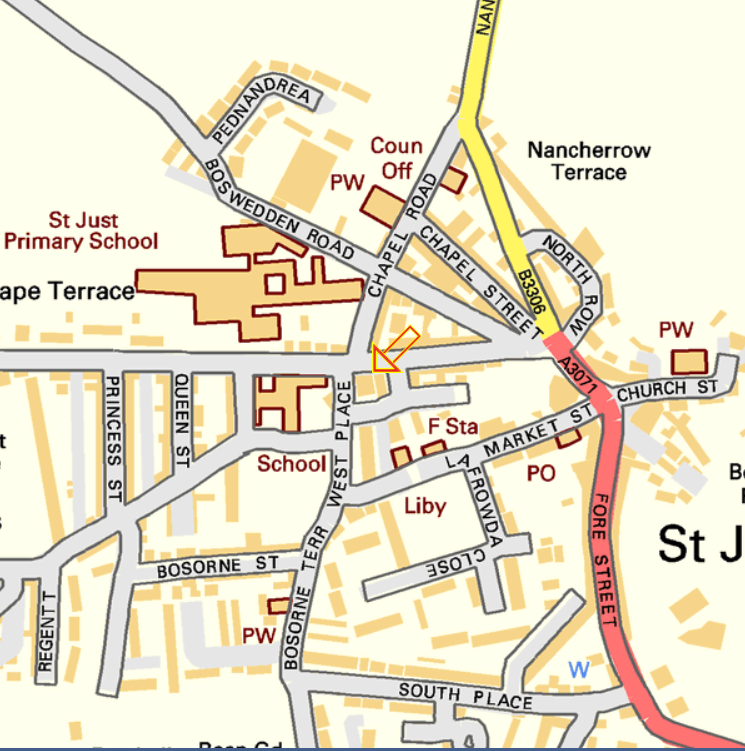
The next morning, more than half the town was cordoned off by the Home Guard. Hundreds of windows had been blown out by the explosions. On the Methodist School (look for the orange arrow), huge numbers of tiles had been knocked off.

street map

Fragments of the crashed plane were everywhere. In the nearby village of Kelynack, some mile and a half away, (see the previous map after Paragraph One), one member of the German crew had landed by parachute. He had a broken leg, and, a forlorn figure, he was duly arrested by Mr.Matthews, the owner of a small local farm. The rest of the crew, three men, sadly, were all killed.

In a house in Cape Cornwall Street, a woman stepped forward in the darkness to open the bedroom curtains. She tripped over a German’s dead body, which had been blown in through the window. A few days later, in another house in the town, a frightened woman was to find a German’s leg on the top of her wardrobe.

And for a very long time afterwards, John Harry was too frightened to leave his mothers’ side.

Even now, though, at nearly eighty years of age, John was still unaware of where the three dead Germans were buried. And seventy years ago, his mother had been equally unable to ascertain their final resting place. Equally unsuccessful was her friend, who was actually a member of the local Home Guard. Indeed, at the time, everybody in St Just was curious about where the dead Germans were. They kept asking the Home Guard, who always replied with the same “Dunno”. It was thought, however, that some of them did know, but they were just not saying.

My own researches have been equally unsuccessful. I was unable to find the Germans’ last resting place either in the cemetery at St Just, or in the war graves section of Penzance Cemetery. Subsequent inquiries, however, reveal that most German war dead at this time were taken to the German Cemetery on Cannock Chase, and that after the end of hostilities, many of them were then re-interred in Germany. Let’s hope so. It is certainly a very long way from the frequently wet, windy and misty West Penwith to whatever churchyard in Germany where they rightfully belong.

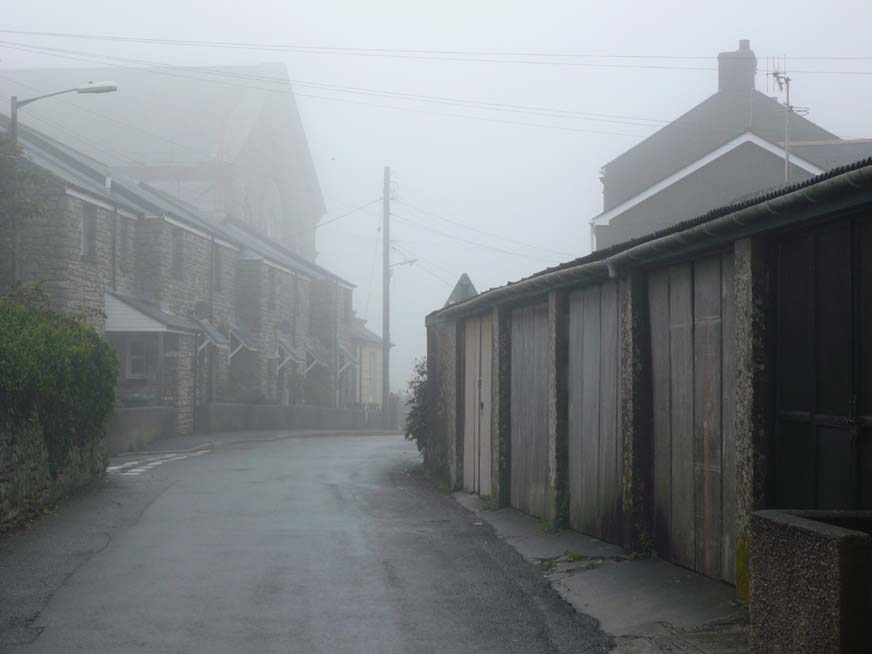
The two destroyed houses were never rebuilt. Instead they were replaced by a row of garages. When the foundations for these buildings were being dug, the workmen found Mr.Vague’s gold watch.

P1330546  yyyyy

Amazingly, this was not the only air raid on tiny St Just. On another occasion, the Luftwaffe bombed Holman’s Foundry, which produced munitions for the Allied Forces, down in the Tregeseal Valley. Ironically, Mrs Holman had herself been born in Germany. She had originally come over to England around 1900 as a governess, and then married into a local family.

This particular bombing attack was actually mentioned in one of his broadcasts by Lord Haw Haw. He said, in very sinister and threatening fashion, “Don’t think we have forgotten you, St Just. You have not been forgotten.”

williamjoyce_2041800i

The foundry’s owner, Ken Olds, lived in a house right next to the foundry. At the height of the bombing raid, when the grandparents went to look for the baby, they found that he was no longer in the bedroom. In actual fact, he had been blown out of the window, and they found him in the front garden. He was still in his cot, fast asleep and completely unharmed. Nearby houses had lots of cracks caused by the explosion of the bombs. In later years, this seems to have led to large scale subsidence, and all of the houses eventually had to be demolished. So too the foundry itself had to come down, and it was replaced by a housing estate.

I was genuinely surprised that after seventy years that it was still possible to talk to an eyewitness of all these amazing events. I will never forget my afternoon spent in the company of John Harry. He is a most charming man, and an amazing source of knowledge of the St Just area, the people who have lived there, and the people who live there still.

Subsequent, subsequent, subsequent researches on the Internet have now revealed the excellent website of Shauney Strick whose hobby is “The History of World War 2 in Penwith, Cornwall:Uncovering the evidence with a metal detector”.

metal detrector zzzzzzzz

With his metal detector, Mr.Strick recently uncovered several small parts of a Luftwaffe aircraft buried in West Place, St.Just. (see street map above). The various objects of wreckage were from a Dornier Do. 217E, aircraft U5+1H of 1Staffel KG 2, which had crashed on September 27th 1942 as it made its way towards Penzance, after being pursued and shot down by a Bristol Beaufighter Mark IF of 406 Squadron from RAF Predannick. The Beaufighter was  flown by Squadron Leader Denis Chetwynd Furse with Pilot Officer John Haddon Downes as his radio operator.  

Dornier-Do-217E2- zzzzzzz

One additional detail was that one of the diesel engines from the stricken bomber flew an enormous distance before smashing through three garden walls in West Place. 

As I mentioned above, my search for the final resting place of the Luftwaffe bomber’s crew led me to Penzance Cemetery, where, although I did not have any success with the Dornier, I did find that the World War II graves there had some very interesting, and very, very sad tales to tell. But that, as they say, is for another time.


23 Comments

Filed under Aviation, Cornwall, History, Humour

Frank Roy Daughton, friend of S.A.Casswell

A little while ago, I wrote about a Schoolboy’s Diary which I had bought on ebay. The 1935 diary had been owned by S.A.Casswell , who lived in Lincolnshire, at Sutterton near Boston. Only a few minutes searching on the Internet revealed some rather sad details about the one single person listed by S.A.Casswell in the address section of his Diary.
Frank Roy Daughton had lived firstly at 385, Kings Road Chelsea and then at 5, Gerald Road S.W 1. He was an officer originally in the RAFVR, the Royal Air Force Volunteer Reserve, and then in the RAF.
Given that Daughton’s job was to fly aircraft over long distances, both within Great Britain and abroad, he was surely continually in search of meteorological information before he set off on any of his trips. What more logical person to consult than his friend S.A.Casswell, who we know worked on the staff of the Meteorological Office as a Meteorological Officer?
Roy Daughton was born in London around 1915. His father was Frank Daughton and his mother was Bertha Daughton. The first personal detail that I have been able to trace is that before the war he was a member of the Metropolitan Police. His warrant number was 124334. He joined the force on July 15th 1935, and he left on February 25th 1944. His last posting was as a Police Constable in the C.I.D in X Division.

During the war, Roy Daughton was a Flying Officer, Number 133684. He began his career as a pilot with 9 OTU (Operational Training Unit) who were tasked with training long-range fighter aircrew. They operated from RAF Aldergrove in Northern Ireland, eighteen miles from Belfast. Roy Daughton must have served with 9 OTU at some point between 1942-August 11th 1944, as they were a comparatively short lived organisation.  He had received his commission on February 2nd 1943.

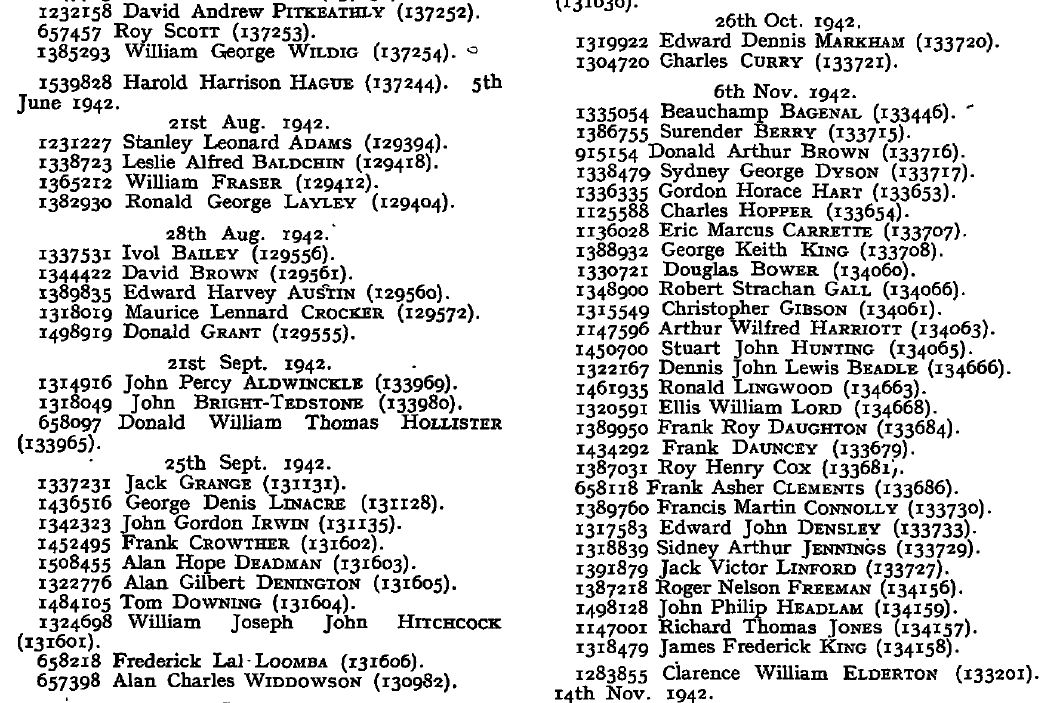
2' 2'43  supplement to LOndon Gazette
Roy Daughton then served with the OADU, the Overseas Aircraft Despatch Unit.  Their difficult and dangerous job was, quite simply, to co-ordinate the ferry flights of military aircraft, perhaps, for example, from the end of a factory production line in the United Kingdom to their new home on some distant foreign airbase. The commonest destination was North Africa or the Middle East. Sometimes, they ferried American aircraft which had just been flown across the Atlantic Ocean. This latter task in itself could be enormously dangerous, especially in the case of relatively small aircraft such as the Lockheed Hudson. The Overseas Aircraft Despatch Unit operated from RAF Portreath in west Cornwall.

The OADU’s very first customers were four Boeing B17C Flying Fortresses bound for Egypt. Other frequent flyers were Bristol Blenheims, Bristol Beaufighters, and Vickers Wellington bombers.

This slideshow requires JavaScript.

Roy was to die on February 25th, 1944 aged only 29. I have been completely unable to trace the circumstances of his death, although it was presumably either while or after delivering an aircraft from the United Kingdom to North Africa.

map of rabat

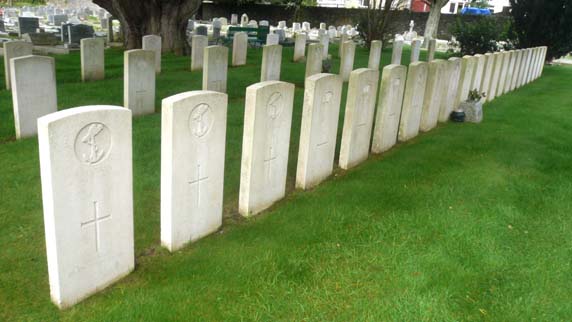
Roy is buried in Morocco, a very long way indeed from his cosy home in London. He lies in Rabat European Cemetery, Mil. Plot 21. Grave 673.

Daughton_F_R grave

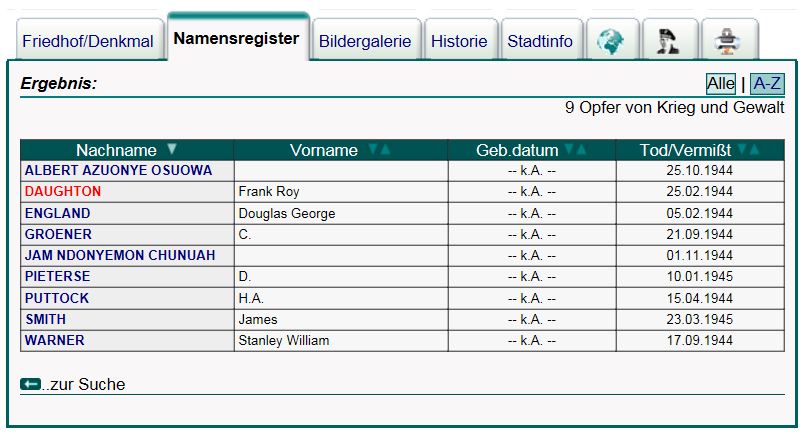
Roy is one of only nine war casualties in this far flung cemetery.

gereman websiteAt the time of his death Frank was a married man. His wife, who was about a year younger than him, was called Doreen Margaret Daughton, and the family home was in Maida Vale in London. In addition, I also discovered that in 1946, a Doreen M. Daughton left the port of Southampton in England and sailed to Halifax in Nova Scotia, Canada. She later crossed the border into the USA, but after that, the trail has, as they say, “run cold”.
And that is it. Frank Roy Daughton’s life, or what I personally have been able to find out about it. No medals, no fanfares. Nobody even seems to remember why he died at that premature age of around twenty nine years, or how or exactly where. What was he doing when he was killed? Was it his fault? Was he flying? Did he run out of fuel? Was he just walking perhaps, tired and inattentive, across a busy Moroccan street? And did S.A.Casswell ever know that his brave young friend was dead?

Leave a comment

Filed under Aviation, Cornwall, History