For nearly thirty years we have taken our holidays in Cornwall, enjoying an invigorating fortnight in the land of the Cornish Pasty. As Cornwall is in the extreme south west of England, and we always holiday in the very westernmost area, named Penwith, we are no strangers to rainy or overcast conditions.
On August 27th 2009 we decided to go to Godrevy, one of our favourite sites either to sit on the beach or to look for seals and seabirds. Alas, this day, conditions were misty and wet:
Meanwhile, I went off to lay claim to a seat overlooking the harbour:
On the left there is an Art gallery which used to be a butcher’s shop. Looking through the window, I thought this apparent Roman mosaic was the best bit of art in the place:
And then suddenly I saw it, on the opposite side of the road. A huge stone, surrounded by brightly coloured flower beds, which really stood out from the rather drab grey, misty surroundings:
I crossed the road for a closer look. It was a plaque dedicated to bravery three thousand miles away:
And presumably, it is exactly because that bravery took place three thousand miles away that these heroic deeds remain completely unknown and unheard of in his own country. Let me put that right, though:
“Cyril Richard “Rick” Rescorla
Rick Gave His Life In The Terrorist Attack
On The World Trade Centre, New York,
September 11th 2001,
While Directing The Evacuation
His Actions On The Day Saved Over 2,700 Lives
“Greater Love Hath No Man”
Here are three maps to help orient yourself. The orange arrow marks the spot:
This slideshow requires JavaScript.
Rick Rescorla was born in Hayle in 1939. During the war, he made friends with American soldiers from Maryland and Virginia, stationed in Penwith, and preparing for the D-Day invasion. Rick idolized the American soldiers and decided to become a soldier when he grew up.
He joined the British Army in 1957, eventually joining The Parachute Regiment. He then served with an intelligence unit in Cyprus. In 1960 he became a paramilitary police inspector in the Northern Rhodesia Police in central Africa. Back again in London, he joined the Metropolitan Police Service.
He then moved to the United States and eventually went to fight in Vietnam:
For his bravery with the famous 7th Cavalry Regiment, Rick was to win the Silver Star, the Bronze Star with Oak Leaf Cluster, a Purple Heart and the Vietnamese Cross of Gallantry:
Eventually, Rick found himself working in corporate security for Morgan Stanley, with an office on the 44th floor of the South Tower, Tower 2, of the World Trade Centre:
One of the first things Rick did was to instigate emergency evacuations every three months for everybody, including the most senior executives.
He trained everybody to assemble in the hall between the stairwells and then to descend, calmly, in pairs, down to the 44th floor. His strictness with these emergency evacuations caused friction with some of the top management, but he insisted that they were necessary, should a real emergency ever occur. Just as he would have done in the forces, he timed the employees’ performance with his stop watch and gave them detailed instructions on the most basic elements of safety in the event of a major fire.
These measures all came from the fact that Rick, and his colleague, the counter terrorism expert, Daniel Hill, Rick’s old friend from Rhodesia, both believed that an attack could well take place one day, involving a plane being crashed into one of the towers.
At 8:46 a.m. on that fateful morning of September 11th, Rick heard the explosion as American Airlines Flight 11 crashed into the North Tower and then watched the huge conflagration from his window.
A public announcement was made that everybody should stay at their desks, but Rick ignored it and immediately grabbed his megaphone, radio and cell phone.
He ordered the Morgan Stanley office workers to leave the building, descending by the stairwells with which they were so familiar. He also made sure a thousand workers were evacuated from World Trade Centre 5.
After a short interval, the South Tower was shaken violently by the impact of United Airlines Flight 175, almost forty floors above them. Rick continued to calm his fellow workers, and the much practiced evacuation continued to proceed smoothly down the stairwell. One of the company’s office workers actually took a photograph of Rick with his megaphone that day, “a 62-year-old mountain of a man coolly sacrificing his life for others”. Here are Rick Rescorla and his colleagues, Jorge Velazquez, and Godwin Forde – leading the evacuation on 9-11:
As he had done with his scared soldiers in Vietnam, in an effort to allay their fears, Rick sang to the frightened staff members as they descended. He used his own song based on “Men of Harlech”:
“Men of Cornwall stop your dreaming;
Can’t you see their spear points gleaming?
See their warriors’ pennants streaming
To this battlefield. Men of Cornwall stand ye steady;
It cannot be ever said ye for the battle were not ready;
Stand and never yield!”
The vast majority of Morgan Stanley’s 2,687 employees were now safe, thanks to Rick Rescorla, but he went back into the building to make sure that he had not missed anybody and that there were no stragglers.
Rick was seen for the last time on the tenth floor, climbing upwards. At one minute to ten, the South Tower collapsed. Rick was never found. Of the huge number of people whose protection was his responsibility, all but six survived.
There was almost unbelievable bravery shown that day by the members of the Fire Department, City of New York:
Equal levels of bravery came from the members of the City of New York Police Department:
Rick Rescorla, an Englishman, was not found wanting.
He had not been found wanting in Vietnam either:
One of his fellow soldiers described him:
“My God, it was like Little Big Horn. We were all cowering in the bottom of our foxholes, expecting to get overrun. Rescorla gave us courage to face the coming dawn. He looked me in the eye and said, ‘When the sun comes up, we’re gonna kick some ass.'”
Rick has not been forgotten in his home town of Hayle. Here is the Rick Rescorla Wildlife Garden at the Penpol School in Hayle (ages 5-11):
The Cornish Stannary Parliament honoured Rick with “The White Cross of Cornwall”, “An Grows Wyn a Gernow”. It is made from pure Cornish tin and Cornish Delabole slate in a hand-madebox of Cornish elm:
In this picture, Jon Daniels, in the centre, presents the cup to the winners of the Rick Rescorla Memorial Triathlon:
Last time I introduced you all to the Beast of Ennerdale, an unknown creature that rampaged over the Lake District in north western England in 1810. Here is Ennerdale:
The original source for the tale was a book called “Cumbriana; or, Fragments of Cumbrian life” by William Dickinson. It was published in 1876, more than sixty years after the events it portrayed. Here, a typical chase after the Monster is described:
“One Saturday night a great number of men was dispersed over the high fells, watching with guns and hounds, but the animal avoided them and took his supper on a distant mountain ; and the men not meeting with him, came down about eleven o’clock on Sunday morning and separated about Swinside Lane End:
In a few minutes after, Willy Lamb gave the “view halloo.” He had started the beast in crossing the wooded stream, and away went the dog with the hounds in full cry after him. The hunt passed Ennerdale Church during service ; and the male part of the congregation, liking the cry of the hounds better than the sermon, ran out and followed. It has been said the Reverend Mr Ponsonby could not resist, and himself went in pursuit as far as he was able. This run ended at Fitz Mill, near Cockermouth, in a storm which the wearied men and dogs had to encounter in a twelve-miles return.”
The Beast’s identity was still a matter of considerable debate for the locals:
Some thought it was a lion. Some thought it was a tiger. Some thought it was a wolf. One wealthier farmworker, who had recently been to France for his holidays, said that it was “Like a wolf but not a wolf”.
And exactly as had been the case in France, many of the local peasants thought it was a werewolf, although the one who had been to France for his holidays, said it was “un loup-garou” or even “un rougarou”. Proof of the supernatural qualities of this Beast came in the fact that it drank blood:
Just as a piece of information, there were no wolves in the Lake District at this time, and had not been for, probably, the best part of 400 years. The most recent record of wolves in England came, most fittingly, from Nottinghamshire where, in the reign of Henry VI (1422-1460), Robert Plumpton, who owned land in Nottingham itself, was given the job of “chasing wolves in Sherwood Forest”. By 1500, wolves were totally exterminated in England.
Whatever the Beast of Ennerdale was, the locals came up with a cunning plan to catch it. Somebody thought of putting together all the best hunting dogs into an élite pack, a Special Forces Unit which would hunt down the Sheep Slayer once and for all:
There was a pursuit which lasted several days. Finally, the poor monster was flushed from cover. It fled, but the hounds caught it. The plan now went pear shaped though, as the Beast took on all of the Special Forces dogs at once in a ferocious combat. Several of these ninja sheep dogs were killed outright in a matter of minutes. All the survivors then suddenly changed their minds and headed off home, to the safety of their nice safe kennels. Obviously, whatever the Beast was, “dog” could pretty well be crossed off the list.
And just as was the case in distant Gévaudan, there were the hard luck stories. William Jackson who lived in the middle of wild and lonely mountains at Swinside, had his musket loaded and ready, as he left his wild and lonely farm. Here it is, as it looks today:
The Beast was watching him, just thirty yards away. William took careful aim, pulled the trigger and the fifty years old relic of a rifle failed to fire. The Beast, of course, made his escape easily.
On another occasion, a group of men, armed to the teeth, along with their pack of hounds, had the Beast surrounded in a small wood and totally at their mercy. It charged out and the weakest link in the human chain duly lost his nerve, dived out of the way and the chance was lost.
Interestingly enough, an incident very similar to this happened with the Beast of Gévaudan and with at least one of the other French creatures. The Beast of Ennerdale, though, continued onwards and knocked over an old chap called Jack Wilson. Jack was collecting wood for his fire but was completely unaware of the Beast’s presence, because he was totally deaf.
The guilty nerve loser was probably Will Rothery who is actually named in another very similar version of the tale. Will explained that he failed to take his easy shot at the animal because he was so surprised by its huge size and unexpected appearance. I would expect Mr Rothery’s fellow hunters might have had something to say about that. Later, Will Rothery was to testify that he thought the animal was some kind of lion.
Meanwhile, in Cumberland, the slayings continued. Sheep continued to die in large numbers:
Great was the disappointment, therefore, when, one fine morning in July, an enormous army of more than 200 armed men, with their hounds, found themselves scouring Kinniside Fell after the Beast had been seen moving away towards Hopehead. The contour lines show how steep the sides of the valley were. Look for the orange arrow:
The huge pursuit went on, along the tops of the mountains between Wasdale and Ennerdale. And then it was the wild slopes of Stockdale Moor and then, finally, a cornfield near Calder Bridge.
But the enormous, and prolonged hunt was in vain. After they had waited for hours, not a single Beast was found hiding in the corn. Somehow, it had slipped away.
And then there was another wasted, breathless chase through Drigg and out to Seascale, right on the coast of the Irish Sea itself. Overall, the Beast took its admirers on many tourist trips around the fringes of the Lake District. Kinniside. Lamplugh. Through the icy waters of the Marron. Out to Little Clifton and then to sunny Workington. Or perhaps they would have preferred Seaton or the Fitz Mill at Cockermouth. Maybe Irton or Dent Hill or Egremont or even St. Bees. Here is the wonderfully named Cockermouth. The orange arrow indicates the Fitz Mill :
And still nobody knew what the Beast was. Hundreds of people, noblemen, farmworkers and professional hunters had all seen it. And it remained an enormous puzzle. Meanwhile the death toll mounted. And still they were haunted by the worry that it might one day change from drinking sheep’s blood to killing children.
The longer it went on, the more gloom and despondency the locals felt. As autumn approached, they all made the conscious decision to accept the losses of sheep temporarily, but above all to make sure that the harvest was gathered in. All the hunts were abandoned for the moment, as gathering in the harvest continued apace:
By September, the hunters were back, combing the hillsides and fields for the Beast. Now the writing was on the wall. No animal, however secretive and cunning, could continue for ever to elude so many hundreds of pursuers:
A significant chance event occurred on September 12th, when the Beast was seen by Jonathan Patrickson to go into a cornfield. The tale is told by William Dickinson in his “Cumbriana; or, Fragments of Cumbrian life”. It starts with some traditional Lake District Gibberish:
Jonathan quietly said, ” Aa’l let ta lig theer a bit, me lad, but aa’l want to see tha just noo.”
Away went the old man, and, without the usual noise, soon raised men enough to surround the field. As some in their haste came unprovided with guns, a halt was whispered round to wait until more guns were brought and the hounds collected. When a good muster of guns and men with dogs were got together, the wild dog was disturbed out of the corn ; and only the old man who had seen him go into the field was lucky enough to get a shot at him, and to wound him in the hind quarters:
This took a little off his speed, and enabled the hounds to keep well up to him, but none dared or did engage him. And, though partly disabled, he kept long on his legs and was often headed and turned by the numerous parties of pursuers, several of whom met him in his circuitous route from the upper side of Kinniside, by Eskat, Arlecdon, and Asby, by Rowrah and Stockhow Hall, to the river Ehen. Here is Arlecdon and Rowrah, indicated by the orange arrow:
Each of these parties he fled from, and turned in a new direction till he got wearied. He was quietly taking a cold bath in the river, with the exhausted hounds as quietly looking on, when John Steel came up with his gun laden with small bullets, but dared not shoot, lest he should injure some of the hounds. When the dog caught sight of him it made off to Eskat Woods, with the hounds and John on its track, and after a few turnings in the wood, amid the greatest excitement of dogs and men, a fair chance was offered, and the fatal discharge was made by John Steel:
The destroyer fell to rise no more, and the marksman received his well-earned reward of ten pounds, with the hearty congratulations of all assembled.
After many a kick at the dead brute, the carcase was carried in triumph to the inns at Ennerdale Bridge; and the cheering and rejoicing there were so great that it was many days before the shepherd inhabitants of the vale settled to their usual pursuits.”
What was left of the mystery animal was taken triumphantly then to the various public houses at Ennerdale Bridge. On the map, the orange arrow indicates “PH” which means public house:
The locals, thirsty from the rejoicing and the cheering, clearly made serious attempts to drink the place dry:
Not cans, though. They were not invented until 1935. Stick to bottled beer. Foreign, if they stock it:
The people who were still sober enough then weighed the animal (eight stone or 51 kilos: a big wolf is 100 kilos). They put it on a cart and paraded it around. It finished up in Hutton’s Museum, at Keswick where the resident taxidermist stuffed what remained of the animal after the Special Forces hunting dogs had all had a free bite each. It was given a collar round its neck, stating that the wearer had been the destroyer of nearly three hundred sheep and lambs in the five months of his Ennerdale campaign.
When the Museum closed in 1876, the Beast, though, was lost, and that was that. Another tale says that the curator of the Museum just decided one day that it was too tatty and too moth-eaten to be kept and the strange stripey Beast was simply thrown in the dustbin:
Whatever the truth, the Beast was still unidentified. So what was it? Just a dog?
Well…have a think, and I’ll tell you the extremely cunning theory in my next article.
Meanwhile, let’s finish with the Official Song of the Beast of Ennerdale. Unfortunately, perhaps, it has many, many verses, but this is the catchy chorus, sung to the tune of “D’Ye Ken John Peel”:
It was big,
It was strong,
It was eight feet long.
It could leap,
It could bound,
It could outrun any hound.
It had stripes and a tail, and it gave out such a wail,
And you’d find dead sheep in the morning.
Well, apparently, no. The whole unfortunate business has been kept very quiet, of course, but in 1810, a mystery creature certainly did rampage across the wild countryside of the Lake District in north western England. Here is that beautiful area. Look for the orange arrow:
The parallels with the Beast of Gévaudan were striking, the only difference being that the English victims were not pretty young shepherdesses or even little boys, but the sheep themselves.
The animal was dubbed at the time “The Girt Dog of Ennerdale”. To me, though, this is a singularly inappropriate name, certainly from the point of view of anyone who wants to attract tourists, rather as they do with the Loch Ness Monster.
“Where is Ennerdale?” you can hear all the tourists asking. “What does ‘Girt’ mean?” and “What is so special about a dog?”
The saga of “The Beast of the Lake District” or, a more striking name perhaps, “The Beast of Ennerdale”, began in spring, or more precisely May, of 1810, when the body of a half consumed sheep was found on the bleak hillside above the lake called Ennerdale Water. On May 10th, Mr Mossop, who lived at Thornholme, to the south of Ennerdale Water on the way to Calderbridge, had a brief glimpse of an unknown animal far away, up on the mountainside. The orange arrow indicates his farm at Thornholme:
Soon after this, an increasing number of sheep began to be attacked. Every night, at least one sheep would be killed.
Clearly, a monster was at large in the county, known at this time as Cumberland. At first the locals walked the hills, trying to find the animal. They had no success, which was not really surprising, given the extent of the hills, and in some cases, the extent of the forests in the valleys between them. One or two of the men had fleeting glimpses of the Beast, which always seemed to emerge just as night was falling. All they could make out was the animal’s size, which was extremely large. In the local dialect, “girt”, or “gurt” meant “great”, so the Beast was christened “The Girt Dog of Ennerdale”. This is Ennerdale. It is very wild country by English standards:
The ferocious Beast killed large numbers of sheep, far beyond what it would have needed for food. Furthermore, it killed its victims in a very unusual way: the corpses of the sheep had their internal organs consumed or even removed, and their blood was apparently drained from their bodies. This was no ordinary dog, feral or otherwise. It was not a fox either. No canid drinks the blood of its prey, and this planted a seed in the minds of a superstitious local population.
Indeed, if these 19th century farmworkers had had wider access to satellite television, I am sure that the spectre of cattle mutilation and UFOs would have raised their ugly heads:
As the situation worsened, more and more men had to leave their ordinary work and their farms, take their dogs, and begin to comb the hills and woods in an effort to find and kill the monster.
Without any success whatsoever. The Beast of Ennerdale was just as elusive and cunning as the Beast of Gévaudan. It did not, on any occasion, stay in an area long enough to attack the same flock of sheep on two successive nights. Its self-secreting powers, the ways it could avoid capture and above all, its propensity for drinking blood soon had the superstitious locals believing that the animal was supernatural. It was soon christened, if that is the word, “The Vampire Dog of Ennerdale”:
Just like the Beast of Gévaudan, it seemed to have a power over ordinary dogs who normally would have been reasonably courageous. Instead, the locals’ dogs would shrink away when asked to follow the Beast’s trail and, as dogs apparently do with Bigfoot, they often just refused to track. The dogs were clearly scared stiff of something that they could understand, but their human owners could not.
Sometimes, when the dogs were a little more positive and were actually pursuing the Beast, it would occasionally let just one catch up and then seize it and crush its forelegs in its powerful teeth. None of the other dogs would then go near it. The Beast was so fleet of foot that it usually only had one dog to deal with at any one time, as all the pursuing dogs would be chasing it at different speeds.
The death toll of sheep continued to mount by the day. Eventually, as a minimum, the unknown killer was slaughtering half a dozen sheep every night. Occasionally the total would mount to eight or ten. This only added to the villagers’ superstitions, of course:
The Beast clearly took sadistic pleasure in ripping sheep to pieces, often to leave them uneaten. On occasion, he would even leave them alive. One of a particular farmer’s favourite rams was watched by the dawn’s first light as the Beast attacked it. The latter ripped out and ate great lumps of best quality mutton from the poor animal’s rear quarters. The crippled victim was then left in the field, unable to fight back, unable even to walk, as its hind legs were paralysed. Another sheep suffered even worse. The shepherd drove the Beast off as it was feasting and then found that the mutton had been stripped off the ribs behind the shoulder to leave visible the poor animal’s still beating heart.
Soon a prominent local, John Russell, put up a £10 reward for what he thought was a huge dog, “Dead or alive” as they say. An even better offer was free beer for the people who kept watch for the Beast. Mr Russell, of course, owned his very own brewery in Whitehaven. He also had a direct interest in the Beast as he was the owner of 3,000 acres of sheep farming land in Ennerdale. Here is a general map of the valley:
The offer for the combatants of free food and especially, alcoholic drink, was taken up by other wealthy sheep farmers who provided as much as £12 for refreshments. Others showed their willingness to provide free meals for all Beasthunters over a certain fixed period of time at a certain location, such as their farm or large house.
Nothing succeeded. And then, just as with the Beast of Gévaudan, a feeling of panic began to sweep the area. Parents would keep their children indoors all day long, too scared to let them go out and play.
The Beast seemed just so calculating and so shrewd. Cleverer than a mere animal. Cleverer than a fox. No traps ever came close to catching it. It was wary and watchful:
People thought that it spent the day high up in its look-out place, watching the scared natives far below in the valley make huge but vain efforts to catch it. The animal’s senses of sight, hearing, and scent, were so acute that it was a rare event indeed, for anybody to come upon it unawares during daylight hours. When it was accidentally approached in daytime, surprisingly perhaps, the animal never did anything vicious towards humans, and always took to its heels. The Beast never uttered the slightest sound, not a single bark, growl or howl.
As happened with its French counterpart in Gévaudan, the dead sheep were all poisoned and left out on the hillside. The Beast was no more attracted to these carcasses than it was to the many traps which were optimistically set to catch it.
One of the more subtle sheepfarmers even tried leaving out a dog on heat to attract the Beast within musket shot, but he had no success with this cunning plan:
The male dogs, of course, as soon as they caught the distant scent of the Beast, still continued with their policy of cowering and whimpering. They refused absolutely to follow this strange, ferocious animal.
As the weeks went by and the summer drew towards its close, the Beast was beginning to have a very negative effect. While the men were all off chasing it, the poor cows often had to wait to be milked. Horses too were not looked after properly and often went hungry. Fields were neglected. Years before computer games, the poor little children were confined to their homes as their parents were too frightened to let them out of their sight. And all this neglect had its impact on the womenfolk of the area who tried (I almost wrote ‘manfully’) to make up for their absent husbands and servants.
Finally, a shepherd out on the hillside, watching his flocks not by night but in the cold grey light of the early morning, caught a clear sight of the monster. In actual fact, his description was not desperately helpful, but to anybody who had ever heard of the Beast of Gévaudan, it had some strangely familiar elements:
Firstly, the Beast of Ennerdale was pale brown or sandy coloured. It was well built and solid. And it was very large. Its jaws seemed unusually large and wide and it had dark stripes on its back. It was a strange mixture of the features of both a very big dog and a very big cat. It was really quick, and, as they found out later, it possessed enormous stamina. The Beast was not like anything the scared shepherd had ever seen before.
After this, the Beast seemed to be spotted more frequently. Shepherds and the bravest of their sheepdogs would chase after it up the hillside. Occasionally a group of some fifty or so locals would assemble, seemingly at the drop of a tricorn hat, to set off following their various hunting hounds, racing across the mountainside.
That princely reward of £10 plus free beer for everybody who kept watch for the Beast attracted scores, if not hundreds of professional hunters to the land around Ennerdale Water. Beer, money and undying fame! What was there not to like?
The would-be hunters, of course, had no success whatsoever. The phrase “Wild Goose Chase” might have been invented for their efforts. At one point there were more than a hundred men and several hundreds of their dogs racing back and forth across the desolate hills. Useless. The killing and the blood sucking and the soft organ eating all continued as before. By the end of the summer, more than 300 sheep had been killed.
Next time: “Chapter Two: This isn’t going to end well”.
Frank Cadle Mahin is one of the most interesting of the school’s pupils. He was born on May 27th 1887, in Clinton, Iowa, the son of Frank W. Mahin, who was a retired United States Consular Officer at the time. Frank W. had graduated from Harvard University in 1877. Frank C.’s mother was Abbie Anna Cadle, who was born in Muscatine, Iowa, in 1857 to Cornelius Cadle and Ruth Lamprey.
This was Abbie’s second marriage. She had previously been married to Frank Mann with whom she had one child. With her second husband, Frank W., she had two more children, Frank C., and a daughter, Anna, who was born in 1880.
Anna was to meet a young English doctor during the family’s stay in Nottingham, and she remained with him after her parents eventually left England for Amsterdam in Holland. I have been unable to trace Anna’s husband’s surname, although he was to become Frank’s Uncle Alec. As an Englishman, Alec was to fight in the Great War well before Frank and his fellow Americans became involved in the hostilities. Alec was certainly in combat as early as 1915, and I believe that he survived the conflict. The year of Anna’s death has not been recorded. Her mother, Abbie, died in 1941 at the age of 84.
.
Frank Cadle Mahin entered the High School on September 15th 1902, at the age of fifteen. The Mahin family lived at 7, Sherwood Rise, on the opposite side of the Forest Recreation Ground from the High School. His father was by now the United States Consul in Nottingham. Look for the orange arrow:
Despite a comparatively short stay at the High School, Frank Junior seems to have been an accomplished sportsman, and appeared for the First XI at football in a fixture against Loughborough Grammar School on Wednesday, October 25th 1904 at Mapperley Park. The High School began very slowly and had quite a fright before they eventually ran out victors by 4-1. The team was M.J.Hogan, J.P.K.Groves, R.Cooper, R.E.Trease, R.G.Cairns, F.C.Mahin, H.E.Mills, S.D.M.Horner, R.B.Wray, L.W.Peters and P.G.Richards.
Frank played a second match on the afternoon of Saturday, December 3rd 1904. Again, it was at Mapperley Park against Notts. Magdala F.C. 2nd XI. The game finished in a 1-3 away win as:
“a weakened team, who ought really to have won, but did not play as well as they might have, against opponents who themselves were rather poor.”
This time the team was M.J.Hogan, R.B.Wray, R.Cooper, R.E.Trease, R.G.Cairns, F.C.Mahin, H.E.Mills, J.Henson, L.W.Peters, C.R.Attenborough and P.G.Richards.
Frank’s only away game was against Worksop College at Worksop. The entire team doubtless travelled by steam train from Nottingham’s Victoria Station on the afternoon of Saturday, March 11th 1905:
According to the school magazine:
“The High School fielded a weakened team, but played well, and did not deserve to lose by such a wide margin as he 0-5 final result would suggest.”
The team was M.J.Hogan, J.P.K.Groves, W.E.Williams , F.C.Mahin, R.B.Wray, R.E.Trease, H.E.Mills, C.S.Robinson, S.D.M.Horner, L.W.Peters and P.G.Richards.
This photograph shows the First Team in the 1904-1905 season. It was taken at Mapperley Park Sports Ground, opposite the old Carrington Lido on Mansfield Road. Serjeant Holmes is present, and on the back row are S.D.M.Horner, C.F.R.Fryer, M.J.Hogan, R.E.Trease and J.P.K.Groves. Seated are R.G.Cairns, R.B.Wray, R.Cooper (Captain) and L.W.Peters, Seated on the grass are H.E.Mills and P.G.Richards. On the right is the so-called twelfth man, the reserve player, who is Frank Cadle Mahin. I believe that the photograph was taken on the afternoon of Wednesday, October 12th 1904, just before the High School played against Mr.Hughes’ XI. The School won 12-5, and we know that Cooper in defence was the outstanding player, but the whole team played well, and the forwards’ finishing was particularly deadly. This year, the team was amazingly successful. Their season began with victories by 5-4, 2-1, 23-0, 12-5, 9-0, 15-0, 3-1, 4-1, 11-0, 16-1. They had scored exactly 100 goals by November 3rd, in only ten games:
The detectives among you will notice that it is warm enough for the changing room windows to be open, and the design of the ball is very different from nowadays. Young Horner has forgotten his football socks, and, because this game marked his début for the side, Mr Fryer’s mother has not yet had the time to sew his school badge onto his shirt. Frank is, in actual fact, in the full school uniform of the time, which was a respectable suit or jacket, topped off with a neat white straw boater, with a school ribbon around it.
Frank also performed as a linesman, or assistant referee, in First XI football fixtures on several occasions in 1904-1905:
“Referees during the season were Mr.W.T.Ryles, Mr.R.E.Yates, Mr.M.R.Hughes and Mr.A.G.Onion. F.C.Mahin and K.M.Brace also performed as linesmen.”
Frank was perhaps a better cricketer than footballer, and he was, in actual fact, the regular captain of the Second XI at cricket.
This photograph shows the First XI cricket team, in an unrecorded year, probably 1905. The individuals are thought to be on the back row, Mr.A.G.Onion, (Groundsman and Coach), S.D.M.Horner, R.G.Cairns, C.F.R.Fryer, unknown and F.C.Mahin. In the middle row are P.G.Richards, L.W.Peters, W.G.Emmett (Captain), M.J.Hogan and R.B.Wray. Seated on the grass are J.P.K.Groves, H.E.Mills, and an unknown player.
In his time at the High School, Frank played for the First XI cricket team only sporadically. We know that he batted once in the 1904 season, and scored five runs, and then batted once more in 1905, and obtained the same score.
In addition, we also know that, on Saturday, June 24th 1905, which was School Sports Day, Frank dead-heated for first place in the Open Long Jump, managing a jump of fifteen feet nine inches, exactly the same distance as C.F.R.Fryer.
In the academic world, Frank won the Mayor’s Prize for Modern Languages, and, most significant of all, perhaps, he reached the rank of sergeant in the newly formed Officer Training Corps.
.
Frank left the High School in July 1905, and returned to the United States where he was in the Class of 1909 at Harvard University.
The university’s proud boast nowadays is that they produce the most highly paid university alumni in the United States:
Both of these men had the same interest in the military as Frank. In 1917, Kermit Roosevelt, although he was obviously an American, joined the British Army to fight in Mesopotamia during the Great War. He was awarded a Military Cross on August 26, 1918. Theodore Roosevelt served as a Brigadier General in the United States Army during the Second World War. He died in France in 1944, a month after leading the first wave of troops onto Utah Beach during the Normandy landings. This brave act was to earn him the Medal of Honor. To me, it would seem ludicrous to suggest that they were not, at the very least, among Frank’s acquaintances at Harvard, if not friends.
Hopefully, Frank had little or no association with another famous member of the Class of 1909. This was Ernst Hanfstaengl, a prominent member of the German Nazi party in the 1920s and early 1930s. A close personal friend of the Führer, Hanfstaengl provided part of the finance for the publication of “Mein Kampf” and the Nazi Party’s official newspaper, the “Völkischer Beobachter“. Using his experience of Harvard football songs, he composed many Brownshirt and Hitler Youth marches and also claimed to have invented the “Sieg Heil” chant. Eventually, “Putzi” was to defect to the Allies and to work as part of President Roosevelt’s “S-Project”, providing information on some 400 prominent Nazis.
‘
During his time at Harvard, according to the Secretary’s Second Report on the Harvard College Class of 1909, Frank married Miss Carrie Knight Whitmore on December 10th 1906. Alas, the poor lady was to die on February 11th 1907. Details are lacking, unfortunately, but this was an era where women could die not only giving birth to a child, but even of morning sickness in the early part of a pregnancy. The same source reveals that Frank remarried on August 18th 1908 in New York, New York State. The lucky lady was called Miss Sasie Avice Seon.
Frank represented the University at football on a number of occasions. Here is one of them:
“Tonight at 6 o’clock the University association football team will leave on the Fall River boat for New York, where they will play Columbia tomorrow afternoon at 2 o’clock. While in New York the team will stay at the Murray Hill Hotel. On Sunday, they will leave for Ithaca, play Cornell on Monday afternoon, and return to Cambridge that night. The following men, accompanied by Manager E. B. Stern ’07 and Assistant Manager P. Woodman ’08, will be taken: G. W. Biddle ’08, W. M. Bird ’08, P. Brooks ’09, E. N. Fales ’08, W. A. Forbush ’07, H. Green ’08, O. B. Harriman ’09, F. C. Mahin ’09, C. G. Osborne ’07, A. N. Reggio ’07, A. W. Reggio ’08, L. B. Robinson ’07, W. T. S. Thackara ’08.”
The association football team will play its first game of the season with Columbia this afternoon at 2 o’clock on Alumni Field, New York. Individually the team is strong; but, as several of the men have only recently joined the squad, the team work is not well developed. Captain Thackara will be in the line-up today for the first team this year. Columbia finished second in the intercollegiate league last year and defeated Yale last week in a well-played game by the score of 4 to 0.
The line-up will be: HARVARD. COLUMBIA. Mahin, g. g., Graybill Green, l.f.b. r.f.b., Voskamp Thackara, r.f.b. l.f.b., Fairchild Biddle, l.h.b., r.h.b., deGarmendia A. W. Reggio, c.h.b. c.h.b., Dickson Bird, r.h.b. l.h.b., Rocour Forbush, l.o.f. r.o.f., Billingsley Brooks, l.i.f. r.i.f. Simpson Osborne, c.f. c.f., Hartog A. N. Reggio, r.i.f. l.i.f., Dwyer Robinson, r.o.f. l.o.f., Cutler
Tomorrow the team will leave for Ithaca, and will play Cornell on Monday afternoon, returning to Cambridge that night.
“The association football team defeated Columbia on Saturday at Alumni Field, New York, by the score of 1 to 0. With only ten men in the line-up, Columbia was unable to block the clever attack of the University team, and was on the defensive during most of the game. The single goal was scored in the first half after a series of speedy passes by the forwards to A. N. Reggio, who sent the ball into the net. Osborne, the University team’s centre forward, played an excellent game, and continually broke up the Columbia attack before it was fairly started. Two 30-minute halves were played.
Harvard vs. Cornell at Ithaca Today.
This afternoon, the team plays Cornell on Percy Field, Ithaca. Last month Cornell defeated Columbia by the score of 2 to 1, and has a fast, aggressive team.
The teams will line-up as follows: HARVARD CORNELL. Mahin, g. g., Wood Green, l.f.f. r.f.b., Van der Does de Bye Thackara, r.f.b. l.f.b., Sampaio Biddle, l.h.b. r.h.b., Malefski A. W. Reggio, c.h.b. c.h.b., Dragoshanoff Bird, r.h.b. l.h.b., Wilson Forbush, l.i.f. r.o.f., Van Bylevelt Brooks, l.i.f. r.i.f., Deleasse Osborne, c.f. e.f., MacDonald A. N. Reggio, r.i.f. l.i.f., Samirento Robinson, r.o.f. l.o.f., Chryssidy ”
“ITHACA, N. Y., Dec. 3.–On a field covered with snow the association football team defeated Cornell this afternoon on Percy Field, by the score of 5 to 1. In spite of the unfavorable conditions, the University team played well and showed a marked improvement in team work over the form in the Columbia game. Cornell’s defense was unable to check the hard attack of the University forwards, and but for the snow which made accurate shooting impossible, the score would have been larger. Of the five goals, Osborne made three, and Biddle and A. N. Reggio one each. Cornell’s goal came after a hard scrimmage in front of the net, following a kick out from the corner of the field. Two thirty-minute halves were played.
The summary follows: HARVARD. CORNELL. Mahin, g. g., Wood Green, l.f.f. r.f.b., Van der Does de Bye Thackara, r.f.b. l.f.b., Sampaio Brooks, l.h.b. r.h.b., Malefski A. W. Reggio, c.h.b. c.h.b., Dragoshanoff Bird, r.h.b. l.h.b., Wilson Forbush, l.o.f. r.e.f., Van Bylevelt Biddle, l.i.f. r.i.f., Delcasse Osborne, c.f. c.f., MacDonald A. N. Reggio, r.i.f. l.i.f., Samirento Robinson, r.o.f. l.o.f., Chryssidy
Score–Harvard, 5; Cornell, 1. Goals –Osborne, 3; Biddle, A. N. Reggio, Dragoshanoff. Time–30-minute halves.”
This is the Harvard team for an unknown match in the 1906-1907 season:
“The University association football team will play Haverford this afternoon at 2.30 o’clock in the Stadium. As neither team has been defeated this fall, the game today will decide the intercollegiate league championship.
The University team has improved steadily during the season and has developed an effective attack, as shown in the Cornell game last Monday. Haverford has a well-balanced, team of experienced players, many of whom played on last year’s championship team. Last month they defeated Columbia by the score of 2 to 1, while the University team defeated Columbia, 1 to 0.
The line-up will be: HARVARD. HAVERFORD. Mahin, g. g., Warner Kidder, l.f.b. r.f.b., Brown Green, r.f.b. l.f.b., Godley Thackara, l.h.b. r.h.b., Drinker A. W. Reggio, c.h.b. c.h.b., Rossmaessler Bird, r.h.b. l.h.b., Windele Brooks, l.o.f r.o.f. Bushnell A. N. Reggio, l.i.f. r.i.f., Furness Osborne, e.f. e.f., Baker Robinson, r.i.f. l.i.f., Shoemaker Biddle, r.o.f. l.o.f, Strode
The privileges of the Union are extended today to all Haverford men.
D. J. Pryer has been elected captain of the Brown University football team for next year.
The novice revolver shoot, finished last night, was won by M. R. Giddings ’08 with a score of 329 out of a possible 500.”
“The University association football team was defeated by Haverford on Saturday in the intercollegiate championship game by the score of 2 to 1. Haverford’s light forwards were very fast and displayed better team work than the University players, who depended almost entirely on individual work. On the defense, the University backs were not given enough assistance by the forwards.
For the University team, Brooks and A. N. Reggio played especially well. In spite of a constant guard of two Haverford players, Osborne played his usual good game. In the second half, several opportunities to score were lost by the University forwards through inaccurate kicking. Baker, Haverford’s centre forward, played brilliantly and was the most untiring player on the field.
Haverford won the toss and chose to defend the north goal with a strong wind behind them. During the first half, Baker made two goals, aided by fast team work on the part of the other forwards. Shortly after the beginning of the second period, A. N. Reggio scored Harvard’s only goal.
The summary follows: HARVARD. HAVERFORD. Mahin, g. g., Warner Thackara, l.f.b. r.f.b., Brown Kidder, r.f.b. l.f.b., Godley Brooks, l.h.b. r.h.b., Drinker A. W. Reggio, c.h.b. c.h.b., Rossmaessler Bird, r.h.b. l.h.b., Windele Forbush, l.o.f. r.o.f., Bushnell A. N. Reggio, l.i.f. r.i.f., Furness Osborne, c.f. c.f., Baker Robinson, r.i.f. l.i.f., Shoemaker Biddle, r.o.f. l.o.f., Strode
Score–Haverford, 2; Harvard, 1. Goals–Baker 2, A. N. Reggio. Referee–J. H. Fairfax-Luey. Linesmen–D. V. Leland ’10 and F. R. Leland ’10. Time–25-minute halves.”
This was in the “first bumping races” and Frank rowed for a crew called “Brentford”. The latter were classified as fifth out of six, in the third division out of three:
“Brentford–Stroke, C. L. Hathaway ’10; 7, J. F. Frye ’09; 6, J. A. Curtis ’10; 5, W. F. Doake ’09; 4, P. N. Case ’09; 3, I. E. Willis ’09; 2, F. C. Mahin ’09; bow, H. F. Bingham ’10; coxswain, E. B. Gillette ’10.
The full details were:
“This afternoon at 3.45 o’clock the first division of the Dormitory crews will race upstream over a one and three-eighths mile course, starting at the Boylston street bridge, and rowing up the river to the beginning of the long stretch, leading up to the Brighton bridge. A stake boat will be placed at this point and all the crews will finish at the same place. Immediately after, the second division will row over the same course, and as soon as the shells are returned, the third division will start. The divisions of the crews and the order in which they will start follows:
Division I–1, Claverly; 2, Mt. Auburn street; 3, Dunster-Dana-Drayton; 4, Randolph; 5, Westmorly; 6, Craigie-Waverley; 7, Russell.
Division II–1, Thayer; 2, First Holyoke; 3, Hampden; 4, Holworthy; 5, Perkins; 6, Matthews; 7, Weld.
Division III–1, Foxcroft-Divinity; 2, Grays; 3, Second Holyoke; 4, Hollis-Stoughton; 5, Brentford; 6, College House.
On the two days’ racing, which will follow, the order of the crews in the divisions will change; the crews securing a bump advancing in position, while the crews against which a bump is scored, will be put in the rear, one place for each bump.”
“At the meeting of candidates for the cricket team last night, the following handed in their names: W. P. Phillips 2L., R. M. Gummere 3G., N. L. Tilney ’06, C. G. Mayer 2L., C. G. Osborn ’07, A. W. Reggio ’08, R. N. Wilson 1G., A. N. Reggio ’06, H. R. Waters ’07, N. B. Groton ’07, T. E. Hambleton ’07, L. C. Josephs ’08, E. M. B. Roche ’09, A. E. Newbolt ’09, A. L. Hoffman ’09, F. C. Mahin ’09.
For the present the men will be divided into two squads, which will practice in the old baseball cage in the Gymnasium on alternate afternoons between 3.30 and 5 o’clock. Outdoor practice will begin as soon as the condition of the ground on Soldiers Field permits.”
Frank was really quite bored with life at Harvard though. He wanted to be a soldier. After two years of university life, he left Harvard to join the Regular Army, not as an officer, but as a private soldier. I will take up his fascinating tale in another blog post.
While I was doing the researches for these sad and grim tales of Bomber Command, I came across a number of interesting details which I would like to share. Perhaps one or two loose ends might be tied up.
The first is only loosely connected with the collision of the two unfortunate Lancasters returning from Leipzig on February 20th 1944. I noticed that one of the casualties, Flying Officer Ronald Harry Fuller, was buried in Cambridge City Cemetery. Given that Cambridge is not particularly close to Marylebone in London, where Ronald lived, I decided to look up the details of this cemetery on the Internet. I was genuinely shocked by what I found about the war casualties there. Their names and most basic of details occupy fully an unbelievable 68 pages on the Commonwealth War Graves Commission website. Just enter the words “Cambridge City Cemetery” in the line marked “Cemetery or memorial” and press “Search”:
The very last page is grimly ironic. It lists four Australians, all of them obviously interred a long, long way from home.
One is from the Great War, George Ernest Young of Camberwell, Victoria, Australia. He was aged 28 and died only 12 days from the end of the conflict. The other three interments are all Second World War flyers:
Flight Sergeant George Louis Yensen was a Mid Upper Gunner aged just 20. He was killed on August 31st 1943 in a Short Stirling I of No. 1651 Heavy Conversion Unit of Bomber Command, Serial Number N6005,Squadron Letters probably F-D2. Here is a flight of three Stirlings:
The name of George’s unit means he must have perished well before his training for heavy bombers was even complete. George died along with eight other young trainees on board this aircraft. Two of them were from the Republic of Ireland. Apparently the plane took off from Downham Market near Cambridge at 9.30 pm. presumably just as the daylight was beginning to fade. Suddenly, ten minutes after takeoff, for no apparent reason, the aircraft banked steeply and then spun into the ground just a mile or so north of Shippea Hill on the Cambridgeshire-Suffolk border, and around seven miles from Ely. The orange arrow marks the crash site:
The next Australian, Alan Geoffry (sic) Young was 21 years old when he was killed. A member of the RAAF’s 460 Squadron, he was returning from a bombing raid on Stuttgart. His Lancaster was caught in a blizzard and crashed some ten miles south of Grantham at North Witham. All seven members of the crew were killed. By coincidence, young Alan perished on February 21st 1944, the very next day after the Leipzig raid which inspired the first of these articles:
Flight Sergeant Ian Bailey Yorkston was killed in an accident on March 4th 1945, flying in a Lancaster I, Serial Number PD431,Squadron Letters H4-V. Ian was in No. 1653 Heavy Conversion Unit RAF, and he was just 25 years of age. His parents were Christian missionaries and had worked in China where Ian grew up. Seven other young men perished in the crash. The plane had taken off from North Luffenham for a cross-country training flight at 11.30 in the morning, and returned to base at 4.00 pm. As the aircraft landed, it bounced quite severely. The pilot increased the power and prepared to go round for a second landing attempt. As it climbed away, the aircraft’s undercarriage hit an obstruction and then ploughed into the tops of several trees. It finally crashed near the village of Edith Weston, just four miles south east of Oakham in Rutland. The orange arrow marks the crash site:
This was not Ian Yorkston’s first crash. On August 18th 1944, with “D” Flight of No. 1651 Heavy Conversion Unit he was flying in a Short Stirling III, Serial Number LK519, Squadron Letters QQ-O. Taking off on a night exercise from Wratting Common at three minutes to ten the previous evening, the crew were returning at six minutes past two. They requested, and were given, permission to land, but then there were problems with the Stirling’s immensely lofty and complicated undercarriage:
For forty minutes, a tense dialogue took place between the aircraft and Flying Control. At three minutes to three, a garbled message came from the aircraft which was heard to contain the phrase “crash land”. The Stirling came in at tree top level, flying towards No 4 runway which already had a second Stirling parked on it, having suffered a burst tyre. In the resulting collision, the Trainee Pilot, Flight Sergeant Alan Woodbridge (aged 23) was killed. He was buried in his native village Up Nately, in Hampshire. Alan had himself already been in an accident on July 26th when a slightly misjudged landing resulted in part of the Stirling’s undercarriage being ripped off. Three weeks later, as we have seen, he was dead.
Ian Yorkston’s brother, Flying Officer Gordon Cameron Yorkston, was also killed, not in training though, but in combat with No. 251 Squadron. He was only 21 years of age when he perished on March 17th 1945, in the icy waters off Iceland. The squadron was tasked with carrying out Air Sea Rescue and Meteorological Flights out of Reykjavik This was only 13 days after his elder brother, Ian, had been killed. Gordon’s remains were never found and his sacrifice is commemorated on the Air Forces Memorial at Runnymede near Egham in Surrey. This memorial is dedicated to RAF personnel who died in World War II and who have no known grave anywhere in the world. Many were lost without trace. There are an amazing 20, 310 names on the memorial:
The second final, grim, point concerns the unfortunate collision witnessed by Driver Marie Harris. This took place on December 16th 1943, as the two aircraft took off to bomb Berlin.
What I found really quite shocking was that there is another memorial very close by in what is actually only a very small area of Lincolnshire. It pays tribute to yet another crashed Lancaster, a plane from No 12 Squadron at RAF Wickenby, which was shot down by a German night intruder just before half past midnight in the early hours of March 4th 1945.
This was Lancaster PB476, Squadron letters PH-Y, and the brave young men remembered were the Flying Officer Nicholas Ansdell (Pilot, 21 years old, from Churt in Surrey), Flying Officer Alexander Hunter (Navigator, age 33, from Dunfermline, Scotland), Flying Officer Freddie Heath (Bombaimer, aged 22, from New Malden, Surrey), Sergeant Ronald Schafer, (Flight Engineer, aged 23 of Earley in Berkshire), Sergeant Robert Parry, (Wireless Operator, aged only 19 from Dagenham, Essex), Sergeant Arthur Walker, (Mid – Upper Gunner, aged only 20, of Risley, Derbyshire) and Sergeant William Mellor (Rear Gunner, aged just 19,from Hatherton, a hamlet in Cheshire.)
Here is the lane next to the field where the aircraft crashed and the monument on the left:
The aircraft left the Continent and flew across the North Sea to England in an effort to destroy as many of the vulnerable bombers as possible as they arrived back from Berlin:
The fighters flew at low level, under a storm front and in heavy rain, to remain under the British radar defences. They were then able to attack over a wide area, looking for RAF navigation lights and then flying underneath the bomber to make use of their upward pointing Schräge Musik twin cannons. In this case, the cannon are just behind the cockpit, clearly offset for some reason:
Around 25 Lancasters or other bombers were either destroyed or severely damaged in this operation. A total of 78 aircrew were killed and 17 civilians perished. The Germans lost 45 airmen.
One final word. All of the websites I have used can be reached through the links above. I could not have produced this article, however, without recourse to the superb books by W.R.Chorley. Their detail is almost unbelievable and I would urge anyone interested by the bomber war to think seriously of purchasing at least one of them. The books bring home just how many young men were killed in Bomber Command during the Second World War. When the first book arrived, my daughter thought it contained all the casualties for the whole war, but, alas, it was just 1944.
In a previous article I wrote about the tragic collision of two Avro Lancaster bombers, both of them from 103 Squadron at Elsham Wolds. The two aircraft were both trying to land at the same time, after permission to do so had been given to each of them by the Flying Control Officer. A subsequent Court of Inquiry found that “the accident was caused by the Flying Control Officer departing from the normal procedure.” They recommended that “Flying Control Officers must not depart from the normal procedure for landings”.
In the accident, therefore, Lancaster ND334, PM-unknown, was struck in mid-air by a second Lancaster Mk III, JB530, PM-F. That careless act, caused by the unfortunate decision of a still unnamed Flying Control Officer resulted in the deaths of five young men, namely the Flight Engineer Sergeant D.H.J.Cunningham, the Navigator Flying Officer R.H.Fuller, the Bomb Aimer Flight Sergeant C.Bagshaw, the Wireless Operator Sergeant E.S.Gunn and the Rear Gunner Sergeant A.O.Haines:
Sadly, this collision was not the first accident of this type to have occurred at Elsham Wolds. Searching on the Internet, I found a website detailing a collision which took place on December 16th 1943, as both aircraft took off to bomb Berlin. The accident involved one aircraft of 103 Squadron and one from 576 Squadron who were also based at the same airfield.
Apparently, low cloud was present and this was thought to provide a potential source of danger for the aircraft as they took off. At the pre-raid briefing, therefore, all of the crews were clearly told to climb away “into the climbing pattern” as soon as they left off the ground, and then to continue climbing until they reached the correct height to set off with the bomber stream across the North Sea to the target. Great stress was put on the problems which were possible with the low cloud base and that everyone should stick, therefore, “to the instructions”.
The first of the two doomed bombers to take off, at 4.36 p.m., was Flight Sergeant F.R.Scott of the Royal Australian Air Force in Lancaster LM332, UL-B2 of 576 Squadron. It was the crew’s very first mission:
They were followed, at 4.37 p.m., by the second doomed aircraft, Lancaster JB670, PM-unknown, of 103 Squadron. The pilot was Flight Sergeant Richter and the crew were a last minute mixture of men from the two squadrons. This was fairly unusual, but I cannot see why it would have made any difference to events:
As JB670 climbed away from the runway, LM332 came out of the clouds and there was a head-on collision, more or less directly over the village of Ulceby. As you might expect, nobody survived and the lives of fourteen young men came to a very abrupt end. Certainly, it would have been so quick that many of the crew may well have known very little about it. Wreckage was littered everywhere:
Nowadays a plaque has been set up at the site of the War Memorial, remembering all fourteen men:
On board the Lancaster JB670, PM-unknown, of 103 Squadron, the pilot was Flight Sergeant Valentine “Val” Richter, aged 22, of Chingford, Essex. He was a member of 576 Squadron.
The Flight Engineer was Sergeant Frederick Stanley Copping, aged 21, of Walthamstow, Essex. The navigator was Flying Officer Charles Reginald Jaques, aged 30, of Winterton, Lincolnshire, also a member of 576 Squadron.
The Bomb Aimer was Flight Sergeant Thomas Leslie Hobson Kay of the RAAF, aged 22, and from Redhead, New South Wales, Australia.
The Wireless Operator was Sergeant Peter Coopman. He was aged 21, and came from Cropthorne, Worcestershire.
Sergeant Cyril Walter Plampton was one of the two gunners. He was a member of 576 Squadron.
The other gunner was Sergeant Francis Andrew Furrie. Young Sergeant Furrie was taken back to Scotland, to be interred in the New Stevenston (St Patrick’s) Roman Catholic Cemetery in Glasgow:
He was the only member of the crew not to be buried in Cambridge City Cemetery:
For the Avro Lancaster III, LM332, UL-B2 of 576 Squadron, the pilot was Flight Sergeant Frederick Roy Scott of the RAAF. He was 24 years of age and came from Cabramatta, New South Wales, Australia. Here are the shops in Cabramatta nowadays:
The navigator was Sergeant George Gordon Critchley. Apparently his father was a miner in St Helens in Lancashire. The family lived in a tiny terraced house but both sons, George and his brother Harold won scholarships to a Catholic Grammar School called De La Salle in the West Park area of the town. It was run by the Jesuits, and allowed Gordon to avoid the coal mine like his father, in favour of the much cushier Civil Service in London.
The Flight Engineer was Sergeant Stanley Victor Cull. He was aged only 18 and was possibly the youngest casualty in Bomber Command in 1943. He came from Windsor in Berkshire.
The Wireless Operator was Sergeant John Hamilton Caldwell . He was 21 years of age and came from Glasgow.
The Bombaimer was Flight Sergeant Peter Martin Crowle Ellis. He was the beloved son of the Reverend Crowle Ellis, B.A. and Mrs Crowle Ellis, of The Rectory, Northfield in Birmingham.
One of the gunners was Flight Sergeant Brian Price Wicks of the RAAF.
Brian was only 20 years of age and came from Highgate in South Australia. He was a clerk before he joined up.
The other gunner was Sergeant Joseph William Ross. He was also only 20 years of age and came from Westminster in London.
On the website which has supplied a good deal of the information I have used for this article, the collision is actually described by an eye witness, Marie Harris. Here is a very much abridged version of her words. I would strongly urge you to follow the link and read the full story for yourself. There are also a number of photographs of crewmembers on the site. They will give you a good idea of just how young these men were when they lost their lives so tragically:
I was a driver at Goxhill Haven in 1943. Most of the RAF were Air Crew and you would dance with one or two, and have a great night. Next evening you would ask “where’s Alec, Bob and Bill?” A shrug of the shoulders and you knew and felt very sad.
As I drove around you would see the Bombers going off and up into the clouds and away, up into one circle, two circles and third circle away on their mission.
Around 4.30 I was driving past a farm, it was very low cloud and the Lancasters were taking off into the circles, up and away. They were so low and so near.
One went into this low cloud and I was thinking it’s a wonder they don’t crash they are so close together, when in a split second as it came out of the cloud, God, it was a head on crash with another Lancaster, one almighty explosion and all Hell was let loose. It was awful, I couldn’t believe what had happened practically over my head, just over the farmer’s field. I was so stunned, streaks of fire shooting all over the road. In no time at all the fire engines were arriving. I still couldn’t believe what had happened. I pulled up at the Guard House. I was rooted to my seat and couldn’t stop crying, thinking of the Bobs, Alecs and Bills just blown to bits. It was awful and still is.
They took me into the Mess and gave me a cup of hot strong tea
When I went to bed I couldn’t shut my eyes, this terrific explosion flashed before me every time. I was like this for quite a few nights. I can’t bear even to this day to watch a film with planes crashing. I shut my eyes or go out of the cinema.
Driver Marie Harris W/44133 ATS.
This raid on Berlin seems to have been a complete disaster. My own researches show that, unless I have made some grotesque error in my counting, around 58 Lancasters were destroyed and not far short of 300 young aircrew were killed.
A total of 483 Lancasters had set off for Berlin along with 15 Mosquitoes. Some 25 Lancasters were destroyed during the raid itself as they overflew the target, attacked by anti-aircraft fire and night fighters.
On the return journey to England, a minimum of 29 Lancasters were destroyed between Berlin and home:
Some of this was down to the persistent German night fighters, but the greatest problems seem to have come when the bombers all arrived back at their respective bases. That very same low cloud which had caused the collision at Elsham Wolds was still there. It had not dissipated at all since the bombers had taken off at the beginning of the night, with catastrophic results for many aircraft:
There is a slight difference in overall totals which I cannot readily explain, other than some aircraft may have crashed in England and then been repairable. Whatever the explanation, that is still a lot of young men to lose in just one cloud covered night.
One final word. All of the websites I have used can be reached through the links above. I could not have produced this article, however, without recourse to the superb books by W.R.Chorley. Their detail is almost unbelievable and I would urge anyone interested by the bomber war to think seriously of purchasing at least one of them. The books bring home just how many young men were killed in Bomber Command during the Second World War. When the first book of the series arrived, my daughter thought it contained all the casualties for the whole war, but, alas, it was just 1944.
I wrote a previous article about the, sadly, rather typical loss of an Avro Lancaster of 103 Squadron, based at Elsham Wolds. The aircraft took off from north Lincolnshire at precisely one minute past midnight on February 20th 1944. It was on its way to bomb Leipzig, a very, very long trip lasting eight hours, most of it over the Third Reich itself. This raid involved more than 900 aircraft with the highest losses of the war so far, 78 aircraft destroyed, a loss rate of 9.55 %. The previous worst total was the 58 aircraft lost over Magdeburg on January 21st-22nd 1943:
I was saddened to see however, during my researches into the fate of PM-I, JB745, that, on that very night, an even more tragic incident had occurred, not over Germany, but over the airfield itself. As they returned unscathed from this rather unsuccessful raid on Leipzig, therefore, two Lancasters collided with each other.
One was the Avro Lancaster Mk III, JB530, PM-F. The aircraft had taken off at 11:22 pm., and was preparing to land. Given the timings of the raid, this incident must have taken place at around 7.00-8.00 am. I would have thought that, at this time of year, it cannot have been absolutely pitch black, and, even though it was February, there must surely have been some light. Lancaster JB530 was heavily damaged in the collision with the other Lancaster, but the pilot, Flight Sergeant H.Gumbrell used all of his skills to bring the aircraft down without serious damage to the members of the crew. These were Sergeant T.V.Shaw, Flying Officer H.J. Hearn, Sergeant F.Osborne, Flight Sergeant J.Seward, Sergeant D.W.Evans and Sergeant R.A.Boulton.
The second Lancaster Mk III, ND334, PM- unknown, did not fare quite so well. This aircraft had taken off a little later at 11:50 pm., and was also preparing to land. The pilot, Warrant Officer JC Warnes escaped with injuries, as did the Mid-Upper Gunner, Sergeant S.Clapham, but everybody else was killed. These included the Flight Engineer, Sergeant D.H.J.Cunningham, the Navigator, Flying Officer R.H.Fuller, the Bomb Aimer, Flight Sergeant C.Bagshaw, the Wireless Operator, Sergeant E.S.Gunn and the Rear Gunner, Sergeant A.O.Haines:
“JB530 was struck in mid-air by ND334. The report is a little unclear, but it looks like permission by the Flying Control Officer (FCO) was given to JB530 to land first, and then permission was given for the other aircraft,ND334, to land, BEFORE JB530 had actually touched down on the runway. The Court of Inquiry suggests that this was due to a lack of flying discipline at the airfield, and also added that crews must keep a better lookout. The report also has the Air Officer Commanding’s comments, to the effect that Flying Control Officers must not depart from the normal procedure for landings. The report states that the accident was caused by the Flying Control Officer departing from the normal procedure.”
If this is true, then it is, quite simply, disgraceful. Five young men lost their lives because of a careless mistake. This wasn’t the fog of war. This was what should have been standard procedure for the Flying Control Officer.
In the early days when my Dad was first in the RAF, he told me that, when he had looked at the idea of becoming an Officer, the first question he was asked was “What school did you go to?” He said to me that “As soon as I said ‘Woodville Secondary Modern” (where all the pupils had to leave at thirteen) I knew I was wasting my time.”
If only my Dad had been able to say “Eton” or “Harrow”, they might have promoted him:
All I can say is that I just hope the Flying Control Officer in question did not get his job because of who his father was or which university he was educated at. To me, a mistake as basic as giving two different aircraft permission to land on the same runway at the same time is just stupid incompetence. And yes, I know that “these things happen in war”, but only if you give crucial jobs to people who are incapable of doing them.
Sergeant Donald Henry James Cunningham was aged only 19 when he was killed and his death must have been a catastrophic blow to his parents, Mr Geoffrey Joseph and Mrs Alice Maud Cunningham. The family all lived in Hounslow, Middlesex. Donald was buried in Brigg Cemetery, only four miles from the airfield:
Sergeant Anthony Oliver Haines was 26 years of age when he was killed. His grieving parents were Mr Francis Henry Claudian Haines and Mrs Florence Ethel Haines, who lived in Bristol. Young Anthony was also buried in Brigg Cemetery, along with Donald Cunningham and 48 other young casualties of war.
Flying Officer Ronald Harry Fuller was only 22 years old when he was killed. He was the much loved son of Mr Henry James Fuller and Mrs Florence Fuller. The family all lived in Marylebone in London. Young Ronald was buried in Cambridge City Cemetery where 1,007 other young casualties of the two World Wars all lie:
Flight Sergeant Charles Bagshaw was also only 22 years old when he was killed. He was the beloved son of Mr Charles Garrett Bagshaw and Mrs Sarah Bagshaw, of Urmston, a small town in Trafford, Greater Manchester. He is buried in his hometown cemetery where his grave bears the inscription, “He died that others might live”. He is with 59 other casualties of the two World Wars in this little town of only 41,000 people.
Sergeant Edward Sandilands Gunn was only 21 years old when he was killed. His parents were Mr Edward Sandilands Gunn and Mrs Bessie Gunn of Glasgow. Their son was returned to Scotland and now lies in the Glasgow Western Necropolis with 479 other young casualties of the two conflicts:
Edward’s brother David Sandilands Gunn was also in the RAF as a member of 612 Squadron, operating as a General Reconnaissance unit within RAF Coastal Command. David was killed on March 26th 1941, while flying an Armstrong Whitworth Whitley:
You may wonder about the name “Sandilands”. As far as I can ascertain, this was a Scottish clan name, here used as a first name.
Two things to finish, firstly a question. Was this the only catastrophic collision of two Lancaster bombers from 103 Squadron at Elsham Wolds? Well, what do you think?
And then one final word. All of the websites I have used can be reached through the links above. I could not have produced this article, however, without recourse to the superb books by W.R.Chorley. Their detail is almost unbelievable and I would urge anyone interested by the bomber war to think seriously of purchasing at least one of them. The books bring home just how many young men were killed in Bomber Command during the Second World War. When the first book arrived, my daughter thought it contained all the casualties for the whole war, but, alas, it was just 1944.
I have now written two articles about RAF Elsham Wolds. I intend to carry on with this series of articles by firstly looking at the fate of just one single aircraft, an Avro Lancaster Mk III with the squadron letters “PM-I” and the serial number “JB745”. It took off from Elsham Wolds at precisely one minute past midnight on February 20th 1944. It was going to bomb Leipzig, which was a very, very long way involving an eight hour round trip, much of it over the Fatherland. Lancaster “JB745” was far from being a lone bomber, and the setting-up of this raid shows just what enormous levels of organisation and man power were involved in bombing a city more than 800 miles away:
A total of 823 aircraft set off, comprising 561 Avro Lancasters, 255 Handley Page Halifaxes and seven De Havilland Mosquitoes. A diversionary attack was arranged, with 45 Short Stirlings on a mine laying raid on Kiel with four Handley Page Halifaxes as Pathfinders marking their targets for them. This is a Halifax, with its square tailfins and wings and its radial engines:
In addition to these aircraft, 15 Mosquitoes attacked Berlin, 16 Mosquitoes equipped with Oboe attacked German night fighter bases and 12 Mosquito patrols went out over Germany using Serrate to find and shoot down German night fighters. Three more Mosquitoes attacked Aachen as a diversion and three more Mosquitoes attacked flying bomb sites in France:
This was a total effort of 921 aircraft over Germany. Every single one of these bombers needed a huge number of people to fill it with fuel, load the bombs, replenish the ammunition in the gun turrets. and so on. The fuel and bombs can certainly be seen in this picture. Even what appears to be the refreshment van can be seen at the top right:
The losses on this particular raid over Leipzig were the highest of the whole war so far, with 78 aircraft lost out of the total of 921, a completely unsustainable loss rate of 9.55 %. The previous worst total had been the 58 aircraft destroyed while bombing Magdeburg on January 21st-22nd 1943.
Some 44 Avro Lancasters were lost along with 34 Handley Page Halifaxes. The main problems were that the Germans were not fooled by the mine laying raid on Kiel. Only a very few night fighters were sent out there, and those that had been were soon summoned back to attack the real bomber stream. The bombers had been detected by German radar, operating as part of the famous Kammhüber Line, as soon as they crossed the Dutch coast. Here is the Great Man, Nachtjagdgeneraal Josef Kammhüber:
The very capable operators in the Luftwaffe control rooms were extremely efficient, and quickly summoned large numbers of fighters to attack the bombers. In actual fact, the RAF bombers were under continuous attack every single second of the 1500 + miles of the round trip between the enemy coast and Leipzig.
In those days, meteorological forecasting was in its infancy, and unexpected high winds meant that many bombers arrived too early over Leipzig. They then had to wait for the exact targets to be marked by the Pathfinders. As they circled around waiting for the Pathfinders to arrive, around twenty of the bombers were shot down by anti-aircraft fire. A further four aircraft were lost in collisions with other circling bombers. The city of Leipzig was wreathed in cloud and the Pathfinders were forced to drop their flares by parachute, the so-called Wanganui method. Given that some aircraft would have found the target using the Oboe radar device, then they were actually using “Musical Wanganui”.
That arrangement worked all right in the beginning but gradually bombs became increasingly widely spread across a huge area:
Few details of the results of the bombing are known, even today. There was no immediate reconnaissance, so very little was ever discovered about the effects of this particular raid. The Germans, of course, said nothing about their losses.
At some point in the operation, Lancaster “JB745” was shot down. Nobody knows if this was by a night fighter, or by anti-aircraft fire (“flak”), or whether it collided with another aircraft. Nobody survived and the crew members, fittingly perhaps, are all buried together in Hannover War Cemetery.
Sergeant William Leslie Bradley was the pilot. He was just 24 years of age and like so many others, had originally served in the Royal Air Force Volunteer Reserve. From Selby in Yorkshire, his Service Number was 1129431 and he was the much loved son of Mr Wilson W. S. and Mrs Beatrice Bradley. William would never have the chance to lament the lack of shoppers in the modern Selby:
The Flight Engineer was Sergeant Francis James Taylor, a youngster of only 21 years of age. He too had been in the Royal Air Force Volunteer Reserve. He was the much loved son of Mr Francis James Taylor and Mrs Cathrine (sic) Taylor, of Bolton, Lancashire. His Service Number was 2202861. He would never live to see the modern Bolton, Gateway to the North West:
The navigator was a little older than that, at 24 years of age. He was Flight Sergeant Thomas Frederick Johnston who, like many of his colleagues had been in the Royal Air Force Volunteer Reserve. His Service Number was 1387379 and he was the much loved son of Thomas Frederick and Julia Johnston. They all lived in Coulsdon in Surrey, just to the south of London. Without the Leipzig raid, he would have been in his fifties when this photo of the High Street of his local town was taken:
The bomb aimer was Flight Sergeant Jack Luck, who was just 22 years of age. He was a native of Newmarket, which is in Ontario in Canada. Young Jack was a member therefore, of the Royal Canadian Air Force:
Jack’s Service Number was R/105215 and he was the much loved son of Mr Harold John and Mrs Charlotte Luck. Here is the town hall in Newmarket:
The wireless operator was Sergeant Ernest Walter Hamilton. His flying had started in the Royal Air Force Volunteer Reserve and his Service Number was 1238004. Strangely the Commonwealth War Graves Commission website has no further details that I can find about Sergeant Hamilton.
The two gunners are both named. I suspect that Pilot Officer Arthur Stevens was the mid-upper turret gunner. He was by far the oldest of the crew at an almost ancient 37 years of age. His Service Number was 87717, a lowish number which probably shows more years in the RAF than the rest of the crew. Arthur was the son of Mr Herbert Frank and Mrs Ethel Mary Stevens. He had a wife, Celia Frances Stevens and the family all lived in Richmond in Surrey. Arthur at least though, would not be taking any more books out of the library, or watching any more humorous plays at the local theatre:
The young man named last in the crew list, and most probably therefore, the rear gunner, was Sergeant Frederick George Francis Osborne. Frederick was only 19 years old when he was killed. Like many of his fellow members of the crew, he had been in the Royal Air Force Volunteer Reserve. His Service Number was 1395421 and he was the much loved young son of Mr and Mrs Frederick Osborne, of Kendrick Mews, South Kensington, in the City of London:
I tried to find out some background details about these seven young men who so willingly laid down their young lives to defeat the scourge of Hitler’s Germany. I would have to say that I was not particularly successful except for the following extract, which captures brilliantly well why so many people even nowadays, some seventy years later, still want to find out about the wartime heroes in their family.
“Freddie Osbourne was a member of Sergeant W.L.Bradley’s crew, Lancaster 111, JB745 PM-1,shot down en route to Leipzig. He was only 19, whereas his other gunner colleague was 37. Sadly, I have no photograph of him or his aircraft. As a young lad, I used to go out with his Father, Fred Osborne, helping him with his flower deliveries on a Saturday morning, but neither he, nor my Aunt Grace, would ever talk of him, and it has taken a lifetime to find details of him via a good friend with splendid connections, who handed me many details. It appears that both Aunt and Uncle were too grief stricken to ever mention their only child to anyone, even family. If anyone surviving 103 squadron could give me some idea what Freddie was like as a lad of 19 doing a man’s job, and what he was like at the tail end of a gun, and how many German planes did he shoot down? I would love to know, as I am immensely proud of him. If anybody knows of a picture of him, I will gladly pay for a copy and all expenses. He died on the 20th.February, 1944 and I consider it my duty to pay his grave a visit in Hanover, as a mark of respect to him and the other members of the crew.
Sadly, bad health has held me back for some time, but I will get there somehow. Thank you in anticipation.
Terence Osborne”
You may think that this was the worst thing to happen to one of 103 Squadron’s Lancasters during the Leipzig raid, but you would be wrong. Sadly and tragically, very, very wrong.
One final word. All of the websites I have used can be reached through the links above. I could not have produced this article, however, without recourse to the superb books by W.R.Chorley. Their detail is almost unbelievable and I would urge anyone interested by the bomber war to think seriously of purchasing at least one of them. The books bring home just how many young men were killed in Bomber Command during the Second World War. When the first book in the series arrived at our home, my daughter thought it contained all the casualties for the whole war, but, alas, it was just 1944.
In a previous article, I wrote of how I had visited the RAF airbase where my Dad, Fred, had served during the Second World War, RAF Elsham Wolds in north Lincolnshire. Look for the orange arrow:
Not much of the original airfield was left, just a single aircraft hangar, which looked like a very large Nissen hut and was now painted white.
Very little else remained of 103 Squadron’s old home, beyond various stretches of derelict runway, now mostly covered in huge piles of builder’s rubble. Half of one runway has Severn Trent Water Authority buildings standing on it. The other end has a metal fence built over it. A second runway has a major road, the A15, constructed more or less right on top of it:
If you knew where to look, and could recognise what they were, there were still quite a number of disused dispersal points. Overall, it seemed a very long time indeed since those dark painted bombers had taken off, every single one of them straining their Merlin engines for altitude as they passed low over the village of Elsham. Within just a few miles of Elsham is Reed’s Island, a distinctively shaped land mass, situated in the estuary of the River Humber. Look for the orange arrow. When they were flying back to base, like all the other members of the squadron, the pilot of Fred’s aircraft used it as a rough and ready aid to navigation. Note Elsham village in the bottom right of the map:
Fifty years later, I myself was to visit Reed’s Island, not as a wireless operator / air gunner, but as a birdwatcher / twitcher, to see a rare Kentish Plover, which was spending the winter there:
According to Fred, Harris, who was usually known to his men not so much as “Bomber”, but rather as “Butcher” or “Butch” Harris, was an absolute tartar. Whenever he came across a bomber which was not in service, he wanted to know why it was still being repaired, why it was not yet back in action, and when would it be possible for it to return to dropping bombs on the Germans.
Despite much encouragement from members of his own staff, Harris did not often visit airbases, because he felt that all the painting and decorating which would be carried out for his arrival was something which would inevitably interrupt the much more important business of killing the enemy.
Fred always used to say that he had actually seen Harris, though, and my subsequent researches have revealed that the great man did in actual fact visit Elsham Wolds, on September 16th 1943 to speak to 103 Squadron. He was greeted with sustained cheering by everyone present, and I presume that this must have been the occasion when Fred saw him.
And sure enough, Harris spent much of his time at Elsham Wolds trying to find out why aircraft were being repaired, how long the work would take, and exactly when they would be back on strength, ready to drop bombs on the Germans.
In actual fact, Fred had been very lucky to have seen Harris. Despite those constant urgings by his fellow officers, he was only ever to make around six visits to Bomber Command airbases during the whole time that he was the head of that formidable organisation.
Fred never mentioned to me any of the men he met during his time at operational bomber airfields, although I do remember that he once mentioned the presence of a Jamaican pilot with 103 Squadron at Elsham Wolds, presumably because this man was black, which would have been unusual in Bomber Command at the time.
Years later, totally by coincidence, I was surprised to see in “Royal Air Force Bomber Command Losses of the Second World War”, that on February 15th 1944, a Lancaster Mk III, ND 363, with the squadron letters PM-A of 103 Squadron, took off from Elsham at 17.10 to bomb Berlin. The plane was shot down by a night fighter two minutes before eleven o’clock, crashing into the sea near the island of Texel in Holland. The entire crew was killed. Among them was Squadron Leader Harold Lester Lindo who, although he was in the Royal Canadian Air Force, was actually from Sligoville in Jamaica. Lindo was not, however, a pilot but a navigator. Another Caribbean navigator was Cy Grant, who came from British Guiana and arrived in England to join the RAF in 1941. After undergoing initial training, he too was posted in 1943, to 103 Squadron at Elsham Wolds, as one of the seven-man crew of an Avro Lancaster bomber. Here he is:
I have mentioned before the risks of bombing Germany, statistically four times more dangerous than attacking anywhere else in the rest of occupied Europe. In 1943, for example, in some squadrons, losses in the Battle of Berlin sometimes ran as high as twenty per cent. At Elsham Wolds, 103 Squadron had the lowest losses in 1 Group but they still lost 31 Lancasters in the Battle of Berlin, with, perhaps, 217 men killed. At the time, Bomber Command pilots, of course, received the princely sum of £5 per week for their efforts, with other members of the crew paid correspondingly less.
During his time at Elsham Wolds, Fred conceivably came across the record holding Lancaster in Bomber Command, although I do know that he never flew in it on an operation. ED888 was to carry out an unprecedented 140 bombing raids over enemy territory:
This legendary Lancaster began its operational career on the night of May 4th 1943, initially in B Flight of 103 squadron, where she was known as “M-Mother”. In November 1943, to mark its fiftieth operation, the aircraft was awarded her very own Distinguished Flying Cross. When she then passed into Elsham’s second squadron, 576 squadron, she became known as “Mike Squared”. To commemorate her completion of one hundred sorties, the aircraft duly received a Distinguished Service Order. By now she had returned to 103 squadron and was known unofficially as “M-Mother-of-them-all”. Eventually to complete 140 operations with two Luftwaffe fighters shot down, ED888 finally received a Bar to her Distinguished Flying Cross:
The aircraft was struck off charge on January 8, 1947 and scrapped without the slightest thought of preservation in a museum. Yet she was the greatest Lancaster of them all.
The only part of “M-Mother” which remains nowadays is, in fact, her bomb release cable, which was taken off the aircraft in 1947 by Flight Lieutenant John Henry, one of three Australian brothers, who were all in 103 squadron and who did, on one particular operation, all fly together to bomb Cologne. Flight Lieutenant Henry flew “M-Mother” on its very last trip down to the Maintenance Unit at RAF Tollerton in Nottinghamshire, where it was finally broken up:
Not everything was hearts and flowers in Bomber Command though. My Dad once had a trick played on him by men who perhaps should have known better, but who could be forgiven a lot for finding any way whatsoever of dealing with some appalling events.
One day, on an unknown airfield in an unknown year, probably towards the beginning of his air force career and possibly at Elsham Wolds, the young Fred was approached by one of his superiors, perhaps a Flight Sergeant. Fred was told that he had to come and help get the Squadron Leader back from the runway. He innocently thought that it would merely be a matter of going out and telling the man, politely, that he was now needed to come inside. Fred did wonder, however, about the strange objects they were carrying out there onto the vast expanse of tarmac:
Fred could not see anybody at all as he stepped out onto the runway. They walked further and further. Suddenly Fred realised why they were equipped with a sack and a shovel. The Squadron Leader was out on the runway, but was, unfortunately, no longer a living, recognisable, human being.
The poor man had been the victim of a crash as he came in to land, and was now just a collection of smears of what Fred described to me years later as “lumps of hairy strawberry jam”. He was picked up with the shovel, put into the sack, and then the two young men went back to their own lives.
As I found out in later life from various books I had read, this term, “strawberry jam”, was frequently used by members of Bomber Command to refer to the residue remaining after what might nowadays be termed “catastrophic and large scale injuries to personnel”.
The phrase typifies the kind of outcome one can expect when the human body is placed in a heavy metal machine travelling at hundreds of miles an hour, and there are then sudden and calamitous problems:
Perhaps Fred himself was familiar from his own father, Will, with the Great War equivalent of this Second World War expression. The Great War was fought with big guns, huge artillery pieces, and most men were killed when a shell landed and blew them to smithereens, “knocked to spots” as the soldiers of the day grimly called it:
It has been suggested elsewhere, of course, that this use of slang to describe being killed, in what were frequently the most horrendous of fashions, was a sub-conscious means of reducing the natural fears of these brave young men of Bomber Command. If, therefore, you “got the chop”, “went for a beer”, “went for a burton”, “your number came up”, “you met the Reaper”, or as the Americans in the Eighth Air Force used to say, “bought a farm”, the expressions became events no more sinister than the other famous slang expressions of the RAF, such as Wizzo” or “Wizard”, “Crackerjack”, “ops” “kites”, “props”, “sprogs” and the one which has come down all those years to our own time, “Gremlins”.
My Dad, Fred, used to tell me many tales of his years in the RAF. He served in Bomber Command, and, as I grew older, stimulated perhaps by the increased interest generally in the Second World War, I made great efforts to find out the exact details of where he had served and what exactly he had done. This proved quite a challenge. Here he is with a few of his unduly optimistic friends during basic training:
I do know that Fred served with 103 Squadron, probably in late 1943 and/or early 1944. This was the time of the Battle of Berlin which lasted from November 1943 to March 1944. My Dad did not take part in this titanic, and ultimately losing, struggle where 2,690 aircrew were killed in action and nearly a thousand became Prisoners of War. Bomber losses ran at 5.8% which is generally considered unsustainable. Crew morale was extremely low because of these huge casualties over “The Big City” as it was called, and luckily for him, Fred was never asked to bomb Berlin. Fred considered this to be the sole reason that he survived the war.
Here is the badge of 103 Squadron. The motto means “Don’t touch me”:
Fred spent his time with 103 Squadron at RAF Elsham Wolds which is between Scunthorpe and Grimsby, two places neither of which have ever been described as the Paris of the North, shall we say? Indeed, at the end of the conflict, one of my Dad’s great resentments, whatever he achieved against such a mad and bad enemy as the Germans were at that time, was that, like all the young men of Bomber Command, he knew damn well that they had all been forced to waste the best years of their lives, all of their youth, not pursuing pretty young girls at the village dance, but sitting in a Nissen hut in the middle of nowhere, feeling freezing cold and scared to death of a dangerous and precarious future. Fred’s twenty-first birthday, for example, had been celebrated, or rather, not celebrated, on a lonely, cold airfield in the middle of nowhere, far from his family. A definition which certainly would fit Elsham Wolds.
Here is Elsham Wolds on June 26th 1943, seen from about 10,000 feet up. Look for the three runways forming a huge triangle in the middle of the photo, and, on the right, five of the many circular dispersal points where the Lancaster bombers would wait impatiently for night to fall :
Today, very little remains of RAF Elsham Wolds. A major road, the A15, has been built more or less right through the middle of it, and on top of the majority of one runway. There is a single hangar left, apparently a J-type. Look for the orange arrow, pointing to the hangar:
It’s a funny feeling, though, to see a wartime building that your Dad would have known and no doubt loved when he was just nineteen or twenty years of age:
Here I have made gallant attempts to match up the aerial photograph of RAF Elsham Wolds in 1943 with the present countryside. The orange arrow still marks the J-type hangar. One runway has obviously disappeared under the A15. On the Ordnance Survey Map look for the number “78” and then the irregularly shaped four sided area to the left of it. It is bordered with yellow minor roads. You may be able to pick this distinctive shape out on the 1943 photograph:
This is half of the runway which, on the Ordnance Survey map, has the radio mast symbol on it. The buildings have something to do with the Severn Trent Water Authority, but were seemed to be unoccupied during our visit:
This is the runway which runs more or less west to east, if you refer back to the Ordnance Survey map. It has now become a dumping ground for builders’ rubble:
This is the Perimeter Track, or “Peri-track” running toward the start of the runway. When they set off on a mission, all the bombers would taxi slowly along the “Peri-track” to the start of whichever runway they were using that night:
The laws of trespass are quite different in England to many countries. Here, more or less, you can go wherever you want, provided you leave when you are asked to. Only too easy then, to take a Volvo saloon off the road, over ten yards of gravel, on to the old “Peri-track” and then round and off to the start of the runway. Here is where the bombers waited to take off:
Unfortunately, some idiot vandal builder has built a metal fence to stop me attempting a proper take-off so I have to stop the car and just drink in the scenery:
Nevertheless, let’s give it a go!
And I certainly knew what to do in my Lancaster. Accelerate as hard as possible. Keep your eye on the speed. When it reaches 130 mph, a gentle dab on the brakes and then, lift off. You’re on your way. Seriously though, it was good to think that I might have been doing exactly what Dear Old Dad had done 60 plus years ago. In a Lancaster, of course, not a Volvo:

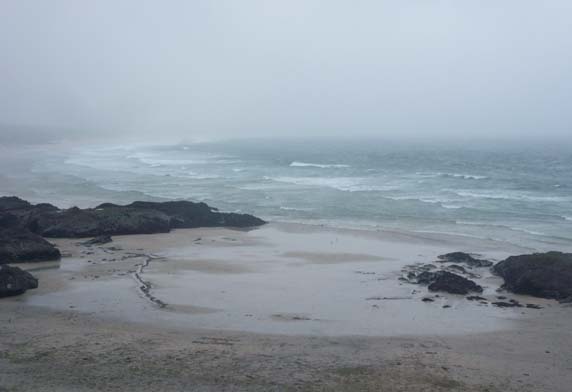

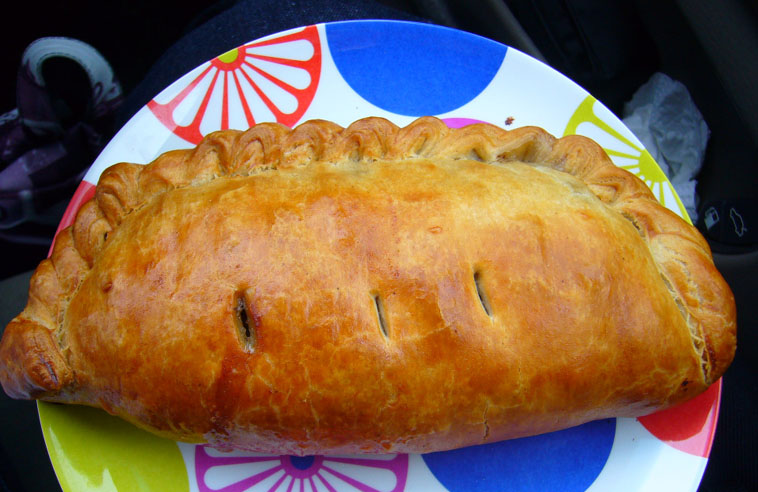
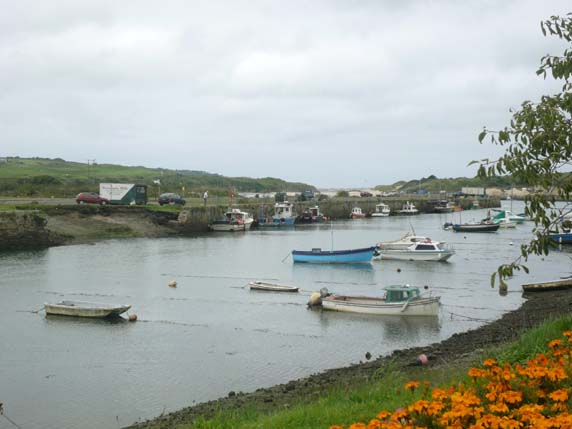
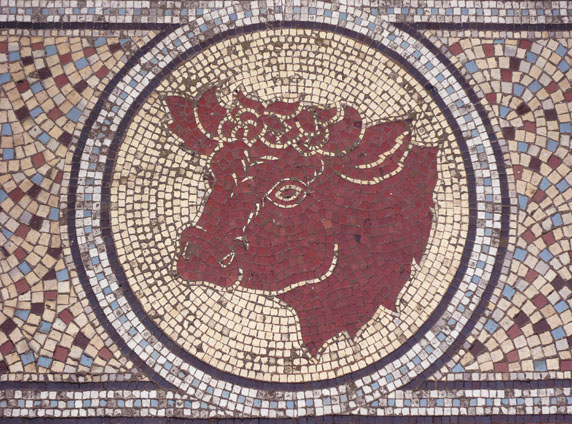

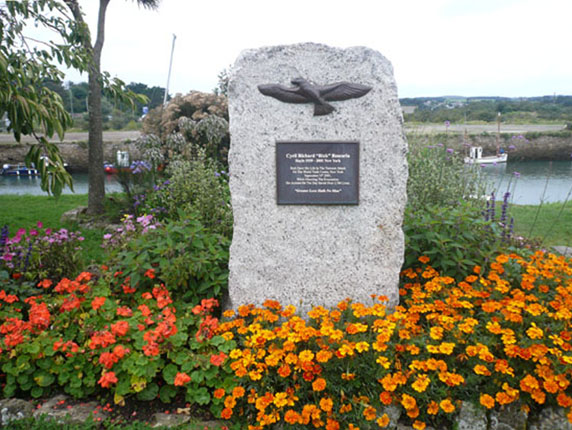
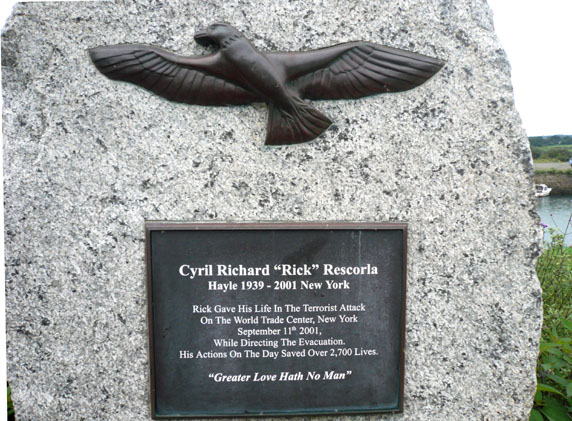
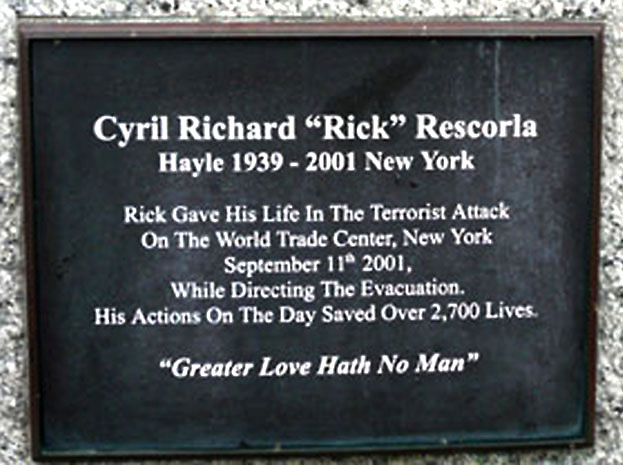
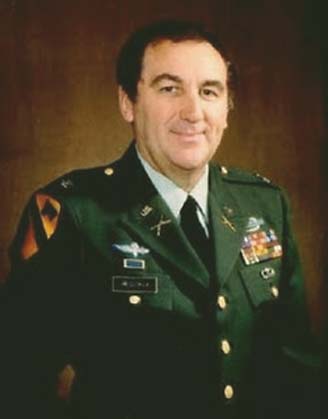

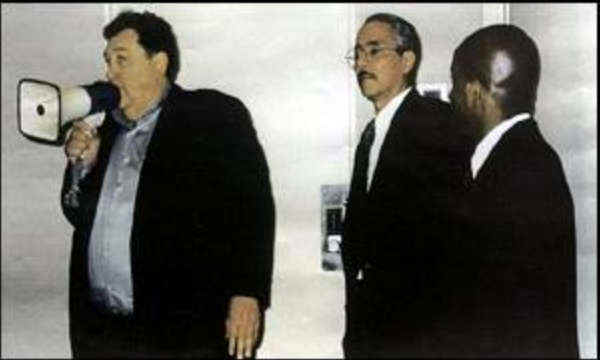
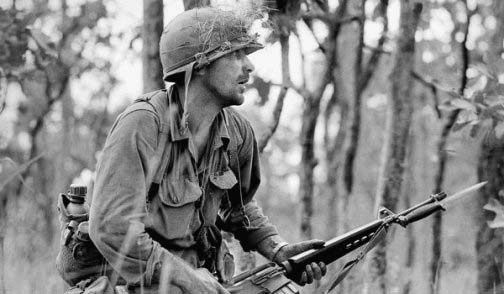
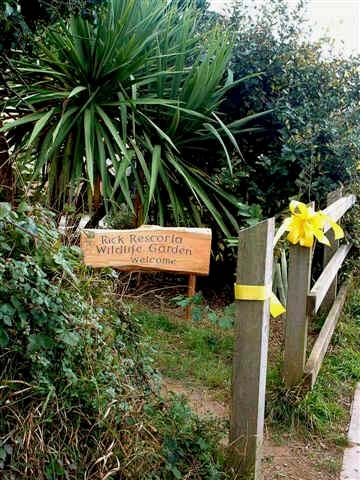
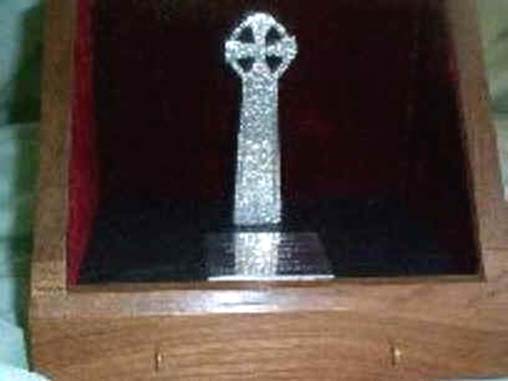
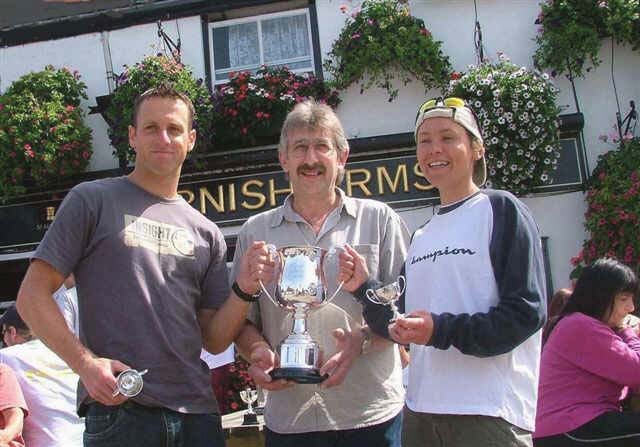


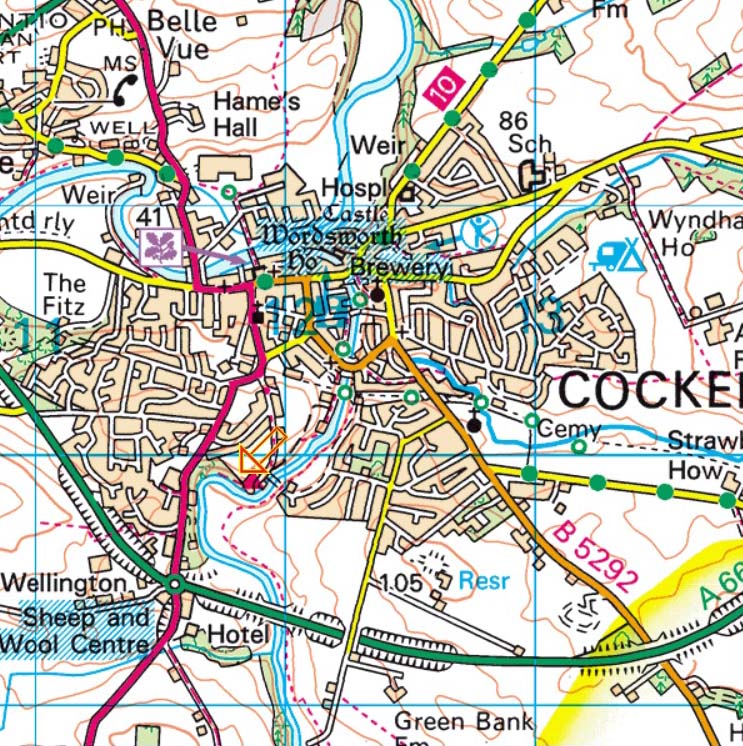

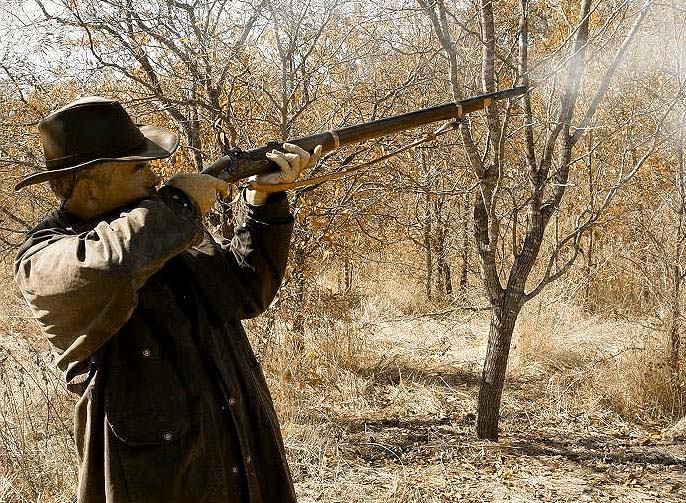
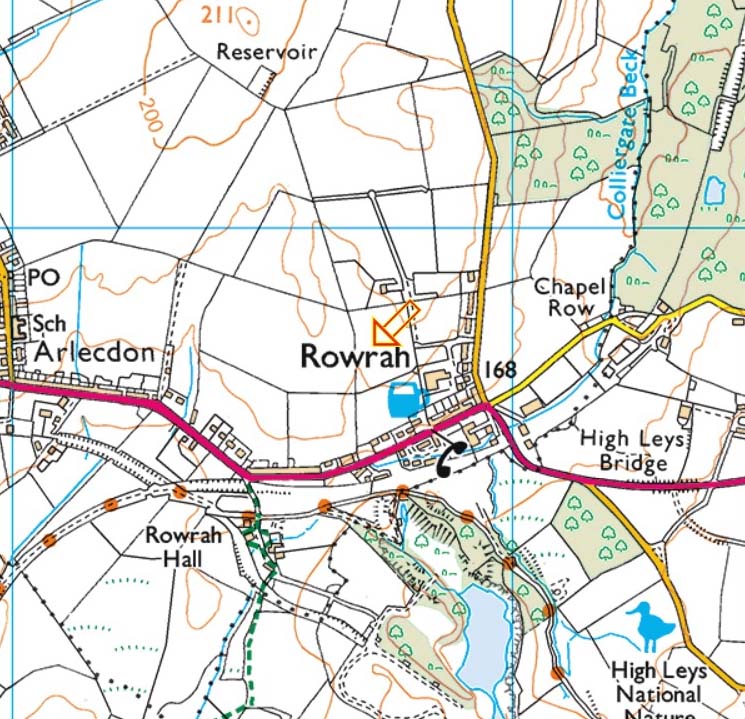
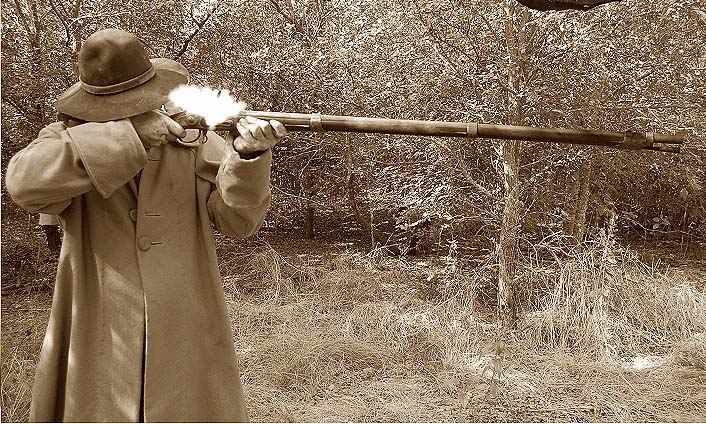
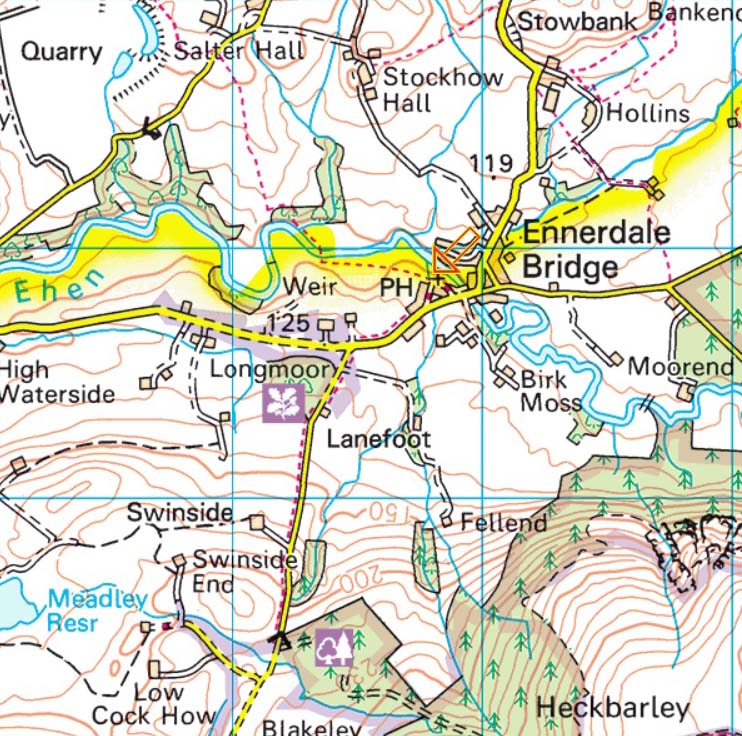


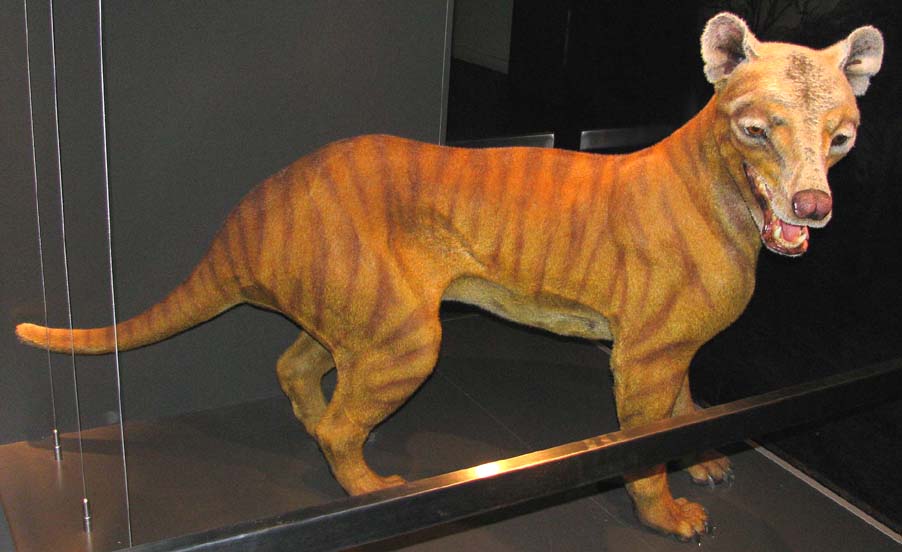
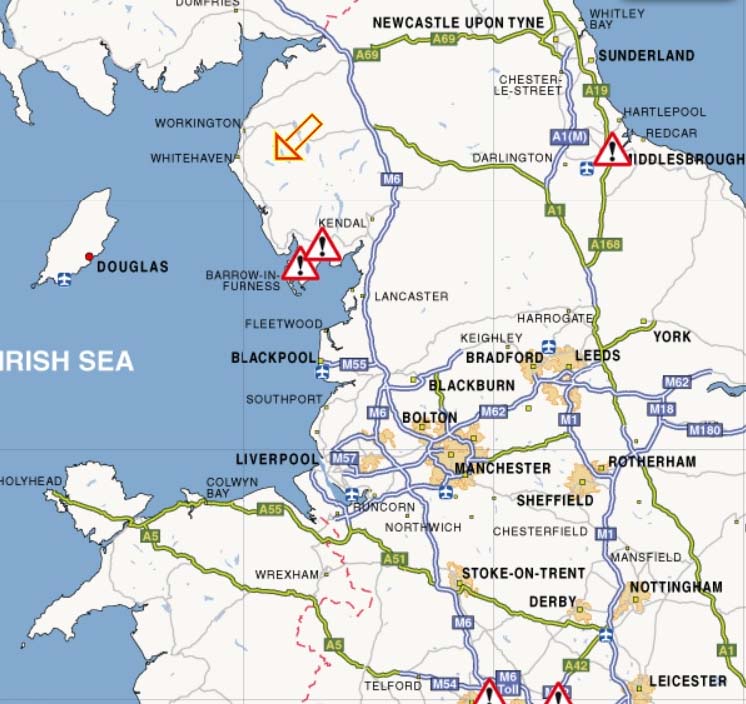
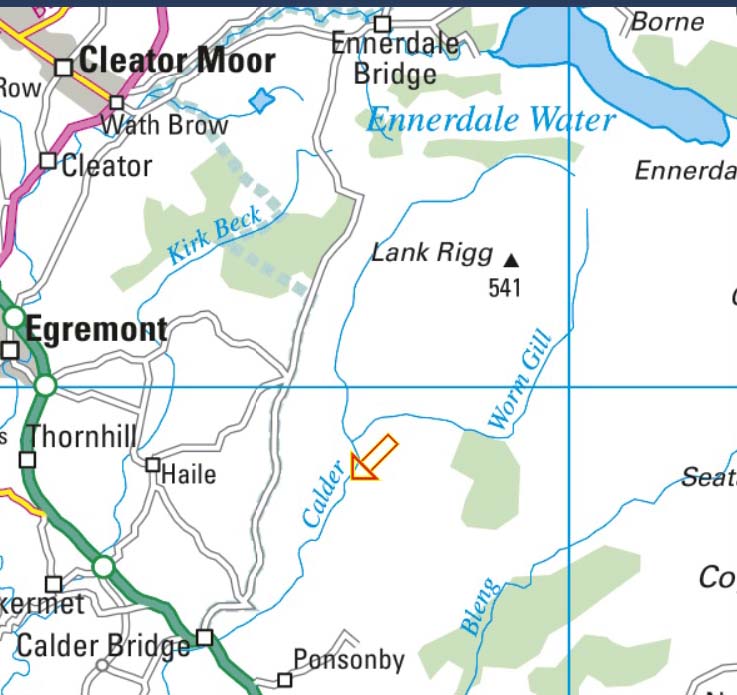


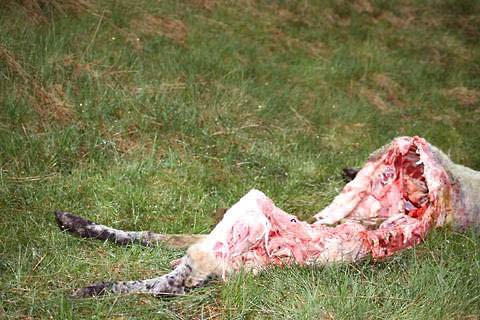
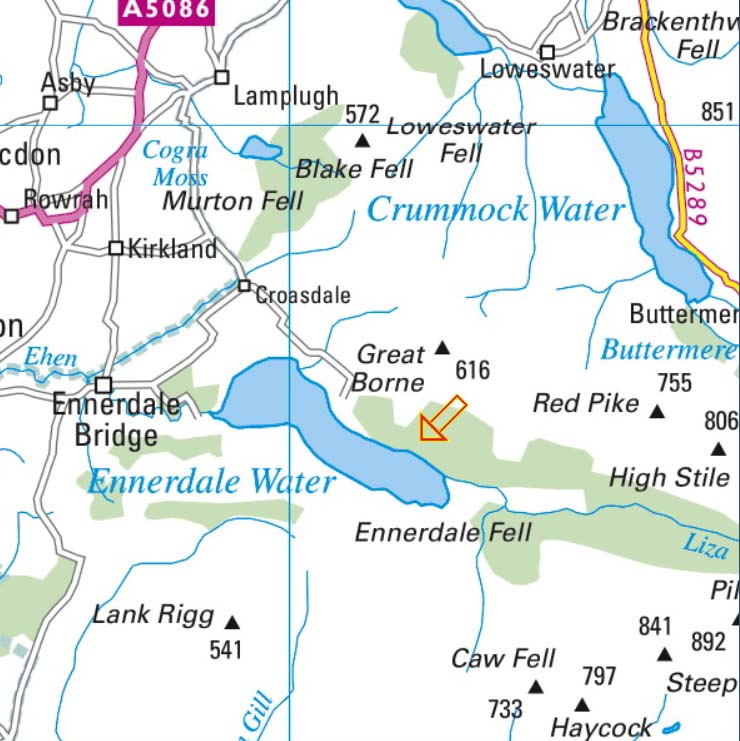


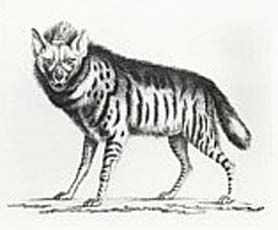
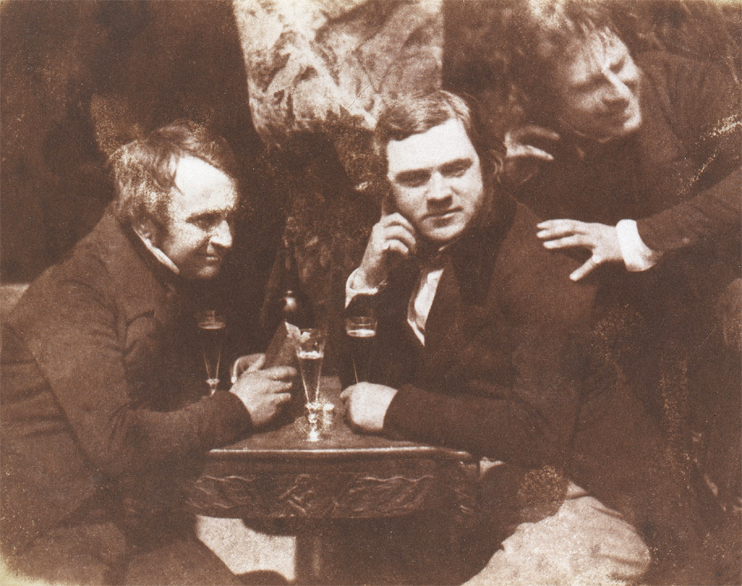
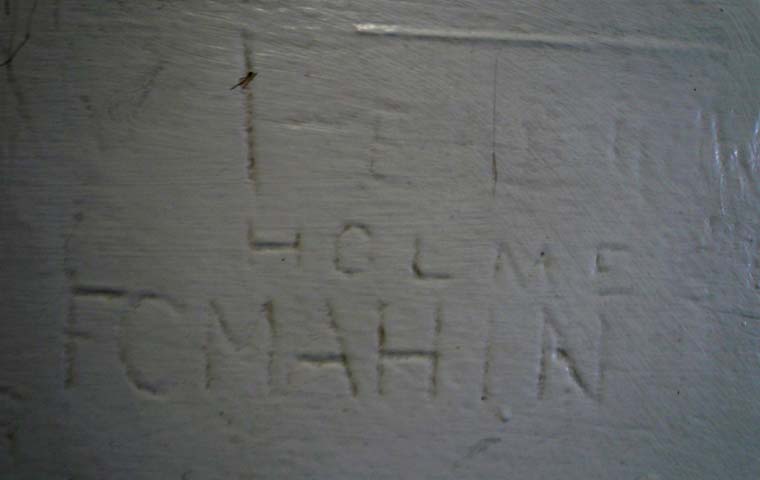

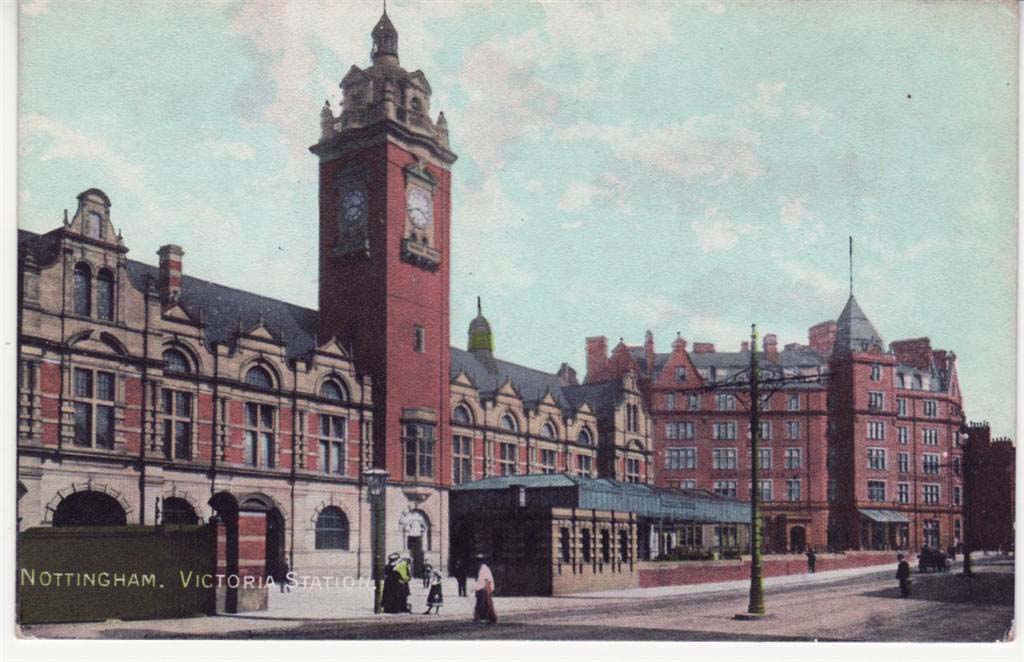


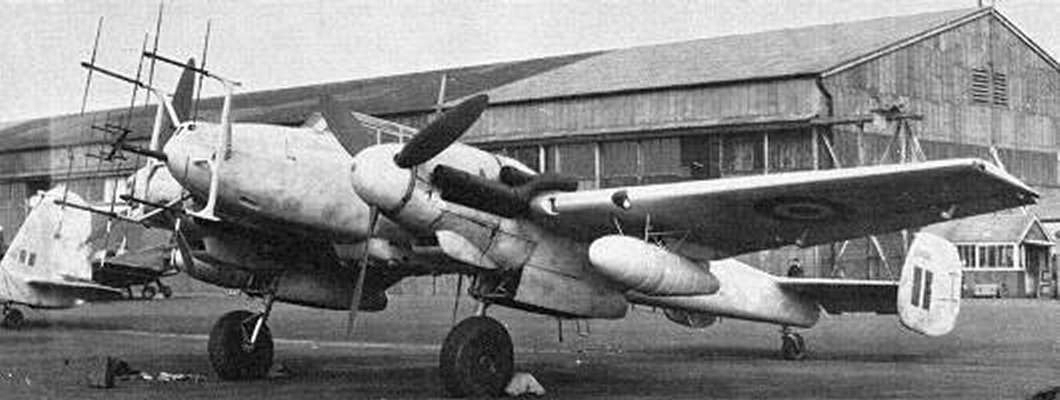


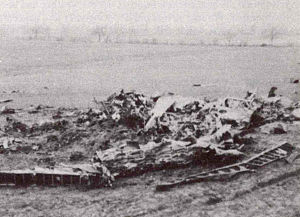


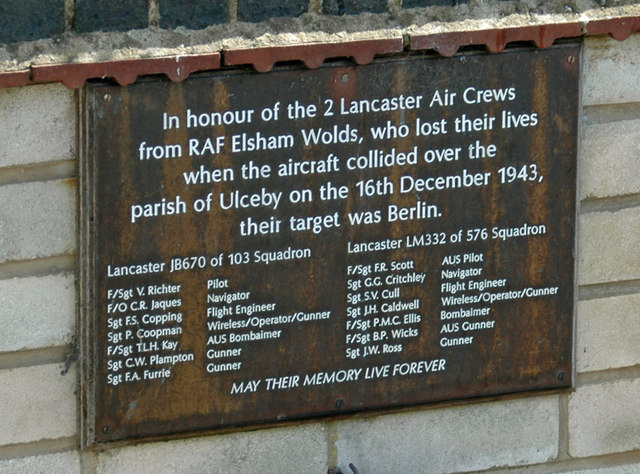
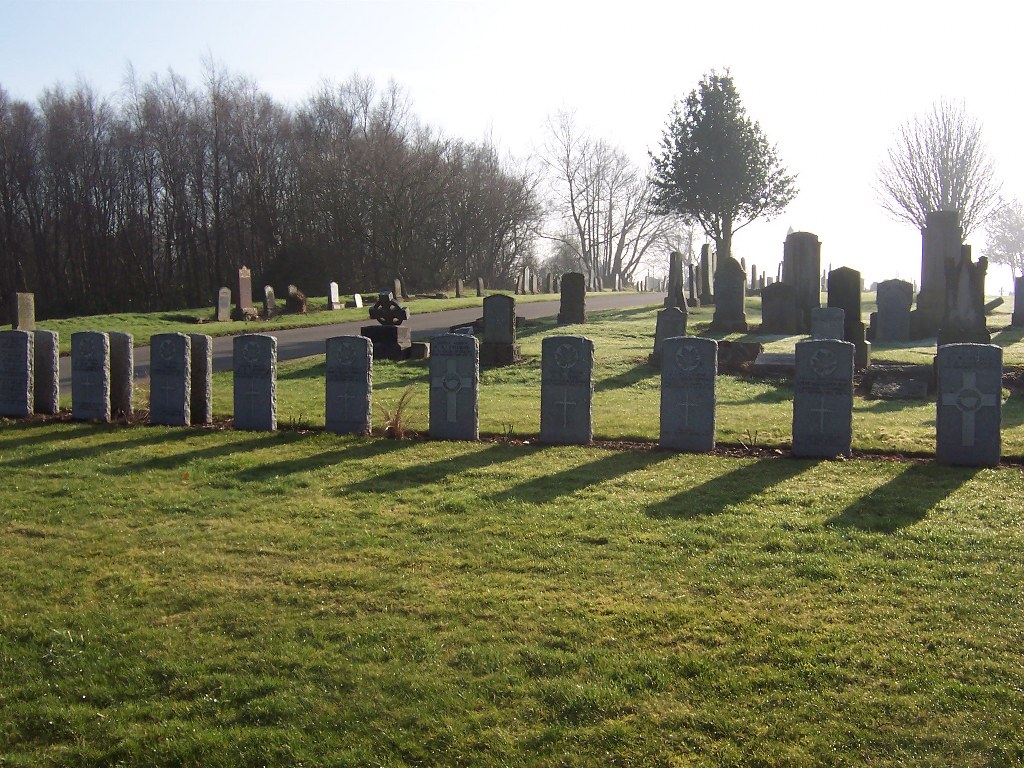
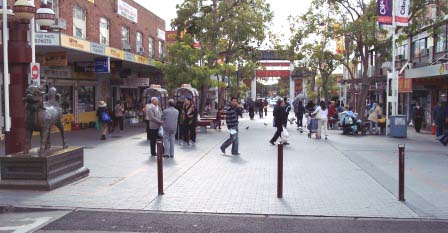
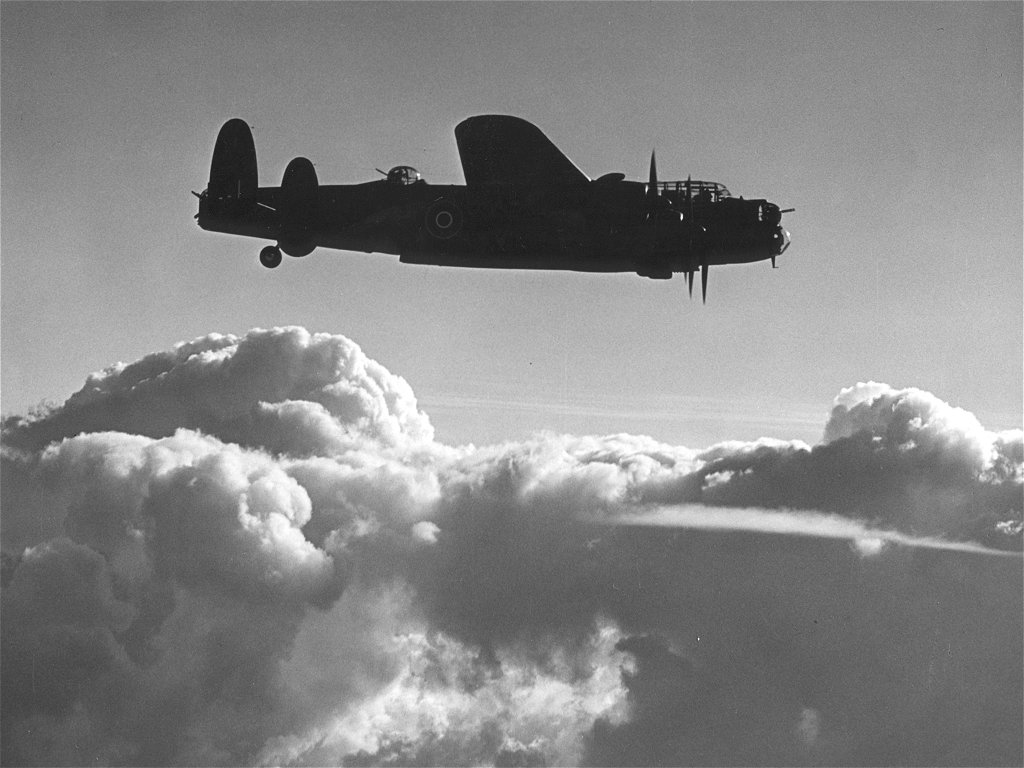
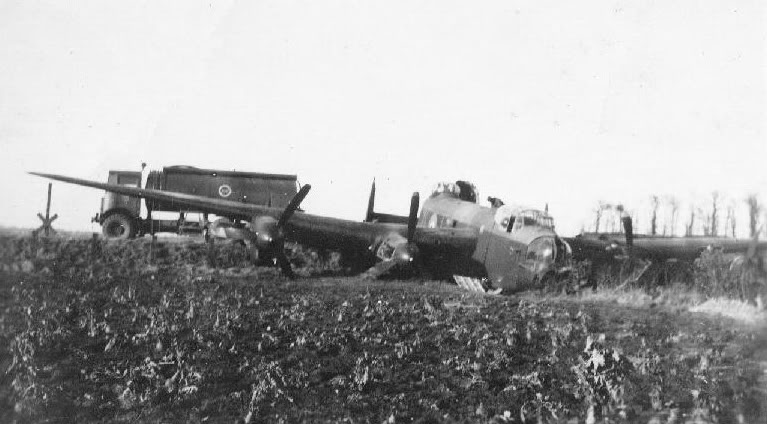
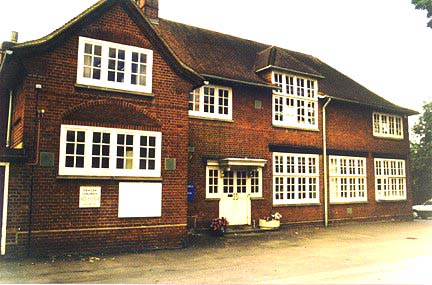

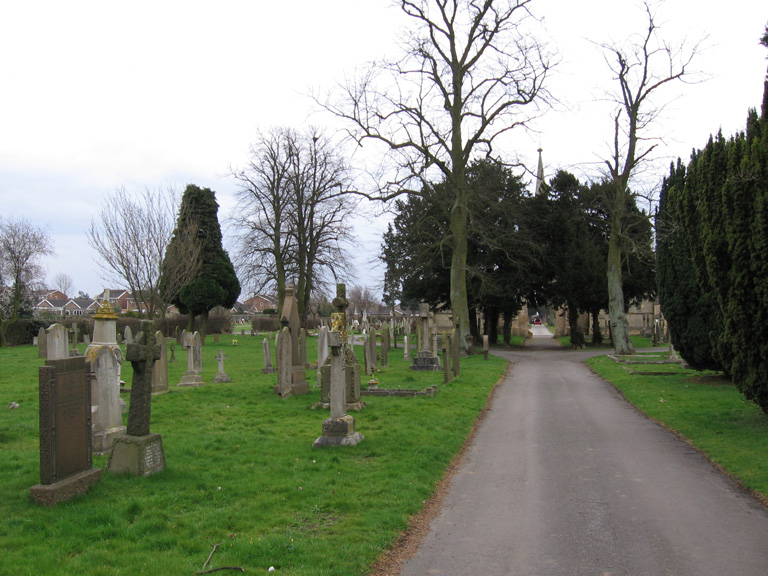
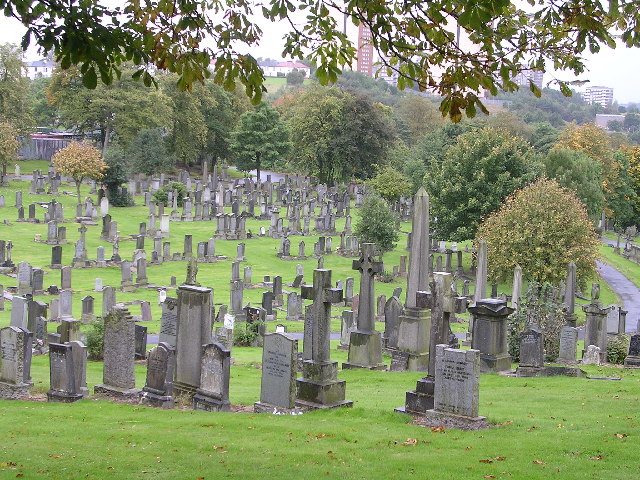
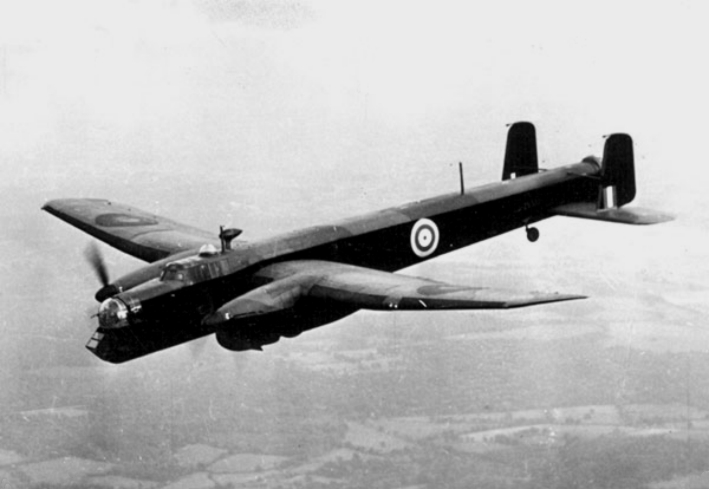
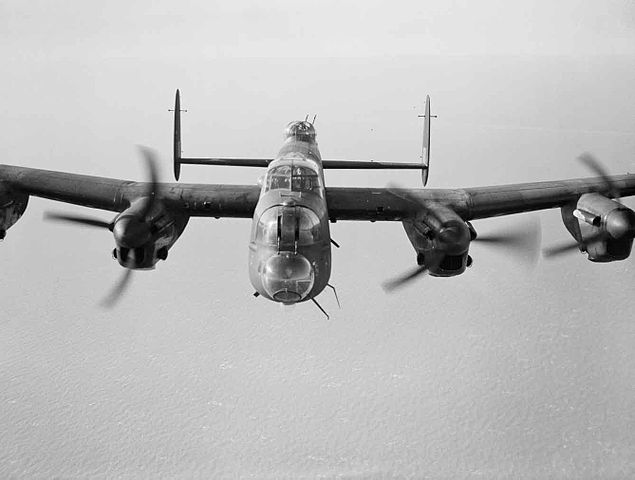
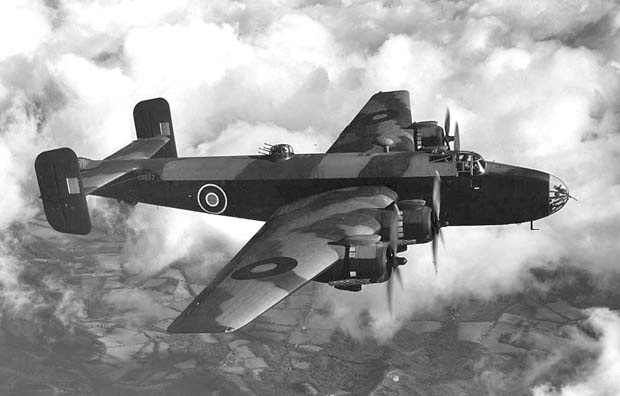
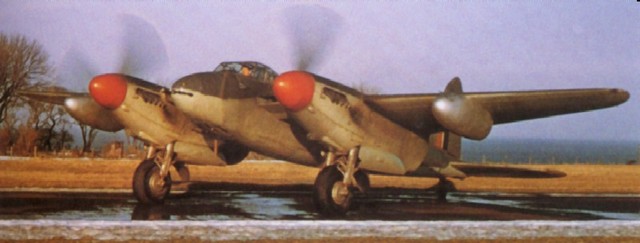
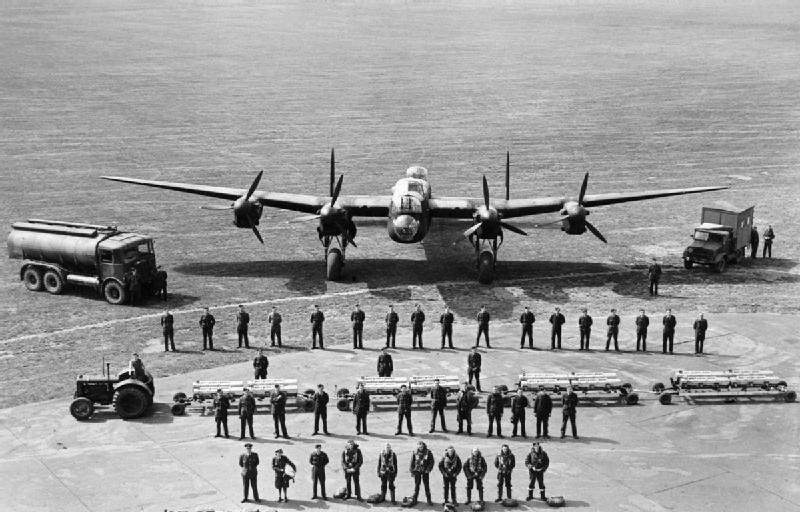
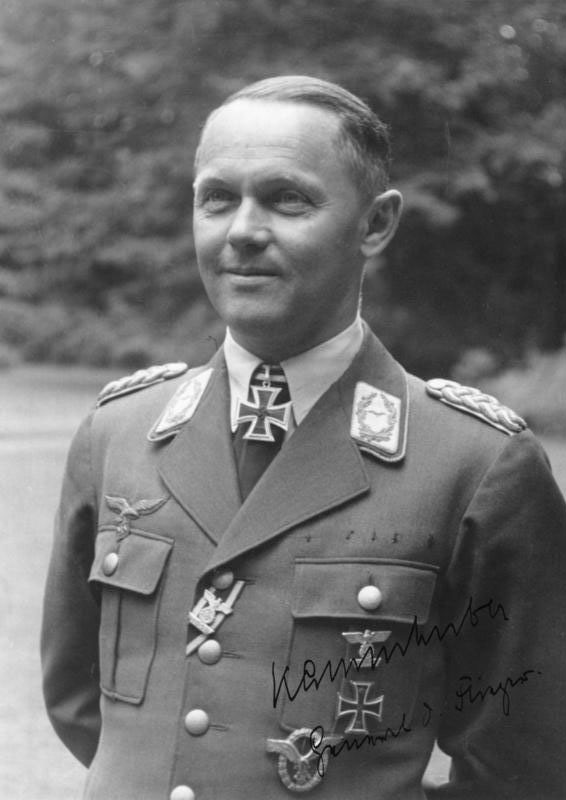
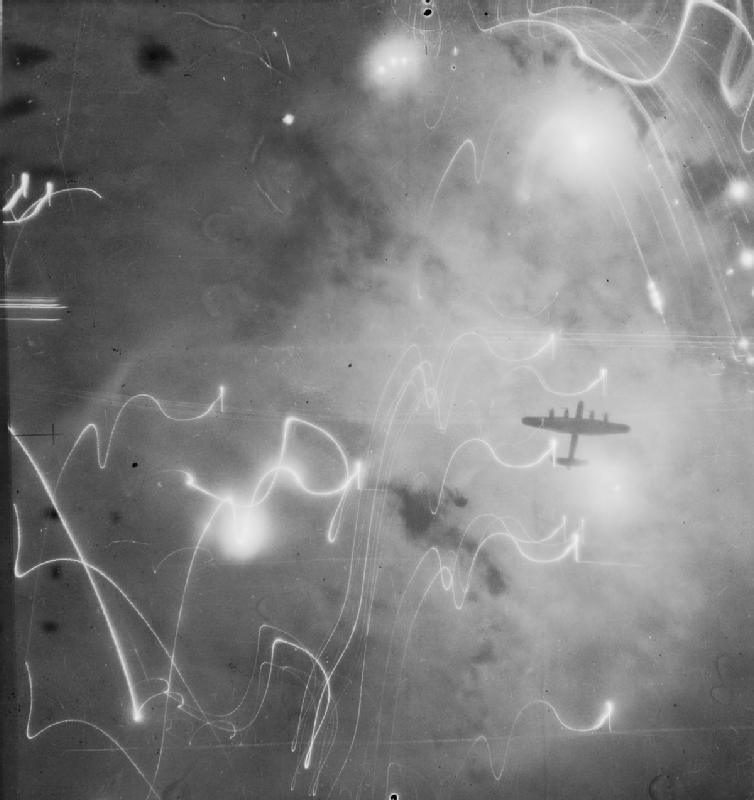

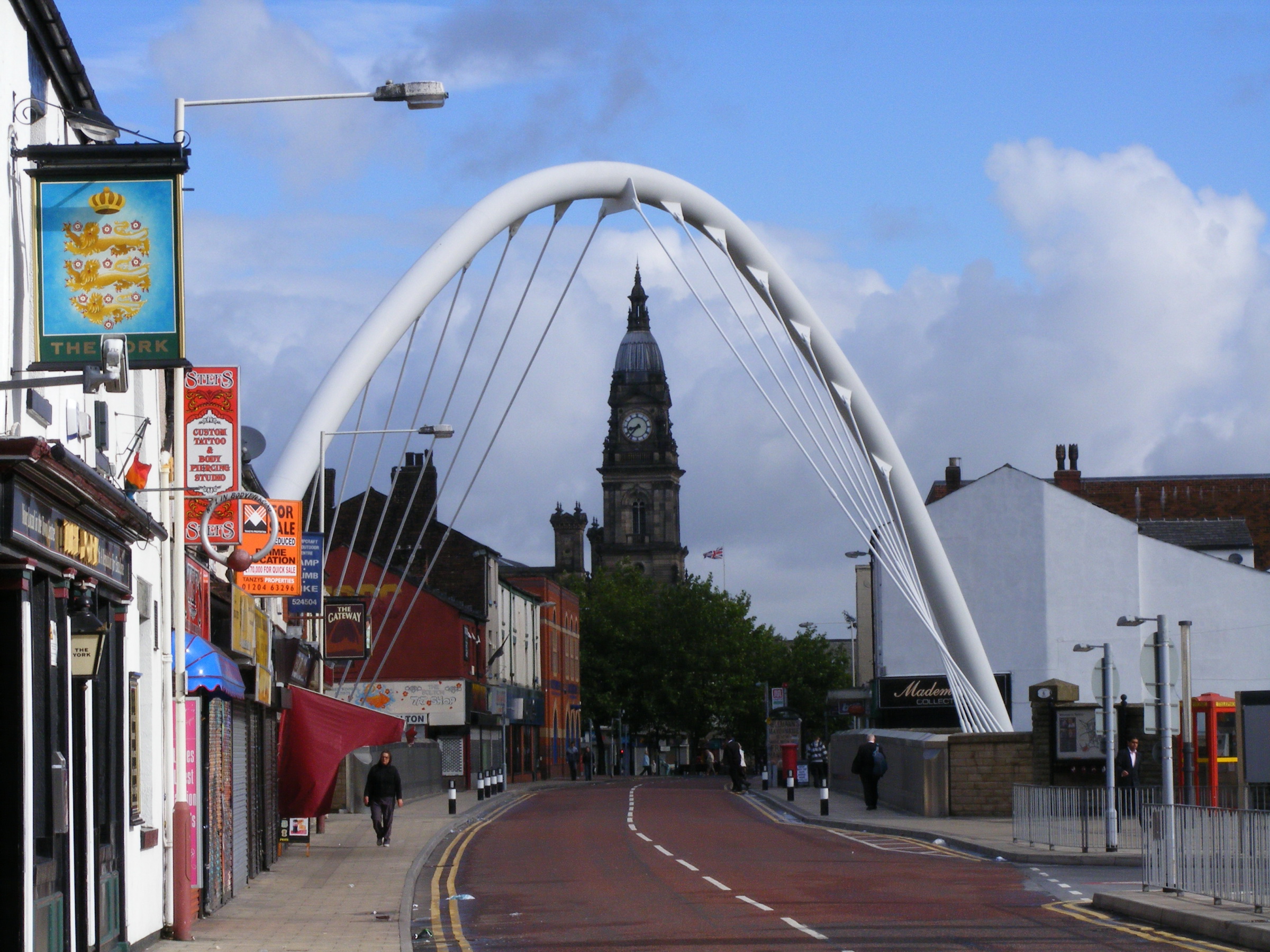
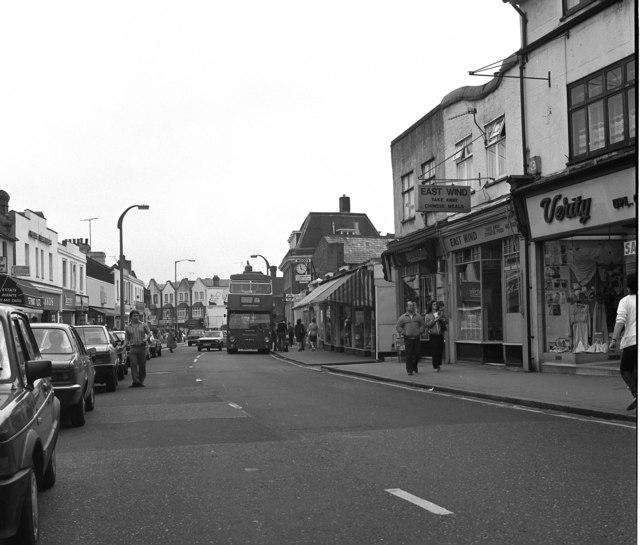

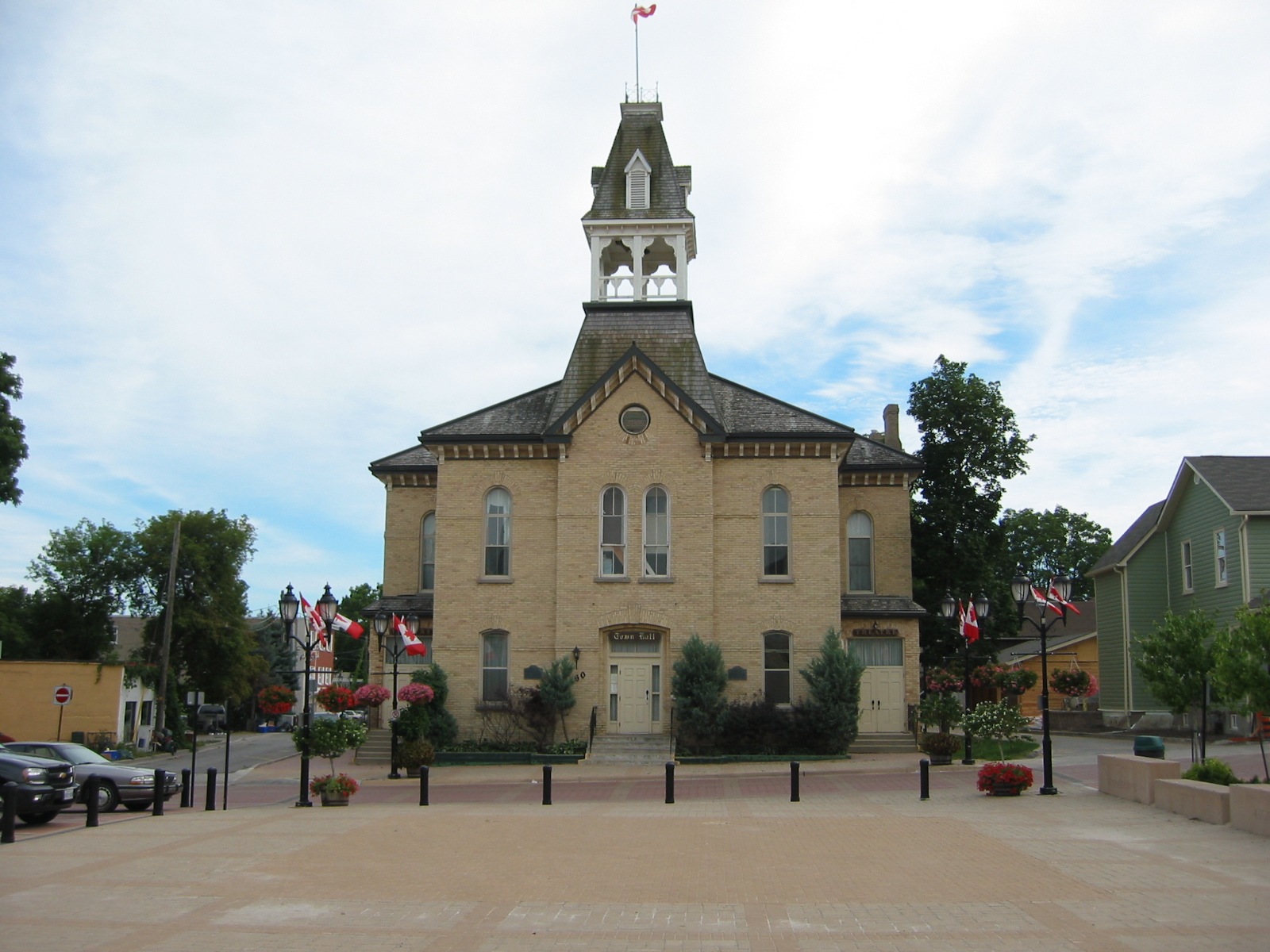


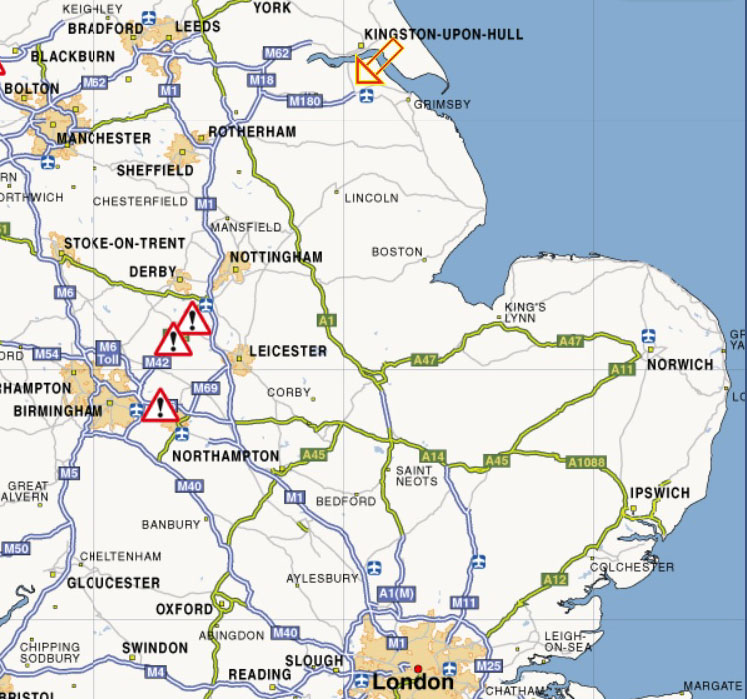
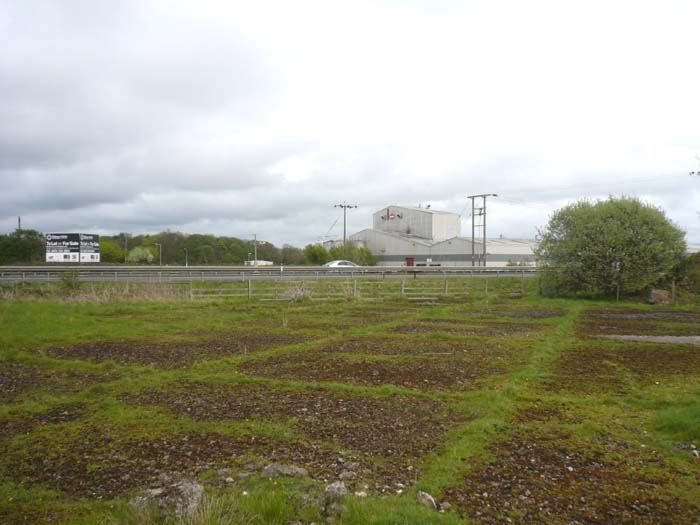
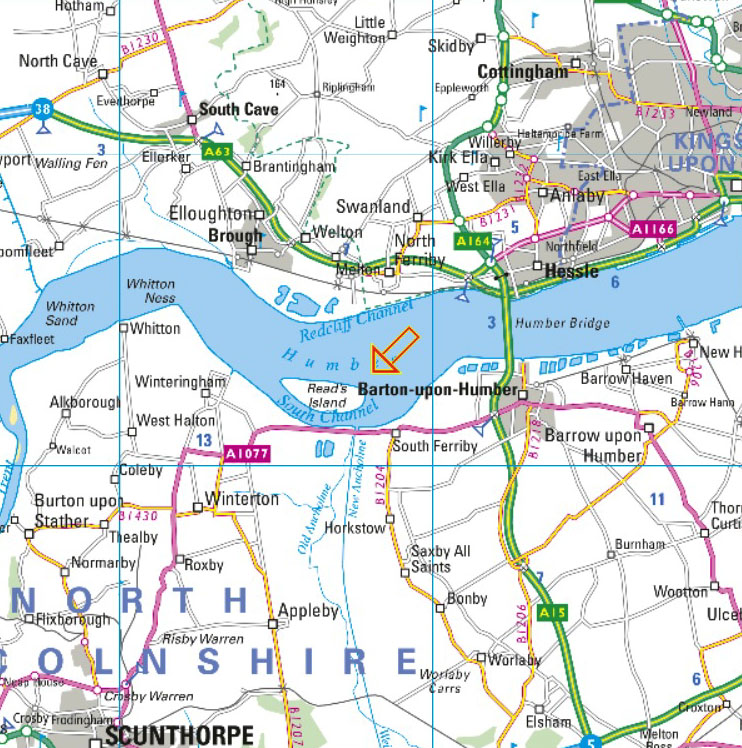


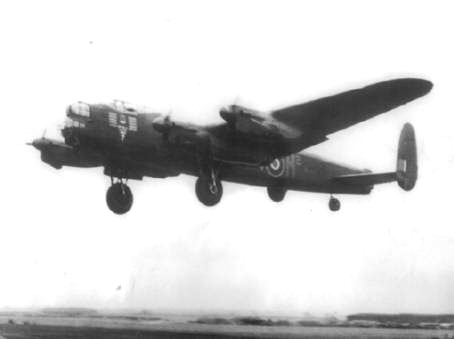

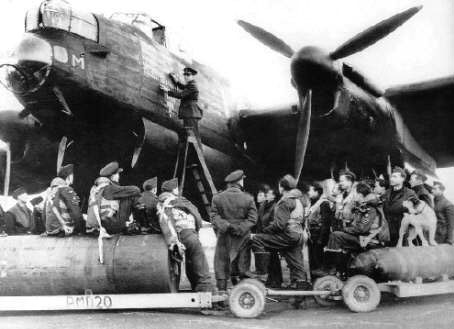


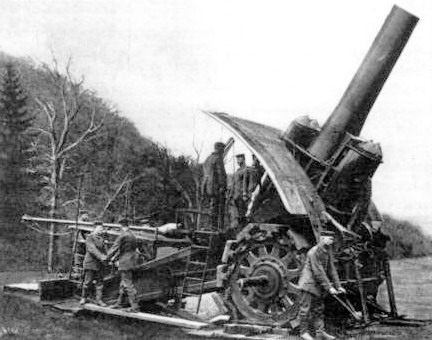


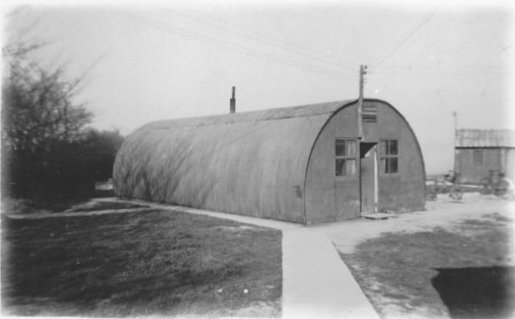
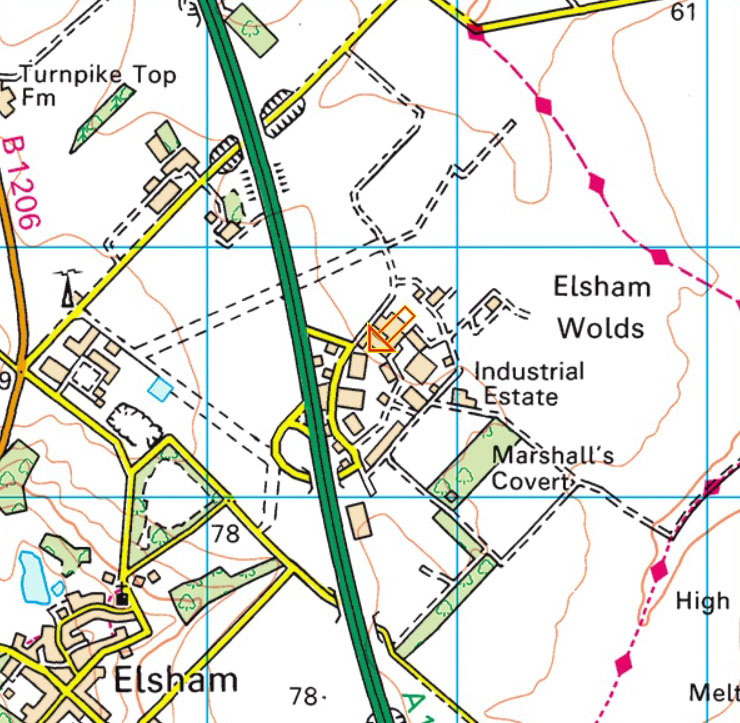


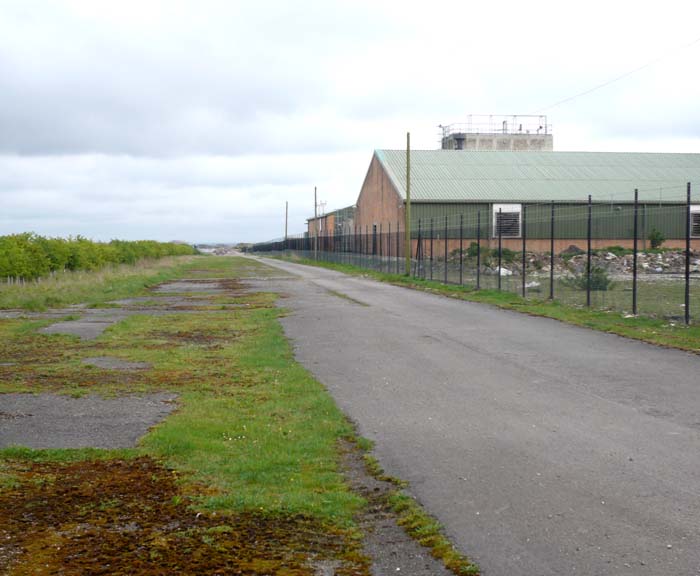
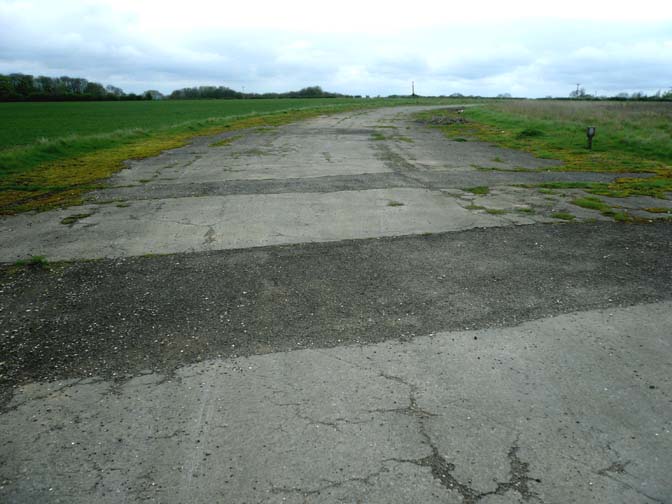




 John Knifton