Category Archives: History

The Oldest Old Boy of Them All (2)

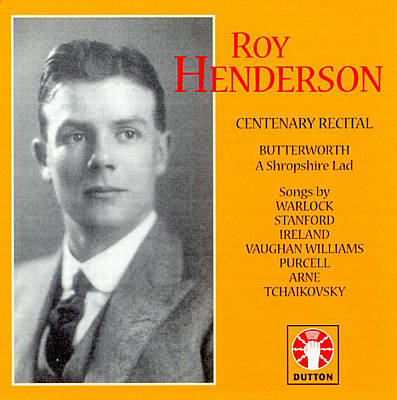
Many, many years ago, in 1990, my friend and colleague, Simon Williams, interviewed Roy Henderson who was then one of the oldest Old Boys still alive. In due course, I transcribed the taped interview and added some extra explanatory details where this seemed helpful to the reader. This is the second section of an eventual five, all of which describe the High School just before the outbreak of the Great War, and then during the first few years of the conflict:

Nobody was ever allowed to speak to or approach girls from the Girls’ High School. For this transgression, boys were punished by being confined to their own school. Attitudes at this time were very Victorian.

Dr Turpin, the Headmaster, was always a popular figure. On one occasion, Roy was grounded for three months for putting chewing gum on the seats of other boys. Perhaps fortunately for him, he was caught when just about to put it on Jumbo Ryles’ seat. Mr Ryles came in, and Henderson thought that he would be expelled for this offence.

There were two Ball brothers in the school at the time. They were both in trouble most of the time. The more famous brother, Albert, was “a real card”. This is a photo taken during the time of the Great War. It shows Albert, apparently still wearing his brightly coloured slippers, his brother Cyril and an unknown officer of the Royal Flying Corps:
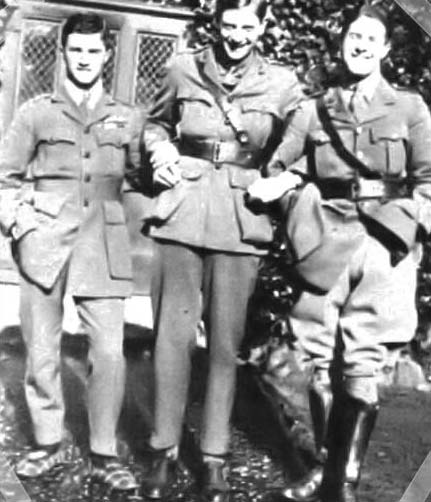
Albert25 bro, unklnow

At this time, music was not in the curriculum. There were just “a few ridiculous songs” for the prize giving ceremony. The Third Form music master was a Mr Dunhill, who had one eye which was straight, but the other looked outwards at an angle, rather like half past ten on a clock. Boys always used to make fun of him. Whenever he shouted “Stand up you! ! ! ” and looked at a certain naughty boy, four others would get up elsewhere in the room. “NO! NO! NOT YOU!! …YOU! ! ” The first four would then sit down, and another four completely unrelated boys would stand up elsewhere in the room.

Albert Ball specialised in misbehaviour during these singing classes. He and his brother would invariably “kick up a terrible row”, and would then be sent out of the room. This is Albert in 1911:
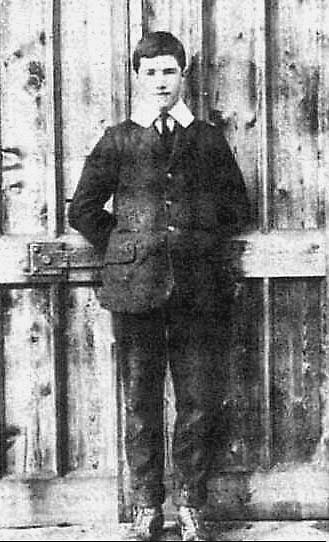
Albert 1911 trent

According to one Old Boy from just a few years later, however, Albert Ball’s actual expulsion came from an incident which took place at morning prayers. Ball took in with him a huge bag full of boiled sweets, which, at one point, was allowed to burst, and hundreds of sweets were all dropped onto the floor. The whole school assembly then became one seething mass of boys, all scrabbling about on the floor, “heads down and bottoms up, completely out of control ”, trying to pick up as many sweets as they possibly could.

Albert Ball’s father was a City Alderman, but at the same time, he too was “a real character”. He took Roy trout fishing on several occasions around this period, but always used worms, never flies. This is Albert with his father, Sir Albert and his mother, Harriet Mary:
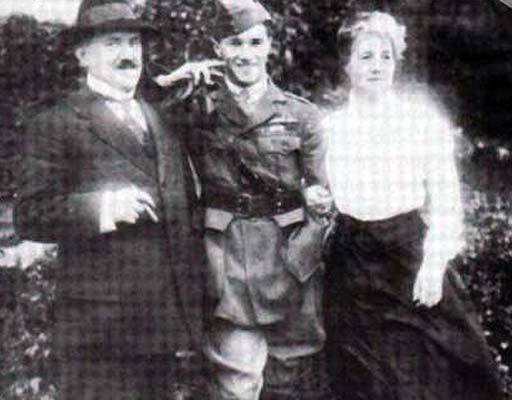
Albert22 family

Roy’s brother was also in the school around this time. He seemed always to be in scrapes when Roy was a prefect. Eventually he left Nottingham, and went to Millhill School. Roy himself enjoyed the High School, although he was never very good in the classroom. By his own admission, he was very poor academically, and was totally hopeless at exams.

Roy was a best friend of Arthur Willoughby Barton, who was later to become the Headmaster of the City of London School. The pair of them always collaborated closely in Chemistry lessons with Dr Turpin. Henderson did the weighing and all the practical activities, while Arthur did all of the calculations. In lessons they always got full marks, but in examinations, Roy usually scored very low marks indeed. Arthur, of course, still got his ten out of ten. Here is the official paining of “Fuzzy” Barton as the Headmaster of the City of London School:
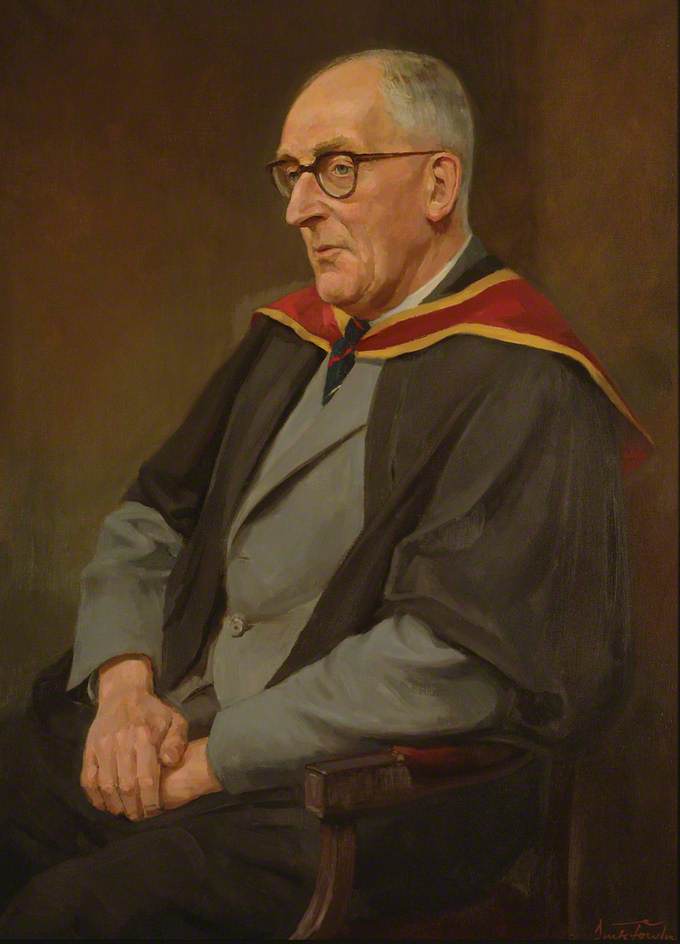
(c) City of London Corporation; Supplied by The Public Catalogue Foundation

The high point of Roy’s rather modest academic career came in the Sixth Form, when he finally won a prize, the Duke of Portland’s prize for an English essay. It was on “Militarism”, and Roy only won because the rest of the Sixth Form deliberately boycotted the competition, with the attitude of “It’s the only thing Henderson can do…..let him have it.”

The Duke of Portland, in his capacity as the Lord Lieutenant of Nottinghamshire, was to unveil the school war memorial in 1922:
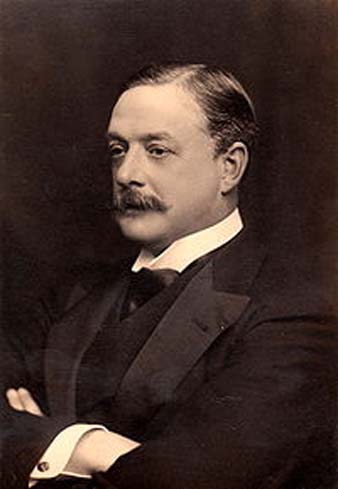
1900_Duke_of_Portland,_by_sssssssss

Roy sang a specially composed song, accompanied by a piano placed “at the top end, just inside the school”. A wonderful draught of wind blew outwards from the school throughout the very impressive and solemn ceremony. It carried his voice beautifully, but also gave him lumbago. Here is the school war memorial:
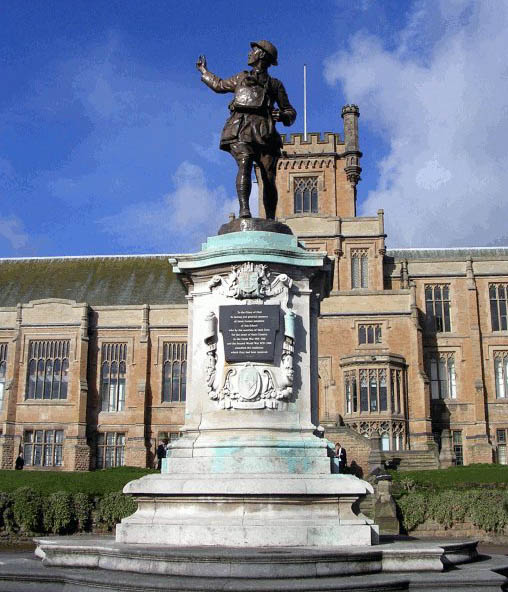
notting_high_school_war_memorial xxxxx

Here is a photograph of the dedication ceremony. One of the people is surely Roy Henderson. but I do not really know which one:
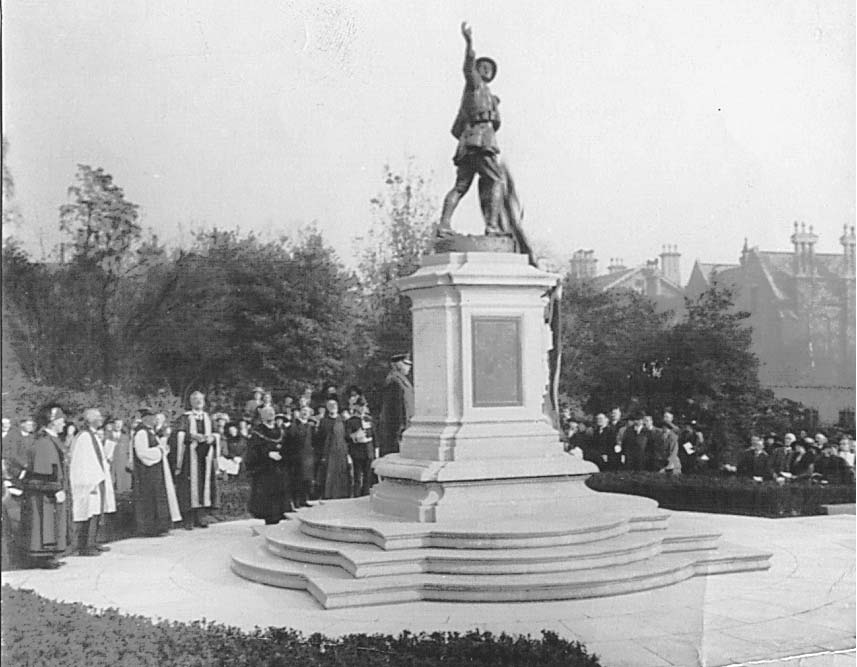
war meoorial ceremnoy

During the first year of the Great War, many of the Sixth Form members of the Officer Training Corps had gone to a special summer camp, working on a farm on the south side of Nottingham. It was hard, unpaid work, harvesting potatoes and hoeing turnips. The following year, Roy arranged his own summer camp, at a farm near Grantham. Six boys, all members of his father’s church, went with him. They were all Prefects, and comprised three pairs of friends, Harold Connop and Francis Bird, Thomas Wright and Lancelot Foster, and John Boyd and Roy Henderson. Unfortunately, as they waited for the train, the tent, which was supposed to arrive, did not turn up, so four of the boys went on to Grantham, while two had to stay behind in Nottingham. The farmer, unhappy with having to pick them up twice at Grantham, greeted the final two at the station with the words:

“What? What? My boy, I am not a little annoyed! ”

Here is Grantham relative to Nottingham. Look for the orange arrow:
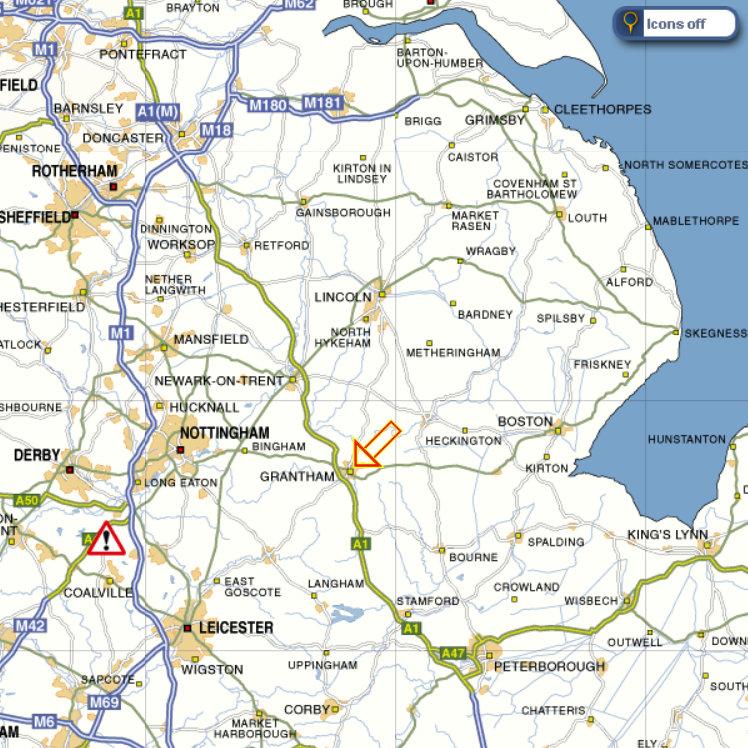
granthsm

The boys were asked to load hay from a stack to the farm cart. They started piling it on enthusiastically, but they proved to be too quick for the man on the cart, a Mr Wright. The latter soon told them that half a load was enough, and then geed up the horse. When the cart set off, though, half the stack came with it, and the whole lot collapsed. Everyone found it immensely amusing, and they laughed about it for a long time afterwards. Other work for the boys included shaking the clover out of the cut wheat. At the end of the week, they enjoyed an amazing celebratory meal at the farmhouse. There was roast beef and duck, and by the end of the pudding, everybody was absolutely filled, collapsing with the weight of the food consumed. The farmer then sent for Henderson, obviously about to give him something as payment for the six boys’ work during the week.

When he returned they all quizzed him…“How much??? How much??? ” He replied “A pound.” There was a disappointed silence, which was broken only by Henderson’s single word “EACH!!” Everybody collapsed with excitement. They were totally flabbergasted, as, at the time, a pound was an absolute fortune. The boys were later invited to the farmhouse for dinner at Christmas. Under each of their plates, they found a ten shilling note as a gift from the generous farmer. In addition, the boys all went to the school’s army camp, but was a much more formal, military occasion.

This article will be continued in the near future.
12 Comments

Filed under Football, History, Nottingham, The High School

The High School’s best football season of the Modern Era

Overall, it must be said, the football team at the High School since 1968 has not really had a great deal of success. The exception to this, though, was the 1980-1981 season which was easily the most successful of the modern era. By the time the School Magazine, the Nottinghamian, was published, the team were undefeated in twelve matches. This record was extended to the very last game of the season which was a most unfortunate defeat at home by High Pavement Second XI who managed to score two goals without reply.

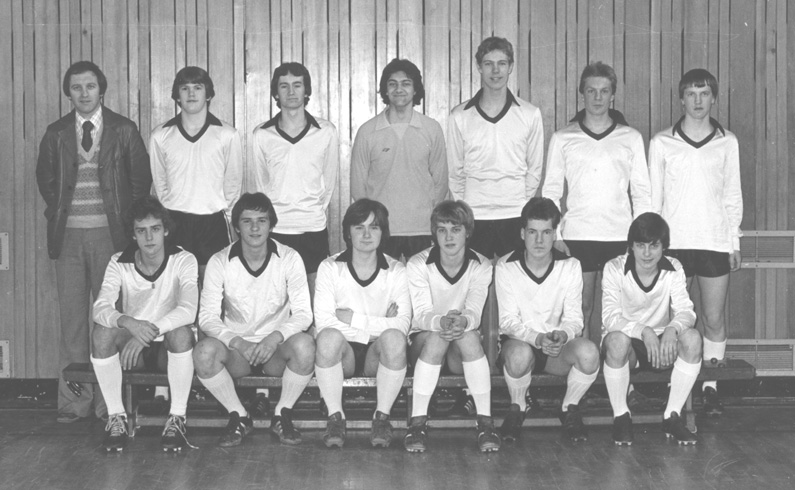
Here is the team photograph:

first eleven DAS BETTER Bxxxxxxxxxxxxxxxxxxxxxxxx

(back row) Dr.D.A.Slack, Norman Garden, Robert Crisp, Richard Mousley, Jon Bullock, Simon Derrick, John Ellis

(front row) Rob Persey, Raich Growdridge, Chris Peers, Neil McLachlan, Nick Cope, Chris Ingle

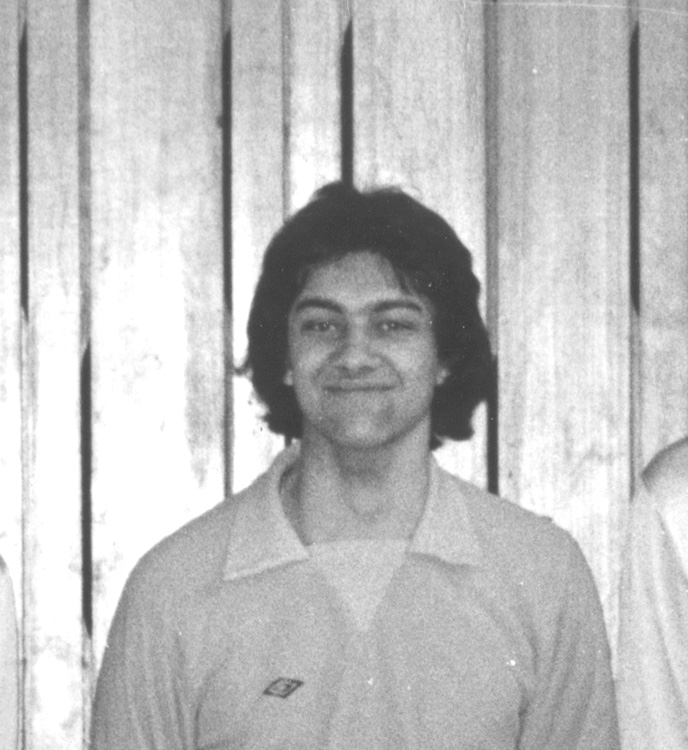
The team’s goalkeeper was Richard Mousley, whom the school magazine described as “reliable, agile, and when needed, very courageous.”

MOUSLEY 750 WWWWWWWWWWWWWWWW

They continued with the rest of the team:

In defence Richard Townsend was the left full back, replaced occasionally by Norman Garden. Both of them were deemed to be “consistently good players, and very determined in the tackle.” On the opposite side as right full back was Nick Cope, equally determined, and occasionally over-enthusiastic in the tackle:

Alas, Richard Townsend did not attend the team photograph on that coldish but fairly bright day in the Summer Term of 1981.

The central defenders included Raich Growdridge who was both team captain and sweeper. Raich was very skilful, with total commitment and a tenacious tackle. He was always capable of lifting the side when things were going against them. Raich had a trial with Derby County’s A team during the Spring Term, and is believed to have played perhaps three games for them. I was told by the Derby coach that had he not been over 18 years of age, they would have signed him for the club:

RACIH GROWDRIDGE 750 WWWWWWWWWyes yes yeas

The other central defender was Jon Bullock who was extremely commanding in defence and particularly useful when attacking at corners. He actually scored a hat-trick at Bilborough, an extremely unusual feat for a defender:

JONNN BULLOCKxxxxxxxxxxxxxxxxxxxxxxxxxxx

In midfield, Tim Little was hard working and consistent. He also scored some very useful and well taken goals when he moved into a more attacking role:

TIM LITTLE XXXXXXXXXXXXXXXXXX

Rob Persey was a tireless player, and a very determined tackler who possessed a great deal of skill when coming forward into attack. He was not the strongest defensive player, however:

ROB PERSEWY. 750 jpg XWWWWWW (2)

John Ellis played on the right, and scored a number of remarkable, even unbelievable goals, from between fifteen and thirty yards out:

JOHNNN ELLIS xxxxxxxx

Chris Peers was a fine left footed player, who could dribble well past a succession of opponents. He was a particularly skilful taker of corner kicks:

CHRIS PEERS WWWWWWWWWWWWW

Among the forwards,  Simon Derrick  was perhaps rather small, but very aggressive as a centre forward, with a lot of skill on the ground:

SIMONNNN DERRICK WWWWWWW

Chris Ingle was an excellent finisher, with tremendous pace. In the author’s humble opinion, he was the fastest High School forward of the modern era, with the possible exception of Leo Fisher. Chris scored nine goals in the season, with a hat-trick against St Hugh’s College, in Tollerton:

CHRIS INGLE ONE WWWWWWWWWWWWWWW

Other players to have figured in the squad included Neil McLachlan, who occasionally lacked total commitment, but had sufficient skill to play well as a replacement both in defence, midfield or attack. A veritable “Jack of All Positions”, the Nottinghamian called him and a valuable asset to the group!

NEIL MACxxxxxxxx33333333xxxxxxxxxxxxxx

Robert Crisp, universally known as “Bert” was a skilful midfielder, who never let the side down when called upon:

BERT CRISP WWWWWWWWWWWWWWWW

Both Ken Blecher and Chris Turner also played in the team:

Overall, the side played seventeen games and won eleven of them. Five games were drawn, and there was a single defeat, by 0-2, in controversial circumstances, if I remember correctly, against High Pavement 2nd XI. It is interesting to notice how many of these schools no longer exist nowadays, thirty four years later. The team’s victories came over Brunts of Mansfield (twice), Becket(twice), Bluecoat(twice), Forest Fields 2nd XI (twice), High Pavement 2nd XI, Bramcote, Bilborough and St Hugh’s College in Tollerton. Drawn games came against Bilborough, West Bridgford, Bramcote and twice against Trent Polytechnic.

The team’s goals were scored by Ingle 9, Ellis 8, Derrick 6, Bullock 3, Little 2, Persey 2, McLachlan 1 and two own goals.

The football report in the Nottinghamian paid the fullest tribute, and rightly so, to the endless support given to High School football by Tony Slack, who was retiring at the end of this splendid season:

TONY SLACKKKxxxxxxxxxxxxxxxxxxxxxxxx

He in turn generously praised the team’s achievements, despite the limitations of selecting a team from a very small number of players. Set against this, however, was the players’ commitment to the game, their willingness to work for each other, and their high level of team work, which, on many occasions, enabled them to defeat opponents who were, technically, far more skilled than they.

Nowadays, these young men will be in their early fifties. It would be interesting to find out where any of them are now, perhaps with a message in the “Comments” section?

22 Comments

Filed under Derby County, Football, History, Humour, Nottingham, The High School

Bigfoot? Where? Tunbridge Wells?

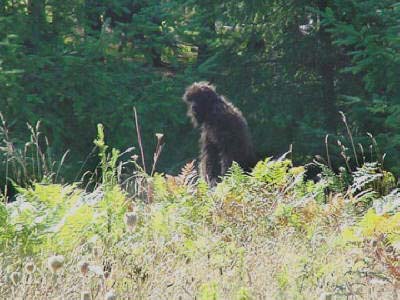
Of late, there has been an increasing number of claims by people who think that they have seen Bigfoot in Great Britain. If you think Bigfoot is a physical being, descended from gigantopithecus blacki, then for me, that particular idea of seeing such gigantic creatures in tiny England is almost beyond ludicrous.

blacki

If you think Bigfoot and all his pals come through vortices in time and space, wormholes in the structure of the dimension, then I suppose his existence here would perhaps be a definite maybe.

Rather reminiscent of the “Barmston Drain Dog Destroyer”, this is a tale from Tunbridge Wells. I have précised the account in the Daily Mail, although it did appear in a good few other newspapers in almost identical form.

Tunbridge Wells, incidentally, is located in west Kent, forty miles from London. The population is about 56,000:

“Terrified walker claims 8ft-tall creature roared at him…

Bigfoot, red-eyes, Bill Rebsamen

A man walking in the 200 acres of woodland beside the town’s common claims to have spotted an 8ft tall black beast with demonic red eyes and long arms.
The ape-like creature, which looked like America’s legendary Bigfoot, roared at the walker, who immediately ran off in fear.”

And of course, that is not the only report in Tunbridge Wells. All the people who have seen Bigfoot in the local library car park suddenly come out of the woodwork to tell the tale.

“Over the past six months there have been a number of sightings. Locals in Tunbridge Wells have mixed opinions, with some believing it could be a joker wearing a fancy dress costume.
Scientists say rumours of its existence have come from folklore and hoax.”

db_Bigfoot43_1_

Interestingly enough, though, there is a tale of a strange creature being seen in Tunbridge Wells well over seventy years ago in 1942. Every monster has to have a name, preferably slightly comic, and presumably in an effort to make it a little less monsterish. He has, therefore, been christened “The Kentish Apeman” or “The Apeman of Kent”. The tale was told best in the Kentish News:

“He was first spotted on the town’s common seventy years ago.
An elderly couple saw it in 1942.’They were sitting on a bench when they became aware of a shuffling noise behind them.
Turning around they saw a tall, ape-like creature with eyes that were burning red moving slowly towards them at a slow pace.. They observed this creature for some time until they became afraid and both fled – terrified.”

big red

“The old lady went on to say that they told the police and members of their family, thinking that a gorilla had escaped from a zoo, but they were laughed at and were not believed.”

pinterestzzzzzzzzzzzzzzzzzzzzzz

This account also mentions other reports of the creature in more detail. One extraordinary tale, even in the context of gigantic unknown apemen, came in Dartford when a student saw a creature with long arms and knees which came up under its chin as it walked. If it’s nice weather tonight, or perhaps tomorrow morning, then go out on your lawn, and give that a go. And don’t forget: “knees which came up under its chin as it walked”.
Five members of the Territorial Army in 1991 spotted this beast on Blue Bell Hill, near Maidstone. They threw stones and shouted at it before running away. A young girl in Chatham saw the apeman appear then run off into the bushes.

hqdefault

Well, there we are. No real, concrete explanation. Not like the famous Man-Monkey of Ranton. (The what?):

“On January 21st 1879, a labourer was employed to take a cart of luggage from Ranton in Staffordshire to Woodcock in Shropshire.
“He was late coming back. His horse was tired, and could only crawl along, so that it was late at night when he arrived at the place where the road crosses the Birmingham and Liverpool canal.
“Just before he reached the bridge, a strange black creature with great white eyes sprang out of the plantation by the roadside and alighted on his horse’s back.”

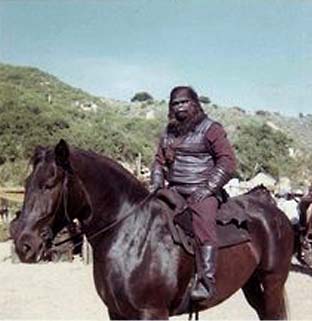
A bit like this?

planet

“He tried to push it off with his whip, but to his horror the whip went right through the thing, and he dropped it on the ground in fright.”

When the man recovered from the fright, he returned home and excitedly spread the story.
A few days later, a policeman came round to his house and told the frightened man: “That was the Man-Monkey sir.”

Not much gets past our police, does it?

11 Comments

Filed under Bigfoot, Cryptozoology, History, Humour, Science, Wildlife and Nature

A Werewolf in Yorkshire: Eeh bah gum (again) !

I told you in previous articles that there were more werewolves about than you might think. News came in recently, on Sunday May 15th, of werewolf sightings near Hull in East Yorkshire. The national newspaper, the Daily Express, took up the story. Here is a highly abridged version:

“Seven separate eye witnesses claim to have spotted the 8ft tall creature lurking in an abandoned industrial area outside the centre of Hull.

Residents and folklore experts believe the beast is Old Stinker who, according to legend, is a foul-breathed creature in the Yorkshire Wolds.
The lonely banks of Barmston Drain are where the creature was first reported before Christmas.
One woman claims to have seen it turn from man to beast as she stood on the bridge”:

barmaston drasin

She said: “It was stood upright one moment. The next it was down running like a dog. I was terrified.
It bounded along, then stopped and reared up on its back legs, before running down the embankment towards the water.
It vaulted thirty feet over to the other side and vanished into some allotments. It both ran on all two legs and on all fours, as if with the qualities of both human and wolf.”

A couple saw “something tall and hairy” eating a German Shepherd dog next to the Drain.
They saw it jump an 8ft high fence before vanishing into the night, its prey still in its jaws.

I have a link to that. Something tall and hairy, eating a German Shepherd dog?

A woman walking her dog spotted something “half-man, half-dog” in the distance.
She was terrified, and her pet began shaking and refused to go any further:

werewolf xxxxxxxxxxxxxxxxxxx

Well, this monster could well have become a minor source of tourist revenue, particularly with the right people in the right costumes. Unfortunately, though, the locals chose to shoot themselves in the foot.

Leave well alone?? Rake in the cash??  No. No. NO!

Let’s take the high risk strategy of going to look for “Old Stinker”, the moment the next full moon raises her beautiful head. Notice how the local councillor just can’t keep away, and his almost childlike faith in Hull Council:

“Now locals plan a werewolf hunt with cameras and recording equipment. Councillor Steve Wilson has offered to keep an incident log: “I am happy to keep a diary of sightings by people around here and report them to Hull Council.”

Just one step from the Stasi.

Local author Charles Christian said: “Old Stinker was actually said to be operating on the other side of the Yorkshire Wolds but it would be no distance at all for a large animal to get to Hull.”

What faith in the public transport system. Why, it’s probably run by Hull Council:

werewolf attack

Mike Covell, an expert in the supernatural, said: “No one really knows what to do. You can hardly pop down the local council office or police station and say you’d like to report a werewolf.”

Well, Mike, have I got news for you. That is exactly what everybody has been doing. On a discussion forum, watertight evidence was provided of previous werewolves in Yorkshire by “wmysteries90″:

“I had one witness claim they saw a huge dog which stood up, jumped over a fence and then run off with a cattle animal.(sic) Then his friend came forward to his fried stating he had seen a huge dog in the same area. (sic) A woman claimed she heard a strange howl. While a former military guy with an undisclosed area on the moors stated that few years back with a routine team in the middle of the night they had the sense of being watched by something.

Also there have been claims made by people around the moors stating that they have either seen or heard strange howls, growls.”

Indeed, the Daily Mail were to concentrate more fully on placing the “Barmston Drain Dog Destroyer” in its proper context, once they had established that the Werewolf Councillor was from the Labour Party.

Old Stinker, therefore, was supposed to haunt the “Wold Newton Triangle” (the what??), an area known for mysterious activity (really?):

wold newton triangle

“For centuries, tales have circulated of zombies, ghosts, and Old Stinker – a great hairy beast with red eyes, who was so called because he had bad breath…people would glimpse the rear lights of a car in front, but it would reveal itself to be the red eyes of a wolf.”

red eyes

How often that has happened to me. Although driving a 1994 Volvo I don’t catch up too many cars, or werewolves, for it to be a real problem. Well, it’s not as bad as ice or sudden banks of fog.

If you want to investigate further the question of “How gullible can people get?”, then this is a similar story, set in the same area, but harking back in the “Golden Age of Satanic Panic”.

werewol
My previous story about the “Barmston Drain Dog Destroyer” and the “Golden Age of Satanic Panic” was soon followed in the national press by the story of two people who saw what they thought was a puma type creature as they returned home along country lanes around Pershore in Worcestershire in the early hours of the morning:

puma

They suddenly saw a “muscular black animal” in the middle of the road. It was around one metre long and they were forced into an emergency stop. The creature circled the car and appeared to be about as tall as the car window. Its eye reflection was green. Frightened, the couple drove off, but not before they had noticed what they took to be the eyes of the creature’s mate hiding in the darkness of the hedgerow:

big cat

There have apparently been other sightings of puma type animals elsewhere in the county, at Evesham, Malvern and in the Malvern Hills.

Indeed, there are continuing reports of pumas or ABCs as they are called (Alien Big Cats) all over the country. In Leicestershire, for example, experts have said that there are two territories which overlap around the East Midlands Airport at Castle Donington. Rutland Water is included in one of them:

_38789095_bigcat300

Even I have seen one, while I was trying out my new “see in the dark” binoculars. I thought it was a fox at the time, but I now realise that foxes don’t have long curved tails, wide faces or big round ears. There are even videos of these killer cats. This one comes from AnimalInfoTV, who produce a great number of really interesting looking videos on a number of different subjects. I would commend them to you:

Going back to the “Puma of Pershore” though, what makes this news story quite extraordinary, however, is the fact that when the couple did a drawing of what they had seen, because a werewolf had been spotted near Hull around the same time, the consensus of opinion suddenly became that they had actually seen the “Worcestershire Werewolf” rather than the “Puma of Pershore”.

werewolf

Well, here is their drawing. Make your own mind up. “Worcestershire Werewolf”?? or the  “Puma of Pershore”??

sketch

I went to Pershore twitching once. It’s a really lovely place. It was to see a Black-throated Thrush, which was at the time, a mega-rarity:

HBW10-TUR-06

13 Comments

Filed under Cryptozoology, History, Humour, Science, Wildlife and Nature

Heil Hitler Episode 4

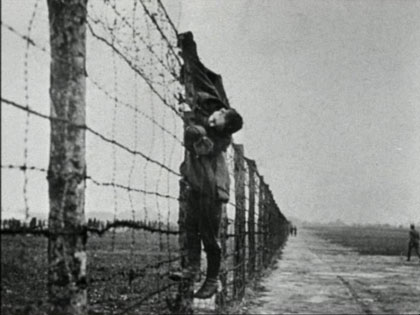
Nowadays, it is quite difficult to understand why people did not stand up to Hitler and the Nazi party in larger numbers.  The truth is, though, that it is a very difficult to deal with situations which are evil beyond belief. A little bit of cooking the books and stealing small sums of money from the Church Accounts is one thing, but these men were Satan’s Inner Council. They did not hesitate to kill people in thousands, if not hundreds of thousands. If not millions. If not tens of millions:

belsen

Or just one at a time:

one

No matter how evil or how terrifying these crazies became, though, there was still no shortage of brave Germans willing to stand up and be counted.
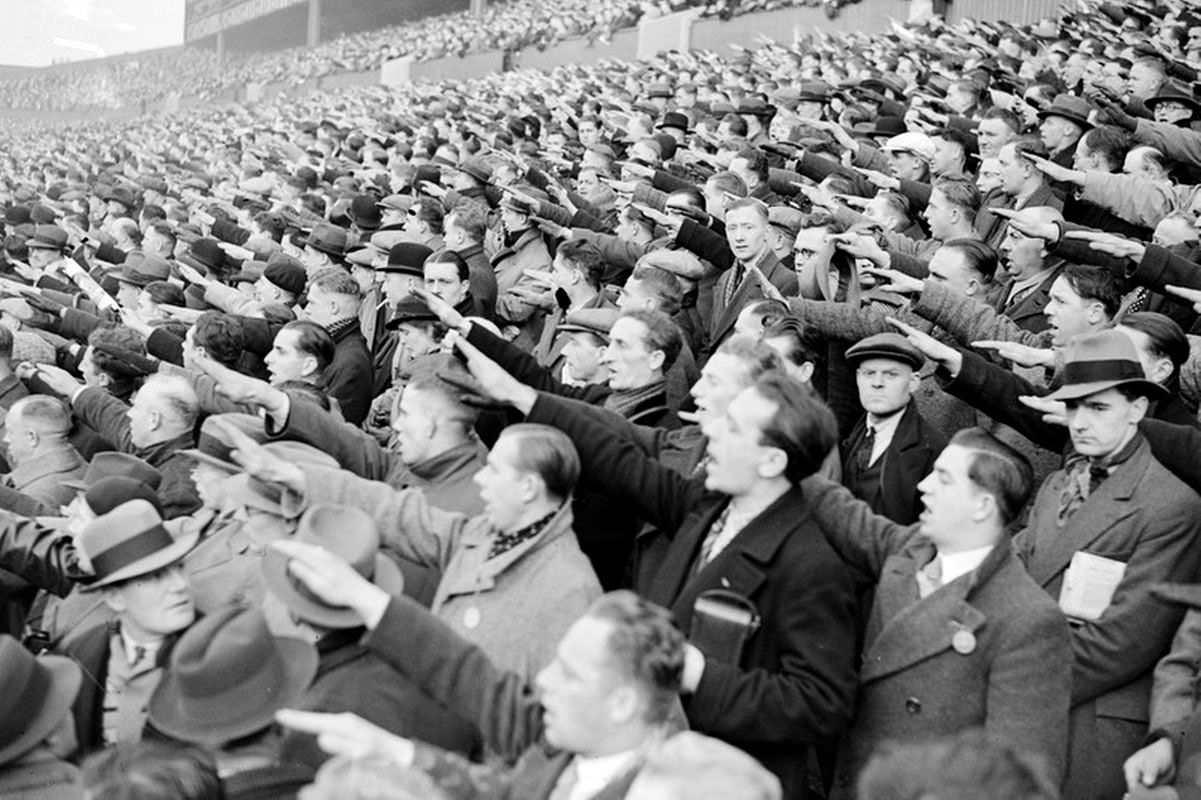
Look at these Germans here. At first glance, everybody is Heil Hitlering and Seig Heiling, and singing the company song:

We love you Adolf, we do,
O Adolf, we love you!

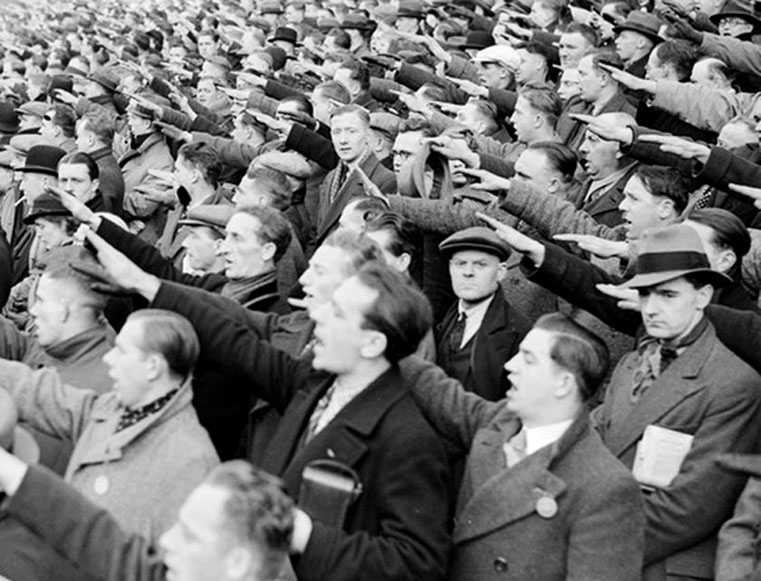
But look very carefully.  This is the football crowd at the England-Germany game at White Hart Lane, the home of Tottenham Hotspur, in December 1935 . A number of people appear not to be joining in with the general joy and merriment. There are about ten of them altogether. When you look more carefully, they seem, perhaps, to have all different motives for their non-participation:

german-football-supporters-giving-the-nazi-salute-during-the-international-match-against-england-at-white-hart-lane-london-december-1935

Disgust with their fellow citizens. Unwillingness to join in. Curiosity at the situation.  Puzzlement at why some other people are not joining in. Puzzlement at who is taking the photograph:

close up mny dissds

Apparently, then, no one single motive. But at least one of them, if not more, have the purposeful expression of a good man who has resolved not to do nothing any longer:

This slideshow requires JavaScript.

And as well as good, these are brave men. Brave anti-Nazi German men. We tend to forget nowadays, but there were lots of them. And brave anti-Nazi German women too. And boys. And girls.

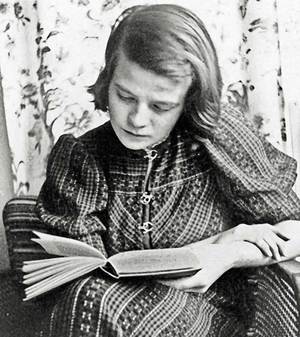
Sophie Scholl who has more schools named after her in Germany than Franz Beckenbauer:

scholl

Her brother Hans:

HansScholl

Not everybody follows the rest. Not everybody wants to be evil. Some people will make their own protest. It may not be anything particularly spectacular, but it may well be extremely brave.

As we shall see next time.


12 Comments

Filed under Criminology, History, Politics

The Oldest Old Boy of Them All (1)

Many, many years ago, in 1990, my friend and colleague, Simon Williams, interviewed Roy Henderson who was then one of the oldest Old Boys still alive.  In due course, I transcribed the taped interview and added some extra explanatory details of my own where this seemed helpful to the reader.

This is the first section of an eventual five, all of which describe the High School just before the outbreak of the Great War, and then during the first few years of the conflict.

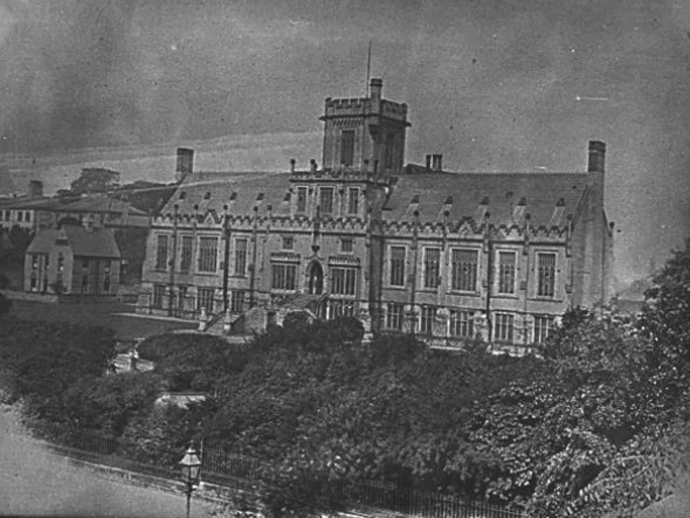
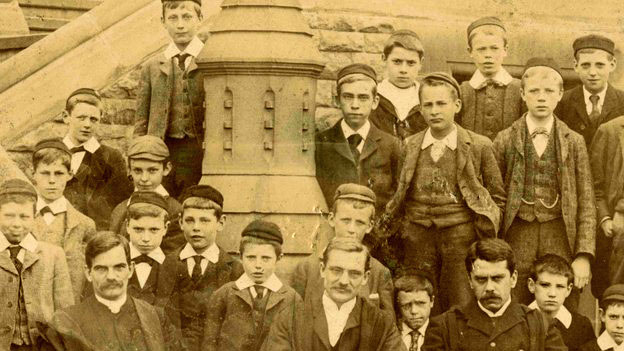
Here is the High School around this time. Notice at least four boys in the picture, including one sitting down on the edge of the tennis court:

west end of school

Roy Galbraith Henderson arrived in the High School Preparatory Department in January 1909. He had been born in Edinburgh, although he had not lived there since the age of three. Given his Scottish background, he arrived at the school wearing a kilt. This proved not to be the wisest of decisions, since he was immediately picked on by two older boys called Jaffer and Dodds, both of whom were at least a foot higher than he was. On many occasions in the future, he was to have water poured down his neck by these two bullies.

The Head of the Preparatory Department was Mr Leggatt, who was one of the very first to volunteer to go off and fight in the Great War. The main game in the school playground at this time was called “relievo”. It was a particularly thrilling game to play in one of the era’s many dense fogs.

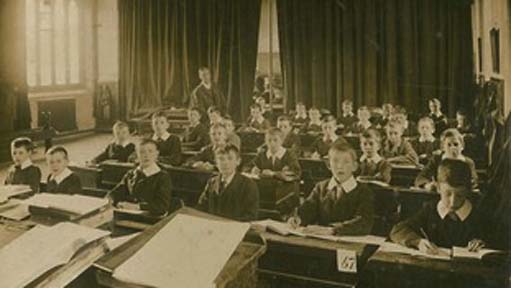
In the First Form, the form master was called Mr Radley, or “Pot-eye”. He always used to get the boys to begin work with a loud cry of “pens up!”. They would then write “like the blazes”, before the call of “pens down ! ”. Mr Radley is the third person from the left on the front row:

radley front 3rd from left

In Form 2a, “Nipper” Ryles was a very good master, and was thought to be one of the very few who did not possess a degree. Here he is:

jumbo ryles

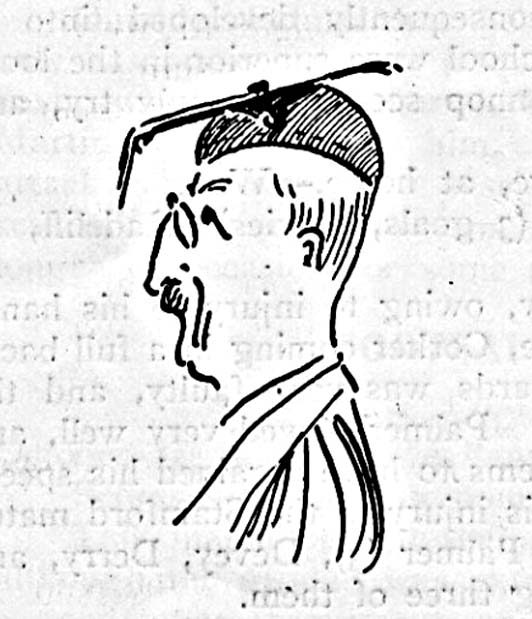
In the following year, in Form 3a, his brother, “Jumbo” Ryles, however, was “terrible, absolutely hopeless”. He used to have his feet up on the front desk all the time, and would practically go to sleep. The Drawing Master used to poke his nose around the door, and wake Jumbo up with a gentle cough. The latter would then rouse himself, and say to the class “Now get along there! Get along there! ” Jumbo’s teaching technique was to line boys up in a row for a series of questions. If they were correct, they would stay where they were. If they were wrong, they would go back to the end of the queue. This cartoon dates from just before “Jumbo” retired:

jumbo ryles left

In the Fourth Form, Mr Lloyd Morgan went to serve at the front during the middle of the school year, shortly after hostilities began. He was replaced by Mr D’Arcy Lever, who was the butt of many jokes, and found the boys extremely difficult to control. They made a lot of fun of him. Later in the conflict, retired teachers had to return to the school. Mr Trafford took over 3c, the worst form in the school, who were famed for their ability “to play up a lot”.

In Form 5a, Mr Brock was a “very nice chap, and very popular”. Everyone liked him very much. The Classical Sixth was looked after by Mr Strangeways.

In the yard, games tended to be played by years. In Form 1a, for example, everybody always had pockets full of marbles. They often played in the covered sheds near the Forest Road entrance.

This slideshow requires JavaScript.

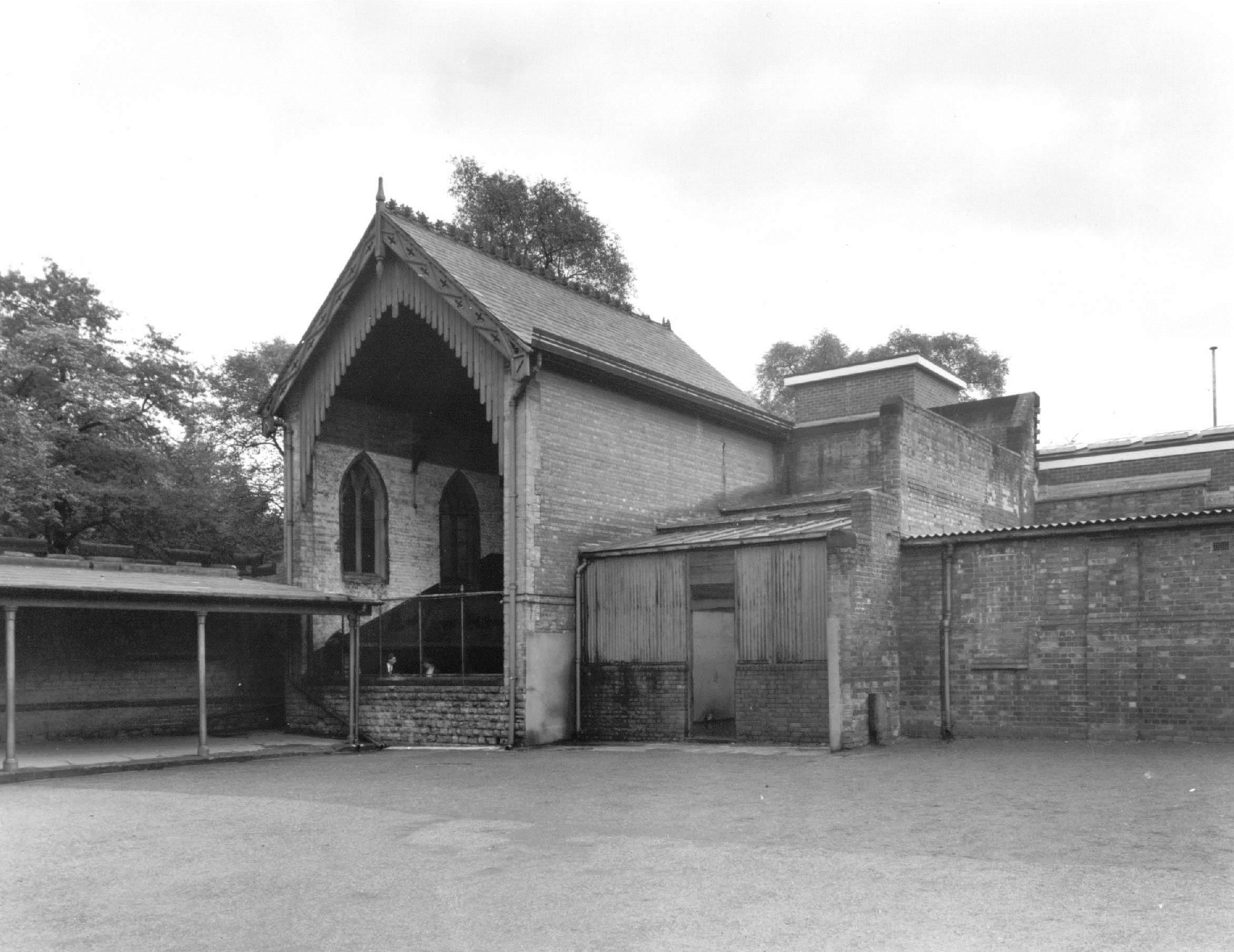
The yard also had two Fives courts, one of which was covered, and the other was left open to the elements.

fivers

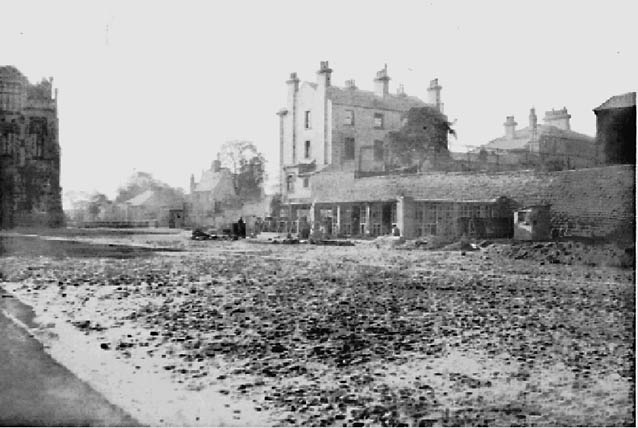
To the left as one entered the playground via the Forest Road entrance, there was some extremely dirty sand.

playgro 1932

This was used as a football pitch, with rough and ready goalposts at either end. Every year, around Easter, a competition was held among teams of eight players, each one of which was captained by a different member of the First Eleven. In 1913, Roy played in the winning team, which was captained by James Ivor Holroyd. On October 30 1917, Holroyd of the 1/28th London Regiment was to be reported missing, presumed dead, in the Second Battle of Passchendaele, at the age of only twenty one.

Form 2a enjoyed a game called “rempstick”. A member of one team would stand with his back to the wall, while one of the other members of his team stood with his head between the first boy’s legs. The next team member would then put his head between the legs of the second boy, and so on, until a long caterpillar-like scrum structure was formed, just one person wide. The members of the other team then took a long run-up, and, one by one, jumped onto the top of the human caterpillar. If they caused a collapse, then their team was allowed to have a second go. If the caterpillar held up, then its members were allowed to do the jumping:

This slideshow requires JavaScript.

In Form 3a, the main game was football, which was played on the left hand side of the playground. looking from the Forest Road entrance, right at the very far end. In Form 4a, football was played again to the left, but not as far along as in the Third Year.

The Fifth Form played their football under cover in the sheds along the Forest Road wall, kicking the ball against the wall in an effort to get past their opponent. Among these boys, Lancelot Wilson Foster was remembered as a particularly good full back.

The Sixth Form spent most of their free time just walking and talking on the lawns at the front of the school:

front schoollll

Nobody was ever allowed inside the school during breaks, but it never seemed to rain!  In any case, all the boys were always very keen to get out of the building.

There were few facilities for the boys, including just six to eight cracked stone washbasins. There was a tuck shop, near the south eastern corner of the present day West Quadrangle. It was run by Robert, the School Caretaker. The small shop which boys at the end of the twentieth century called “Dicko’s” was at this time called “Baldry’s”, and it was a sweet shop. A female member of staff, a Mrs Digblair, lived above it. She was one of the school’s first ever mistresses, and members of the Sixth Form loved to go and have tea with her.

Finally, my own footnote on Mr Radley. He was a teacher with what would nowadays be considered ideas before their time. He loved literature, art and music, and taught the boys about understanding and peace among mankind. Indeed, this was perhaps not particularly surprising for a man who knew French, German, Italian, Russian and Welsh. On one occasion, he brought an Egyptian into school to show his pupils that there were “other men than Englishmen and other creeds than Christianity.” His obituary in the school magazine ended with the words “Goodbye, Mr Chips!”

This article will be continued in the near future.


22 Comments

Filed under Football, History, Nottingham, The High School

Heil Hitler Episode 3

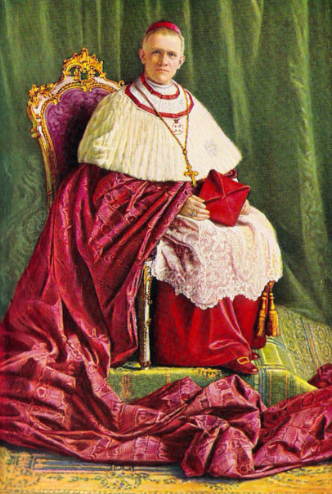
Last time I told you the story of Bishop Hudal, the appalling so-called Christian who was happy to help any war criminal, no matter what he had done, so long as he was German. Killing Jews was a bonus. Here he is. Adolf Hitler is thought to be hiding under that bit of robe on the floor:

Ateismo cristianismo dios jesus biblia religion catolicos creyentes Hitler ss nazis segunda guerra mundial xxxxxxxxxxxxxxxxxxxxxxxxxxxxxxxxxxxxxxxxxxxxxxxxxxxxxxxxxx

Bishop Hudal’s policy was “It’s a good way for Evil to prosper if you help it as eagerly as you can at every single opportunity”.

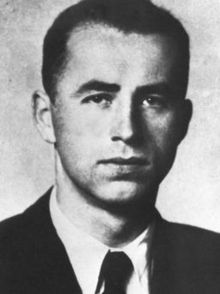
Hudal loved to help war criminals. Last time I supplied you with a list. It was not a complete one, though. Hudal Tours was used by many Nazis other than the ones I mentioned. The first lot were enough to get you into moral “deep doo-doos” but these second ones are even deeper and doo-dooier. This man looks fairly innocuous:

Alois_Brunner

He wasn’t a bank clerk though. He is Alois Brunner, the man who organised the deportation of Jews from France and Slovakia to German concentration camps, where they were killed in cold blood on an industrial scale. Brunner was responsible for at least 24,000 Jewish deaths, so he was welcomed with open arms by Syria, who adamantly refused to extradite this heroic man. The Israeli Secret Police, Mossad, used to write to him regularly, and send him little presents. In 1961 he lost an eye to one of them, and in 1980, all the fingers of his left hand. During his long residence in Syria, Brunner was reportedly given a generous salary and protection in exchange for his advice on effective torture and interrogation techniques.
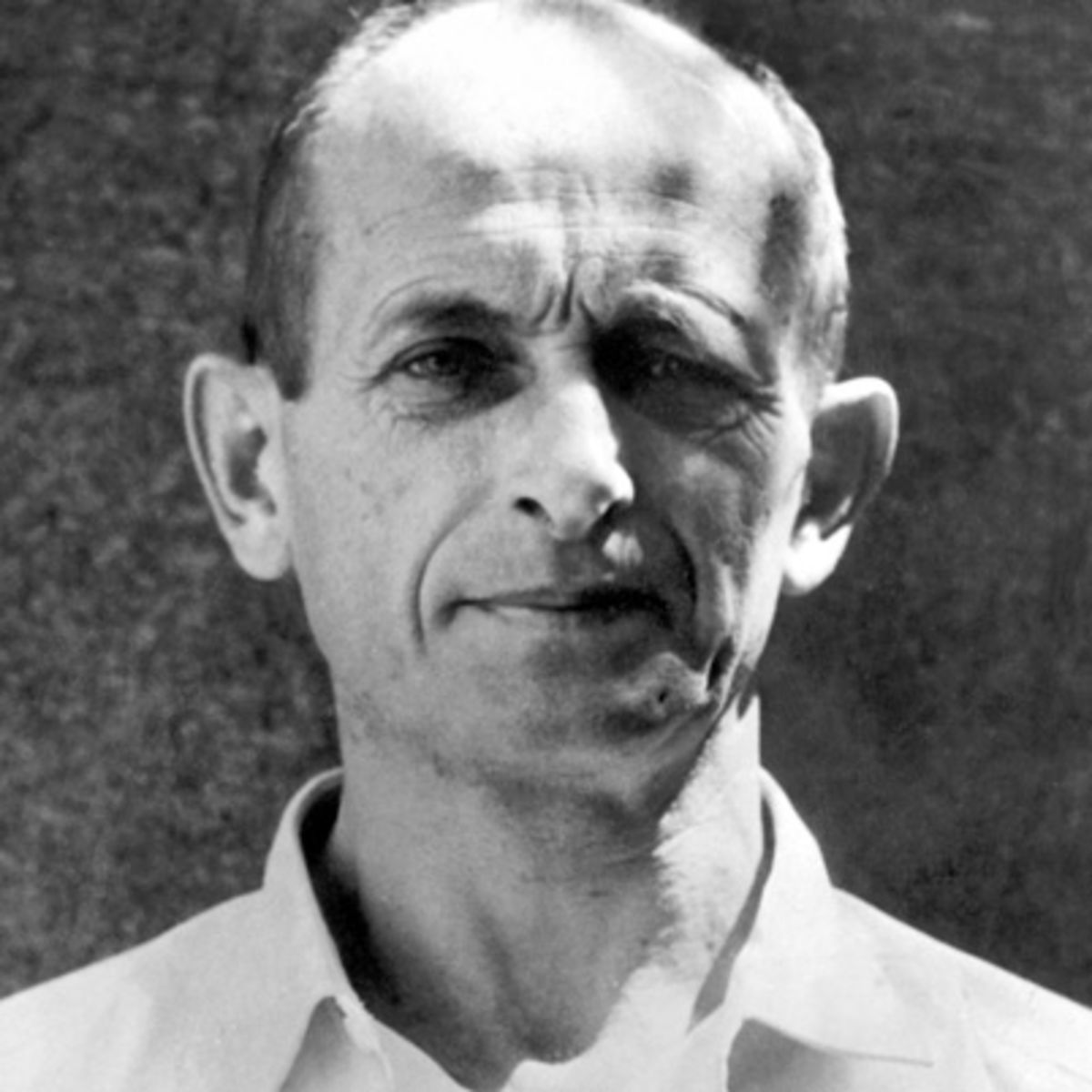
Hudal helped Adolf Eichmann, the man in charge of the murder of European Jewry, the so-called “endlösuhng. His career was instrumental in slaughtering between 5.5-6 million Jews.

mengele

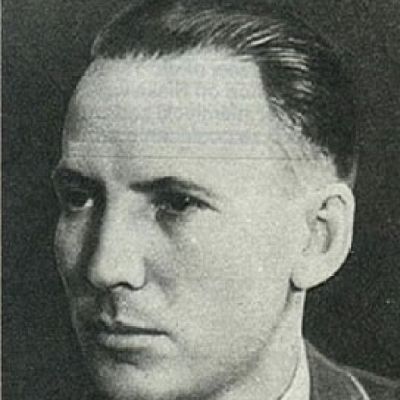
Hudal gave refuge to Otto Wächter, the man who organised the Cracow Ghetto in 1941. Working alongside Hans Frank, the Nazi governor of occupied Poland, Wächter was responsible for the deaths of uncounted millions of Jews and Poles.  After the war Wächter lived in a monastery in Rome, “as a monk”, under the direct protection of Bishop Hudal. He died in 1949 in a Roman hospital cradled “in the arms” of Bishop Hudal. How sweet.

ob_fea0cb_wachter-otto

Other possibles for the help and assistance of the kindly old Christian, Bishop Hudal, were Klaus Barbie, the Gestapo’s “Butcher of Lyon”, and Heinrich Müller, chief of the Gestapo.

What a long set of photographs. It looks like Mossad‘s Most Wanted. Or the star prizes in the Simon Weisenthal Show.

And did you notice how they were all German? Except Bishop Hudal and he was Austrian and then Austria was annexed and he became an Honorary German, more or less.

I still can’t really believe what Bishop Hudal said in his memoirs:

“I felt duty bound after 1945 to devote my whole charitable work mainly to former National Socialists and Fascists, especially to so-called ‘war criminals’.”

This slideshow requires JavaScript.

Were there any Germans, though, who lived up to Edmund Burke’s company motto?

“The only thing necessary for the triumph of evil is for good men to do nothing”

Were there any Germans who just refused to stand by and let evil prosper?

Of course there were and many of them went a lot further in their opposition than you might think. I’ll save that for next time.


14 Comments

Filed under Criminology, Football, History, Politics

My latest book

snip-of-coverThose of you who follow my blog will be familiar with the many stories I have told about Nottingham High School; its Founders, its coat of arms, its war heroes, its caretakers and its one or two villains. I have recently finished compiling these stories, and many more, into a new book called Nottingham High School: The Anecdotal History of a British Public School, published with Lulu.com.

My history is an entertaining one about the people behind the institution – what they thought, said, and did from the reign of Henry VIII up to the modern era. I want to tell the stories of the ordinary people whose actions changed the history of Nottingham forever, and those whose lives had much wider influence on the history of our country and on the lives of people across the world. I tell the tales of all people connected with the High School – teachers, support staff, boys, alumni… from caretakers to kings!

image_update_72e24141db868b82_1348683417_9j-4aaqskThe book is written in diary form and runs from Thursday, June 30th 1289 to Thursday, July 12th 2012. It’s an easy read that you can dip in and out of as you wish. Find out about the antics of the boys, the excesses of the staff, the sacrifices of the alumni, and the castle-like school building in all its majesty.

My book contains new and previously unpublished research into the lives of some of the most famous ex-pupils of the school. Read about the childhood of scurrilous author D.H.Lawrence, whose controversial books were still banned 50 years after he wrote them. Read about the disruptive antics of Albert Ball V.C., the daring air ace who always fought alone. Read about American Old Boy, Major General Mahin of the U.S. Army, a man whose power and authority in the Second World War rivalled that of General Patton, until he was killed (or was it murder?).

The tone of my work is interesting and light, but at the same time, as you know from my blogposts, I can show my more serious side when occasion demands. A very large number of former pupils from the High School died in the two World Wars and their sacrifices are reflected in my book.

I have really enjoyed writing this new history book, and I hope that you will find it an entertaining and intriguing read. If you would like to give it a go, then it is now available from my page on Lulu.com.

p1040694

31 Comments

Filed under Aviation, Criminology, History, Literature, Nottingham, Personal, The High School, Writing

The Osprey in Victorian Nottinghamshire

In the first half of the nineteenth century, William Felkin tells an intriguing story about an osprey in Nottinghamshire:

“In 1839, a female was captured at Beeston Rylands, and kept alive sometime; it was tamed, and often used to fly from its owner’s house to the river, and stand in the shallow water it measured 5’7″ from tip to tip of its wings.”

-fishing-osprey-xxxxxxxxxxxxxxxxxxxxxxxxxxxxxxxx

In 1855  William Sterland tells how a bird took up a temporary residence on the edges of the lake at Thoresby during the summer:

“Attracted in its wanderings by the piscine resources of the large sheet of water where I had the pleasure of seeing it. Here it remained some weeks, faring sumptuously, its manner of fishing affording me and others who witnessed it much gratification ; its large size, its graceful manner of hovering over the water when on the lookout for its prey, and the astonishing rapidity of its plunge when darting on its victim, rendering it a conspicuous object:

osprey againxxxxxxxxxxxxxxxxxxxxxxxxxxxxxxxxxxx

It then to my great regret took its departure, doubtless alarmed at the attacks of the gamekeepers, who viewed its successful forays with little favour.”

In 1880 an Osprey was trapped at Rainworth on an unrecorded date. In one of his notebooks, Joseph Whitaker described it as:

“a beautiful Osprey caught in a rabbit trap by Mr F Ward on May 16th. It measured 5’4″ from wingtip to wingtip.”

Osprey-5xxxxxxxxxxxxxxxxxxxxxxxxxxxxxxxxxxxx

A further account of what is presumably the same occurrence is included in Whitaker’s own copy of “The Birds of Nottinghamshire”, written out in his own hand opposite the entry for this species:

“One of the Duke of Portland’s keepers caught a fine specimen of this Hawk this morning Tuesday. On Monday evening he saw the bird flying about over the heather on the forest where it struck a rabbit & carried it off. About half past four this morning (Tuesday) he again observed the bird strike a rabbit but being near he left it having some traps with him he quickly set some & soon had him in one the bird was in good condition & very fine plumage it measured 5 feet 4½ inches inches from tip to tip.”

ospr michiganxxxxxxxxxxxxxxxxxxxxxxxxxxxxxxx

This final account occurs in “The Zoologist” magazine for 1890:

“One of these fine, but now, alas ! rare birds was shot about the middle of November last by Mr George Edison at Shire Oaks Hall in this county. When he first noticed it, it was hovering over one of the pieces of water near the house, but was being teased by a number of Rooks, who drove it over him, when he shot it. I hear it was a very fine bird, and in good condition. Shire Oaks is just the place to attract an Osprey, having several beautiful sheets of water full of fish of good size, and many species – J WHITAKER, Rainworth,  Notts.”

The editor of “The Zoologist” has added his own opinion at the end of the letter. He writes:

“What a pity that it could not be allowed to remain unmolested in a spot so well suited to its habits. To see an Osprey catch a fish is one of the finest sites in nature.-ED”

Ain’t that the truth!

Nowadays, of course, you can drive the thirty or forty miles south to Rutland Water where Ospreys have been introduced and in the summer as many as eight breeding pairs may be seen:

osprey-with-bassxxxxxxxxxxxxxxxxxxxxxxxxxxxxxxxxx

Here is the link to the webcam which keeps watch on one of the birds’ nest.

13 Comments

Filed under History, Science, Twitching, Wildlife and Nature

Heil Hitler Episode 2

Last time, I showed you a picture of the England football team all making their Nazi salutes at the Olympic Stadium in Berlin on May 14th 1938. They were the good men who stood by and did nothing:

England-Germany 1938 nazi.xsderftgyhb
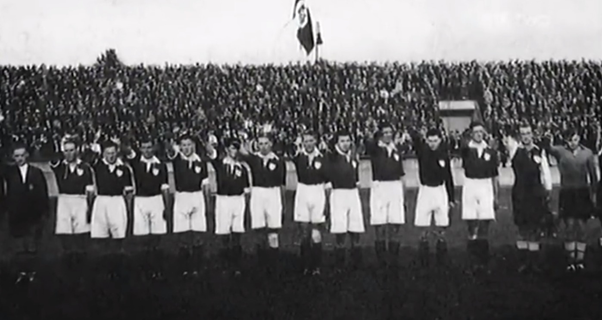
The England team though, were were not the only foreigners to greet the Führer with a cheery “Sieg Heil”. Here, just a year later, is the Republic of Ireland football team engaged in pretty much the same behaviour. Is this the old saying, “The enemy of my enemy is my friend”? After all, the Irish Republicans hated the British. The Germans hated the British. Result: a football match made in Heaven:

Ireland-Germany-1

And here’s a third group of Nazi sympathisers and Jew haters. No great surprises with this one:
bishops

Perhaps one of them is Bishop Alois Hudal, who was an Austrian titular bishop in the Roman Catholic Church and the author of the catchy best seller in cathedral bookshops across Europe, “The Foundations of National Socialism”:

Ateismo cristianismo dios jesus biblia religion catolicos creyentes Hitler ss nazis segunda guerra mundial xxxxxxxxxxxxxxxxxxxxxxxxxxxxxxxxxxxxxxxxxxxxxxxxxxxxxxxxxx

Hudal was no Nazi, of course, no racist. He just took being a good man who stands by and does nothing one stage further. He decided to be a bad man and join in enthusiastically to help the evil, presumably on the basis of “Whoever kills Jesus deserves all they get.” That attitude though, can get you into very deep doo doos, however.

Hudal, for example, is credited with organising the escape from justice of war criminals such as Franz Stangl, the Commanding Officer at Treblinka Extermination Camp, which killed between 700,000-900,000 human beings:
Stangl,_Franz

Stangl himself said that he went looking for Hudal in Rome, because he knew the bishop was helping all Germans. Hudal arranged rooms in Rome for him, helped him to escape through a “ratline” and then gave him money and a visa to Syria. Using a Red Cross passport Stangl lived happily in Damascus, where Bishop Hudal found him a job in a textile factory.  He remained in Syria with his wife and family for a few years before moving to Brazil in 1951. Stangl then found work with Volkswagen still living openly with no problems, still using his own name.
Another Nazi war criminal allegedly helped by Hudal was SS Captain Eduard Roschmann, the “Butcher of Riga”, who killed 24,000 Jews in the Latvian ghetto.
rosch
Hudal helped Josef Mengele, the Mad Doctor at Auschwitz, the “Angel of Death”, who always introduced himself to the Jewish children as “Uncle Mengele”:
WP_Josef_Mengele_1956

Gustav Wagner was the commanding officer of Sobibor, where between 167,000-300,000 human beings were killed. Hudal and others in the Vatican helped him to flee to Syria, and then to Brazil, where he became a citizen in 1950. Extradition requests from Israel, Austria and Poland were rejected by Brazil’s Attorney General who also rejected those from the West Germans.

In 1980, Wagner supposedly committed suicide in Sao Paulo. This was after he had given himself a severe beating, cut off all the fingers of his right hand and then stuck a very large knife into his own chest.

So where is all this going? Well, we’ll see in Episode 3.


18 Comments

Filed under Criminology, Football, History, Politics