
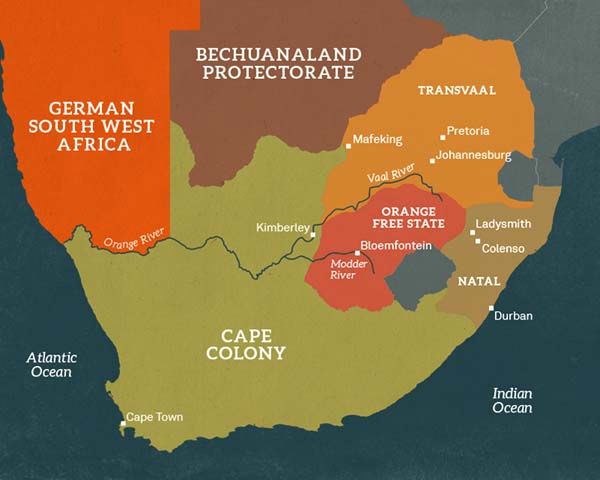
The Second Boer War (1899 – 1902) was fought between the British Empire and the two independent Boer (Dutch) states, the Republic of Transvaal and the Orange Free State, over the British Empire’s influence in South Africa. The British Empire owned Cape Colony and the Bechuanaland Protectorate:
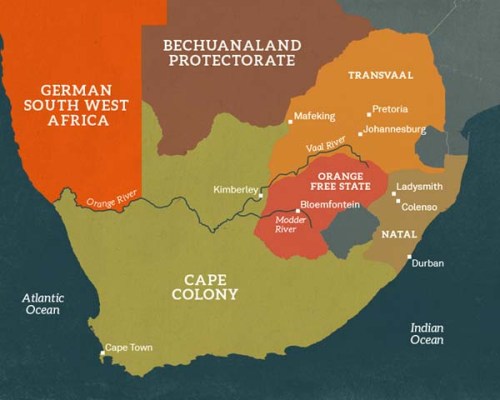
The catalyst for the war was the discovery of diamonds and gold in the Boer states.

Arthur John Thurman was born on May 8th 1875, the son of Edward Harrington Thurman and Ann Eliza Thurman. The family lived in Castle Street off Sneinton Hollows. Edward was a maltster with business premises at 33 Sneinton Road. The family house in Castle Street would eventually be given the name of “Gloster Villa”. Here’s present-day Castle Street:

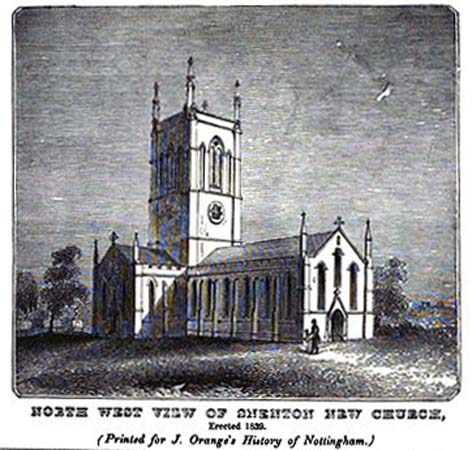
Castle Street is within sight of St Stephen’s Church, the place where DH Lawrence’s parents got married. Here’s the church:
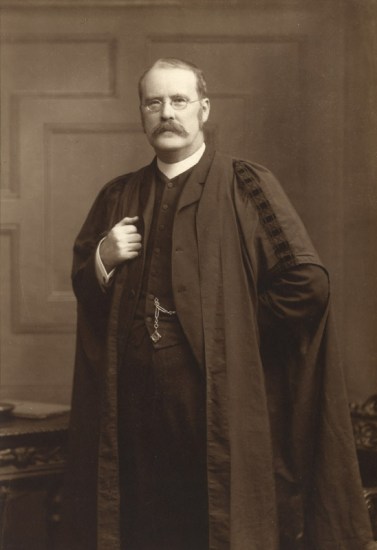
And here’s the High School’s most famous Old Boy:

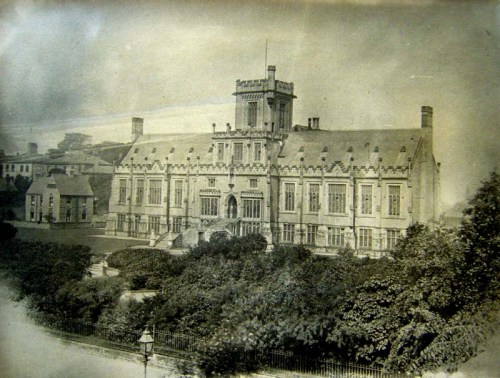
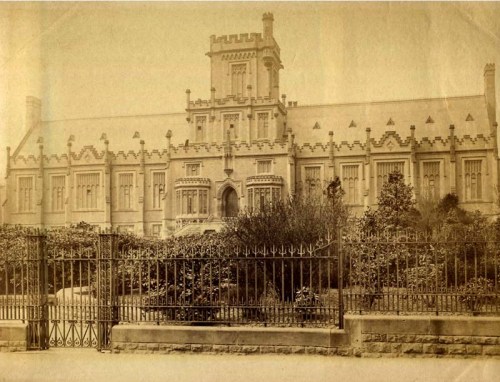
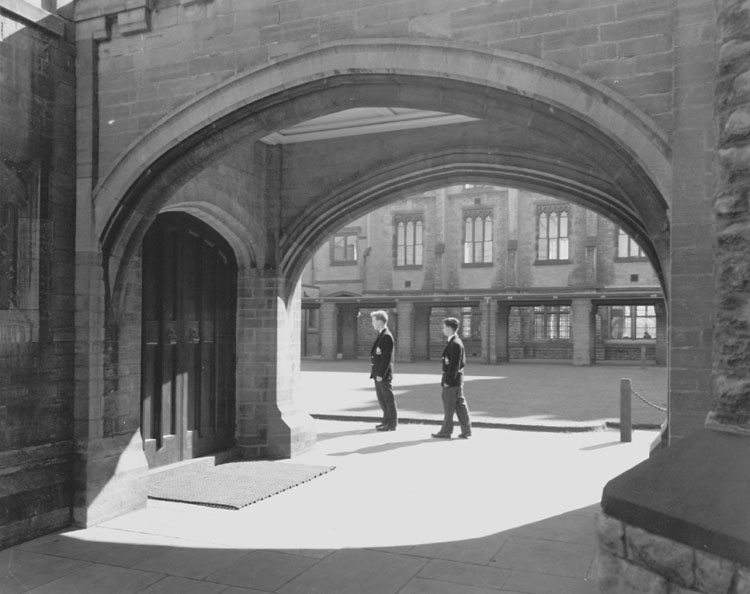
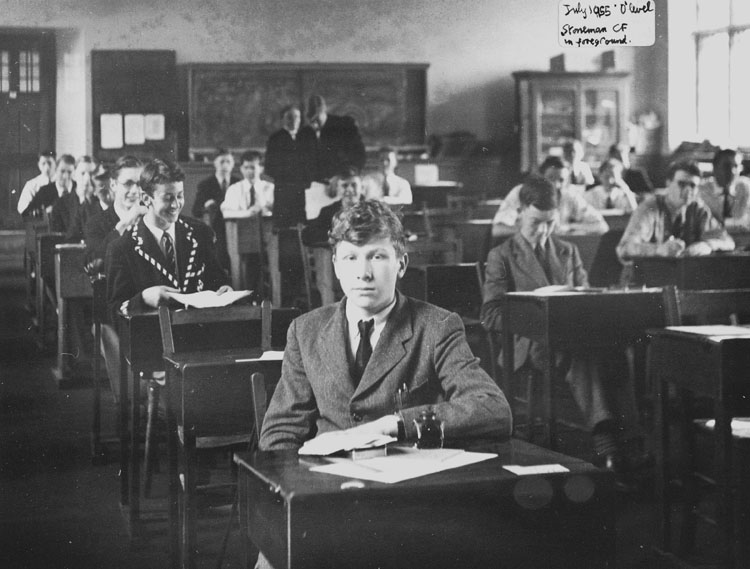
Arthur John Thurman entered the High School on June 2nd 1888 as Boy No 723. He was thirteen, and he left at the end of the Christmas Term, 1889.
Arthur played for the High School First Team at football on a number of occasions, although the match reports in the school magazine, “The Forester” are not sufficiently detailed to record his rather irregular appearances. Arthur then played for a number of years for Gedling Grove FC before joining the “Notts Club” (today’s Notts County) where he became:
“a valued playing member of the Reserves. He will be remembered by a great number of football enthusiasts as a useful player. Upon the accident to W Bull, he found a place in the League team”.
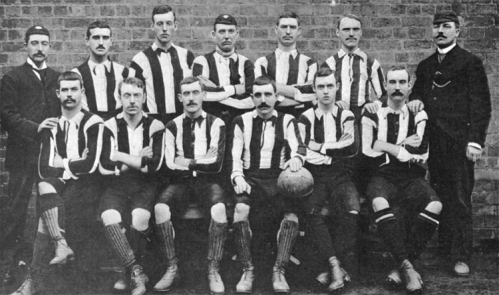
Here’s Notts County around this time. If you know how to play musical chairs, you won’t be surprised to know that this team doubled up as the Notts County Musical Moustaches team:
On December 3rd 1898, Walter Bull, the regular First Team Number 4, was seriously injured during County’s 0-1 defeat at Meadow Lane. They were playing Everton, a team who had fielded seven international players for the game.
Initially Bull’s place was taken by Alfred B Carter in a 4-1 victory over Bury. On December 17th though, Arthur Thurman took Alfred’s place in the Notts County team. Making his début, he performed well as a right half in a 1-1 draw at Stoke City’s Victoria Ground, in front of some 4,000 spectators. County’s goal was scored by Harry Fletcher. On December 24th, Arthur was equally successful in a 1-0 home victory over Aston Villa. He gave what “The Forester”, called “an exceedingly creditable exhibition as a hard and consistent half back.” County’s winning goal came from Alexander Maconnachie. This was a famous victory as Aston Villa would finish this, the 1898-1899 season, as League Champions.
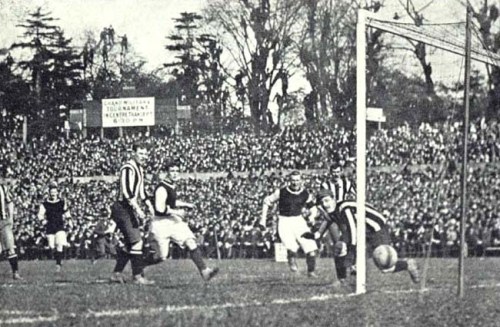
Here’s a County v Villa game of the period. Strangely, the goalkeeper seems to be dressed the same as the rest of the team, except for his cap:
After the Aston Villa game, County’s number four shirt went to Ernie Watts for six games until Walter Bull had recovered. Then Walter got back his old shirt and Ernie Watts kept his place in the team, for the rest of the season.
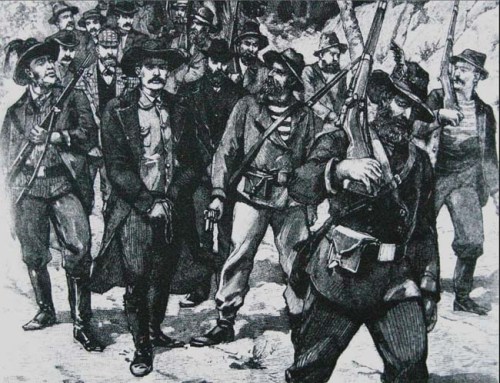
Arthur would probably have played many more games for Notts County, but the Second Boer War broke out in October 1899, caused by the shocking treatment by the Boers of British gold prospectors in the Transvaal. A completely understandable reason for a war, and the deaths of 30,000 men. Bad treatment of our gold prospectors? Unforgivable. The “bad treatment” seems to be getting really out of hand at this point :

According to “The Forester”, Arthur was
“among the first to volunteer to join the Imperial Yeomanry, a mounted unit made up exclusively of volunteers.”
They were never a particularly effective regiment. Many of them had already :
“been captured two or three times, giving the Boers on each occasion a free horse, a free rifle and 150 rounds of ammunition “.
Arthur was accepted into the Imperial Yeomanry and left England in the SS Winifredian. Here’s the Imperial Yeomanry and their Dad. You may laugh, but I’ve seen the paternity test results :

During the voyage Arthur impressed his superiors with his demeanour and his always immaculate appearance, and he was promoted to Quartermaster Sergeant in the 12th Company of the 3rd Battalion of the Yeomanry. He was ordered to join Lord Methuen’s force and duly proceeded to Boshof in the Orange River Colony.
At Boshof he was seized with enteric fever and he died on May 30th 1900, presumably without seeing a single Boer.
There were 23,026 British casualties during this war, but the majority, some 60% at least, succumbed not to the Boers, but to enteric fever, or typhoid, as it is now called.
The news of Arthur’s death was received:
“……….with deep regret by a large circle of friends and acquaintances in Nottingham.
The announcement of his untimely death, at the early age of 25, comes in singularly sad circumstances. He leaves a widow and one child, born subsequent to his departure for the seat of war.”
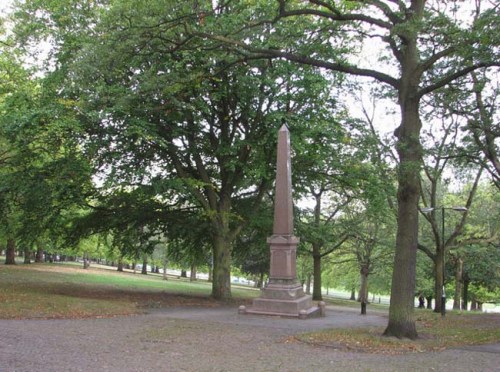
Arthur’s death is commemorated on the Boer War Memorial which used to stand in Queen Street in the city centre, but was moved in 1927 to the Forest Recreation Ground. He is recorded as “S.Q.M.S. A. Thurman”, one of three members of the Imperial Yeomanry / South Notts Hussars who died.








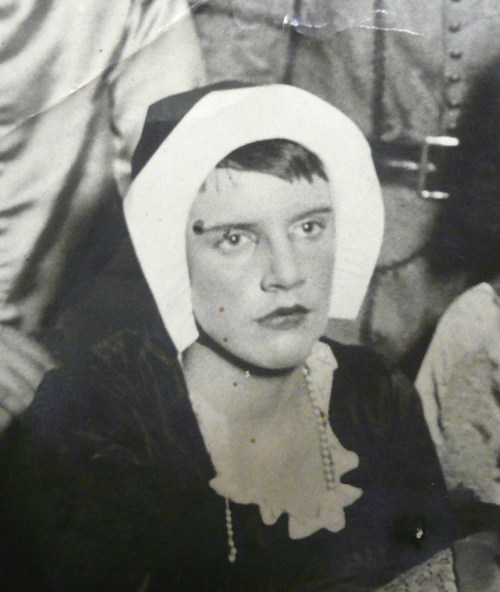
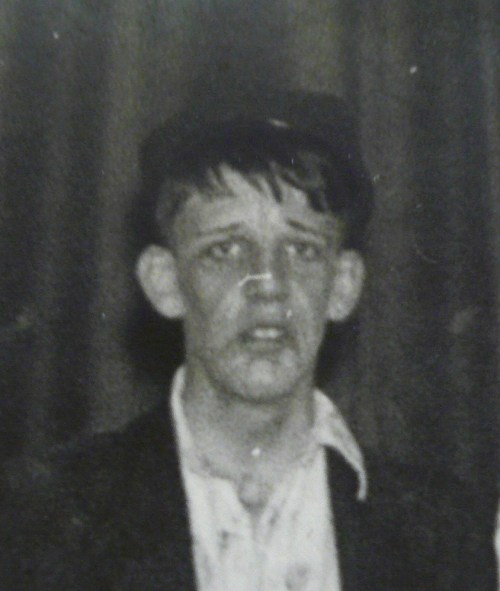
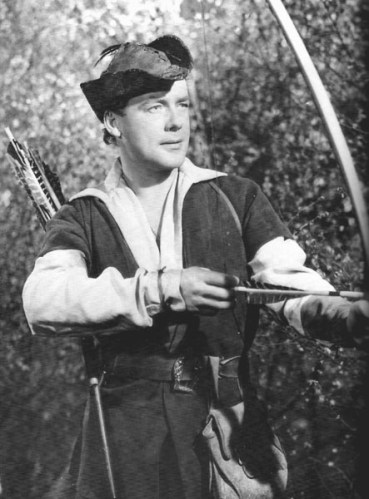 The person who impressed me most, though, was the villainous Sheriff of Nottingham who was played by Alan Wheatley. I was unable to find the relevant card from the “WHO-Z-AT-STAR?” series. The one I admired as a little boy had the Sheriff wearing his leather jacket covered in metal studs. Here’s the jacket in a still from the TV series:
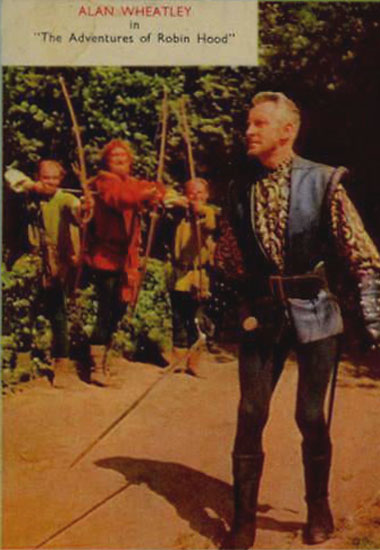
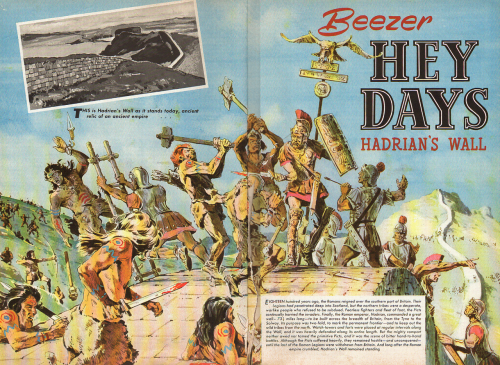
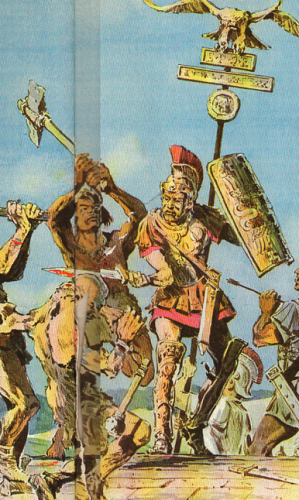

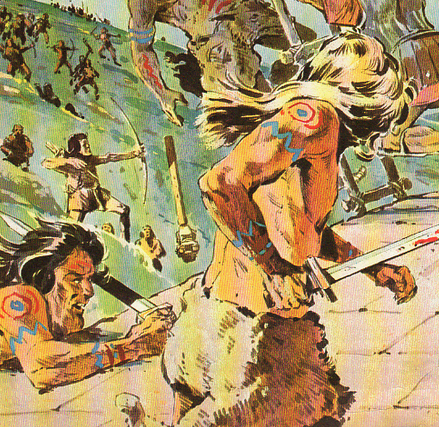
 Here’s a beautifully made lump of stone on a stick: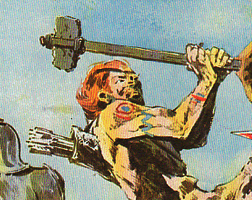






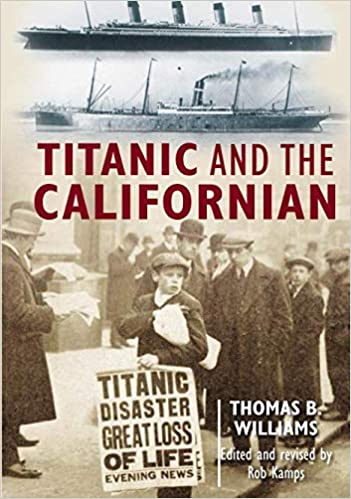
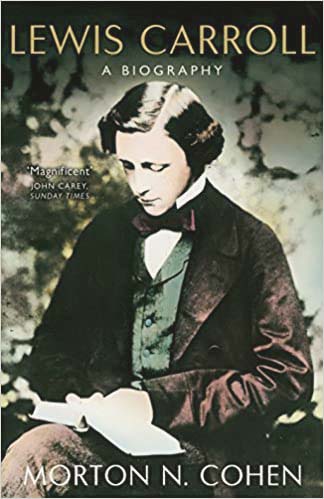 I previously mentioned a book about the cricketers killed in World War Two and here is the much larger book about the cricketers killed in the previous conflict. It was amazing to see just how many upper class men had only ever played two or three games of first class cricket, but, equally, how many of them had a brother, or even two brothers who were also killed in the war. What a slaughter of decent men that dreadful war was:
 It’s not that long since the centenary of the Great War, when a great many books were published about that appallingly wasteful conflict. Being a teacher of nearly forty years’ standing, I was attracted by the books written about its effects on a number of English public schools. Apparently at Nottingham High School where I worked, the school flag was almost permanently at half mast. And that was far from unique. Such exclusive private schools provided the majority of the junior officers, Second Lieutenants, Lieutenants and Captains. The first two of those three finished with a casualty rate as bad as Bomber Command in WW2. Here are the four I enjoyed most. The first one is from Uppingham School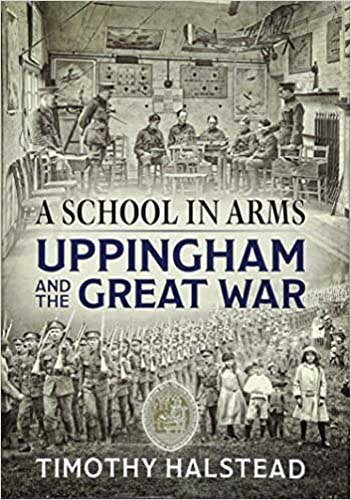
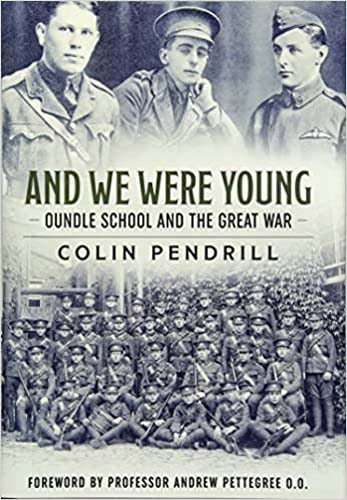
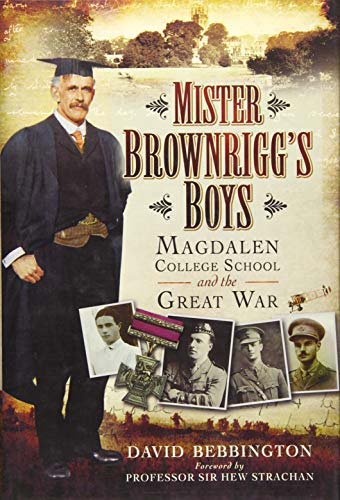
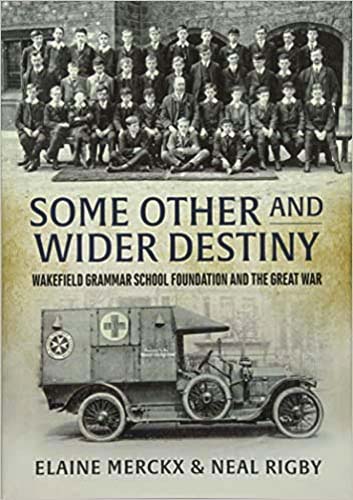
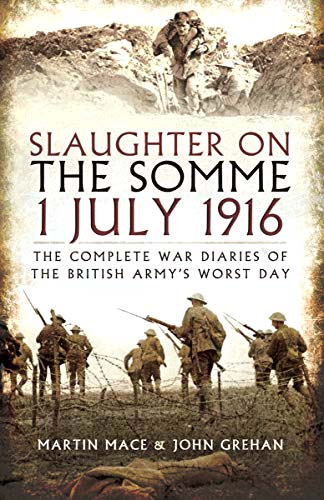

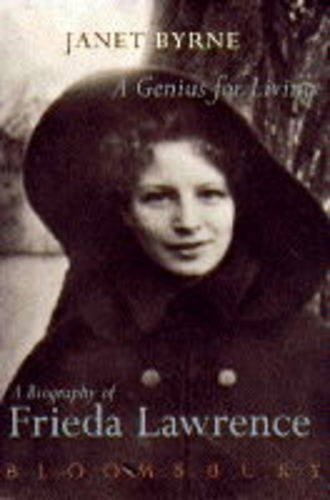
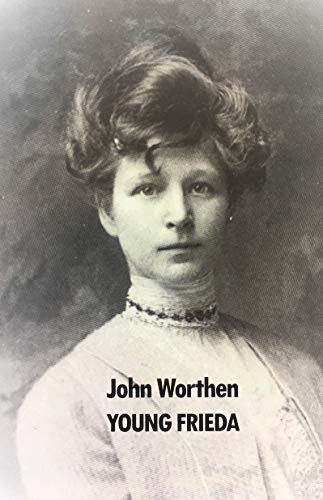


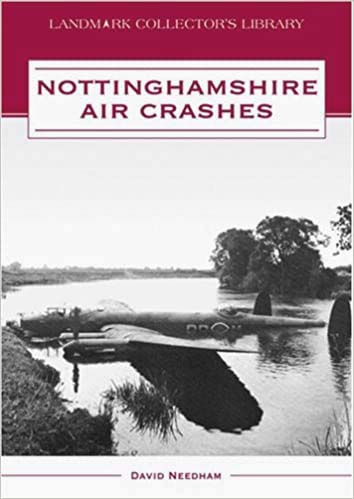
 So there we are. The best part of forty or fifty suggestions about what to buy the boring old fart in your family for Christmas. And all of them recommended by a fully paid up boring old fart of a blog post writer.












 John Knifton