Category Archives: Personal

RAF Elsham Wolds: Part Four

I wrote a previous article about the, sadly, rather typical loss of an Avro Lancaster of 103 Squadron, based at Elsham Wolds. The aircraft took off from north Lincolnshire at precisely one minute past midnight on February 20th 1944. It was on its way to bomb Leipzig, a very, very long trip lasting eight hours, most of it over the Third Reich itself. This raid involved more than 900 aircraft with the highest losses of the war so far, 78 aircraft destroyed, a loss rate of 9.55 %.  The previous worst total was the 58 aircraft lost over Magdeburg on January 21st-22nd 1943:
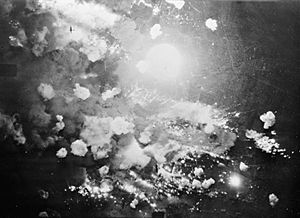
300px-Royal_Air_Force_Bomber_Command,_1942-1945__C5083

I was saddened to see however, during my researches into the fate of PM-I, JB745, that, on that very night, an even more tragic incident had occurred, not over Germany, but over the airfield itself. As they returned unscathed from this rather unsuccessful raid on Leipzig, therefore, two Lancasters collided with each other.
One was the Avro Lancaster Mk III, JB530, PM-F. The aircraft had taken off at 11:22 pm., and was preparing to land. Given the timings of the raid, this incident must have taken place at around 7.00-8.00 am. I would have thought that, at this time of year, it cannot have been absolutely pitch black, and, even though it was February, there must surely have been some light. Lancaster JB530 was heavily damaged in the collision with the other Lancaster, but the pilot, Flight Sergeant H.Gumbrell used all of his skills to bring the aircraft down without serious damage to the members of the crew. These were Sergeant T.V.Shaw, Flying Officer H.J. Hearn, Sergeant F.Osborne, Flight Sergeant J.Seward, Sergeant D.W.Evans and Sergeant R.A.Boulton.
The second Lancaster Mk III, ND334, PM- unknown, did not fare quite so well. This aircraft had taken off a little later at 11:50 pm., and was also preparing to land.  The pilot, Warrant Officer JC Warnes escaped with injuries, as did the Mid-Upper Gunner, Sergeant S.Clapham, but everybody else was killed. These included the Flight Engineer, Sergeant D.H.J.Cunningham, the Navigator, Flying Officer R.H.Fuller, the Bomb Aimer, Flight Sergeant C.Bagshaw,  the Wireless Operator, Sergeant E.S.Gunn and the Rear Gunner, Sergeant A.O.Haines:
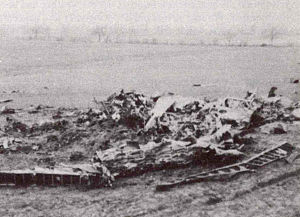
halifax wreck
Searching in more detail on the Internet, I found the following information on an archived page from the older of presumably two, DCBoard Forums of “RAF Commands”. It was written, from what I can make out, by “Greg” a guest on the forum in December 2003. Clearly, Greg has been able to access the official accident report:

“JB530 was struck in mid-air by ND334. The report is a little unclear, but it looks like permission by the Flying Control Officer (FCO) was given to JB530 to land first, and then permission was given for the other aircraft,ND334, to land, BEFORE JB530 had actually touched down on the runway. The Court of Inquiry suggests that this was due to a lack of flying discipline at the airfield, and also added that crews must keep a better lookout. The report also has the Air Officer Commanding’s comments, to the effect that Flying Control Officers must not depart from the normal procedure for landings. The report states that the accident was caused by the Flying Control Officer departing from the normal procedure.”

If this is true, then it is, quite simply, disgraceful. Five young men lost their lives because of a careless mistake. This wasn’t the fog of war. This was what should have been standard procedure for the Flying Control Officer.
In the early days when my Dad was first in the RAF, he told me that, when he had looked at the idea of becoming an Officer, the first question he was asked was “What school did you go to?” He said to me that “As soon as I said ‘Woodville Secondary Modern” (where all the pupils had to leave at thirteen) I knew I was wasting my time.”
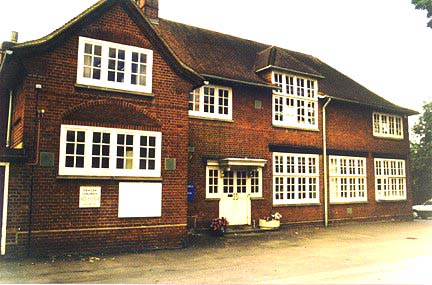
wvilleupper

If only my Dad had been able to say “Eton” or “Harrow”, they might have promoted him:

eton-college xxxxxxxxxxxxxxxxxx

All I can say is that I just hope the Flying Control Officer in question did not get his job because of who his father was or which university he was educated at. To me, a mistake as basic as giving two different aircraft permission to land on the same runway at the same time is just stupid incompetence. And yes, I know that “these things happen in war”, but only if you give crucial jobs to people who are incapable of doing them.
Sergeant Donald Henry James Cunningham was aged only 19 when he was killed and his death must have been a catastrophic blow to his parents, Mr Geoffrey Joseph and Mrs Alice Maud Cunningham. The family all lived in Hounslow, Middlesex. Donald was buried in Brigg Cemetery, only four miles from the airfield:
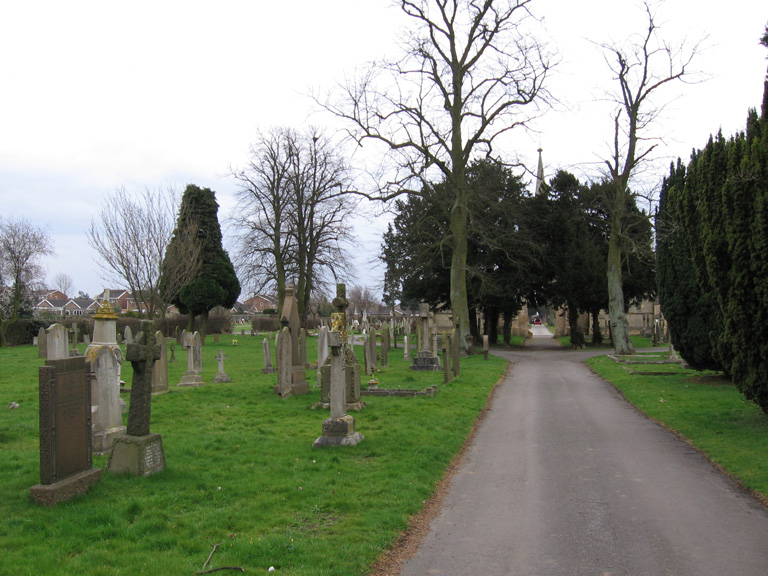
brfigg cemetery
Sergeant Anthony Oliver Haines was 26 years of age when he was killed. His grieving parents were Mr Francis Henry Claudian Haines and Mrs Florence Ethel Haines, who lived in Bristol. Young Anthony was also buried in Brigg Cemetery, along with Donald Cunningham and 48 other young casualties of war.
Flying Officer Ronald Harry Fuller was only 22 years old when he was killed. He was the much loved son of Mr Henry James Fuller and Mrs Florence Fuller. The family all lived in Marylebone in London. Young Ronald was buried in Cambridge City Cemetery where 1,007 other young casualties of the two World Wars all lie:cambrigde vity cem

Flight Sergeant Charles Bagshaw was also only 22 years old when he was killed. He was the beloved son of Mr Charles Garrett Bagshaw and Mrs Sarah Bagshaw, of Urmston, a small town in Trafford, Greater Manchester. He is buried in his hometown cemetery where his grave bears the inscription, “He died that others might live”. He is with 59 other casualties of the two World Wars in this little town of only 41,000 people.
Sergeant Edward Sandilands Gunn was only 21 years old when he was killed. His parents were Mr Edward Sandilands Gunn and Mrs Bessie Gunn of Glasgow. Their son was returned to Scotland and now lies in the Glasgow Western Necropolis with 479 other young casualties of the two conflicts:
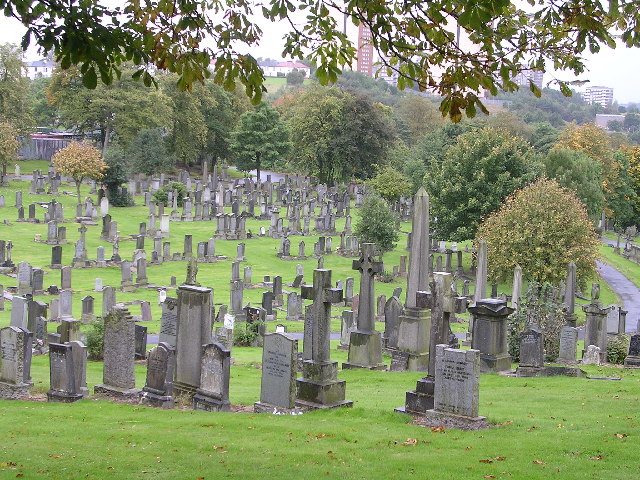
cemet

Edward’s brother David Sandilands Gunn was also in the RAF as a member of 612 Squadron, operating as a General Reconnaissance unit within RAF Coastal Command. David was killed on March 26th 1941, while flying an Armstrong Whitworth Whitley:
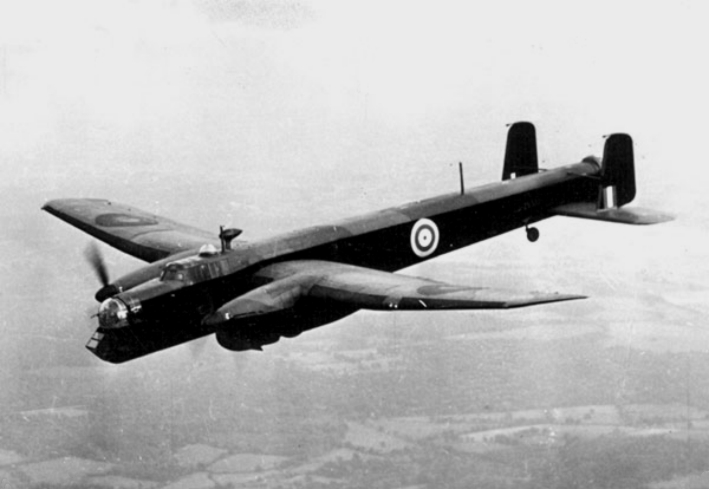
Armstrong_Whitworth_Whitley_in_flight_c1940

You may wonder about the name “Sandilands”. As far as I can ascertain, this was a Scottish clan name, here used as a first name.

Two things to finish, firstly a question. Was this the only catastrophic collision of two Lancaster bombers from 103 Squadron at Elsham Wolds? Well, what do you think?

And then one final word. All of the websites I have used can be reached through the links above. I could not have produced this article, however, without recourse to the superb books by W.R.Chorley. Their detail is almost unbelievable and I would urge anyone interested by the bomber war to think seriously of purchasing at least one of them. The books bring home just how many young men were killed in Bomber Command during the Second World War. When the first book arrived, my daughter thought it contained all the casualties for the whole war, but, alas, it was just 1944.
13 Comments

Filed under Aviation, Bomber Command, History, Personal, Politics

RAF Elsham Wolds: Part Three

I have now written two articles about RAF Elsham Wolds. I intend to carry on with this series of articles by firstly looking at the fate of just one single aircraft, an Avro Lancaster Mk III with the squadron letters “PM-I” and the serial number “JB745”. It took off from Elsham Wolds at precisely one minute past midnight on February 20th 1944. It was going to bomb Leipzig, which was a very, very long way involving an eight hour round trip, much of it over the Fatherland. Lancaster “JB745” was far from being a lone bomber, and the setting-up of this raid shows just what enormous levels of organisation and man power were involved in bombing a city more than 800 miles away:

A_Lancaster_Mk_III_of_N

A total of 823 aircraft set off, comprising 561 Avro Lancasters, 255 Handley Page Halifaxes and  seven De Havilland Mosquitoes.  A diversionary attack was arranged, with 45 Short Stirlings on a mine laying raid on Kiel with four Handley Page Halifaxes as Pathfinders marking their targets for them. This is a Halifax, with its square tailfins and wings and its radial engines:

Halifax-mk3xxxxxxxxxxxxxxxxxx

In addition to these aircraft, 15 Mosquitoes attacked Berlin, 16 Mosquitoes equipped with Oboe attacked German night fighter bases and 12 Mosquito patrols went out over Germany using Serrate to find and shoot down German night fighters. Three more Mosquitoes attacked Aachen as a diversion and three more Mosquitoes attacked flying bomb sites in France:

Mosquito_Fighter-bomber

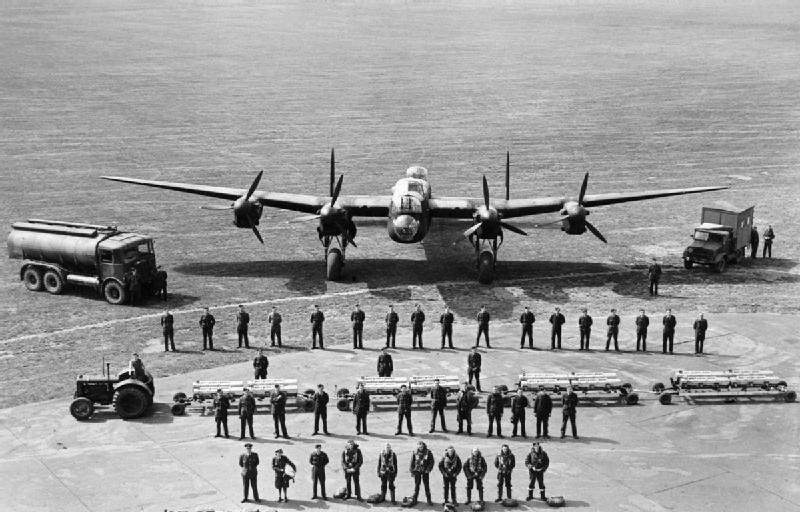
This was a total effort of 921 aircraft over Germany. Every single one of these bombers needed a huge number of people to fill it with fuel, load the bombs, replenish the ammunition in the gun turrets. and so on. The fuel and bombs can certainly be seen in this picture. Even what appears to be the refreshment van can be seen at the top right:

_the_personnel_required_

The losses on this particular raid over Leipzig were the highest of the whole war so far, with 78 aircraft lost out of the total of 921, a completely unsustainable loss rate of 9.55 %.  The previous worst total had been the 58 aircraft destroyed while bombing Magdeburg on January 21st-22nd 1943.
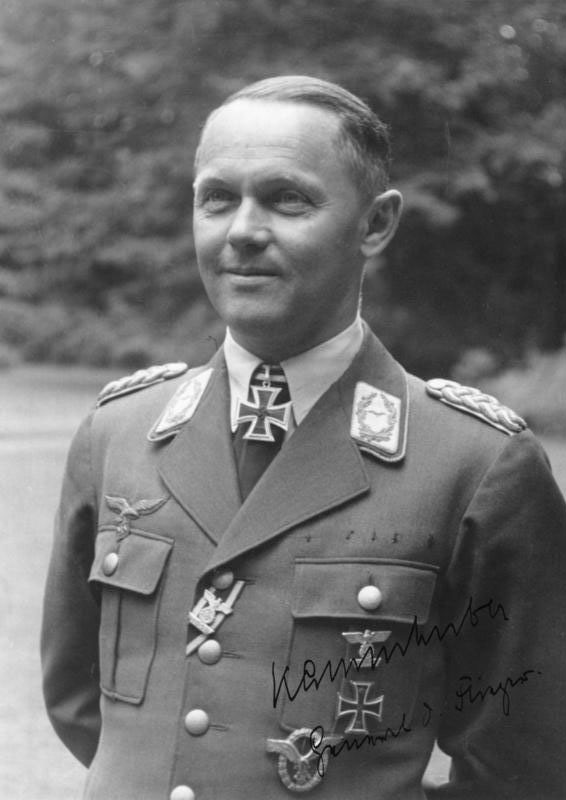
Some 44 Avro Lancasters were lost along with 34 Handley Page Halifaxes. The main problems were that the Germans were not fooled by the mine laying raid on Kiel. Only a very few night fighters were sent out there, and those that had been were soon summoned back to attack the real bomber stream. The bombers had been detected by German radar, operating as part of the famous Kammhüber Line, as soon as they crossed the Dutch coast. Here is the Great Man, Nachtjagdgeneraal Josef Kammhüber:

Josef Kammhuber

The very capable operators in the Luftwaffe control rooms were extremely efficient, and quickly summoned large numbers of fighters to attack the bombers. In actual fact, the RAF bombers were under continuous attack every single second of the 1500 + miles of the round trip between the enemy coast and Leipzig.

In those days, meteorological forecasting was in its infancy, and unexpected high winds meant that many bombers arrived too early over Leipzig. They then had to wait for the exact targets to be marked by the Pathfinders. As they circled around waiting for the Pathfinders to arrive, around twenty of the bombers were shot down by anti-aircraft fire. A further four aircraft were lost in collisions with other circling bombers. The city of Leipzig was wreathed in cloud and the Pathfinders were forced to drop their flares by parachute, the so-called Wanganui method. Given that some aircraft would have found the target using the Oboe radar device, then they were actually using “Musical Wanganui”.
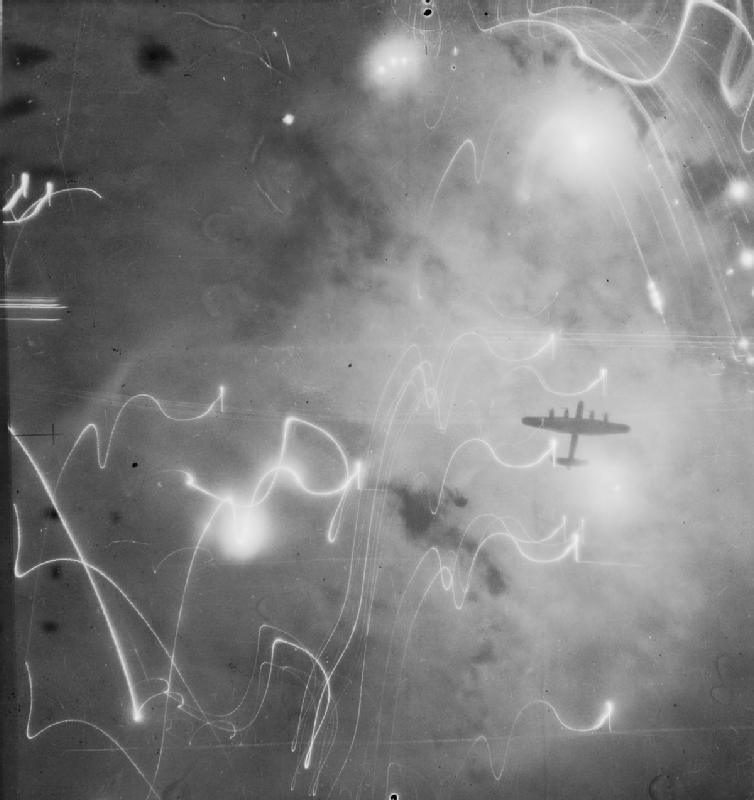
That arrangement worked all right in the beginning but gradually bombs became increasingly widely spread across a huge area:

Attack_on_Hamburg

Few details of the results of the bombing are known, even today. There was no immediate reconnaissance, so very little was ever discovered about the effects of this particular raid. The Germans, of course, said nothing about their losses.
At some point in the operation, Lancaster “JB745” was shot down. Nobody knows if this was by a night fighter, or by anti-aircraft fire (“flak”), or whether it collided with another aircraft. Nobody survived and the crew members, fittingly perhaps, are all buried together in Hannover War Cemetery.
Sergeant William Leslie Bradley was the pilot. He was just 24 years of age and like so many others, had originally served in the Royal Air Force Volunteer Reserve. From Selby in Yorkshire, his Service Number was 1129431 and he was the much loved son of Mr Wilson W. S. and Mrs Beatrice Bradley. William would never have the chance to lament the lack of shoppers in the modern Selby:

selby
The Flight Engineer was Sergeant Francis James Taylor, a youngster of only 21 years of age. He too had been in the Royal Air Force Volunteer Reserve. He was the much loved son of Mr Francis James Taylor and Mrs Cathrine (sic) Taylor, of Bolton, Lancashire. His Service Number was 2202861. He would never live to see the modern Bolton, Gateway to the North West:

Bolton modern

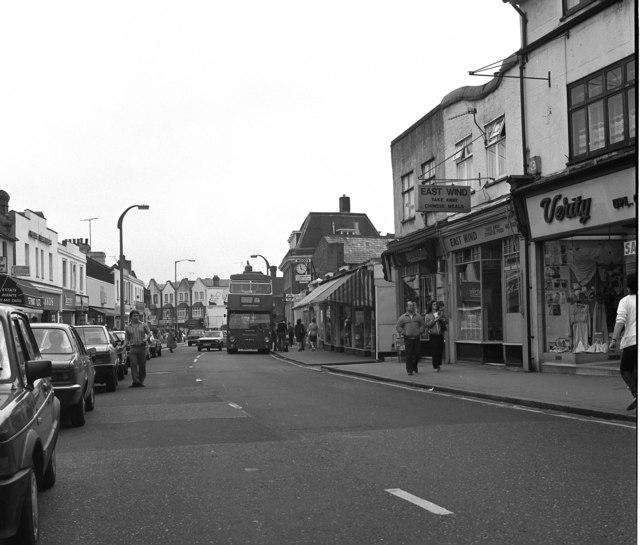
The navigator was a little older than that, at 24 years of age. He was Flight Sergeant Thomas Frederick  Johnston who, like many of his colleagues had been in the Royal Air Force Volunteer Reserve.  His Service Number was 1387379 and he was the much loved son of Thomas Frederick and Julia Johnston. They all lived in Coulsdon in Surrey, just to the south of London. Without the Leipzig raid, he would have been in his fifties when this photo of the High Street of his local town was taken:

Coulsdon_in_1983 in fifties

The bomb aimer was Flight Sergeant Jack Luck, who was just 22 years of age. He was a native of Newmarket, which is in Ontario in Canada. Young Jack was a member therefore, of the Royal Canadian Air Force:

220px-Join_the_Team_RCAF

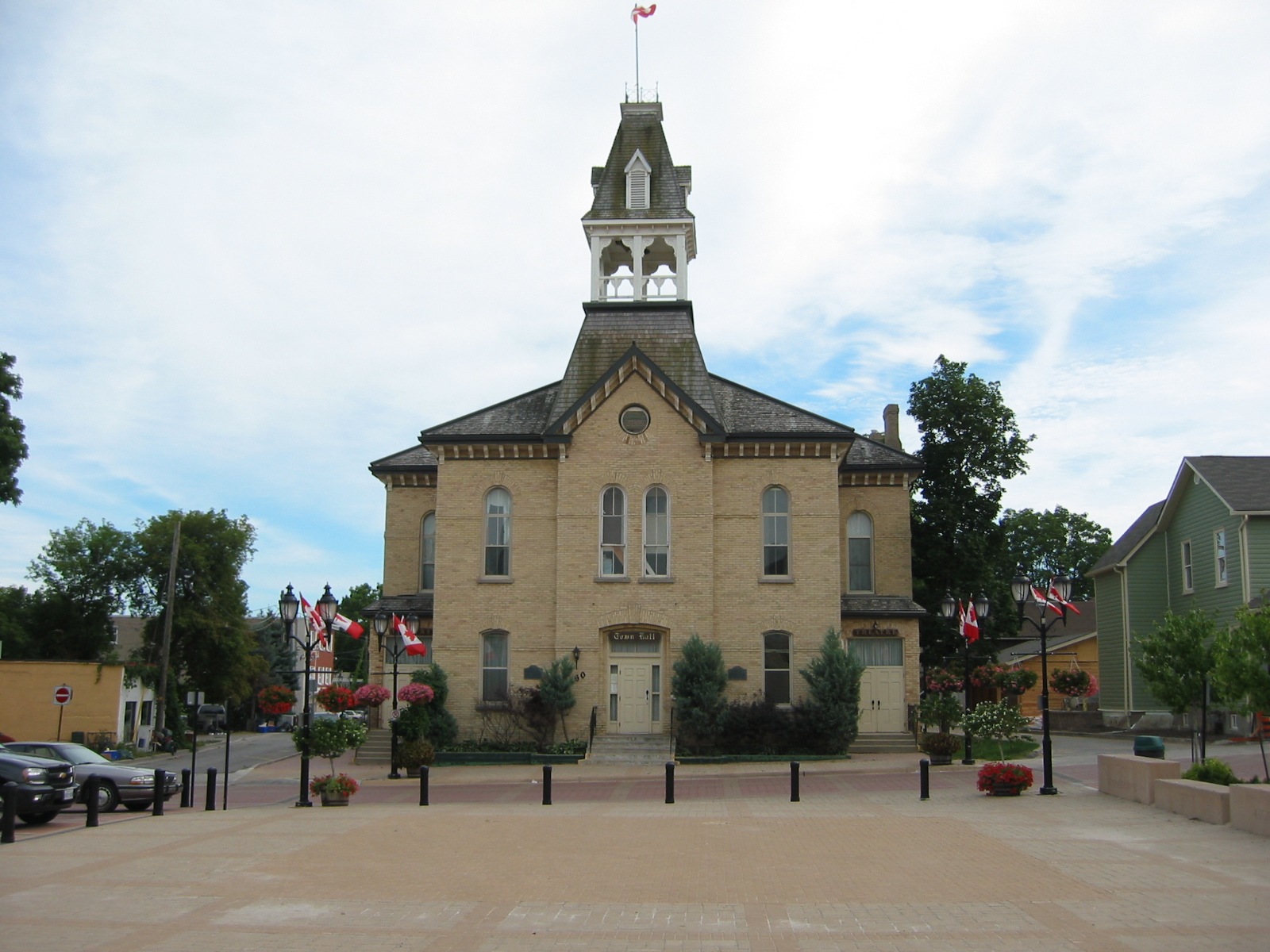
Jack’s Service Number was R/105215 and he was the much loved son of Mr Harold John and Mrs Charlotte Luck. Here is the town hall in Newmarket:

NewmarketO town hall
The wireless operator was Sergeant Ernest Walter Hamilton. His flying had started in the Royal Air Force Volunteer Reserve and his Service Number was 1238004. Strangely the Commonwealth War Graves Commission website has no further details that I can find about Sergeant Hamilton.
The two gunners are both named. I suspect that Pilot Officer Arthur Stevens was the mid-upper turret gunner. He was by far the oldest of the crew at an almost ancient 37 years of age. His Service Number was 87717, a lowish number which probably shows more years in the RAF than the rest of the crew. Arthur was the son of Mr Herbert Frank and Mrs Ethel Mary Stevens. He had a wife, Celia Frances Stevens and the family all lived in Richmond in Surrey. Arthur at least though, would not be taking any more books out of the library, or watching any more humorous plays at the local theatre:

Richmond_Theatre_libraryzzzzzz

The young man named last in the crew list, and most probably therefore, the rear gunner, was Sergeant Frederick George Francis Osborne. Frederick was only 19 years old when he was killed. Like many of his fellow members of the crew, he had been in the Royal Air Force Volunteer Reserve. His Service Number was 1395421 and he was the much loved young son of Mr and Mrs Frederick Osborne, of Kendrick Mews, South Kensington, in the City of London:

_Kensington_mews

I tried to find out some background details about these seven young men who so willingly laid down their young lives to defeat the scourge of Hitler’s Germany. I would have to say that I was not particularly successful except for the following extract, which captures brilliantly well why so many people even nowadays, some seventy years later, still want to find out about the wartime heroes in their family.

I would not normally quote somebody else at length in an article, but I think you will see why I have done so when you read it. This is taken from a website entitled “The Wartime Memories Project – RAF Elsham Wold during the Second World War”. It contains a page about Elsham Wolds and another one about 103 Squadron. If you have any information to give Mr Osborne, you can do it via this link here. Anyway, here’s what he wrote:

“Freddie Osbourne was a member of Sergeant W.L.Bradley’s crew, Lancaster 111, JB745 PM-1,shot down en route to Leipzig. He was only 19, whereas his other gunner colleague was 37. Sadly, I have no photograph of him or his aircraft. As a young lad, I used to go out with his Father, Fred Osborne, helping him with his flower deliveries on a Saturday morning, but neither he, nor my Aunt Grace, would ever talk of him, and it has taken a lifetime to find details of him via a good friend with splendid connections, who handed me many details. It appears that both Aunt and Uncle were too grief stricken to ever mention their only child to anyone, even family. If anyone surviving 103 squadron could give me some idea what Freddie was like as a lad of 19 doing a man’s job, and what he was like at the tail end of a gun, and how many German planes did he shoot down? I would love to know, as I am immensely proud of him. If anybody knows of a picture of him, I will gladly pay for a copy and all expenses. He died on the 20th.February, 1944 and I consider it my duty to pay his grave a visit in Hanover, as a mark of respect to him and the other members of the crew.
Sadly, bad health has held me back for some time, but I will get there somehow. Thank you in anticipation.
Terence Osborne”

You may think that this was the worst thing to happen to one of 103 Squadron’s Lancasters during  the Leipzig raid, but you would be wrong. Sadly and tragically, very, very wrong.

One final word. All of the websites I have used can be reached through the links above. I could not have produced this article, however, without recourse to the superb books by W.R.Chorley. Their detail is almost unbelievable and I would urge anyone interested by the bomber war to think seriously of purchasing at least one of them. The books bring home just how many young men were killed in Bomber Command during the Second World War. When the first book in the series arrived at our home, my daughter thought it contained all the casualties for the whole war, but, alas, it was just 1944.

14 Comments

Filed under Aviation, Bomber Command, Canada, History, Personal

A trip around my Dad’s past: RAF Elsham Wolds

My Dad, Fred, used to tell me many tales of his years in the RAF. He served in Bomber Command, and, as I grew older, stimulated perhaps by the increased interest generally in the Second World War, I made great efforts to find out the exact details of where he had served and what exactly he had done. This proved quite a challenge. Here he is with a few of his unduly optimistic friends during basic training:FRED WAS

I do know that Fred served with 103 Squadron, probably in late 1943 and/or early 1944. This was the time of the Battle of Berlin which lasted from November 1943 to March 1944. My Dad did not take part in this titanic, and ultimately losing, struggle where 2,690 aircrew were killed in action and nearly a thousand became Prisoners of War. Bomber losses ran at 5.8% which is generally considered unsustainable. Crew morale was extremely low because of these huge casualties over “The Big City” as it was called, and luckily for him, Fred was never asked to bomb Berlin. Fred considered this to be the sole reason that he survived the war.

Here is the badge of 103 Squadron. The motto means “Don’t touch me”:

badge

Fred spent his time with 103 Squadron at RAF Elsham Wolds which is between Scunthorpe and Grimsby, two places neither of which have ever been described as the Paris of the North, shall we say?  Indeed, at the end of the conflict, one of my Dad’s great resentments, whatever he achieved against such a mad and bad enemy as the Germans were at that time, was that, like all the young men of Bomber Command, he knew damn well that they had all been forced to waste the best years of their lives, all of their youth, not pursuing pretty young girls at the village dance, but sitting in a Nissen hut in the middle of nowhere, feeling freezing cold and scared to death of a dangerous and precarious future. Fred’s twenty-first birthday, for example, had been celebrated, or rather, not celebrated, on a lonely, cold airfield in the middle of nowhere, far from his family. A definition which certainly would fit Elsham Wolds.
Here is Elsham Wolds on June 26th 1943, seen from about 10,000 feet up. Look for the three runways forming a huge triangle in the middle of the photo, and, on the right, five of the many circular dispersal points where the Lancaster bombers would wait impatiently for night to fall :

June 26 1943

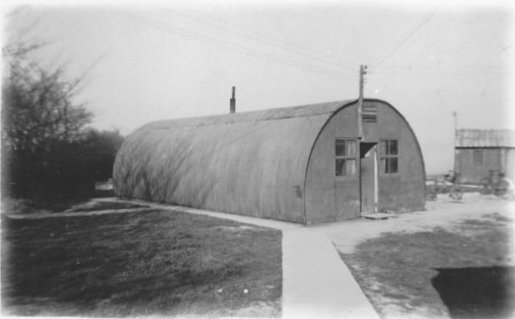
And here is a Nissen hut, named after Mr Nissen:

nissen

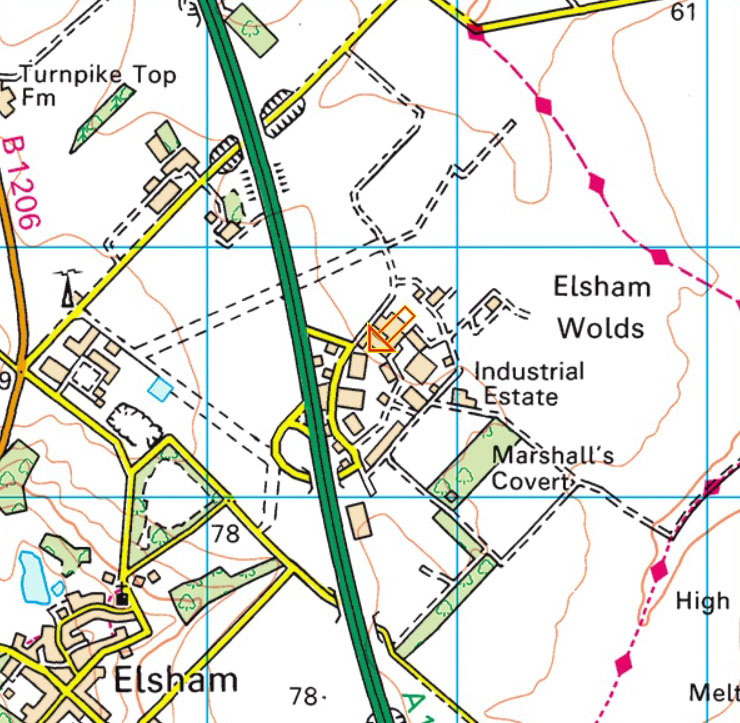
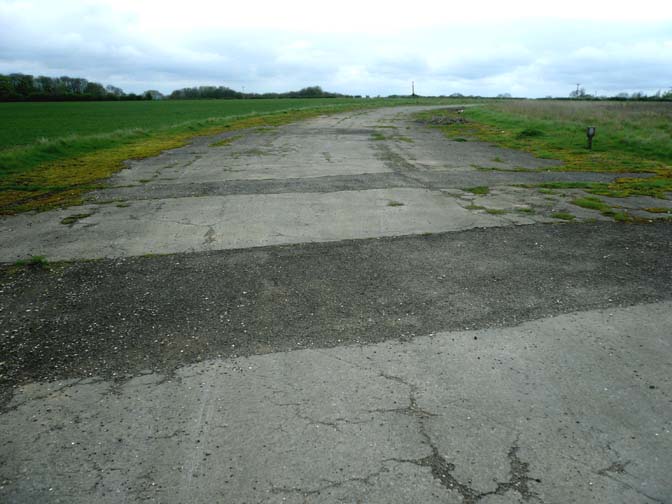
Today, very little remains of RAF Elsham Wolds. A major road, the A15, has been built more or less right through the middle of it, and on top of the majority of one runway. There is a single hangar left, apparently a J-type. Look for the orange arrow, pointing to the hangar:

elsham

It’s a funny feeling, though, to see a wartime building that your Dad would have known and no doubt loved when he was just nineteen or twenty years of age:

P1300101 xxxxxxx J type

Here I have made gallant attempts to match up the aerial photograph of RAF Elsham Wolds in 1943 with the present countryside. The orange arrow still marks the J-type hangar. One runway has obviously disappeared under the A15. On the Ordnance Survey Map look for the number “78” and then the irregularly shaped four sided area to the left of it. It is bordered with yellow minor roads. You may be able to pick this distinctive shape out on the 1943 photograph:


This is half of the runway which, on the Ordnance Survey map, has the radio mast symbol on it. The buildings have something to do with the Severn Trent Water Authority, but were seemed to be  unoccupied during our visit:

severn trent

This is the runway which runs more or less west to east, if you refer back to the Ordnance Survey map. It has now become a dumping ground for builders’ rubble:

tipped on xxxxxx

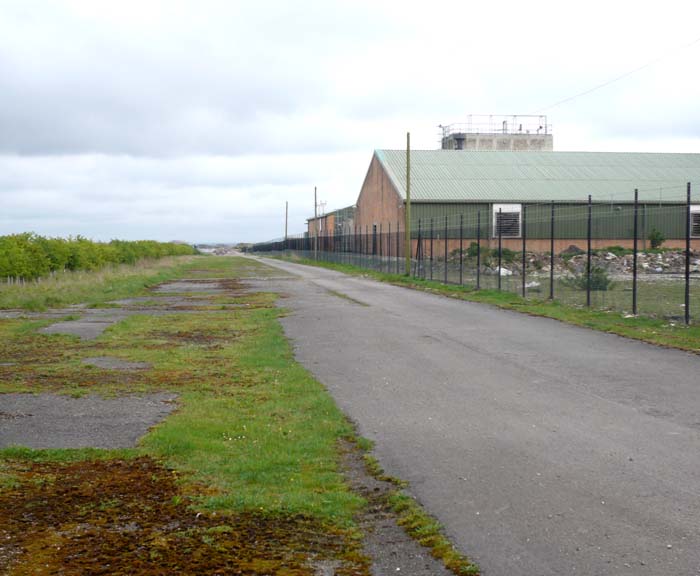
This is the Perimeter Track, or “Peri-track” running toward the start of the runway. When they set off on a mission, all the bombers would taxi slowly along the “Peri-track” to the start of whichever runway they were using that night:

peri track

The laws of trespass are quite different in England to many countries. Here, more or less, you can go wherever you want, provided you leave when you are asked to. Only too easy then, to take a Volvo saloon off the road, over ten yards of gravel, on to the old “Peri-track” and then round and off to the start of the runway. Here is where the bombers waited to take off:

wait to take off xxxxxxxxxxxx

Unfortunately, some idiot vandal builder has built a metal fence to stop me attempting a proper take-off so I have to stop the car and just drink in the scenery:

take off xxxxxxxxxxxxxxxxx

Nevertheless, let’s give it a go!

And I certainly knew what to do in my Lancaster. Accelerate as hard as possible. Keep your eye on the speed.  When it reaches 130 mph, a gentle dab on the brakes and then, lift off. You’re on your way. Seriously though, it was good to think that I might have been doing exactly what Dear Old Dad had done 60 plus years ago. In a Lancaster, of course, not a Volvo:

010BD127_5056_A318_A8C78A0799237BD9

30 Comments

Filed under Aviation, Bomber Command, History, Personal, Writing

Off to the Great War (Part One)

I have already mentioned in a previous blog post that my Grandfather, Will Knifton, emigrated to Canada in an unknown year before the Great War. Conceivably, he was with his elder brother, John Knifton, or more likely perhaps, John went across the Atlantic first and then Will joined him later on. I have only two pieces of evidence to go on.

Firstly, it is recorded that a John Knifton landed in Canada on May 9th 1907. His ship was the “Lake Manitoba” and he was twenty three years of age. His nationality is listed in the Canadian records as English.

On the other hand, I still have an old Bible belonging to my Grandfather, which says inside the front cover,

“the Teachers and Scholars of the Wesleyan Sunday School, Church Gresley, given to him as a token of appreciation for services rendered to the above School, and with sincerest wishes for his future happiness and prosperity. March 26th 1911.”

Whatever the truth of his arrival, Will lived at 266, Symington Avenue, Toronto. He then worked as a locomotive fireman on the Canadian Pacific Railways, between Chapleau, Ontario, right across the Great Plains to Winnipeg. He also talked many times of the town of Moose Jaw, although he never supplied any details that I can remember:

cab paint

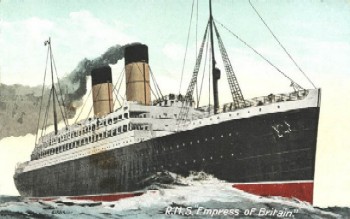
Will joined the Canadian Army on June 12th 1916 at the Toronto Recruiting Depôt. He sailed from Canada for the Western Front on July 16th 1916 on the “S.S.Empress of Britain”:

ss_empress_of_britain

For many years, Will had courted a local English girl called Fanny Smith, the daughter of Levi Smith, a labourer in a clay hole in the area around the village of Woodville, in South Derbyshire, where they all lived. Will wrote to her from Canada and then, during his time in the army, he sent her regular postcards from France. During his leaves from the front, he always returned to see her and they married on July 15th 1917:

This slideshow requires JavaScript.

I still have quite a few of Will’s postcards. He had clearly bought this postcard just before he left Canada for England and the Great War:

montrealbxxxxxxxxxxxxx

He used to speak enthusiastically about Montreal and especially about the famous Hôtel Frontenac:

Château_Frontenac_02

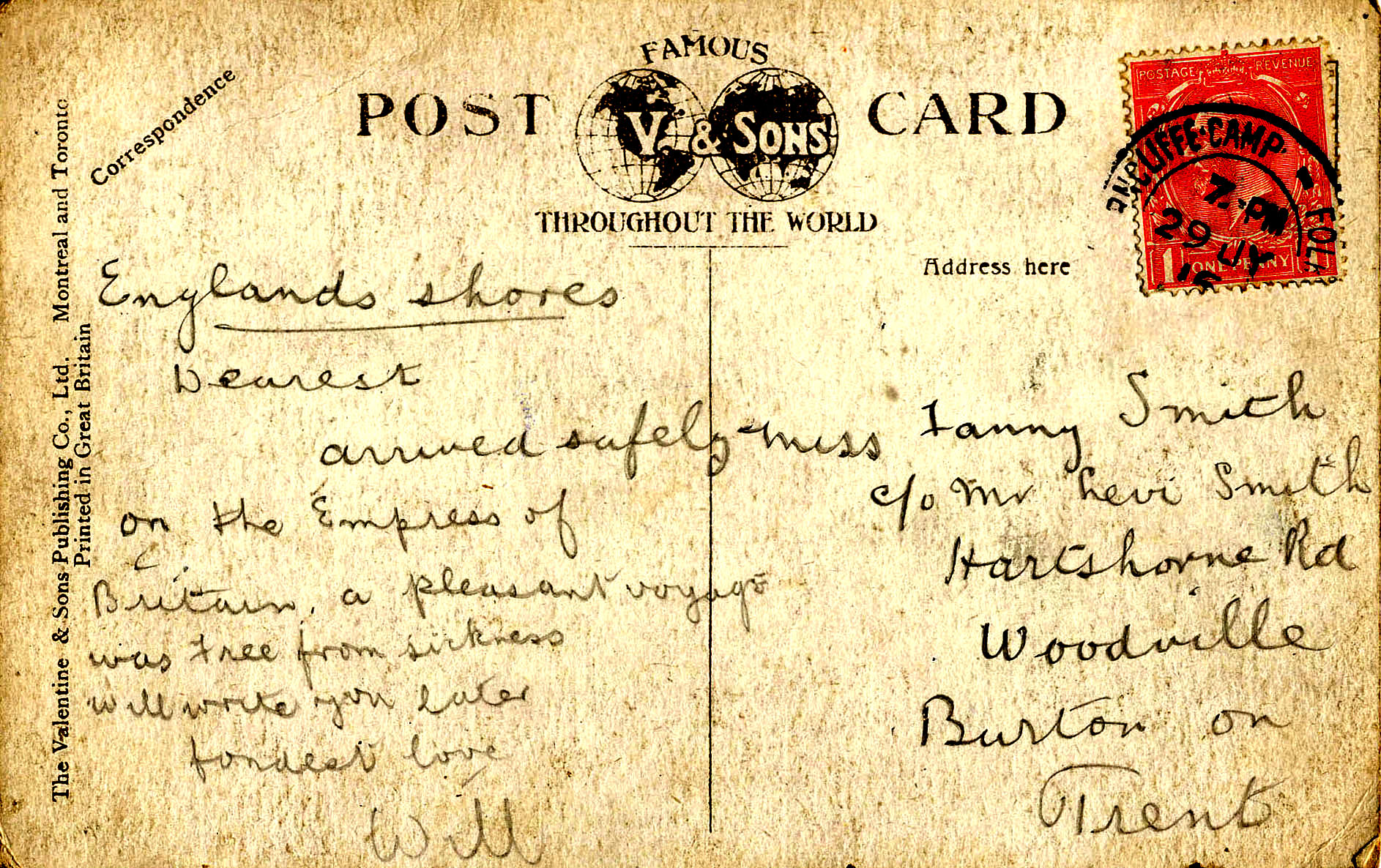
On July 25th, Will duly arrived in England, and was taken on strength into the army at Shorncliffe in Kent. He posted his postcard of Montreal soon after he arrived at Shorncliffe Camp in Folkestone, Kent, at 7.00 pm on July 27th 1916. Here is the back of it:

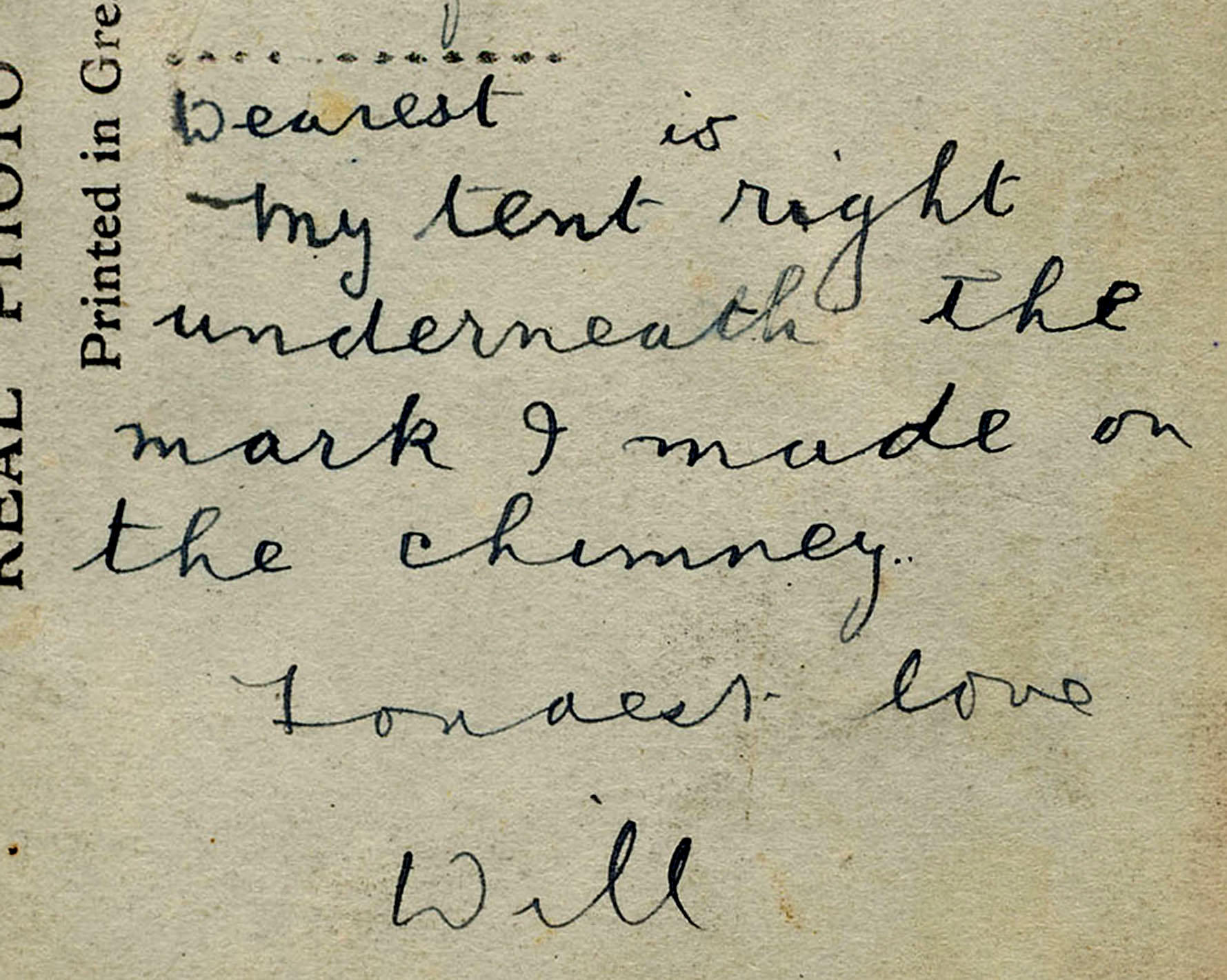
shrncliffe campxxxxxxxxxxxxxxxxx

The message reads:

Englands shores   Dearest, arrived safely on the Empress of Britain, a pleasant voyage was free from sickness will write you later fondest love Will”.

Notice how Will is beginning to become a Canadian with his unusual lack of a preposition in “will write you later”.

Shorncliffe Camp was where Will, and many other young men, were to train for France and the Western Front. Having mentioned the idea of being sick in his previous postcard, Will continues the romantic mood with a picture of the men and horses of the Canadian Field Artillery drilling hard on the parade ground:

canadian cannons sepiaxxxxxxxxxx

The reverse is here:

reverse of shoercliffexxxxxxxxxxxxxxxxxxxxxxx

Will manages to make a charming juxtaposition of “men and horses at drill with the big guns” and “Fondest thoughts” to his true love. (And she really was his true love.)

Will began his training at Shorncliffe on July 27th and he remained there until November 17th 1916. The schedule for basic training makes interesting reading nowadays. This particular week was the one ending June 5th 1915, and it is difficult to imagine that Will would have done anything substantially different just over a year later:

Monday 

(6.30-7.00 am)                          Squad drill without arms

(8.00-9.00 am)                         Physical Training

(9.00-9.30 am)                          Bayonet Fighting

(9.30-10.00 am)                        Rapid loading

(10.00-12.00 am)                      Company Training

afternoon                                 as for morning less ½ hour squad drill

Tuesday

morning                                   as for Monday

afternoon                                Entrenching  (2 Companies), remainder as for Monday

Night March

Wednesday

morning                                   as for Monday

afternoon                                 Entrenching  (2 Companies), remainder as for Monday

Thursday                                  all day                      Battalion field training

Friday 

morning                                    as for Monday

afternoon                                 as for Monday

Saturday 

morning                                   as for Monday, less afternoon (holiday)

(If this were a restaurant, you would only go there once, wouldn’t you?)

Will’s next postcard continues the hearts and flowers theme with a photograph of the men’s tents.

Will’s own tent is marked with a cross:

tentxxxxxxxxxxxxxxxxxxxxxxxxx

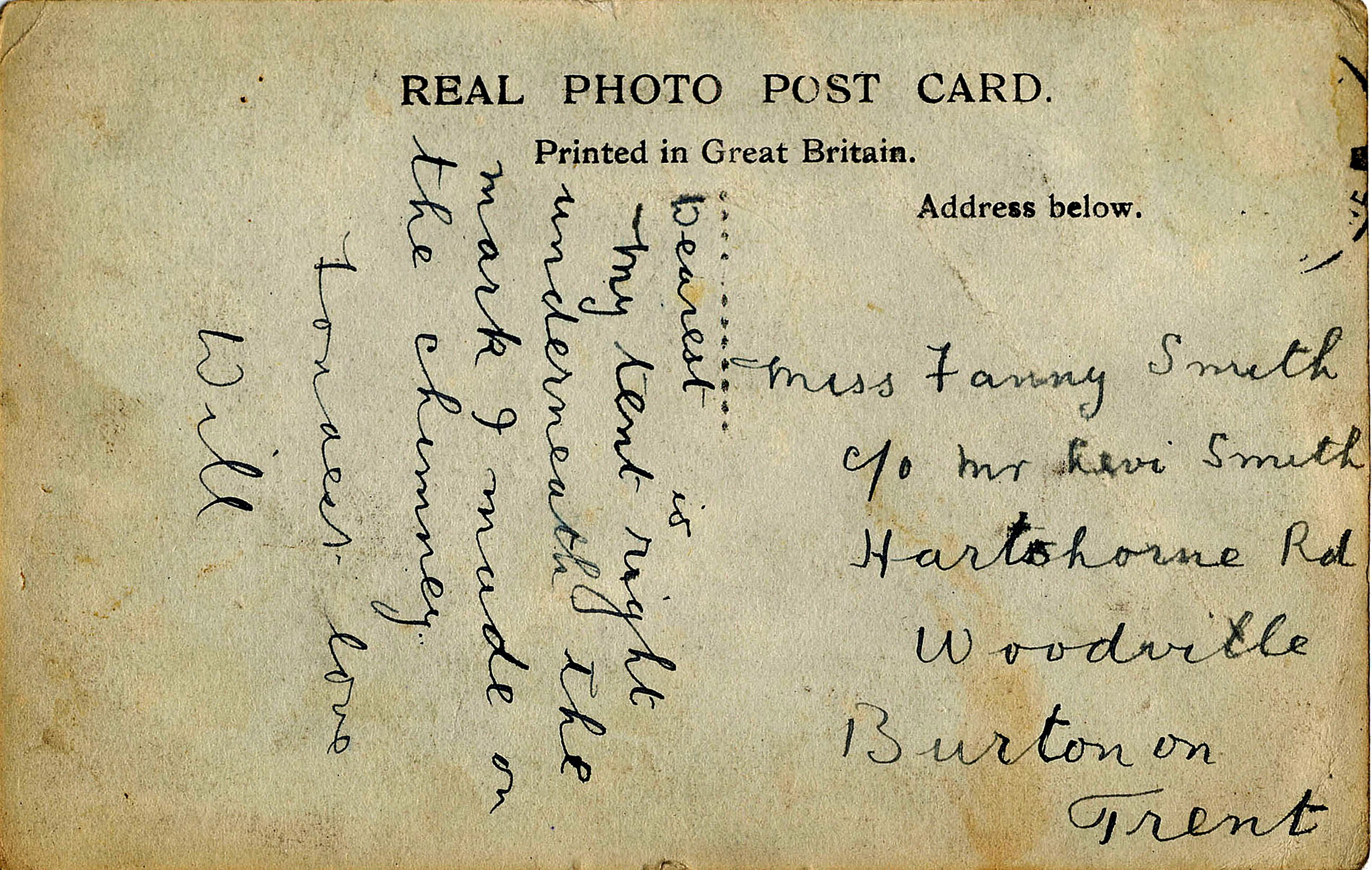
This is the reverse side of this postcard. Firstly, as Fanny received it:

back of tentxxxxxxxxxxxxxxxxxxxxxxx

And here is the message enlarged:

back of tent2xxxxxxxxxxxxxxxxxxxxxxxxxxxx

Will remained at Shorncliffe until November 17th. He sent his girlfriend, or perhaps by now, his fiancée, some more post cards before he left. We will look at them in the near future.


22 Comments

Filed under Canada, France, History, Personal

A lovely old bird called Elsie

(An extract from my birdwatching diary “Crippling Views”)

Saturday, June 25, 1988

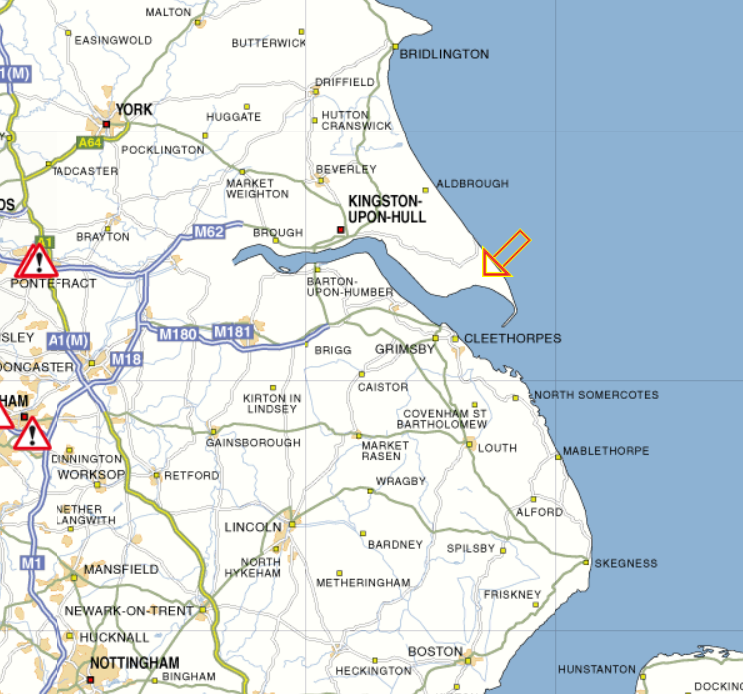
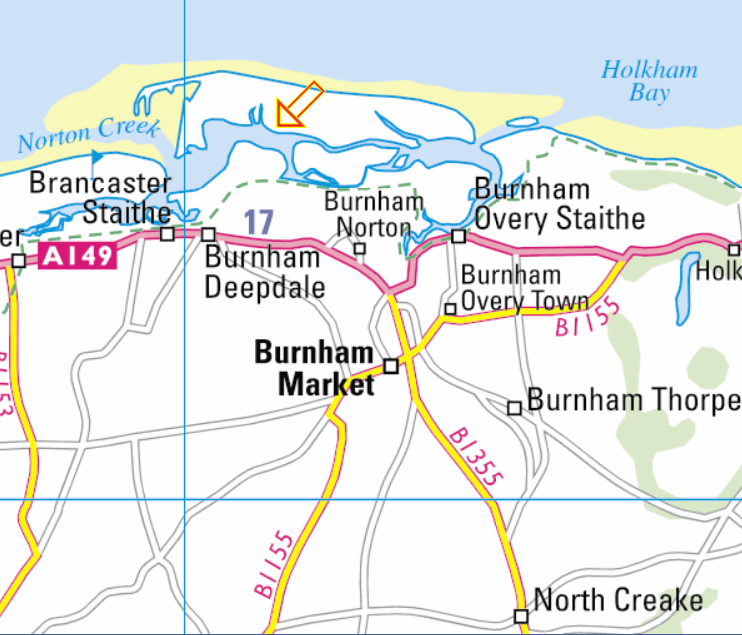
Birdline organises another weekend for me. Look for the orange arrows:

This slideshow requires JavaScript.

This Saturday, it’s a vagrant duck from North America, a drake Surf Scoter, that has been found offshore at Holme next the Sea  in north Norfolk. A very well-behaved bird, it has been seen every single day of the week, and should be a cinch. Should be:

xxxxxxx surf_scoter_1655

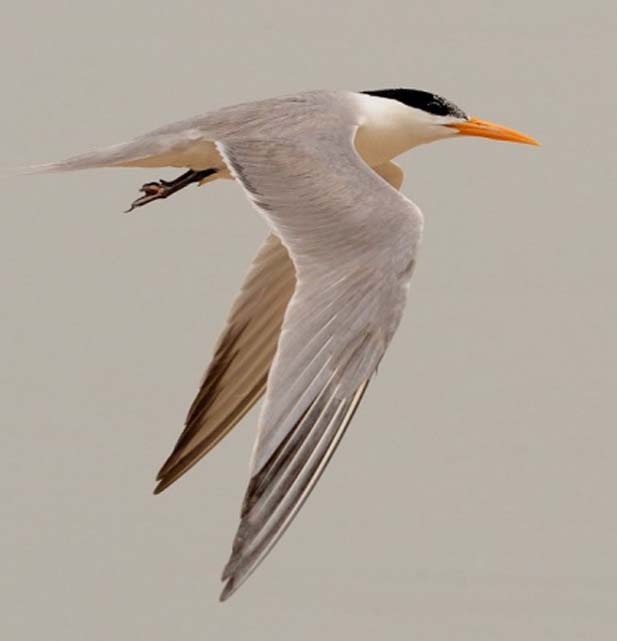
I go with Paul, Robin and Sue. It’s a beautiful summer’s day, blue skies, a bright sun and a typically bracing east coast wind. After an uneventful three hour trip, we park in a layby at the side of the road at the western end of the Holme reserve. As soon as we get out of the car, I see a most peculiar bird. It’s a large tern, flying steadily eastwards along the beach. About the size of a Sandwich Tern, it has a straw yellow bill. I am paralysed, I can’t remember what colour bill a Sandwich Tern has. For a few moments, I think that I’ve got everything exactly backwards, so that all Sandwich Terns have a yellow bill with a black tip. But that’s not the right way round. Sandwich Terns have a black bill with a yellow tip! I force myself to look at the bird for the duration of the flypast, but it’s very difficult to take in a great deal, because I’m so panic stricken:

Sterne voyageuse (Sterna bengalensis)

I think of shouting to Paul, but he’s three miles away, year ticking Redshank. I don’t have the courage to yell to another group of nearby birdwatchers, because deep down, I have a terrible suspicion that I have got it all wrong, that I will be calling out to them just for a Sandwich Tern. I keep looking. The bird is fairly round winged, with fairly dark upper parts to both its wings and back. It has a noticeably white trailing edge to its wings, a little like a Laughing Gull, and for a tern, it seems big, almost the size and bulk of a gull. I walk thirty or forty yards, trying to dismiss the bird as an aberration, the product of a rarity crazed mind. I even consider the idea that I just got out of the car, tired from the driving, and somehow misidentified a Little Tern. There are quite a lot of them over the beach, and mental blocks through fatigue are not that unusual. Then suddenly, the bird reappears. It is in company with  two Sandwich Terns and I can easily pick it out, totally different from its two companions:


This time, I shout to Paul and tell him to get on to the last bird. He manages to pick it out and agrees with me on two things. Firstly, that it is different to the Sandwich Terns, and secondly, that it has a straw yellow bill.  We have an exciting discussion about it and Paul puts forward the idea that it is a Lesser Crested Tern, a very rare vagrant to Britain, but one which has been seen a few times of late, due in part, it is thought, to a single lost bird which wanders the east coast of Britain, looking eagerly for its Libyan homeland. I haven’t a clue. I’ve never even heard of a Lesser Crested Tern. I thought that Gaddafi had abolished birds as being too flippant. I don’t even have a book with Lesser Crested Tern in it:

xxxx LCT 2

When I get back to Nottingham, I spend many a happy hour, trying to get information on the mystery bird. What convinces me though, is an illustration that I find in an old Indian birdwatching book, where the most salient points are the yellow beak, the dark mantle and the brightest of white trailing edges. They ought to know. They see them a damned sight more often than I do. And what finally proves it to me totally is an announcement a couple of days later that a Lesser Crested Tern has recently been present, on and off, at Cley next the Sea, just a few miles down the coast to the east. Seduced by the promise of eternal fame, I send a letter to the Norfolk Bird Recorder, and also to the Reserve Warden at Holme.

The Surf Scoter, of course, after all this, is long gone. We spend the rest of the day looking for it, but without any luck at all. The Common Scoters are exactly that, but among the hundreds of sea duck, there is no bright white head:

We also see a lot of Little Terns, who succeed in sowing the seeds of doubt, but who, at the same time, solve quite a few problems. They fly down the same track as the putative Lesser Crested Tern, but with a completely different flight action. They flutter like butterflies. They don’t fly purposefully like the mystery bird:

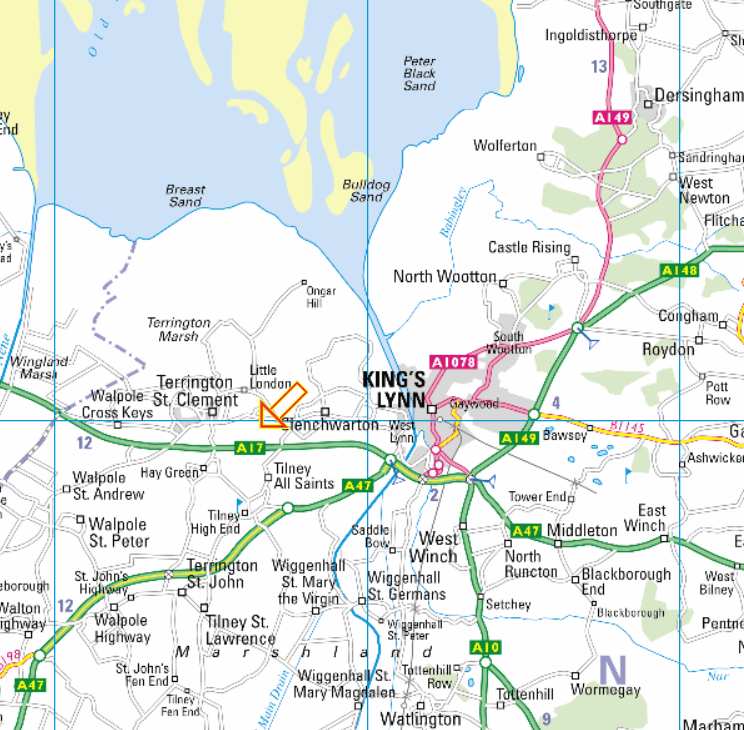
And anyway, I saw it in the company of Sandwich Terns, so I have a good idea of its size, and it’s a lot bigger than a Little Tern. It’s a different bird, in actual fact. A thrilling end to a memorable day is provided as we motor south to Kings Lynn, on the way back. Look for the orange arrow:

lynn

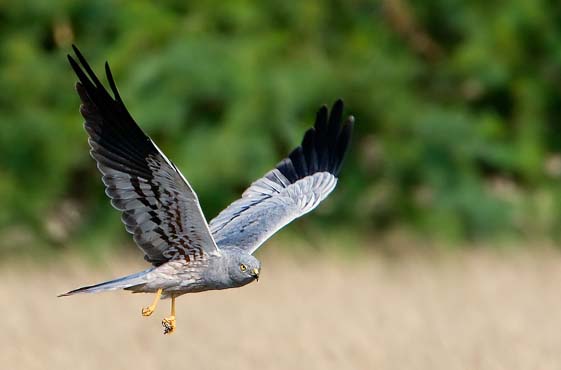
Just beyond the ring road, we see a large raptor quartering the fields to our left:

xxxxxxxxxxxxxxxx Montagu's_Harrier

It crosses the road above our heads, continues the quartering, and finally disappears behind the line of trees on the horizon. It is a male Montagu’s Harrier, perhaps the North Wootton bird, but more likely, from a site not yet revealed to the Verminous Company of Egg Thieves. It is fairly isolated out here though. Let’s hope that the Montagu’s Harrier family spend their summer undisturbed, raise their babies and leave peacefully. Flying back if possible, not over Malta or any other world centre of illegal hunting:

xxxxx montagus_Harrier_Serengeti_


I sent in my claim of a Lesser Crested Tern to the British Bird Rarities Committee, but after a year or two of careful consideration, they rejected it,  even though the Birdwatching Committee in Norfolk seemed reasonably satisfied with it. So, a few years later, I drove to Spurn Head in Yorkshire to see another, or conceivably the same returning, Lesser Crested Tern. Look for Nottingham in the bottom left and the orange arrow:

spurn

I went there on two separate occasions, and finished up driving nearly 500 miles in total. After almost two days standing in “The Place”, “The Bird” did not deign to tern up (sick). On the second day, I was there at seven in the morning, and I was then the last to leave at eight o’clock in the evening. Another birdwatcher arriving alone at half past eight then found the bird exactly where it was supposed to be standing and I’d missed it. That started to make it personal.

A little while later, I drove to the north Norfolk coast where foolhardy twitchers were wading across a tidal creek to Scolt Head Island, their telescopes and tripods held above their heads like the Marines in Vietnam. They were looking for a Lesser Crested Tern which had been seen in the Sandwich Tern colony. Look for the orange arrow: 

scolt

I decided, though, to stay on the mainland, not drown and keep my eyes open for the bird flying down the coast to fish. Three wasted hours. No chance!

It was by now way beyond personal. Around this time a Lesser Crested Tern had been hybridising with Sandwich Terns in a tern colony on the Farne Islands, some three or four miles off the coast of Northumberland, some 200 miles to the north of Nottingham. Eventually, everybody realised that all the many records of Lesser Crested Tern on the English East Coast were most probably this one returning individual, being seen over and over again by different people.  Because the initials of a Lesser Crested Tern are “LCT”, the bird was now being called “Elsie”. I decided to bite the bullet  and drive up to the Farne Islands. As the bird was nesting, it should be a cinch. Should be.

Look for the orange arrows :

This slideshow requires JavaScript.

I failed to see it. So I decided to try again, and at very long last, I saw Elsie’s straw yellow bill sticking jauntily out of a crowd of black billed Sandwich Terns, all sitting on their eggs.

And I watched this good tern, this most excellent tern, for a very long time. A very long time. And then, half an hour later, I came back for seconds. And yes, I had already seen a bird just like Elsie, with her unmistakable bill, somewhere else, a long time previously, but the details escaped me for the moment.
Afterwards, I worked out that the nearest colonies of Lesser Crested Tern were on the coast of Libya. To see one, I had driven to Holme (210 miles for the round trip), Spurn Head twice (500 miles for two round trips), Scolt Head Island (250 miles for the round trip) and the Farne Islands(880 miles for two round trips). How far is it to Libya by car?

11 Comments

Filed under History, Personal, Science, Twitching, Wildlife and Nature

Last day on the Scillies

Saturday, October 29, 1988

.
(An extract from my old birdwatching diary “Crippling Views”)

.
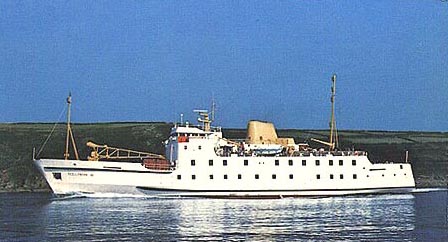
My last day on the Scillies. Time off for good behaviour. I’m not really sorry to be going home. I had four lifers. I don’t feel I’ve missed out on anything that was there and was viewable, except perhaps the Short toed Lark, about which I have exactly the same dilemma today as I had yesterday. Do I go to St Agnes or not? I chicken out, I am ashamed to say. I’m too scared of missing the last ferry back to Penzance Harbour to risk missing an inter-island boat through a twisted ankle, or a fat man’s heart attack. This will be the last Scillonian ferry back to the mainland before the end of the year, and the helicopters are all booked up until next Wednesday so I just cannot risk anything going wrong. I simply do not have enough money:

Scillonian_III-01 xxxxxx

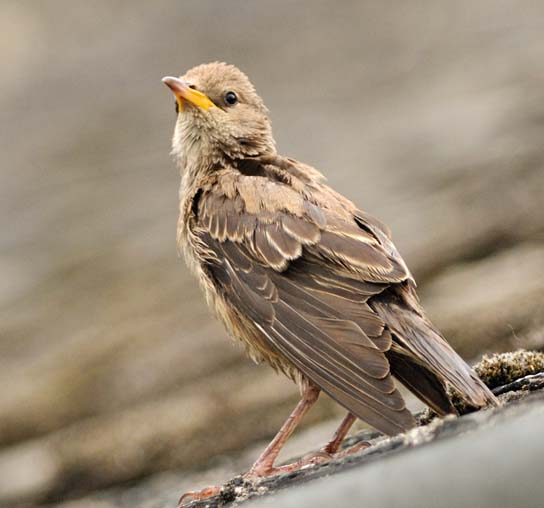
I go back to my old friend at Telegraph, the Rose-coloured Starling, who I see very briefly, flying around with his common friends. He’s a very pale, buffy coloured individual, which I am sure is the bird in question, a fact made all the more certain by a group of birdwatchers coming from the area where the flock appeared to land and who say that they have just seen the little chap:

This slideshow requires JavaScript.

I can’t relocate the bird, but I meet someone who says he’s just seen a Wryneck feeding alongside the road. It was actually on the grassy tops of the great wide dry stone walls, although it has disappeared by the time I arrive:

Wryneck%20Scilly%2 zzzzzzz

I look for about fifteen minutes, but I can’t find it, and I am just about to pack it in as a bad job, when another young chap comes over and says he’s found the bird about seventy yards away in another lane. When I get there, I find that it’s a lot more active than the previous birds that I’ve seen in Norfolk, as it moves along the base of the hedge, feeding energetically. I am always impressed by Wrynecks, which never seem reptilian to me or particularly primitive as they are supposed to, but rather I wonder at the subtlety of their camouflage, and the way they seem able to disappear into their background at the drop of a dead leaf. It’s a good padder of a bird and I’m really pleased to have seen it. Not that I’m surprised, because it’s my friend Paul’s bogey bird and I told him before I left for the Scillies that I would see one for him:

Blog Wryneck St Marys xxxxxxxxx

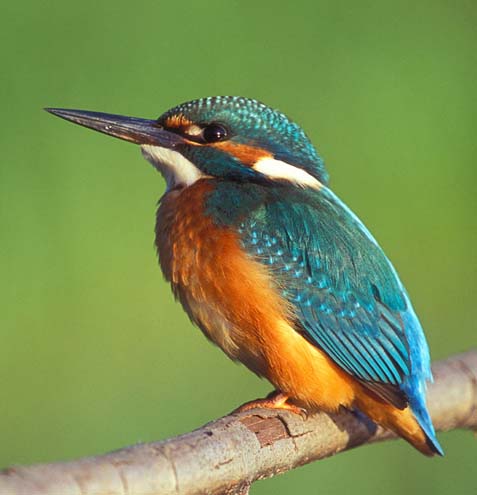
I take a leisurely stroll back to town, walking along the seashore where I am amazed to see a kingfisher flying out over the breaking waves, seemingly completely at home among the rocky coves and the surf,  before it finally disappears into a line of pine trees at the top of the scrub covered cliff:

kingfisher14  zzzzzzzz

I pass a field full of absolutely thousands of finches, including at least one superb full adult summer plumage Brambling, which is so bright that I think it is some weird American bird when I first see it. There’s really no need for it to be a transatlantic vagrant, since the bird is such a beautiful sight in its own right, without needing to be particularly rare:

This slideshow requires JavaScript.

A hundred yards further on, I surprise a Pipit in another field at the side of the road. I try hard to imagine that it is some unprecedented rarity, but I’m finally forced to concede that it is merely a Tree Pipit.
Finally, I reach the Porthcressa Restaurant, where the magic noticeboard announces the presence of a Scarlet Rosefinch, another possible lifer, which has turned up near the airport. This is going to be a close run thing for a fat man. The boat leaves this afternoon and I need to be on the quay by half past three. It’s half past one now, so I start off at a reasonable pace, taking care to time myself for the walk, so that I can set off back to the harbour in good time. It only takes me thirty minutes, so I am left with about an hour to find the bird:

Scarlet%20Rosefinch%20 xxxxxxx

It’s apparently been showing well in a little field full of cabbages, but has unfortunately moved on by the time I arrive. I go and search the neighbouring fields where there are huge flocks of finches and lots of good big hedges for them to perch in. It is at this point that I get the closest that I’ve ever been to a rare bird without actually seeing it. Two young men poke their heads round the hedge and tell me that the Rosefinch is there. They are actually looking at it right now:

scarlet rosefinchR  xxxxxxx

In the very short time that it takes me to walk the ten yards or so, the bird flies away, never to be seen again, at least not by me. I give it a few more minutes, but time, as always, ticks inexorably away.  There is one final bit of excitement when a message comes on the CB that a Pechora Pipit has been spotted on the far side of the airport near Salakee Farm:

pechora xxxxxx

The fittest ferry passengers, and the more leisurely helicopter users, all set off, but without me, I’m afraid. I’m far too unfit to rush all the way to Salakee, find a pipit famous for its ability to skulk and hide in the undergrowth, and then get back down to the Scillonian by 3.30. At least, not without a major heart attack. I do have the pleasure though, of a nice stroll back through the town, along the main street down to the ferry:

St%20Marys%20Quay xxxxxxxx

The scene that greets me is straight out of a 1930s black-and-white documentary film about the evacuation of St.Kilda. The ferry seems to know that it is the last boat of the year and mournfully blasts its foghorn as a farewell to the tiny town.

scillonia on scillis xxxxxxxxxx

The street, with its grey stone buildings, is full of hurrying figures, all burdened with bags and suitcases, tripods and scopes, all plodding in the same direction to get down to the quay. When I reach the ferry, I have twenty minutes to drink in the scene, so I stand and lean over the side of the boat. It’s beautiful, the still, calm sea, the line of old buildings along the curve of the bay and the continuing mournful bellowing of the ship’s foghorn. Even better though, is a stream of birdwatchers, all returning at breakneck speed from not seeing the Pechora Pipit, tripods and spare wellies flying around their necks. They all seem to make it, except, presumably, the ones that don’t.
We set off across the surface of a glassy sea, as the people on the land wave their last farewells to the ship:

scillonian-day-trips-1-1180x520 xxxxxxx

It will be a long time before the Scillonian returns to the island, as the next arrival is scheduled for April. The crossing is bird free, mainly because the weather becomes so foul. In actual fact, the crossing isn’t particularly rough by Scilly standards. All I can say, though, is that, if this isn’t rough, then very rough most be unbelievable. I stay on deck, of course, in my capacity as the toughest man on the boat, and when I finally go downstairs, the bar is full of people with green faces. It reminds me very strongly of a pub in Nottingham that sells Shipstone’s beer.
One young lad that I speak to is really delighted to have been on the Scillies. He is about fifteen and he has had a lot of lifers and he is as pleased as Punch. Birdwatching here certainly does make it a lot easier to see some of the birds that on the mainland can take a lot of effort, above all if you live in the south. Dotterel, Corncrake, Red Kite, or especially, Lapland Bunting:

LaplandBuntingSteveArlow cccccc

He’s had them all in the past two weeks here. I’m still riddled with jealousy, all bitter and twisted at those people who can spend two or three weeks here at the best time of the birdwatching year, namely early October, when I have to be at work. It must have added a good thirty or forty species at the very least to their life lists, with no real difficulty and very little real effort. Perhaps an inflation rate of up to 25% or 30% of your life total. All there for you to tick off, knowing that they are birds unlikely to occur anywhere else in Britain.
I have not seen too many good birds on the Scillies, but I have met a good number of what you might call “characters”. It is, after all, “Teachers’ Week”, although I do find one teacher who has clocked up an exceptionally impressive 420 species without ever using the rather artificial aid of coming to these islands in the first two or three weeks of October. At the same time he has not lost his ability to be excited by a Red Kite or a Red-necked Grebe:

This slideshow requires JavaScript.

There are some quite desperate twitchers who just hear the words “Paddyfield Warbler” and will then slit Granny’s throat for the bus fare. Some of them are very rude, unpleasant and downright boorish, including one young oaf who insists on shouting his requests for directions at you at the top of his fifteen year old voice, irrespective of how far away he is. His only interest is the extraction of any information you might have about the bird he is trying to see. I meet him once and say “Good Morning” and he says loudly, “Where? Is it showing well?”

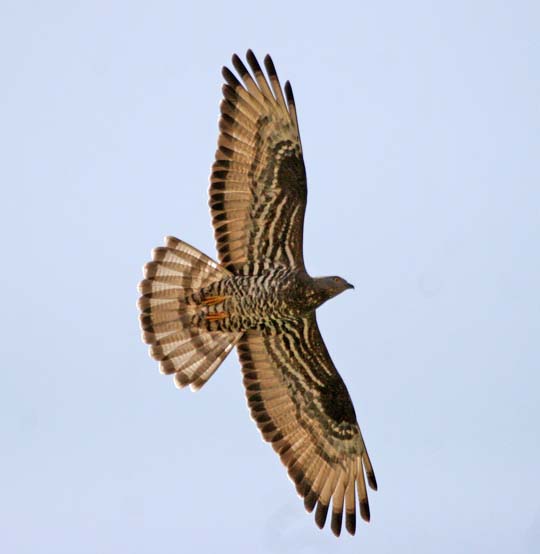
One unemployed birdwatcher has worked out his cash supply down to literally the last fifty pence. For the last two days of his holiday (a holiday from being unemployed?),  he cannot afford accommodation, but has to walk around looking for nice warm bus shelters. The most notable of the whole lot, though, is an old gentleman who has bird watched all his life and who has seen some splendid ornithological sights in his time, particularly when birds of prey were more numerous than they are today. Honey Buzzards thronged his skies:

HoneyBuzzard xxxxxx

From his house on the north west coast of Wales, he would see a dozen migrating Merlin in a day. Now it is just one a month:

merli_juv_ ccc

He has little or no interest in twitching rare birds, many of which he has never heard of anyway. He has an outlook based solely on what he can find for himself. Not for him the new fangled Gore-Tex or plastic cagoules, but a pair of battered old boots, some comfortable corduroy trousers and a sports coat with leather elbow patches. His bird watching techniques are different to those of the present day as well. Not for him the patient wait for the bird to appear. He is deep in the bushes, energetically bashing around with his walking stick, determined to find everything that is in there, vainly trying to hide.
The real stars of the show though, are the people of the Isles of Scilly themselves. They are genuinely calm, kind and wonderful people and remind me a lot of the inhabitants of the Highlands of Scotland. They will not be hurried and their entire lives are very different indeed to those of us city folk.

Certainly this week though, the birds are disappointing. I wish I’d stayed on the mainland and gone for whatever presented itself. There was every chance that I’d have seen the Indigo Bunting at Wells and a Lesser Yellowlegs at the Ouse Washes.

This slideshow requires JavaScript.

On the other hand, I wouldn’t have had the total experience that I have had.

10 Comments

Filed under Cornwall, Personal, Twitching, Wildlife and Nature

An insect with a billion friends

This story is an extract from my old birdwatching diary “Crippling Views”.

These events all took place on Friday, October 28, 1988, which was the fourth day of my stay on the Isles of Scilly:

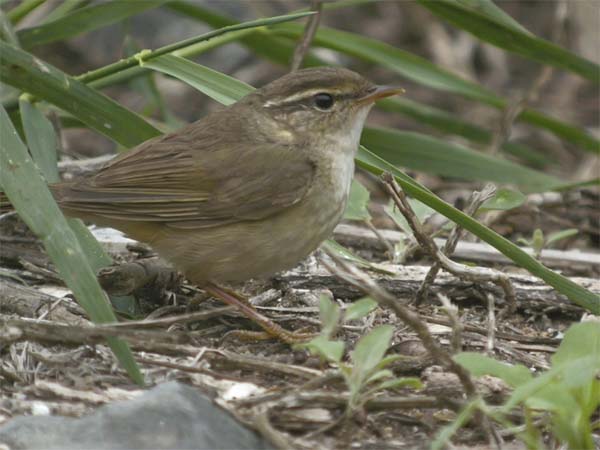
“A late lie-in this morning, with the Radde’s Warbler ticked off, and little else to get up for, certainly not at five o’clock in the morning:

RaddesWarblerxxxxxxxx

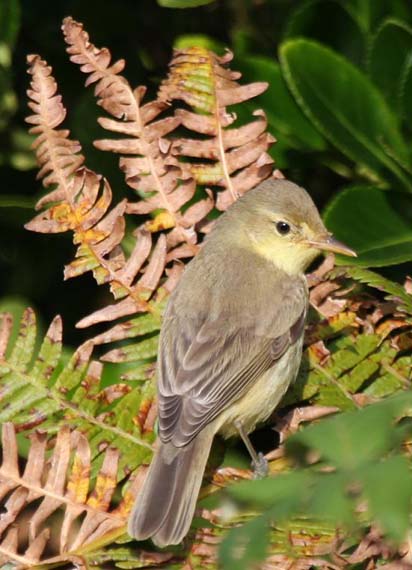
I eagerly consume a splendid Scillonian breakfast made up of every conceivable Identified Frying Object, with the possible exception of haggis, although this could well be the single mysterious item which I cannot identify with absolute certainty. Then it’s a leisurely walk down to the Porthcressa Restaurant where the magic blackboard promises Melodious Warbler at the Garrison. With a bit of luck, I might see that, and then go over to St Agnes for the Short toed Lark. I walk up the horrendously steep slopes of the hill to the Garrison, and start looking…

Melodious%20Warbler%zzzzzzzz

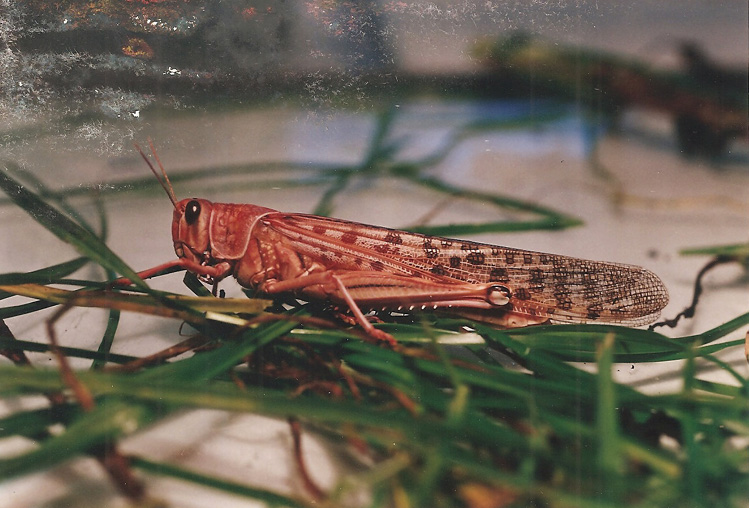
Unsuccessful after a couple of hours, I return to Hugh Town, the Big City. I find that I have a once-in-a-lifetime opportunity facing me. It’s not a bird, but a flying creature just as rare as any of the birds which reach the Scillies. It’s a Locust. Only the fourth or fifth ever to be blown to these rocky isles. At the moment, it is being housed in an art gallery in a backstreet. I stroll over there and find that the insect is living happily in a vivarium on the counter. It is a truly splendid and beautiful creature, far better than any of the birds that I have seen on the Scillies, including the juvenile Rose-coloured Starling:

rc starling xxxxxxxxxx

I could even imagine this magnificent insect being used as a powerful argument for the existence of God, particularly in mediaeval times.  It is constructed so wonderfully skilfully that it becomes a classic example of the Celestial Watchmaker. It has one set of protective plates inside another, and then another beyond that. It looks like a knight in armour, but instead of being as dry as dust and rusty like something in an old stately home, this is a live being and it can move. It is a child’s clockwork toy that has the gift of life.

I am surprised by two things. Firstly, the creature’s colour, or rather colours, for it is at one and the same time, both yellow and pink and orange and sandy. I am shocked too by the size. I have never seen a Locust before, and it is absolutely huge. At least to a person like me who leaves the room when the zookeepers take the tarantula out of the glass case, or somebody who thinks that ladybirds are fierce.
The gentleman in the shop tells me that the creature was found on the local beach and was brought to his gallery so it could be drawn and photographed. He quite clearly and obviously is very attached to his six legged guest and seems to be well on the way to regarding it as his very own pet, or at the very least as an attraction to his gallery. Apparently, the British Museum have already contacted him and told him that he must kill it immediately, put it in a cardboard box, and send it to them in a parcel as a scientific specimen:

scan one zzzzzzz

I am totally appalled and disgusted by this news. I cannot find the words to capture my feelings. It seems somehow so repulsive to kill this beautiful innocent creature which has had to fight so hard for life. It has crossed the Atlantic in all probability, or has perhaps arrived here all the way from West Africa. Now it’s happily munching English grass, but soon it is supposed to die at the whim of some cold hearted scientist who has taken upon himself the right to dole out life or death. It seems to be taking such an advantage of an insect’s lack of awareness and essentially innocent existence.

The gallery owner, I feel, would rather not kill the insect, but keep it. I do try to tell him that in all probability it belongs to him, and that the British Museum have no legal right whatsoever to tell him to do what he does not want to do, and still less to actually make him do it.

Strangely, it seems to be to no purpose. The  gallery owner seems overawed by the demands of an organisation as apparently so powerful as the British Museum. And presumably, the locust will have to die. It is so sad that we should be given the chance to meet such an exotic and unusual member of God’s family, but should then lack the reasoning power to do anything more creative or imaginative than to kill it.
I would hope that I personally could do better than that, if put in the position of having to look after a stray innocent. At the very least though, I will remain the only person with a framed, but not autographed, picture of a locust above the fireplace…Even if it is only when my wife is out of the house.

Years and years later and I am sure that I read somewhere that the poor unfortunate locust was not  killed for the British Museum, but instead was allowed by its admiring owner to live out its life in its little vivarium on the counter of his gallery. Unfortunately, I have been unable to substantiate this, as I have long forgotten where I read the wonderful news. Locusts continue to reach the shores of our freezing wet little island, but only on very rare occasions. Certainly, there has been nothing like the situation in 1869 when whole swarms of Desert Locusts reached England, apparently from West Africa.

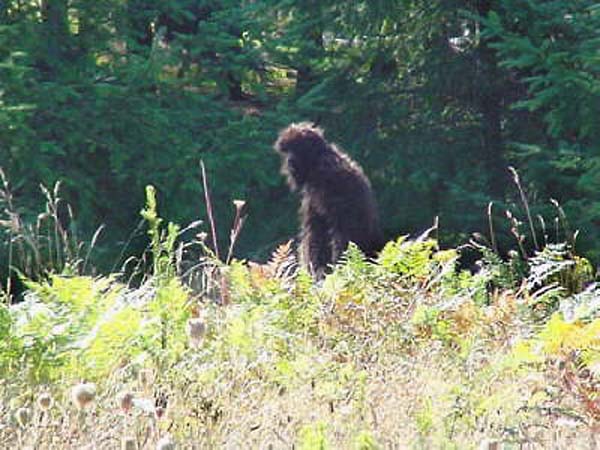
Cruel scientists still insist on killing creatures to prove what they are, and there was considerable outcry a few years ago, when a Californian ornithologist, I think it was, killed the first Arctic Redpoll ever to be found in that state. This, of course, is why Bigfoot keeps such a low profile for somebody who is nine or ten feet tall. He knows he exists, so why should he get himself killed just so that other people can?

db_Bigfoot43_1xxxxxxxxxxxxxxxxxxxxxxxxx


6 Comments

Filed under Cornwall, History, Personal, Science, Twitching, Wildlife and Nature

Staff v Prefects Football Match Christmas 1980 (3)

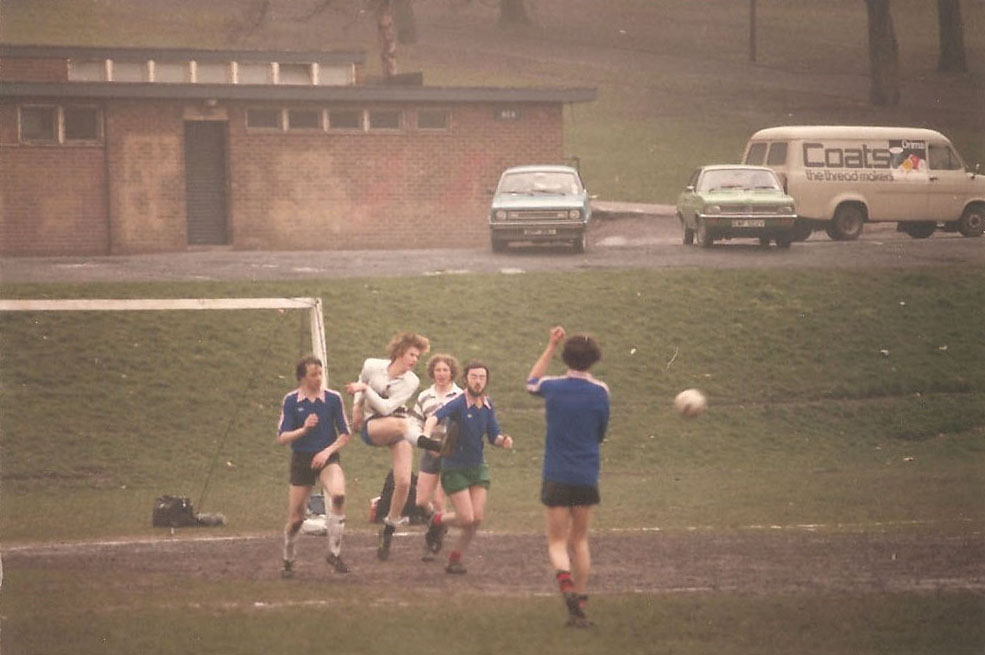
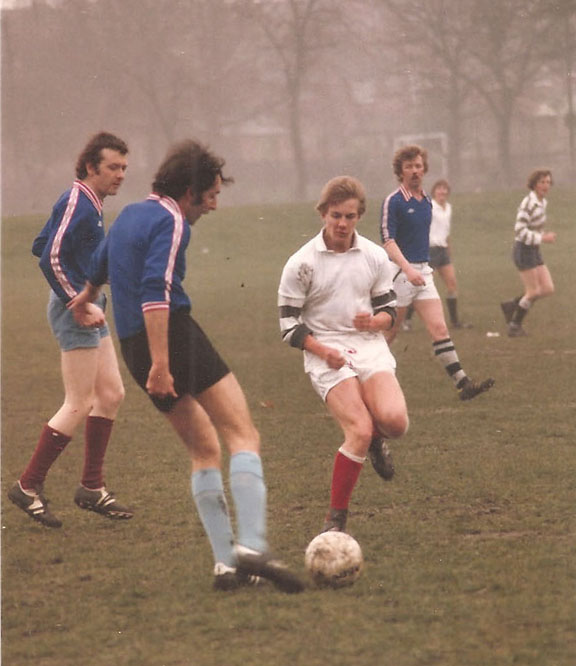
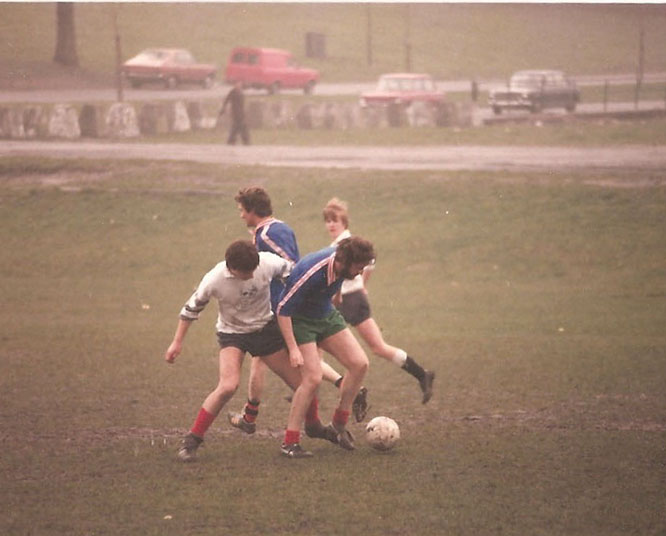
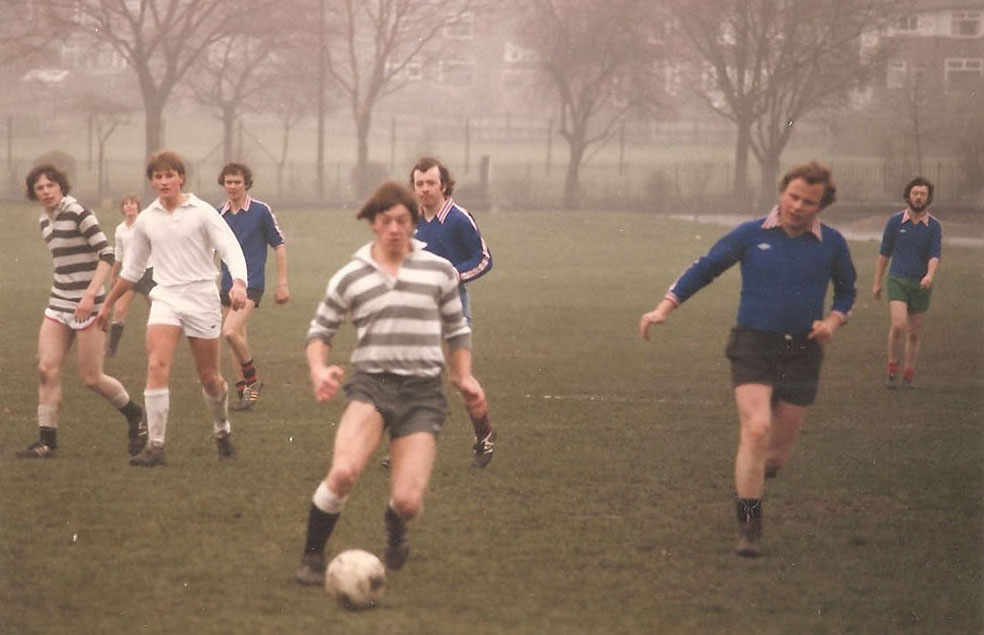
These are the last four of the ten photographs I found recently of the Teachers v School Prefects football match.  This keenly fought fixture took place probably just before Christmas in 1980, give or take a year either way. My beautiful new wife was watching the game, armed with my camera, if I remember correctly.
This first photograph shows myself and Ron Gilbert, the ex-Chemistry teacher who retired recently. We look as if we are holding a quick debate about who is going to chase after the ball:

PHOTO A

The second photograph shows the then Head of Music, Stephen Fairlie, and the red shirted referee, Richard Willan. Red Fourteen is a Prefect playing in a staff shirt to make up the numbers. Incidentally, the staff are playing in the shirts normally worn by the school Second Eleven Football Team. These, in their turn, were, for reasons that must surely remain unknown now for ever, the second, change, strip of Sunderland A.F.C.

PHOTO B

The third photograph shows three members of staff. Number Three on the right with his back to the camera is Paul Morris, the now retired Physics teacher. I myself am Number Two in the middle and Number One is Andrew Ayres, a native of Hartlepool if I remember correctly, a young teacher of Chemistry and a colleague of Ron Gilbert. Andrew moved on to Wisbech Grammar School in Cambridgeshire, where he became the senior tutor and examinations officer as well as continuing as a chemistry teacher. He retired in July, 2014. Once again, the Prefects will have to remain nameless:
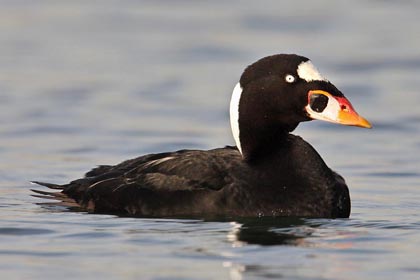
PHOTO C

The final picture shows Stephen Fairlie, the then Head of Music, as Number One on the left, and Bob Howard, Geography teacher and Best Man at our wedding, as Number Three on the right. In the centre is Number Two, Phil Eastwood, who was the then Head of Chemistry. Phil is a very keen supporter of Manchester City and that is where, I would imagine, his socks came from:
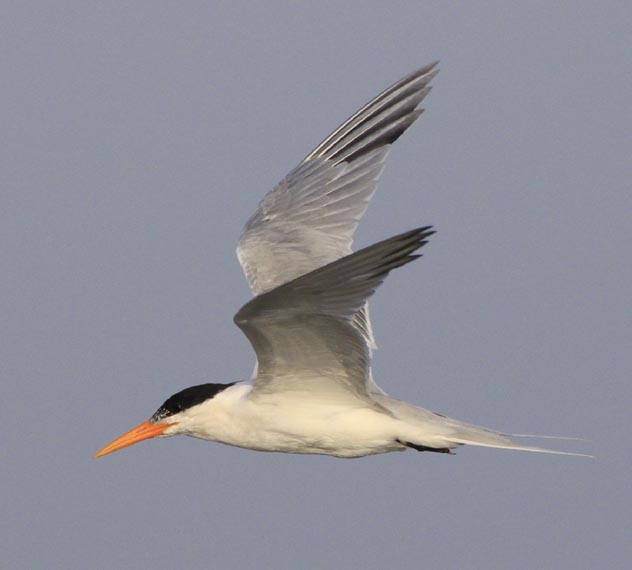
PHOTO D

I would like to finish these three blog posts with a piece of medieval poetry. Medieval French poetry, no less. Well, from 1533. It was written by François   Villon. (You can click on both names)
The days when I knew about such things are very distant, but ironically, that is the whole point of the poem:

Dictes moy où, n’en quel pays,

Tell me where, in which country

Est Flora, la belle Romaine ;

Is Flora, the beautiful Roman;

Archipiada, né Thaïs,

Archipiada, born Thaïs,

Qui fut sa cousine germaine;

Who was her first cousin;
Echo, parlant quand bruyt on maine

Echo, speaking when one makes noise

Dessus rivière ou sus estan,

Over river or on pond,

Qui beauté eut trop plus qu’humaine?

Who had a beauty too much more than  human ?

.

Mais où sont les neiges d’antan!    

Oh, where are the snows of yesteryear!


Où est la très sage Heloïs,

Where is the very wise Heloise,

Pour qui fut chastré et puis moyne

For whom was castrated, and then made a monk

Pierre Esbaillart à Sainct-Denys?

Pierre Abelard in Saint-Denis ?

Pour son amour eut cest essoyne.

For his love he suffered this sentence.

Semblablement, où est la royne

Similarly, where is the Queen

Qui commanda que Buridan

Who ordered that Buridan

Fust jetté en ung sac en Seine?

Be thrown in a sack into the Seine?


Mais où sont les neiges d’antan!    

Oh, where are the snows of yesteryear!


La royne Blanche comme ung lys,

The queen Blanche, white, as a lily

Qui chantoit à voix de sereine;

Who sang with a Siren’s voice;

Berthe au grand pied, Bietris, Allys;

Bertha of the Big Foot, Beatrix, Aelis;

Harembourges qui tint le Mayne,

Erembourge who ruled over the Maine,

Et Jehanne, la bonne Lorraine,

And Joan of Arc the good woman from Lorraine

Qu’Anglois bruslerent à Rouen;

Whom the English burned in Rouen ;
Où sont-ilz, Vierge souveraine ?

Where are they, oh sovereign Virgin?

.

Mais où sont les neiges d’antan!         

Oh, where are the snows of yesteryear!


Prince, n’enquerez de sepmaine

Prince, do not ask me in the whole week

Où elles sont, ne de cest an,

Where they are – neither in this whole year,

Qu’à ce refrain ne vous remaine:

Lest I bring you back to this refrain:

Mais où sont les neiges d’antan!         

Oh, where are the snows of yesteryear!

7 Comments

Filed under Football, France, History, Humour, Literature, Nottingham, Personal, The High School

Staff v Prefects Football Match Christmas 1980 (2)

These are three more of the ten photographs I found recently of the teachers playing the School Prefects at football, or soccer as some might call it. The photographs show a game from the early 1980s, when my wife took a few pictures of the match.

This photograph shows the Staff goalkeeper kicking the ball downfield. This is the legendary Chris Mann, a young chap from Liverpool with the accent to match. He eventually left the High School to go to teach at Staffordshire University, where he remains to this day, as far as I know. The last time I heard, he was doing very well as the Senior Lecturer in the School of Engineering (Maths & Statistics) in the Faculty of Computing, Engineering and Sciences:

PHOTO A

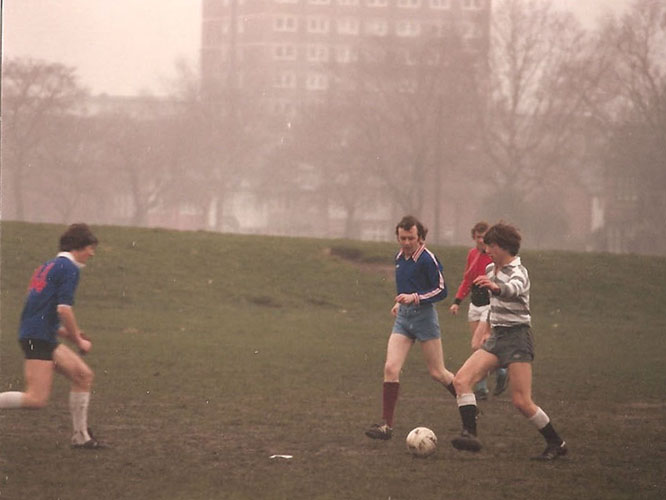
This photograph shows myself shielding the ball against a defender. In just a second, I will pass it on to the other player in blue, who is Paul Morris, the now retired Physics teacher:

PHOTO B

This final picture shows proceedings when players are perhaps beginning to get a little tired. There are four blue shirted members of staff on view. I am Number Four counting from the left and Paul Morris is Number One. Number Two is the then Head of Music, Stephen Fairlie, a young man far too gentle to be playing football. Not long after this game, in 1985, he was to found the Nottingham Youth Orchestra which still continues in existence to this very day:

PHOTO C

Player Number Three is Ron Gilbert, an ex-Chemistry teacher who retired recently, and whose first love was actually Rugby Union, but he was always a very good sport, and willing to turn out for the staff when the occasion arose.
Yet again, I am not able to recognise any of the Prefects who, by now, must be in their early fifties with not just children but, conceivably, grandchildren.

14 Comments

Filed under Football, History, Humour, Nottingham, Personal, The High School

Staff v Prefects Football Match Christmas 1980 (1)

At the end of either the Christmas Term or the Easter Term or sometimes both, there used to be a tradition of the Teachers playing the School Prefects at football, or soccer as some call it. The very first one took place as far back as the evening of Monday, March 9th 1959. The staff triumphed by a single goal.  Nowadays, Health and Safety Regulations have put paid to such risky and dangerous pursuits.

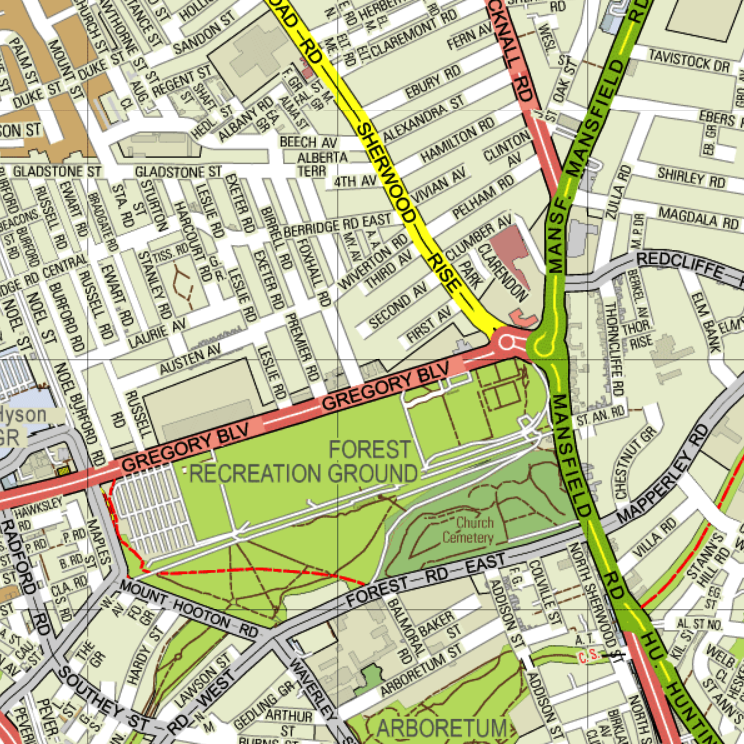
The game used to take place here, on the Forest Recreation Ground:

forest


When I was a lot younger and a lot, lot, thinner, I used to play in such games, and these photographs show a match from the early 1980s. I was newly married and my beautiful young wife, as one of, admittedly, very few spectators, was given a camera and the freedom to take a few pictures. In total, there were only ten, because in those days, there were no digital cameras, and people were not in the habit of shooting hundreds, if not thousands, of photographs on the off chance that three or four might be good ones.
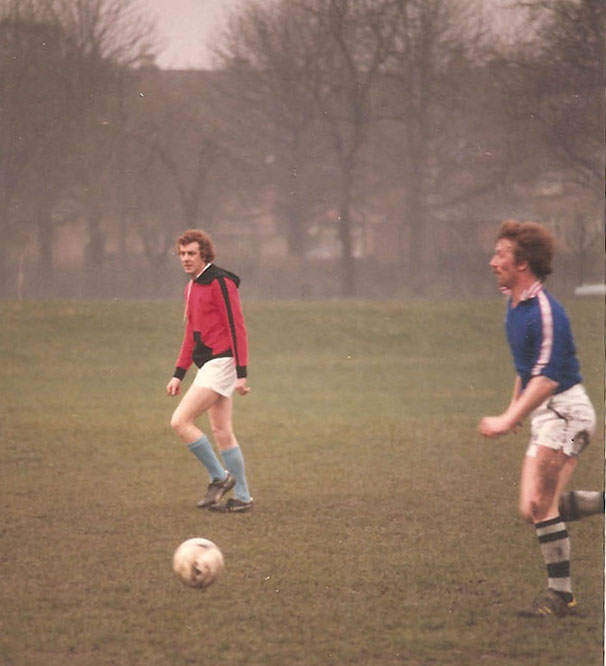
This first photograph shows my good self in the blue shirt and green shorts. The other player in blue is Paul Morris, a teacher of Physics, who, like myself, retired within the last two years. Everybody else is a Prefect, although I am sorry to say that I could not put a name to any of them.

PHOTO A

This photograph shows a young red haired gentleman playing for the staff team and running off with the ball into attack. He is Bob Howard who had been Best Man at our wedding. To his left, in red, is Richard Willan, one of Bob’s colleagues in the Geography Department. Richard retired in the same year as myself.

- PHOTO B

This final picture shows my unbelievably thin self, still in my green, blue and red outfit. I somehow seem to have acquired a mop of curly, dark brown hair, instead of the white ensemble I now have. On the right, in front of the goalpost is Best Man Bob Howard. The other player in blue is not a member of staff, but, presumably, a Prefect playing for the Staff Team to make up the numbers. Again, I could not name any of the opposition, but I do recognise a couple of the spectators. The red haired young man with the non-regulation brown scarf is Dave Beech who played for the school First Eleven at football on around half a dozen occasions when I was the team manager. To the left of him is Russell Poole, a superb young cricketer, whose Dad used to come down every games day to the Games Field to coach cricket to the more talented young players.

PHOTO C


6 Comments

Filed under Football, History, Humour, Nottingham, Personal, The High School