Category Archives: Twitching

Last day on the Scillies

Saturday, October 29, 1988

.
(An extract from my old birdwatching diary “Crippling Views”)

.
My last day on the Scillies. Time off for good behaviour. I’m not really sorry to be going home. I had four lifers. I don’t feel I’ve missed out on anything that was there and was viewable, except perhaps the Short toed Lark, about which I have exactly the same dilemma today as I had yesterday. Do I go to St Agnes or not? I chicken out, I am ashamed to say. I’m too scared of missing the last ferry back to Penzance Harbour to risk missing an inter-island boat through a twisted ankle, or a fat man’s heart attack. This will be the last Scillonian ferry back to the mainland before the end of the year, and the helicopters are all booked up until next Wednesday so I just cannot risk anything going wrong. I simply do not have enough money:

Scillonian_III-01 xxxxxx

I go back to my old friend at Telegraph, the Rose-coloured Starling, who I see very briefly, flying around with his common friends. He’s a very pale, buffy coloured individual, which I am sure is the bird in question, a fact made all the more certain by a group of birdwatchers coming from the area where the flock appeared to land and who say that they have just seen the little chap:

This slideshow requires JavaScript.

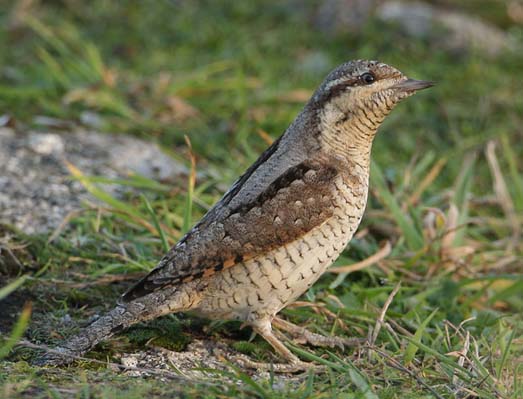
I can’t relocate the bird, but I meet someone who says he’s just seen a Wryneck feeding alongside the road. It was actually on the grassy tops of the great wide dry stone walls, although it has disappeared by the time I arrive:
Wryneck%20Scilly%2 zzzzzzz

I look for about fifteen minutes, but I can’t find it, and I am just about to pack it in as a bad job, when another young chap comes over and says he’s found the bird about seventy yards away in another lane. When I get there, I find that it’s a lot more active than the previous birds that I’ve seen in Norfolk, as it moves along the base of the hedge, feeding energetically. I am always impressed by Wrynecks, which never seem reptilian to me or particularly primitive as they are supposed to, but rather I wonder at the subtlety of their camouflage, and the way they seem able to disappear into their background at the drop of a dead leaf. It’s a good padder of a bird and I’m really pleased to have seen it. Not that I’m surprised, because it’s my friend Paul’s bogey bird and I told him before I left for the Scillies that I would see one for him:

Blog Wryneck St Marys xxxxxxxxx

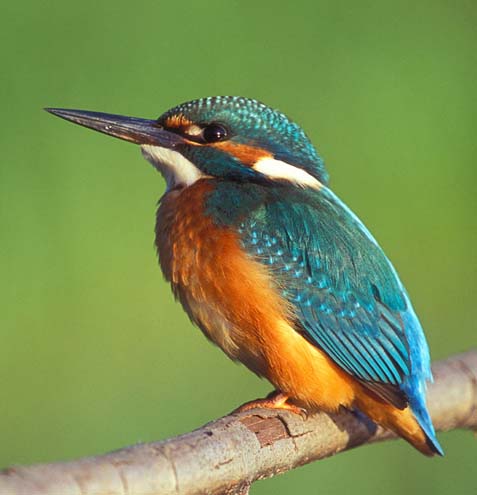
I take a leisurely stroll back to town, walking along the seashore where I am amazed to see a kingfisher flying out over the breaking waves, seemingly completely at home among the rocky coves and the surf,  before it finally disappears into a line of pine trees at the top of the scrub covered cliff:
kingfisher14  zzzzzzzz

I pass a field full of absolutely thousands of finches, including at least one superb full adult summer plumage Brambling, which is so bright that I think it is some weird American bird when I first see it. There’s really no need for it to be a transatlantic vagrant, since the bird is such a beautiful sight in its own right, without needing to be particularly rare:

This slideshow requires JavaScript.

A hundred yards further on, I surprise a Pipit in another field at the side of the road. I try hard to imagine that it is some unprecedented rarity, but I’m finally forced to concede that it is merely a Tree Pipit.
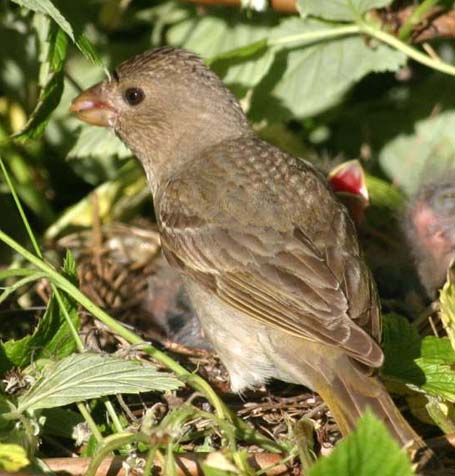
Finally, I reach the Porthcressa Restaurant, where the magic noticeboard announces the presence of a Scarlet Rosefinch, another possible lifer, which has turned up near the airport. This is going to be a close run thing for a fat man. The boat leaves this afternoon and I need to be on the quay by half past three. It’s half past one now, so I start off at a reasonable pace, taking care to time myself for the walk, so that I can set off back to the harbour in good time. It only takes me thirty minutes, so I am left with about an hour to find the bird:
Scarlet%20Rosefinch%20 xxxxxxx

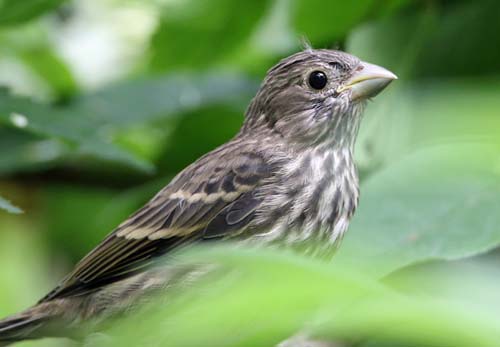
It’s apparently been showing well in a little field full of cabbages, but has unfortunately moved on by the time I arrive. I go and search the neighbouring fields where there are huge flocks of finches and lots of good big hedges for them to perch in. It is at this point that I get the closest that I’ve ever been to a rare bird without actually seeing it. Two young men poke their heads round the hedge and tell me that the Rosefinch is there. They are actually looking at it right now:
scarlet rosefinchR  xxxxxxx

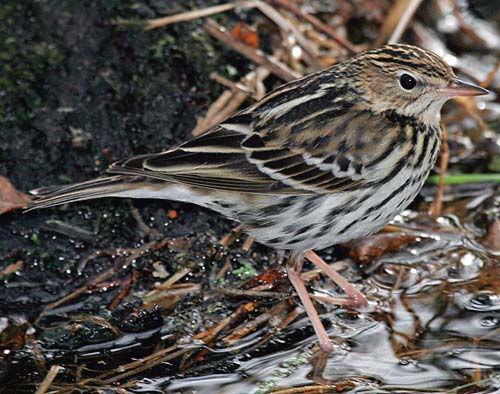
In the very short time that it takes me to walk the ten yards or so, the bird flies away, never to be seen again, at least not by me. I give it a few more minutes, but time, as always, ticks inexorably away.  There is one final bit of excitement when a message comes on the CB that a Pechora Pipit has been spotted on the far side of the airport near Salakee Farm:
pechora xxxxxx

The fittest ferry passengers, and the more leisurely helicopter users, all set off, but without me, I’m afraid. I’m far too unfit to rush all the way to Salakee, find a pipit famous for its ability to skulk and hide in the undergrowth, and then get back down to the Scillonian by 3.30. At least, not without a major heart attack. I do have the pleasure though, of a nice stroll back through the town, along the main street down to the ferry:

St%20Marys%20Quay xxxxxxxx

The scene that greets me is straight out of a 1930s black-and-white documentary film about the evacuation of St.Kilda. The ferry seems to know that it is the last boat of the year and mournfully blasts its foghorn as a farewell to the tiny town.

scillonia on scillis xxxxxxxxxx

The street, with its grey stone buildings, is full of hurrying figures, all burdened with bags and suitcases, tripods and scopes, all plodding in the same direction to get down to the quay. When I reach the ferry, I have twenty minutes to drink in the scene, so I stand and lean over the side of the boat. It’s beautiful, the still, calm sea, the line of old buildings along the curve of the bay and the continuing mournful bellowing of the ship’s foghorn. Even better though, is a stream of birdwatchers, all returning at breakneck speed from not seeing the Pechora Pipit, tripods and spare wellies flying around their necks. They all seem to make it, except, presumably, the ones that don’t.
We set off across the surface of a glassy sea, as the people on the land wave their last farewells to the ship:
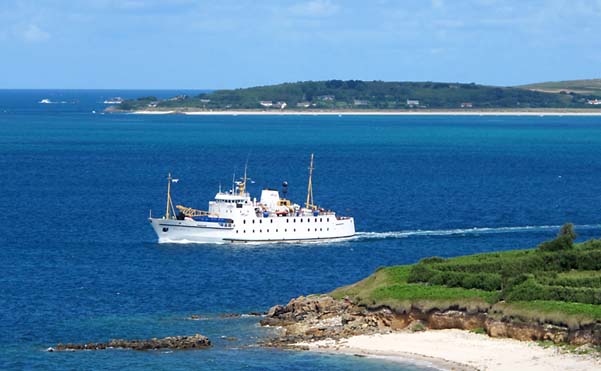
scillonian-day-trips-1-1180x520 xxxxxxx

It will be a long time before the Scillonian returns to the island, as the next arrival is scheduled for April. The crossing is bird free, mainly because the weather becomes so foul. In actual fact, the crossing isn’t particularly rough by Scilly standards. All I can say, though, is that, if this isn’t rough, then very rough most be unbelievable. I stay on deck, of course, in my capacity as the toughest man on the boat, and when I finally go downstairs, the bar is full of people with green faces. It reminds me very strongly of a pub in Nottingham that sells Shipstone’s beer.
One young lad that I speak to is really delighted to have been on the Scillies. He is about fifteen and he has had a lot of lifers and he is as pleased as Punch. Birdwatching here certainly does make it a lot easier to see some of the birds that on the mainland can take a lot of effort, above all if you live in the south. Dotterel, Corncrake, Red Kite, or especially, Lapland Bunting:

LaplandBuntingSteveArlow cccccc

He’s had them all in the past two weeks here. I’m still riddled with jealousy, all bitter and twisted at those people who can spend two or three weeks here at the best time of the birdwatching year, namely early October, when I have to be at work. It must have added a good thirty or forty species at the very least to their life lists, with no real difficulty and very little real effort. Perhaps an inflation rate of up to 25% or 30% of your life total. All there for you to tick off, knowing that they are birds unlikely to occur anywhere else in Britain.
I have not seen too many good birds on the Scillies, but I have met a good number of what you might call “characters”. It is, after all, “Teachers’ Week”, although I do find one teacher who has clocked up an exceptionally impressive 420 species without ever using the rather artificial aid of coming to these islands in the first two or three weeks of October. At the same time he has not lost his ability to be excited by a Red Kite or a Red-necked Grebe:

This slideshow requires JavaScript.

There are some quite desperate twitchers who just hear the words “Paddyfield Warbler” and will then slit Granny’s throat for the bus fare. Some of them are very rude, unpleasant and downright boorish, including one young oaf who insists on shouting his requests for directions at you at the top of his fifteen year old voice, irrespective of how far away he is. His only interest is the extraction of any information you might have about the bird he is trying to see. I meet him once and say “Good Morning” and he says loudly, “Where? Is it showing well?”

One unemployed birdwatcher has worked out his cash supply down to literally the last fifty pence. For the last two days of his holiday (a holiday from being unemployed?),  he cannot afford accommodation, but has to walk around looking for nice warm bus shelters. The most notable of the whole lot, though, is an old gentleman who has bird watched all his life and who has seen some splendid ornithological sights in his time, particularly when birds of prey were more numerous than they are today. Honey Buzzards thronged his skies:
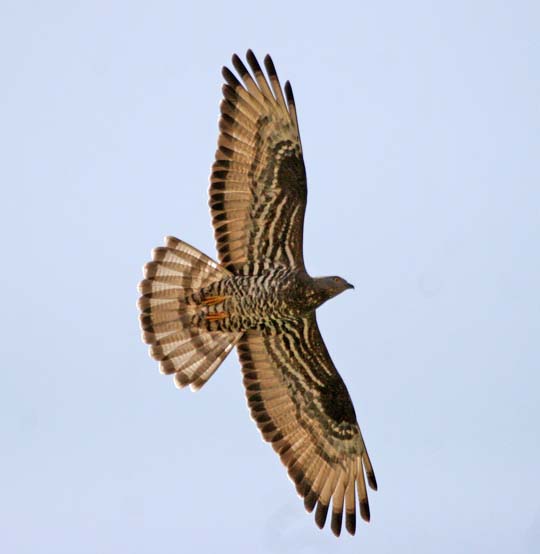
HoneyBuzzard xxxxxx

From his house on the north west coast of Wales, he would see a dozen migrating Merlin in a day. Now it is just one a month:

merli_juv_ ccc

He has little or no interest in twitching rare birds, many of which he has never heard of anyway. He has an outlook based solely on what he can find for himself. Not for him the new fangled Gore-Tex or plastic cagoules, but a pair of battered old boots, some comfortable corduroy trousers and a sports coat with leather elbow patches. His bird watching techniques are different to those of the present day as well. Not for him the patient wait for the bird to appear. He is deep in the bushes, energetically bashing around with his walking stick, determined to find everything that is in there, vainly trying to hide.
The real stars of the show though, are the people of the Isles of Scilly themselves. They are genuinely calm, kind and wonderful people and remind me a lot of the inhabitants of the Highlands of Scotland. They will not be hurried and their entire lives are very different indeed to those of us city folk.

Certainly this week though, the birds are disappointing. I wish I’d stayed on the mainland and gone for whatever presented itself. There was every chance that I’d have seen the Indigo Bunting at Wells and a Lesser Yellowlegs at the Ouse Washes.

This slideshow requires JavaScript.

On the other hand, I wouldn’t have had the total experience that I have had.
10 Comments

Filed under Cornwall, Personal, Twitching, Wildlife and Nature

An insect with a billion friends

This story is an extract from my old birdwatching diary “Crippling Views”.

These events all took place on Friday, October 28, 1988, which was the fourth day of my stay on the Isles of Scilly:

“A late lie-in this morning, with the Radde’s Warbler ticked off, and little else to get up for, certainly not at five o’clock in the morning:

RaddesWarblerxxxxxxxx

I eagerly consume a splendid Scillonian breakfast made up of every conceivable Identified Frying Object, with the possible exception of haggis, although this could well be the single mysterious item which I cannot identify with absolute certainty. Then it’s a leisurely walk down to the Porthcressa Restaurant where the magic blackboard promises Melodious Warbler at the Garrison. With a bit of luck, I might see that, and then go over to St Agnes for the Short toed Lark. I walk up the horrendously steep slopes of the hill to the Garrison, and start looking…

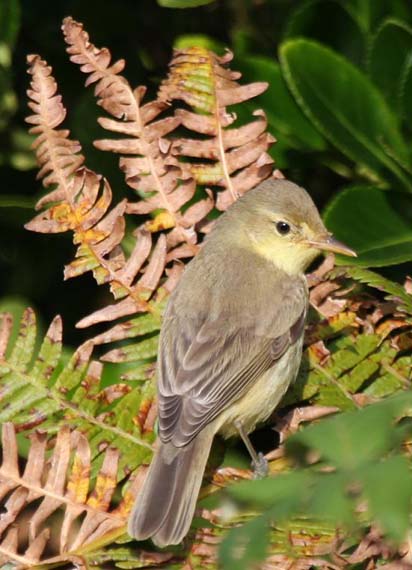
Melodious%20Warbler%zzzzzzzz

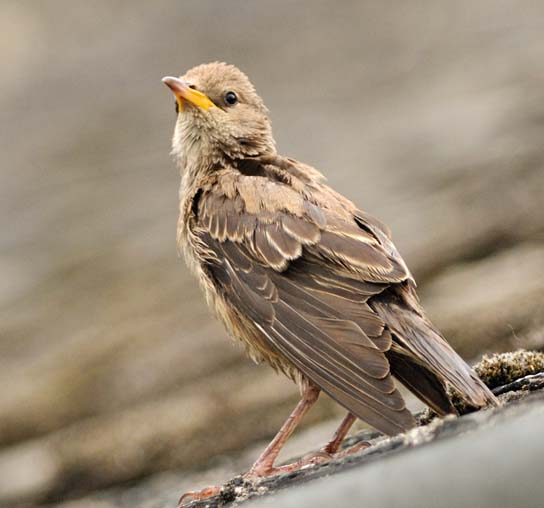
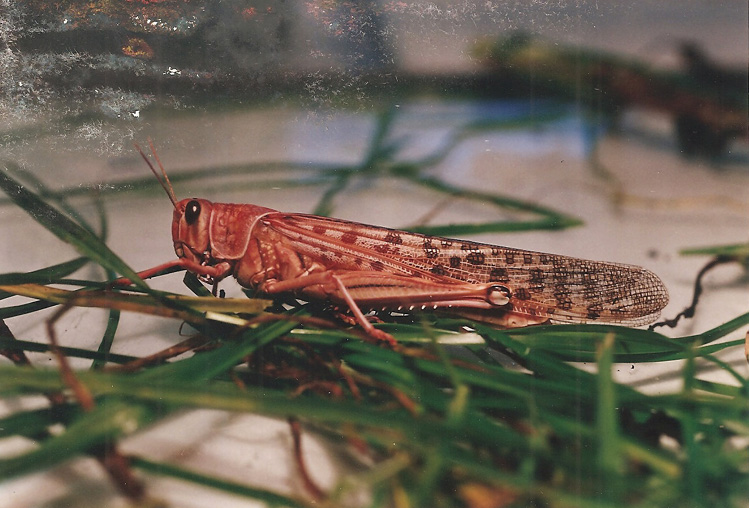
Unsuccessful after a couple of hours, I return to Hugh Town, the Big City. I find that I have a once-in-a-lifetime opportunity facing me. It’s not a bird, but a flying creature just as rare as any of the birds which reach the Scillies. It’s a Locust. Only the fourth or fifth ever to be blown to these rocky isles. At the moment, it is being housed in an art gallery in a backstreet. I stroll over there and find that the insect is living happily in a vivarium on the counter. It is a truly splendid and beautiful creature, far better than any of the birds that I have seen on the Scillies, including the juvenile Rose-coloured Starling:

rc starling xxxxxxxxxx

I could even imagine this magnificent insect being used as a powerful argument for the existence of God, particularly in mediaeval times.  It is constructed so wonderfully skilfully that it becomes a classic example of the Celestial Watchmaker. It has one set of protective plates inside another, and then another beyond that. It looks like a knight in armour, but instead of being as dry as dust and rusty like something in an old stately home, this is a live being and it can move. It is a child’s clockwork toy that has the gift of life.

I am surprised by two things. Firstly, the creature’s colour, or rather colours, for it is at one and the same time, both yellow and pink and orange and sandy. I am shocked too by the size. I have never seen a Locust before, and it is absolutely huge. At least to a person like me who leaves the room when the zookeepers take the tarantula out of the glass case, or somebody who thinks that ladybirds are fierce.
The gentleman in the shop tells me that the creature was found on the local beach and was brought to his gallery so it could be drawn and photographed. He quite clearly and obviously is very attached to his six legged guest and seems to be well on the way to regarding it as his very own pet, or at the very least as an attraction to his gallery. Apparently, the British Museum have already contacted him and told him that he must kill it immediately, put it in a cardboard box, and send it to them in a parcel as a scientific specimen:

scan one zzzzzzz

I am totally appalled and disgusted by this news. I cannot find the words to capture my feelings. It seems somehow so repulsive to kill this beautiful innocent creature which has had to fight so hard for life. It has crossed the Atlantic in all probability, or has perhaps arrived here all the way from West Africa. Now it’s happily munching English grass, but soon it is supposed to die at the whim of some cold hearted scientist who has taken upon himself the right to dole out life or death. It seems to be taking such an advantage of an insect’s lack of awareness and essentially innocent existence.

The gallery owner, I feel, would rather not kill the insect, but keep it. I do try to tell him that in all probability it belongs to him, and that the British Museum have no legal right whatsoever to tell him to do what he does not want to do, and still less to actually make him do it.

Strangely, it seems to be to no purpose. The  gallery owner seems overawed by the demands of an organisation as apparently so powerful as the British Museum. And presumably, the locust will have to die. It is so sad that we should be given the chance to meet such an exotic and unusual member of God’s family, but should then lack the reasoning power to do anything more creative or imaginative than to kill it.
I would hope that I personally could do better than that, if put in the position of having to look after a stray innocent. At the very least though, I will remain the only person with a framed, but not autographed, picture of a locust above the fireplace…Even if it is only when my wife is out of the house.

Years and years later and I am sure that I read somewhere that the poor unfortunate locust was not  killed for the British Museum, but instead was allowed by its admiring owner to live out its life in its little vivarium on the counter of his gallery. Unfortunately, I have been unable to substantiate this, as I have long forgotten where I read the wonderful news. Locusts continue to reach the shores of our freezing wet little island, but only on very rare occasions. Certainly, there has been nothing like the situation in 1869 when whole swarms of Desert Locusts reached England, apparently from West Africa.

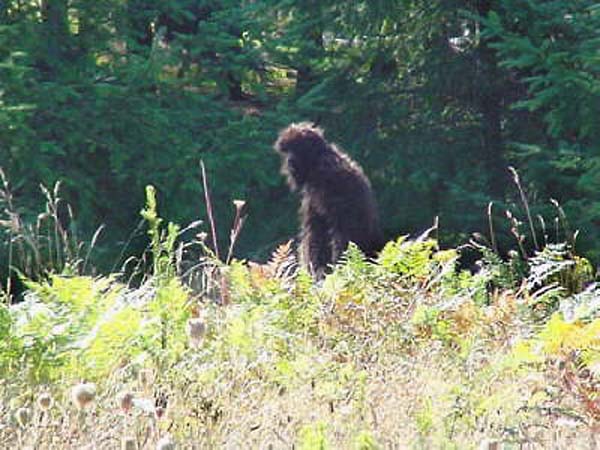
Cruel scientists still insist on killing creatures to prove what they are, and there was considerable outcry a few years ago, when a Californian ornithologist, I think it was, killed the first Arctic Redpoll ever to be found in that state. This, of course, is why Bigfoot keeps such a low profile for somebody who is nine or ten feet tall. He knows he exists, so why should he get himself killed just so that other people can?

db_Bigfoot43_1xxxxxxxxxxxxxxxxxxxxxxxxx


6 Comments

Filed under Cornwall, History, Personal, Science, Twitching, Wildlife and Nature

Marsh Warbler: here yesterday, gone today

(An extract from my old birdwatching diary “Crippling Views”)

Wednesday, June 1, 1988

A quick trip out from my wife’s parents’ house this time. They live on the western edges of Birmingham, but I am off to see a speciality in a nearby area, namely Marsh Warbler. I find the site, next to a picturesque little humpback road bridge, and park the car. Then I set off along the riverbank, towards a brick railway bridge. Look for the orange arrows:

This slideshow requires JavaScript.

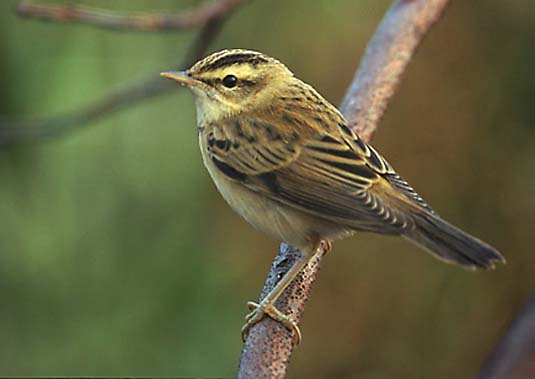
As I walk along, there are Sedge Warblers, exploding indignantly at me from riverside clumps of vegetation.

xxxxxxxxxxxxxxxx sedge

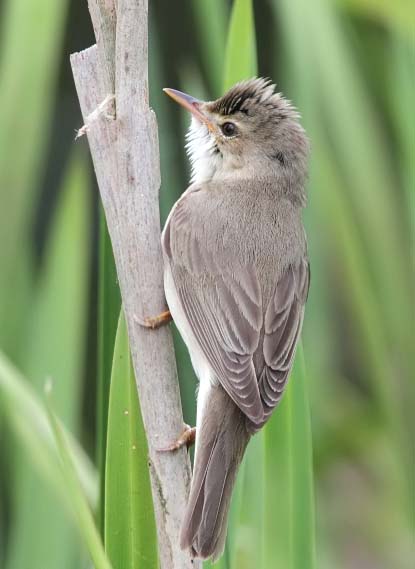
There are the odd few Reed Warblers, just to get me excited, but I am hopeful that Marsh Warbler will look completely different from its closely related congener.  It’s an unfamiliar and interesting landscape for me, with pollarded willows and soaking wet pastures, full of ferocious Friesian cattle, plotting to charge and trample me to death as soon as my back is turned. When I get to the railway bridge, there is already another birdwatcher looking for Marsh Warblers:

This slideshow requires JavaScript.

After about ten minutes or so, a bird appears low down in the vegetation on the opposite bank of the slowly flowing river, just above the waterline. It looks good to me for Marsh Warbler, despite the fact that at no point does it actually sing. Its shade of brown has an appropriate grey tinge and its underparts are whiter than white with no hint of buff.

It has a smooth, flat head, without a crest of any kind. Its legs are a nice pale colour, as it reappears every ten minutes or so at roughly the same place. The bird is obviously doing a circuit around the nettles and the Rosebay Willow Herb, feeding as it goes. Perhaps it has just this minute arrived from Africa, and it’s getting its breath back before it bursts into its imitations of 93 different bird songs, and seven types of lorry reversing signals. Anyway, I agree with the other birdwatcher that this is a Marsh warbler. Then we both pack up and go home, plodding off down the riverside path. There aren’t any reasons to believe that the bird is not what it is supposed to be. Not a single feature contradicts Marsh Warbler as a verdict. Besides, most important of all, it’s exactly where it’s supposed to be.

Nowadays, the Marsh Warbler, as far as I know, no longer breeds in this exact area. There are, and there have been, various breeding records from Kent and Suffolk, among many others, but I no longer know of any reliable site for these birds. I know that I have definitely seen a Marsh Warbler, an individual that was seen by many, many others, who all agreed with the identification…alas! It was on the Isles of Scilly, in bracken in a rocky, overgrown field. Given the habitat and the time of year, there were many, many people who thought that it must be a Blyth’s Reed Warbler. Indeed, there were those who wanted it to be God knows what sort of Warbler from beyond not just Lake Baikal, but Kamchatka itself.

The lone birdwatcher I met at Eckington was a young woman. She still remains the only young woman I have ever seen in a twitching situation. Older women will readily, even eagerly, go on coach trips with the RSPB or the Nottinghamshire Birdwatchers but young women have many and better things to do in my experience. Birdwatching has always  been equally short of ethnic minorities. I know now that they exist in British ornithology, but in my twitching days, I never saw a black birdwatcher. I only ever came across one young Asian man, as we all embarked on the Scillonian for one of the old Pelagics, a trip out into the South West Approaches to find Black-browed Albatross and Sea Serpent. But that, as they say, is another story.

12 Comments

Filed under Science, Twitching, Wildlife and Nature

Jer Falcon. one shot at Park Hall by Mr Shelton. Now in my collection.

In his own vastly expanded version of “Notes on the Birds of Nottinghamshire”, published in 1907, and now housed in the local collection of Mansfield Library, author Joseph Whitaker has added, for the most part in pencil, his own notes and additions. In some cases, he has pasted newspaper clippingts onto the pages. At one particular point, towards the end of the book, he has added the following handwritten note, misspellings and all:

“Jer Falcon. one shot at Park Hall by Mr Shelton. We were beating a plantation on Clipstone Road near the Red House Farm it was misty + this falcon flew low over the trees + was shot by him.
I missed this bird out when this book was written. Now in my collection”.

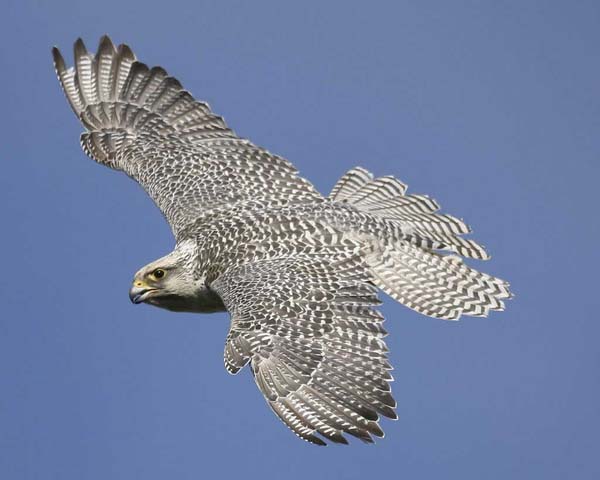
Sceptics might say, of course, that Joseph Whitaker was mistaken in his identification of the bird and that it was, quite simply, not a definite Gyrfalcon. This is, however, a rather unlikely scenario. Joseph Whitaker was familiar with many, many different kinds of raptor. If anything, he had probably seen more species within the county than the majority of present-day birdwatchers. And don’t forget. Mr Shelton shot it. They were identifying a corpse, not a distant dot disappearing into a dismal sky:

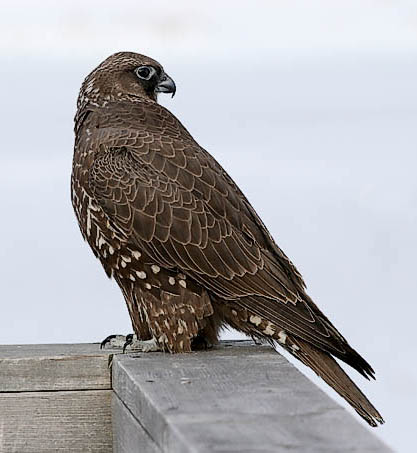
Gyrfalcon_e0 zzzzzzzzzzzzzzzzz
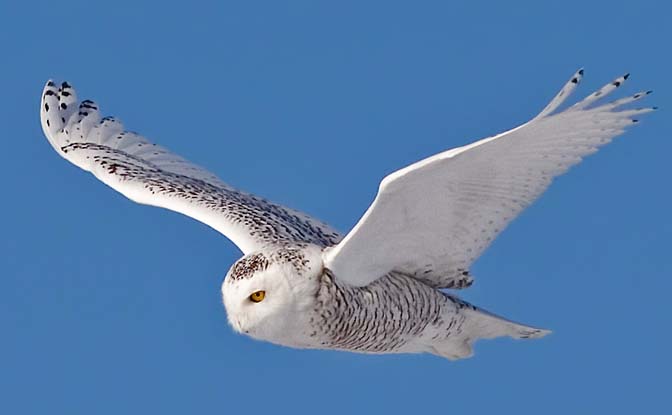
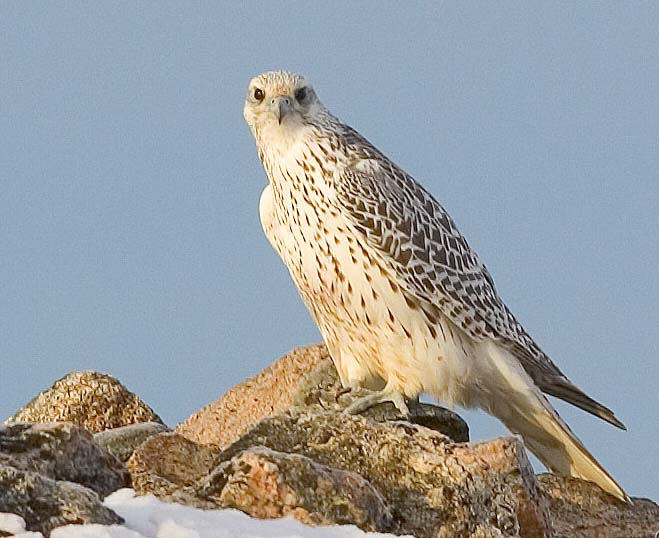
In any case a Gyrfalcon would have been easily identifiable on size alone. It is a falcon as big as a Common Buzzard And if Whitaker’s bird was a white phase individual, it would have been totally unmistakeable:

faucon-gerfaut-vol-tm3 zzzzzzz

There are only two birds of this size which are completely white, namely Gyrfalcon and Snowy Owl. The latter is not exactly difficult to identify:

speciexxxxxxxxxxxxxxxxxxxxxxxxxxxxxxxxxxxxxxxx

Gyrfalcons exist in two different colour morphs and it would, admittedly, have been more difficult to identify a dark morph bird:

dark

The issue of size would still have been there, of course. Gyrfalcons of both white and dark morphs are huge birds. Furthermore, even dark phase Gyrfalcons are very distinctive birds, especially when viewed as dead specimens.

Dark morph birds may just be an academic problem anyway. According to at least one ornithological authority, namely Fisher in 1967, the vast majority of Gyrfalcons seen in England during the Victorian era were, in actual fact, white phase birds, with apparently only one dark morph individual recorded nationally during the last third of the 19th century.

And in Whitaker’s day, of course, there was no need to worry about the presence of escaped foreign falcons from Australia, or exotic, artificially inseminated hybrids produced by Baron Frankenstein the Falconer. It would have been very difficult to misidentify one of these charismatic killers:

32_GYRFALCON stuffed zzzzzz

Indeed, it is difficult to imagine what Mr Shelton shot, if it were not a Gyrfalcon. We also know that the bird went into Joseph Whitaker’s collection. This fact in itself would have served as some kind of checking mechanism, since the specimen would have been mounted and then inspected by the continuous parade of visitors to Whitaker’s house in Rainworth. These would have included a large number of nationally reputable ornithologists and it would have been impossible for a man like Joseph Whitaker to have shown them such an important county specimen without their quickly mentioning the fact had the bird be misidentified.

gyrr zzzzzzzzzzzzzzzz

Why then do we not have the Gyrfalcon now? Again, answers are not difficult to find. The bird may have been sold privately, either before or after Whitaker’s death. Equally it was common practice, when the owner of a great collection died, for selected individual birds to be passed onto close friends, before the collection as a whole was sold, usually at a public auction. It is also conceivable that the specimen may have been stolen after Whitaker’s death.

On the death of a great collector, it was a frequent occurrence that the beneficiaries of the estate had little or no expert knowledge of the worth or importance of certain individual stuffed birds. These vulnerable specimens were then liable to disappear between the death of the collector and the public disposal of the collection. This has certainly happened to a number of other birds which are known to have been in Whitaker’s possession but have now disappeared, presumably between his death and the acquisition of his collection on behalf of the Mansfield Museum.
In any case, why should we automatically cast doubt on Whitaker’s handwritten note? What clearer message can the great man have hurled forward into the future, than the one we now have? He offers us the word of an honest man.

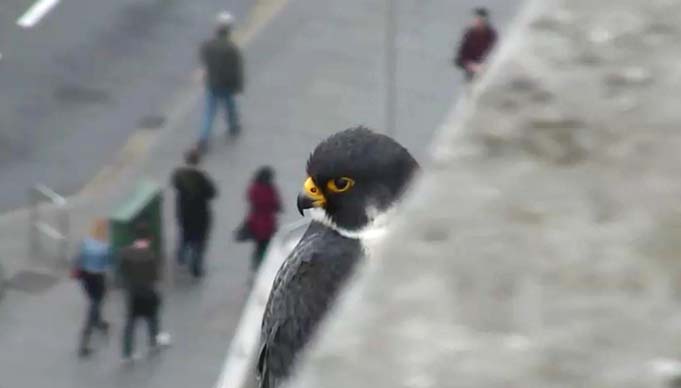
You might be lucky enough one day to see a Gyrfalcon in this country. I never have. But I console myself by watching the Peregrine Falcons which have nested for years in the middle of the City of Nottingham:

the urban peregrine zzzzzzzzzzzzzzzzzzz

They can be seen on the Newton and Arkwright Building of Nottingham Trent University on South Sherwood Street, Nottingham.

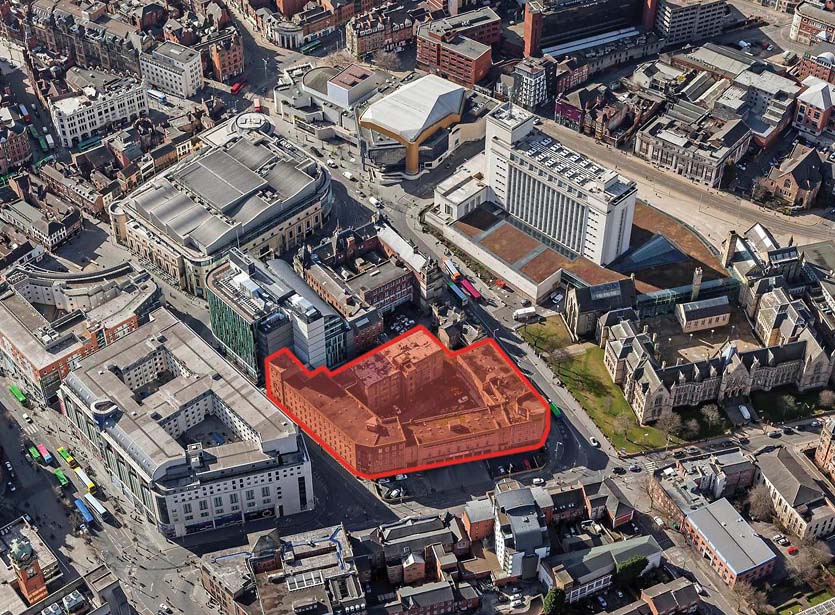
In this aerial view, the Fire Station is coloured orange as it is the most well known building in this part of the city for the majority of people. (No, it’s not on fire):

fire station zzzzzzzzz

Look at the street to the right of the Fire Station and follow it towards the top of the photo. The Newton and Arkwright Building is the enormous white building on the right as you walk up the slight slope towards the Theatre Royal. It is a very distinctive Third Reich type of 1930s architecture.

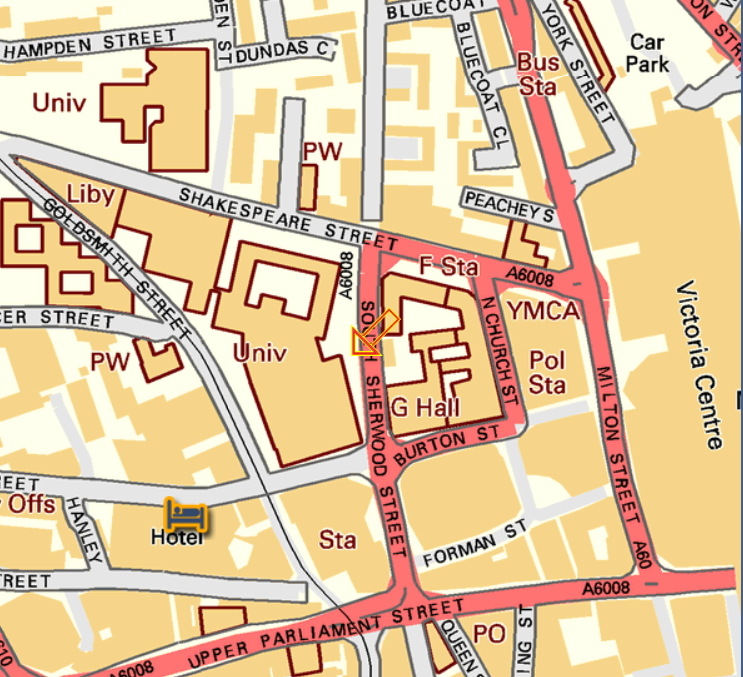
If you go there, take some binoculars if you have any. Look at the right side of the building. The nest is on a wide lip that runs the whole length of the building, just below a row of largish windows. This street map might help. Look for the orange arrow:

map of south shwood st

If you wish, you can watch them on a live webcam. The birds are present pretty much all they year round. Theoretically, they should not be here in the winter, but somehow they seem quite frequently drawn back, a little bit like teenagers returning to the Bank of Dad. At the moment, they should be feeding their young. In the past, there have been catastrophes with this, as is always the case with Mother Nature, but if all goes well, it can be a wonderfully blood spattered spectacle.
But back to Gyrfalcons.
Here are a pair of them, filmed by “thegowser1” at 78 degrees north between Svalbard and Greenland:


More typical for a twitcher in north west Europe would be these two films of a bird which had strayed to  Champtocé-sur-Loire, in Maine-et-Loire, France. The two films come from Alain Fossé, and show a raptor doing what they spend most of their time doing…absolutely nothing!. High calorie meals of meat mean you only need move around infrequently (or so I tell my wife).

These are much more typical  of a March day near Mansfield than an icebreaker near the North Pole!

14 Comments

Filed under History, Nottingham, Science, Twitching, Wildlife and Nature

Excitement with a capital Egret

(An extract from my old birdwatching diary “Crippling Views”)

.
Saturday, June 18, 1988

.
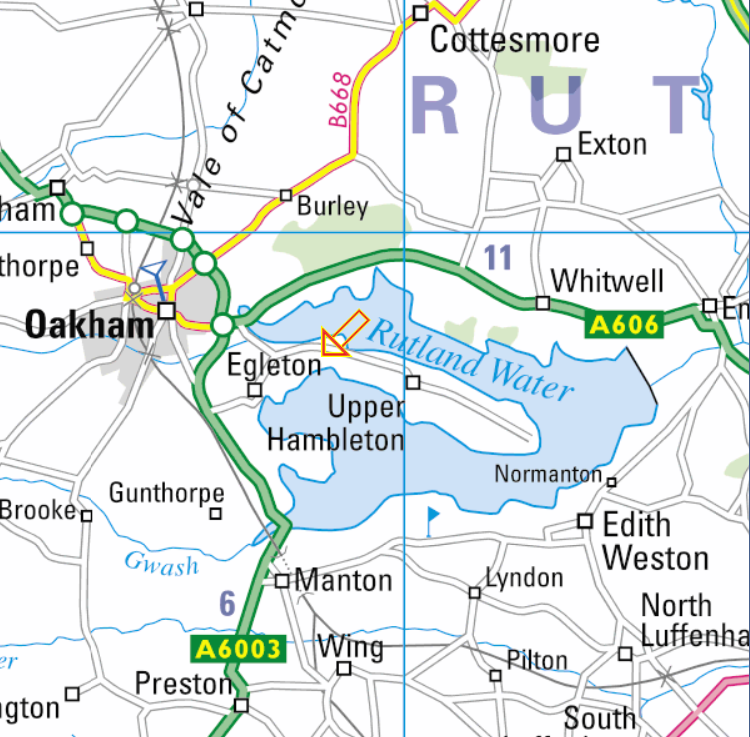
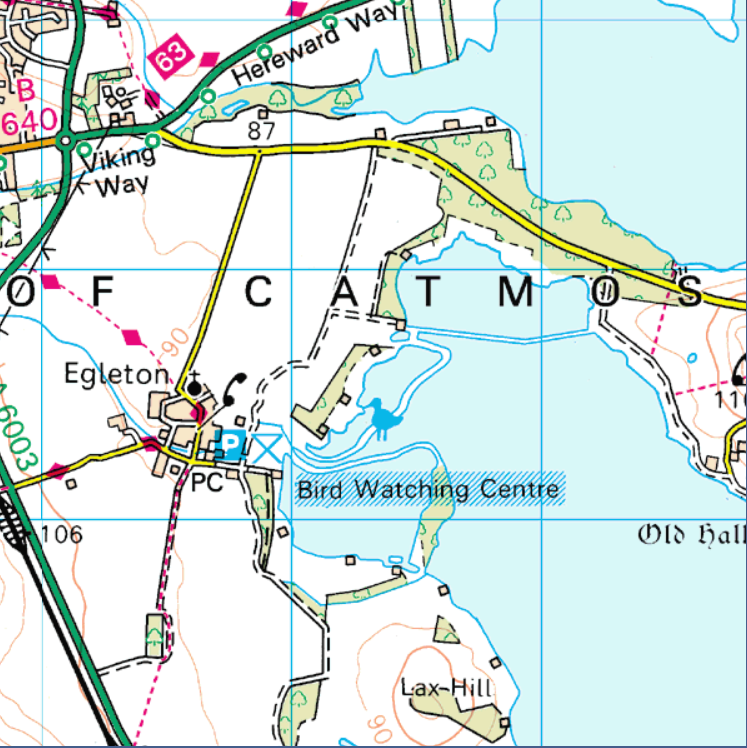
Excitement with a capital E. I ring faithful old Birdline, at two o’clock, and for once strike lucky. The pre-recorded message tells me that a Great White Egret is present at Rutland Water, on the Egleton Reserve. I ring Paul before jumping into the car and heading off at a rate of knots. Noble and honourable to the core. Except Paul isn’t there. I decide on a compromise, or, as you are entitled to call it, the coward’s way out. I’ve already promised my wife that I’ll take her to Sainsbury’s, so I spend the next half hour driving round the Ring Road at 90 miles per hour, doing a week’s shopping in a British Olympic qualifying time, and then returning to phone Paul just once more. Still no answer. Knowing him, he’s properly gone off with his mate Mark to see the bird without bothering to tell me. So into the car I jump, and off I go.

volvo-240-hmb-645-n

It takes me about three quarters of an hour to do the forty miles to Rutland Water, with an irritating delay in the Saturday shopping traffic at both Melton Mowbray and Oakham.

Untitled bigger

When I get to the reserve, there is a heart stopping moment when I see that there are no cars in the reserve car park. Not to worry, the bird has just moved a short distance out of the reserve, towards the Hambleton Road. The warden on duty gives me a disconcertingly long set of immensely complex instructions to take me down to a crossroads, where the bird is still on view. In actual fact, his instructions prove to be wonderfully exact and easy to follow, and I am soon beside a crossroads, where there is an obvious crowd of birdwatchers, and a great tangle of carelessly parked and apparently abandoned cars.
Untitled

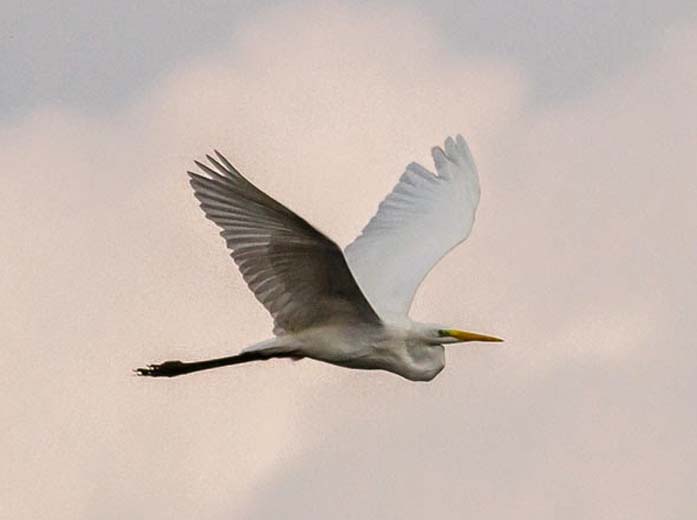
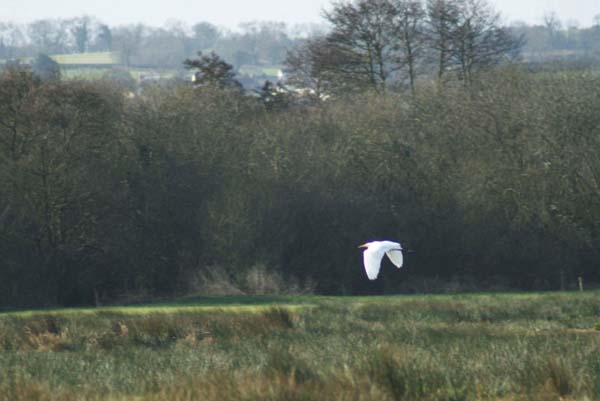
I see the bird immediately from the car, before I even pull to a halt. It flies in an almighty arc, with that same translucent pearly white as the  Little Egret I saw at Frampton, only this time the bird is a lot bigger, the size of a Grey Heron.

02343-Great-Egret-043xxxxxxxxxxx

When I finally arrive on foot at “The Place”, “The Bird” has landed on the very topmost branch of a tree, about seventy yards from the road. It is a very striking individual, looking absolutely enormous, perched in the very top twigs of what is not really a particularly large  tree. The bird appears to be extremely precariously balanced, but it seems happy enough. I get it in my telescope and watch it until boredom sets in. The bird is, by now, just very gradually beginning to get more and more restless, as a larger and larger crowd builds up, and the hum of human conversation gradually becomes louder and louder. It keeps looking around in an almost panicky sort of way, until it finally flies off low between the trees, looking for all the world as if it is going just a few hundred yards away.

dsc01625_great_white_egret xxxxxx

In actual fact, it isn’t, and the rare visitor is never seen again on the reserve.I drive around to the northern section of the reserve, where there are a lot of quiet places, all ideal habit for an egret. It isn’t there. I look for a good half hour, but finally have to admit defeat. It’s really sad how many birdwatchers arrive after the bird’s departure, some from as far away as Somerset. On the other hand, it is certainly arguable that it is the large number of noisy, chattering birdwatchers that have caused the bird to fly off.

.

Nowadays, some twenty five years later, the Great White Egret is by no means a rare bird in England.

They have bred here on at least two occasions, in 2012 and 2013, at Shapwick Heath, Nature England’s National Nature Reserve in Somerset.

This slideshow requires JavaScript.


Every year, up to forty individuals will arrive in England in the winter, having left the colder climes of mainland Europe. The bird which remains still genuinely rare in England, though, is the American version of this bird, the Great Egret Ardea alba egretta (as opposed to the European Great White Egret Ardea alba alba). This subspecies is suspected as having occurred in the UK as a very rare vagrant on just a few occasions.

2 Comments

Filed under Nottingham, Twitching, Wildlife and Nature

A child minding dilemma

(An extract from my old birdwatching diary “Crippling Views”)

Saturday, June 11, 1988

I walk back home from the local newsagents, my eyes peeled as always for the odd brilliant white Gyrfalcon, soaring over the City Hospital. But, as always, without any luck.

zzzz gyr

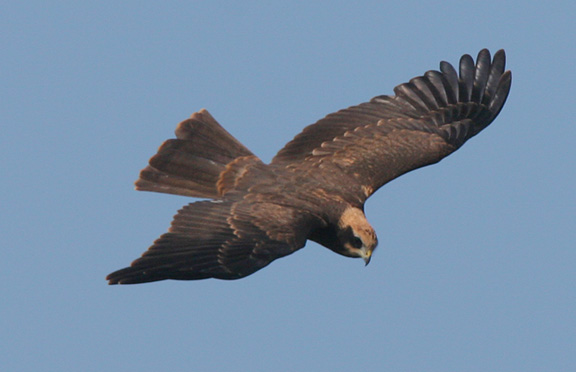
Suddenly, a big brown raptor comes into sight, making its way purposefully along the Ring Road, flying along the line of the valley, heading roughly eastwards.

surf marsh harrier

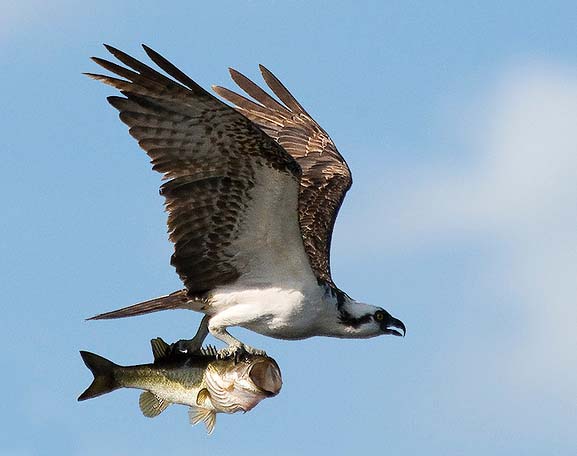
At first, because of the time of year, I presume that it must be an Osprey, although I can’t really imagine why, because it doesn’t look anything like an Osprey and it isn’t carrying a fish.

zzzzzzzzzzzzzz  osprey-with-bass

For a start, it has an obviously pale, or even white head. It is this latter feature that makes me realise that it is a Marsh Harrier.

zzzzz  marsh_harier_

Then there is an agonising decision to face. Do I run a home like the clappers, and then the bird will become eligible to be included in my “Seen from the Garden List”? If it were left to me, there would be no contest, but the problem is that I have my Baby Daughter, aged two, asleep in my arms. Mum will be a bit displeased if I plonk her down on the pavement and leave her, just so that I can see the same bird a second time, only thirty seconds after I have seen it for the first time, although, granted, from a different place. So, I forget the idea of momentarily hanging Baby Daughter on somebody’s front fence, and walk maturely on, trying to persuade myself that moral ticks count just as much as real ones do. It’s a lot more difficult to make these decisions when you’ve only just moved house and your Garden List is not yet in double figures.

Twenty six years later and I still haven’t seen an enormous number of raptors from my back garden. Sparrowhawks are probably the commonest.

zzzzz sparrow

In nearly thirty years, there has only ever been one Kestrel.

zzzzzzzCommon_kestrel_in_flight

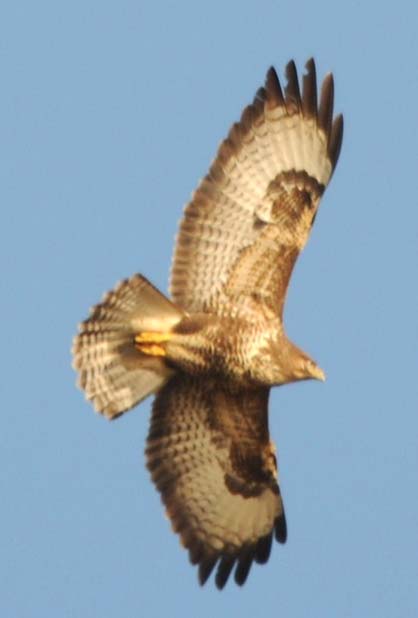
I have seen a good number of Common Buzzards.

zzzzzzzzzzzzzzzz_Buzzard---Frisa

I have also seen Peregrines on several occasions, but this is because the latter now nest on the top of the Newton Building in South Sherwood Street in the middle of the City.

This slideshow requires JavaScript.

The best bird of all has been Red Kite, which is a good bird to see out in the countryside of wildest Nottinghamshire, never mind in a suburb of its largest conurbation. 

This slideshow requires JavaScript.

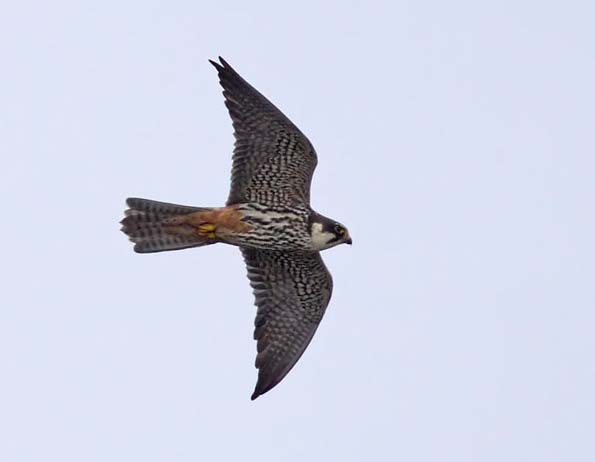
Birds of prey, or raptors, are notoriously difficult to identify, and fleeting glimpses, often without binoculars, quite often make you feel that you may have seen a particular species, but, alas, not well enough, or with enough certainty, to add it to your Garden List. In this category would be Hobby, Goshawk and Rough-Legged Buzzard.

This slideshow requires JavaScript.

2 Comments

Filed under Nottingham, Twitching, Wildlife and Nature

Two local twitches

(An extract from my old birdwatching diary “Crippling Views”)

Monday, September 5, 1988

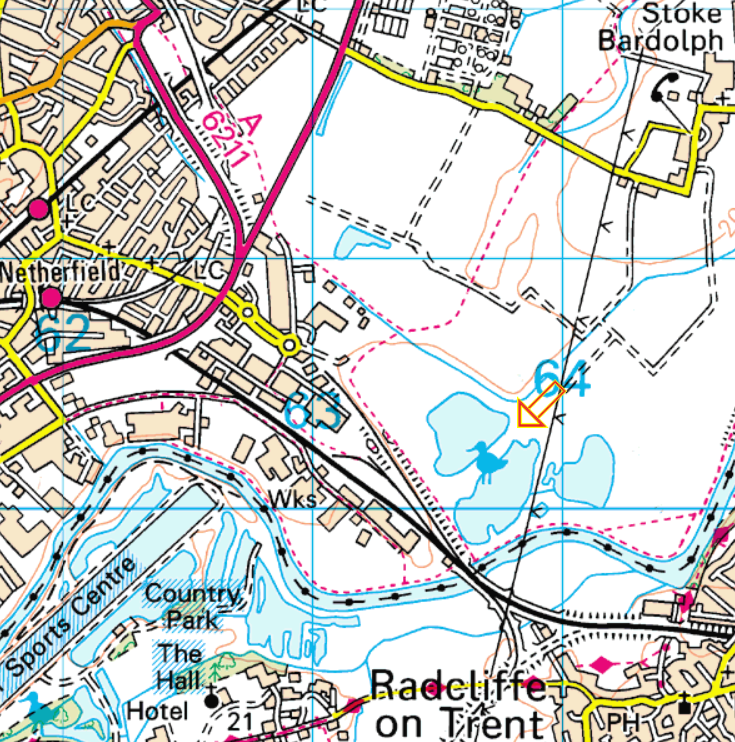
Another walk around my local patch, Netherfield  Sludge Pits, the Cape May of the Nottinghamshire gravel pits complex. (see the orange arrow)

Untitled

Once again, it turns up the big one, with immediate and excellent views of Sedge Warbler, and a male Reed Bunting in the same fifteen yards of hedge.

This slideshow requires JavaScript.

At the side of the path, there is a little flock of fifteen or twenty Yellow Wagtails and over the main lake, a Common Tern.

This slideshow requires JavaScript.

They used to nest on the little island, until it was submerged by the rising tide of slurry from the local coalmine. Knocking around the fields are a Kestrel, some Jackdaws and a few Stock Doves.

This slideshow requires JavaScript.

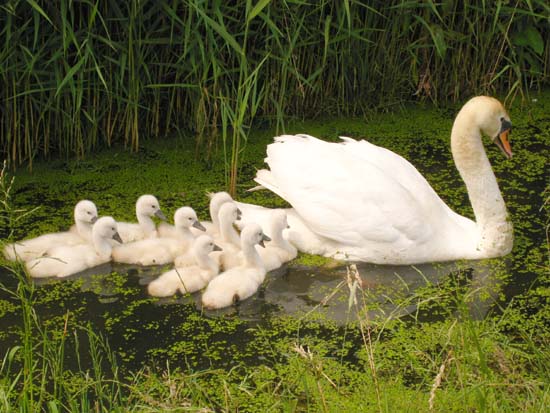
On one of the smaller pools, Mute Swans have bred.

Swan_with_nine_cygnets_xxxxxxxxx

They have produced several cygnets, but don’t worry, the anglers lead shot will soon put a stop to that. It’s amazing to think that Curlew used to breed here fifty years ago, and that, at this very site, Black-winged Stilts nested just after the Second World War.

A flock of finches here once contained an Ortolan Bunting and Little Bunting travelling together, and just after the Second World War, there was an apparent family  group of Gull-billed Terns come through, .

This slideshow requires JavaScript.

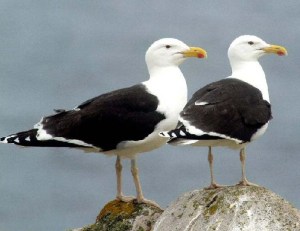
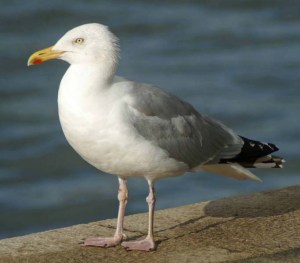
Today, there are three Great Black-backed Gulls, and a Herring Gull.

That’s what the destruction of habitat is all about.

**********************************************************************************************
Wednesday, September 7, 1988

An evening trip this time. A local birdwatcher has told me about a superb new place that attracts wonderful birds by Nottinghamshire’s normal standards. It’s a couple of flooded meadows down by the River Trent at Stoke Bardolph (now, alas, with houses built on them). Look for the orange arrow:

This slideshow requires JavaScript.

For some reason, the farmer has allowed the fields to flood, and for an even more obscure reason, he has permitted them to remain flooded. Waders in unprecedented numbers have been attracted for a short stopover as they fly south down the Trent Valley to Africa. Previously, I would only have thought of Stoke Bardolph for the incredible stink of the sewage works that are down there, but this is really something else. It’s just like a hide at Cley-next-the-Sea, with Curlew Sandpipers, Spotted Redshanks, a dozen or so Dunlin and some Greenshanks.

This slideshow requires JavaScript.

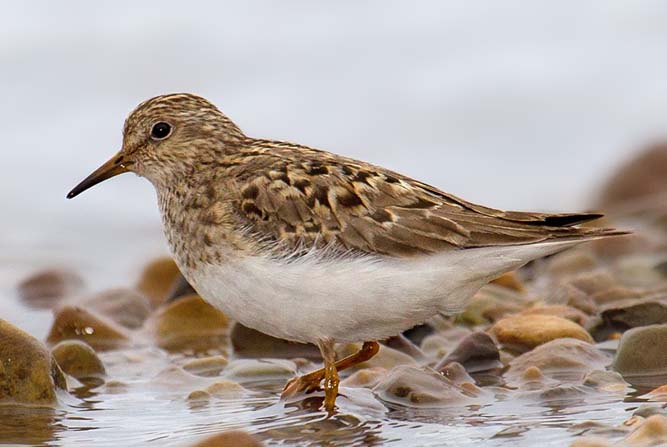
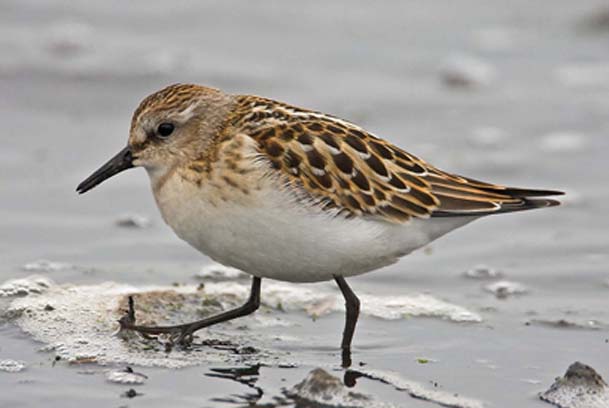
There is  a single stint, which causes us a little excitement as Steve and I try very hard to turn it into a Temminck’s Stint.

Temmincks_zzzzzzzzzzzzzzzzzzz

But it must, unfortunately, stay as a Little Stint. Still, it was a good try.

Little Stint1zzzzzzzzzzzzzzzzzzzzzzz

The only negative thing about the whole evening is the failure of the Hobby to appear at the appointed time.

Hobby xxxxxxxxxxxxxxxxxxxxx

There is at least one, if not two, birds in the area, and it, or they, often hunt over the woodland on the opposite side of the river. It’s even been seen knocking around in the gardens of neighbouring Burton Joyce, a riverside village. Tonight, though, there’s nothing.
Never mind – it’s a really brilliant wader site for somewhere as far from the coast is this. What a pity, therefore, that only a few months later, despite the impassioned pleas of a number of different conservation bodies, the farmer  should plough up the land without compunction, and what could have been a brilliant inland nature reserve is lost forever. So much for a democratic society. We are about as democratic as the Democratic Republic of East Germany is democratic. If you own the land, you can do whatever you like with it, irrespective of how many people subsidise you with their taxes and would like some kind of input as to what is done with the land.

Leave a comment

Filed under Nottingham, Politics, Twitching, Wildlife and Nature

A bird with a highwayman’s mask

(An extract from my old birdwatching diary “Crippling Views”)

Sunday, September 18, 1988

A trip to North Wales this time to twitch a long staying vagrant from North America. It’s the second, or maybe third attempt to see the Forster’s Tern, a seabird which has been knocking around this area for some years now. This time, I’m going to a little village called Gronant, near Prestatyn, where the bird has apparently been sitting out on the beach with Sandwich Terns, at a place where the freshwater stream crosses the sand. Look for the orange arrows:

This slideshow requires JavaScript.

It’s a pleasant enough place, although once more confusion is caused by the unfortunate decision to put up road signs in two languages, despite the fact that the total number of Welsh speakers around here is probably absolutely zero. The whole area, therefore, is just one constant traffic jam, as people stop and try to wade through the novel length traffic signs, in a vain attempt to find out what the hell is happening – and where. Added to this is the fact that there are only half the signs that there ought to be, because all the ones they’ve got are twice the length than they need to be.
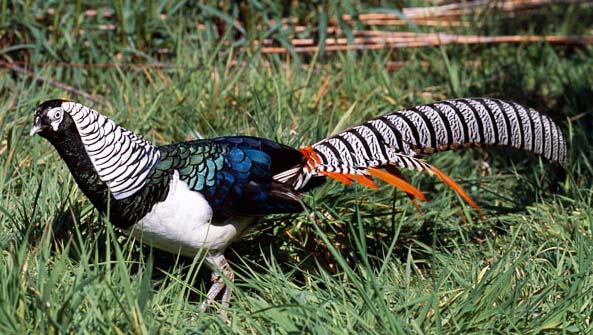
First of all, of course, is the traditional stop at you-know-where for the Lady Amherst’s Pheasant.

wild-ladyamherstspheasant-xxxxxxxx

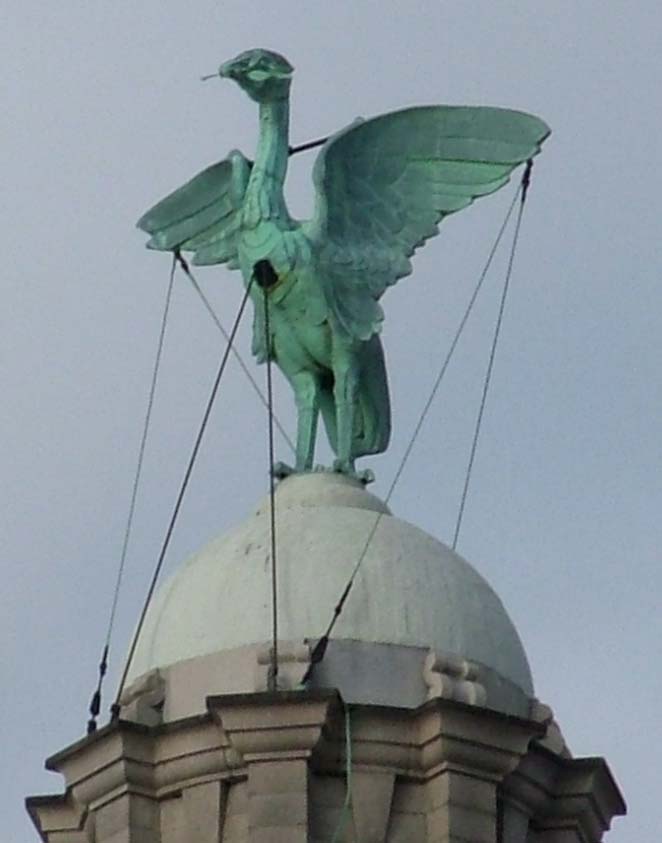
None of these mythical birds is about, but it makes a nice break in the journey, with superb views over the Mersey, to the distant metropolis, topped off by its two completely distinctive cathedrals, and the bulk of the Liver Building, visible easily even at this distance. Now that is a good tick – Liver Bird.

Liver_Bird xxxxxxxxxxxxxxxxxxxxxxxxxxx

On we press to Gronant, and its caravan and chalet village, right next to the beach, but sheltered by the comforting solidity of the sea wall. I park the car, and we set off across the almost limitless expanse of sand.

gronant beaxchxxxxxx

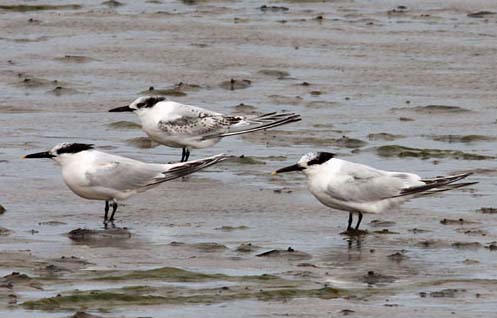
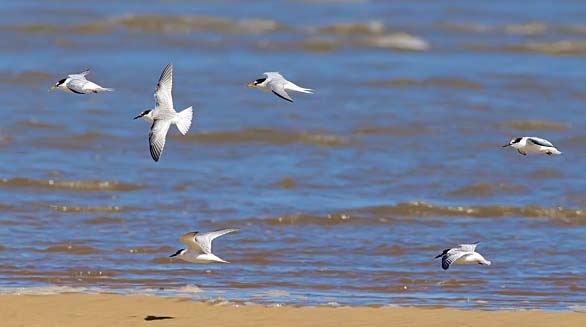
We can already see a group of a dozen or so birdwatchers, all obviously looking at different things – not a good sign. There are a good many  of the much commoner Sandwich Terns…..

bp_sandwich_tern_zzzzz

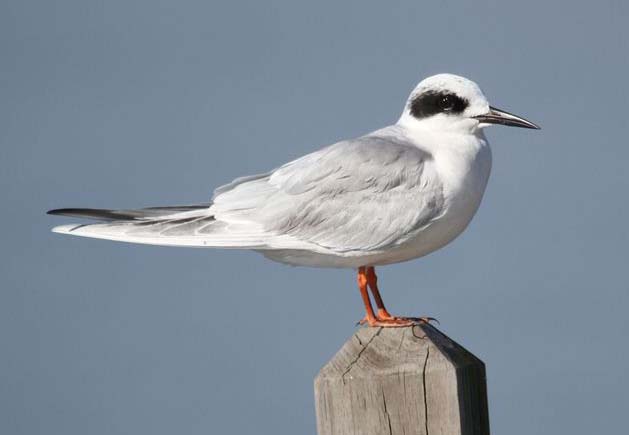
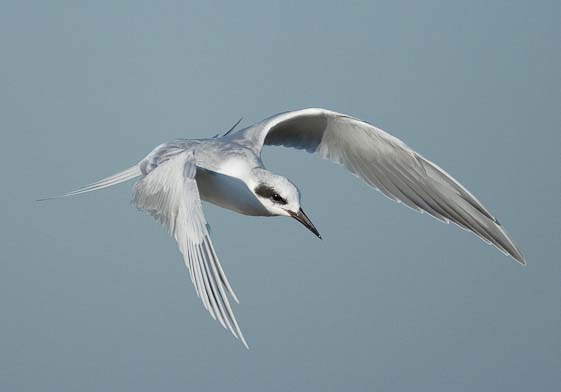
…but we are not to be disappointed though, because the Forster’s Tern is still there. It’s just that a couple of minutes before we arrived, the bird took off for a little fly round and nobody has yet managed to find where it landed. We soon relocate it though, sitting with a group of Sandwich Terns, about fifty yards away.

Forsters_Tern_Ixxxxxxxxxxx

It’s obviously a lot smaller with a different shade of grey on its back. It has red legs and the fabulous highwayman’s mask arrangement of patches on its face. It’s everything I’d hoped for – a really foreign looking and exotic bird. The only problem is that we are almost directly behind it and we can get only rather imperfect views of its main features, so we decide to make our way round, and try to look at it from the side. This manoeuvre of course, is enough to flush every tern on the North Wales coast, including the Forster’s Tern, which immediately sets off on a twelve thousand mile trans-global migratory flight.

flying zzzzzzz

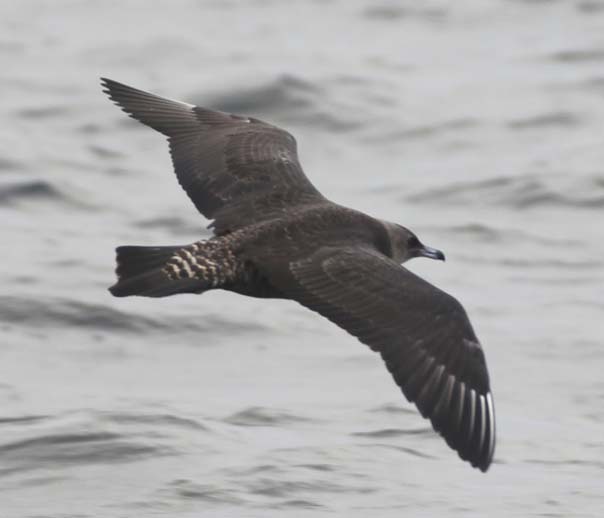
To be honest, though, that is the very last we see of the bird that day, despite the fact that we return several times during the afternoon and wander around for a good while, looking at all the terns on the beach. We do see Bar-tailed Godwit, and Arctic Skua, and a couple of Little Terns.

little terns xxxxxxxxx

The most interesting thing we come across is the advice offered to us by a couple of Liverpool birdwatchers, who give us dire warnings about how dangerous this place is, since the tide comes in very quickly, and it’s very easy to get cut off. They tell us that every few weeks somebody drowns out here fishing, and indeed, it is less than a month after this that we hear of two night anglers who have perished out on the lone and level sands, within just yards of where we see the Forster’s Tern.

Next stop is the Point of Ayr, a most unusual place for a beach. It has a coal mine.

Quite literally on the seashore, or within a hundred yards of it, there is a colliery, which I cannot imagine how they keep dry. Perhaps they have specially adapted mineworkers with gills, who can dig underwater, a sort of “Scargill from Atlantis”.

Arthur-Scargill-leads-the-002

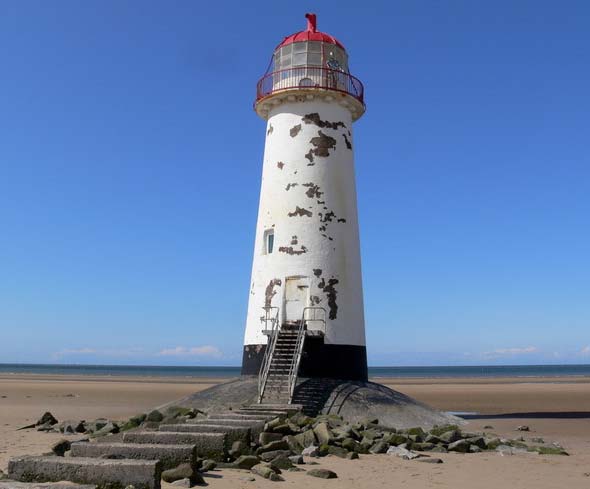
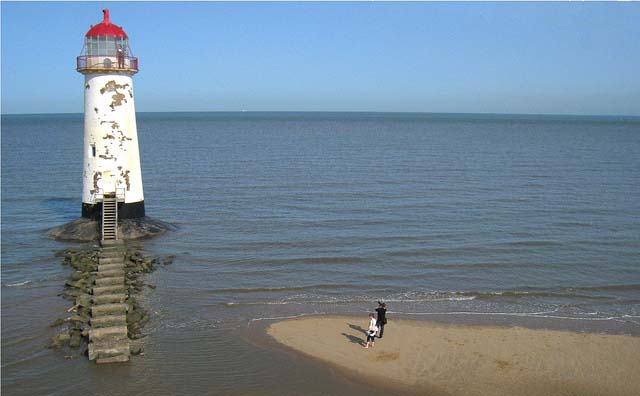
On the Point itself, there is a deserted and ruined lighthouse, which is crying out for someone to restore and then convert either into a sea watching hide, or better still, a bird observatory.

lighthouse xxxxxxx

On the way back to the car, we find a wonderfully promising area, which is full of little hawthorn bushes, all carefully designed to attract small migrants and rare warblers from every corner of the globe. We find just one bird and we are eventually forced to concede that it is merely a Garden Warbler.
On the long way back, another visit to Halkyn. This place is fast becoming a sort of drug.  I am trying to give it up, but I just keep getting dragged back. This time, we meet one of the locals, an individual whose talents for unprovoked rudeness are probably exceeded only by his apparent brainpower. I park in a long and completely deserted street, only for him to rush out of his traditional cottage and tell me that I’m causing an obstruction and I have got to move. Apparently he’s expecting a cruise missile convoy at any moment. I enjoy screeching off ostentatiously down to the end of the street, parking the car four hundred yards away, before walking back to ask him if he reckons he’s got enough room now. He says he has. Some of these country people are really nice and pleasant to talk to, but so many, quite simply, are not. Still, I have the last laugh, because I can get into my car and drive off back to the big city. I won’t have to spend the rest of my life in a place like this with absolutely nothing better to do than to be gratuitously rude to tourists.

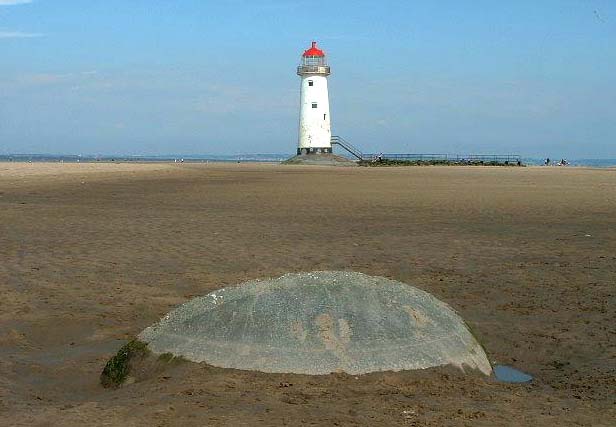
Twenty five years or so later, things have changed comparatively little on the beach at Gronant.  A most interesting Second World War pillbox which we all contrived to miss at the time is apparently a lot more visible now, and has been featured on the Internet on at least one specialist pillbox spotters’ website.

type 25 pillbox ddddddd

The lighthouse is still there but a local artist has equipped it with a sculpture of a lighthouse keeper imaginatively called “The Lighthouse Keeper”.

This slideshow requires JavaScript.

You can still get cut off if you are not careful.

cut off xxxxxxxx

Even if you are a glass sculpture, and at no special risk….

too late now cccccccc

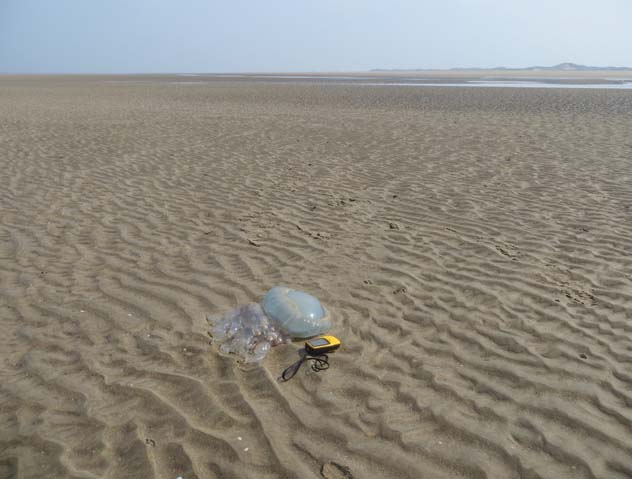
On this beach, even a jellyfish can get lonely, although he does appear to have some sort of (presumably waterproof) mp3 player which will help him to pass the time.

lonely jelltyfish xxxxxx

Leave a comment

Filed under Humour, Twitching, Wildlife and Nature

A very strange duck

(An extract from my old birdwatching diary “Crippling Views”)
Monday, September 19, 1988
Paul and Steve have told me of a very strange duck, down on the River Trent at Attenborough, to the south west of Nottingham. Look for the orange arrow…

This slideshow requires JavaScript.

Because of this, I make sure that I take the Sixth Form Birdwatching Group down there for a quick look round during our birdwatching afternoon. And indeed, when we do find the bird, it does turn out to be a bit of a puzzler. First of all, it is completely alone on the river, while all the other ducks are on the main lake. This is a very good start in proving that it is a rare bird, blown across the stormy waters of the Atlantic Ocean from the USA. Everybody knows that rare birds always keep well separate from any strange foreigners they are suddenly brought into contact with. It’s because vagrants are shy, uncertain of themselves and take a very long time to make friends., They may not speak English. They may be afraid of being eaten.

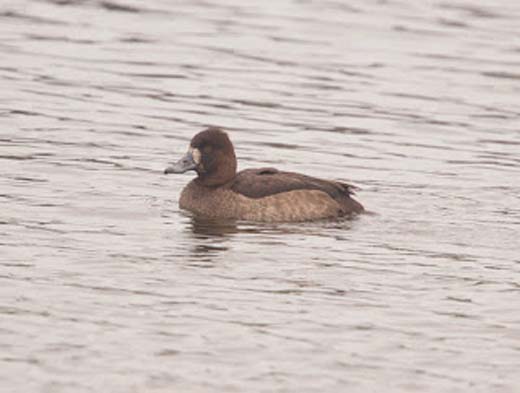
Superficially, the stranger is all brown, rather like a female Tufted Duck, but it’s not a definite Tufted Duck because the head shape is wrong.

female-tufted-duck-xxxxxxxx

Instead of a tuft, or the basis of a tuft, the bird has a rounded head like a Greater Scaup.

greater_scaup-hen-wave-xxxxxxx

It’s not a Greater Scaup either though, because the head shape is not right for that species either. Instead of a completely rounded head like a Greater Scaup, it has a little peaked crown, rather like the head shape of Ring-necked Duck.

ring-necked-duck-fzzzzzzzzzz

The basic drab brown, chocolaty colour of our bird’s plumage and the absence of any eye ring markings means, as far as I’m concerned, though, that it cannot be a Ring-necked Duck either. I hesitate between the two ends of the spectrum. Either, at one end, we are looking at yet another hybrid duck, because duck species all interbreed in a most alarming way. Or, we are breaking new ground in the glorious history of Nottinghamshire birdwatching, and it is a juvenile, or female, or eclipse, Lesser Scaup, which would be a first for Britain. Even then, this would not be, however, the first claim for this American species of bird in the county despite its almost unbelievable rarity…

At the other end of the spectrum, the more likely solution, and the easiest cop out is to say is that it is a hybrid, the fate of at least two of the county’s previous claims. But a hybrid of what? Scaup and Lesser Scaup? Tufted Duck and Ring-necked Duck?

Still, it was a bit of excitement on an otherwise dreary day. And indeed – why should a female Lesser Scaup be impossible at Attenborough, while a male, the first ever seen in Britain, is  acceptable at Chasewater, only some fifty miles away?

If I had my time over again, I would have made a bigger effort to ascertain two things, one relatively easy, the other much more difficult. It would have been reasonably easy to have checked the extent of any white areas at the base of this puzzling bird’s bill. The photographs above show how important this detail might have been. Nowadays, getting on for thirty years later,  I quite simply cannot remember, although that very fact in itself would imply that the white cannot have been either unbelievably bright or striking to the observer. Secondly, I would have tried to establish the exact size of this duck, something which would have been very difficult to do as it did not go near any other birds at any point during its stay on the River Trent. Alas, now I shall never know what it was, although it really did seem very strange at the time that it adamantly refused to mix with any other species of duck.    

By 2007, there had been just under a hundred records of Lesser Scaup in Great Britain with virtually every county having played host to the more easily identifiable  male at some point. There had been females but these were admittedly in limited numbers. Here is an Irish female at Rostellan Lake.

irish femaile xxxxx

It is now generally agreed by birdwatchers that Lesser Scaup has never been an incredibly rare vagrant, just a species that was very difficult to identify.

1 Comment

Filed under Humour, Nottingham, Twitching, Wildlife and Nature

A Twitch to Flamborough

(An extract from my old birdwatching diary “Crippling Views”)

Sunday, August 28, 1988
The sea again. Its magic lure drags Steve, Alan, Paul and me off to seawatch, anywhere on the East Coast where, according to the weather forecasts, the wind should be suitable for our porpoise (as the spell check suggested). We decide to go to some place where we can seawatch but where there is also another specific bird to look for. In that case, we must head for Flamborough where there have been reports of a Desert Wheatear although there are no details to hand of either its exact location or its plumage. We arrive at about 8.30 a.m. and there is a lovely light foggy drizzle drifting around the cliff tops. Not too pleasant for the birdwatchers but brilliant for keeping down any lost little vagrant passerine.

This slideshow requires JavaScript.

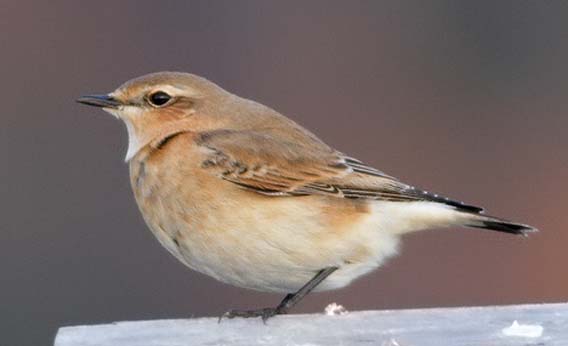
There are other birdwatchers around, all looking for the relevant little bird. We find a somewhat peculiar female wheatear within half an hour, and then another, and another. We soon realise that all female wheatear are somewhat peculiar. None of them seem to have a consistent set of plumage features that they have in common with all the other female wheatears.

northern 3ccccccccc

Nothing for it. We set off down to the lighthouse for a sea watch. Same old place as ever – we set up our telescopes on the slope below the main cliff edge and start watching. No sign of Flamborough’s most famous birdwatcher, its very own “Mr.Sea Watch”, Brett Richards.

twitcher6

There are some Arctic Skuas moving through and we are able to study their piratical antics in some detail. After about ten minutes I see one all dark bird flying steadily and heavily northwards. Then it seems to remember its error and sweeps back around in a huge arc. Then it starts flying around in very large circles as if it is by now completely confused. On the other hand, it could be some vaguely half remembered display flight of some sort.

Pomarine Skua 4vvvvvvvvv

Whatever the case, it finally stops its circling, makes a half-hearted attempt to harry a Kittiwake and then heads off out to sea. We all pick the bird up and we all agree that at long last, we’ve seen a Pomarine Skua. It’s bigger than all the Arctic Skuas and it’s obviously not a Great Skua. Its flight is heavier than an Arctic and its behaviour is completely different. Every Arctic we have seen today has been energetically and enthusiastically chasing Kittiwakes in a most agile and nimble way. They are all darting, lightly built birds that at no point have shown the slightest inclination to soar or circle like some marine Common Buzzard.
Ten minutes later I find another large and heavy skua but this time, it’s down on the water. Again, its structure is much more solid than the Arctics, its bill is more substantial, its body weightier, and it even has what may well be rudimentary spoons sticking up into the air at the back end.

pom on seacccccc

We watch it for a good twenty minutes as it cruises around, well separate from the rest of the birds on the water. We are all satisfied that it is a first winter dark phase Pomarine Skua.
If we think we’ve had a difficult time of it with bird identification so far, then we are sadly mistaken. In the next half hour or so, we’re going to get into very deep water indeed and I don’t mean falling off the cliff.
We still have the best part of a sunny afternoon left so we decide to walk slowly round to see what we can turn up in the way of migrants. It’s really rather pleasant. A nice day, a blue sky and the hope that more or less anything might be out there for us to find it. We turn up any number of Northern Wheatears, both male and female and a Short-eared Owl, that looks very pale and which we try very determinedly to turn into a Barn Owl, but without any success, because in the final analysis, we just can’t ignore those dark carpal patches. We stop at the top of the cliffs, a little way south of the lighthouse at a point about fifty feet or so above the sea. There are lots and lots of wheatears here, flitting around, most of them near some kind of ruined wooden landing stage.

northrbqqqqqqqqqq

Alan soon spots what he thinks is a funny wheatear and we all set up scopes to examine it more closely. The first and most obvious feature about it is that its eye stripe is not as fully developed as the other birds. It seems to be more buffy, even russetty, in colour and seems to begin further back on the head, almost behind the eye itself.

desert 2ccccccc

The bird, a female, is obviously tired and is harried and picked on by all the other birds. Nevertheless it keeps returning to the landing stage steps and eventually begins to preen. That’s when we realise two interesting things about the bird. Firstly, its tail, as far as we can see, is completely black and although it has a smallish area of white in the top two corners, this is really no more than a slight curvature of the line between the white rump and the black tail. It is completely different from the T-shaped pattern that we have been looking at all day, more or less, on all the other Wheatears. Indeed, we’ve even noticed that with every Northern Wheatear that we’ve seen, this T-shaped pattern may even be visible when the bird is at rest. Not the case with this bird.

Desert-Wheatear-0bbbbbbbbb

The second feature, and for me, the one that clinches it as a female Desert Wheatear, is the fact that as the bird lifts its wing to preen, it reveals a snowy white underwing which is absolutely and totally white, except for a darker line on what must be the trailing edge. For weeks after this I look at Northern Wheatears and cannot find a single one, either in real life or in photographs, that comes even close to our mystery bird in the whiteness of this underwing. There is not a hint of brown or buff, just a brilliant white like a patch of bright fresh snow.
This bird, however, is not terrifically distinctive except for these two features and the eye stripe. This differs slightly from the Northern Wheatear but, in truth, if there is supposed to be a major difference in basic plumage, then there just isn’t one. It is perhaps a little peachier in colour but is not really fundamentally different from the Northern Wheatears that continue to chase and harry it. It is at this point that our problems start, because, as I later suspect, the mystery bird flies off without our noticing it, perhaps because the cliff is overhanging at this point and there is a vast area underneath it that we cannot see. It is certainly impossible to see the comings and goings of every single bird.

norethern flight ccccc

A few seconds later, a Wheatear of indeterminate species comes to perch on the landing stage, just as our bird has on several occasions in the past few minutes. A small crowd of some ten or twelve  birdwatchers has by now assembled, all trying to see whatever we’re looking at but apparently too shy just to ask us. We lead them to believe that this is the mystery bird even though we have not yet seen either its tail or underwing to confirm this. When the bird flies away, of course, it has the T-shaped pattern of an ordinary Northern Wheatear and this leads a high percentage of the new onlookers to think that we are a bunch of complete village idiots. Well, we are, but on the other hand, I know what I saw. And yes, I am more than a little put off by the episode at the end when I was fooled by the Northern Wheatear on the landing stage, but Steve soon calms me down.  He makes the valid point that whatever has happened subsequently, we did all four of us see a female Wheatear with an all-black tail, and an all-white underwing, whatever antics the bird got up to afterwards and whatever skilfully designed imposter came along its place. And surely even the most aberrant of birds could not have two diagnostic features of another species? That discovery would knock the Rarities’ Committee back a bit.
The whole appalling business does have its funny side however, because as soon as the assembled group of eight or ten becomes fifteen or twenty, this is easily a big enough crowd, particularly here at tight-lipped rare-bird-suppressing Flamborough, to attract an even greater number of birdwatchers. Very quickly, we have seventy or so people, all looking downwards with great deliberation.

Somebody on duty in the lighthouse then presumably thinks that one of us has had an accident and perhaps somebody has fallen off the cliff. Perhaps we are all looking at a corpse floating past. Whatever the case, it doesn’t take the RAF Rescue helicopter very long to get here and it soon arrives, a huge  deafening yellow whale that hangs, hovering loudly, about twenty yards from the cliff edge. I can’t really believe it’s here for an unconfirmed report of a female Desert Wheatear. News cannot possibly travel that fast. On the other hand, it would be really tremendous if that were the case and he could use the loudhailer – the electronic equivalent of Kevin’s voice:

“Hey, you on the cliff – yes – you – you on the left – in the green – yes – stop harassing that bird – return to your homes – and by the way, do you know they what they’ve had at Spurn?”

Rescue-Helicoptercccccccccc

Our final gesture is a last bit of seawatching as we give up hope that our Desert Wheatear will return to its original spot and we soon get a superb bit of unusual bird behaviour.

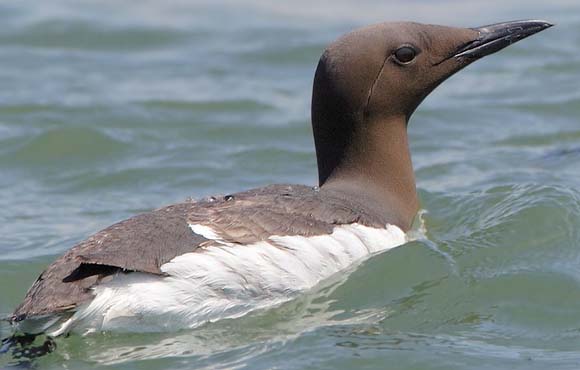
Guillemot06cccccc

It’s a Guillemot that is performing some bizarre sort of preening ceremony that seems to consist solely of the bird lying flat on its back in the water, with only its beak and its little legs sticking out above the surface. It remains motionless for minutes on end so that it looks just like a man bathing in the Dead Sea or a gigantic dead fly floating around in the bath. A strange end to a puzzling day.

3 Comments

Filed under Aviation, Humour, Twitching, Wildlife and Nature