Category Archives: Wildlife and Nature

Hallowe’en Tales : Numbers Seven and Eight

Number Seven

The Sea Serpent

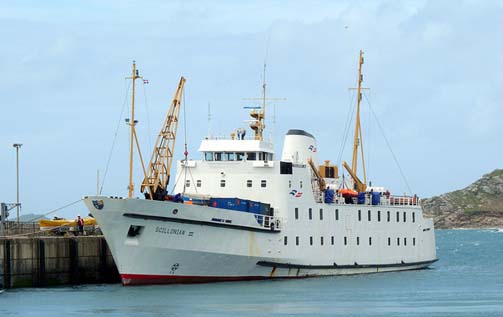
On October 25th 1988, I went over to the Isles of Scilly to birdwatch. I crossed over from Cornwall on the ferry, the Scillonian:

scillonia on scillis xxxxxxxxxx

For two or three hours during the crossing, I remained on deck with my binoculars, eagerly scanning the storm tossed waves for seabirds.

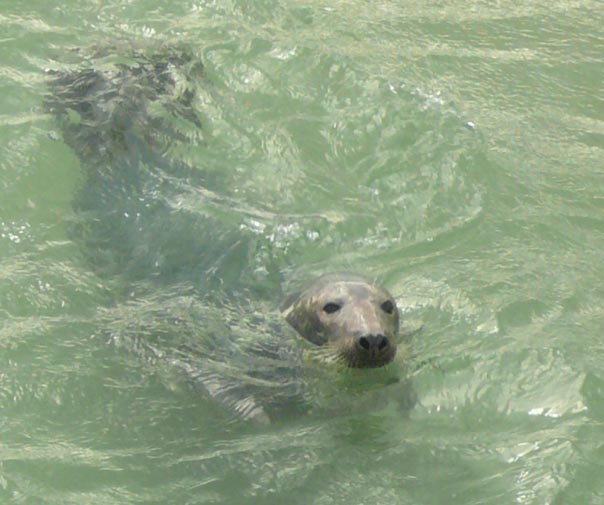
At one point, I noticed what I took to be the head of a Grey Seal, which broke the surface perhaps fifty or a hundred metres away from the boat. This is a Grey Seal which I photographed in the harbour at St.Ives in Cornwall:

P1460520

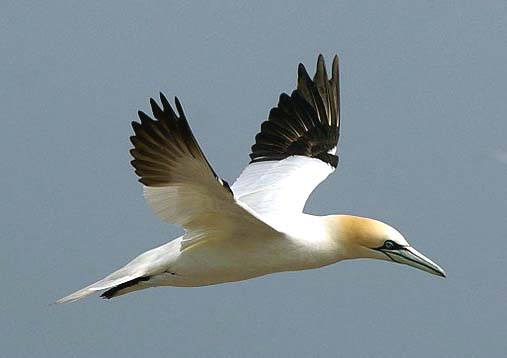
This head, way out in the Atlantic Ocean, was very similar, dark in colour, and I could see a forehead, two eye sockets, and an obvious snout. I didn’t really think a great deal about it, other than the fact that, for a seal, it was certainly a very long way from land, at least fifteen miles. It remained there, presumably watching the boat, for perhaps two or three minutes. Then, suddenly, a Gannet flew directly above it. A Gannet is a very large bird with a wingspan of some six or seven feet:

wikikikik Northern_Gannetzzzzzzzzzzzzzzzzzzzzz

I then realised from a simple comparison of sizes that the head must be at least a metre and a half, if not two metres, across. And that means it cannot have been a seal !

 Number Eight

The Ghost on the No 90 Bus

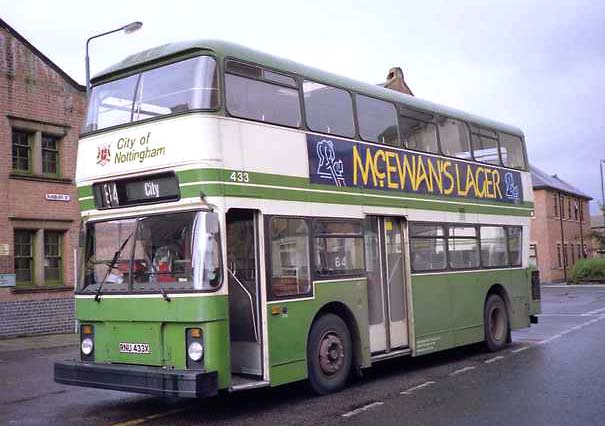
Some thirty or more years ago, we used to live in a large house in a new estate on top of a hill right at the very northern edge of the City of Nottingham. From our top bedroom window, we could see the distant cooling towers of the Ratcliffe-on-Soar Power Station, out towards the East Midlands Airport, absolutely miles away. If it had been built then, we would have easily been able to see the Control Tower on the Airport. To go into Nottingham was a little bit of a bore, though, because there was only the Number 90 bus, which ploughed, every hour, a long and very eccentric furrow from one side of the city to the other, from where we lived on the northern edge, to the furthest bus terminal of Edwalton, beyond even the foetid swamp that is West Bridgford:

DKY-496_lr

The Number 90 bus, strangely enough, had a very strong ghost story attached to it. People told me all about it on several occasions, almost as soon as I mentioned what bus I had to catch to get home and just how long the journey was.

3135590sssss

Funnily enough, the story concerned the very same bus stop on Mansfield Road which we used to use:

bus stop

Anyway, the first occasion the ghost appeared was quite a long time ago, in the 1950s perhaps, or in the 1960s. It was certainly in the era of the bus conductor, who used to go round the bus, issuing tickets and taking the money.

Just imagine to yourself. The time  is around seven or eight o’clock in the evening, and the bus is absolutely deserted. Not a single passenger. The conductor is standing up near the driver’s compartment, talking to him to pass the time. Suddenly, they both notice an old man who is standing at the Mansfield Road bus stop, waiting to go towards the city. The bus stops and the old man gets on. The evening is fine and dry, but the old man is absolutely drenched, with rainwater dripping off him. He looks quite battered, with little rips here and there in his clothing, which is, strangely for the weather at the time, a heavy winter topcoat over an equally heavy winter suit.

The old man says nothing as he gets on. He goes upstairs and the driver and conductor notice he is wearing his bike clips, a simple aid to cycling that is, by now, almost decades out of date.

The driver and conductor finish their conversation. The driver sets off down the road, and the conductor begins the shaky climb up the stairs. He wonders why this special kind of idiot had to go upstairs on a completely empty bus and make the tired conductor follow him.

He gets to the top of the stairs and has a good, surprised look round. The top deck of the bus is completely empty. The old man just isn’t there. He isn’t in the two rows of seats at the front of the bus. The conductor then walks slowly back past all the other rows of seats. The old man isn’t there either, neither is he hiding behind any of the seats in a ludicrous attempt to avoid paying his fare.

Puzzled, the conductor goes back down again, pushes his cap back on his head, and expresses his astonishment to the driver.

Back at the canteen, they tell their tale over a cup of tea and a couple of cigarettes. They are not the first crew to meet “The Phantom Passenger of the Number 90 bus.”

He is, or rather was, an old man of sixty or so:

old_man_on_bike_by_claeva

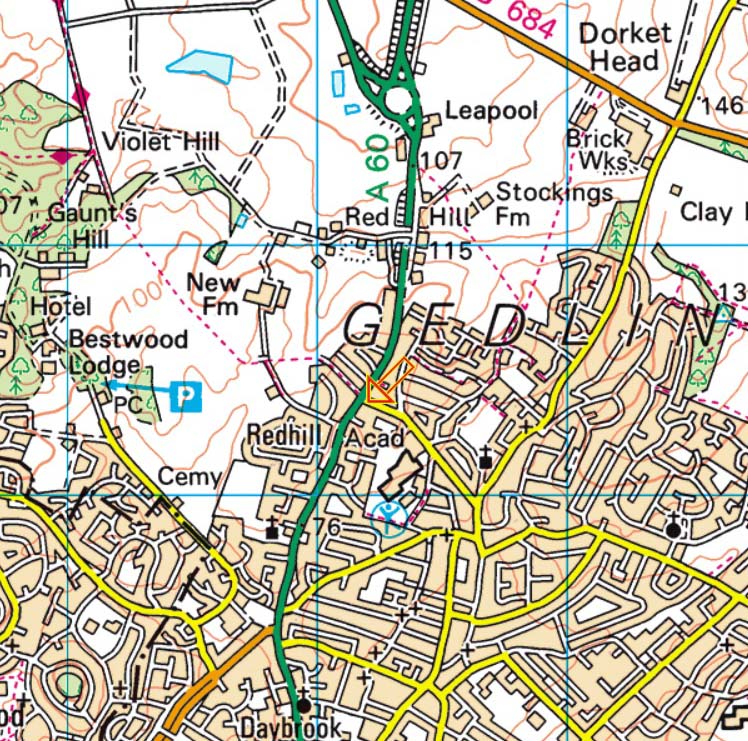
One winter’s night, he was riding his bicycle home to Arnold, when a hit-and-run driver killed him as he rode carefully and slowly around the Leapool Roundabout. It happened so swiftly that the old man does not realise, even now, that he is no longer alive. Wrapped up against the winter in his heavy suit and heavy topcoat, he still has his bike clips on. His bicycle, to him too valuable to leave behind, is too badly damaged to ride back home. And so, he must walk through the winter rain and sleet the two miles to the nearest bus stop to get back home to his wife and family. On this map, the orange arrow marks the bus stop where the wet old man would get on the No 90 bus. To the north is the Leapool Roundabout. Follow the green road until you come to the obvious roundabout:

map

I don’t know now if the Number 90 still runs or not. I hope it does. No ghost should fade away at the whim of the Nottingham City Transport.

16 Comments

Filed under Cornwall, Cryptozoology, History, Nottingham, Personal, Science, Twitching, Wildlife and Nature

Hallowe’en Tales : Numbers Three and Four

Number Three

Haunted Malham Tarn

In about 1978, despite the fact that I was a teacher of French, I accompanied a couple of Geography teachers on a field trip from our school in Nottingham, to stay at Malham Tarn Field Centre in North Yorkshire:

malham-cove-02xxxxxxxxxxxxxxxxxxxxxxxxx

We used to work late into the evening, and then, between ten and eleven o’clock, usually retired to one of our staff rooms for a few whiskies, and a little R & R. After that, we would all go to bed.

One night, though, I found myself awakened around two or three o’clock in the morning, by what I can only describe as the feeling that there was some kind of evil presence in the room. As I looked out over my feet, beyond the end of the bed, it seemed to be down in the left hand corner, below the window, in the darkness in front of the wardrobe doors. I could see nothing at all, and could not reach the light to put it on, but I was certain of my fear, and the fact that I was not the only person in the room. Indeed, I was so scared that I remembered my experience of horror films, and used some of the remedies I had seen there. I imagined myself cocooned in a pale blue light, and, despite my status as a lapsed Christian, did not hesitate to repeat to myself, again and again, until I eventually fell asleep, ” In the name of Jesus Christ, I defy thee Satan.”
The following day, I asked questions about whether the building, a converted seventeenth century barn, was haunted or not:

Malham_tarn_house

From my colleagues, I could only get very non-committal answers, which clearly hinted that they knew a lot more than they were prepared to reveal. Eventually, I was told that there was indeed supposed to be a ghost in the place. On one occasion, just after midnight, it had walked into and out of walls, a party piece which had totally terrified a group of Sixth Form Girls, who had packed up and left, even though it was in the middle of the night and still dark.

Number Four

The Beast of Glen Etive

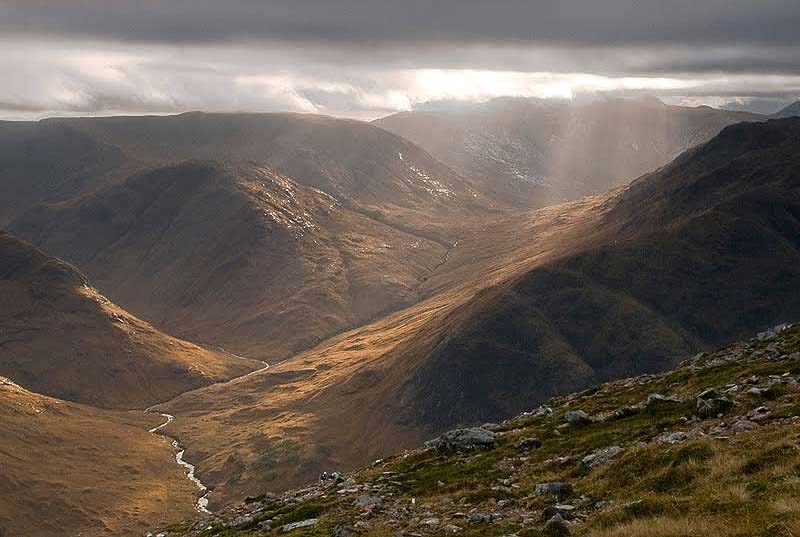
In the middle 1970s, I used to go regularly to Scotland with my friend Bill.  Normally, we would do a clockwise circuit around the whole country, camping each year in the same places. On the second day, we normally stayed at Glen Etive, a long and steep sided valley which runs off Glencoe, just to the south of Fort William:

glen-etive

This particular summer, in early August, if I remember correctly, we had again stopped in this dramatic glen, siting our tent and car just a few metres to the side of the single track road that ran the length of the glen. In those days, before the place was a film set, it was very isolated indeed. A single track road led for four or five miles down the valley to its very end, which was just a tiny wooden jetty large enough for a rowing boat. Nobody was camping anywhere near to us, and later in the holiday, when we followed the single track road down from our campsite to the wooden jetty and back, we met nobody in the ten or twelve miles we covered. No cell phones back then. This was genuine wilderness, where the orange arrow marks our orange tent:

etive

As darkness fell, Bill and I were both sitting in the car, looking across the road, and the flat floor of the valley, over towards the precipitous cliffs on the far side. After a couple of cigarettes, Bill announced that he was going to take the toilet roll, and go off to do what a man has to do. He took with him the torch, and his cigarettes and matches.

At first, I could still see him as he walked away toward a huge well-used pile of granite rocks, some two or three hundred metres in the distance. After a few minutes, though,   he was swallowed up by the darkness.

I was rather surprised that he did not switch on the torch, and looked in vain for the glowing end of his cigarette in what was by now total darkness.

After about fifteen minutes or so, I noticed a light well over to the left of where Bill had gone, and was a little worried that he had perhaps got disorientated in the darkness, and that he might fall over, and injure himself.

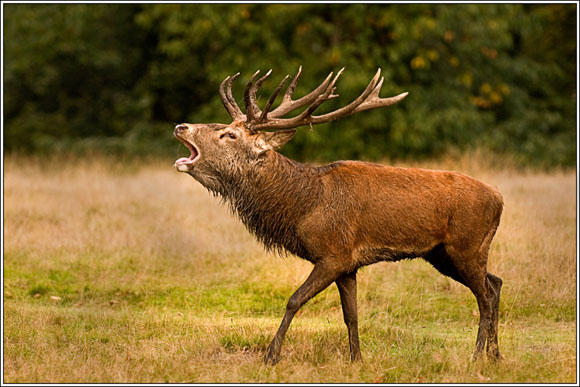
I began flashing the car headlights steadily to give him a reference point, and was then surprised to see a second light come on, and make its way at some speed towards the car. This, of course was Bill, who had been considerably frightened by the very loud roaring noises he had heard while out among the rocks:

red_deer_stag_

It was for this reason that he had not switched his torch on. He thought that if he did, he might well attract whatever was making the noise. Inside the car, three hundred yards away, for some reason, I had not heard the roaring, perhaps because I was listening to music on the car cassette player. Strangely enough, Bill had not seen the second light, which by now had disappeared.

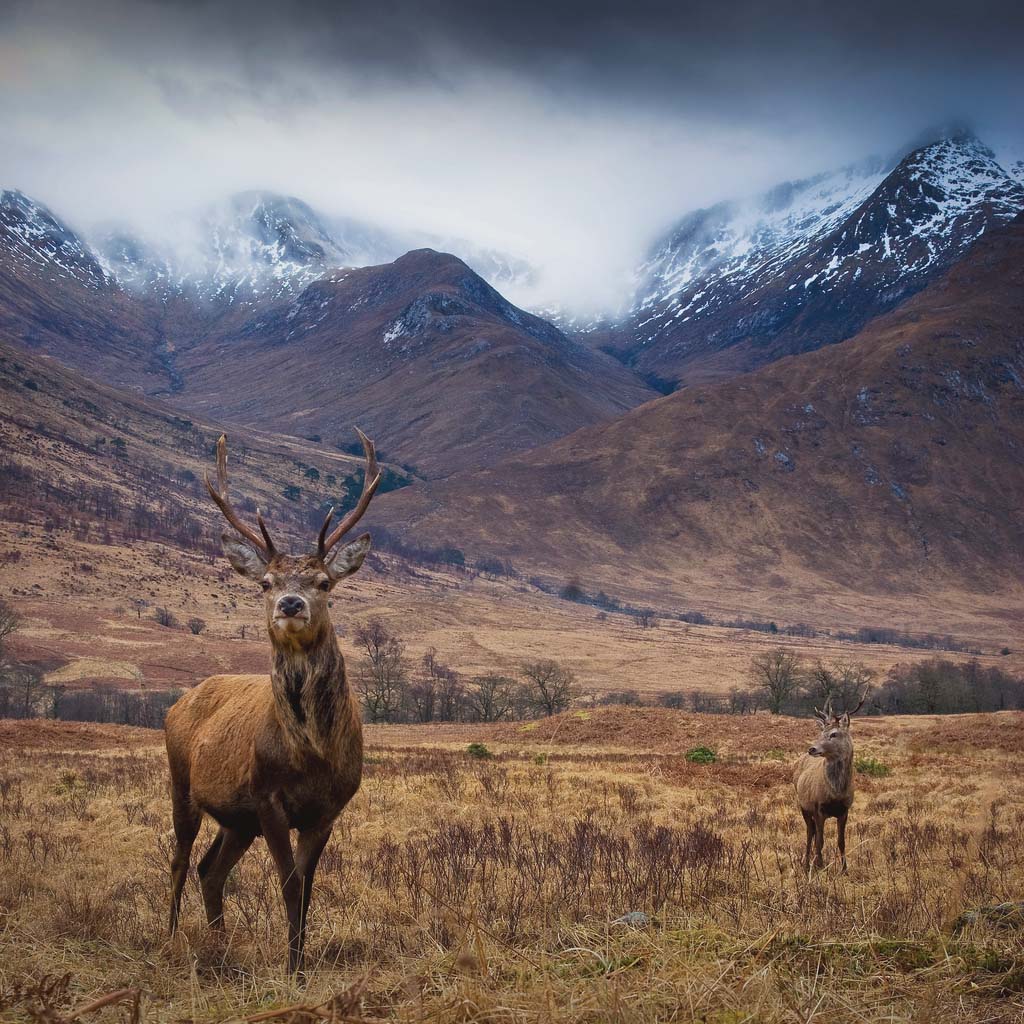
During the next few hours, though, we both heard the roaring clearly:

red-deers-in-

It was difficult to describe exactly, but at times it was a deep, loud bellowing, and at others it sounded like an almighty crash. I remember thinking that if a giant baby had dropped a full sized battleship into his bath, then that was the noise it would have made.
We were both frightened, and I slept with the carving knife under my pillow. On the other hand, the noise was always fairly distant, and, although alone, and many miles from the nearest house, we were never scared enough to pack up the tent, and drive off into the night.

Later, we tried to investigate the origin of the lights and the noises. We climbed up into the area which we thought they had come from, but with no success. We found nothing to explain either the bellowing or the isolated light which had been at least as large as a torch. Neither did there appear to be any difference between this section of the valley and any other.

Whenever the idea of “bellowing” or “roaring” appears in this article, the animal depicted in the photograph is a Red Deer stag. And yes, in the rutting season, Red Deer stags do roar and bellow. Set against this though, is the fact that the events described here did not really occur during the rutting season, which occurs from October to November. Likewise, the roaring is most frequently heard in the late evening and then during the early dawn. We heard it, though, when night had really begun. It was certainly pitch black, dark enough to need torches for safety reasons.

Forty years later, I would still describe the noise as “a full sized battleship dropped into a bath”. Strange! Very strange!!

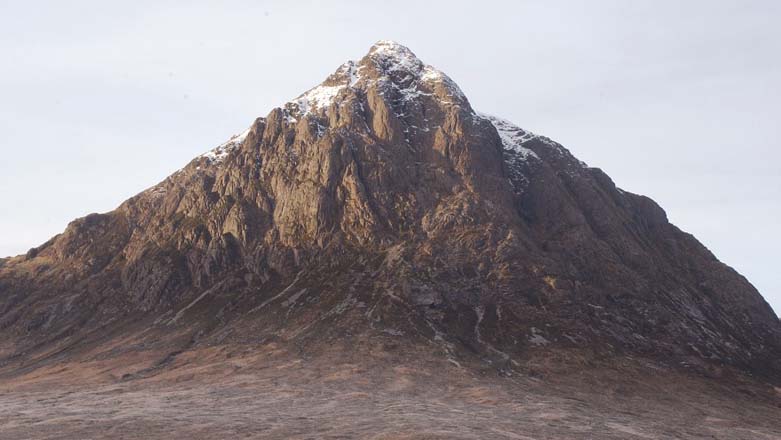
Incidentally, this is the mountain which stands at the head of the glen. It is called “Buachaille Etive Mòr” and, statistically, it is much more dangerous than the Eiger:

monitain


12 Comments

Filed under Cryptozoology, History, Personal, Wildlife and Nature

The Beast of Primarette

The Beast of Primarette is not really a top drawer Premier League monster, so the first port of call will have to be the French version of Wikipedia. Here is my own translation:

“The “Beast of Primarette” was a man eating animal responsible for a series of attacks on humans in the vicinity of the village of Primarette in the south east of France. The first attack took place in the spring of 1747. Between then and the end of the winter in 1752, seven victims were identified in the parish registers.”

Primarette is a tiny village in south eastern France. On this map, it is represented by a red dot. The orange arrow is on holiday, but not in France:Untitled

In 1747, François Malarin, the village priest of Primarette, reported the very violent death of a little boy in his parish :

“In the year 1747 and on the 23rd of May, the Tuesday of Whitsuntide, during the service of Vespers, a carnivorous wolf (loup carnassier) seized the child of François Malarin from the door of their house in the presence of his mother. She was unable to snatch the child back from the animal’s teeth. Several people returning from Vespers heard the story of this misfortune and ran into the woods, following the trail of blood left behind by the child. They found some of his limbs scattered on the ground including the head, the arms, an upper leg and a foot. These body parts were all buried in the presence of Michel and Gabriel Perrochat, father and son, Antoine Jeury, Jean Bassat, Claude Berthier and several other people who had rushed to see this sad sight. The child, aged around seven years and one month old, was the legitimate son of François Malarin from Espagnoux and Fleurice Petit. Whereof I have signed, not the witnesses, who do not know how to write.

                                         Favre the Priest.

An “x” is appended by Michel Malarin as a supplementary act.”

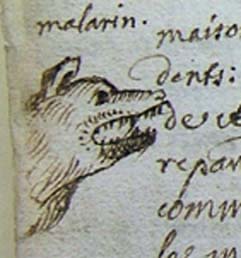
A sketch is in existence:

150 wolf child

This beast, most un-wolf-like in its behaviour, was later to claim several more victims, and the priest reported later that year the level of emotion aroused by these incidents. In the Parish Register of 1747 he wrote therefore:

“There have been this year a large crop of acorns, and carnivorous wolves have eaten three children in Primarette. It is believed that they were most probably lynxes and the common people believe that they are werewolves. Until the priests give the peasants permission to carry out hunts armed with pairs of spectacles, nothing will be able to cure their stupid credulity.”

Below is the original parish register entry, in French, of the paragraph translated above. See if you can pick out any words, such as “loups”, “carnassiers”, “loups garous” or any other words. I can’t imagine any reader would be expecting to manage to read French written by long dead Favre the Priest in 1747. Nor indeed, would he be expecting anybody to still be reading his words in 2015:

800px-Primarette-1747-9NUM_AC324A_6-p48

Here is a werewolf, a “loup garou” filmed by a trailcam in Wisconsin:

werewolf

The last victim within the bounds of the parish of Primarette was found in 1752, but nobody was ever able to identify the animal responsible for all these attacks.

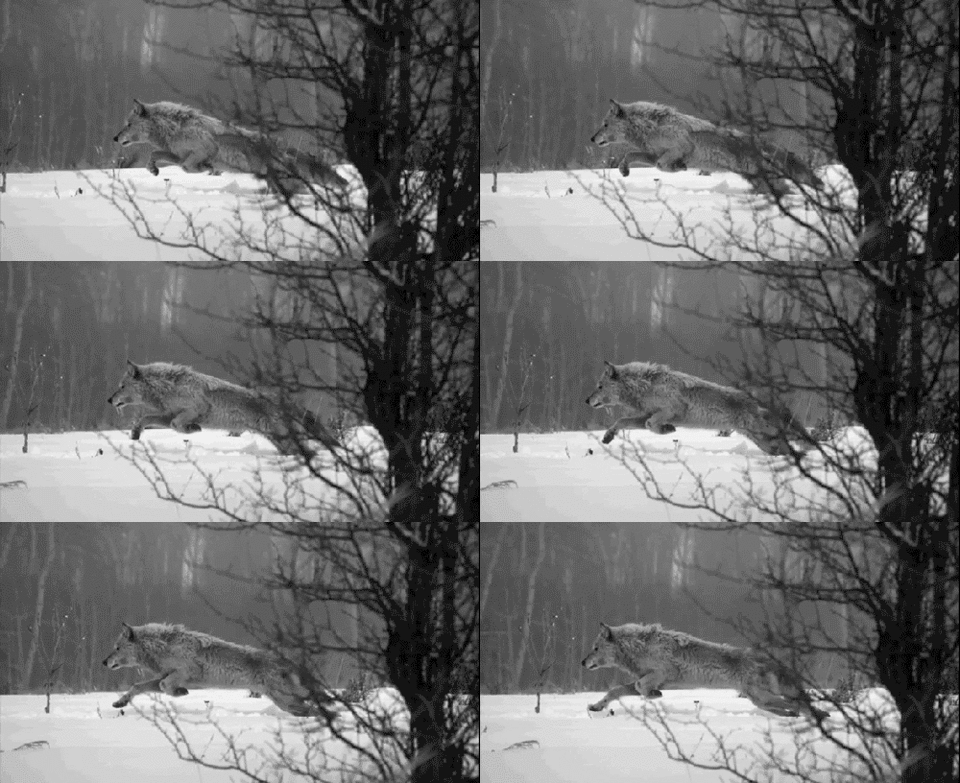
Here is a very large wolf. It will calm you down after the werewolf. This animal was filmed by a trailcam in northern Scotland:

wolf bounding
Here is a list of the poor victims:

May 23rd 1747                       Michel Malarin, 7 years of age
June 1st 1747                          Joseph Fournier, 13 years of age
October 24th 1747                 Mathieu Roux, 5 years of age
October 11th 1748                 Benoite Pichon, 2 years of age
January 23rd 1749                Marie Peiron, 6 years of age
May 14th 1751                        Jeanne Fervonat, years of age
February 19th 1752               Marianne Boindrieux, 3 years of age

Another French website suggests that mention of the huge number of acorns, and the presence of man eating wolves may be connected in the minds of the locals at Primarette. Perhaps they had some kind of superstition about this.
It is unfortunate that no description of the beast seems to have survived, although I would continue to argue that if the locals in this area thought that all the deaths in the area were caused by lynxes or werewolves, then that in itself lends credence to the idea that it was no ordinary wolf, an animal with which they would have been only too familiar. Favre the Priest tried hard to give people in the distant future some idea, adding little sketches to the side of his manuscript:

1747-38-Primarette-A1737a wolf

Here is a pair of wolf’s heads:

two wolves

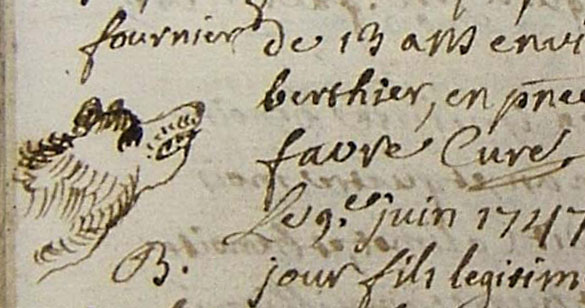
I have enlarged some of the sketches. Again, you may be able to read some of Favre the Priest’s words:

wolf sketch

Here is a second head, with the name “Marianne Boindrieux”:

another wolf sketch

See if you can see the signature of Favre the Priest (“curé”):

more and more wolfsxxxxxxxxxxxxxxxxxxxx

This cryptid did not behave like an ordinary wolf. A wolf does not attack people at their front door. I’m not sure either, that a wolf would run off, dismembering its victim, and scattering body parts around, almost in sheer glee. And why did the same individual wolf remain in this area from May 23rd 1747 to February 19th 1752? Or was it a number of individuals from a local population, all with the same deviant behaviour? Members of a different species, in fact? “Like a wolf, but not a wolf.”

In so many cases like this, the original French text calls the animals “loups carnassiers”. “Carnassiers” means “carnivorous” or “predatory”. Why do they keep appending this epithet to the word “loup”?

And how on earth can  this continuing series of creatures continue to be explained away either by the nefarious activities of Jean Chastel and his sons, or the accidental interbreeding of wolf and dog? It has become a truism nowadays to say that “wolves don’t interbreed with dogs. They eat them.”

And what happened to the Beast of Primarette after 1752? Did it take early retirement?

13 Comments

Filed under Cryptozoology, France, History, Science, Wildlife and Nature

A peaceful dove in the garden

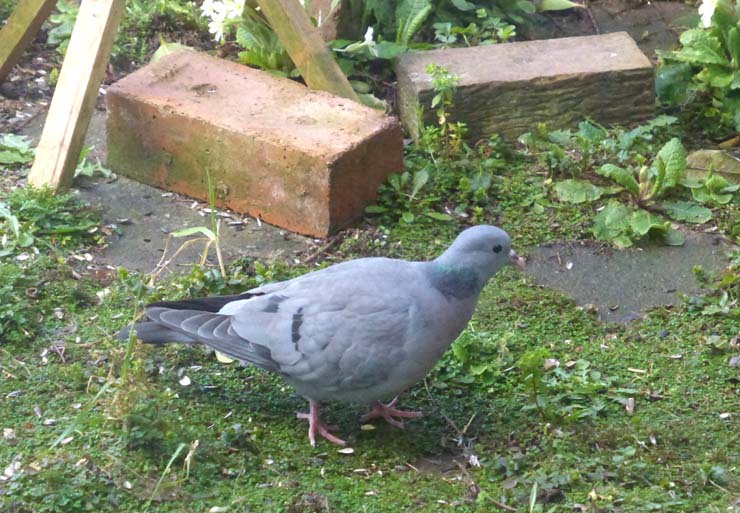
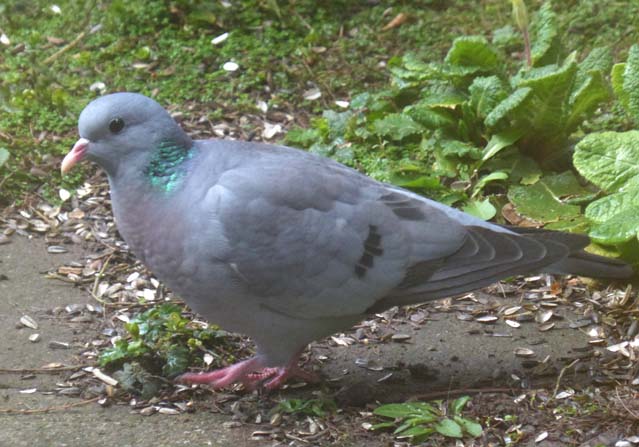
One regular visitor to our garden is the “Stock Dove” whose scientific name is columba oenas. This bird is a kind of pigeon, but a very unusual one for a city.

Normally, Stock Doves live out in the countryside and may congregate in their hundreds to feed in fields or on stubble which has been recently harvested. They also like to live in the parkland which surrounds large country houses. In England there are some 260,000 breeding pairs of Stock Doves but they are certainly an unexpected bird in a city suburb full of traditional 1930s houses like our own. Apparently, there has been an isolated colony of Stock Doves in suburban Sherwood for at least the last seventy years. They might even date back to the period before the houses were ever built:

P1000060

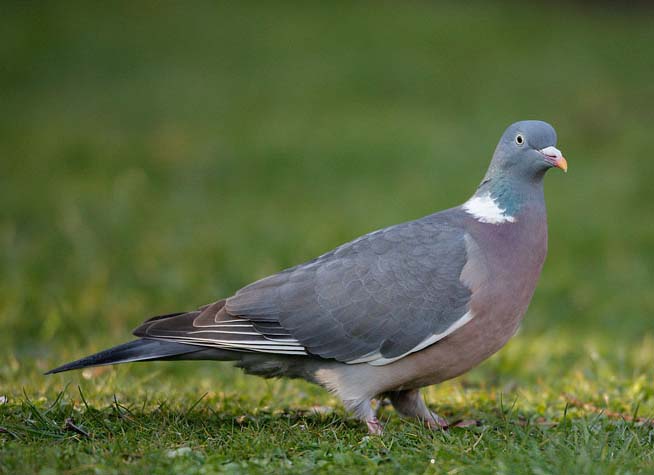
First of all, let’s eliminate the Wood Pigeon with the prominent white mark on its neck. This bird is a fantastic flier. It is the Lockheed Hercules of the bird world:

herc xxxxxxxxxxxxxxxxxx

It can easily manage sixty miles an hour or more, and it can easily do vertical take-offs, but its facial expression is permanently that of a slightly apprehensive, brainless, gormless idiot:

wood-pigeon-jlzzzzzzzzz

Stock Doves are not feral pigeons either. Stock Doves have dark eyes, whereas the feral pigeon’s eyes are often red. Feral pigeons frequently have diseased feet. A group of feral pigeons will never have any real uniformity of plumage. Any dark marks they may have on their wings will be a lot longer and more extensive than the markings on the wings of a Stock Dove:

This slideshow requires JavaScript.


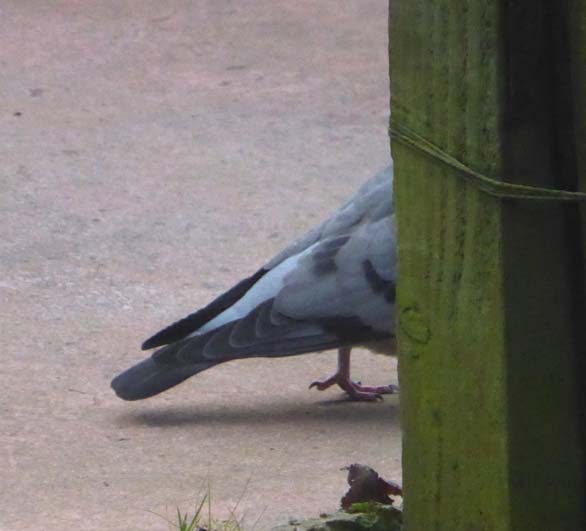
The markings of a Stock Dove are consistent. An iridescent green patch on the neck and two dark marks on the ends of the wings. As well as dark eyes, they also have pink legs and feet:

P1000009xxxxxxxxxxxxxxxxxxx

Like all birds, they have a nictitating membrane to protect the eye, in this case as the bird feeds with potentially harmful plant leaves to contend with:

P1000040

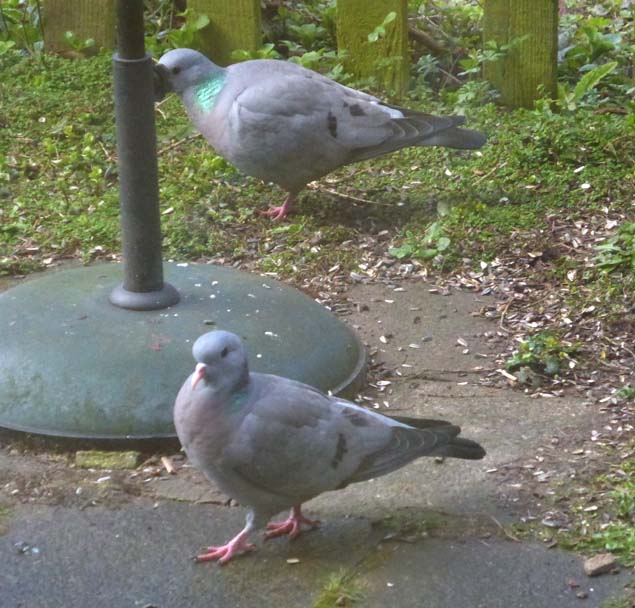
These are probably male and female. In birds of prey, the female is larger than the male, but otherwise, in almost every other species of bird, the female is 15% or so smaller. You would normally not notice this, but when the two are together, it can be quite obvious:

P1000070

Unlike feral pigeons, Stock Doves are quiet, almost shy birds and can be very self-effacing:

P1000008 xxxxxxxxxxxxxxxxxxx

11 Comments

Filed under History, My Garden, My House, Nottingham, Science, Wildlife and Nature

Gulls are the most puzzling of birds….

An extract from my old birdwatching diary, “Crippling Views”

Friday, September 23rd 1988

Another lunchtime visit to the local nature reserve at Attenborough. Look for the orange arrows:

This slideshow requires JavaScript.

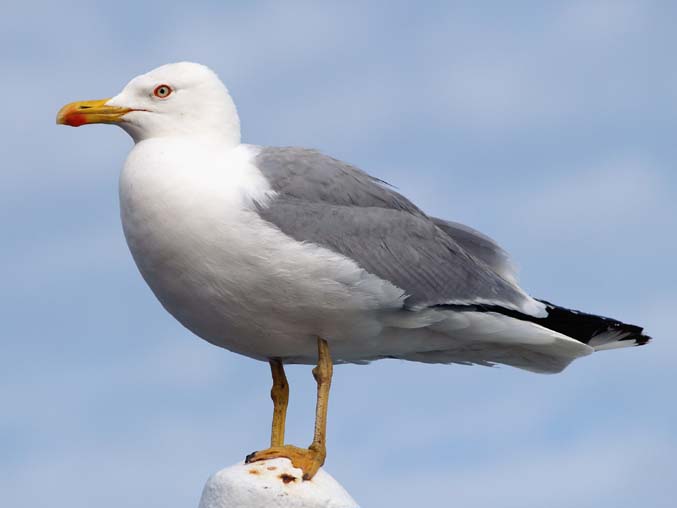
Paul has given me a stakeout for the Yellow-legged Herring Gull that is supposed to have been down here for the past few weeks, on and off :

OLYMPUS DIGITAL CAMERA

I also would like another look at the funny duck that was down here two days ago.  Unfortunately, the duck is not there when I stroll over to the river, and I have to abandon hope on this one, after a good scout round.

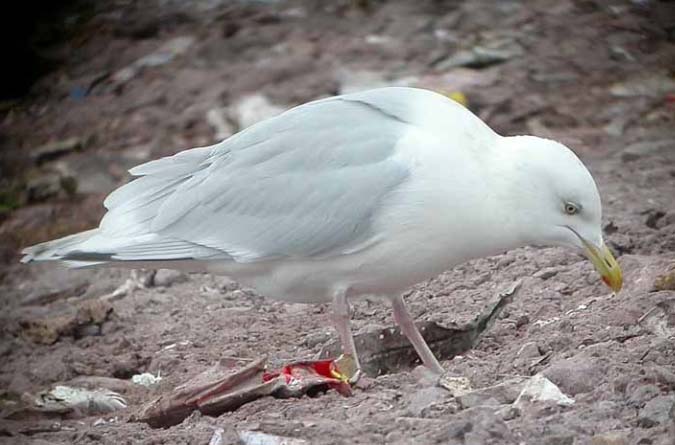
A brief inspection of the birch trees near the car park however does reveal the YLHG, which I feel fairly sure is the same bird that I saw two years previously on the Trent sluices at Colwick, four or five miles or so further up the river. The legs are a cracking bright yellow colour, but I am to a certain extent puzzled by the paleness in the grey of the bird’s back, which, according to Grant’s excellent guidebook “Gulls: a stringer’s guide” should be significantly darker than the normal Herring Gull, but I would say that this individual is definitely quite a bit paler than it should be. This is a normal Herring Gull:

KONICA MINOLTA DIGITAL CAMERA

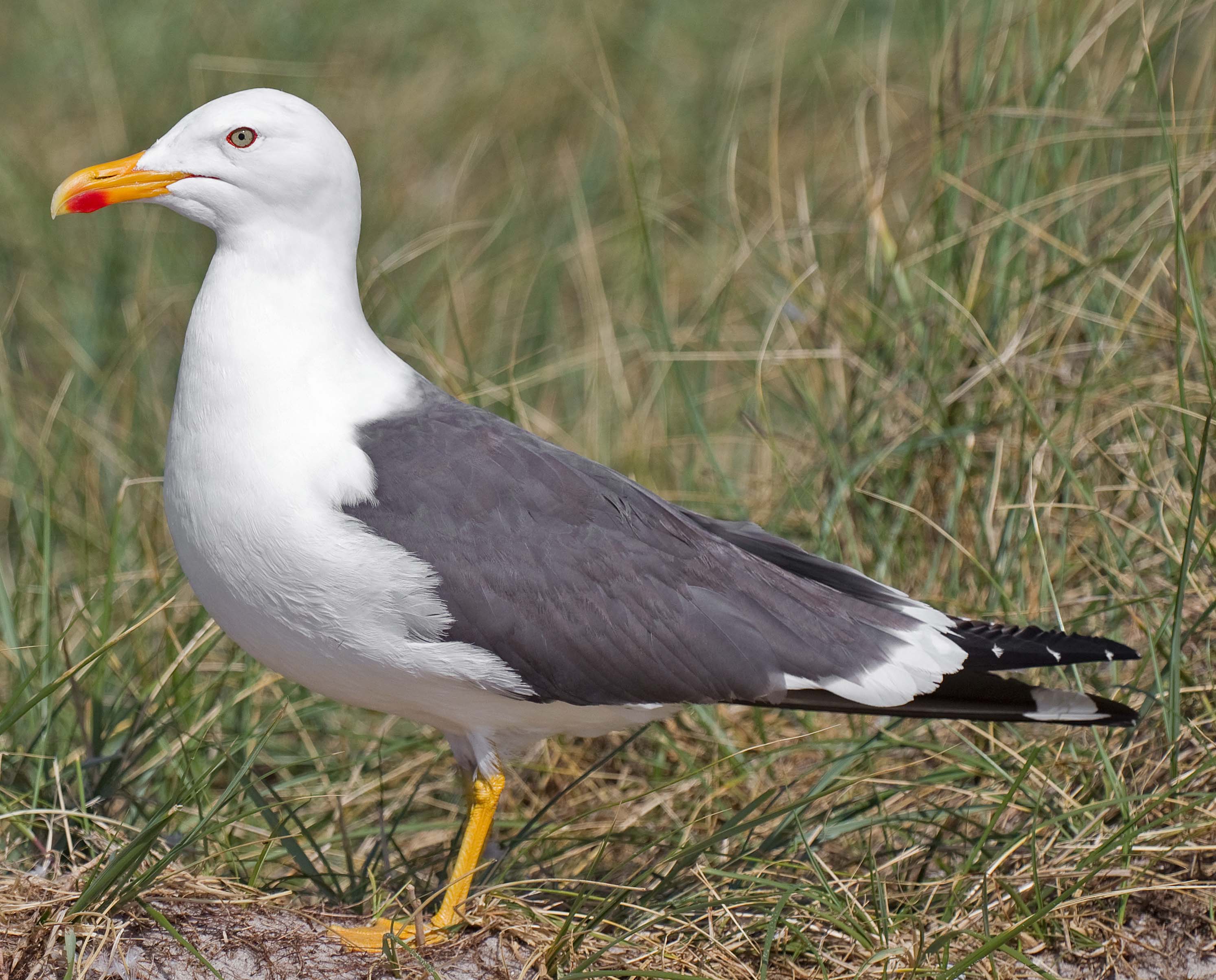
I am further puzzled by the presence on one of the lakes of an obvious Lesser Black-backed Gull. That bird, of course, has yellow legs, but again, seems paler than one might expect. Is it, therefore, a Darker-than-Normal-Yellow-legged Herring Gull?  Or a Lighter-than-Normal-Lesser Black-backed Gull? Who knows? And I am actually beginning to think:

“Who really cares?”

Here is a Lesser Black-backed Gull:

lesser black zzzzzzzzzzzzzzzzzzzzzzzzzzz

And if so, then what is the first bird?

I hate gulls. You’re always on your own when you see them. Or else you are with people so expert that they only ever discuss unbelievably rare birds and never ever mention common ones.

“Did you see the Red-Legged Kittiwake at Flamborough last week?”

“No, but I was lucky enough to find another Relict Gull yesterday, up near the lighthouse, second winter, third in the brood, it had a slight cough.”

This slideshow requires JavaScript.

Anyway, I tick the Attenborough Two as two more Firsts for Britain, namely California Gull and Slaty-backed Gull. Who knows? They might be.

This slideshow requires JavaScript.

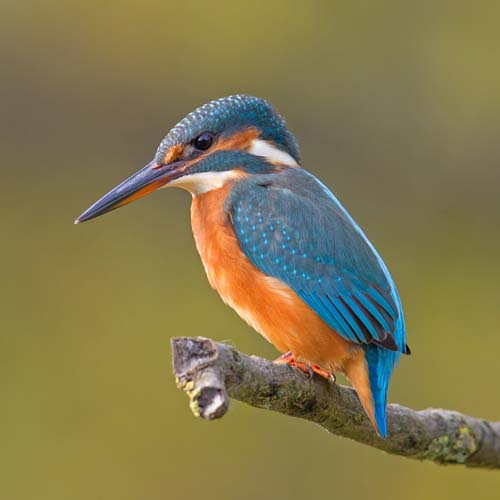
I make my way back to the car park. On the way I see a kingfisher:

Common_Kingfisher_

Thank God. At least you know where you are with a kingfisher. You never have to worry whether it’s a Glaucous Kingfisher or a Glaucous-winged Kingfisher.  A Brünnich’s Kingfisher or a Lesser Crested Kingfisher. It is just a kingfisher, a good bird to spot.

Gulls are the most puzzling of birds. Every single group of ten or more seems to contain at least one individual that might be of another very similar species. No wonder that American birdwatchers are reputed to arm themselves with photographic colour charts which allow a damned sight more than fifty shades of grey to be distinguished one from another.

And so many gull species hybridise on a regular basis. This is a frequent hybrid, the so-called “Nelson’s Gull”:

nrlsonxxxxxxxxxxxxxxxxxxxxxxxxxxxx

It has characteristics reminiscent of both Herring Gull and Glaucous Gull, its two parents:

This slideshow requires JavaScript.

On the other hand, it is really quite wonderful how Mother Nature can create so many different species across the whole world using black, white and grey as the colours from the genetic paint box, with mainly red, yellow or black for the beak and legs.

7 Comments

Filed under Nottingham, Science, Twitching, Wildlife and Nature

The Beast of Ennerdale: Part three

This is the third instalment of the story of the Beast of Ennerdale, a strange creature that rampaged across the Lake District in north western England in 1810. In five months, it killed almost 300 sheep, often just eating their soft organs and then lapping up their blood. The story of its ravages is told in the first two parts of this series:

eyes wolf

Nowadays, we have almost an almost unbelievable ability to make contact with each other instantly right across the globe. Furthermore, we have immediate instant access to unbelievable amounts of knowledge and information.
Until very recently though, that was just not the case. There was no television. No radio. No access to books. Most people were illiterate, especially in the countryside. Nobody knew very much at all about natural history outside their own country. Contrast our situation with life outside London in 1198. Richard the Lionheart was the English king then, and he was the proud owner of his very own private zoo in the Tower of London. Richard had been on the Crusades and he must have known a little bit about some of the wildlife in the Middle East. Perhaps that was the reason that he had a pet crocodile in his collection of animals:

crocs

One day, the animal escaped. It somehow made its way to the marshes of north Essex. The reaction of the locals, of course, was that a dragon had come to visit them:

alli

And what would the shepherds of the Lake District made of a giraffe? The very first one ever to be seen in England had only arrived on August 11, 1827, less than 200 years ago, and well after the début of the Beast of Ennerdale:

holle
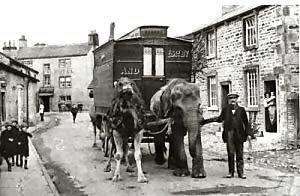
During the period of the Beast of Ennerdale, the whole country was visited by many travelling zoos. The cages were transported on wagons which were pulled around the countryside by horses. Conditions, of course, were appalling. The cages were cramped and the horses that pulled the wagons were grossly overworked.  No animal rights in those days. The Church taught that animals had no souls, so what you did to them was simply irrelevant. Work them until they drop and then leave them to die. And then you can eat them.
The most famous of these travelling zoos was Wombwell’s Travelling Menagerie, which had a total of fifteen wagons and a large number of exotic animals. Wombwell bought them directly from ships as they arrived in England. They included elephants, giraffes, a gorilla, a hyena, a kangaroo, several leopards, a number of lions, llamas, monkeys, ocelots, onagers (what?), ostriches, panthers, various snakes, tigers, wildcats and zebras:

wombwerr

Wombwell had a number of snow leopards and his rhino was publicised as “the real unicorn of scripture”. Other faulty labelling is actually known to have cost him money. What he exhibited as a chimpanzee is now thought to have been the first ever Gorilla to be seen in Western Europe.
Here is a link to the story of George Wombwell told by Wikipedia. It really is worth a look, with some really funny anecdotes on offer:

Menagerie_wombwells_1910

All of these menageries were rather careless with their animals and escapes were not infrequent. In 1835, for example, a lion and a tigress escaped together and four people were killed. And that is what takes us back to the Beast of Ennerdale.
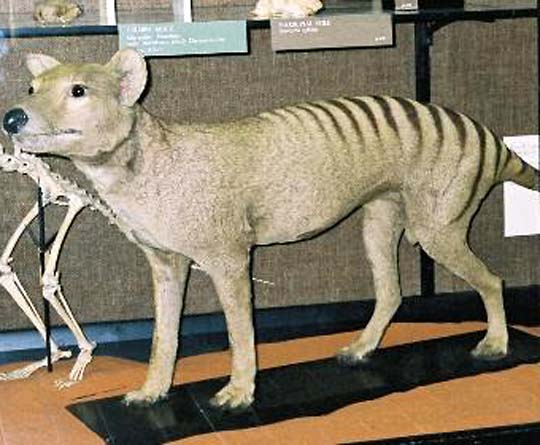
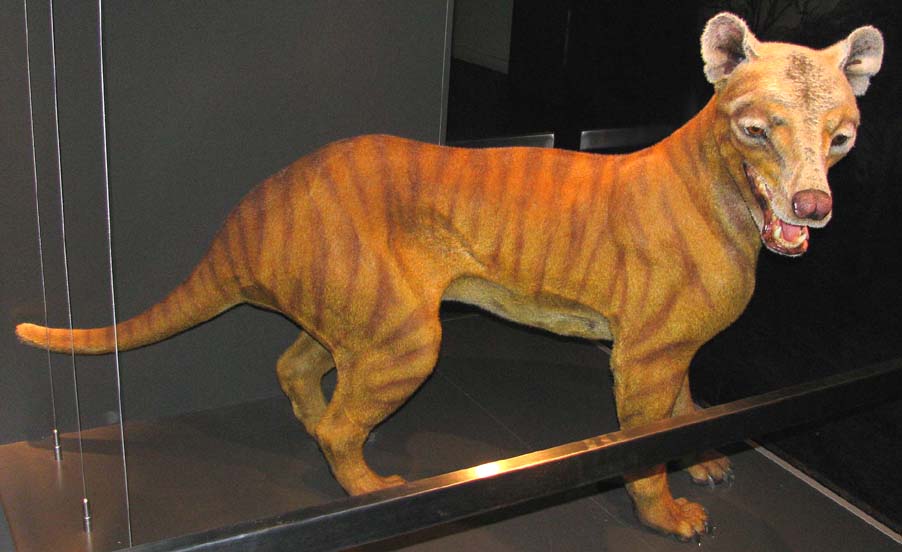
Apparently a number of the different travelling menageries had creatures which were exhibited as “tiger wolves”. Nowadays these animals are thought to have been thylacines, the so called “Tasmanian Tiger” or “Tasmanian Wolf”.

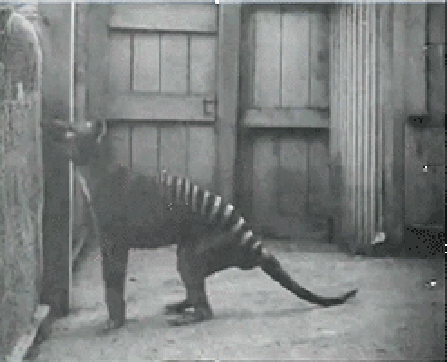
Here is a brief film, thanks to the Thylacine Museum:

The Museum also has a video where the extremely talented animal is apparently playing a piano, harpsichord type of thing:

So that is it! Mystery solved! The Beast of Ennerdale was an escaped Thylacine.

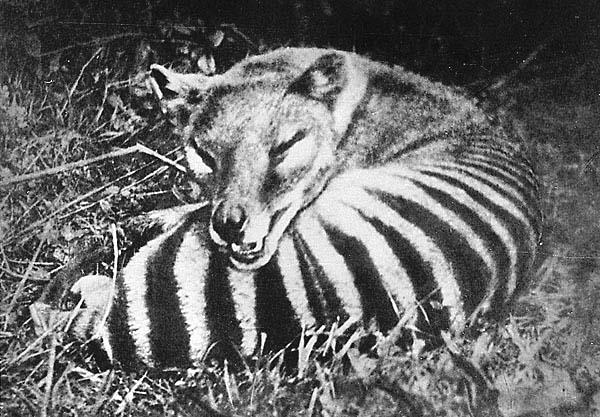
Nowadays, the Thylacine is extinct, of course. The last known specimen, “Benjamin”, died in captivity in Hobart Zoo on September 7th 1936:

thyl four

The Thylacine had dark stripes over its back and could be up to eight or nine feet in length:

thyl one

It was a marsupial which looked vaguely like a wolf and it ate flesh. It preferred the softer flesh to tougher meat such as the muscles.
The Thylacine was an apex predator and it was mainly nocturnal. Its behaviour was just like the Beast of Ennerdale because it retreated to the hills and woodlands in the daytime, avoiding contact with humans. It spent the daylight hours in caves or hollow tree trunks, sleeping on twigs or plant stalks. At night, it hunted the open heathland:

thyl two

Supposedly, back in the wilds of Tasmania, it happily preyed upon farmers’ sheep and poultry and apparently liked to drink the blood of its prey.
And with that information, I really thought that I had found a solution for the identity of the Beast of Ennerdale. I really did. I really, really did:

Thylacine-tring

A second level of internet research, though, shows that more or less all of the answers which have been suggested by the many websites which discuss the Beast of Ennerdale are most probably entirely wrong. The explanation of an escaped Thylacine is a very neat one, but modern science just dismisses it totally and completely.
Firstly, the blood drinking story seems to have originated merely from a single account heard at second-hand by Geoffrey Smith (1881–1916) in a shepherd’s hut in Tasmania. Not exactly a proven piece of Thylacine behaviour, certainly not enough to identify this creature’s presence in Ennerdale.
And killing and/or eating sheep? Well not really, apparently. Modern studies have now shown that the creature had the jaws of a wimp, not a wolf. It couldn’t have dealt with a dead sheep. Advanced computer modelling in 2011 showed that its prey size limit would have been in the region of only five kilos, animals such as the tiny possum:

thylacine_berlin_museum_10th_september_2011-167306

And here is a link to a second study from 2012, “Tasmanian tiger was no sheep killer”. These are not just amateurs’ guesses picked out of the air, of course. These are both scientific papers, published for the judgement of the zoological world. They would not have been published in reputable journals if they were not serious research carried out by serious scientists.
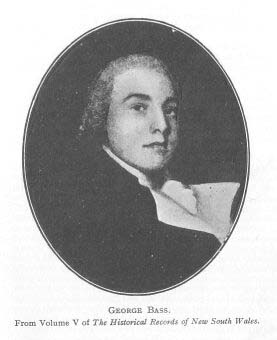
Instead, the Thylacine is seen nowadays as having been just a scapegoat for the widespread mismanagement of sheep farms in Tasmania. Furthermore, the killing of sheep was far more probably carried out by the European dogs which had first reached Tasmania in 1798 with the arrival of the explorer George Bass and a number of seal hunters:

George_bass

These men’s sled dogs interbred and their offspring subsequently dispersed into the temperate rain forest of the island. Some dogs were befriended by the aborigines but the majority just went wild.

During the period when Europeans were first coming across the Thylacine, therefore, there was already a population of feral dogs in Tasmania. They are far more likely to have been the animals responsible for the killings of sheep on the island, rather than the Thylacine. It was just easier for Europeans to blame a weird new animal than “man’s best friend”.
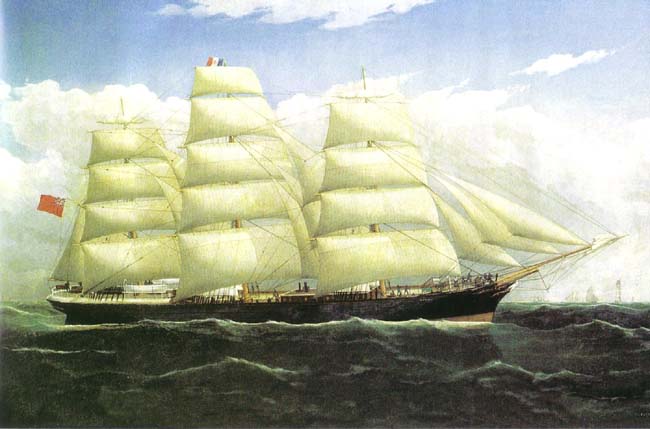
And what about the time schedule? How could a Thylacine have reached Cumberland for May 1810? At this time, the very best ships took a minimum of three months to reach Australia and a further three months to return to England:

SS_Dunedin_by_Frederick_Tudgay
The first thylacine had been seen by the French on May 13th 1792. They would not have told the English because, surprise, surprise, the two nations were at war with one another.  More than ten years later, the Lieutenant Governor of Tasmania sent the first full description of the animal for publication in the Sydney Gazette of April 21st 1805:

wild-thylacine-large

At that time, it was not a particularly familiar animal to the European people on the island. In June 1805, five convicts escaped from the only recently established penal colony. The establishment’s pastor, Robert Knopwood, wrote in his journal on June 18th 1805, shortly after the convicts had been recaptured:

“Am engaged all the morn, upon business examining the 5 prisoners that went into the bush. They informed me that on 2 May when they were in the wood they see a large tyger that the dog they had with them went nearly up to it and when the tyger see the men which were about 100 yards away from it, it went away I make no doubt but here are many wild animals which we have not yet seen”

thyl three

At this point, in 1805, no Thylacine had been captured. It had only been briefly glimpsed at a hundred yards’ range. Tasmania was the size of Ireland and more or less completely covered in forest, with only one small settlement of convicts. How on earth could a Thylacine have reached Ennerdale by 1810? Just look at the timetable:

“Captured in Tasmania, in 1806 at the earliest—shipped to Sydney—sent to England—didn’t die on the three month journey—bought by a zoo keeper in London—taken by horse drawn cart to the north (three or four weeks?)—escaped—seen in Cumberland, doing things we now know a Thylacine could not do”

Not very likely is it?
Anyway, here is a nice longer film of a Thylacine from LINCTasmania. It dates from 1964 and is a wonderful period piece, well worth watching, just for the accents and the product placement :

And finally, here are two videos about the Thylacine from my hero, MK Davis, the man who has been called “The Hippy from Mississippi”. He is a photographic analyst and is well worth your time. The first film is an analysis of a modern home movie, purporting to show an animal which may be a living, surviving Thylacine:

The second film from MK shows his thoughts on where Thylacines may survive nowadays:

And the Beast of Ennerdale? Well, the locals at the time thought it was a feral dog, and they may well have been right:

“No one knew to whom the dog had belonged, or whence he came ; but being of a mongrel breed, and excessively shy, it was conjectured he had escaped from the chain of some gipsy troop. He was a smooth-haired dog, of a tawny mouse colour, with dark streaks, in tiger fashion, over his hide ; and appeared to be a cross between mastiff and greyhound. Strongly built and of good speed, being both well fed and well exercised, his endurance was very great.”

On the other hand, unlike most dogs that I know, the Beast was never heard to bark, growl or howl. And why would you go to the considerable expense of stuffing the corpse and displaying it in Hutton’s Museum in Keswick if it were just “a cross between mastiff and greyhound”. Perhaps the Beast of Ennerdale was the Beast of Gévaudan on his holidays.

“C’était comme un chien, mais ce n’était  pas un chien”…

14 Comments

Filed under Cryptozoology, France, History, Humour, Science, Wildlife and Nature

The Beast of Ennerdale: Part Two

Last time I introduced you all to the Beast of Ennerdale, an unknown creature that rampaged over the Lake District in north western England in 1810. Here is Ennerdale:

1280px-Ennerdale

The original source for the tale was a book called “Cumbriana; or, Fragments of Cumbrian life” by William Dickinson. It was published in 1876, more than sixty years after the events it portrayed. Here, a typical chase after the Monster is described:

“One Saturday night a great number of men was dispersed over the high fells, watching with guns and hounds, but the animal avoided  them and took his supper on a distant mountain ; and the men not meeting with him, came down about eleven o’clock on Sunday morning and separated about Swinside Lane End:

Swinside

In a few minutes after, Willy Lamb gave the “view halloo.” He had started the beast in crossing the wooded stream, and away went the dog with the hounds in full cry after him. The hunt passed Ennerdale Church during service ; and the male part of the congregation, liking the cry of the hounds better than the sermon, ran out and followed. It has been said the Reverend Mr Ponsonby could not resist, and himself went in pursuit as far as he was able. This run ended at Fitz Mill, near Cockermouth, in a storm which the wearied men and dogs had to encounter in a twelve-miles return.”

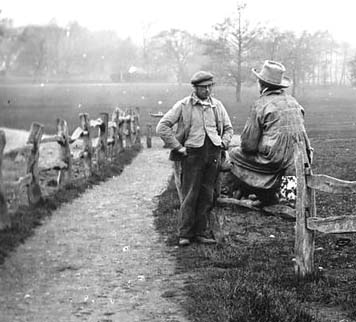
The Beast’s identity was still a matter of considerable debate for the locals:
rustic

Some thought it was a lion. Some thought it was a tiger. Some thought it was a wolf. One wealthier farmworker, who had recently been to France for his holidays, said that it was “Like a wolf but not a wolf”.

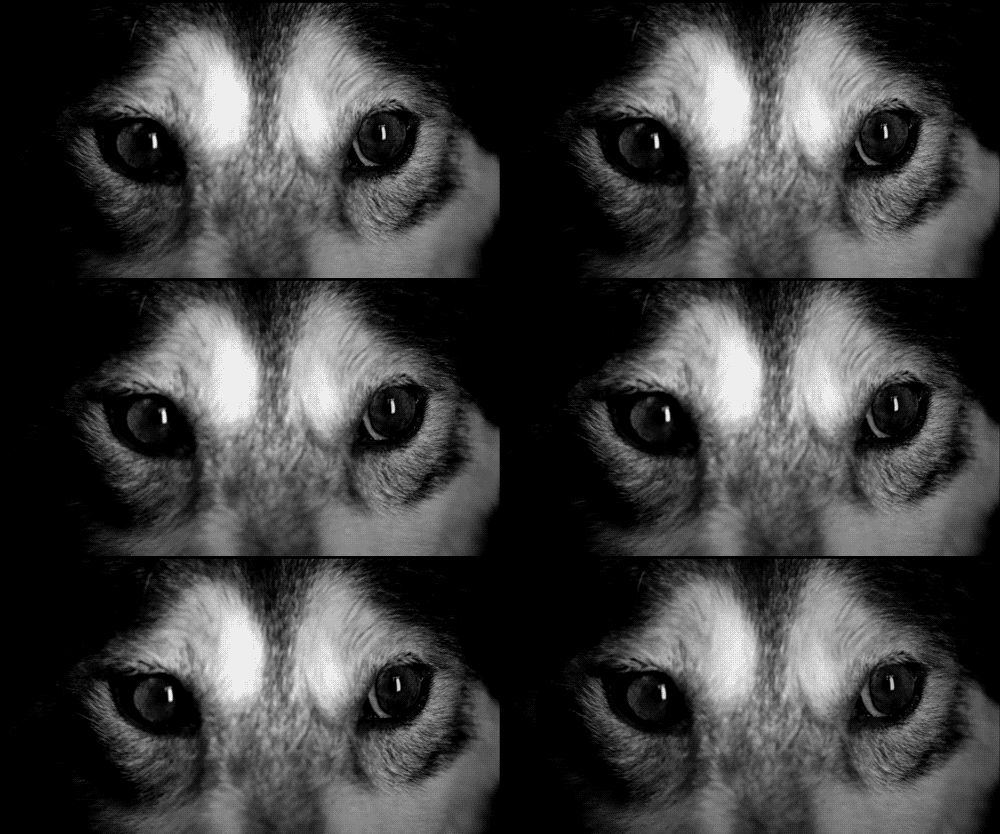
And exactly as had been the case in France, many of the local peasants thought it was a werewolf, although the one who had been to France for his holidays, said it was “un loup-garou” or even “un rougarou”. Proof of the supernatural qualities of this Beast came in the fact that it drank blood:
eyes wolf

Just as a piece of information, there were no wolves in the Lake District at this time, and had not been for, probably, the best part of 400 years. The most recent record of wolves in England came, most fittingly, from Nottinghamshire where, in the reign of Henry VI (1422-1460), Robert Plumpton, who owned land in Nottingham itself, was given the job of “chasing wolves in Sherwood Forest”. By 1500, wolves were totally exterminated in England.

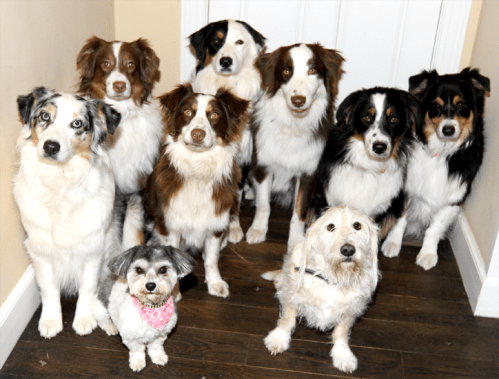
Whatever the Beast of Ennerdale was, the locals came up with a cunning plan to catch it. Somebody thought of putting together all the best hunting dogs into an élite pack, a Special Forces Unit which would hunt down the Sheep Slayer once and for all:
pack dogs
There was a pursuit which lasted several days. Finally, the poor monster was flushed from cover. It fled, but the hounds caught it. The plan now went pear shaped though, as the Beast took on all of the Special Forces dogs at once in a ferocious combat. Several of these ninja sheep dogs were killed outright in a matter of minutes. All the survivors then suddenly changed their minds and headed off home, to the safety of their nice safe kennels. Obviously, whatever the Beast was, “dog” could pretty well be crossed off the list.
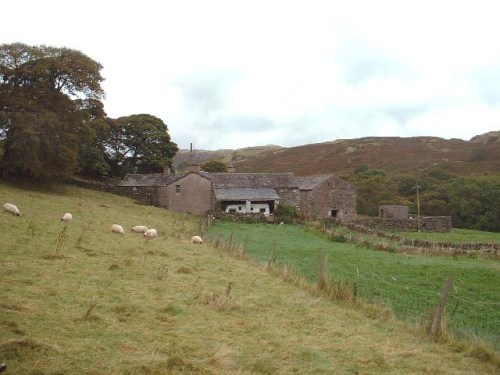
And just as was the case in distant Gévaudan, there were the hard luck stories. William Jackson who lived in the middle of wild and lonely mountains at Swinside, had his musket loaded and ready, as he left his wild and lonely farm. Here it is, as it looks today:
Cragg_Hall_Farm_-

The Beast was watching him, just thirty yards away. William took careful aim, pulled the trigger and the fifty years old relic of a rifle failed to fire. The Beast, of course, made his escape easily.
On another occasion, a group of men, armed to the teeth, along with their pack of hounds, had the Beast surrounded in a small wood and totally at their mercy. It charged out and the weakest link in the human chain duly lost his nerve, dived out of the way and the chance was lost.

Interestingly enough, an incident very similar to this happened with the Beast of Gévaudan and with at least one of the other French creatures. The Beast of Ennerdale, though, continued onwards and knocked over an old chap called Jack Wilson. Jack was collecting wood for his fire but was completely unaware of the Beast’s presence, because he was totally deaf.
The guilty nerve loser was probably Will Rothery who is actually named in another very similar version of the tale. Will explained that he failed to take his easy shot at the animal because he was so surprised by its huge size and unexpected appearance. I would expect Mr Rothery’s fellow hunters might have had something to say about that. Later, Will Rothery was to testify that he thought the animal was some kind of lion.

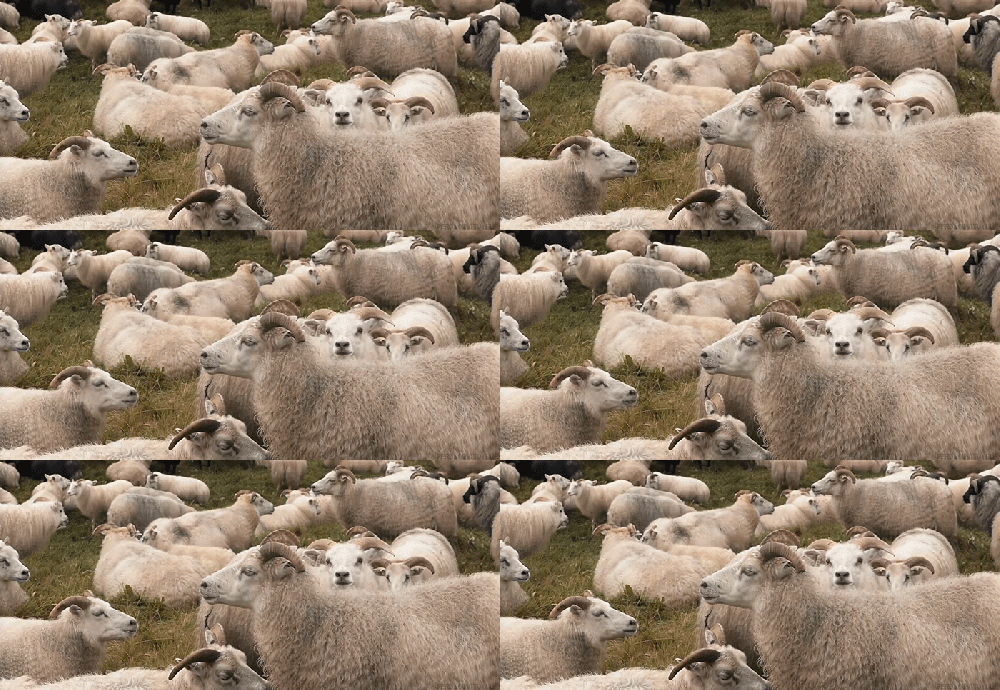
Meanwhile, in Cumberland, the slayings continued. Sheep continued to die in large numbers:
sheer

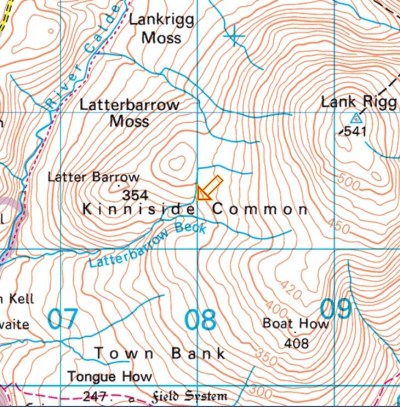
Great was the disappointment, therefore, when, one fine morning in July, an enormous army of more than 200 armed men, with their hounds, found themselves scouring Kinniside Fell after the Beast had been seen moving away towards Hopehead. The contour lines show how steep the sides of the valley were. Look for the orange arrow:
kinniside

The huge pursuit went on, along the tops of the mountains between Wasdale and Ennerdale. And then it was the wild slopes of Stockdale Moor and then, finally, a cornfield near Calder Bridge.
But the enormous, and prolonged hunt was in vain. After they had waited for hours, not a single Beast was found hiding in the corn. Somehow, it had slipped away.

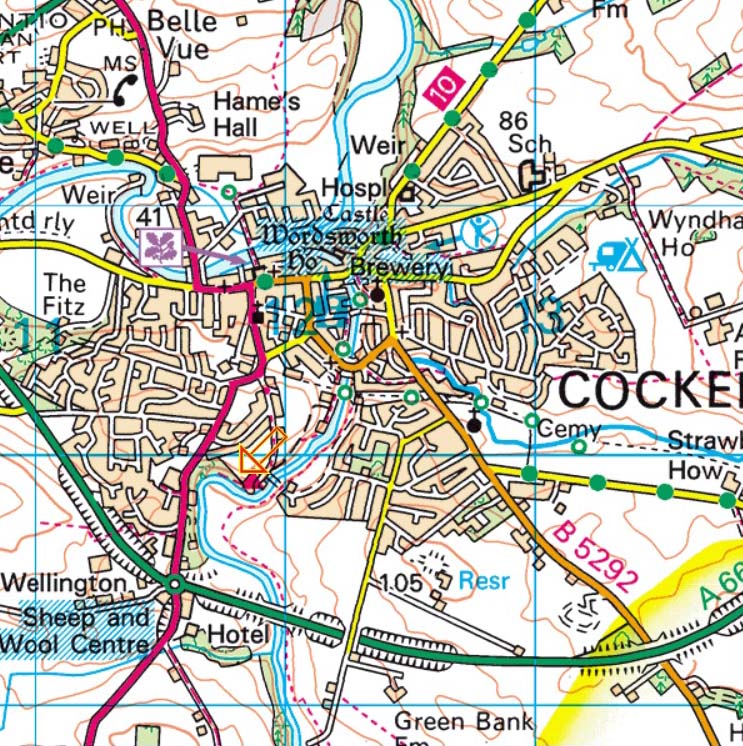
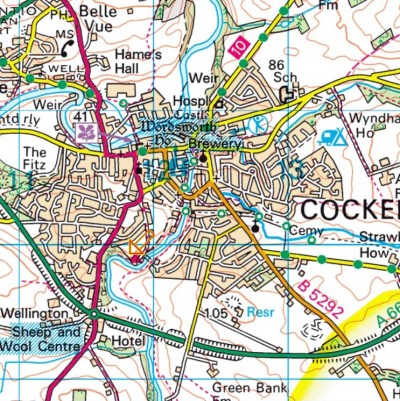
And then there was another wasted, breathless chase through Drigg and out to Seascale, right on the coast of the Irish Sea itself. Overall, the Beast took its admirers on many tourist trips around the fringes of the Lake District. Kinniside. Lamplugh. Through the icy waters of the Marron. Out to Little Clifton and then to sunny Workington. Or perhaps they would have preferred Seaton or the Fitz Mill at Cockermouth. Maybe Irton or Dent Hill or Egremont or even St. Bees. Here is the wonderfully named Cockermouth. The orange arrow indicates the Fitz Mill :
cockermouth
And still nobody knew what the Beast was. Hundreds of people, noblemen, farmworkers  and professional hunters had all seen it. And it remained an enormous puzzle. Meanwhile the death toll mounted. And still they were haunted by the worry that it might one day change from drinking sheep’s blood to killing children.
The longer it went on, the more gloom and despondency the locals felt. As autumn approached, they all made the conscious decision to accept the losses of sheep temporarily, but above all to make sure that the harvest was gathered in. All the hunts were abandoned for the moment, as gathering in the harvest continued apace:

George_Cole_-_Harvest_zzzzzzzzzzzzzzzzzzzzz
By September, the hunters were back, combing the hillsides and fields for the Beast. Now the writing was on the wall. No animal, however secretive and cunning, could continue for ever to elude so many hundreds of pursuers:

aa-bete-des-vosges-cxzcfe
A significant chance event occurred on September 12th, when the Beast was seen by Jonathan Patrickson to go into a cornfield. The tale is told by William Dickinson in his “Cumbriana; or, Fragments of Cumbrian life”. It starts with some traditional Lake District Gibberish:

Jonathan quietly said, ” Aa’l let ta lig theer a bit, me  lad, but aa’l want to see tha just noo.”

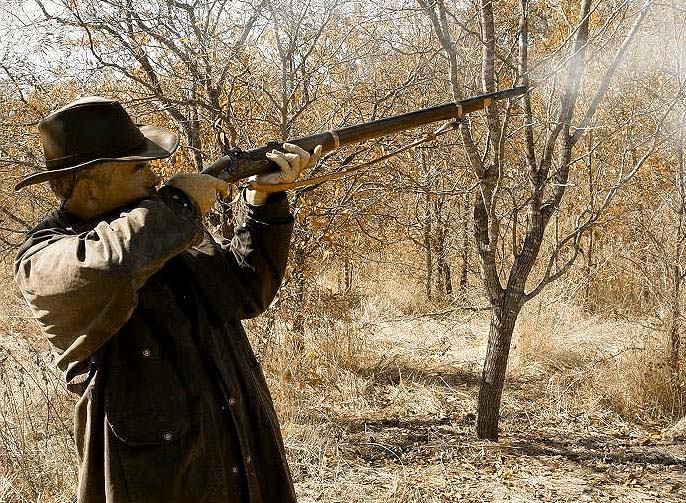
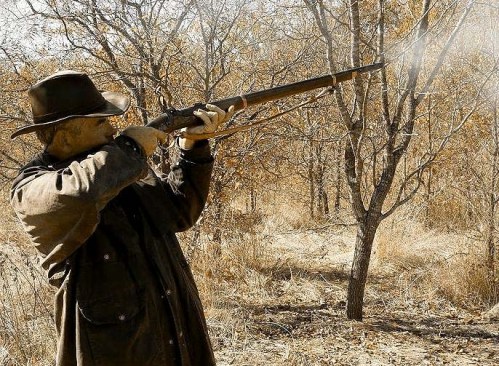
Away went the old man, and, without the usual noise, soon raised men enough to surround the field. As some in their haste came unprovided with guns, a halt was whispered round to wait until more guns were brought and the hounds collected. When a good muster of guns and men with dogs were got together, the wild dog was disturbed out of the corn ; and only the old man who had seen him go into the field was  lucky enough to get a shot at him, and to wound him  in the hind quarters:
Replica_Remington_Zouave_firing

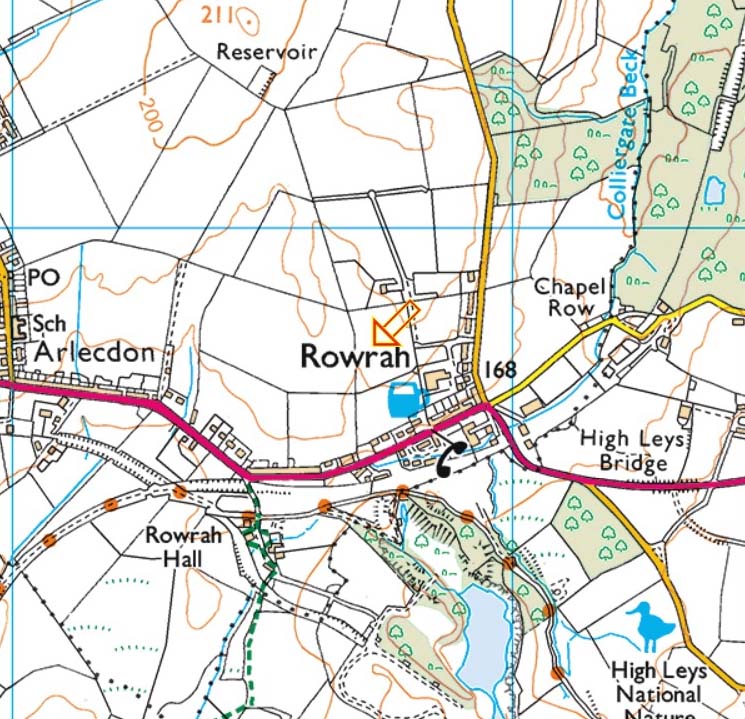
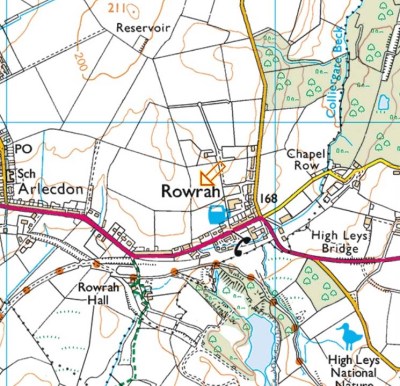
This took a little off his speed, and enabled the hounds to keep well up to him, but none dared or did engage him. And, though partly disabled, he kept long on his legs and was often headed and turned by the numerous parties of pursuers, several of whom met him in his circuitous route from the upper side of Kinniside, by Eskat, Arlecdon, and Asby, by Rowrah and Stockhow Hall, to the river Ehen. Here is Arlecdon and Rowrah, indicated by the orange arrow:
rowrah

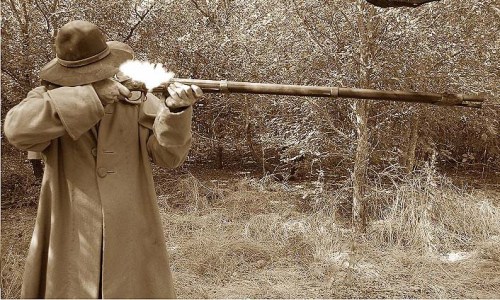
Each of these parties he fled from, and turned in a new direction till he got wearied. He was quietly taking a cold bath in the river, with the exhausted hounds as quietly looking on, when John Steel came up with his gun laden with small bullets, but dared not shoot, lest he should injure some of the hounds. When the dog caught sight of him it made off to Eskat Woods, with the hounds and John on its track, and after a few turnings in the wood, amid the greatest excitement of dogs and men, a fair chance was offered, and the fatal discharge was made by John Steel:
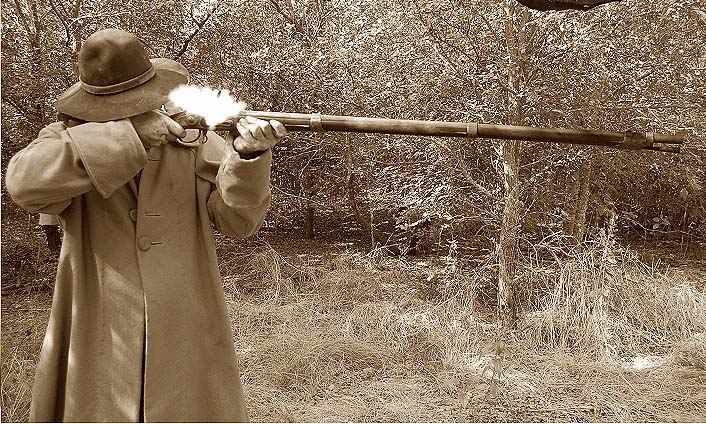
Brown_Bess_Musket_firing

The destroyer fell to rise no more, and the marksman received his well-earned reward of ten pounds, with the hearty congratulations of all assembled.

After many a kick at the dead brute, the carcase was carried in triumph to the inns at Ennerdale Bridge;  and the cheering and rejoicing there were so great that it was many days before the shepherd inhabitants of the vale settled to their usual pursuits.”

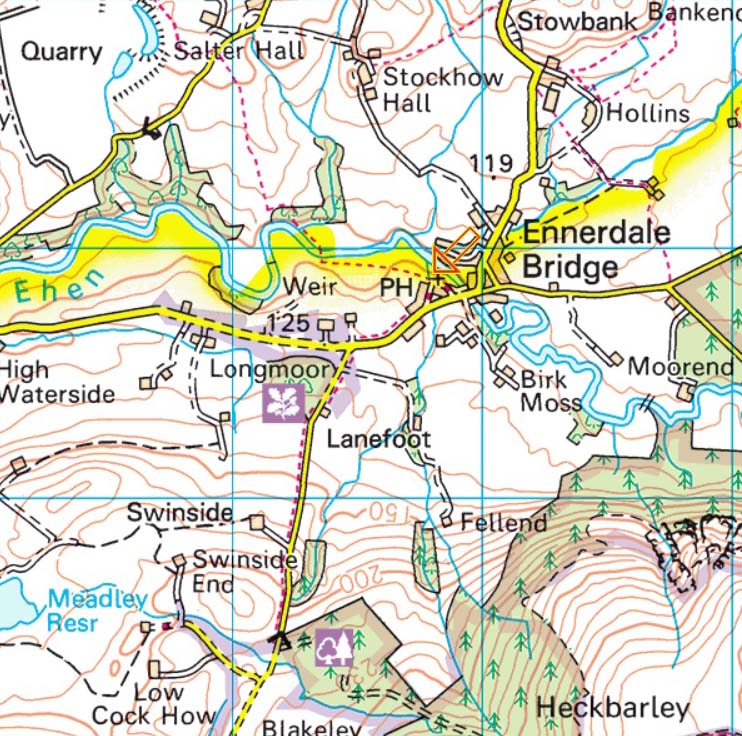
What was left of the mystery animal was taken triumphantly then to the various public houses at Ennerdale Bridge. On the map, the orange arrow indicates “PH” which means public house:

the pub

The locals, thirsty from the rejoicing and the cheering, clearly made serious attempts to drink the place dry:

Beer_Cans-1ccccccccccccccccccc

Not cans, though. They were not invented until 1935. Stick to bottled beer. Foreign, if they stock it:

Dutch_beersxxxxxxxxxxxxxxxxxxxxxx

The people who were still sober enough then weighed the animal (eight stone or 51 kilos: a big wolf is 100 kilos). They put it on a cart and paraded it around. It finished up in Hutton’s Museum, at Keswick where the resident taxidermist stuffed what remained of the animal after the Special Forces hunting dogs had all had a free bite each. It was given a collar round its neck, stating that the wearer had been the destroyer of nearly three hundred sheep and lambs in the five months of his Ennerdale campaign.

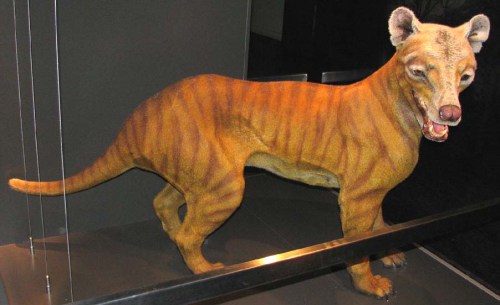
When the Museum closed in 1876, the Beast, though, was lost, and that was that. Another tale says that the curator of the Museum just decided one day that it was too tatty and too moth-eaten to be kept and the strange stripey Beast was simply thrown in the dustbin:
thylacineimg_1230

Whatever the truth, the Beast was still unidentified. So what was it? Just a dog?
Well…have a think, and I’ll tell you the extremely cunning theory in my next article.
Meanwhile, let’s finish with the Official Song of the Beast of Ennerdale. Unfortunately, perhaps, it has many, many verses, but this is the catchy chorus, sung to the tune of “D’Ye Ken John Peel”:

It was big,
It was strong,
It was eight feet long.
It could leap,
It could bound,
It could outrun any hound.

It had stripes and a tail, and it gave out such a wail,
And you’d find dead sheep in the morning.

6 Comments

Filed under Cryptozoology, France, History, Humour, Science, Wildlife and Nature

The Beast of Ennerdale: Part One

When I was researching the Beast of Gevaudan, and his many, many friends, both in France, Italy and a number of other countries, I was amazed to find “England” in one of the lists. I couldn’t believe it! An out of control animal rampaging in our well-ordered and generally wonderful country? A piece of slander by a lying, jealous foreigner, surely!

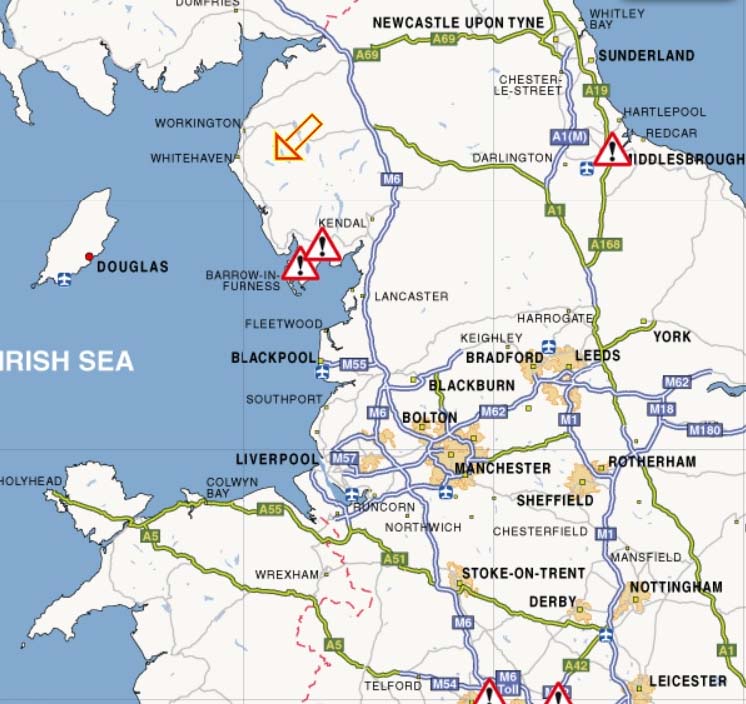
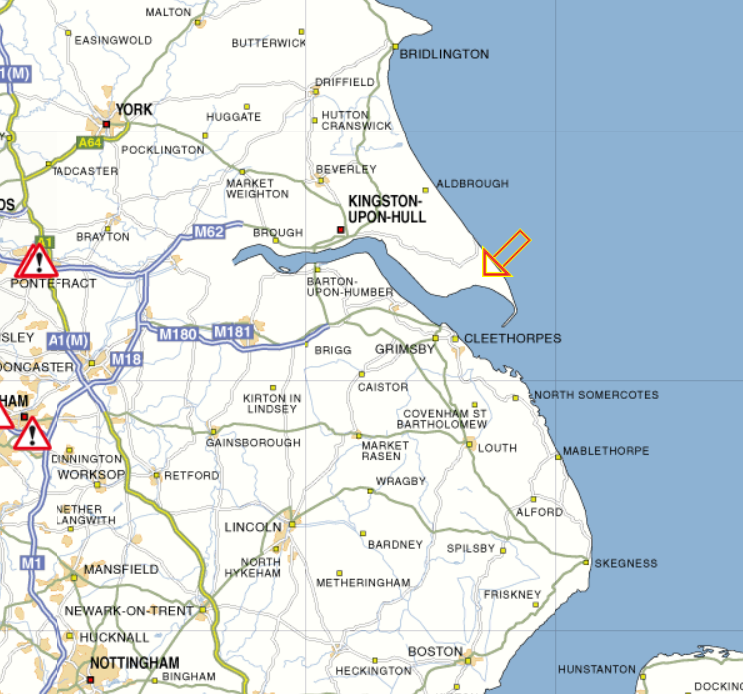
Well, apparently, no. The whole unfortunate business has been kept very quiet, of course, but in 1810, a mystery creature certainly did rampage across the wild countryside of the Lake District in north western England. Here is that beautiful area. Look for the orange arrow:

north of englasnd

The parallels with the Beast of Gévaudan were striking, the only difference being that the English victims were not pretty young shepherdesses or even little boys, but the sheep themselves.
The animal was dubbed at the time “The Girt Dog of Ennerdale”. To me, though, this is a singularly inappropriate name, certainly from the point of view of anyone who wants to attract tourists, rather as they do with the Loch Ness Monster.

“Where is Ennerdale?” you can hear all the tourists asking. “What does ‘Girt’ mean?” and “What is so special about a dog?”
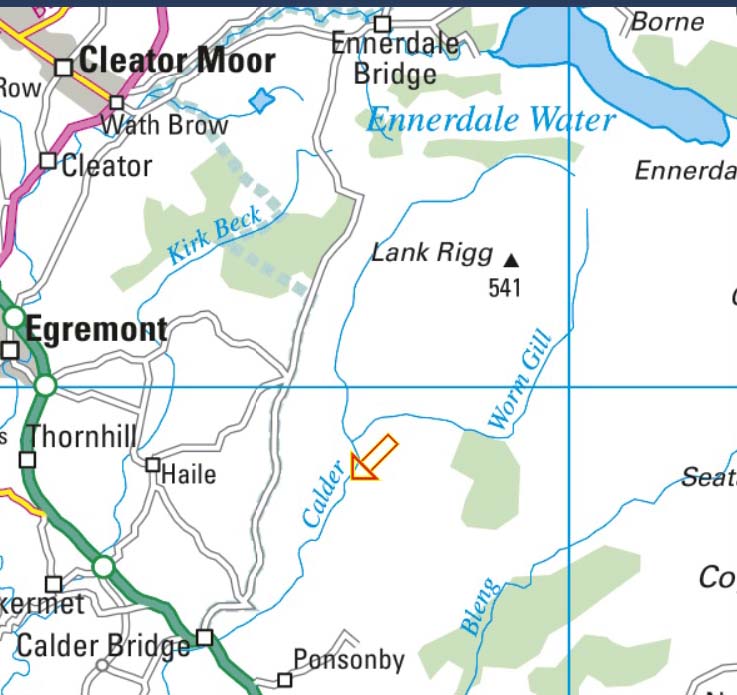
The saga of “The Beast of the Lake District” or, a more striking name perhaps, “The Beast of Ennerdale”, began in spring, or more precisely May, of 1810, when the body of a half consumed sheep was found on the bleak hillside above the lake called Ennerdale Water. On May 10th, Mr Mossop, who lived at Thornholme, to the south of Ennerdale Water on the way to Calderbridge, had a brief glimpse of an unknown animal far away, up on the mountainside. The orange arrow indicates his farm at Thornholme:

arrow = thornholme

Soon after this, an increasing number of sheep began to be attacked. Every night, at least one sheep would be killed.

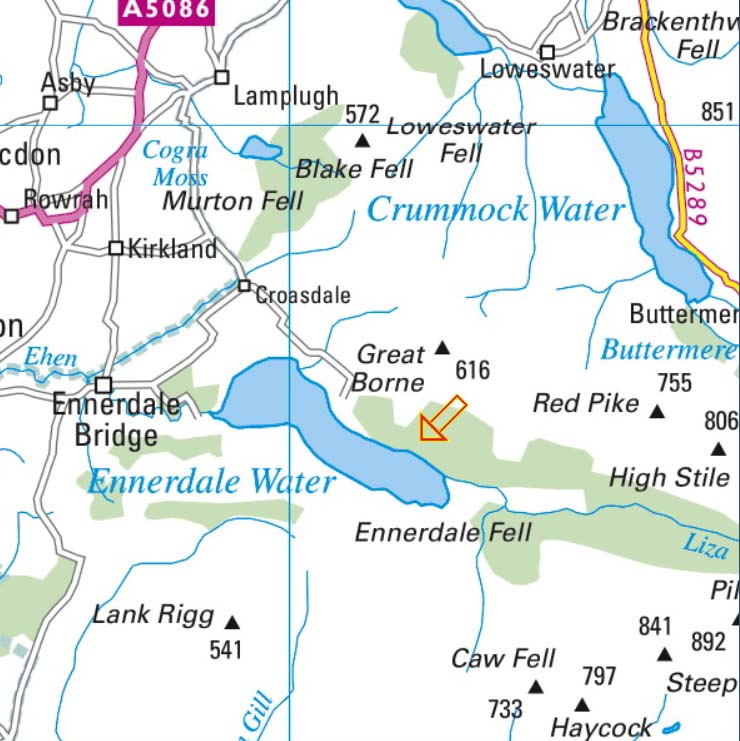
Clearly, a  monster was at large in the county, known at this time as Cumberland. At first the locals walked the hills, trying to find the animal. They had no success, which was not really surprising, given the extent of the hills, and in some cases, the extent of the forests in the valleys between them. One or two of the men had fleeting glimpses of the Beast, which always seemed to emerge just as night was falling. All they could make out was the animal’s size, which was extremely large. In the local dialect, “girt”, or “gurt” meant “great”, so the Beast was christened “The Girt Dog of Ennerdale”. This is Ennerdale. It is very wild country by English standards:

1280px-Ennerdale
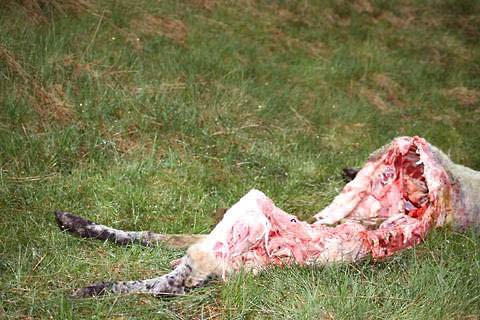
The ferocious Beast killed large numbers of sheep, far beyond what it would have needed for food. Furthermore, it killed its victims in a very unusual way: the corpses of the sheep had their internal organs consumed or even removed, and their blood was apparently drained from their bodies. This was no ordinary dog, feral or otherwise. It was not a fox either. No canid drinks the blood of its prey, and this planted a seed in the minds of a superstitious local population.
Indeed, if these 19th century farmworkers had had wider access to satellite television, I am sure that the spectre of cattle mutilation and UFOs would have raised their ugly heads:

ufo-585761_640

As the situation worsened, more and more men had to leave their ordinary work and their farms, take their dogs, and begin to comb the hills and woods in an effort to find and kill the monster.

Without any success whatsoever. The Beast of Ennerdale was just as elusive and cunning as the Beast of Gévaudan. It did not, on any occasion, stay in an area long enough to attack the same flock of sheep on two successive nights. Its self-secreting powers, the ways it could avoid capture and above all, its propensity for drinking blood soon had the superstitious locals believing that the animal was supernatural. It was soon christened, if that is the word, “The Vampire Dog of Ennerdale”:

snarling

Just like the Beast of Gévaudan, it seemed to have a power over ordinary dogs who normally would have been reasonably courageous. Instead, the locals’ dogs would shrink away when asked to follow the Beast’s trail and, as dogs apparently do with Bigfoot, they often just refused to track.  The dogs were clearly scared stiff of something that they could understand, but their human owners could not.

Sometimes, when the dogs were a little more positive and were actually pursuing the Beast, it would occasionally let just one catch up and then seize it and crush its forelegs in its powerful teeth.  None of the other dogs would then go near it. The Beast was so fleet of foot that it usually only had one dog to deal with at any one time, as all the pursuing dogs would be chasing it at different speeds.
The death toll of sheep continued to mount by the day. Eventually, as a minimum, the unknown killer was slaughtering half a dozen sheep every night. Occasionally the total would mount to eight or ten. This only added to the villagers’ superstitions, of course:

sheep bones zzzzzz

The Beast clearly took sadistic pleasure in ripping sheep to pieces, often to leave them uneaten. On occasion, he would even leave them alive. One of a particular farmer’s favourite rams was watched by the dawn’s first light as the Beast attacked it. The latter ripped out and ate great lumps of best quality mutton from the poor animal’s rear quarters. The crippled victim was then left in the field, unable to fight back, unable even to walk, as its hind legs were paralysed.  Another sheep suffered even worse. The shepherd drove the Beast off as it was feasting and then found that the mutton had been stripped off the ribs behind the shoulder to leave visible the poor animal’s still beating heart.

Soon a prominent local, John Russell, put up a £10 reward for what he thought was a huge dog, “Dead or alive” as they say. An even better offer was free beer for the people who kept watch for the Beast. Mr Russell, of course, owned his very own brewery in Whitehaven. He also had a direct interest in the Beast as he was the owner of 3,000 acres of sheep farming land in Ennerdale. Here is a general map of the valley:

ennerdale water

The offer for the combatants of free food and especially, alcoholic drink, was taken up by other wealthy sheep farmers who provided as much as £12 for refreshments. Others showed their willingness to provide free meals for all Beasthunters over a certain fixed period of time at a certain location, such as their farm or large house.
Nothing succeeded. And then, just as with the Beast of Gévaudan, a feeling of panic began to sweep the area. Parents would keep their children indoors all day long, too scared to let them go out and play.
The Beast seemed just so calculating and so shrewd. Cleverer than a mere animal. Cleverer than a fox. No traps ever came close to catching it. It was wary and watchful:

yello eye
People thought that it spent the day high up in its look-out place, watching the scared natives far below in the valley make huge but vain efforts to catch it. The animal’s senses of sight, hearing, and scent, were so acute that it was a rare event indeed, for anybody to come upon it unawares during daylight hours. When it was accidentally approached in daytime, surprisingly perhaps, the animal never did anything vicious towards humans, and always took to its heels. The Beast never uttered the slightest sound, not a single bark, growl or howl.

As happened with its French counterpart in Gévaudan, the dead sheep were all poisoned and left out on the hillside. The Beast was no more attracted to these carcasses than it was to the many traps which were optimistically set to catch it.
One of the more subtle sheepfarmers even tried leaving out a dog on heat to attract the Beast within musket shot, but he had no success with this cunning plan:

nature-50514_640
The male dogs, of course, as soon as they caught the distant scent of the Beast, still continued with their policy of cowering and whimpering. They refused absolutely to follow this strange, ferocious animal.
As the weeks went by and the summer drew towards its close, the Beast was beginning to have a very negative effect. While the men were all off chasing it, the poor cows often had to wait to be milked. Horses too were not looked after properly and often went hungry. Fields were neglected. Years before computer games, the poor little children were confined to their homes as their parents were too frightened to let them out of their sight. And all this neglect had its impact on the womenfolk of the area who tried (I almost wrote ‘manfully’) to make up for their absent husbands and servants.
Finally, a shepherd out on the hillside, watching his flocks not by night but in the cold grey light of the early morning, caught a clear sight of the monster. In actual fact, his description was not desperately helpful, but to anybody who had ever heard of the Beast of Gévaudan, it had some strangely familiar elements:

p_AD48_gravure_bete_14Firstly, the Beast of Ennerdale was pale brown or sandy coloured. It was well built and solid. And it was very large. Its jaws seemed unusually large and wide and it had dark stripes on its back. It was a strange mixture of the features of both a very big dog and a very big cat. It was really quick, and, as they found out later, it possessed enormous stamina.  The Beast was not like anything the scared shepherd had ever seen before.
After this, the Beast seemed to be spotted more frequently. Shepherds and the bravest of their sheepdogs would chase after it up the hillside. Occasionally a group of some fifty or so locals would assemble, seemingly at the drop of a tricorn hat, to set off following their various hunting hounds, racing across the mountainside.
That princely reward of £10 plus free beer for everybody who kept watch for the Beast attracted scores, if not hundreds of professional hunters to the land around Ennerdale Water. Beer, money and undying fame! What was there not to like?

Edinburgh

The would-be hunters, of course, had no success whatsoever. The phrase “Wild Goose Chase” might have been invented for their efforts. At one point there were more than a hundred men and several hundreds of their dogs racing back and forth across the desolate hills. Useless. The killing and the blood sucking and the soft organ eating all continued as before. By the end of the summer, more than 300 sheep had been killed.

Next time: “Chapter Two: This isn’t going to end well”.

14 Comments

Filed under Cryptozoology, France, History, Humour, Science, Wildlife and Nature

Victorian Cormorants and Victorian Shags

To keep birdwatchers on their toes, many birds exist in what are called “species pairs”. This means that you may know that a particular bird is either a Ruff or a Buff-breasted Sandpiper, but it will not necessarily be that easy to separate them:

This slideshow requires JavaScript.

And there are literally hundreds of these species pairs, some easy, some not quite so simple. House Sparrow and Tree Sparrow are unmistakable, but what about that rare vagrant to England, the Spanish Sparrow?

This slideshow requires JavaScript.

Montagu’s Harrier and Pallid Harrier, for females or juveniles at least, will require careful and probably lengthy examination:

This slideshow requires JavaScript.

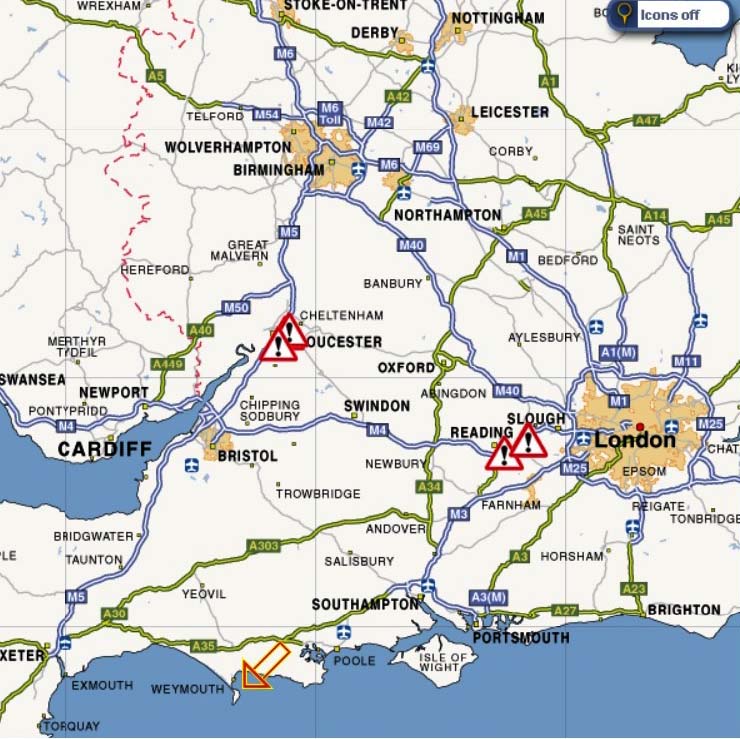
Occasionally, a particular bird will never be identified for definite. Nearly thirty years ago, I drove all the way to Weymouth in Dorset, a round trip of nearly 500 miles, to see a Pipit which was present from mid March to early May 1989, in a field near the Observatory. Look for the orange arrow:

wetymouth

It was either a Richard’s Pipit (not that rare) or a Blyth’s Pipit (one of the first two or three ever in England). Here they are:

This slideshow requires JavaScript.

And the controversy has never really been solved. Indeed, this particular bird is usually known to twitchers as the “Portland Pipit” after the Bird Observatory in whose fields it spent the winter.

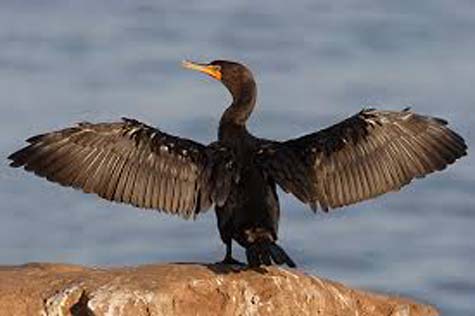
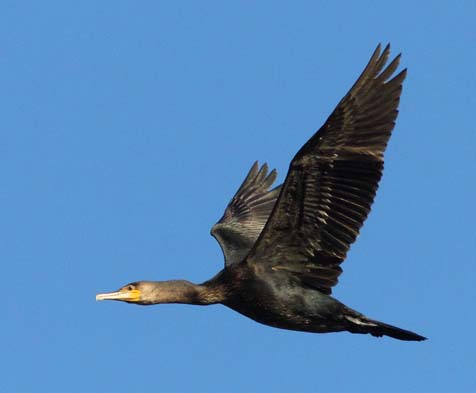
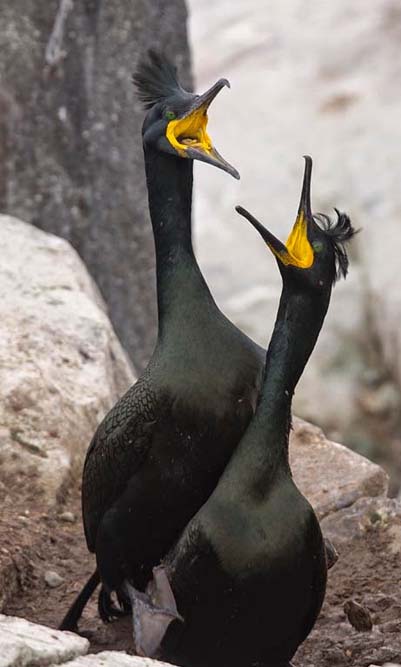
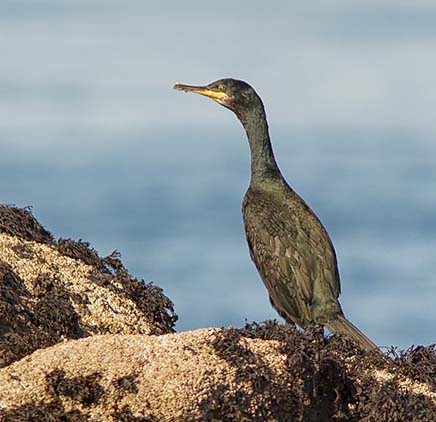
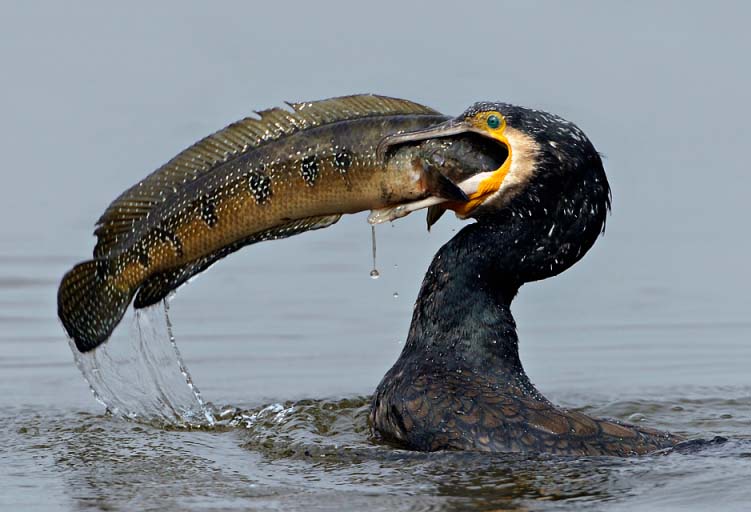
In the Victorian era, of course, without modern telescopes worth more than my car, and, more importantly, field guides with colour photographs, many birds remained unidentifiable especially if they were both fairly rare. One such pair, which I still find challenging enough even now, is the Cormorant and the Shag. Here is a Cormorant:

gret corm xxxxxxxxxxxxxx

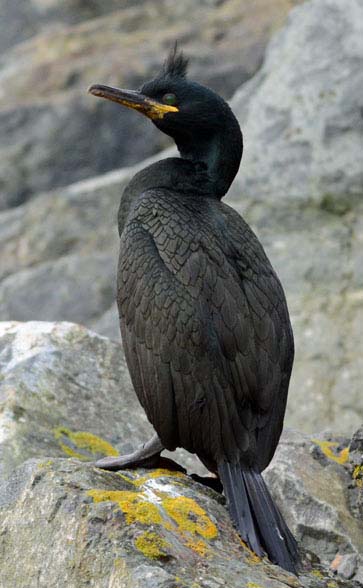
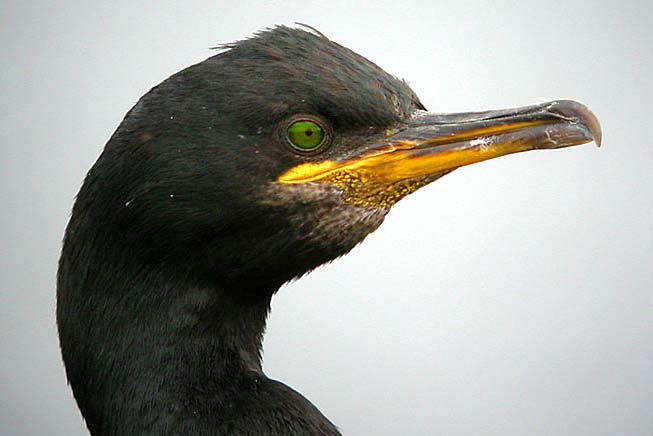
And here is a Shag:

shagbbnn xxxxxxxxxxxxxxxxx

You can probably guess what the Victorian solution was to this problem, at least as far as a rare bird was concerned. You shot the bird, if at all possible.

SHAG-03 xxxxxxxxxxxxxxxxx

With all that in mind, let’s take a trip back to the real era of Steampunk:

“According to H.E. Forrest in a letter to “The Zoologist” magazine, it was on an unrecorded date during the year of 1863 that a single Cormorant was shot at Lamb Close Reservoir near Eastwood and acquired for the collection of Joseph Whitaker:

“The keeper had seen it about some few days and noticed when he put it up, it always flew over the boathouse to another pond beyond. He told Mr Percy Smith, who was staying there, who the next morning took his gun and stood by the side of the boathouse; the keeper rowed round the lake, the bird rose, came as usual and was shot. Just as Mr Smith was lowering his gun, another large bird followed and shared the same fate; on getting to it, he found it was an immature Great Black-backed Gull; thus he brought off a very curious right and left, and secured two very rare Notts birds, which through his kindness are now in my collection.”

cormorant d xxxxxx

Thirty years later, in 1893 came the appearance of another Victorian anecdote about cormorants, this time concerning a famous bird at Newark on Trent. Once again Joseph Whitaker tells the tale:

“I am indebted to Mr Cornelius Brown of Newark on Trent for the following very interesting note : during October 1893 Newark was a centre of interest to naturalists and others owing to the visit of a friendly cormorant which continued to perch week after week on the arrow on the top of the spire of the Parish Church. The Times, Standard, and most of the leading newspapers noticed the incident while Punch magazine had some poetry upon it. The bird went away several hours each day to fish in the Trent, and returned after its sport to its lofty perch, where it might be seen trimming its feathers and making himself smart and comfortable. It left on Friday, November 17th, the day after a heavy storm, after a state of eight weeks save one day.”

The poem appeared in the comical magazine Punch on November 11th, 1893, and is a surprisingly radical comment on the church in general and clergymen in particular. It went thus:

“We are told a Cormorant sits, and doth not tire,
For a whole month, perched upon Newark spire!
Vinny Bourne’s jackdaw is beaten, it is clear
Yet there are cormorants who, year after year,
Perch in the Church. But these omnivorous people
Favour the pulpit mostly, not the steeple
Thrivers upon fat livings find, no doubt,
Cormorant within is cosier than without.”

Wikipedia tells the tale of Vincent “Vinny” Bourne, a Classical scholar who wrote a comic poem about a jackdaw which lived on a steeple.(In Latin, of course)

cornoran

For some people, the Cormorant was a bird of very ill omen. Out in the wilds of Lincolnshire:

“On Sunday, September 9th, 1860, a Cormorant took its position on the steeple of Boston Church, much to the alarm of the superstitious. There it remained with the exception of two hours absence, till early on Monday morning, when it was shot by the caretaker of the church. The fears of the credulous were singularly confirmed when the news arrived of the loss of the P.S.Lady Elgin at sea with 300 passengers, amongst whom were Mr Ingram, Member of Parliament from Boston, and his son, on the very morning when the bird was first seen.”

corm flying xxxxx

The Shag is very similar to the Cormorant, but is slightly smaller, a fact which is much more obvious when the birds are seen together. A single bird is often nowhere near as easy to identify as it is supposed to be. In the Victorian era both species were very rare in Nottinghamshire, so the chance of seeing the two together in order to make a comparison was never going to happen. For this reason, people had great difficulty in distinguishing between the two species of birds.

However in 1879, Joseph Whitaker wrote a letter to “The Zoologist” about some Shags which had turned up in the City of Nottingham itself.

“ON COMMON BIRDS IN NOTTINGHAMSHIRE.- ….Early in the same month, as some workmen at Nottingham were one morning proceeding to their work,  they came across two Shags, flapping about in Cross Street, and after an exciting chase caught them both. They were taken to T.White, birdstuffer, who tells me they dived for fish in his tank, eating several; he kept them alive for two days, but finding they “did not look like living”, killed and stuffed them. I have purchased them for my collection. Another was caught in a street close by, and the fourth was shot on Mapperley Plains. They were all young birds, possibly from the same nest, and having wandered away, got lost; or they may have been driven inland by a gale.”

shags xxxxxxxxxxxxxxxxx

In one of his newspaper articles about birds in North Nottinghamshire, published in the Nottingham Evening Post on June 21st, 1937 , Clifford W. Greatorex, a Fellow of the Zoological Society told the following story:

 “Finally, mention must be made of a Shag, three or four examples of which were recorded in early spring from various parts of North Notts. Contrary to a widely held opinion, the Shag does travel inland occasionally, although its inland visits are not so frequent as those of the more familiar and more abundant Cormorant.

sahg scilli xxxxxxxxxxxxxxxx

One of these visitors from the coast lingered on a part of Welbeck Lake, where it was seen by several reliable observers and its instinctive characteristics noted. Another, apparently injured in some way, was found in a field near a North Notts Village.

shag rutl xxxxxxxxxxxxxxx

The finder induced this bird, which could not fly, to enter a small pond, where it remained, and for the greater part of the week was fed by school children who brought it herrings, soaked bread and table scraps, all of which were devoured with avidity. Unfortunately, however, its injuries proved fatal, and one morning the young folk were grieved to find their new pet lying dead upon the bank.”

Nowadays, Shags remain fairly numerous on the rocky coasts of England, particularly in the west, but overall, they are probably diminishing in number. They are still very rare inland. Cormorants are extremely numerous, enjoying the many lakes conveniently filled with large fish for anglers to pit their wits against. At the moment, they are a protected species, but this may not last too much longer.

In the meantime, Cormorants will continue to entertain, as greedy but ever optimistic birds:

great-cormorant xxxxxxx


4 Comments

Filed under History, Nottingham, Twitching, Wildlife and Nature

A lovely old bird called Elsie

(An extract from my birdwatching diary “Crippling Views”)

Saturday, June 25, 1988

Birdline organises another weekend for me. Look for the orange arrows:

This slideshow requires JavaScript.

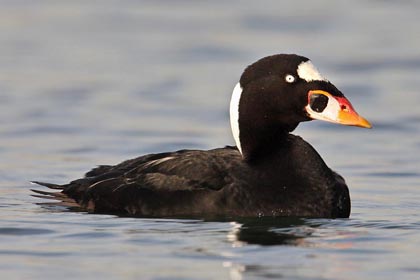
This Saturday, it’s a vagrant duck from North America, a drake Surf Scoter, that has been found offshore at Holme next the Sea  in north Norfolk. A very well-behaved bird, it has been seen every single day of the week, and should be a cinch. Should be:

xxxxxxx surf_scoter_1655

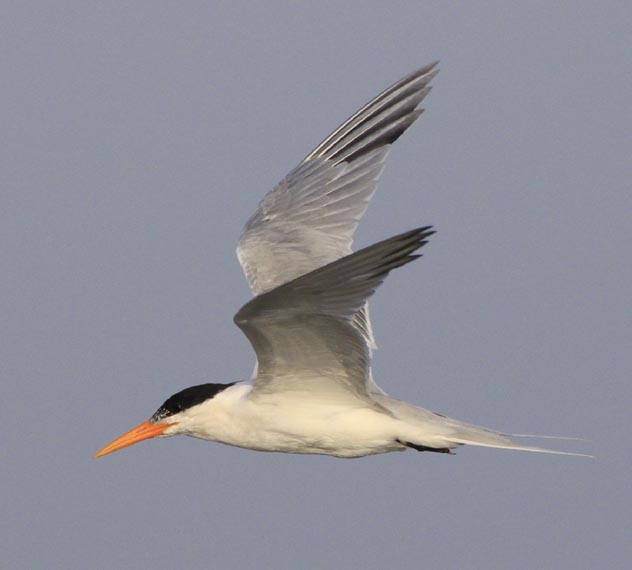
I go with Paul, Robin and Sue. It’s a beautiful summer’s day, blue skies, a bright sun and a typically bracing east coast wind. After an uneventful three hour trip, we park in a layby at the side of the road at the western end of the Holme reserve. As soon as we get out of the car, I see a most peculiar bird. It’s a large tern, flying steadily eastwards along the beach. About the size of a Sandwich Tern, it has a straw yellow bill. I am paralysed, I can’t remember what colour bill a Sandwich Tern has. For a few moments, I think that I’ve got everything exactly backwards, so that all Sandwich Terns have a yellow bill with a black tip. But that’s not the right way round. Sandwich Terns have a black bill with a yellow tip! I force myself to look at the bird for the duration of the flypast, but it’s very difficult to take in a great deal, because I’m so panic stricken:

Sterne voyageuse (Sterna bengalensis)

I think of shouting to Paul, but he’s three miles away, year ticking Redshank. I don’t have the courage to yell to another group of nearby birdwatchers, because deep down, I have a terrible suspicion that I have got it all wrong, that I will be calling out to them just for a Sandwich Tern. I keep looking. The bird is fairly round winged, with fairly dark upper parts to both its wings and back. It has a noticeably white trailing edge to its wings, a little like a Laughing Gull, and for a tern, it seems big, almost the size and bulk of a gull. I walk thirty or forty yards, trying to dismiss the bird as an aberration, the product of a rarity crazed mind. I even consider the idea that I just got out of the car, tired from the driving, and somehow misidentified a Little Tern. There are quite a lot of them over the beach, and mental blocks through fatigue are not that unusual. Then suddenly, the bird reappears. It is in company with  two Sandwich Terns and I can easily pick it out, totally different from its two companions:


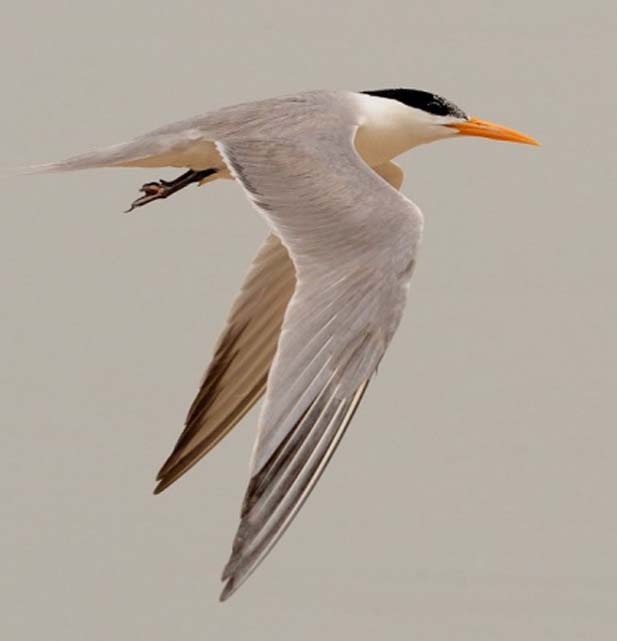
This time, I shout to Paul and tell him to get on to the last bird. He manages to pick it out and agrees with me on two things. Firstly, that it is different to the Sandwich Terns, and secondly, that it has a straw yellow bill.  We have an exciting discussion about it and Paul puts forward the idea that it is a Lesser Crested Tern, a very rare vagrant to Britain, but one which has been seen a few times of late, due in part, it is thought, to a single lost bird which wanders the east coast of Britain, looking eagerly for its Libyan homeland. I haven’t a clue. I’ve never even heard of a Lesser Crested Tern. I thought that Gaddafi had abolished birds as being too flippant. I don’t even have a book with Lesser Crested Tern in it:

xxxx LCT 2

When I get back to Nottingham, I spend many a happy hour, trying to get information on the mystery bird. What convinces me though, is an illustration that I find in an old Indian birdwatching book, where the most salient points are the yellow beak, the dark mantle and the brightest of white trailing edges. They ought to know. They see them a damned sight more often than I do. And what finally proves it to me totally is an announcement a couple of days later that a Lesser Crested Tern has recently been present, on and off, at Cley next the Sea, just a few miles down the coast to the east. Seduced by the promise of eternal fame, I send a letter to the Norfolk Bird Recorder, and also to the Reserve Warden at Holme.

The Surf Scoter, of course, after all this, is long gone. We spend the rest of the day looking for it, but without any luck at all. The Common Scoters are exactly that, but among the hundreds of sea duck, there is no bright white head:

We also see a lot of Little Terns, who succeed in sowing the seeds of doubt, but who, at the same time, solve quite a few problems. They fly down the same track as the putative Lesser Crested Tern, but with a completely different flight action. They flutter like butterflies. They don’t fly purposefully like the mystery bird:

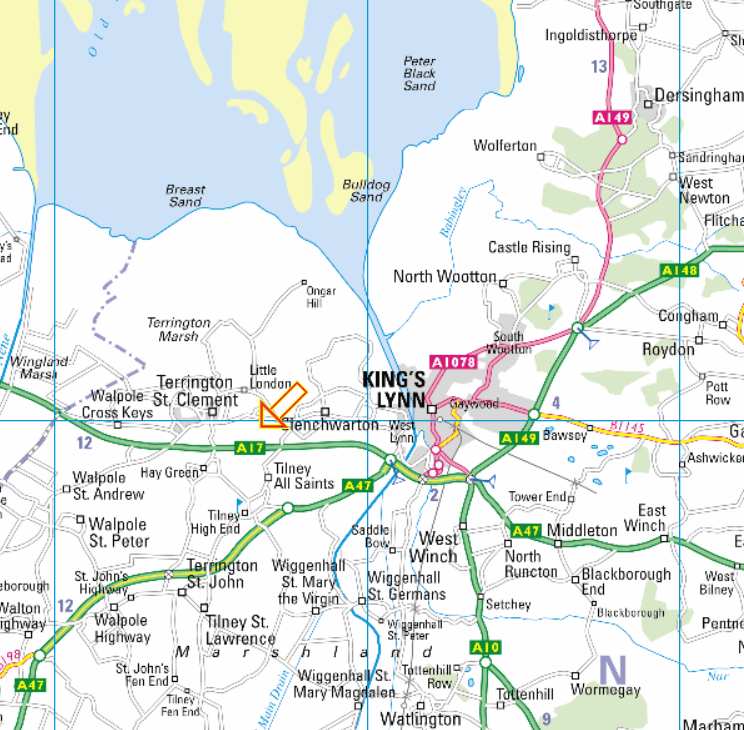
And anyway, I saw it in the company of Sandwich Terns, so I have a good idea of its size, and it’s a lot bigger than a Little Tern. It’s a different bird, in actual fact. A thrilling end to a memorable day is provided as we motor south to Kings Lynn, on the way back. Look for the orange arrow:

lynn

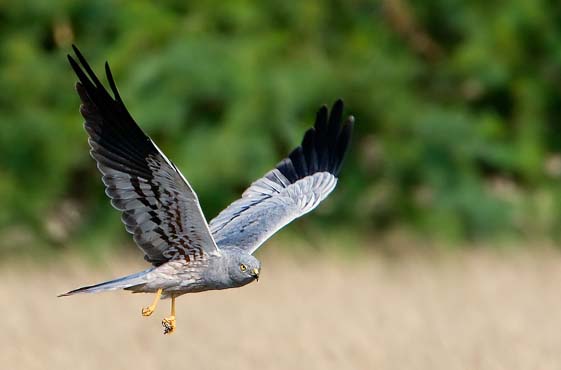
Just beyond the ring road, we see a large raptor quartering the fields to our left:

xxxxxxxxxxxxxxxx Montagu's_Harrier

It crosses the road above our heads, continues the quartering, and finally disappears behind the line of trees on the horizon. It is a male Montagu’s Harrier, perhaps the North Wootton bird, but more likely, from a site not yet revealed to the Verminous Company of Egg Thieves. It is fairly isolated out here though. Let’s hope that the Montagu’s Harrier family spend their summer undisturbed, raise their babies and leave peacefully. Flying back if possible, not over Malta or any other world centre of illegal hunting:

xxxxx montagus_Harrier_Serengeti_


I sent in my claim of a Lesser Crested Tern to the British Bird Rarities Committee, but after a year or two of careful consideration, they rejected it,  even though the Birdwatching Committee in Norfolk seemed reasonably satisfied with it. So, a few years later, I drove to Spurn Head in Yorkshire to see another, or conceivably the same returning, Lesser Crested Tern. Look for Nottingham in the bottom left and the orange arrow:

spurn

I went there on two separate occasions, and finished up driving nearly 500 miles in total. After almost two days standing in “The Place”, “The Bird” did not deign to tern up (sick). On the second day, I was there at seven in the morning, and I was then the last to leave at eight o’clock in the evening. Another birdwatcher arriving alone at half past eight then found the bird exactly where it was supposed to be standing and I’d missed it. That started to make it personal.
A little while later, I drove to the north Norfolk coast where foolhardy twitchers were wading across a tidal creek to Scolt Head Island, their telescopes and tripods held above their heads like the Marines in Vietnam. They were looking for a Lesser Crested Tern which had been seen in the Sandwich Tern colony. Look for the orange arrow: 

scolt

I decided, though, to stay on the mainland, not drown and keep my eyes open for the bird flying down the coast to fish. Three wasted hours. No chance!

It was by now way beyond personal. Around this time a Lesser Crested Tern had been hybridising with Sandwich Terns in a tern colony on the Farne Islands, some three or four miles off the coast of Northumberland, some 200 miles to the north of Nottingham. Eventually, everybody realised that all the many records of Lesser Crested Tern on the English East Coast were most probably this one returning individual, being seen over and over again by different people.  Because the initials of a Lesser Crested Tern are “LCT”, the bird was now being called “Elsie”. I decided to bite the bullet  and drive up to the Farne Islands. As the bird was nesting, it should be a cinch. Should be.

Look for the orange arrows :

This slideshow requires JavaScript.

I failed to see it. So I decided to try again, and at very long last, I saw Elsie’s straw yellow bill sticking jauntily out of a crowd of black billed Sandwich Terns, all sitting on their eggs.

And I watched this good tern, this most excellent tern, for a very long time. A very long time. And then, half an hour later, I came back for seconds. And yes, I had already seen a bird just like Elsie, with her unmistakable bill, somewhere else, a long time previously, but the details escaped me for the moment.
Afterwards, I worked out that the nearest colonies of Lesser Crested Tern were on the coast of Libya. To see one, I had driven to Holme (210 miles for the round trip), Spurn Head twice (500 miles for two round trips), Scolt Head Island (250 miles for the round trip) and the Farne Islands(880 miles for two round trips). How far is it to Libya by car?

11 Comments

Filed under History, Personal, Science, Twitching, Wildlife and Nature