Neonicotinoids: a disaster about to happen

Man’s most faithful insect friend is the Bee. Not everybody may like bees. Some people might be frightened of their sting. But everybody respects their industry and their willingness to work hard for the common good. That’s why we have all been saying “As busy as a bee” for the last five hundred years. Buzz, buzz, buzz…

This slideshow requires JavaScript.

Unfortunately, though, there’s a new type of insecticide around. They are called Neonicotinoids, and appear to be killing indiscriminately vast numbers of  insects which are helpful to Man.

I really do hope that this is not the reason that I seem to be seeing so few butterflies, bees, wasps or any other insects in my organic, insecticide and pesticide free garden.

Recent research in Holland has revealed, though, just how catastrophic the widespread use of Neonicotinoids may be, not only for bees and other helpful insects, but for birds and then for animals higher up the food chain. The story in full is revealed at greater length here, but I have selected the most important elements for you here:

Have the patience to read about this grim scenario…

“Neonicotinoids are causing significant damage to insects, and now a new Dutch study has revealed that these pesticides are having a significant negative impact too on birds.
Insects form a large part of the diet of many birds during the breeding season and are essential for raising offspring. We investigated the most widely used neonicotinoid, which is called “Imidacloprid”. Here in the Netherlands, local populations were significantly smaller in areas with high surface-water concentrations of Imidacloprid. At concentrations of more than 20 nanograms per litre, bird populations declined by 3.5 per cent annually. Additional research revealed that this decline appeared only after the introduction of Imidacloprid to the Netherlands, in the mid-1990s. The birds most affected included Starling, Tree Sparrow and Swallow.
The overall impact on the environment is even greater than has recently been reported and is reminiscent of the effects of insecticides like DDT in the past.”
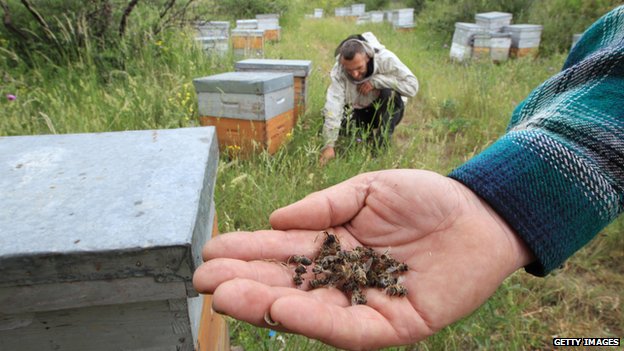
dead bees
The BBC News Environment Correspondent, Matt McGrath, has several times reported similar worries about the declining numbers of valuable insects. In one report, it was argued  that the process of evolution might lead us into some very bad places indeed…

“Neonicotinoids are causing great damage to a wide range of beneficial species and are a key factor in the decline of bees…..the evidence of damage is now conclusive, and the threat to nature is the same as that once posed by the notorious chemical DDT.

When seeds are routinely coated in these chemicals, the resulting plants will then grow up with an inbuilt ability to destroy many species of insect.”

Manufacturers deny totally, of course, that these pesticides are harming bees or any other species (surprise, surprise). Scientists, though, are extremely worried about their use. Professor Goulson, one of a team of 29 researchers, has developed this nightmare scenario one stage further…

“”The more neonicotinoids are used, the likelier it is that pest insects themselves will then become resistant to them. Using them like this is absolute madness.”

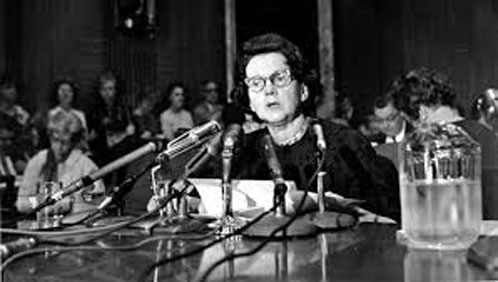
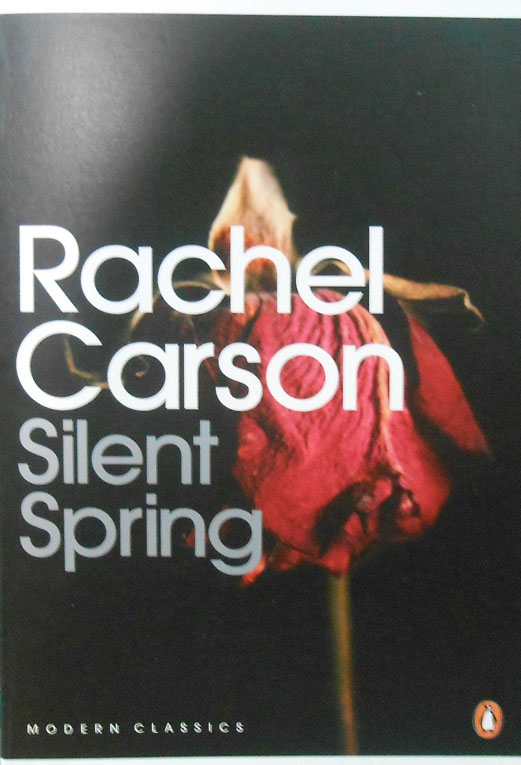
The situation is worryingly reminiscent of the crisis described by Rachel Carson in her book “Silent Spring”.
wertyuio

The Los Angeles Times recalls…

book 1
“Carson’s 1962 book, “Silent Spring,” kick-started the modern environmental movement, it suggested that better protection for pollinators and plant life was required for healthy people and healthy agriculture. Without her intelligence and eloquence, we would already be living in a world of unspeakable impoverishment, one with silent springs and fruitless falls.”


Opposition to Neonicotinoids is already enormous.

This slideshow requires JavaScript.

In addition to protests, there is a large number of petitions you can sign. 363,258 supporters signed this one, which has now closed. There’s another petition for Ontario that has 54,984 supporters . Some other petitions are just starting up, with only 180 signers so far… This is not, though, a cranky minority issue. Another site has a staggering 331,872 signatures…. The comments on this particular petition are even stronger….

“The chemical companies are all and far too powerful – they have friends in high places, they lobby very strongly and are nothing more than drug-dealers. Just research the companies that ex-MPs work for after their stint in public service – that’s who runs the country…..”
Laurie Allan

“Of course the farmers are denying that they are the problem yet again, just like they claim poverty, always seem to running around in big fancy cars, polluting the atmosphere just like they pollute the earth, and the price of food spirals all the time”
William Thom

We need to do something about this, or the world will be a much, much poorer place without bees. And a  considerably hungrier one. Up to one third of our food is produced by bee pollination.

And then we will all start to be on the side of Alan Partridge.

 

Leave a comment

Filed under My Garden, Science, Wildlife and Nature

An intimate problem can always be shared

A lot of us, through shyness, keep our personal medical problems to ourselves. Not so these construction workers in Nottingham, who are more than willing, apparently, to let it all out.

P1530063 yes

So go for it, guys, your problem will soon be our problem.

3 Comments

Filed under Humour, Nottingham, Personal, Uncategorized

What more does Afghanistan want?

A recent report on the financial help given to Afghanistan by the United States was recently presented to Congress. In summary, apparently more money has now been spent on rebuilding Afghanistan than the entire cost of helping Europe to rise from the ruins of the Second World War.

This slideshow requires JavaScript.

In 1948-1952, the then US Secretary of State, George Marshall, launched his famous Marshall Plan ($61 billion today) to help reenergise not just one, but sixteen different European countries. Money was even offered to the Soviet Union and its allies, but they refused it.
250px-US-MarshallPlanAid-Logo_svgNearly sixty years later, Aghan corruption and waste have now pushed the price of reconstruction of that one single country to more than $62 billion, thus exceeding the amount the USA provided for Europe under the Marshall plan.
Despite all this cash spent in Afghanistan, the country remains in what appears to be almost permanent and insoluble political crisis and may well remain dependent on hand-outs for years to come, even though British and other foreign troops prepare to withdraw at the end of the year.
Development projects meant to provide Afghans with a sound structural foundation have cost American taxpayers $61.5 billion, but John Sopko, the Special Inspector General for Afghanistan Reconstruction, told Congress that…

“The majority of the projects seen were hampered by poor planning, shoddy construction, mechanical failures and inadequate oversight. Billions were spent on ill-fated agricultural and infrastructure projects that failed to take into account Afghanistan’s culture. More than £2 billion was spent on improving the Afghan police, yet tens of thousands of ghost officers collect their pay, but never turn up for work. Nearly half of the 747,000 firearms provided for Afghan security forces at a cost of £372 million have vanished. The annual cost of maintaining Afghans police and military is likely to be double what the country collects in tax revenue.”

Well, poor old Afghanistan.
What more help do they need?
What else do we have to give them?
Have we not given enough?

This slideshow requires JavaScript.

The whole situation is so very reminiscent of a previous involvement of the USA in Asia, now almost fifty years ago. This time, the American forces are helped by their many allies, but the situation is not so very different. They are fighting a frequently invisible foe, on behalf of people who may well not be worth fighting for.

It may not quite be a case of “Those who cannot learn from history are doomed to repeat it.” but so often it seems like that…

Leave a comment

Filed under History, Politics

Teasels: the best plant in our garden

This amazingly spikey plant is called a “teasel”, and it is easily the most fascinating plant in our garden.
A9
It is a very thrilling plant from an English point of view, for, alas, we just do not seem to have the same exciting inhabitants in our gardens as they have in the USA…..
man_eating_
These American killers are deadlier than wolves or bears.
Gulp
Our English plant, though, can consume a reasonable number of insects, medium sized mammals and small children.
A10
It performs this valuable service by drowning them, and then absorbing their nutrients. Equally well, you can easily feed the plant yourself by tipping in the dregs from your cup of tea or coffee. On this caffeine based diet, our plant has now reached an amazing twenty seven flower heads. Here are two of them….
A11
The biggest flower heads are now in bloom. They provide a fabulous source of nectar for all kinds of interesting flying insect, especially butterflies….

This is a Peacock…
peacock
This is a Red Admiral. Its Latin scientific name is “Vanessa atalanta”, which sounds a little bit like one of the old Admiral’s girls in every port…
red-admiral-upperwing1_peter-eeles-web
The flowerheads are a lovely bluey-pink colour…
AP1520884
Eventually seeds will appear. Indeed, in our worryingly early autumn, many have already arrived as early as the fifth of August.

This slideshow requires JavaScript.


The seedheads are an absolute magnet to England’s most colourful bird, the improbably beautiful Goldfinch…
Goldfinch_x
The population of these splendid birds is gradually increasing, and teasels are an excellent way to entice them into your garden.

This could easily be your garden…
goldfinch on teasel
I would be very surprised, though, if you managed to attract as many of these beautiful birds as Gunnar Fernqvist has done, although, to be fair, he does seem to have a VERY large garden.

Interestingly, the Goldfinch has always been of great symbolism in medieval European art. According to Wikipedia, because of the thistle seeds it eats, and the spiky nature of the adult thistle plant, the goldfinch is associated with Christ’s crown of thorns. When it appears in pictures of the Madonna and child, the bird is thought to represent the knowledge both Mary and Jesus had of the latter’s Crucifixion.

This slideshow requires JavaScript.


Teasel seeds can be found fairly easily on your local brownfield site in late summer or early autumn. Otherwise, it’s another expedition up the Amazon.co.uk….

6 Comments

Filed under My Garden, Nottingham, Uncategorized, Wildlife and Nature

Mountain Monsters: “I am a Marine and I will get the job done”

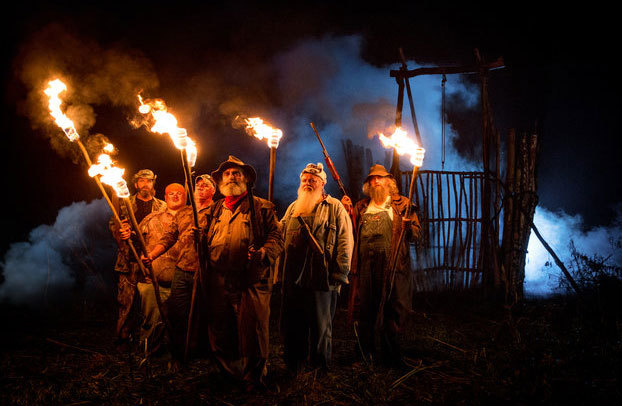
This week, the Hillbilly Hunters set off to Pike County, in Kentucky, in search of the legendary Hell Hound.

gang with trap
This infernal creature was first reported as far back as 1939, and reports continued throughout the 1940s. They came mostly from the moonshiners who were working their magic, way back in the woods, in log cabins. There were so many reports of the beast that a bounty of $20 was posted, and incredibly, this generous reward was duly collected when a hunter managed to kill one of the creatures. Unfortunately nobody could identify the corpse, and sadly, no trace, either physical or photographic, seems to have survived.

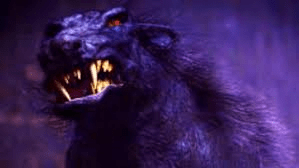
The first four members of the Hillbilly Hunters arrive in this cattle raising area, and they soon ascertain the facts. Firstly, the Hell Hound is actually blue because of its nocturnal habits, and it seems to have some kind of mane. It is about four feet tall at the shoulder and between seven and nine feet long. It is a creature which seems to have lost all fear of Man, and is using the tractor trails through the cornfields to get closer to the farmers’ barns and outbuildings. A Hell Hound  then be quite capable of dragging off an adult cow.

drawing
The team are shown a Black Angus calf by the worried farmer who owns it. The poor animal has enormous wounds on its back, which seem to me like no  predator that I recognise. They appear to be symmetrical, and I think careful thought should be given to the idea that they may have been carried out with a knife by the member of some crazy cult.

A second farmer, Drew, shows us his video, which he took looking through a stand of trees towards a small barn, from which HH duly emerges. I do feel that experienced photo analysis from a person who has talents in this field might well be able to establish what creature this may be. I am clearly no expert in the wildlife of Kentucky but as an English outsider, I might even put suggest that what Drew saw was a very large wild boar.


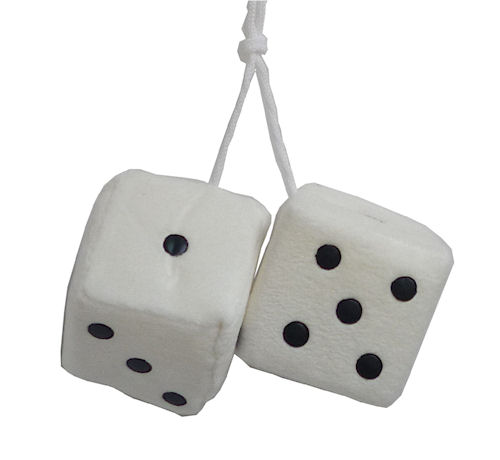
The last two to arrive are the enfants terribles of the programme, Willy and Wild Bill, who now has some fluffy dice dangling charmingly from the mirror of his vehicle, put there by his mother-in-law.

diceThe two of them quickly make what looks to be an extremely strong trap from long lengths of local bamboo.

Wild Bill immediately steals the show as he mimes shaving himself with a macheté. “ I spent time or two trying to bust out of the old jailhouse, never figured I’d be building one.”

Quite extraordinarily, Wild Bill, having climbed the tree for the trap, then sees HH on the far side of the field. He sets off on the chase, brandishing his macheté. He gets a glimpse of him… “He’s a dandy big’un.” Is he fast? “ He can put her down the old canyon”. Bill measures his height and puts his hand out, “He stands about yay tall.”

marine

In the night hunt, the team hears growls and roars and they find where HH takes his cows to dismantle. It is awash with blood and fat and goo.

Standing next to a greenhouse which is brightly illuminated from the inside, they see the blurred shadow of an animal, presumably HH, come hurtling past them at huge speed. They chase after him, and three of the group manage to physically touch him, probably the first time he’s ever been literally in contact with Man. They may not manage to capture HH, but their determination remains as strong as ever.

“I am on his ass and I wanna get him.”
“I wanna put the old heat on his hide.”
“I’ll see if I can’t get his old hide on the wall. ”
But as Willy says philosophically though, “He lives to be hunted another day.”

The usual discussion then follows…

I gain fantastic enjoyment from the Big Six. Their program remains enormously entertaining, and is certainly the highlight of my viewing week. I try always to watch it twice, as on first viewing, you can miss many informative details.

I know from various sources on the Internet, that there are many people out there who seem to be ferociously upset by this program. As I’ve repeatedly said, I think the programme is marvellous. I do not think it makes anybody look like an idiot, either a local inhabitant, a Hillbilly Hunter or, hopefully, a reviewer.

And whether or not you believe in the Hell Hound of Pike County, Kentucky, there will always be doubt in your mind, because so many similar creatures have been seen across the world.

In one of my future blog posts, I will be talking about the Beast of Gévaudan, which ravaged the bleak highlands of central France some 250 years ago. It is an established fact that this animal killed many people, perhaps in excess of a hundred. Eyewitnesses, of course, varied in their descriptions, but none of them seems really  to be describing a known animal.


Here in England we have our very own Hell Hound, an enormous black dog, with red eyes, who is called “Old Shuck”. He is never a very nice doggy to meet with, as he usually foretells the imminent demise of the person who sees him.

beast_main

This charming little chap may well figure in another blog post in the future.

Above all, though, until next time, never forget the company motto, “I am a Marine and I will get the job done.”

12 Comments

Filed under Cryptozoology

The five golden double entendres of buying a bird table

You might not think so, but this is a good time to be buying a bird table. It will give the birds plenty of time to get used to the presence of this new garden furniture, and with a little bit of luck, they might even start coming to the table fairly quickly. At the moment, for example, there are lots of recently fledged baby birds who could all do with a little help to find food.
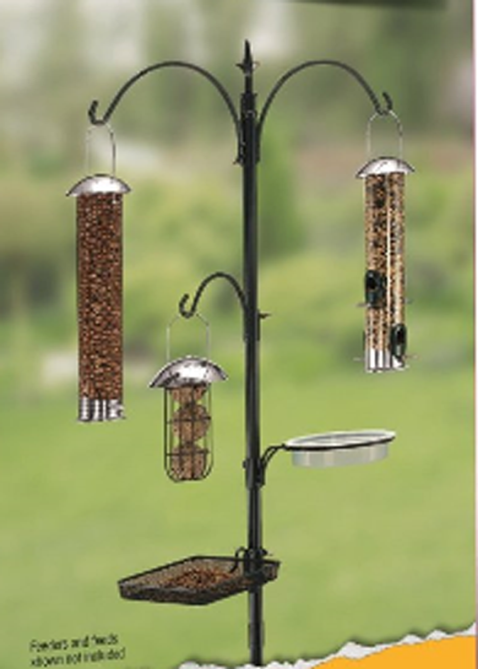
For me, the most basic thing to buy is a free standing weighted block in which to insert the framework which will eventually hold your food dispensers.
This is the type of thing I mean…..
41oKJ7McgdLThe top is like this….
feeding station
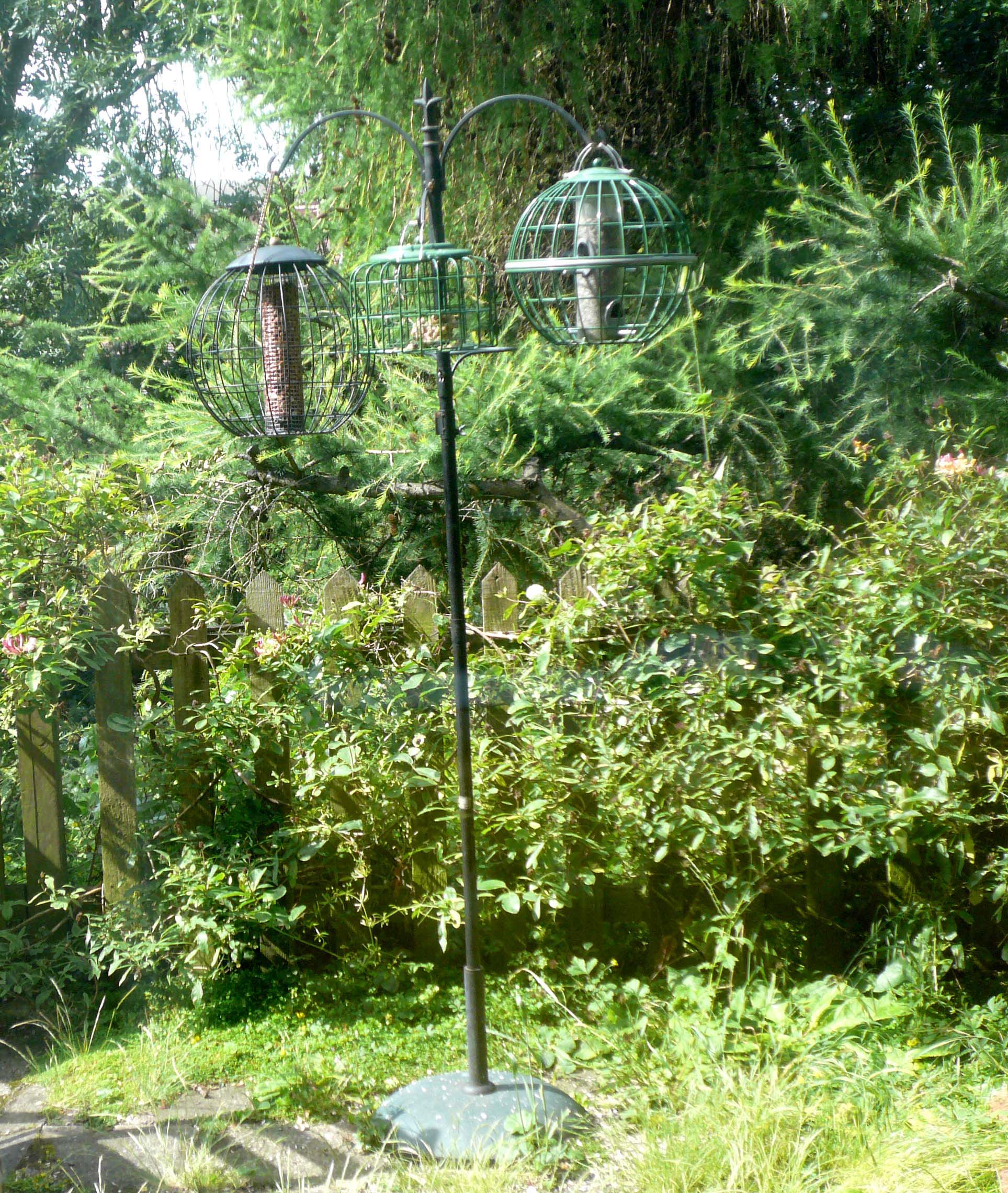
Our bird table looks like this….
A1
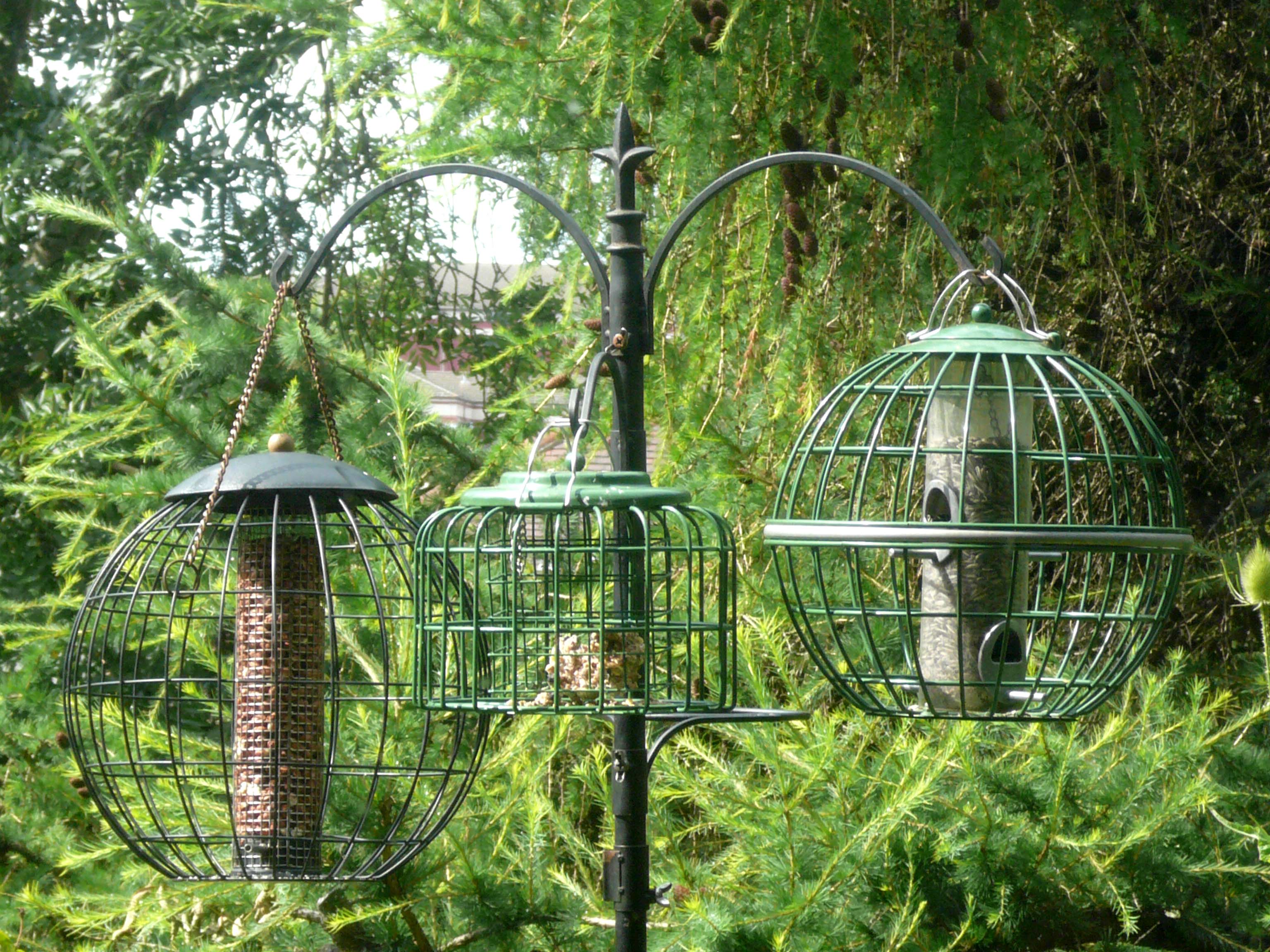
There are three metal bird feeders…
A2
The leftmost one encourages them to nibble nuts…


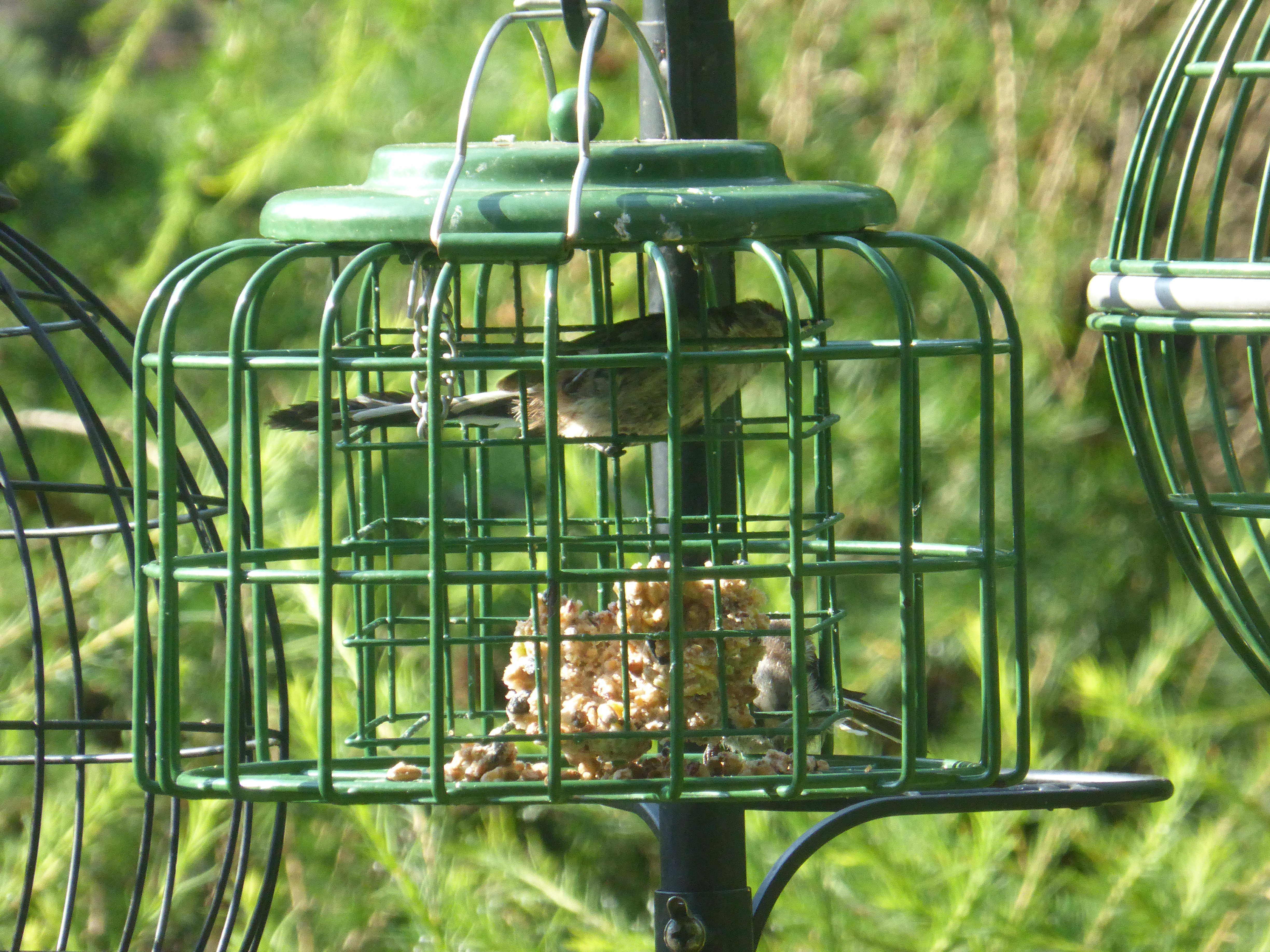
They love the middle one, which contains a pretty revolting block made of suet and either insects or mealworms.


A6

The tiniest birds, like baby Long-tailed Tits, can even manage to get inside two layers of anti-squirrel proofing!
A8

On the right is a dispenser which allows birds to take away sunflower seeds.

This slideshow requires JavaScript.


In time, the birds will get used to it, and your bird table will attract lots and lots of them. At the moment, it is almost totally baby birds, who can make up for this summer’s apparent lack of insects by snacking on the food we provide. So far, we have helped out Great Tits, Coal Tits, Blue Tits and Long-tailed Tits. In winter, there are many other species which turn up, such as Dunnocks, Chaffinches, the increasingly rare House Sparrow and the showy Siskin.

This slideshow requires JavaScript.

If you want some extra variety, there is a fabulous bird table webcam, at the Cornell Institute in Ithaca, New York State. Every single bird here is different from ours, except, of course, the ubiquitous Common Starling (Sturnus vulgaris).

Your biggest enemy for a bird table anywhere in England is the pesky Grey Squirrel, but half an hour watching the Ithaca website at the moment will show that we in Nottingham are not the only ones with difficulties. The real problem is that what you think is just one Grey Squirrel is, in fact, two, the male and the female, but you, as a mere human being, cannot necessarily tell the difference. At the moment, the youngsters are slightly browner, but even then, there might well be five separate ones which you think is just one very fast moving individual!
So make sure that anything you buy is squirrel proof. They might be more expensive, but given that squirrels will not just eat bird food on the spot, but will also take it away to store for the winter, in the long run you might actually save money, as you avoid two or three kilos going missing every single day.
We bought all the different bits for our bird table from Amazon Marketplace. That is, of course, not the only place where you can purchase bird tables, but in my opinion, you would certainly be better to avoid garden centres, to avoid wood and to go for metal, and, above all, never ever to have a bird table with a nest box attached.
Above all, remember the five golden double entendres of bird table purchasing…

Firstly, you will need a very big, heavy, bottom.

And an impressive top to hang your feeders on

Hang your nuts where the squirrels can’t get at them.

Don’t let your suet blocks get nibbled either.
.
And finally, don’t  let your seed spill on the floor.

All of the above feeders are, in my experience, squirrel proof, although in July and August, smaller adolescents can get through the bars to feed, but, because they grow fairly quickly, this will not last for ever.
Don’t frighten them too much! A young squirrel dead from sheer fear will not be easy to get out of the feeder, and, from a moral standpoint, it’s not really very Dalai Lama.
Initially the expense of feeding the birds, and not the squirrels, can be rather high. It is reminiscent of when, in Monty Python, Michael Ellis goes to the pet shop to buy a pet ant….

“Is there anything I’ll need with my ant?”

“Yes, sir – you’ll need an ant house. This is the model we recommend, sir. And then you will need some pieces of cage furniture which will keep him entertained. Here’s an ant-wheel, an ant-swing, and a very nice little ladder. He can run up there and ring the bell at the top, that’s a little trick he can learn.

Here’s a two-way radio he can play with… and of course you’ll need the book. So, sir, that is, if I may say so, one hundred and eighty-four pounds twelve pence, sir.”

On the other hand, if you set up your metal fortified bird table a few yards from your panoramic dining room window, you will be able to watch the comings and goings of the birds, and relieve the stresses and strains of the day for the rest of your life, even if your camera is showing its age, the curtains cast a reflection, the sun is in the wrong place, all the usual excuses….


The bird above is a blue tit.


These are great, blue, and coal tits.

1 Comment

Filed under My Garden, Nottingham, Wildlife and Nature

Arsenal £127 Tottenham Hotspur £81

Recently, the Premier League teams released their charges for a seat to watch a game next season.

As you might expect, prices are fixed at an almost unbelievable level for the ordinary working person. The days when an averagely wealthy parent might have taken his two children to a game seem to be long over.
football prices
When I was much, much, younger, my Dad used to take my brother and myself to matches at the now demolished Baseball Ground in Derby. Granted, though, the playing surface might occasionally lack a little of the green stuff…

And just now and again, it became a little muddy in places…

This slideshow requires JavaScript.

I don’t know how much it cost my Dad, though, because we had season tickets, and I never saw him physically hand over his hard earned cash.

Forty years on, of course, the Baseball Ground is long gone…

I just cannot remember what prices for admission were posted up on the old stands at the Baseball Ground. And in any case, in those early days of the 1970s, there were terraces, where it was even cheaper to watch the game, although admittedly, hooliganism could often run riot.

terreces v man utd
I am pretty sure though, that, even allowing for the passage of time, my dad was not paying out anywhere near that average cost of £90.24 for a single game at White Hart Lane, or a possible £127 to watch their great rivals, Arsenal.
Unbelievably, if my dad were still with us now, it could cost him almost £300 to take my brother and myself to a Spurs game, and probably more, should we wish to watch Arsenal. Even the cheapest seats would give him too little change from his £100 for him to buy everybody a skinny latte and a prawn sandwich.
And the net result of all this, of course, is that the rich get richer and the poor get poorer. Little teams like QPR or Burnley might optimistically put their prices up, ready for a long and successful stay in the Premier League, but in terms of actually achieving any real footballing success, they stand quite simply no chance whatsoever.

This slideshow requires JavaScript.


The days when a team like Derby County could win what would have been the Premier League twice in four years are long gone…

Derby-1975-title-champion-001

…and the years when a team like Nottingham Forest could win the European Cup in two consecutive seasons have gone with them.
Football, though, was a lot more exciting in those days…


And occasionally, considerably naughtier…


Derby County only missed reaching the European Cup Final by the narrowest of margins. The width of an Italian’s banknote, you might say…

I don’t really know what to offer as advice. Most of us know which football team we are destined to support as a matter of instinct, and, judging by next season’s proposed prices, if we support a London team in particular, we could well be in financial difficulties.

It is, though, more or less impossible to invent an artificial love for Leyton Orient, Stevenage or Dagenham & Redbridge, just because it is cheaper to go inside their stadium and physically watch them play.

I would commend to you, though, not so much the teams in League One and League Two, but the teams lower down the pyramid. Have a look in your local evening newspaper, and see which local clubs are going to be playing on the following Saturday, kicking off probably at the traditional three o’clock.  And go and watch one of them. You never know, you might enjoy it. The programme will not be £5. When you ask for “A skinny latte and some nice focaccia, please”, the lady will probably reply, “Yer what??”
And pick a team with a good name, such as… Coventry Sphinx, Tonbridge Angels, Solihull Moors, Pontefract Collieries  or even the West Midlands Police.

You may or may not like it, but at least it will not be costing you the best part of a hundred quid. And who knows? You may one day take to them, and realise that you have become a supporter of real football, not showbiz.

2 Comments

Filed under Derby County, Football, History, Nottingham

“The Nottingham Lion Saga”

Originally, it was the “Surrey Puma” which had caused all the fuss throughout the 1960s. The first possible sightings had been recorded in 1959, but by the mid-sixties, at Godalming Police Station alone, 362 reports were received over a two-year period.  And then, in August 1966, a former police photographer took a pale, blurry grainy snap which he claimed showed the Surrey Puma at Worplesdon, near Guildford. The photo was published in the “News of the World”, and showed an animal almost surprised by the fuss.
surrey puma original
It was enough to get the local plods out of the chip shop, though, and out on patrol…


They found little (if anything). Ten years later, in the very early morning of July 29th 1976, the focus was very much on the Queen of the Midlands, the beautiful City of Nottingham…
nottingham_councilhall_0
Not on the stone lions on the Council House, the rendez-vous point of countless lovers since they were placed there by the Third Reich School of Architecture in the late 1920s…


Not even the local ice hockey team…..
??????????????????????????
But rather on a country lane a few miles from the city centre. It must have been a very countrified area at the time, with lots of now disappeared open fields, and the grassy expanses of the airstrip at Tollerton, the rather grandiosely named “Nottingham Airport”. It was one of the two years of extreme drought in the mid-1970s, and it was….

“…shortly after 6am, 29 July 76, when two milkmen were delivering to a bungalow opposite the entrance to Nottingham airport on Tollerton Lane between Nottingham and Tollerton. Different accounts put it at  15 or 50 yards away from the men; they were in no doubt: “We both saw together what to us us was certainly a lion….its head down and its tail had a bushy end. It was walking slowly away from us.”

It is unclear whether it was a male or a female, but presumably they would have said “lioness” if that was what they had seen.

This slideshow requires JavaScript.


It must have been difficult to be mistaken though even at fifty yards’ range.

“They watched it walk around the edge of a field, then called the police from the bungalow. By nightfall, the police mounted a huge search, with dogs, guns, loud hailers and a helicopter, in the Tollerton and West Bridgford areas. The police also said they had calls from people telling of the mysterious restlessness of their pets on the night of the 28/29th; and a local farmer at Clipstone, near Cotgrave, reported ‘strange paw prints’ on his land.”

As is often the case…

“The police found nothing. They checked zoos and private lion-owners within 100 miles, but ‘no-one appears to have lost a lion.’ They said they were taking at least 15 sightings seriously. The hunt hit a turning point in its second day when a sighting at Radcliffe-on-Trent turned out to be somebody’s Great Dane. At the same time a sighting came in from Bassingfield. One of the reports was from as far away as Norfolk by a couple who said they saw a lion in a lay-by at Lowdham (a country village near Nottingham) but did not report it they didn’t think they’d be believed. Yet despite these sightings, the police were getting disappointed by the lack of anything positive. As in the ‘Surrey Puma’ cases, the lack of any killed livestock, no pets missing etc as there would be if there were a lion conventionally on the loose. The milkmen were rechecked and both (David Crowther and David Bentley) were unshaken in their belief that they had actually seen a lion.”

How different from the present day. I cannot imagine that there are too many zoos or private lion-owners within a hundred miles of Nottingham nowadays. It is certainly strange, though, that the two milkmen were adamant about what they had seen…

“On the third day of the hunt, reports were still coming into West Bridgford, the nerve-centre of the operations. One caller heard something big crashing through Bunny Woods, and another heard something in a copse near Trent Lane church at East Bridgford. In fact, the police were obliged to maintain the alert.
Martin Lacey, a former Nottingham zoo owner, enters the fray, saying all the noisy activity has driven the lion into hiding, and offers the use of his lion-hunting Rhodesian ridgeback hounds.”

rhodesian
Just as the press were losing interest in the ‘Nottingham Lion’ the story receives a shot in the rump.

“John Chisholm, a doctor of Normanton-on-the-Wolds, near Tollerton, saw a large animal trying to break through some undergrowth to get to a stream on the evening of 1st Aug, while he was walking near his home. When he returned home he and his wife watched it leave the area from their upstairs window. Police said they were following up several other sightings in the same area.”

Curiouser and curiouser….

“2nd Aug police searching the A610 at Temple Lake, near Kimberley, found a large tortoise on the embankment. They were unable to trace any owner so they adopted it.”

The saga continued…

“The dailies for the next day (3rd) run the story of Dr.Chisholm’s sighting. Naturally in everybody’s eyes the fact that he is a deputy coroner makes the sighting more impressive and believable. (The police were) now 98% certain that there was an animal in the area…..

By the 6th Aug the lack of results was telling on the police. They issued a statement saying they no longer believed there was a lion at large despite 65 reported sightings in the last 8 days. They said that they proved to be mistakes, large dogs, and even a large brown paper bag.”

This slideshow requires JavaScript.

After this negative statement, the police announce three more reports of it in the Plumtree and Normanton areas.

It is rather difficult to sort out this East Midlands X-file. If we accept that the two milkmen were not liars, however, and they had not just misidentified somebody’s Great Dane, it would make a lot more sense of they saw a lioness…

With the benefit of 38 years’ hindsight, I suspect that what they actually saw was

In other words, a common-or-garden “Alien Big Cat”

Nowadays, of course, nobody would think twice about claims of seeing a so-called “Alien Big Cat” in this area south of Nottingham, even though it is probably a lot more built-up than it used to be.

I recently saw a TV programme which claimed that there were two identifiable big cat territories centred on Rutland Water, giving a long list of the many different places in the area where animals had been seen. There have been suggestions, too, that these cats, whatever they may be, are making use of disused railway lines to travel around, possibly even penetrating into the suburbs of large cities, rather like foxes have done in the past.

Some ABCs are reported as melanistic…

black panther

But do be careful over the question of size, however…

diagram

Otherwise your claims to the Nottingham Evening Post may leave you looking more than a little stupid…

tomcat
But it’s not all over yet… there are still lions out there, back in 1976…

“No sooner had the Nottingham mystery been killed off, it turns up over 70 miles away just south of York. On the night of the 9th Aug, Alan Pestall was on his way to his local walking down the moonlit main street of Thorganby, when a black shadow crossed in front of him, by the church. He thought it was a dog and spoke to it.

Then I realised it had a cat’s face and a long tail. It was about 3 to 4ft long and nearly 3ft high. Before I had a chance to run, it leaps over a fence and was away over the fields.’

He kept walking slowly to the pub, believing if he hurried or turned it would attack him. Police took his story seriously and mounted a search on the 10th, but found no sign of a lion.”

A police spokesman said

“We have no reason to connect this report with the recent sightings of a lion in Nottinghamshire.”

Almost thirty years later, it was the turn of Norfolk’s Boys in Blue to take on the Killer Menace of the Big Cats..

Thankfully, perhaps, Alan Partridge kept out of it.


The picture of the Rhodesian Ridgebacks is used by kind permission of Jackie Ellis whose website is http://www.zejak.co.uk/. Even if you don’t particularly like dogs, there are some lovely cute puppies there…and the bonus is that they’ll protect you from the Nottingham Lion!


13 Comments

Filed under Cryptozoology, Film & TV, History, Nottingham, Wildlife and Nature

A sad, sad day

I write today’s post with a very heavy heart. It is about a human tragedy in Northern Ireland. First though, I will need to explain one or two basics, for the benefit of my wonderful readers in Brazil, Bulgaria, Madagascar and Mauritius.

This is the flag of the United Kingdom…

1280px-Flag_of_the_United_Kingdom_svgAnd this is the flag of Ireland…

Flag_of_Ireland

Northern Ireland, or Ulster, is not part of Ireland, but one of the  four bits of the United Kingdom. The population of Northern Ireland, however, is a mixture of Loyalists, who wish to remain part of the United Kingdom, and Republicans, who would possibly prefer to be part of Ireland, which is not a kingdom, but a republic. Within Northern Ireland, political parties can often reflect these different groups, and the two flags have taken on an importance which is far greater in Ulster than they could ever have in the three other bits of the United Kingdom, namely, England, Scotland and Wales.

Over the past three or four days, the  BBC have been telling a tragic tale about Bessbrook Pond in County Armagh, in Northern Ireland. I hope you will read their full first report here.

I have abridged it for you in case you haven’t got enough time to spend on the full version.

“25 July 2014
Sinn Féin calls for Irish tricolour flags to be removed from Bessbrook village.
Sometime this week, Irish tricolours have been erected on trees in Bessbrook Pond. Sinn Féin politicians have called for their removal. Sinn Féin member of the Legislative Assembly Mickey Brady said the flags could be seen as intimidating by Protestant residents in the village.
“The issue is causing contention because in Bessbrook particularly there is a mixed community. These flags, some may consider them as overtly sectarian, intimidating and threatening, and I think what we do not want to do in relation to this is perpetuate division.”

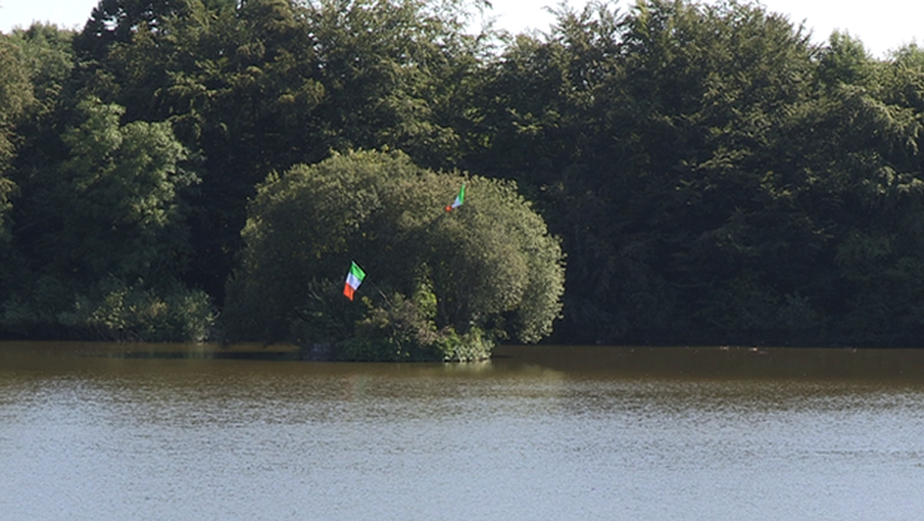
Here are the flags in question….
_76521396_tricolours

In a separate report in the “Newry Times”, it was statted that Bessbrook Sinn Féin Councillor Dáire Hughes has called for the removal of (the)two Irish Tricolours….

“The erection of the national flag in places like trees in the middle of a pond is effectively dishonouring it and also neither at any time should it be used to impose, intimidate or disrespect.
“I share the belief that our national flag should at all times command the highest degree of respect,” said the Mayor and he asked for those who erected the flags to remove them.

Four days later, the BBC filed the tragic sequel to their initial story.
Here is my abridged version.

“29 July 2014
A 68-year-old man has drowned in an incident at a lake in Bessbrook village.
Oswald ‘Ossie’ Bradley was swimming to trees in Bessbrook Pond to remove two Irish tricolour flags from trees.
It is claimed Mr Bradley intended to replace them with a Union Flag when he got into difficulties. Police are not treating the death as suspicious.
A teenage boy managed to bring Mr Bradley ashore at about 5:00 p.m. on Monday and attempts were made to resuscitate him.
Emergency services took him to Daisy Hill Hospital in Newry, about four miles away, where it was announced that he had died.
Ulster Unionist MLA Danny Kennedy said “This is a very tragic outcome to controversies surrounding flags in this village. His untimely and tragic death is too high a price for any family and community to pay.”

For me, Mr.Kennedy has hit the nail right on the head. Flags might well be seen as  important. They should certainly never be dishonoured. They should never be disrespected. And they should never ever be used to emphasise differences in the community, to intimidate, or to threaten. And most of all, no piece of cloth is more important than a man’s life, or the happiness of his family.

To conclude, though, may I pay my sincerest condolences to the family of Mr.Bradley and the village of Bessbrook.

1 Comment

Filed under History

A boar, a sow and a hoglet? Surely not!

Any of my readers in either the Americas or Australia will wonder what I am talking about when I get excited about the European hedgehog  (Erinaceus europaeus)…

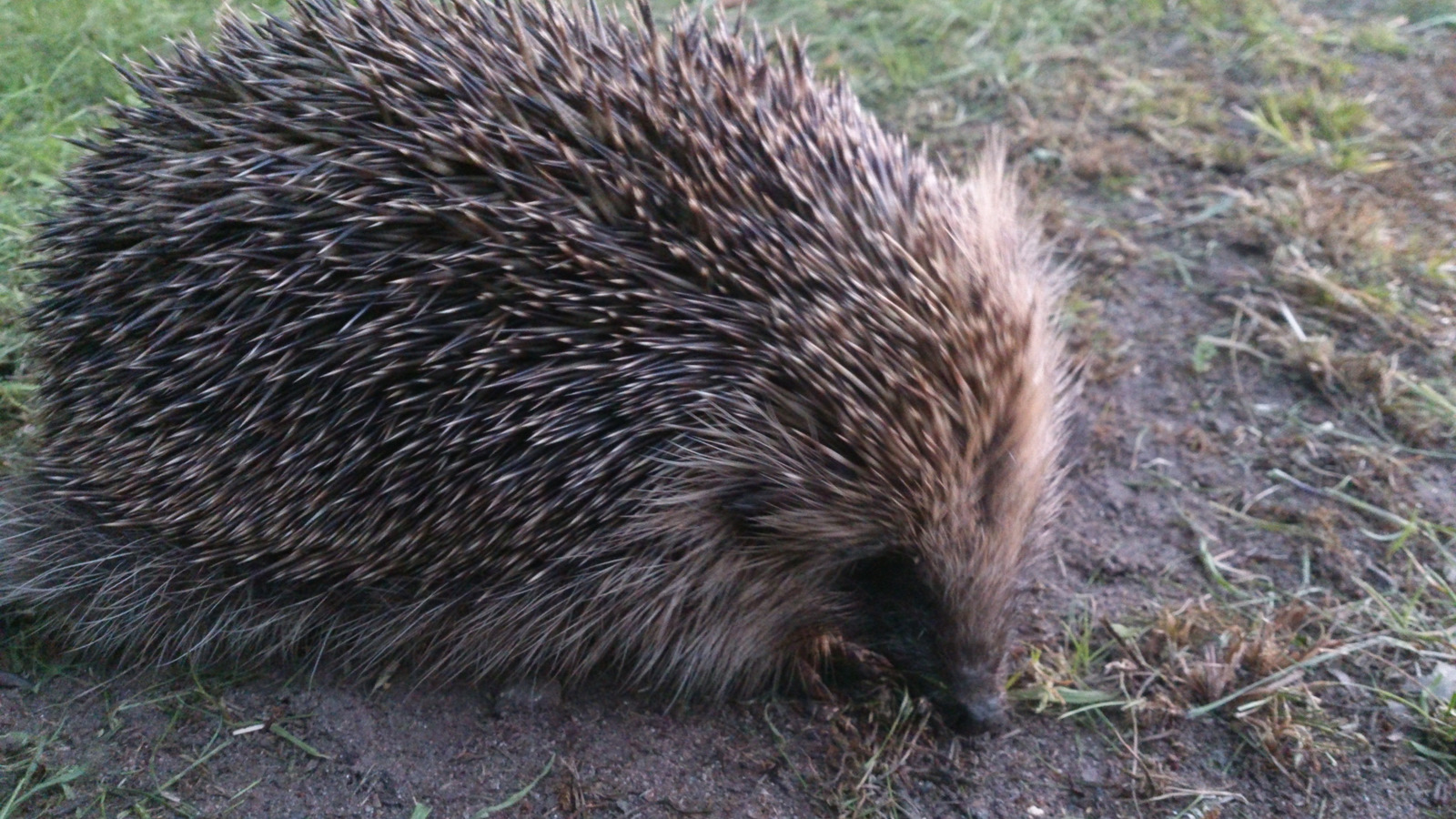
Hedgehog shropos

But that will be because, according to Wikipedia….

“A hedgehog is any of the spiny mammals of the subfamily Erinaceinae, found through parts of Europe, Asia, Africa and New Zealand (by introduction). There are no hedgehogs native to Australia, and no living species native to the Americas.”

Hedgehogs are lovely, sweet animals, which often turn up in the more countrified or overgrown gardens just as darkness is beginning to fall on a warm summer night, and the bats are coming out to hunt.
It is a well-loved species, which has, however, declined sharply in England over the last ten years, with an overall decrease of at least 25%. Hedgehogs are, in actual fact, disappearing in Britain at a quicker rate than tigers are in their own jungle habitat in  southern Asia. The problems for hedgehogs are the usual ones. Gardens are nowadays generally tidier with lots of neat wooden decking, and hardly any patches of weeds and rough grass, full of slugs and juicy snails. More efficient fences have fewer holes in them to allow hedgehogs to range far and wide. The extensive use of insecticide means fewer insects, and a greater possibility of being poisoned. Road casualties are high because the animals’ first natural defence is to roll up into a spiny ball. Not too effective on a busy highway.
Recently though, in our wonderfully overgrown garden, we have been visited by two, possibly, three hedgehogs. We think that they are either a mother and two different children, or possibly, a father, a mother and one rather small and cute child. They snuffle about in the leaf litter, and yesterday morning, in the wee small hours, at about three o’clock, it was actually possible to hear their chewing and crunching from inside the house.
This is the mother, we think…
P1000798
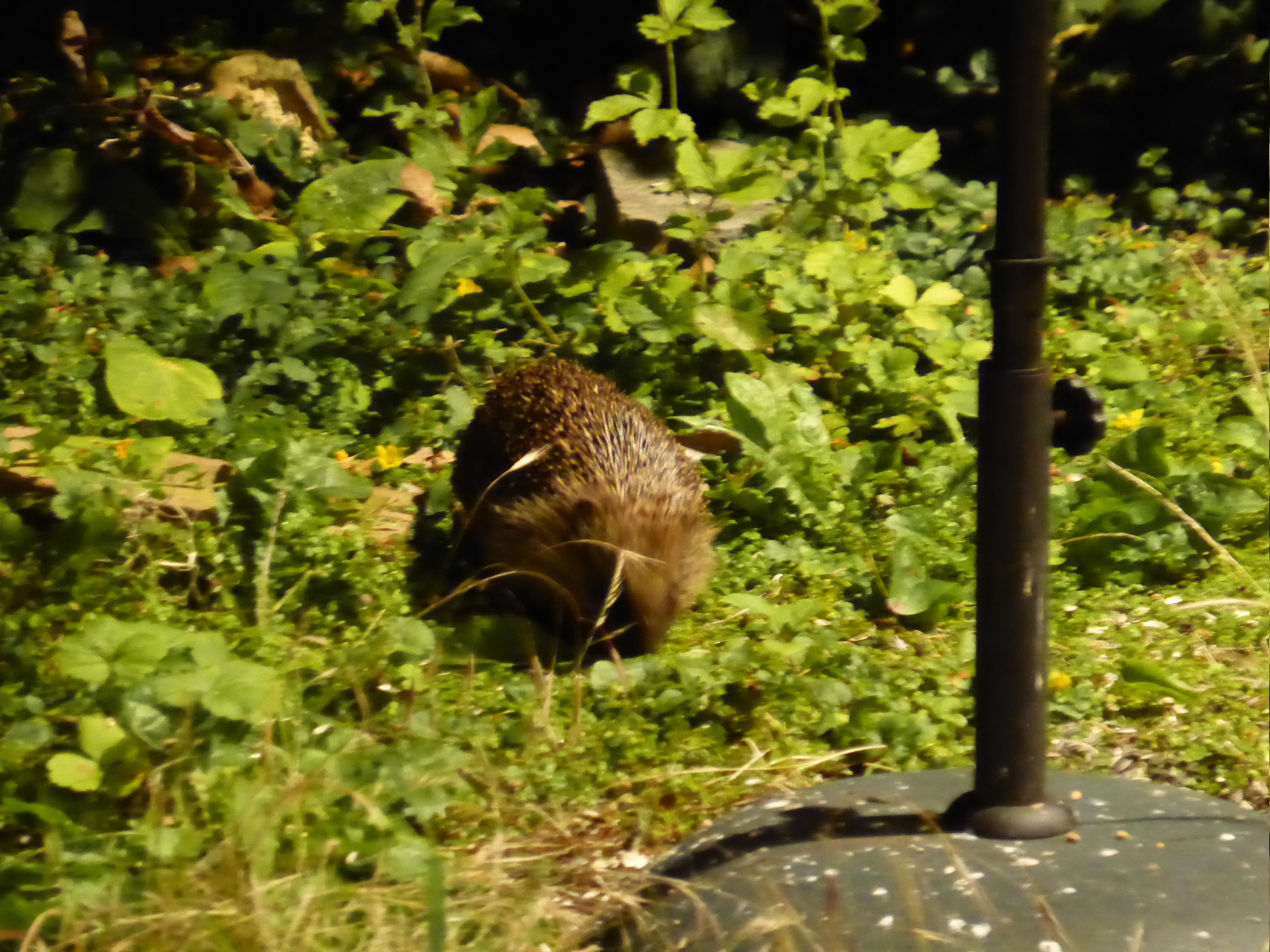
And these individuals are all youngsters, although only their mother could tell them apart, and they may very well be the one and the same little chap photographed on three separate occasions. Spot the catfood…

This slideshow requires JavaScript.


I think the reason for the arrival of these lovely, sweet little animals is the prolonged spell of great heat and severe dryness that we are currently experiencing here in England.  The drought means fewer insects than normal, and the hedgehogs are forced to try their luck closer to man than they might otherwise venture. We have fed our visitors with, for example, wet and meaty cat food, and they certainly appreciate a bowl of water. Traditionally, you are supposed to feed them a bowl of milk with lumps of bread in it, but this is not really a very good idea for a lactose-intolerant insectivore, even one who is willing to consume dog food when times are bad.
In this video, the mother is looking out for suitable scraps from the bird table…

My daughter had to stop filming when the hedgehog was on her shoe!
Here is our video of a cute baby hedgehog eating catfood:


The babies are called “hoglets”, and Mummy and Daddy are a “boar” and a “sow”.
If you are successful in finding and feeding any hedgehogs, make sure that you send your data to the 2014 Hibernation Survey which lasts until August 31st of this year. The more scientific data we have about hedgehogs, the more can be done to increase their depleted numbers.

To find out more about how you can attract hedgehogs to your garden and what to feed them, take a stroll along Hedgehog Street.

Leave a comment

Filed under My Garden, Nottingham, Wildlife and Nature