Category Archives: History

The Missing Statue

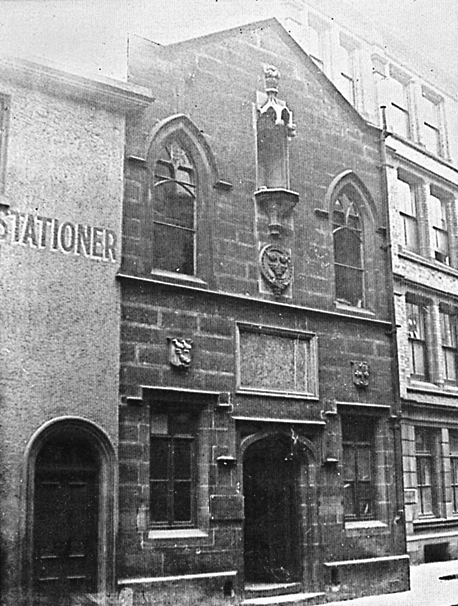
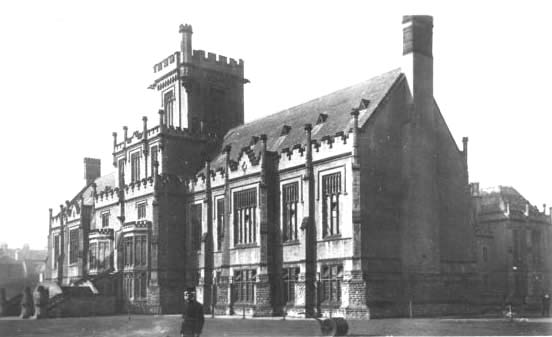
Let’s finish this series of High School puzzles with a third, and final, enigma. So let’s look at that photograph of the Stoney Street school again:

stoney st

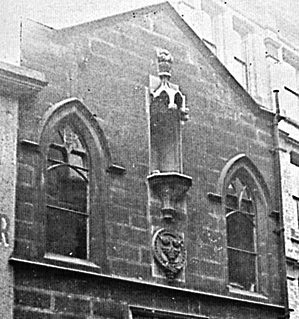
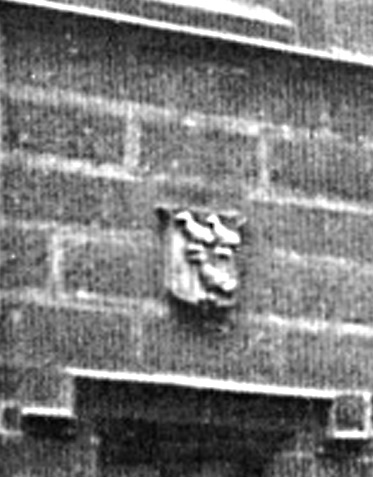
We already know where the pesky little merlettes are hiding, (four o’clock down from the word “stationer”) but what exactly is in the niche near the top of the building? Here is a photograph of nothing, this time seen in close up:

stoney st niche

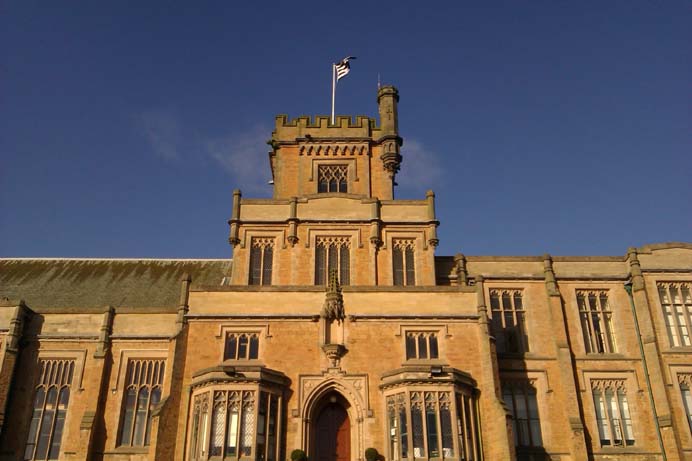
Now let’s look at the present day High School. This beautiful photograph was taken by Rishabh Motiwale and was used as the cover of the book which celebrated the school’s presumed 500th birthday, “500 Happy Returns: Nottingham High School’s Birthday”:

Rishabh%20Motiwale

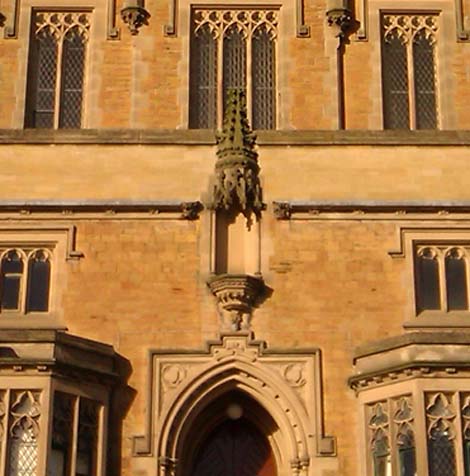
And I’ll ask the same question a second time. What exactly is in the niche near the top of the building? Well, here’s that photograph of nothing again…

Rishabh%20Motiwale close up

Do you remember what a “vowess” was?  Of course you do. It’s:

“a woman who has vowed chastity or devotion to a religious life; a nun”.

It’s what Dame Agnes Mellers became after her husband died.

But do you remember Mr. F. J. Snell’s words about a “vowess” in his book “The Customs of Old England” ? Why certainly! He said that:

“a “vowess” would never willingly forgo any opportunity of showing reverence to the Blessed Virgin”.

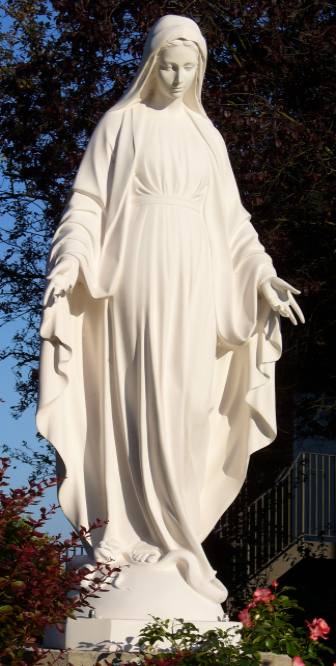
So what is missing from the niche near the top of both buildings, therefore, is a statue of the Blessed Virgin Mary. An image of Mary, Mother of God, a beloved figure in the Roman Catholic Church but one not enjoying perhaps quite as big a fan base with the Protestant Church over the last 400 or so years:

hytheBVM

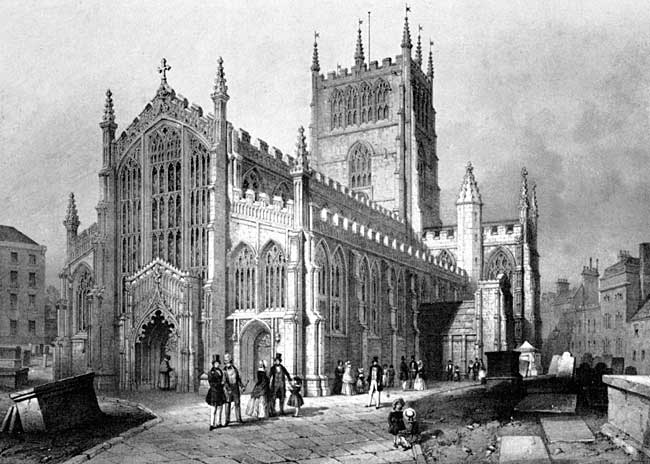
I would guess that, perhaps in the very small print, in Clause 42, sub-clause 69, of Dame Agnes’ bequest, acting as a staunch vowess, she had stipulated that this type of Roman Catholic statue should be on prominent display in her new, or perhaps, merely refreshed, school. After all, her school had started its life in a church dedicated to St Mary:

st-marys-church-1846

But then, twenty years later, once Henry VIII had decided that Roman Catholicism should no longer be the state religion, to have a statue of Mary, Mother of God, on display above the door of the school, must have become just “a statue too far”. It would have made the place look anti-Protestant. Anti-Church of England. It might even have reminded ordinary people of the fact that the Glorious King Henry VIII had taken advantage of the Reformation to steal billions of pounds worth of assets and land from the suddenly unwanted Roman Catholic Church.  So one day, the statue of Mary, Mother of God, just wasn’t there any more. And few people noticed and those who did notice, knew that the best thing to do for their own safety was to keep their mouths firmly shut. And nobody ever mentioned the statue again.

Presumably, this centuries old exclusion from the school’s premises of statues of the beatified members of the fairer sex will come to an end very soon. When the first girl crosses the threshold of her new, co-educational school, she will surely walk into the building under a statue of the Virgin Mary, just as Dame Agnes would have wanted. Surely we will not have to wait for the High School’s first Headmistress to put the matter straight?

11 Comments

Filed under History, Humour, Nottingham, Politics, The High School

Look out ! It’s a tornado !! Hang on to your hat !!!

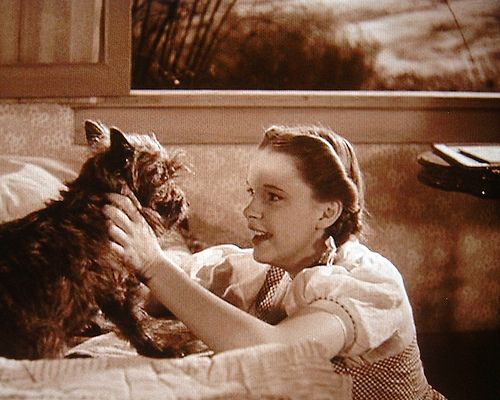
So far I have looked at how Nottingham has been affected by too much water, not enough water, weather that was too cold and weather that was too hot. There have never been any earthquakes or tsunamis here, thank goodness. That is not to say, though, that Nottingham has never been troubled by high winds. All right, it cannot rival Texas or Oklahoma. Neither Dorothy nor Toto ever lived here, and we just cannot  compete with things like this:

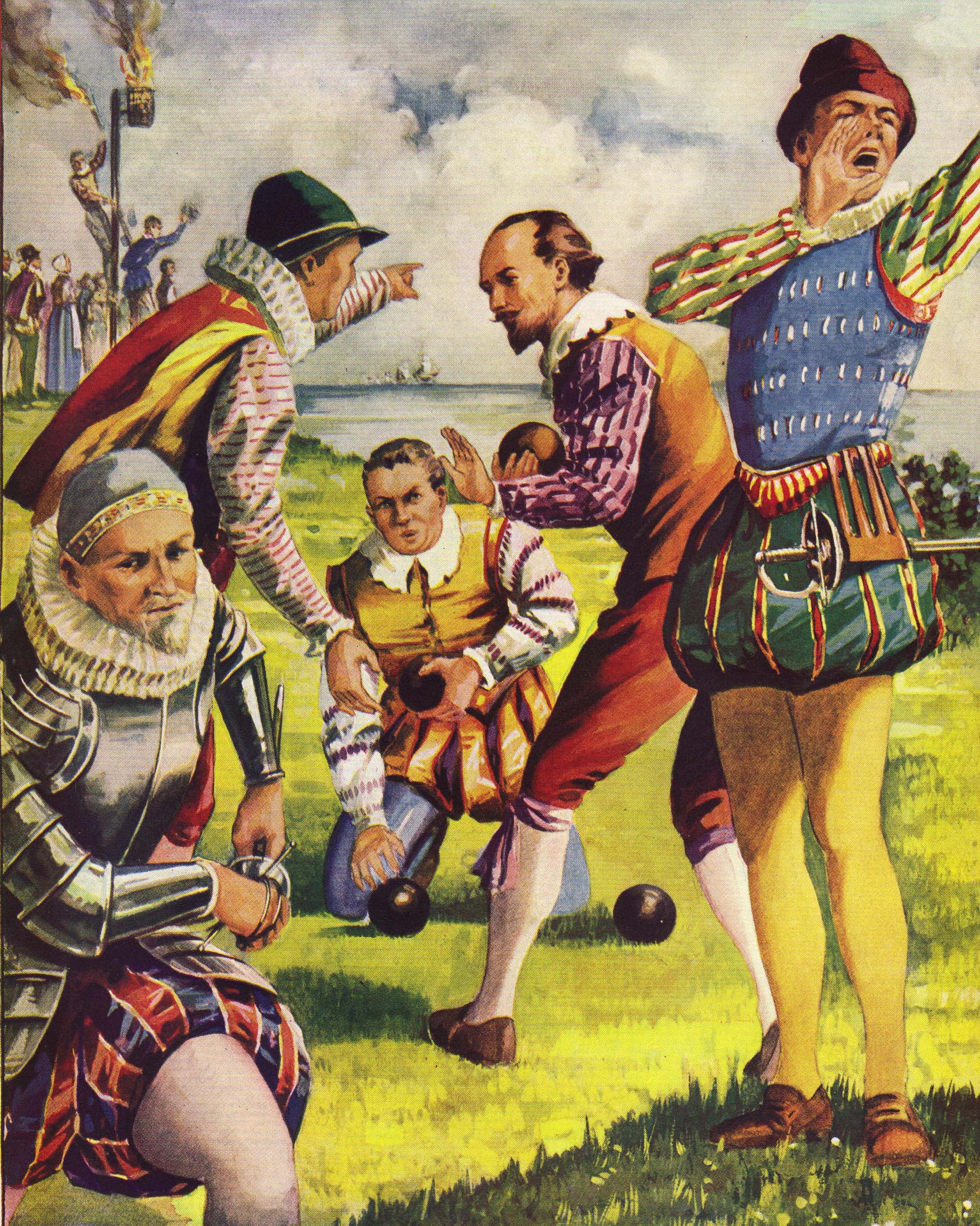
But we do try our hardest. We do our bit. Or at least we did do, way back in the sixteenth century. Just to continue with our policy of showing you the clothes and the costumes, so that you can work out what time period we are talking about, here are some of my favourite people from the era in question, having a game of bowls while they wait for a decision about the Armada from the European Court of Justice:

005

Back to the story….

On Monday, July 7th 1558, Nottingham was struck by a tornado. All of the ordinary houses within a mile of the city were destroyed. Sir Richard Baker reported in his now forgotten but once extremely popular “Chronicle of the Kings of England from the Time of the Romans’ Government unto the Death of King James”:

“On the 7th of July, this year, within a mile of Nottingham was a grievous tempest with thunder, which, as it came through beat down all the houses and churches, cast the bells to the outside of the church-yards, and twisted the sheets of lead like a pair of leather gloves and threw them four hundred foot into the field. The River Trent, running between the two towns, the water, with the mud in the bottom, was carried a quarter of a mile, and thrown against trees, with the violence whereof the trees were torn up by the roots, and cast twelve score yards off:

After%20the%20Storm_2012-10_uprooted%20tree
A child was taken out of a woman’s arms, and carried up into the air then let fall, had its arm broke and died.  Also, a child was taken forth of a man’s hand and carried two spear’s length high, and then let fall two hundred feet off, of which fall it died.

Five or six men thereabouts were killed yet had neither flesh nor skin hurt. They were slain by the storm, during which, hailstones fell measuring fifteen inches in circumference.”

The “two towns” are thought to have been the villages of Wilford and Lenton which at the time were rural, agricultural villages of roughly similarly size, separated from the main town of Nottingham.

Elsewhere in the East Midlands, on an unknown date in July 1558, in Northamptonshire, there was a storm with immense hailstones some fifteen inches around:

ice
I do not know if these two events were connected or not. Overall in England, it was a very hot summer in 1558 with long periods of drought throughout the whole year. In March of 1558 the country had already seen the “most destructive hurricane in England”, although I have been unable to locate the precise whereabouts of this occurrence, and Nottingham seems to have been unaffected.

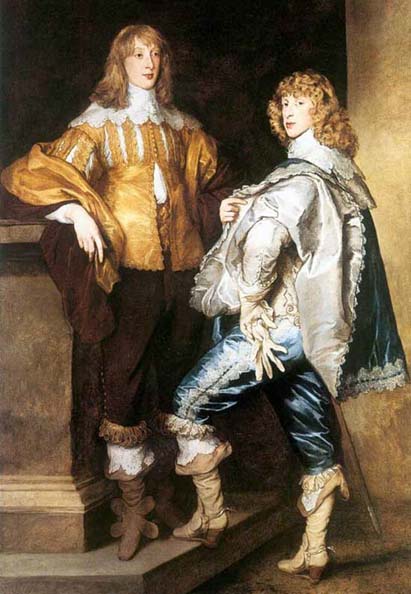
Eighty or so years later, on Wednesday, October 13th 1666, there was a similarly violent storm just a little further north. Called a whirlwind at the time, it actually seems to have done enough damage to warrant being called a tornado. How fashion tastes change in only a hundred years:

Cavaliersxxxxxxxxxxxxxxxxxxxxxx

This account comes from “A General Chronological History of Air, Weather, Seasons, Meteors in Sultry Places and Different Times”, which was written by Thomas Short, and published in London in 1749:

“In Lincolnshire, there was a dreadful storm of thunder, accompanied with hail, the stones as large as pigeon or even pullet eggs, followed by a storm or tempest, attended with a strange noise. It came with such violence and force, that at Welbourn, it levelled most of the houses to the ground. It broke down some trees and tore up other trees by the roots. It scattered abroad much corn and hay. One boy only was killed. It went on to Willingmore (Wellingore?) , where it overthrew some houses and killed two children in them. Thence it passed on and touched the skirts of Nanby (Navenby?) and ruined a few houses. Keeping its course to the next town, where it dashed the church steeple in pieces, furiously damaging the church itself, both stone and timber work. It left little of either standing, only the body of the steeple. It threw down many trees and houses. It moved in a channel, not a great breadth. Otherwise it would have ruined a great part of the country. It moved in a circle and looked like fire. It went through Nottinghamshire, where the hailstones were nine inches about. The whirlwind was about 60 yards broad. On Nottingham Forest, it broke down and tore up at least 1,000 trees, overthrew many windmills, overturned boats on the River Trent. In a village of fifty houses, it left only seven standing.”

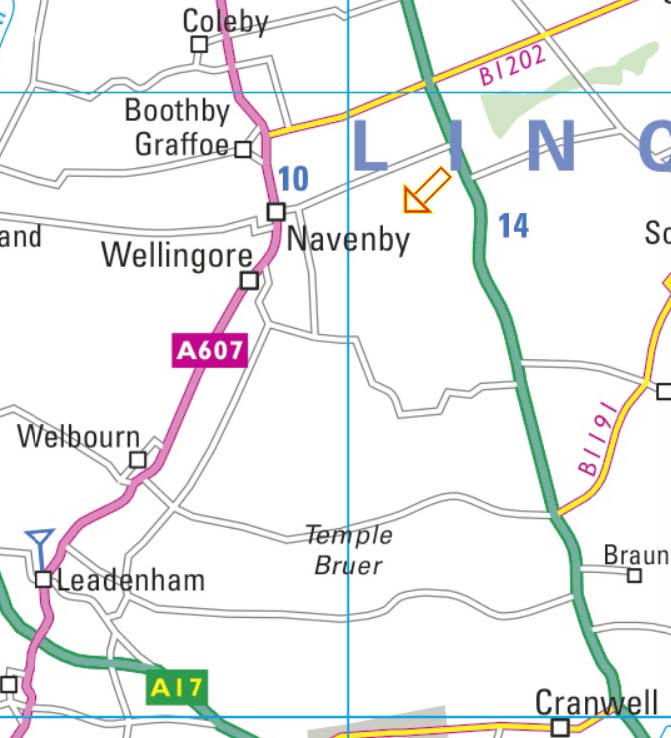
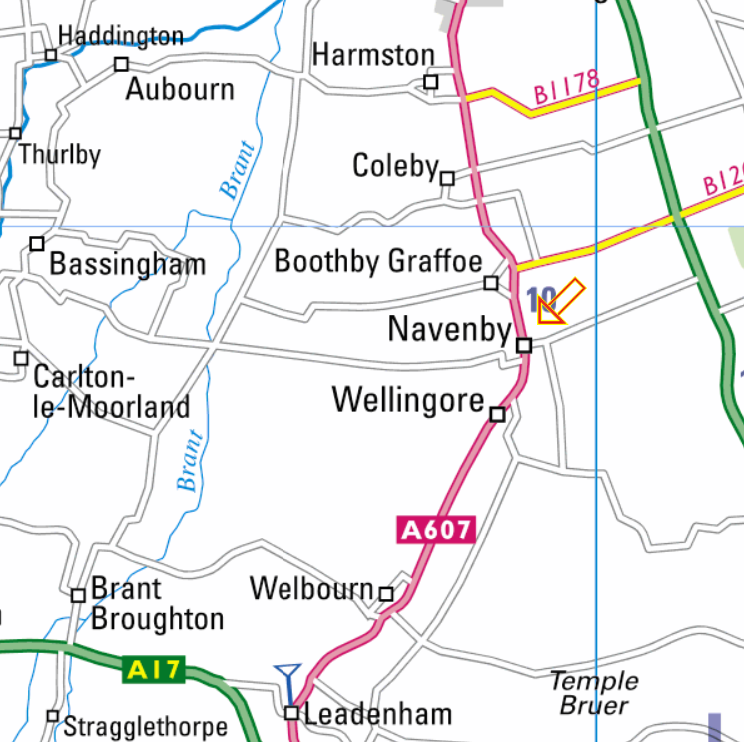
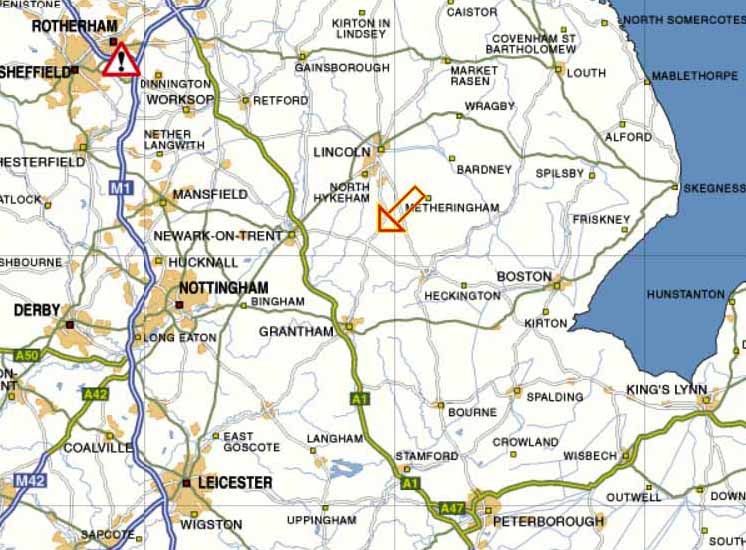
The original place names are given as Welbourn, Willingmore and Nanby. I have taken a quick look at the map and I think that Thomas was writing down the names of the places from a person who was talking to him. I can just imagine a local peasant of the time calling Wellingore, Willingmore and another slack jawed local pronouncing Navenby as Na’nby. As always, look for the orange arrow:

Untitledmap

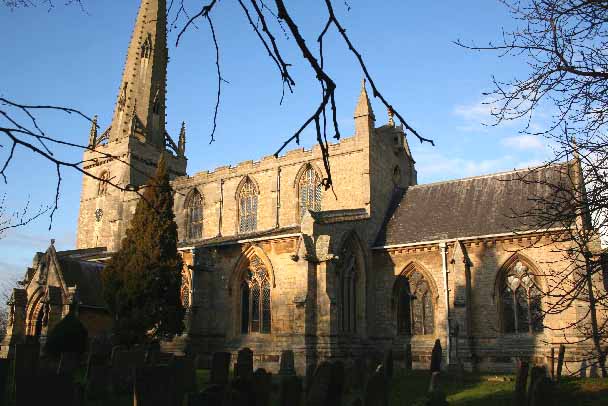
Here is St Chad’s Church in Welbourn, which survived the tornado more or less intact:

St.Chad's church, Welbourn

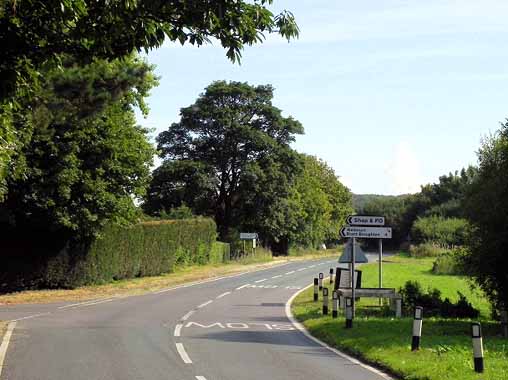
Here is the road near Welbourn:

nar welbourn

That road takes you to Willingmore AKA Wellingore. Here is All Saints Church on a nice day and then on a Meteorological Office Severe Weather Tornado Risk Warning Day:

This slideshow requires JavaScript.

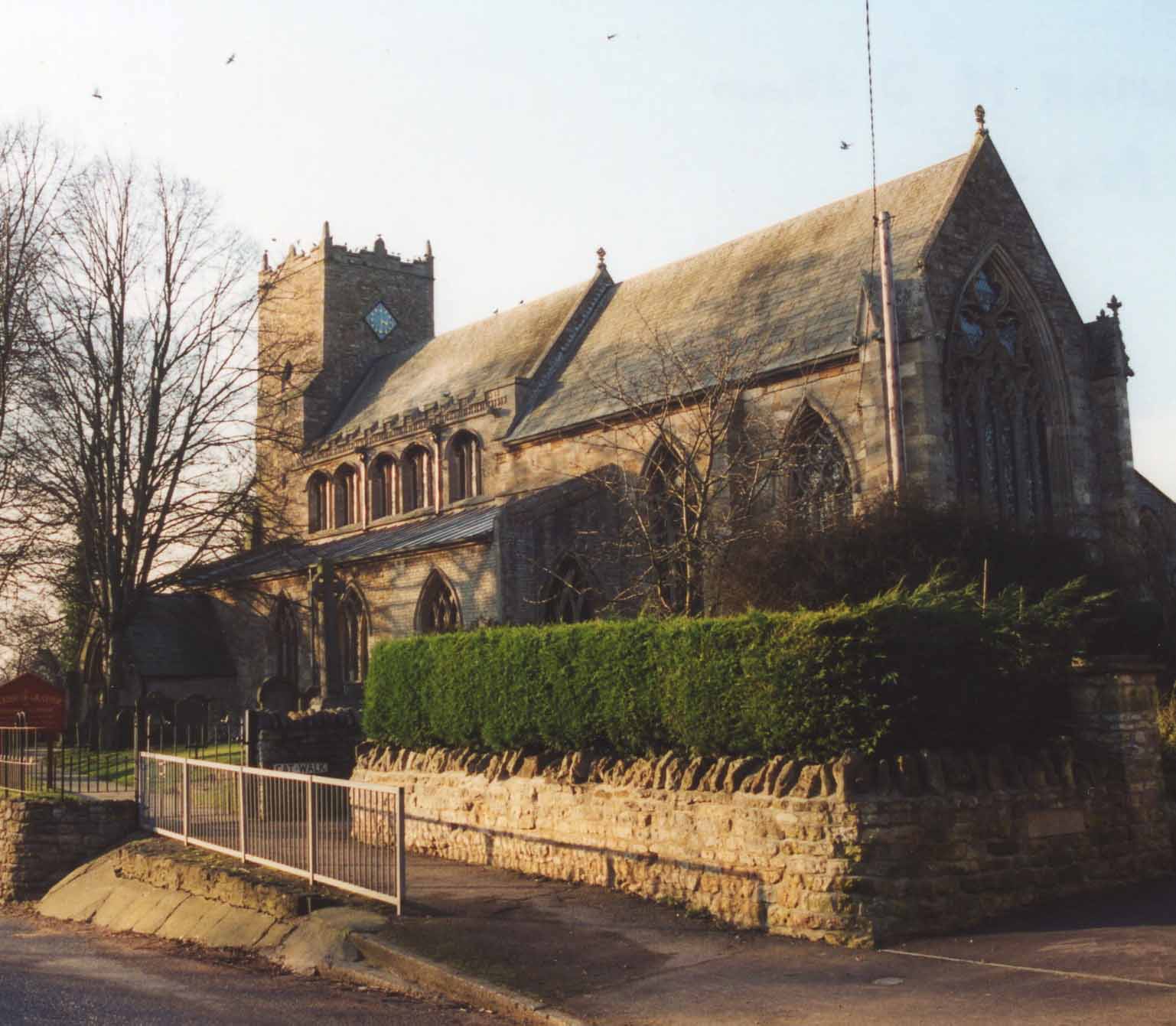
If Na’nby was Navenby, then this is St Peter’s church:

navenby_st_peter

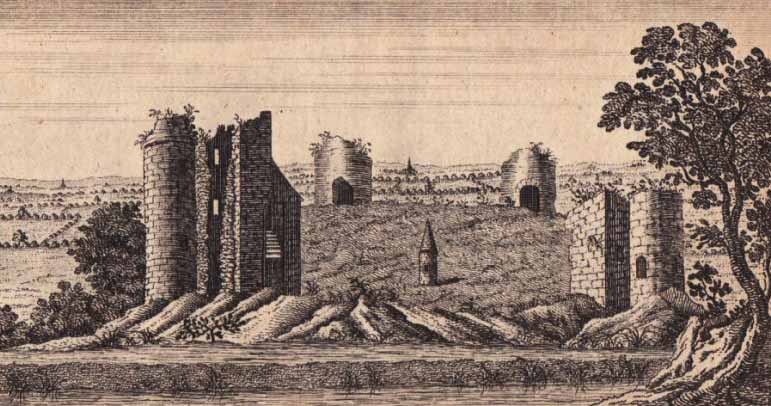
The “next town”, and I am merely guessing here, may have been Boothby Graffoe, which has its own ruined castle:

lincoln-somerton-castle-boothby-graffoe-engraved-print-1770-13812-p

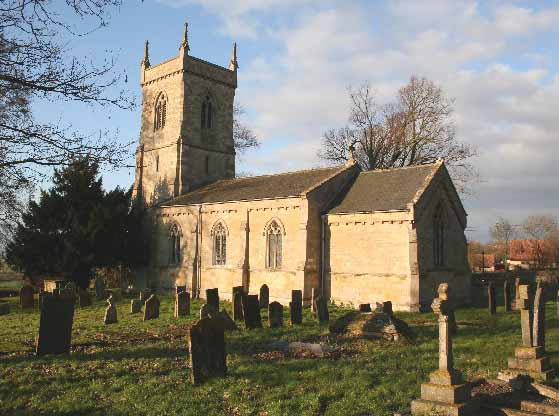
….and a church which over the course of the last 350 years seems to have recovered from what must have been, judging by Thomas’ account, a very bad hair day:

Boothby Graffoe St Andrew

Here is a slightly better overview of the area to refresh your memory. All of my three best guess place names of Welbourn, Willingmore, and Navenby are in a nice, more or less straight line, as the tornado flies. It would be possible to argue that, if the fourth location is a genuine town sized town, then it might be Waddington, or even (less likely perhaps), the county capital of Lincoln. Boothby Graffoe, though, is a lovely village name. Perhaps not as striking as Norton Disney, but cute nevertheless.

Just take a look at this second map, showing clearly the path of the tornado through the three villages. I  rest my case, as they say:

navenby

From my point of view, of course, the most interesting detail is the fact that:

“On Nottingham Forest, it broke down and tore up at least 1,000 trees.”

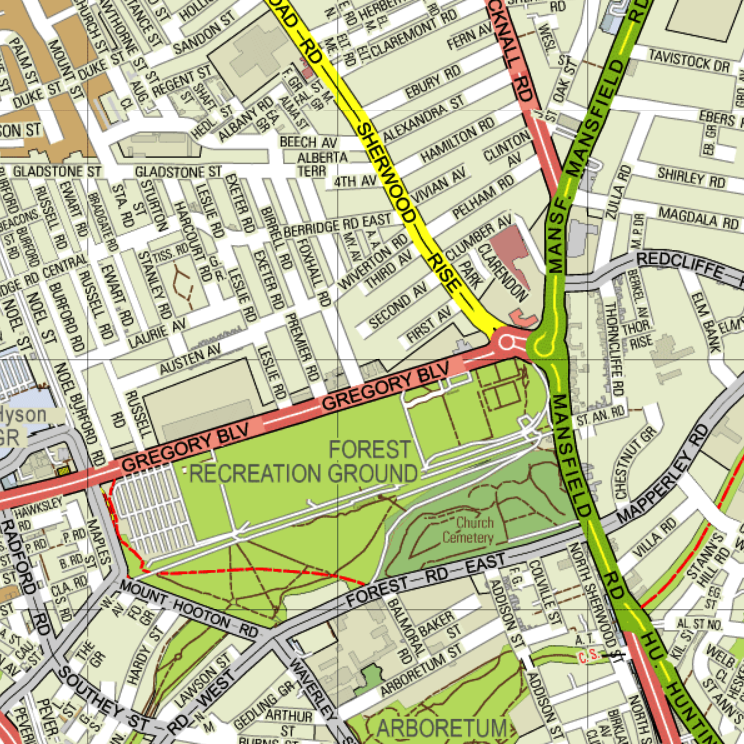
I have already written about the Forest Recreation Ground in Nottingham in a blogpost about a highwayman being executed on the gallows near St Andrew’s Church. Here is a map:

forest

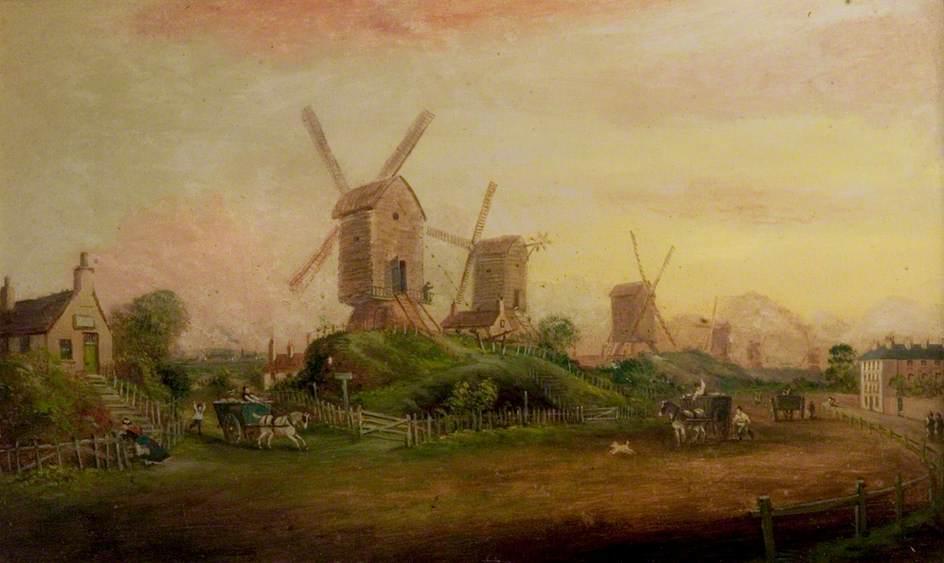
How do I know that this is the same place as Nottingham Forest? I know because of what used to be situated on Forest Road East, to the south of the green area marked “Forest Recreation Ground”. Here is an old, and no doubt, valuable oil painting of them. These are clearly what Richard was talking about when he mentioned that the whirlwind “overthrew many windmills”:

(c) Nottinghamshire Archives; Supplied by The Public Catalogue Foundation

Enormous damage was occasioned in Nottingham:

“On Nottingham Forest, it broke down and tore up at least 1,000 trees, overthrew many windmills, overturned boats on the River Trent. In a village of fifty houses, it left only seven standing.”

In my opinion, this was because the tornado came from the south west, travelled, broadly speaking, to the north east, and was therefore much stronger in Nottingham than it was in Lincolnshire. This weather event may even be the reason that the Forest Recreation Ground was initially created. Having so many trees cut down together in what was then a heavily wooded part of Sherwood Forest itself, may have been the first step towards the vast open space that we all enjoy today. This map shows the general north easterly path of the tornado. The orange arrow points towards the Lincolnshire Three:

big navenby

It is always difficult to prove a negative, but this map shows why mention of the tornado came only from Nottingham and the three small villages in Lincolnshire. Even now, 350 years later, there are comparatively few people living between the two localities to tell the story. And equally, there would have been, centuries ago, virtually nobody to tell it to.

Could somebody in England have recognised a tornado in 1666? Well, yes, he could, if he described the storm he saw as “attended with a strange noise”, as well as being “in a channel, not a great breadth”, “about 60 yards broad” and, most convincing of all,  “It moved in a circle and looked like fire.” And don’t forget, it is always very difficult for a human being to describe something which is not within his terms of reference or his own personal experience.

Just compare those three hundred and fifty year old descriptions with this:

And watch out for Dorothy and Toto:

Dorothy-And-Toto-


19 Comments

Filed under History, Humour, Nottingham, Science, Wildlife and Nature

Call me Ishmael

A few years ago, I asked a group of young people if they had ever read the finest novel ever written in English. They thought that they had probably read it, but asked me if I could be a little bit more precise about its title. I said it was called “Moby Dick”.
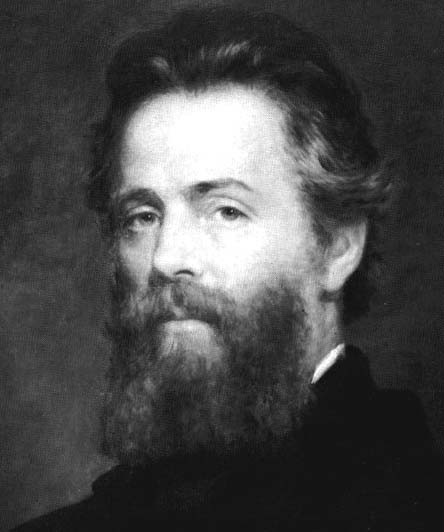
And they were wrong. None of them had ever read it.  One person even said that the book could not be considered because it was written by an American. The author’s name, of course, is Herman Melville:

Herman_Melville

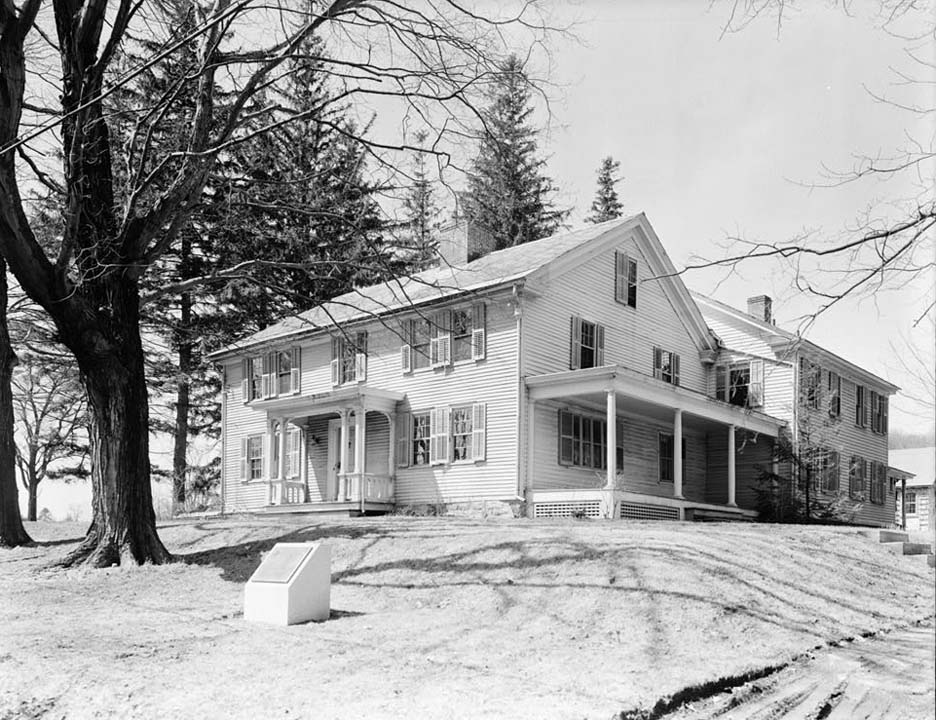
Once he had finished with whaling and the sea, Melville came to live safely on land. Here is his house in Pittsfield, Massachusetts:

dick housezzzzzz

A lot of people, of course, are put off by the sheer size of the book. In the three volume British first edition, there were 927 pages. In the American first edition there were 635. (Bigger pages, presumably?).
Help, though, is at hand. I have prepared a handy guide as to which of the CXXXIV chapters can be missed out without causing any real damage to the story, or to your understanding of the plot. The problem was that, at the time the book was written, around 1850-1851, there were no television documentaries. Almost nobody had ever seen a whale. Many people had never even seen the sea. More or less nobody knew anything of whaling:

humpback

The reader, therefore, had to be informed about the Natural History issues involved, and that, dear reader, is the reason for the great number of the, as it were, “non-fiction” chapters.
In my humble opinion, therefore, do not trouble yourself too much with:

Chapters 24, 31, 32, 44, 54, 55, 56, 59, 61, 62, 64, 67, 73, 74, 75, 76, 79, 81, 82, 84, 85, 87, 88, 89, 91, 94, 101, 102, 103 and 104.

Wow!! If that doesn’t attract you, nothing will. In addition, these chapters could be missed out, but they may add a smidgin to your understanding of the book. These are:

 Chapters 39, 40, 41, 83, 93 and 100.

You must read absolutely all of the last thirty chapters, which tell the story of what happens when Captain Ahab and the crew of the Pequod finally set their eyes on a rather angry Moby Dick. (It doesn’t go well.) If you have ever read the book of the film “Jaws”, you will find this last section very reminiscent indeed of that modern classic.
Even if you have doubts, it is not difficult to give it a go. You can download Moby Dick to virtually any type of machine from Amazon, including some of the more modern lawnmowers.

It is free.

For a small fee, you can even download a version with pictures.

And then, away you go!

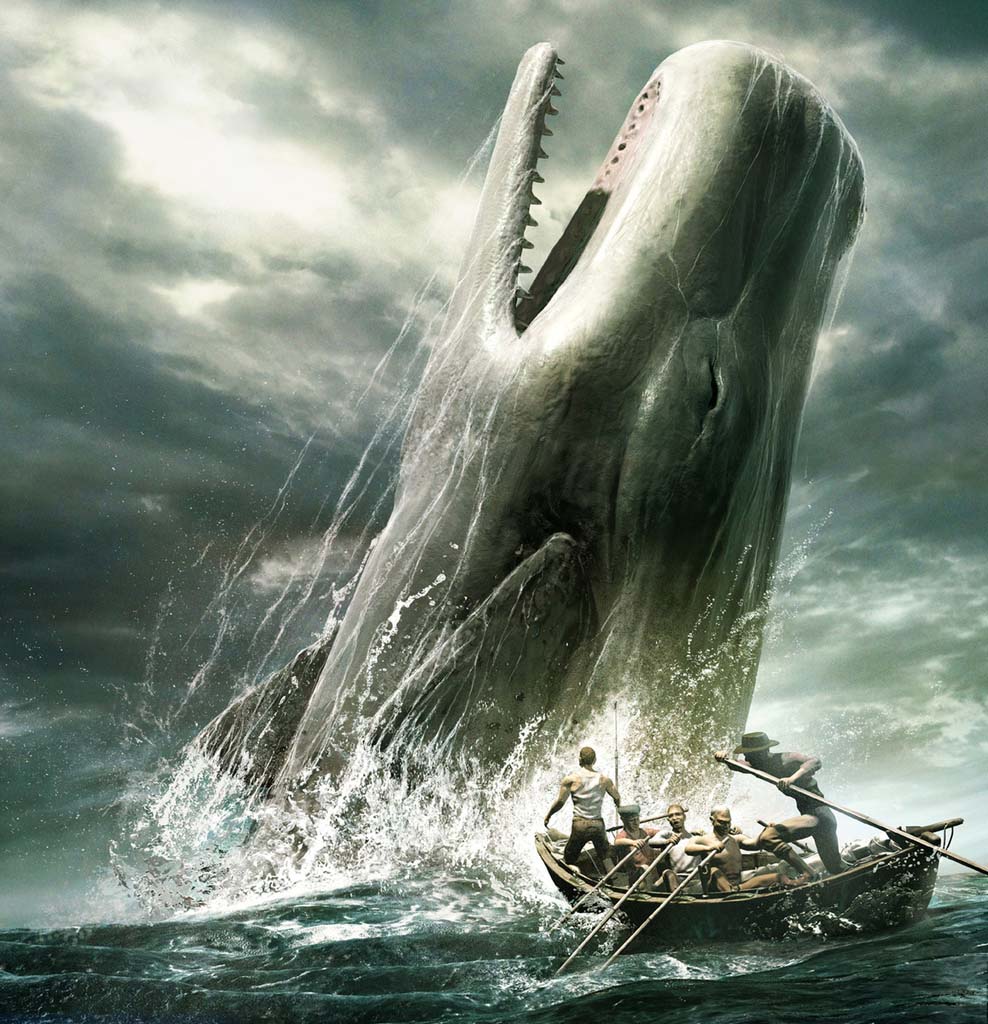
whale rtyuu

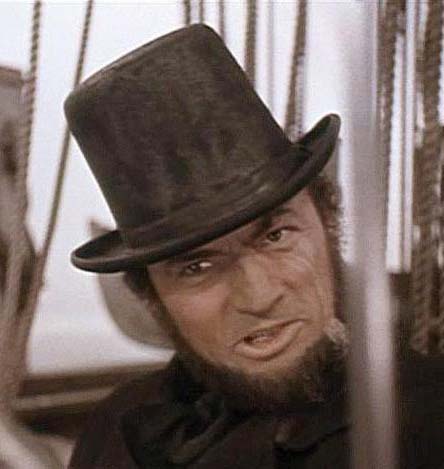
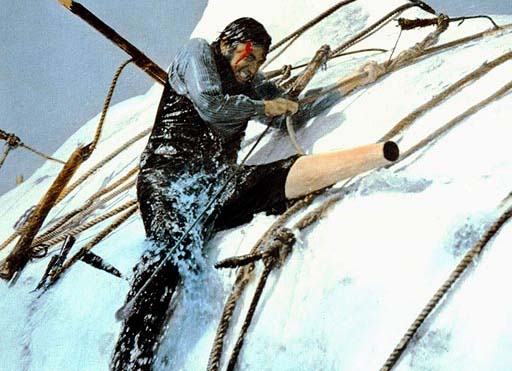
The book is stunning. Pay careful attention to what the characters say and the events which befall them.  You will often find that the author has skilfully linked them together. Perhaps he has provided echoes of words and events as the plot unfolds chapter by chapter. This foreshadowing throughout the book creates great tension, because the reader is given broad hints of what catastrophes are in store for the protagonists (who themselves often refuse adamantly to heed these warnings and carry on regardless to their eventual destruction). Here is Captain Ahab:

gregory-peck-as-ahab-2

And Starbuck. The coffee chain is named after him:

starbuck

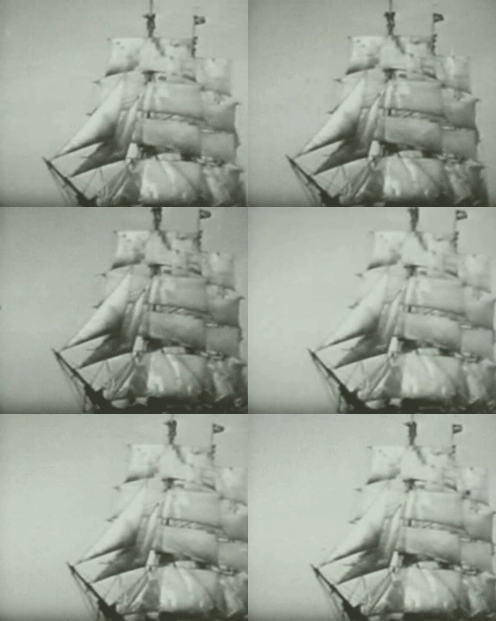
Originally, it was going to be called Pequod’s after the ship:

clipper

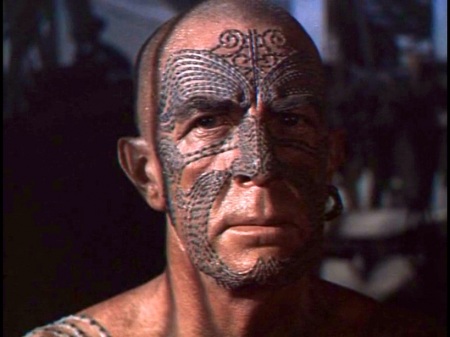
They’re probably lucky it wasn’t named after the whale. Here is Queequeg, one of the three harpooners:

moby-dick_queequeg-stare

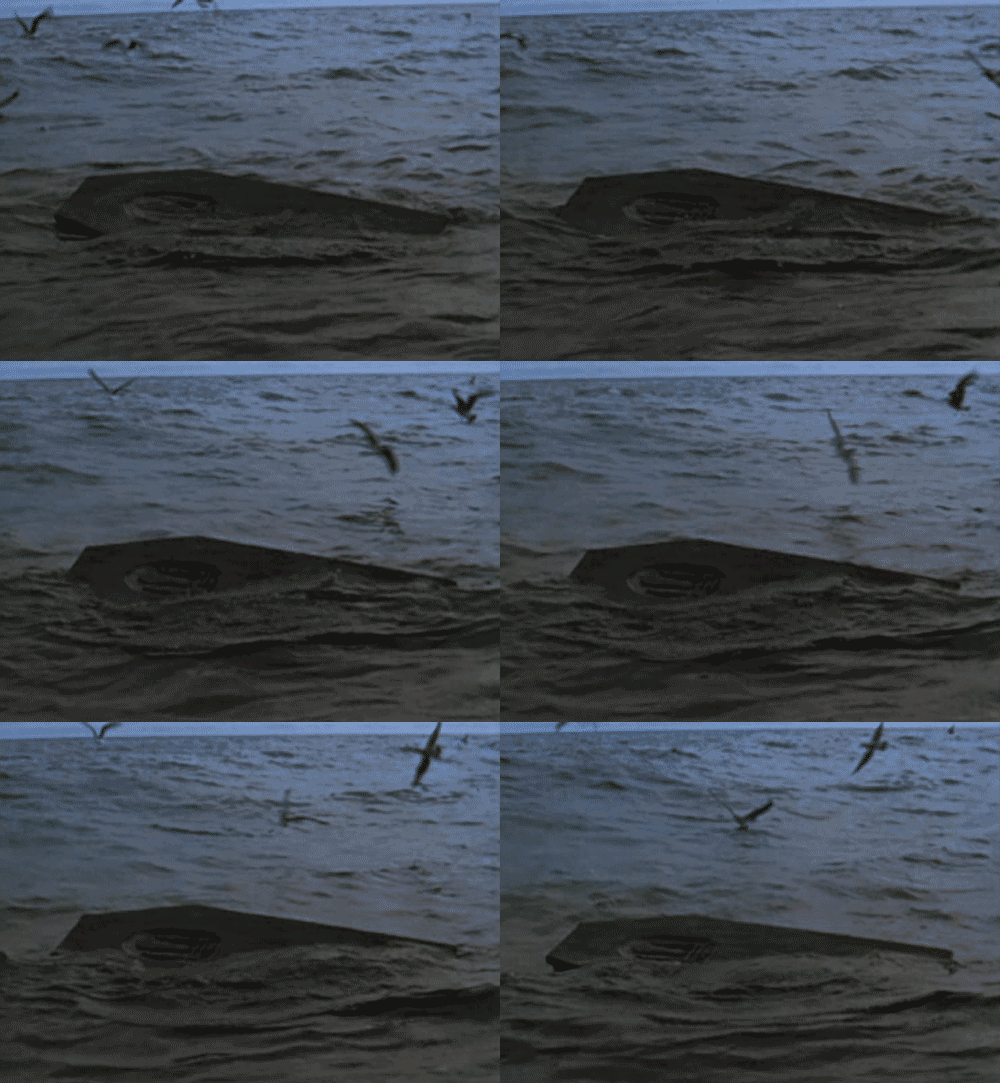
And here is his coffin, floating in the sea:

coffin
D. H. Lawrence, the greatest English novelist, called Moby Dick:

“one of the strangest and most wonderful books in the world”

“the greatest book of the sea ever written”

wale tale

Here are half a dozen quotations to whet your appetite:

“Whenever I find myself growing grim about the mouth; whenever it is a damp, drizzly November in my soul; whenever I find myself involuntarily pausing before coffin warehouses, and bringing up the rear of every funeral I meet; and especially whenever my hypos get such an upper hand of me, that it requires a strong moral principle to prevent me from deliberately stepping into the street, and methodically knocking people’s hats off—then, I account it high time to get to sea as soon as I can.”

giphy


“That inscrutable thing is chiefly what I hate; and be the white whale agent, or be the white whale principal, I will wreak that hate upon him. Talk not to me of blasphemy, man; I’d strike the sun if it insulted me.”

whale

“…mastering his emotion, Starbuck calmly rose, and as he quitted the cabin, paused for an instant and said to Ahab: “Let Ahab beware of Ahab; beware of thyself, old man.”

Moby_Dick_final_chase

“Tied up and twisted; gnarled and knotted with wrinkles; haggardly firm and unyielding; his eyes glowing like coals, that still glow in the ashes of ruin; Ahab stood forth in the clearness of the morn; lifting his splintered helmet of a brow to the fair girl’s forehead of heaven.”

moby-dickzzzzzzzzzzzzzzzzzzzz

“Ahab is for ever Ahab, man. This whole act’s immutably decreed. It was rehearsed by thee and me a billion years before this ocean rolled. Fool! I am the Fates’ lieutenant; I act under orders.”

Moby-Dick-3

“There is no folly of the beasts of the earth which is not infinitely outdone by the madness of men.”

Moby_Dick_p510_illustration

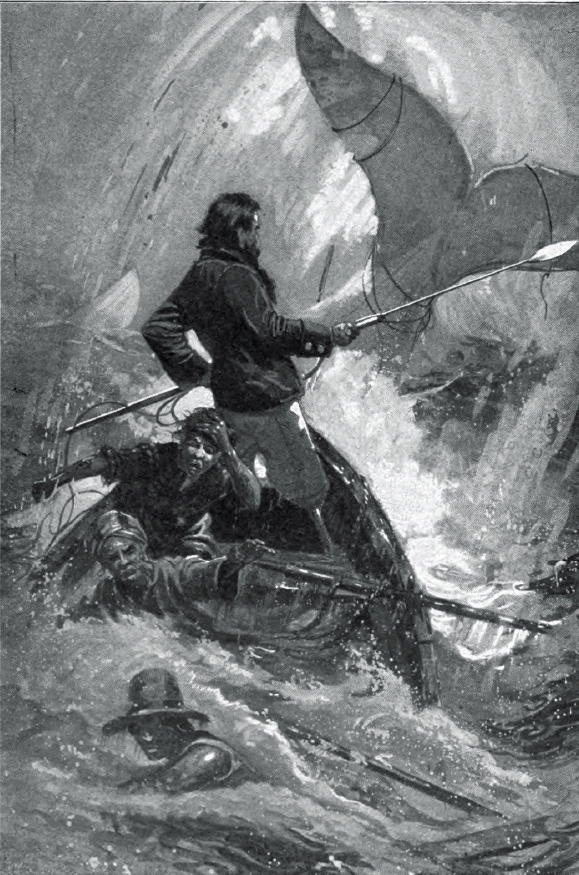
“Towards thee I roll, thou all-destroying but unconquering whale; to the last I grapple with thee; from hell’s heart I stab at thee; for hate’s sake I spit my last breath at thee.”

Moby Dick

And don’t forget, of course, Moby Dick has the most famous beginning of any novel:

“Call me Ishmael.”

The quotations from the end are good, too, but I won’t spoil it for you!

28 Comments

Filed under History, Literature, Personal, Wildlife and Nature, Writing

April Fool? Maybe yes! Maybe no!

Here are today’s football results for April 1st 2016…

AS Adema    149       Stade Olymique L’Emyrne 0

burun

Akurba FC 0       Plateau United Feeders    79

Bon Accord Aberdeen 0       Arbroath     36

Micronesia 0       Vanuatu    46

Australia    31       American Samoa   0

Arsenal   26     Paris   1

Preston North End     18       Reading   0

This slideshow requires JavaScript.

Australia    0    England      17

Germany   16     Russia   1

England     15       France 0

Manchester United     14       Walsall   0

Clapton 0       Nottingham Forest     14

Tranmere Rovers    13       Oldham Athletic    4

Stockport County    13       Halifax Town   0

Newcastle United    13       Newport County   0

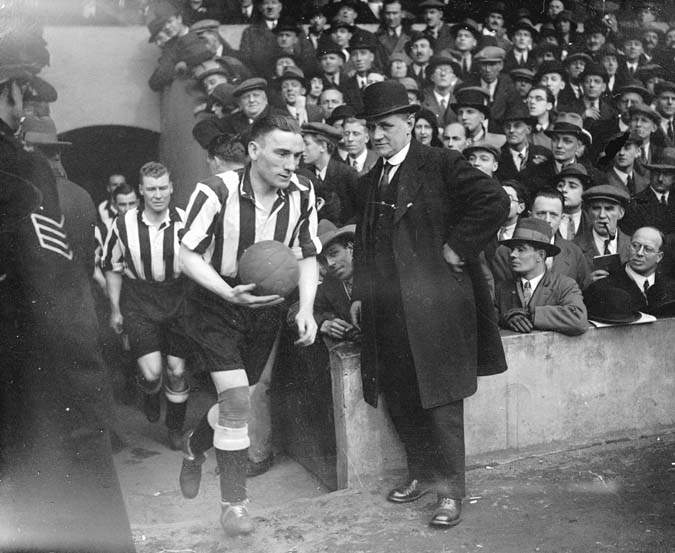
Newcastle United captain Jimmy Nelson leads his team out

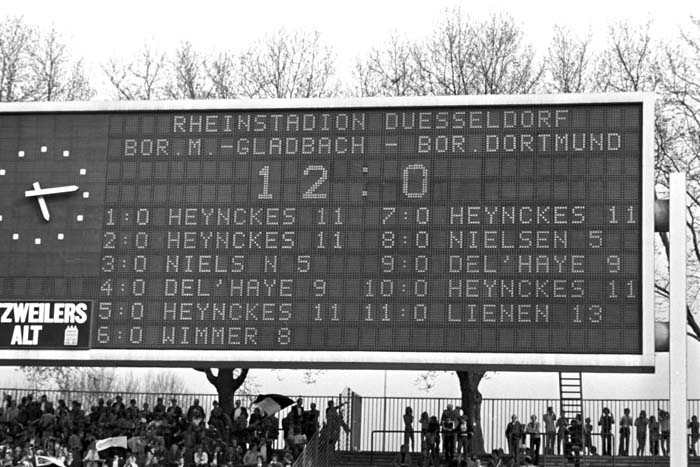
Borussia Mönchengladbach    12       Borussia Dortmund   0

dortm

Chelsea    13       Jeunesse Hautcharage    0

Athletic Bilbao    12       Barcelona    1

Derby County    12       Finn Harps    0

Luton Town   12       Bristol Rovers    0

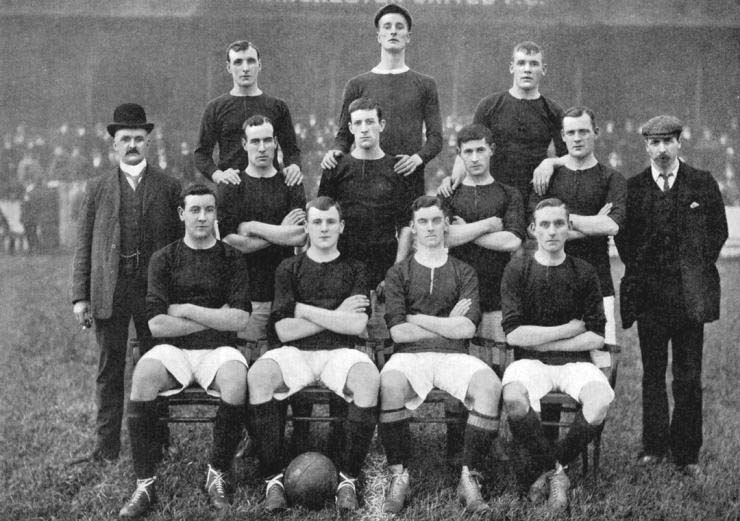
Corinthians    11       Manchester United    3

man-united-1905

Real Madrid    11       Barcelona    0

ronaldo-bale-519878

Tottenham Hotspur   10       Everton     4

Barcelona    3       Notts County     10

This slideshow requires JavaScript.

Notts County    1       Southwell City    10

Notts County    1       Queen’s Park      10

Bournemouth    10       Northampton Town     0

Sunderland       9      Newcastle United    1

Charlton Athletic    7       Huddersfield Town     6

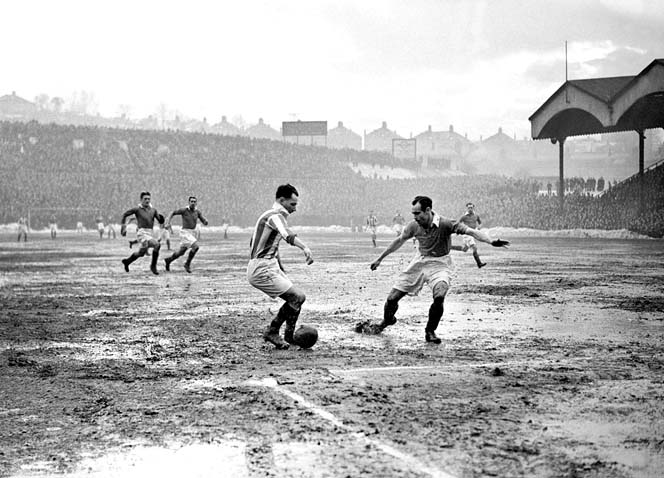
Huddersfield in possession in the photograph below:

(L-R) Huddersfield Town's Alf Whittingham takes on Charlton Athletic's Jock Campbell

Brazil    1    Germany     7

Atlético Madrid    6       Athletic Bilbao   6

Manchester United    0       Huddersfield    6

hudders

Barcelona     2       Notts County     4

Barcelona    1       Notts County      3

Kenya Breweries Mombasa    2       Notts County    1

Brazil   3     Exeter City    3

Derby County    8       Tottenham Hotspur   2

And what’s so strange about all these scores?

16 Comments

Filed under Derby County, History, Humour, Nottingham

John David Fletcher: Part 4

I recently wrote about the collision of two Lancasters from 97 Squadron on June 23rd 1944 in the sky above Crowland in south west Lincolnshire, as they practiced formation flying.

Seventy years later, on June 23rd 2014, a ceremony was held to commemorate the sacrifice of these young lives.

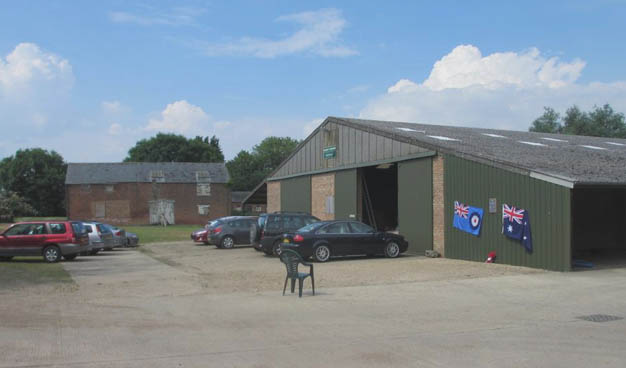
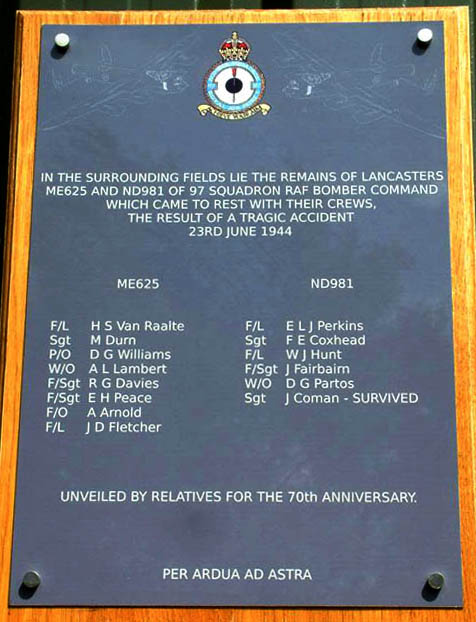
A memorial service took place in a field behind Bank’s Farm and a plaque was unveiled on a farm building near the crash site:plaque 5

It is on the metal wall of a barn:

plaque 1

Here it is in close up:

palque 2zzzzzzzzzzzzzzzzzzzzz

The events of this commemoration were all scheduled to begin at three thirty in the afternoon, more or less the exact time the two huge bombers collided all those years ago. Should anyone wish to visit the site, the directions I have are to “Go into Crowland, find Cloot Drove, travel down about 2 miles where you’ll see the farm buildings on the right, the plaque is facing the road and the postcode is PE6 0JL.”

Years ago, a simple wooden cross stood alone in the middle of a field to mark the exact site of the crash, but by 2014, it was long gone.

Fortunately, members of Lincolnshire Aircraft Recovery Group (LARG) had decided, initially in 1979, to attempt to recover the wreckage of the two Lancasters. Here is their workshop, with other remains that they have found:

Avro_Lancaster_Mk_1_ExCC

Their researches have ensured that the exact location of the old wooden cross, marking the crash site, was rediscovered.
The wreckage they recovered is now on display at the Lincolnshire Aviation Heritage Centre, the home of LARG.

Needless to say, as I was not a witness to all of these dreadful events, this article could not have been written without using the series of excellent books by W.R.Chorley, and a number of other websites.

13 Comments

Filed under Aviation, Bomber Command, History, Nottingham, The High School

John David Fletcher: Part 3

Flight Lieutenant John David Fletcher was buried in Cambridge City Cemetery on the Newmarket Road. As well as John Fletcher, four other casualties were buried in this cemetery, the rest being taken back to the cemeteries near to their homes.

The pilot, Flight Lieutenant Henry Stewart van Raalte of the Royal Australian Air Force was one of the four to be buried in Cambridge City Cemetery. Aged just 31, he was the beloved son of Henri Benedictus Salman van Raalte and Katherine Lyell van Raalte. He was the much loved young husband of Mrs Mary Ellen van Raalte. They all lived together in Albany in Western Australia:
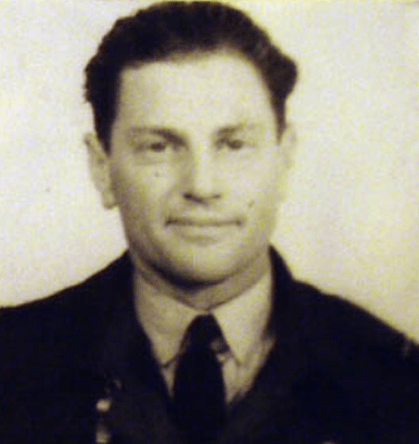
van rxxxxxxxxxxxxxxxxxxxxxxxxxxxxxxxxxxxxxxx

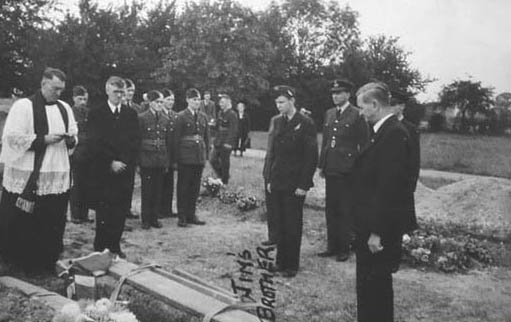
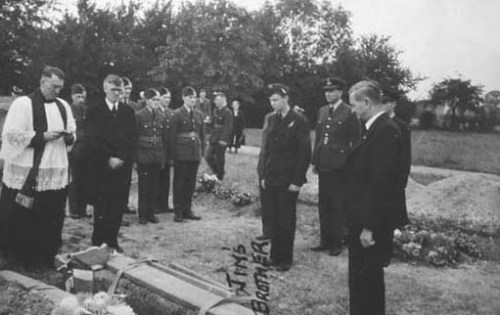
Here is Jimmy’s funeral in Cambridge Cemetery. His brother is labelled in the foreground:
van

Flight Sergeant Maurice Durn, the Flight Engineer, is buried in the churchyard of St Bartholomew’s Church in Marsden. He was only 21 years of age, the beloved son of Norman and Clara Durn, of Marsden, and the much loved husband of Mrs Dorothy Durn, who lived in the same village in West Yorkshire, seven miles west of Huddersfield.

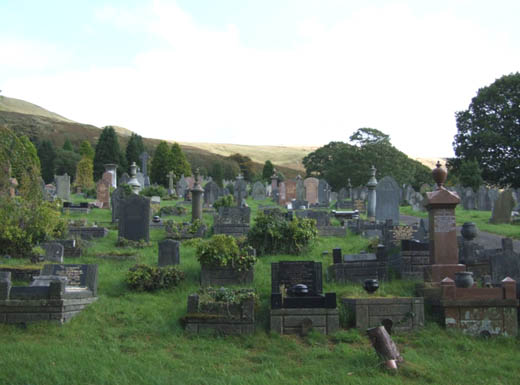
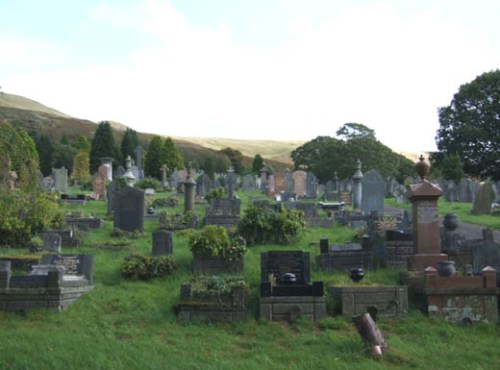
Pilot Officer David Gethin Williams was the navigator. He was the beloved son of Gwilym and Dorcas Ann Williams, of Blaengwynfi, a village in the Port Talbot area of South Wales. He is buried in Plot T, in unconsecrated ground, in Rhondda (Treorchy) Cemetery.

David Williams’ nephew can still remember him:

“My uncle David Gethin Williams was the navigator in Van Raalte’s airplane. My father who was 14 when his brother was killed remembers that it was a sealed coffin that was returned home for burial as they could not be sure if it was David Gethin that was in it. My grandmother was always haunted by that. My father remembers the Van Raalte brothers coming home to Treorchy with David Gethin when they were on leave. The rear gunner Royston George Davies was also from Treorchy and both gravestones are in sight of each other which is very poignant!”
rhonfdd cemete

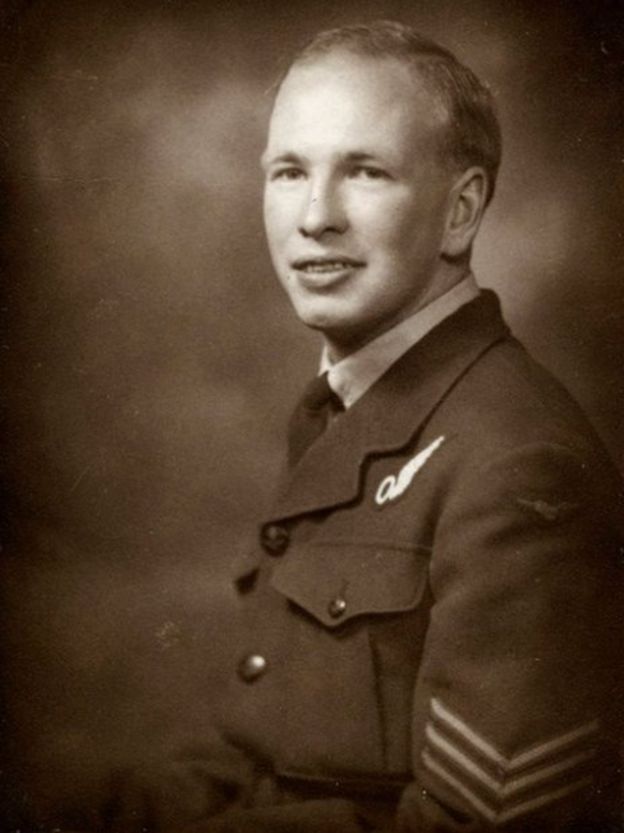
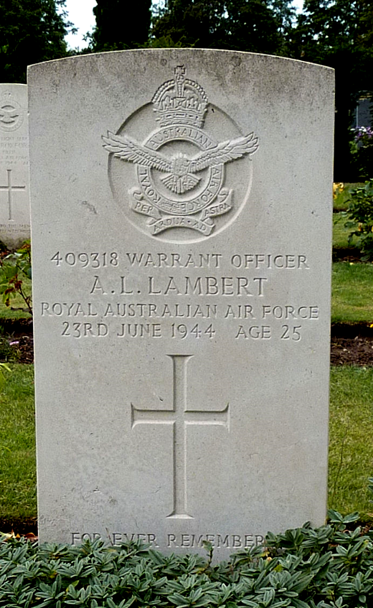
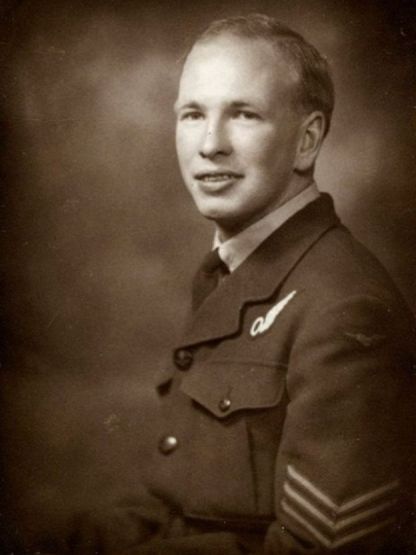
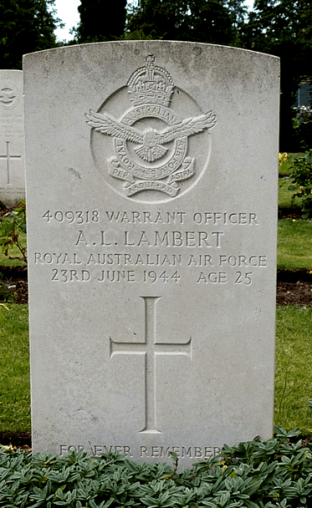
The Bomb Aimer, Warrant Officer Alfred Leonard Lambert of the Royal Australian Air Force was 25 years old when he died. He was the much loved son of John Leo and Rhoda Lambert and the beloved husband of Stella Irene Case Lambert, of Eastwood in New South Wales, Australia.
lambert

His daughter, later to marry and become Maree Pollard, was only eleven months old when her father was killed. She said:

“It has always been a big black hole in my life. I personally feel that LARG have done a fantastic job and I just can’t thank them enough. I find it very humbling.”

Maree never met her father, because she was living in Australia when he died. Alfred is buried in Cambridge City Cemetery:laambert
Flying Officer Alan Arnold was the Second Bomb Aimer, He was also a member of the Royal Australian Air Force and was aged just 26 at the time of his death. Alan was the much loved son of Edward and Lillian Evelyn Agnes Arnold, of Pascoe Vale South, Victoria, Australia. He was apparently flying as a visual air bomber. He too is buried in Cambridge City Cemetery.
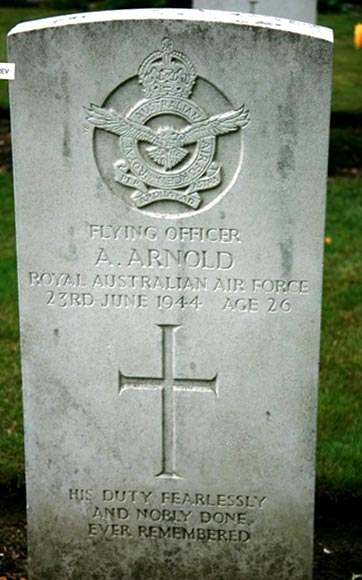
arnold

Flight Sergeant Eric Henry Peace was just 21 years of age. He was the wireless operator, the beloved son of Ernest and Ethel Maud Peace of York. He too is buried in Cambridge City Cemetery.

The mid-upper gunner was Royston George Davies, aged just 22, and the much loved son of Gerildis and Gwenlian Davies, of Treorchy. He was the husband of Phyllis Mary Davies, and they lived in Cwmparc, Treorchy. Just like the navigator, David Gethin Williams, Royston is buried in Rhondda (Treorchy) Cemetery, both graves in sight of each other.

The other Lancaster involved in the catastrophe was ND981, also of 97 Squadron, piloted by Flight Lieutenant Edward Leslie John Perkins:
third time livcky

His friend Patrick Turner, the flight engineer in another Lancaster in 97 Squadron, recounted how the men enjoyed time to let off steam:

“One of the pilots, Flt Lt Perkins, had a small car and the whole of the flight lifted this car onto the top of an air raid shelter. After the accident we had the job of getting it down.”

Only one man was to escape alive from this horrendous collision, everybody else being killed.

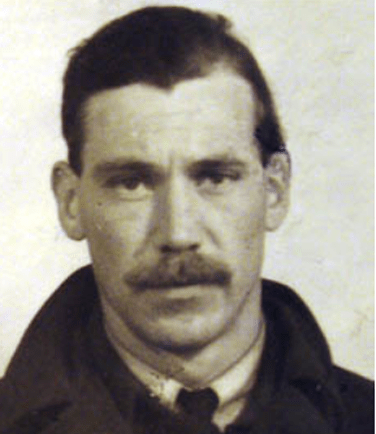
Flight Lieutenant Perkins, the pilot, was buried in Cambridge Cemetery, but I have been unable to trace any further details whatsoever about him.

The Flight Engineer was Sergeant Frank Ernest Coxhead, aged 20, of Somercotes in Derbyshire. He was the much loved son of Frank Percy and Martha Coxhead. Frank is buried in Lea Brooks Cemetery in Alfreton, Derbyshire.

The Navigator was Flight Lieutenant William James Hunt who was only 22 years old. He was the beloved son of Sydney Herbert and Maud Adeline Margaret Hunt, of Romford, in Essex . The inscription on his grave in Romford Cemetery reads, “Tranquil you lie, Your memory hallowed, In the land you love.”

The bomb aimer was Flight Sergeant John Fairbairn, aged 30, the much loved son of Frank and Ada Fairbairn, of Knottingley in West Yorkshire. John was the husband of Ivy Fairbairn, of Ferrybridge near Knottingley. He is buried in the cemetery at Knottingley. He had had a lovely wedding, perhaps at the very same Northern church:
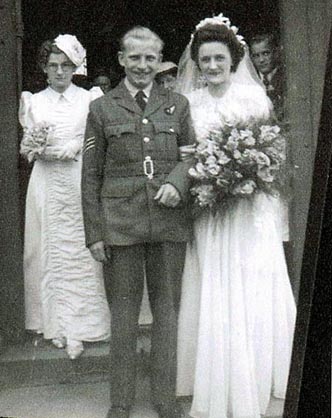
fairnbairn%20wedding%20day

The wireless operator was Flight Sergeant Coman, with the first name John or Joseph, depending on where you look. Of him, more later.

The mid upper gunner was Warrant Officer Denis Gilbert Partos. He was 23 years old, and the much loved son of Francis Ferdinand and Pauline Partos, of Southgate, Middlesex. John is buried in Southgate Cemetery. Denis died without knowing that he had been awarded a Distinguished Flying Medal. The news only came through in the London Gazette on June 27th.

This death may have been the final moment of despair for Francis Ferdinand and Pauline Partos, of Southgate, Middlesex. Their other son, John Emil Partos, a Bomb Aimer with 427 Squadron of the Royal Canadian Air Force, had already been killed on February 27th 1943:002810029-vickers-wellington-iii
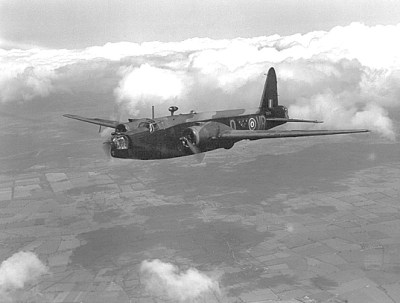
He was flying in a Vickers Wellington bomber which had taken off from RAF Croft at 1848 hours. This was ZL-C with the serial number BK268, piloted by Flight Sergeant  George Taylor. They were one of seven Wellingtons sent to bomb Cologne. Five aircraft returned safely. Flight Sergeant Taylor bombed successfully, but on the way home he crashed at R.A.F. North Luffenham, near Woolfax Lodge, and he, and four of his crew, were killed, including John Partos. Flight Sergeant William Harwood and his crew were also posted missing from this raid. The whole story can be found on the website of the Canadian 6th Group:

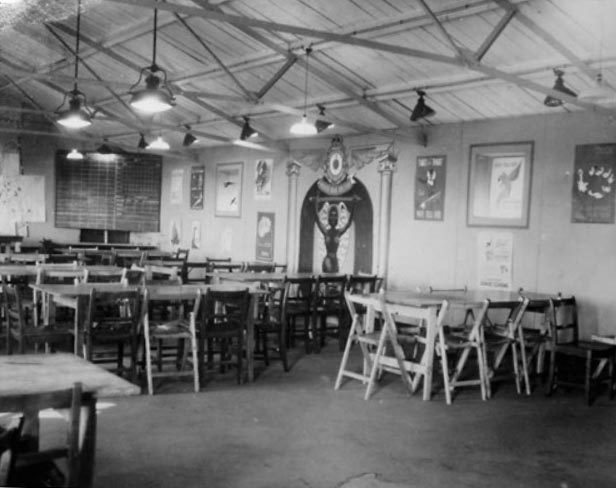
What makes these events, back at RAF Coningsby in Lincolnshire, even more tragic and twisted is that Denis Partos was not even a normal member of the crew of this doomed Lancaster. The normal mid-upper gunner was Flight Sergeant M.H.McBride, but he could not fly on this particular day because he was on a charge and had been grounded for his bad behaviour.  So too was the other gunner in the crew, Flight Sergeant J.K.Russell. Flight Sergeant M.H.McBride went on to survive the conflict as far as I can trace. So too did Flight Sergeant Russell. They must have thought, though, that they had used up all of their good luck for the entire rest of the war! Here is the Operations Room of 97 Squadron
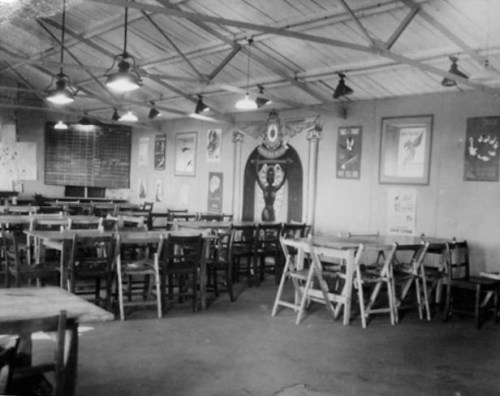
opr room

I cannot trace a rear gunner for ND981 on this particular occasion. Some sources give it as John David Fletcher but that is clearly an error. Perhaps the aircraft flew with just six crew members.

The only man to survive the crash was Flight Sergeant Coman who was the wireless operator of Flight Lieutenant Perkins’ Lancaster. Coman jumped out of the stricken bomber as it broke up and managed to get his parachute open. He was badly burned by parachuting down almost into the burning wreckage of the two aircraft. He owed his survival, it is thought, to the fact that he was conceivably blown upwards by the force of the explosion of the burning wreckage on the ground and was, therefore, able to open his parachute and come down safely.

After his almost miraculous escape, poor Flight Sergeant Coman left the squadron and, in actual fact, was to die of tuberculosis not too long after he left the RAF. According to at least one website, he was so traumatised that he was never flew again after the tragic events of Friday, June 23rd 1944. (not surprisingly, you might think).

Old Nottinghamian, John David Fletcher had intended to make his living by farming poultry when he left the RAF.

Sixty years after the tragedy,  at a commemorative ceremony, Roy Sturman, from the Nottinghamshire country village of Collingham, spoke about his feelings all those years ago. He was only ten when his brother-in-law, John David Fletcher, was killed in the crash. He said:

“I thought he was great. He was a hero to me. I’m so glad I came along to the ceremony, because this is history and it needs to be remembered.”

This stained glass window is dedicated to the memory of the brave young men of 97 Squadron:
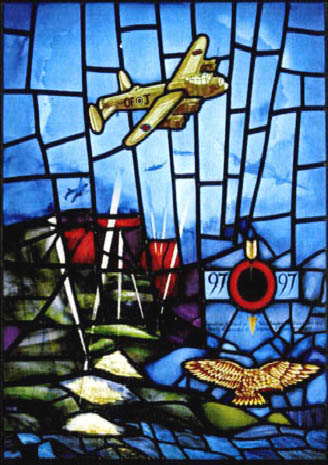
97 msq windowxxxxxxxxxxxxxxxxxxxxxxxxxxxxx

Needless to say, as I was not a witness to all of these dreadful events, this article could not have been written without using the series of excellent books by W.R.Chorley, and a number of other websites.

The final part of this sad tale to follow in the near future.

22 Comments

Filed under Aviation, Bomber Command, History, Nottingham, The High School, Uncategorized

John David Fletcher: Part Two

John David Fletcher was the beloved son of John Tabberer Fletcher and Dorothy Fletcher when he was killed at that tragically early age of 24. John was old enough to be have a pretty, young wife, however. He was the beloved young husband of Joyce Loretta Fletcher. This lady, his widow, in actual fact, was to die only in 2001, almost sixty years afterwards.

When the tragedy occurred back in 1944, the men’s relatives were told little about the completely avoidable accident. Thirty five years later though, in 1979, a group of aviation enthusiasts researched the crash and recovered parts of the wreckage in what they called “an epic three-year recovery project”. They were all members of LARG, the Lincolnshire Aircraft Recovery Group:

Avro_Lancaster_Mk_1_ExCC

They spoke to eyewitnesses both on the ground and in the air and gradually pieced together exactly what had happened. Unusually for Bomber Command, therefore, the circumstances of this catastrophe are very well documented.

Young John Fletcher was flying in an Avro Lancaster III, ME625, piloted by an Australian officer, Flight Lieutenant Jimmy Van Raalte when a catastrophic training accident resulted in the deaths of 13 brave young men. It is perhaps worth pointing out that of the 55,573 casualties in Bomber Command during World War Two, one sixth occurred during training. Here is Jimmy Van Raalte:

van rxxxxxxxxxxxxxxxxxxxxxxxxxxxxxxxxxxxxxxx

The Operational Records Book for 97 Squadron reported the incident as follows:

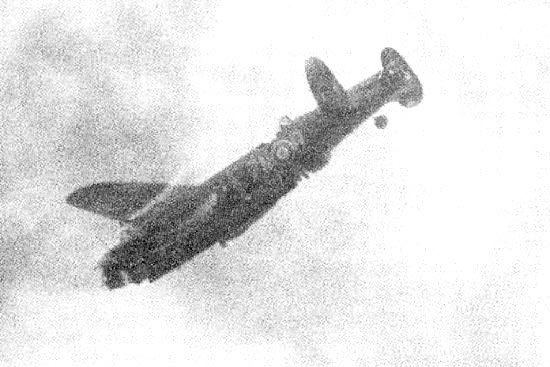
“More formation flying this afternoon with calamitous results.  Two of our aircraft piloted by F/Lt Perkins and F/Lt Van Raalte RAAF were flying in formation.  Whilst attempting a gentle turn F/Lt Van Raalte’s aircraft sideslipped over F/Lt Perkins’ aircraft and dropped suddenly, removing the entire tail from F/Lt Perkins’ aircraft and smashing the nose of his own. Both planes immediately spun to earth out of control. All of the occupants in both aircraft were killed with the exception of Sgt Coman, who managed to bale out when his aircraft broke in two at 1000 ft”

Here is Flight Lieutenant Perkins:

third time livcky

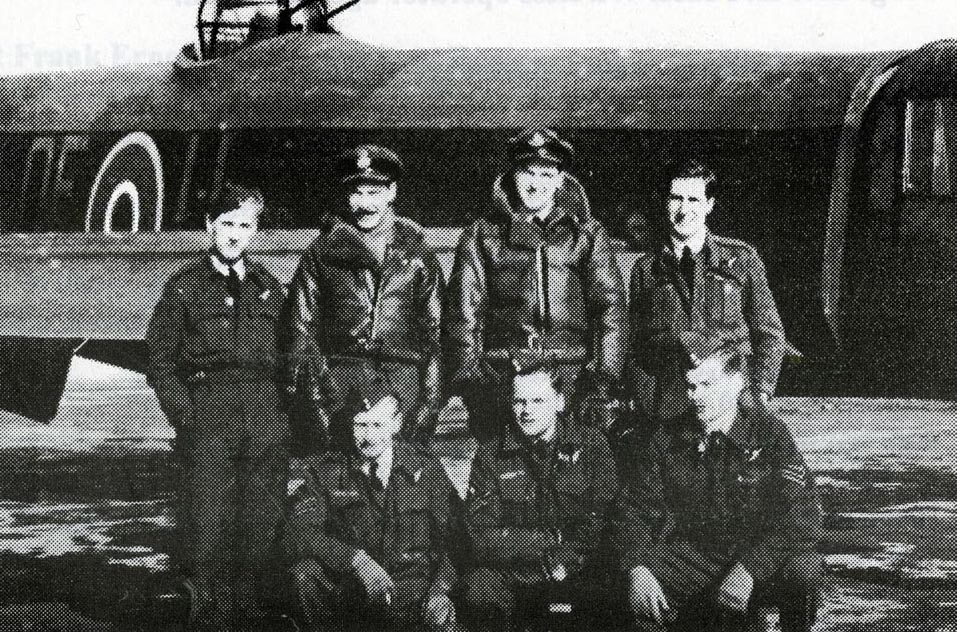
Here is Flight Lieutenant Van Raalte’s crew, showing five of the seven highly trained men:

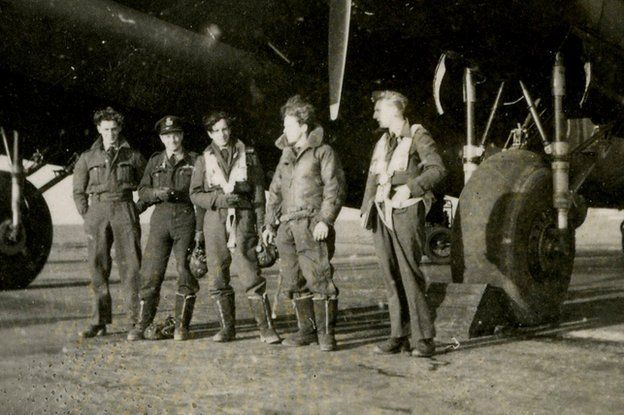
van raalte crew

And here is Flight Lieutenant Perkins’ crew:

perkins%20crewxxxxxxxxxxxxxxxxxxxxxxxx

The two aircraft spun out of control and both of them crashed in flames at Cloot House Farm on Deeping Fen.

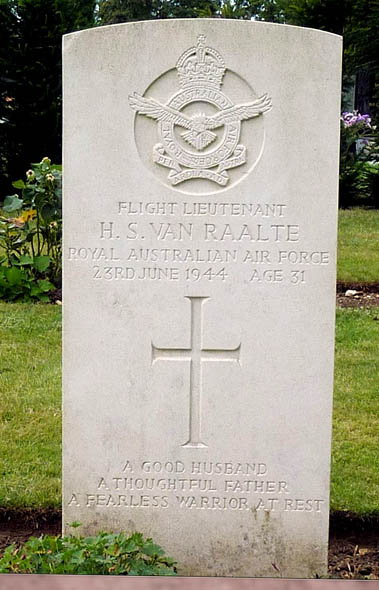
Here is Jimmy Van Raalte’s grave in Cambridge Cemetery:

van raalte grave

In typical wartime RAF style, bombing operations that night went ahead regardless:

“Operations tonight were against the railway yards at Limoges for which 10 of our aircraft were detailed.  The flares were dropped accurately over the target area and on time.  Mosquito marker aircraft dropped a Red Spot Fire which the Controller assessed as being exactly on the Aiming Point.  It was quickly backed up with red and green TIs and RSFs.  At 0159 the marking was completed and the Main Force were ordered to commence bombing.  Bombing was extremely concentrated and sticks were seen to fall in the “yards”.  At 0202 hours an ammunition train exploded with an enormous explosion. Intermittent explosions continued throughout the attack.  A very successful raid.  There was no fighter opposition, and no flak.  All of our planes returned safely.”

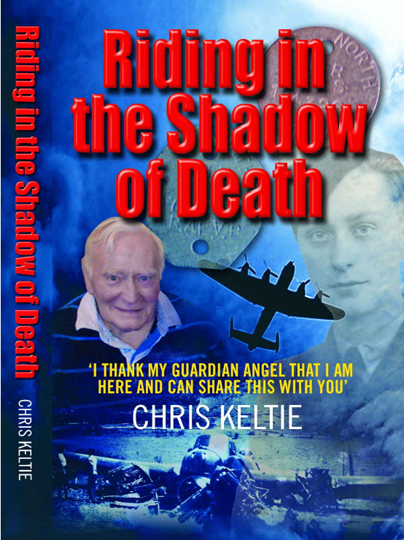
A slightly fuller description of the crash is given in the book, “Riding in the Shadow of Death

shad death

This wonderful book is the story of Lancaster Bomber pilot, Bill North, and although I have not read it yet, I certainly will be doing so soon, given that it has 15 reviews of five stars and no other lower ones:

“During the book launch, various eye-witness accounts were read out, and we were reminded of the horrific crash that Dad witnessed. This occurred on 23rd June 1944 during a daytime flying formation exercise, Dad being piloted by Bill Reid. Six Lancasters from 97 Squadron were flying in two V formations of three. Whilst attempting a gentle turn Van Raalte’s aircraft sideslipped over Perkins’ aircraft and dropped suddenly, removing the entire tail from Perkins’ aircraft and smashing the nose of its own, pieces of wreckage narrowly missed Dad’s plane. Both planes immediately spun out of control and all of the occupants in both aircraft were killed with the exception of one, Sgt Coman, who managed to bale out. Sadly, he was later posted off the station as LMF (Lack of Moral Fibre). Unsurprisingly he had lost his nerve and was unable to fly again.  What a horrific experience for all of these brave men who, just a few hours later the surviving crews were up again on a raid to Limoges.”

I may be alone in this, but I cannot really see why a competent Commanding Officer would have risked all these lives by ordering formation flying involving six aircraft and, more importantly, a total of more than forty men. All of them were seasoned veterans who had already carried out several raids on the Third Reich. And we know that:

“Formation flying was absolutely terrible because the Lancaster was not designed for it. It was a night time bomber.”

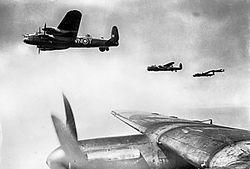
Lancasters, in combat, used to fly in a loose “bomber stream”:

250px-Avro_Lancasters_flying_in_loose_formation

They did not ever fly in formation.
One eyewitness, Patrick Turner, the flight engineer in the leading Lancaster, said the exact reason for the catastrophe was that:

“The Lancaster immediately behind the lead plane became trapped in its slipstream. This caused the Lancaster to collide with the plane flying beside it and both spun to the ground. It was just a ball of fire on the ground. Myself and my crew knew extremely well the men on the two flights which collided. We thought it was going to be a normal training flight and didn’t think there were going to be any adverse circumstances.”

Flight Sergeant Percy Cannings, holder of the Distinguished Flying Medal, and a mid-upper gunner, was in the third aircraft of the formation during the training sortie and witnessed the crash. He described the experience as devastating and said:

“We were very lucky that our aircraft didn’t get caught up in the slipstream and get taken out ourselves. We were told to execute a turn and something went wrong and the first plane got into the slipstream of the plane ahead of it, which sent it straight up in the air and back down again, narrowly missing us. We had to go out on operations the same night. It’s something you had to be prepared for.”

On the ground, the crash was witnessed by villagers attending a fete in the Lincolnshire village of Crowland:

250px-Avro_Lancasters_flying_in_loose_formation

They looked up to see six Lancasters practising flying in formation, but one aircraft accidentally caught the tail of another. Ron Burton said:

“It happened at about 4pm because I remember everyone was coming home. I saw only two planes. One knocked into the other and knocked a fin off. It was dreadful.”

William Smedley, of Postland Road, was called to the crash scene as a St John Ambulance volunteer.
He said:

“I was at a Red Cross fete at the time. We were ordered to sit behind a heap for a quarter of an hour while the bullets exploded.”

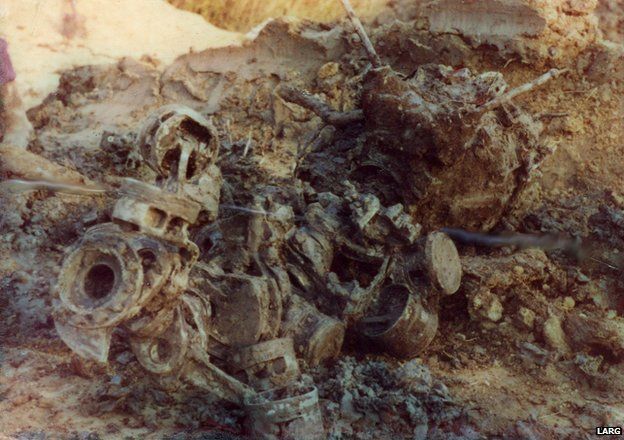
Here is some of the wreckage, seventy years later:

wreckage

Needless to say, as I was not a witness to all of these dreadful events, this article could not have been written without using the series of excellent books by W.R.Chorley, and a number of other websites.

Part Three to follow in the near future.

 

22 Comments

Filed under Aviation, Bomber Command, History, Nottingham, The High School

John David Fletcher: Part One

John David Fletcher entered the High School on September 17th 1931. He was born on March 22nd 1920. He was eleven years old. His father was John Fletcher, a Captain in the Royal Artillery Reserve who lived at 16, Edingley Avenue in Sherwood, Nottingham.

Edingley Avenue is just a brisk ten minute walk from where I sit now, drinking coffee and eating biscuits. John Fletcher left the High School in December 1936:

nhsxxxxxxxxxxxxxxxxxxxxxxxxxxxxxxxxxxx

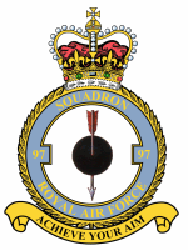
Young John Fletcher was yet another Old Nottinghamian to answer the “Call of the Skies” when the Second World War broke out. Initially, like so many others, he joined the Royal Air Force Volunteer Reserve, but he soon progressed to an active squadron, namely 97 (Straits Settlements) Squadron. Here is their badge:

badge

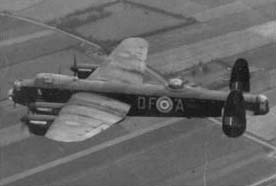
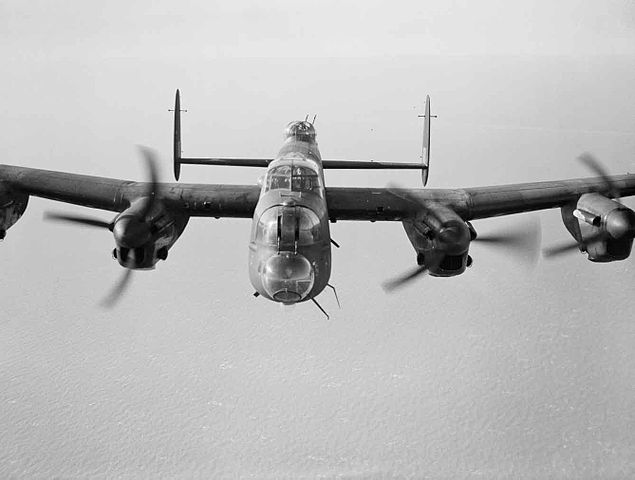
97 Squadron operated Avro Lancaster B.Is and B.IIIs at Coningsby in Lincolnshire.  Here is one of their aircraft, bearing the squadron letter, “E-Elizabeth”:

elizabeth 97 sq

By April 1943, they had become a Pathfinder Force squadron, tasked with using flares to mark targets for the rest of the bombers. By now, John was Flight Lieutenant Fletcher, serving as a Rear Gunner on a number of raids over both France and Germany.

In actual fact, John made a very promising start to his career as a rear gunner, a “tail end charlie”, one of the most dangerous jobs in any armed force during World War Two. At one point, there was a life expectancy on active service of a mere four operations, or perhaps two weeks, for every Rear Gunner.

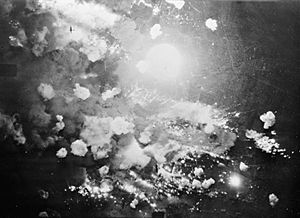
A search through the Operations Book for 97 Squadron shows what he did in terms of operations. He was involved mostly in bombing communications targets in France to prevent the Germans moving troops to oppose the D-Day landings.

I have transcribed the Operations Book more or less intact, so you might need a dictionary:

3 May 1944 — Mailly-Le-Camp

ND346O  Up 2204  Down 0343.
6 clusters 7” flares, 8 x 1000lb MC, 3 x 4.5” flares.  Very slight haze, nil cloud, vis good.  RSFs seen on target.  Original Oboe marker wide, then one RSF dropped on aiming point; this was backed up by more RSFs.  Early bombing was wide but later improved and sticks were seen to burst across the RSFs.  Bombing on whole very successful and two definite areas of fire resulted.

300px-Royal_Air_Force_Bomber_Command,_1942-1945__C5083

7-8 May 1944 – Tours Airfield

ND452S  Up 0040  Down 0517.
6 x 7” cluster flares, 8 x TI RSF, 3 x 4.5” reco flares.  Weather and identification as above.  Two first RSF were on aiming point but just off the hangars at 0250 hours.  Ordered to back this up and out own fires were seen to fall right on hangar buildings.  Other backers up well placed but one slightly undershot.  Most of bombing very accurate.  Some explosions seen, one appeared to be a fuel dump.

10-11 May 1944 – Lille

ND452S  Up 2204  Down 0104.
6 x 7” clusters, 1 x 4000lb HC, 8 x 500lb MC, 3 x 4.5” reco flares.  Weather over Lille – cloud, vis moderate.  Target located by RSFs.  Flares down on time.  RSF obscured at time of bombing.  Only one message heard

A_Lancaster_Mk_III_of_N

19/20 May 1944 – Amiens

ND346T  Up 2316  Down 0255.
11 x 7” clusters, 3 x 1000lb MC, 3 x 4.5” reco flares.  Located target by flares and RSF through 8-9/10ths cloud.  First run, one or two RSF near target.  Flares scattered.  Yellow markers not seen.  Glow seen through cloud only.  Identified target on second run.  No spot fires at all.  Raid called off 0125 hours.  Gee faded out at enemy coast until re-crossing on return journey.

22/23 May 1944 – Brunswick

ND346T  Up 2251  Down 0257.
12 x 7” flares, 1 x 2000lb HC.  Gee u/s after 3 degrees east at 2347 hours.  Icing experienced in very thivk cumulus 5217N 0121E, 2316 hours, 6,000’.  Endeavoured unsuccessfully to avoid; late at enemy coast, crossed at 12,000’, got off track, ran in to large belt of searchlights, lost 30-40 minutes trying to break through and decided too late to reach target in time to bomb anywhere near H-hour, so decided to return to base.  Soon afterwards, Bomb Aimer found unconscious.  Navigator took over H2S and soon discovered correct position.  Gee came in again at 0209, thence plotted on Gee.  Bomb Aimer still in complete daze when aircraft landed at base.

Avro_Lancaster_B_Mk_II_ExCC

24/25 May 1944 – Eindhoven (Phillips Works)

NE625O  Up 2256  Down 0218.
12 x 7” clusters, 2 x 1000lb MC, 3 x 4.5” reco flares.  Received orders to abandon exercise 0038 hours on VHF.  Confirmed by W/T at 0039 hours.

27/28 May 1944 – St Valery-en-Caux

ME625O Up 2357  Down 0301.
12 x 7 x 4.5” clusters, 2 x 1000lb MC, 3 x 4.5 reco flares.  Slight ground haze.  Target identified by Gee.  First flares dropped about ¾ mile west of town. Two minutes later more flares called for, which fell over town;  RSF then put down.  At 0145 hours, VHF order and two red verey cancelled.  At 0153 ordered to bomb on or near RSF.  Appeared very good attack.

3/4 June 1944 – Ferme D’Urville

A small but important wireless station just south east of the Cherbourg Peninsula.

ME625O  Up 2307  Down 0241.
9 x TI Green No 23, 1 x TI Green No 16, 2 x TI Yellow No 16, 1 x 4000lb HC, 2 x 500lb MC.  Weather clear, visibility good.  Target identified by red and green TI.  On arrival aircraft was too close to make accurate run on first red TI (down at 0058.18 hours).  So made second run and backed up green TI with bombs because Controller said marking was okay, so third run was unnecessary.  Only one backing up wave was requested or needed.  Second Oboe TI red fell at 0059 hours.  First red was on target and second to north of it.  Green TIs covered whole target area between red TIs and Main Force bombing almost obliterated first marker, so aircraft actually bombed second red TI.  Target disappeared under smoke and bomb flashes.  One or two bombs fell in sea but concentration appeared good and accurate.  No wind correction was necessary;   Controller appeared satisfied from the start though no assessment was heard.  No second backing up wave requested.

Avro_Lancaster_Mk_1_ExCC

5/6 June 1944 – La Peanelle (in conjunction with 83 Sq

ME625O  Up 2228  Down 0356
10 x TI green No 16, 4 x 1000lb MC.  7/10ths cloud at two layers at 10,000’ and 5,000’.  Visibility fair.  Located target by red TI.  Oboe marker could not be seen, aircraft orbited and as it was 13 minutes late on run, dropped bombs on green TI, backing up green TI adjacent to two red TIs which had previously given out.  Stood off awaiting instructions from Controller who had stopped bombing just after aircraft had released.  Bombing appeared inaccurate, some sticks a few miles south, some out to sea, possibly due to cloud layer.  Illuminating flares poor.

6/7 June 1944 – Argentan

ME625O  Up 2332  Down 0326.
9 x 7 x 4.5” clusters, 6 x 500lb MC, 3 x 4.5” reco flares.  Target Argentan, northern aiming point, tops 8,500’, 6,000’ base.  Haze below.  Located by markers.  Flares (which we were only to drop on order) not needed.  Target marked with RSF assessed as 40 yards/360 from aiming point.  Ordered to bomb 0132.5 hours.  Bombing seemed excellent although target very smoky.

9/10 June 1944 – Etampes

Up 2157  Down 0209.
9 x 7” flares, 7 x 500lb MC, 2 x 500lb MC (LD), 3 x reco flares.  10/10ths cloud, base 7,500’.  Slight haze below.  Location by markers.  First flares released on Oboe.  heard over VHF at 0001 hours, also on W/T (same time).  Ordered to bomb most easterly green with 200 yards under shoot at 0011 hours, after target had been re-marked.  Green in bomb sight and a RSF beyond it further east with another green west of green bombed.  Unable to assess attack owing to smoke.

12/13 June 1944 – Poitiers

ND625O  Up 2232  Down 0431.
9 x 7” clusters, 1 x 1000lb TI red, 1 x 1000lb MC, 4 reco flares.  Sky patchy, thin stratus, some haze.  Identified target by markers.  Over target marking flare run, Controller asked Backer 1 (0142.5 hours) to drop red TI on aiming point west of RSF already down.  Position as described by Controller was two RSF in line with green TI between slightly nearer most north-easterly RSF, all three being in line along direction of railway but on easterly side of it.  Our marker assessed as 40 yards west of aiming point (0148 hours).  Instructions for bombing followed immediately.  Further flares cancelled.  Own run for MC bombs okay.  Bombing appeared very successful.  A few sticks fell exceptionally wide in centre of town.  Controller assessed quickly and accurately.

By Friday, June 23rd 1944, young Flight Lieutenant Fletcher was becoming quite a veteran with twelve “ops” behind him, a commendable total for a rear gunner. That afternoon though, between half past three and four, he was killed, not in action over Germany, but practicing close formation flying with five other Lancasters over Deeping Fen in quiet, rural Cambridgeshire. John was just twenty-four years of age:

cambrigde vity cem

Needless to say, as I was not a witness to all of these dreadful events, this article could not have been written without using the series of excellent books by W.R.Chorley, and a number of other websites.

Part Two to follow in the near future.



22 Comments

Filed under Aviation, Bomber Command, France, History, Nottingham, The High School

Where did those three “merles” come from? Part Four

Last time, we had left Sir John More, the pious and God fearing father of England’s second Catholic martyr, making his choice about what coat of arms to have, now that he had come up in the world, and become first a lawyer and then a judge.  He was offered a completely free choice of design. He had no doubt been told of the possibility of having a visual pun on his shield. There is an heraldic bird called a moorcock, which is based on the male black grouse, a bird of the moors, and is characterized in heraldry by its two projecting tail feathers. Eventually, Sir John made his decision:

arm oooooooooooooooooooooo0000000oooo

A quite amazing result. Clearly, a direct hommage to Thomas à Becket, better known as Saint Thomas of Canterbury. There is no way that pious Sir John would have been ignorant of the Becket arms. He may even have been on a pilgrimage there himself.  Here is the coat of arms of the first Saint Thomas:

Becket-arms

Clearly, Dame Agnes too had felt the same attraction to those three black birds. For some still unknown reason, three black birds were beginning to have very strong connections with Catholic piety and Catholic saints.

Hanging Thomas à Becket’s choughs over the mantelpiece would not have been a problem in the early days of the sixteenth century when England was Roman Catholic, and owed its ultimate allegiance to the Pope in Rome. With the coming of the Reformation, however, things suddenly became very different. The Head of the now Protestant Church was now the King himself.

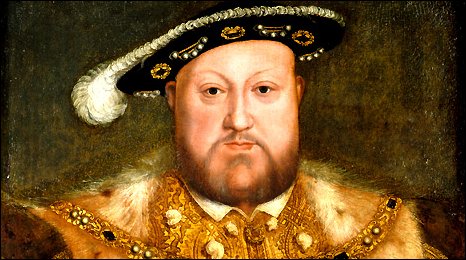
Henry VIII would not have wanted any reminders whatsoever about a prominent member of the now hated Catholic Church, who was murdered at the behest of a king called Henry, but who, eventually, was destined to triumph over him. Only three and a half years after the dirty deed, on July 12th 1174, the other Henry, Henry II, had had to carry out a public penance at Becket’s tomb and at the nearby church of St. Dunstan’s. The two churches became the most popular sites for pilgrims in the whole of England. King Henry VIII would have wanted absolutely nothing like this in his own reign.

And, clearly, he must have been scared stiff of exactly the same thing happening. And with good reason after the amazing coincidence of Sir Thomas More, a second prominent and pious Catholic done to death by a wilful monster of a king called Henry. The last thing Henry VIII would have wanted would have been the beginning of a new martyr cult among the overwhelmingly Catholic  population of England:

thomas more

Dame Agnes’ favourite coat of arms would now have become much more of a problem, not for Dame Agnes herself, because she had died well before 1527, the year when Henry first asked Pope Clement VII for an annulment of his marriage to Catherine of Aragon. Instead, it would have been the fledgling school which might have faced problems. After all, those three black birds are a bit of a giveaway. Nobody was ever going to be mistaken about whose coat of arms they really were.
hery

Over the years, I think that the red legs and red beaks of Becket’s three choughs would probably have been allowed slowly and gradually to be forgotten, most likely once Dame Agnes herself had passed away, in probably April or possibly May, of 1514. In an area where choughs have probably never nested, namely the East Midlands, local people may not have considered their bright red legs and beak to be particularly important. Furthermore, in many cases, the birds would have been seen in a grayscale context where bright colours were totally absent, such as a carving in stone on a wall, or a drawing in pen and ink on a manuscript.

Certainly, in Heraldry, it has never been particularly difficult for birds’ legs to disappear. In actual fact, there has always been a black bird which has no feet or lower legs. It is called a “martlet” and is, more or less, the heraldic version of the barn swallow. And here is a barn swallow:

550px-Barn_Swallow

It is never represented with feet, the legs terminating in the feathers which cover the upper parts of the leg. Furthermore, many heraldry books also state that the “martlet” has no obvious beak, a useful detail if you are trying to tone down a large long bright red one.
Interestingly, some experts in Heraldry see a family tree which fits in quite neatly with my argument. In French heraldry, therefore, a blackbird may be a “merle” because that is the ordinary French word, even nowadays, for a blackbird. When the bird on the shield loses various bits of its body, it is called by a diminutive form, namely “merlette” and this then  becomes the “martlet” of English heraldry. The martlet in fact became commoner and commoner as it was used to indicate the arms of  the fourth son of any particular nobleman.
Here is just one “martlet”:

MartletSable

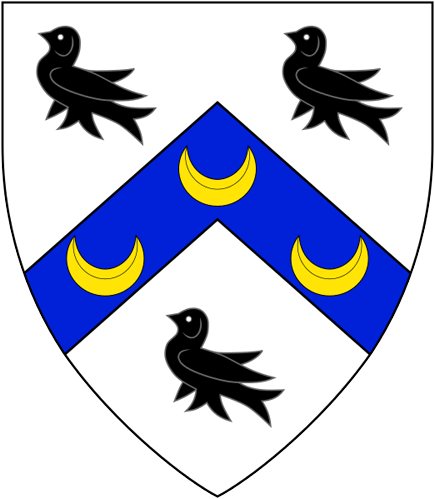
And here is a small flock of them:

522px-Argent_chevron_azure_three_martlets_sable_crescents_Or_svg

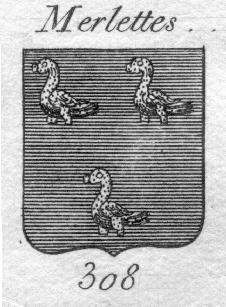
In French Heraldry the “merlette” has become an even stranger bird.  Although closely connected to the English martlet, it is always depicted with a swan-neck but without a beak, wings, feet or forked tail. It looks, in fact, worryingly like a duck in a car crash:

merlette3
For me, this may be where the confusion between “Mellers” and “merles” has
arisen. The choughs of Thomas à Becket have, over hundreds of years  on a wall a long way from Canterbury, gradually lost their bright beaks and legs and people have thought that they must be “martlets”.
As a word, of course, “martlet” is not a million miles from “merlette”, and “merlette” is not a million miles from “merle”. “Merle” is not a million miles from Mellers. It is this pure and total coincidence which has led people, always looking for logical explanations, to invent the story about the “merles” representing Mrs Mellers, creating an explanation that is historically and heraldically impossible. There have never been any “merles” in English Heraldry, either in this century or in the sixteenth.

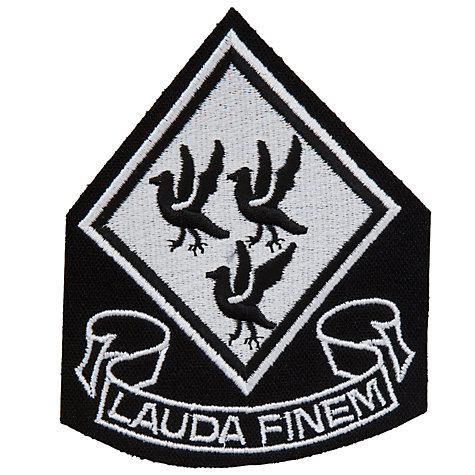
badge

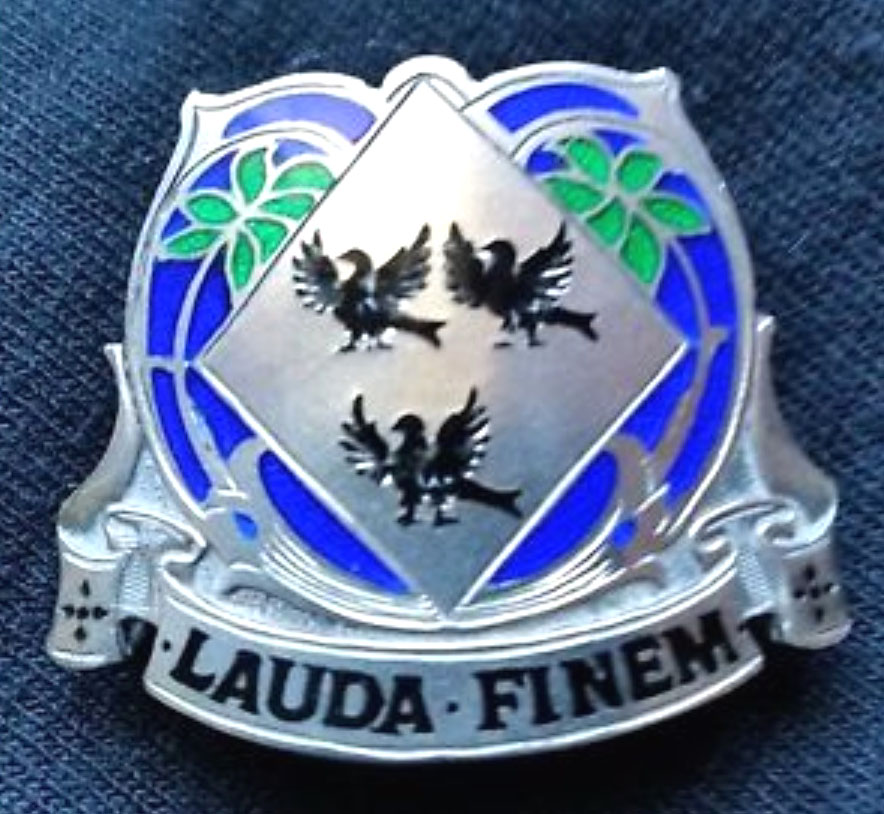
Months and months after I wrote these words, I found an online auction where a High School “Silver and Enamel Badge”, dating from 1935 was for sale. Interestingly enough, the three so-called “merles” on the badge have all been depicted with forked tails. In other words, they are not blackbirds, but black birds. And these black birds are clearly, because of their tails, martlets. This motorists’ badge must hark back to a mid-way period in the heraldic evolution from Becket’s chough to the erroneous, “merle”:

martlet badge

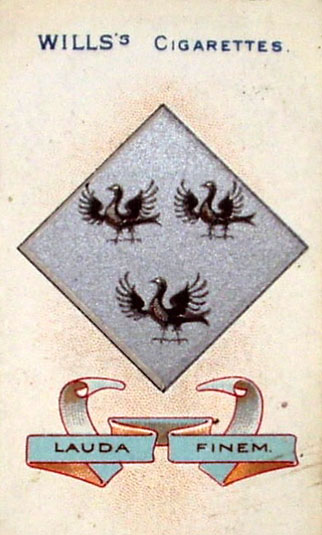
A very similar badge is in evidence in the Wills Cigarette card series of 1906, which depicts the coats of arms of England’s top public schools. I have always had visions of eleven and twelve year olds all smoking forty cigarettes a day just to get the complete set of cards. Anyway, here is the High School card, with the requisite “three Blackbirds rising proper”. Again, they have a forked tail:

three merles.jpg aaaaaa

Finally, here is a photograph of the old Stoney Street school, possibly the only one still extant:

stoney st

Look at the coat of arms (four o’clock from the word “stationer”). It doesn’t look very much like the present day badge. It is perhaps closer to being the missing link between Thomas à Becket’s choughs, martlets, merlettes and merles:

stoney st enlarged

The beauty about my ramblings is that they do explain away, quite effectively, a completely unrelated incident which has puzzled an admittedly tiny and fairly sad group of people over the last few decades.

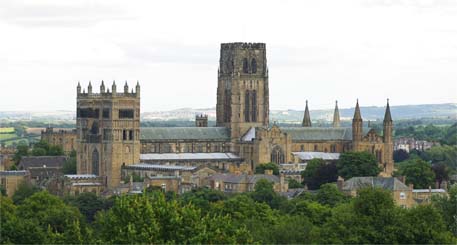
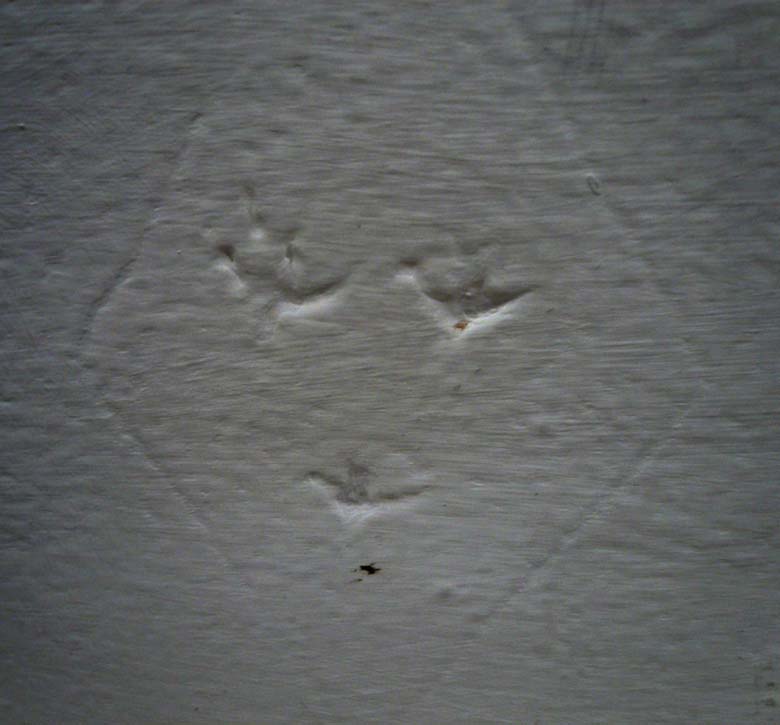
In the school archives, there remains an account of how a long forgotten Old Nottinghamian discovered what appeared to him to be Dame Agnes Mellers’ coat of arms, carved on the roof of the cloisters at Durham Cathedral.

Durham_Cathedral_

This was the only coat of arms in the whole cathedral which the local experts in the north east had failed to identify. The only link of any kind which could be established between Durham Cathedral and Nottingham was the fact that Richard Barnes, Bishop-Suffragen of Nottingham in 1537, eventually became the Bishop of Durham. No connection whatsoever was discovered though, between Richard Barnes and Dame Agnes Mellers.
My supposition is that whoever carved the mystery coat of arms in the late twelfth century when the cloisters at Durham Cathedral were being constructed, was displaying his own allegiance to St Thomas à Becket. Certainly, from a historical viewpoint, the timing is just about right. Thomas à Becket was martyred in Canterbury Cathedral on December 20th 1170. Precisely the time when the cloisters  were being built, namely the latter part of the twelfth century. Perhaps the coat of arms was carved as an act of ecclesiastical defiance against King Henry II, rather like the people who chalked letter “V”s on walls in Nazi-occupied Europe. I couldn’t find a picture of that, so here is the next best thing:

Churchill_V_sign_HU_55521

And as a conclusion, let me add that, during their investigations on behalf of Durham Cathedral, the Heralds’ College could not find any indication whatsoever that either Richard or Agnes Mellers had ever used those particular arms with the three birds, the ones which the Old Boy had immediately recognised as those on his blazer pocket all those years ago.. The ones he had himself seen, carved on that stone fireplace, by someone, another lifetime before that:

badge cccccccc c

13 Comments

Filed under Criminology, History, Humour, Nottingham, Politics, The High School

Where did those three “merles” come from? Part Three

Last time, we looked at this shield which is that of Thomas Becket also known as Saint Thomas of Canterbury, Thomas of London, and later Thomas à Becket.

Becket-arms

Born in probably 1118 or 1120, he became Archbishop of Canterbury in 1162 but was then martyred in Canterbury Cathedral on December 20th 1170 by followers of Henry II, namely Reginald fitzUrse, Hugh de Morville, William de Tracy, and Richard le Breton.

Surely this coat of arms is the easy and direct link with the “merles” of Dame Agnes Mellers?

badge

If you were scared stiff that your husband was on his way to Hell, then what better saint to recruit to your aid than the Numero Uno of English saints, the Head Honcho of martyrdom in England?  As one expert TV commentator recently said, in that original programme (to which, by now, I was giving my fullest attention):

“The most important English saint, by a wide margin.”

I think that Dame Agnes, like so many ordinary football supporters nowadays, did not have her own coat of arms or badge, but instead she was very attached to those of her hero. Not Nottingham Forest or Notts County for her, of course, but Thomas à Becket.

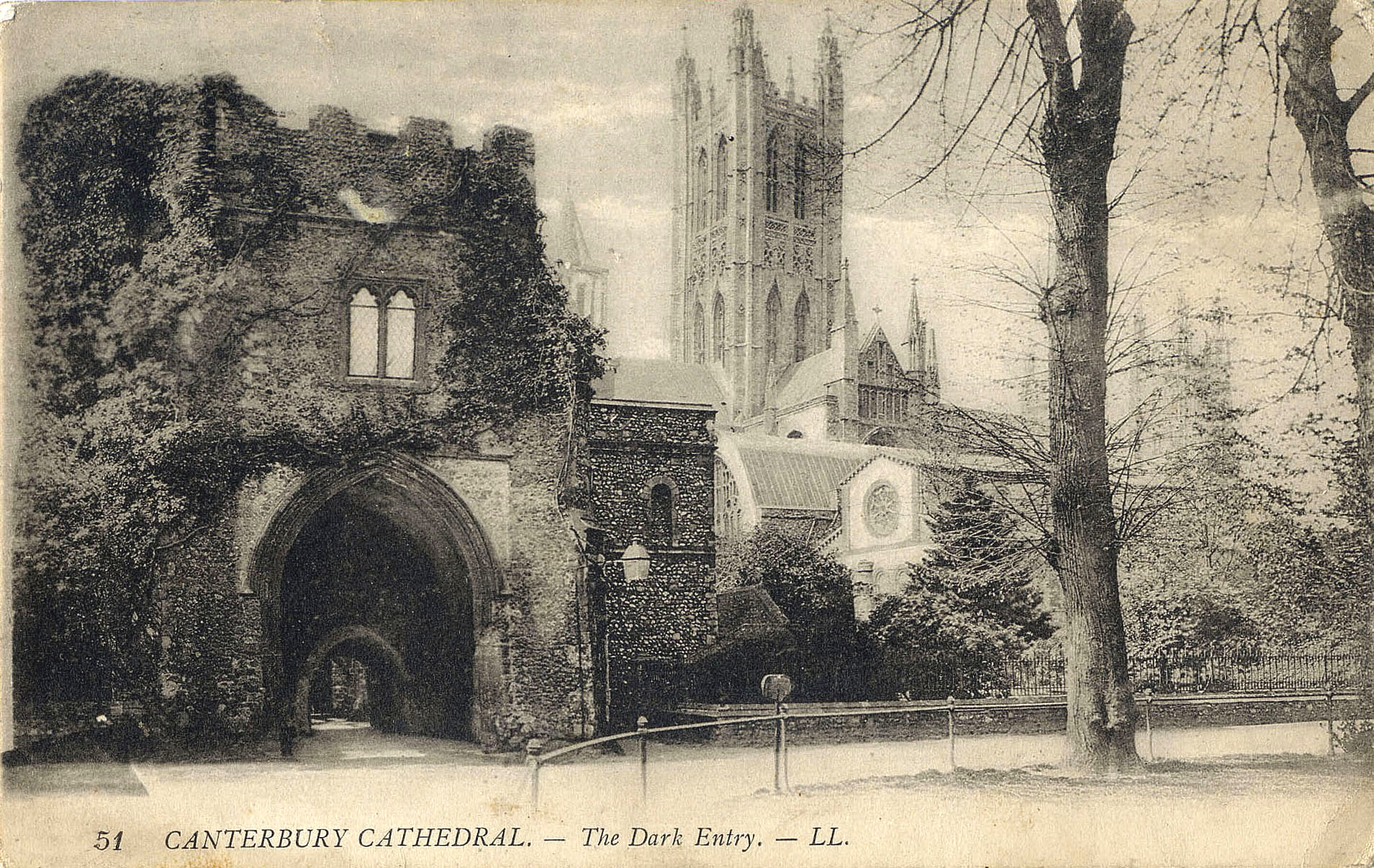
Perhaps Dame Agnes used to display Thomas à Becket’s coat of arms because, as a very pious  and religious person, a vowess of the future indeed, she had  already been on a pilgrimage to see the saint’s tomb in Canterbury Cathedral:

camterbury cathedrzzzzzzzzzzzzzzzzzzzzzz

Dame Agnes may have done this on her husband’s behalf or she may have done it because it was what thousands and thousands of English Christians had always done over the centuries. Perhaps in the three hundred and fifty years since Becket’s death, a tacky tourist trade had built up, and Dame Agnes was able to buy her very own copy of the great saint’s shield, which she had then hung up over her mantelpiece for all her friends to see. We will never know, but for me, the visual coincidence between the two coats of arms is quite stunning. Black birds, of course, are not particularly common on heraldic shields. Eagles, yes, but not a great deal beyond that. Everybody preferred lions.

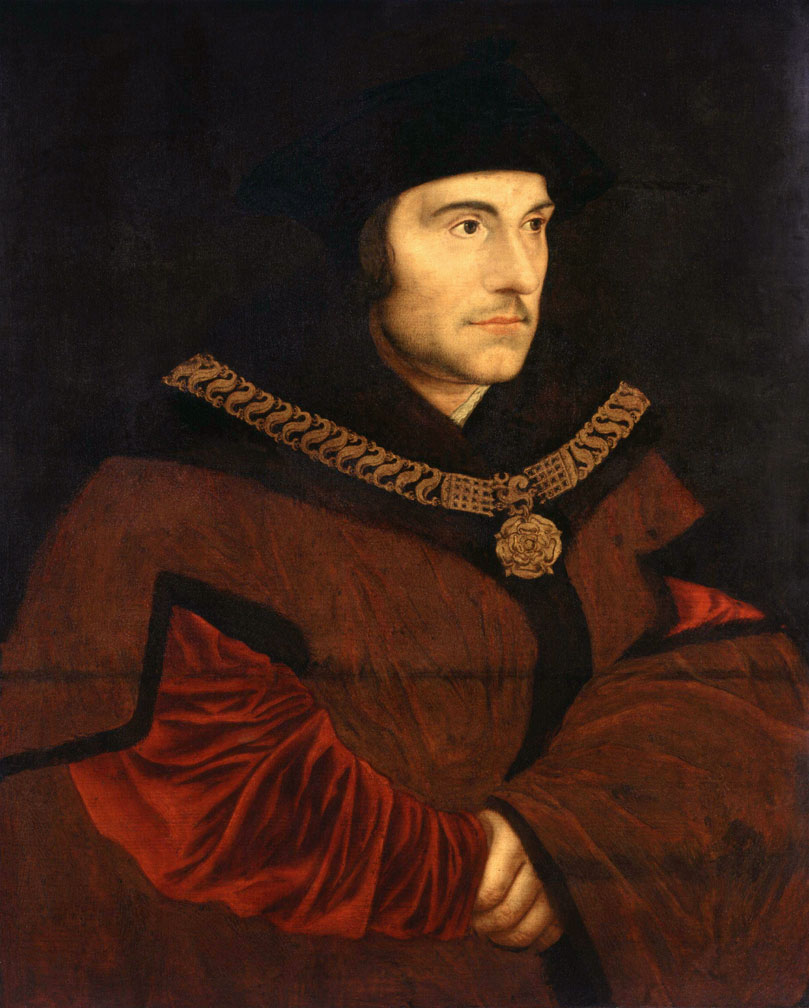
Game set and match for my theory is the coat of arms of Sir Thomas More (1478-1535), the Lord Chancellor of Henry VIII but more significantly perhaps, the second most important English saint, venerated by all English Catholics as Saint Thomas More. When King Henry wanted to divorce the barren Queen Catherine of Aragon in the hope of fathering a male heir with Anne Boleyn as his new, younger, sexier, more fertile and six fingered Queen, Sir Thomas More “steadfastly refused to take the oath of supremacy of the Crown in the relationship between the kingdom and the church in England.”
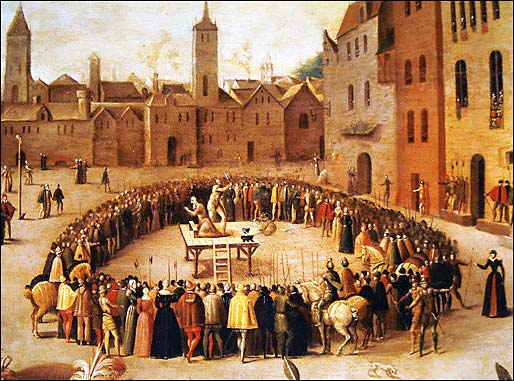
More would not retreat from his belief in the supremacy of the Pope over the King. He was beheaded on July 6th 1535. Before he died, More proclaimed to the watching crowd, that he was:

“the king’s good servant, but God’s first.”:

execution

As a young man Thomas had thought seriously more than once of giving up his legal career to become a monk. And now he was a martyr, and well on his way to becoming a saint.

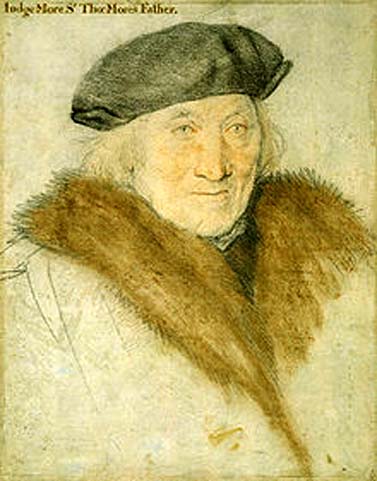
It would be amazing, of course, if his father had had no influence on his growing son. How could the young Saint Thomas have been so pious and so spiritual had his father not influenced him at any point? Clearly, Sir John must have been a very staunch Catholic to have produced a son like Thomas. Here is the only known depiction of Sir John:

220px-Sir_John_More_xxxxxxxxxxxxxxxxxxxxxxxx

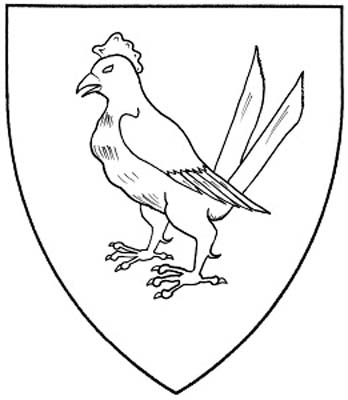
That pious father of the saint, Sir John More, was born around 1451 and died in 1530. He was a lawyer and eventually became a judge. As he rose in society, he was offered the chance of a coat of arms of his own. He may have been told of the possibility of having a shield with a striking visual pun. There is an heraldic bird called a moorcock, which is based on the male black grouse, a bird of the high moors, and is characterized in heraldry by its two projecting tail feathers:

moorcock-261x300

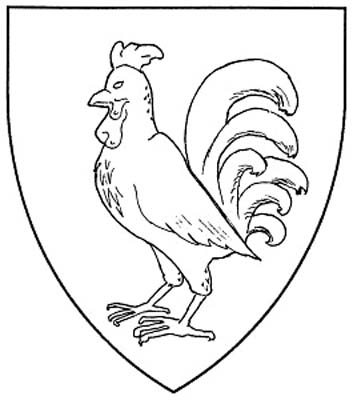
An ordinary cockerel has a curved over tail, and in heraldry is really much less desirable, quite often being referred to as a “dunghill cockerel”:

cock-265x300

Sir John was left to make his choice. You’ll find out what it was next time.

7 Comments

Filed under Criminology, History, Humour, Nottingham, Politics, The High School