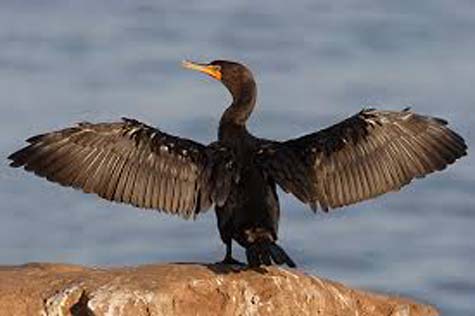
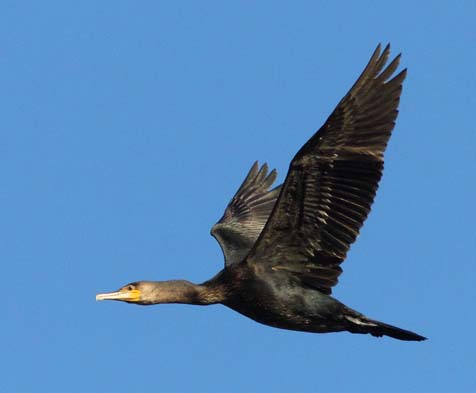
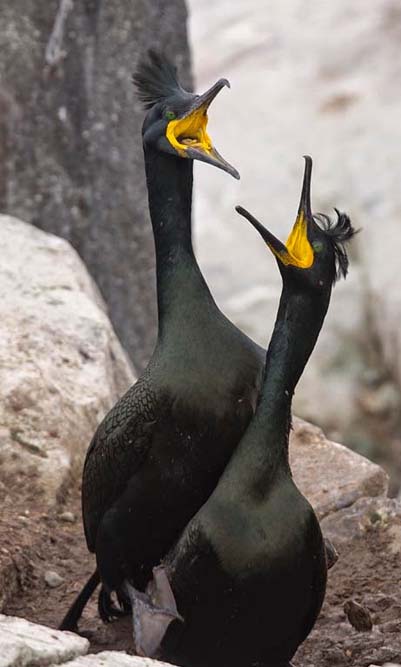
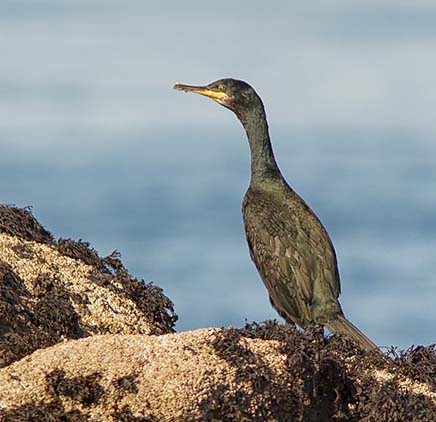
Category Archives: Twitching

Storks in Victorian Nottinghamshire

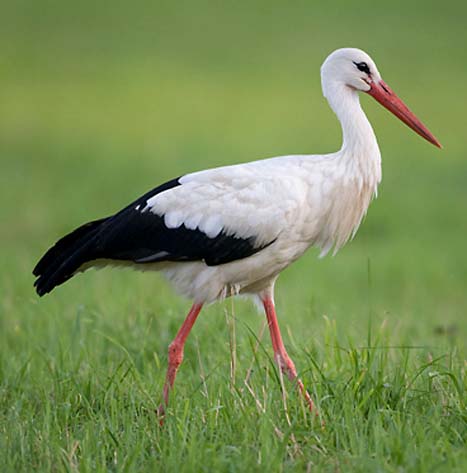
The White Stork is a very large and spectacular visitor to England. People have asked me on many occasions why we think that babies are brought by storks. My answer has always been that a good number of new babies have a red mark on their forehead when they are first born. This mark is triangular and it looks as if their head has been grasped for a considerable period of time in a stork’s beak. My own daughter certainly had the mark on her forehead when she was first born, although it usually fades with time.

Victorian Nottinghamshire recorded a number of storks, and in actual fact, the very best records come from the era of King George IV, Beau Brummell’s “fat friend”.  In 1825, therefore, a single bird was killed near Bawtry on an unrecorded date during the year:
white-stork-113589 xxxxxxxxxxxxxxx
Four years later, in 1829 an entire flock of these magnificent birds was seen on the River Trent at the very same location as the 1825 individual:
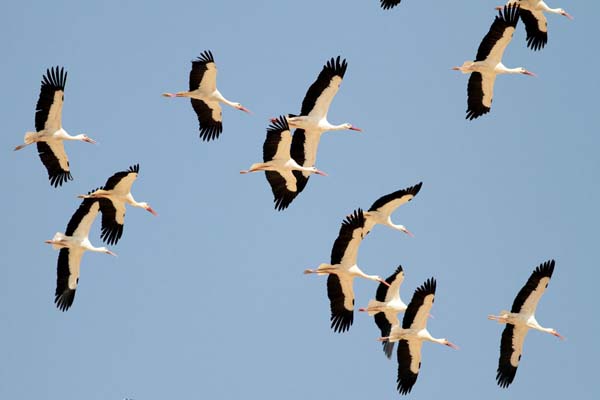
white-storks-flockxxxxxxxxxxxxxxxxxxxxx

Two of them were subsequently shot as they overflew the nearby market town of Bawtry. Look for the orange arrows:

This slideshow requires JavaScript.

On Monday, April 12th 1915, a single bird was seen in flight over the road between Nottingham and Mansfield. The observer was Sir Herbert Chermside :
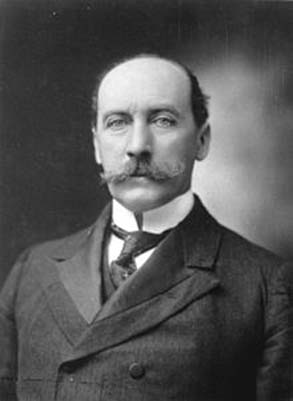
220px-Sir_Herbert_Chermside

In 1899 Sir Herbert had married Geraldine Katherine Webb, the daughter of Mr W.F.Webb, the owner of Newstead Abbey in Nottinghamshire. The poor lady was to die in 1910 without any children.

Sir Herbert immediately typed a letter to Joseph Whitaker, as soon as he reached home after seeing this wonderful bird:

“This morning a specimen of Cicogna Alba passed across the Nottingham-Mansfield high Road (sic) at 9.50 a.m. between the Pilgrim Oak and the Hutt House, the bird was in Spring plumage, with legs and beak very bright:

bilyl_leleka_pislja_opysu xxxxxxxxxxxxxx

It was, I think, a hen bird, and passed directly over me within easy gun shot, flying relatively low, over the tops of the Beech trees by a few feet. It is possibly a War Refugee from the Low Countries.”

The Pilgrim Oak or Gospel Oak stands opposite the Hutt at the main entrance to Newstead Abbey. This is the Hutt:

thre hutt

The Pilgrim Oak was the place where pilgrims would stop and read the gospels before entering the Abbey (not the pub). The age of the tree is unknown but it was already quite large in Lord Byron’s time. The American author, Washington Irving, described as “a venerable tree, of great size” when he visited the area in the early 19th century:

This slideshow requires JavaScript.

Here is the Pilgrim Oak in both spring and autumn:

This slideshow requires JavaScript.

Joseph Whitaker would have been totally gutted, to use the modern expression, that a non-birdwatcher had seen such a wonderful, spectacular bird, and he hadn’t:

white-stork-hungary-2007

Just under a week later, on Sunday, April 18th, Sir Herbert wrote again to Whitaker confirming the identity of a bird that he had already seen in many locations in the Middle East. This must really have twisted the knife, although, of course, unwittingly:

“I wish that you had seen the Stork instead of I (sic) although it is the first one that I have ever seen in England. Last year I was in the uplands of Algeria, south of Constantinople on the day of their arrival in very considerable numbers (early March) at the Dardanelles on the shores of the Sea of Marmora , 17th March is the day of their arrival. A day’s march from Gallipoli on the eastern side, they have a great assembly place-for both spring and autumn.

White-Storks_1164flock xxxxxxxxxxx

The natives allege that in Autumn, the birds of the year pair there, before the migration.”
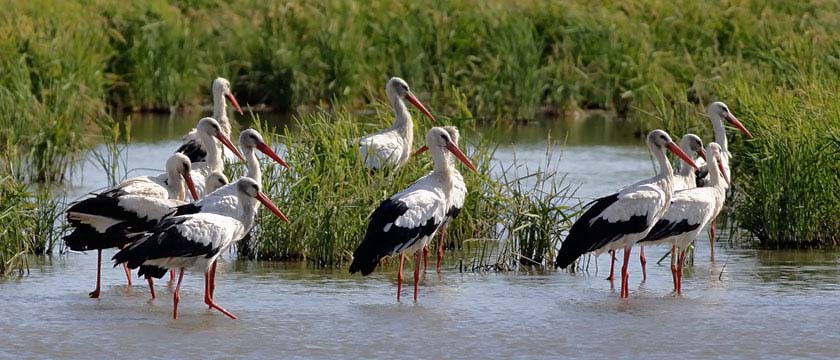
All the way through this account, I have deliberately used the phrase “White Stork”. This is because there is a Black Stork as well. This is a much rarer bird, and one which I myself have yet to see:

This slideshow requires JavaScript.

In Victorian times there was just one report of this species being seen in the county. This was an unfortunate individual which was shot during the autumn of 1871 at Colwick by Mr John Brown of Old Moat Hall. Joseph Whitaker was told the facts in a letter from Mr P. Musters of West Bridgford. As Old Moat Hall is in Cheshire, I suppose we can presume that Mr Brown was a guest of one of the members of the extended Chaworth-Musters family, who were rich landowners in Nottinghamshire.

As far as I can see, their possessions included Annesley Hall, Colwick Hall, Wiverton Hall, Edwalton Manor, West Bridgford Hall and for Sundays, Felley Priory.
10 Comments

Filed under History, Nottingham, Politics, Science, Twitching, Wildlife and Nature

A minibus trip to Norfolk

Friday, November 4th, 1988

.
(An extract from my old birdwatching diary “Crippling Views”)

.
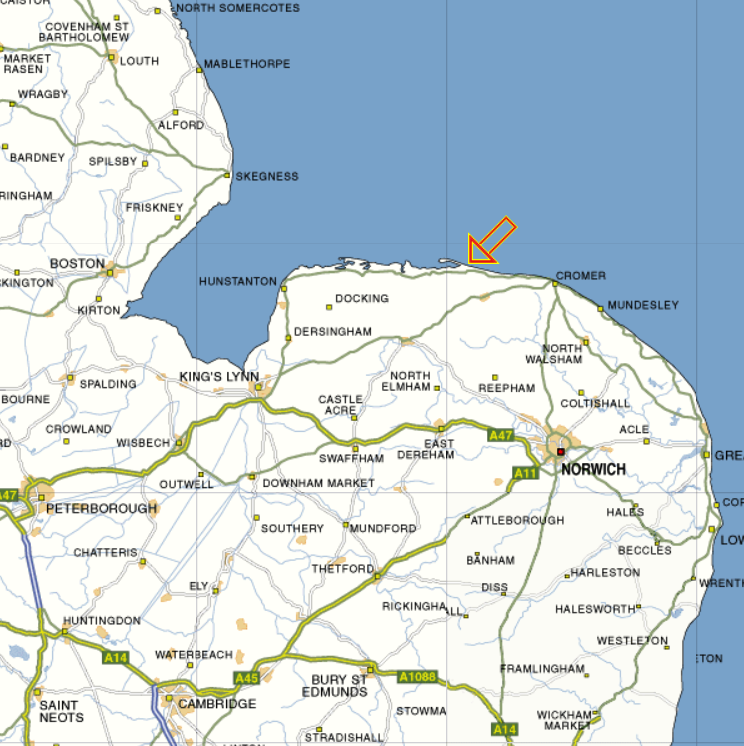
A new venture this time. An official  General Studies Birdwatching trip to Norfolk, taking the Sixth Form with me in a hired minibus. One thing is for certain, though… They’ll all get a lot of lifers… And I hope for one as well, the Indigo Bunting at Wells, which may just have lingered on from the previous weekend. There is every chance that nobody has really looked for it since then. The main priority, though, is to make sure that there is a constant stream of birds for the students, always as obvious and as spectacular as possible. We start at Cley-next-the-Sea, and then we plan to work our way steadily back westwards along the beautiful Norfolk coast. Look for the orange arrow:

Untitled

Arnold’s Marsh provides us with two nice birds, a late Curlew Sandpiper and a very spectacular Knot, still in bright brick red summer plumage:

red knot xxxxxx

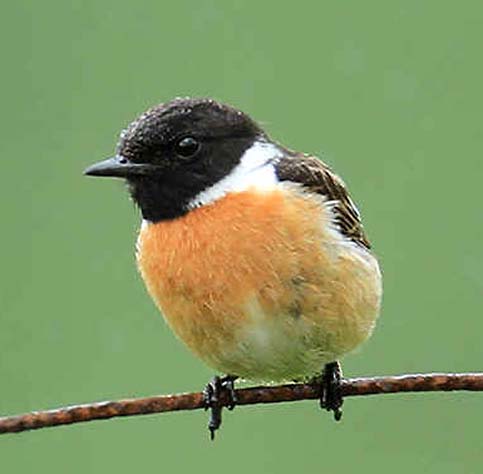
Further along the East Bank, we find a lovely Stonechat, obviously prospecting for an overwintering site:

Stonechat%20-3 xxxxxxx

At the far end, there is an exquisite flock of about a hundred or so Snow Buntings, flying with their tinkling calls up and down the shingle bank:

This slideshow requires JavaScript.

Unfortunately there is no sign of Boy George the famous Glaucous Gull, whichever plumage he may be in now, white adult or coffee coloured juvenile:

This slideshow requires JavaScript.

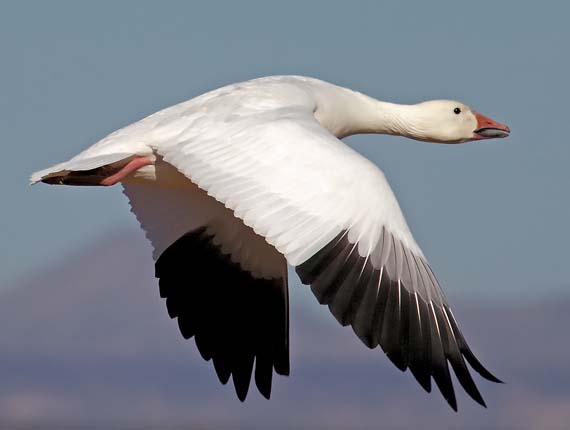
There are no Waxwings either at the traditional haunt of Winterton. So off we go to Wells, stopping only briefly to look at the goose flocks at the side of the coastal road. The lads are delighted to see a Snow Goose which they all insist has flown in the previous day from Arctic Canada, despite all my vigorous explanations to the contrary:

snow goose0df3f5bbxxxxxxxxx

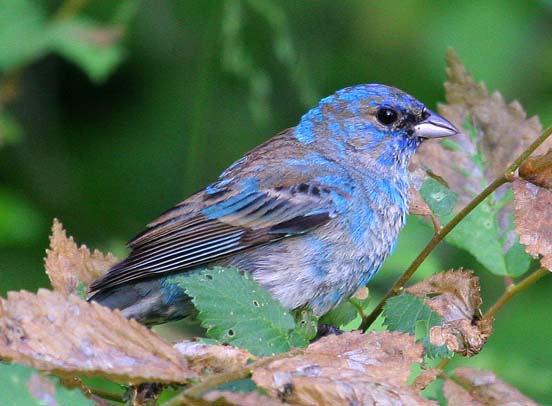
We get to Wells where I spend half an hour looking for The Bunting but without any success, either down by the old toilet block, or down in the Dell. It must’ve moved on or perhaps it’s been recaptured by its worried owner:

Indigo-Bunting1 xxxxxxxx

As we walk back to the car park, I see a starling like bird in silhouette. It flies over our heads and I don’t really pay it any attention, until it comes in to land. Instead of landing on the top of a nearby tree, it clings to the trunk like a woodpecker. That’s enough to attract my attention and when I look through binoculars, I soon realise that it is a Waxwing:

This slideshow requires JavaScript.


That is when the fun starts because we have only two pairs of binoculars between four of us and one pair is broken. Added to this is the fact that all the lads are very inexperienced, and it takes each one of them a really long time to find the bird on the tree trunk. There’s a lot of shouting, a lot of counting branches to the left and branches to the right, until the bird finally gets bored with it all and flies off. Two of the three without binoculars see it properly but, sadly, the last one does not. Holkham and Lady Ann’s Drive provide a couple of new birds for us, namely Golden Plover, and the almost jet black Brent Geese:

This slideshow requires JavaScript.

Amazingly enough, though, there are no Egyptian Geese to brighten the day. Titchwell is a little disappointing, with all the Marsh Harriers departed for sunnier climes and the Spoonbills that were asleep at the back of the pool three years ago also seem to have moved away. All we find are wigeon and teal.:

This slideshow requires JavaScript.

Still the lads are pleased. Indeed in a lot of ways, they teach me a thing or two. Any nice bird they see is a source of almost innocent wonder to all of them, particularly if it has more than three colours.


10 Comments

Filed under Twitching, Wildlife and Nature

“I have just had a Female Eider Duck come in shot to night…”

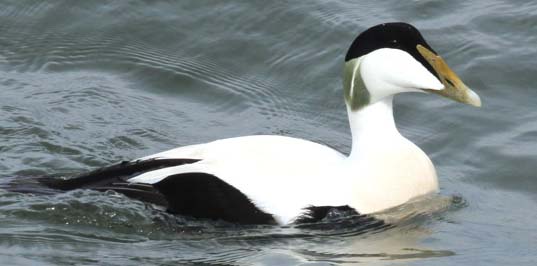
The male eider duck is a particularly beautiful bird:

male-eider-duck-i xxxxxx

It has a much imitated call. This is a recording by “markwilmot”:

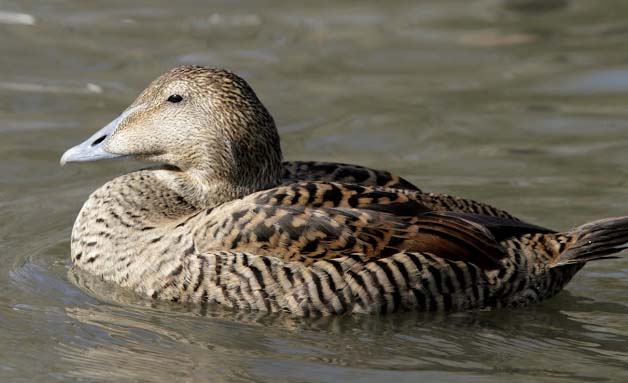
A female eider is a much drabber bird than the drake, and arguably, is barely recognisable as the same species:

eider duck female xxxxxxxxxxxx

Eiders are common enough birds around our coasts, particularly in the north east, but inland, they remain very much a rarity. This report details the only Victorian occurrence in Nottinghamshire:

“According to “The Zoologist” magazine, a female eider was shot near Nottingham on November 16th, 1882.  It had been attracted to the area by the large number of acres of farmland under water at the time and its acquisition brought the number of Notts species to 240.”

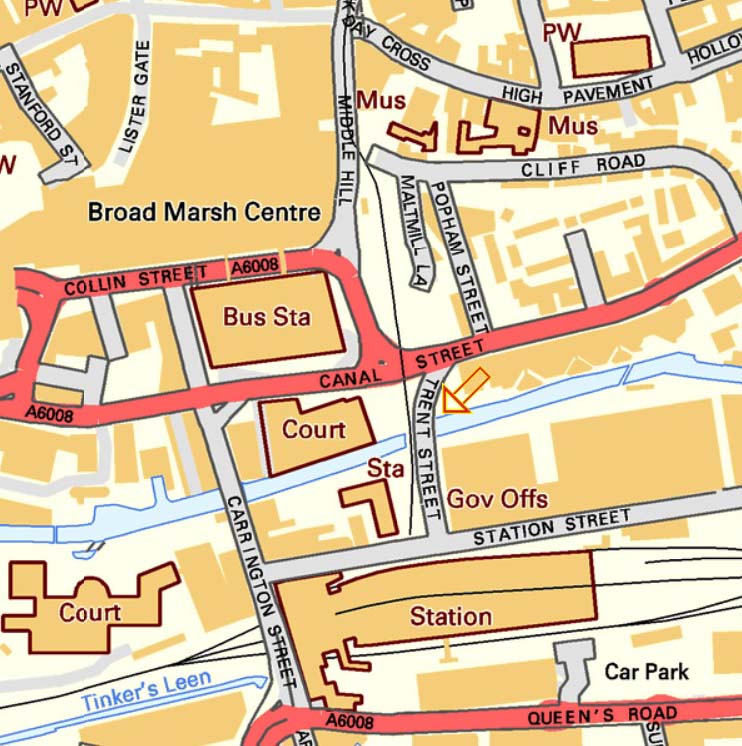
The unrecorded wildfowler who shot this rather drab, but extremely rare bird, immediately took it to Mr J Stanley the “Art Naturalist and Sporting Trophy Mounter” of 5, Trent Street, in the City of Nottingham. The wildfowler was probably ignorant of the bird’s identity, but he would have been well aware of its value. For his part, Mr Stanley would have bought the bird from him without a moment’s hesitation. Look for the orange arrow:

trent st

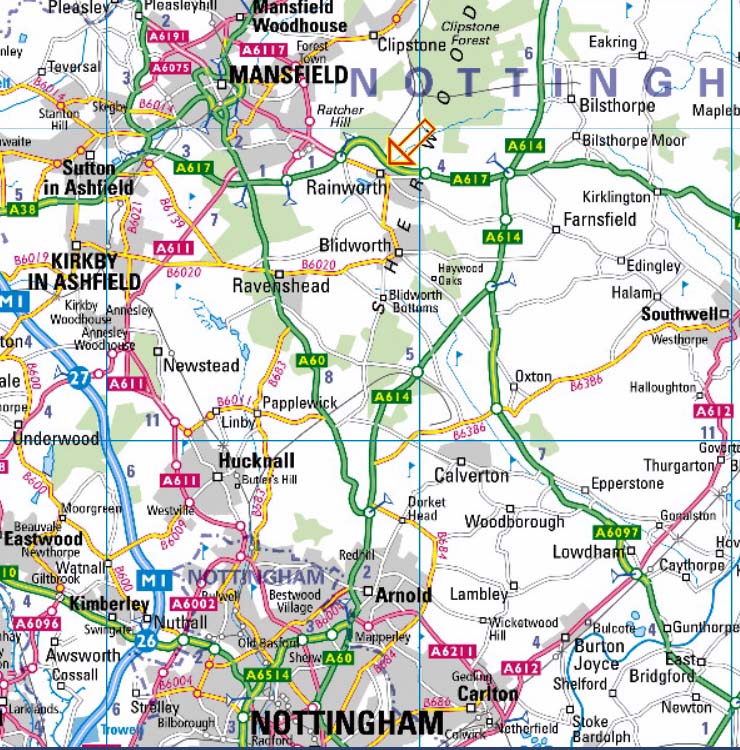
Mr Stanley knew very well what the bird was, and he knew equally well who would pay a very large amount of cash for it.  At 8 o’clock that evening, therefore, he sent a note, presumably by hansom cab, to Joseph Whitaker at Rainworth, some fifteen or so miles  from his shop. Again, look for the orange arrow:

rainworth

Mr Stanley must have been more or less totally certain that Joseph Whitaker, an avid collector of rare birds killed in Nottinghamshire, would pay him handsomely for such a rarity. Stanley’s note read, spelling mistakes and all:

“I have just had a Female Eider Duck come in shot to night in our Medowers it is left for me to buy if you have not got one & you would like it Please to right by return & oblidge your

faithefully

J Stanley”

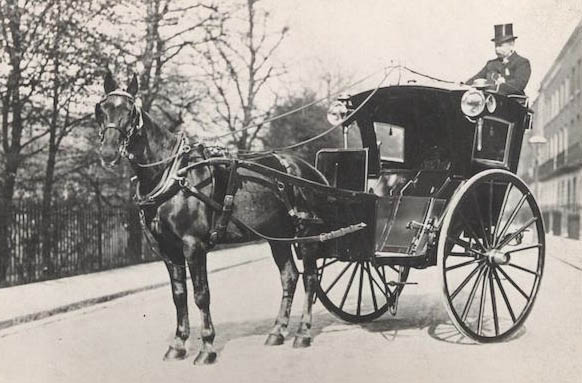
Joseph Whittaker, of course, came immediately to Nottingham, perhaps even in the same hansom cab in which Mr Stanley had sent the note:

1998-20707-hansom-pp

And Joseph Whittaker duly bought this exceptionally rare prize, although, unfortunately, we do not have any record of the price he paid.
Thirty years later, though, in 1913, Fred Smith, described by Whitaker on another occasion as “that shocking poacher”, was to charge him seven shillings for a pair of sheldrakes, a relatively common species, so we can only guess at what price was paid for a genuinely rare bird.

3 Comments

Filed under History, Nottingham, Twitching, Wildlife and Nature

The rarest bird I ever saw

(An extract from my old birdwatching diary “Crippling Views”)

Tuesday, September 20, 1988

Another bit of excitement, this time at Pitsford in Northamptonshire, where there is a Sociable Plover, first discovered apparently by a teenage birdwatcher, late on Sunday evening, flying around with a flock of Lapwings. The Sociable Plover, not the teenager.

Here is a Lapwing:

lapwing1a480 zzzzzzz

And here is a Sociable Plover:

plover

I have a free afternoon from school on Tuesdays, so I decide to leave at one o’clock, directly from Period Five. So as not to look an even bigger idiot than normal, I take a pullover and a pair of jeans to change into, as well as my telescope, tripod and binoculars. I religiously ring Paul, as I always do, to ask him if he wants to come, but he’s at work, I also ring Alan to unmake a previous date to go looking for Hobby at Clumber Park that evening. Surprisingly enough, he also has a free afternoon, so we decide to go for the bird together.
It’s only about eighty miles to Pitsford, so we arrive there about three thirty. Look for the orange arrow:

midlandszzzzzzzzzzzzzzzzzzzzzzzzzzz


It is obvious where the bird is supposed to be from the great tangle of parked cars. Quickly, we park too, and head on out there. It is a marshy area, with a very long shoreline, and a lot of distant birds. Look for the orange arrow:

cayseway

Unfortunately none of the distant birds is a Sociable Plover, although a winter plumaged Grey Plover, seen through a heat haze at a range of about four miles, does cause quite a few hearts to flutter, mine included.

Grey%20Plover% xxxxxxxxxxxxxxxxxxxxxx

There are some Curlew Sandpipers, a few Ruff , and a couple of Little Stint.

This slideshow requires JavaScript.

The Pectoral Sandpiper, though, which has been reported for the last couple of days, seems to have gone:

pectoral_sandpiper_zzzzzzzzzzzzzzzzzz

Eventually the disappointed crowd drifts away, in ugly mood, to the section of the reservoir where the Sociable Plover came in to bathe on Monday afternoon. Here, there are absolutely thousands of gulls, and to relieve the monotony of waiting, we look through the crowd for the lone Mediterranean Gull that has been tantalising the gull watchers for the last few evenings:

This slideshow requires JavaScript.

No luck with that either, and Alan and I agree on a departure time of six thirty, as the last few minutes of daylight tick inexorably away. Finally, we are forced to admit defeat, and terribly disappointed, we trudge despondently back to the car. Fifty yards from the vehicle, I get my car keys out. We are just climbing over the fence at the side of the road, when a rather rusty car suddenly squeals to a halt, and a young man jumps out and screams:

“THEY’VE FOUND IT!!!!         THEY’VE FOUND IT!!!!   

We restrain him for a moment and ask him one or two simple questions like:

“WHERE???      WHERE???      WHERE???”

He burbles on for another ten minutes about crossroads and turns left and turns right and pubs called the Red Lion, houses with green doors and the third tractor from the right:

red-lion-inn-01

This is terrible. It is one thing if the bird is not there. That you can live with, difficult though it may be. But to be right next to the bird, and not to be able to navigate your way to it in the car, that’s something else:

socco plov xxxxxxxxxxxxxxxxxx

It is cruelty of an unreasonable nature. The young man tells us to wait. He’ll call over all of the other birdwatchers, still standing expectantly on the edge of “The Marsh”. Then we can all follow him in a convoy, just like in the song and the film made from it:

This we all do, or rather, attempt to do. I am personally amazed at what staggering speed a rusty T Reg Datsun can achieve when provoked:

datsun xxxxxxxxxxxxxxxxxxx

He must have rocket assisted take off in the boot. We are driving along country lanes at around ninety miles an hour, squealing the tyres on rustic roads which are really meant for bicycles or the odd haywain:

haywain

On the other hand, there is a certain logic that says if I keep fifty yards behind the lunatic in front, we cannot fail. Whatever bend the Datsun can get round, I can get round. Any emergency stop he is forced to do, I will have ample time to prepare for. It doesn’t work quite so well at “Give Way” signs, and we have a couple of close shaves. Nevertheless, after a fundamentally frightening drive down these little country lanes, we arrive at the tiny village of Old, where we find cars abandoned at crazy angles across the grass verge and even in the road itself . A great crowd of people is staring fixedly at the back of a distant field.

This Must Be The Place:

.

one above OS

The field itself is in a rather strange condition, unlike anything I’ve ever seen in Nottinghamshire, with some areas recently ploughed, with lots of bare earth visible, but there is also a series of strips of stubble, all about six or seven yards wide. The Plover is out there with a large group of Lapwings, but it is a long, long way off. It takes a lot of careful and diligent searching, most of it done at comparatively high magnification, before Alan and I both find The Bird:

sooibla xxxxxxxx

It is nowhere near as colourful as the field guides would have you believe, and, indeed, it is completely capable of disappearing entirely when it stops moving around, and just sits down quietly, looking rather reminiscent of a clod of earth with two eyes and a beak. Unfortunately, it doesn’t fly at any point, so we miss the chance of comparing the wing pattern to that of Sabine’s Gull, and of seeing just how similar it is:

This slideshow requires JavaScript.

Still, you can’t have everything. Indeed, the way that things have gone tonight, it would be difficult to imagine how much luckier we could have been.

In my career as a twitcher, that was the closest I ever came to not seeing a rare bird, but then still managing to see it.

Secondly, the Sociable Plover was the rarest bird that I ever saw, from a global point of view. Red-breasted Nuthatch has occurred only once ever in England, and so has Ancient Murrelet, and I saw both of them:

This slideshow requires JavaScript.

The world as a whole, though, is not particularly short of either species. Sociable Plover however, at this time, some thirty years ago, was on the IUCN Red List of Threatened Species, chiefly because of over-hunting and habitat loss, two splendid ways of driving a species into extinction. At the moment, the Sociable Lapwing, as it is now called, has recovered sufficiently to be placed currently in the Critically Endangered category:

sociable-lapwing-bharatpur-xxxxxxxxxxxxxxxxxxx

28 Comments

Filed under Science, Twitching, Wildlife and Nature

A Hoopoe at Stoke

Saturday, November 12, 1988

.
(An extract from my old birdwatching diary “Crippling Views”)

.
This time it’s a quick half day trip to Parkhall Country Park near Stoke. Look for the orange arrows:

This slideshow requires JavaScript.

In this unlikely industrial landscape,  there is an extremely late Hoopoe. What a fabulous bird:

hoopoe02 xxxxx

It’s a bird that I’ve seen before, but only as a flushed silhouette that flitted across the path and disappeared forever. A distinctive enough shape to be a tick, but not much more than that:

This slideshow requires JavaScript.

Alan isn’t with us, and I’m too scared of his wife to ring him. Steve isn’t there either. Paul says that he’s ill and doesn’t want to come, but in actual fact he hasn’t told him we’re going, in case he gets a tick as well.

We are the first to arrive in Stoke and we have a quick look round the incredible maze of paths and disused quarries:

mossy view zzzzzzz

We draw a blank. Luckily we find a local and he tells us that we are at the wrong end of the park and that we should drive round to the other side:

view

This we do, and find a good few people scouring the countryside. A half mile walk takes us along the side of an old quarry, and down to a little grassy valley where the Hoopoe habitually feeds, probing the short turf for insects and grubs:

general view

Sure enough it’s there, a fairly dull, pinky chestnut coloured bird, with an improbably long bill and crest, and a bewildering series of black and white stripes on various bits of its anatomy. It looks like a bird that has been doodled by a very bored person in an exceptionally boring meeting:

hoopoe

The watchers themselves are extremely well-behaved and I lose a bet with myself that somebody with a really, really poor camera is bound to want an amazingly close close-up shot, but I am wrong. Everybody conducts themselves properly and they just watch the Hoopoe as it feeds in the short grass and then they all return home.

10 Comments

Filed under Science, Twitching, Wildlife and Nature

Hallowe’en Tales : Numbers Seven and Eight

Number Seven

The Sea Serpent

On October 25th 1988, I went over to the Isles of Scilly to birdwatch. I crossed over from Cornwall on the ferry, the Scillonian:

scillonia on scillis xxxxxxxxxx

For two or three hours during the crossing, I remained on deck with my binoculars, eagerly scanning the storm tossed waves for seabirds.

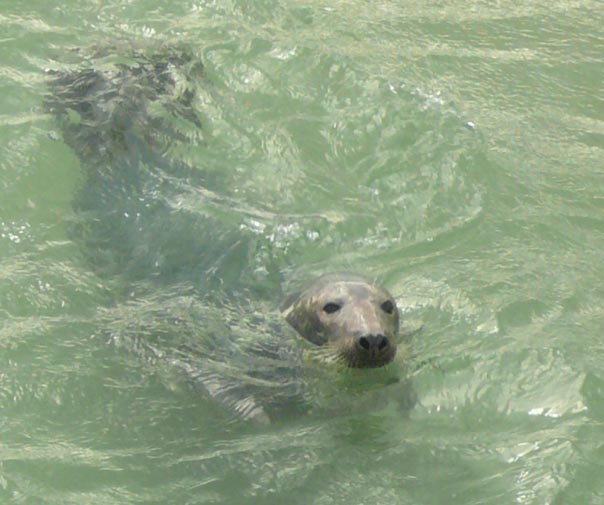
At one point, I noticed what I took to be the head of a Grey Seal, which broke the surface perhaps fifty or a hundred metres away from the boat. This is a Grey Seal which I photographed in the harbour at St.Ives in Cornwall:

P1460520

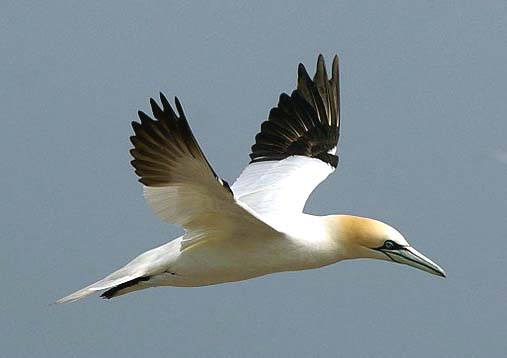
This head, way out in the Atlantic Ocean, was very similar, dark in colour, and I could see a forehead, two eye sockets, and an obvious snout. I didn’t really think a great deal about it, other than the fact that, for a seal, it was certainly a very long way from land, at least fifteen miles. It remained there, presumably watching the boat, for perhaps two or three minutes. Then, suddenly, a Gannet flew directly above it. A Gannet is a very large bird with a wingspan of some six or seven feet:

wikikikik Northern_Gannetzzzzzzzzzzzzzzzzzzzzz

I then realised from a simple comparison of sizes that the head must be at least a metre and a half, if not two metres, across. And that means it cannot have been a seal !

 Number Eight

The Ghost on the No 90 Bus

Some thirty or more years ago, we used to live in a large house in a new estate on top of a hill right at the very northern edge of the City of Nottingham. From our top bedroom window, we could see the distant cooling towers of the Ratcliffe-on-Soar Power Station, out towards the East Midlands Airport, absolutely miles away. If it had been built then, we would have easily been able to see the Control Tower on the Airport. To go into Nottingham was a little bit of a bore, though, because there was only the Number 90 bus, which ploughed, every hour, a long and very eccentric furrow from one side of the city to the other, from where we lived on the northern edge, to the furthest bus terminal of Edwalton, beyond even the foetid swamp that is West Bridgford:

DKY-496_lr

The Number 90 bus, strangely enough, had a very strong ghost story attached to it. People told me all about it on several occasions, almost as soon as I mentioned what bus I had to catch to get home and just how long the journey was.

3135590sssss

Funnily enough, the story concerned the very same bus stop on Mansfield Road which we used to use:

bus stop

Anyway, the first occasion the ghost appeared was quite a long time ago, in the 1950s perhaps, or in the 1960s. It was certainly in the era of the bus conductor, who used to go round the bus, issuing tickets and taking the money.

Just imagine to yourself. The time  is around seven or eight o’clock in the evening, and the bus is absolutely deserted. Not a single passenger. The conductor is standing up near the driver’s compartment, talking to him to pass the time. Suddenly, they both notice an old man who is standing at the Mansfield Road bus stop, waiting to go towards the city. The bus stops and the old man gets on. The evening is fine and dry, but the old man is absolutely drenched, with rainwater dripping off him. He looks quite battered, with little rips here and there in his clothing, which is, strangely for the weather at the time, a heavy winter topcoat over an equally heavy winter suit.

The old man says nothing as he gets on. He goes upstairs and the driver and conductor notice he is wearing his bike clips, a simple aid to cycling that is, by now, almost decades out of date.

The driver and conductor finish their conversation. The driver sets off down the road, and the conductor begins the shaky climb up the stairs. He wonders why this special kind of idiot had to go upstairs on a completely empty bus and make the tired conductor follow him.

He gets to the top of the stairs and has a good, surprised look round. The top deck of the bus is completely empty. The old man just isn’t there. He isn’t in the two rows of seats at the front of the bus. The conductor then walks slowly back past all the other rows of seats. The old man isn’t there either, neither is he hiding behind any of the seats in a ludicrous attempt to avoid paying his fare.

Puzzled, the conductor goes back down again, pushes his cap back on his head, and expresses his astonishment to the driver.

Back at the canteen, they tell their tale over a cup of tea and a couple of cigarettes. They are not the first crew to meet “The Phantom Passenger of the Number 90 bus.”

He is, or rather was, an old man of sixty or so:

old_man_on_bike_by_claeva

One winter’s night, he was riding his bicycle home to Arnold, when a hit-and-run driver killed him as he rode carefully and slowly around the Leapool Roundabout. It happened so swiftly that the old man does not realise, even now, that he is no longer alive. Wrapped up against the winter in his heavy suit and heavy topcoat, he still has his bike clips on. His bicycle, to him too valuable to leave behind, is too badly damaged to ride back home. And so, he must walk through the winter rain and sleet the two miles to the nearest bus stop to get back home to his wife and family. On this map, the orange arrow marks the bus stop where the wet old man would get on the No 90 bus. To the north is the Leapool Roundabout. Follow the green road until you come to the obvious roundabout:

map

I don’t know now if the Number 90 still runs or not. I hope it does. No ghost should fade away at the whim of the Nottingham City Transport.

16 Comments

Filed under Cornwall, Cryptozoology, History, Nottingham, Personal, Science, Twitching, Wildlife and Nature

Gulls are the most puzzling of birds….

An extract from my old birdwatching diary, “Crippling Views”

Friday, September 23rd 1988

Another lunchtime visit to the local nature reserve at Attenborough. Look for the orange arrows:

This slideshow requires JavaScript.

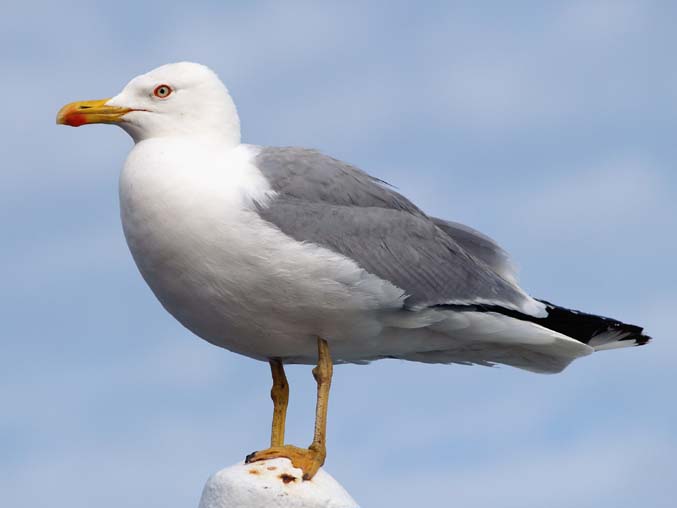
Paul has given me a stakeout for the Yellow-legged Herring Gull that is supposed to have been down here for the past few weeks, on and off :

OLYMPUS DIGITAL CAMERA

I also would like another look at the funny duck that was down here two days ago.  Unfortunately, the duck is not there when I stroll over to the river, and I have to abandon hope on this one, after a good scout round.

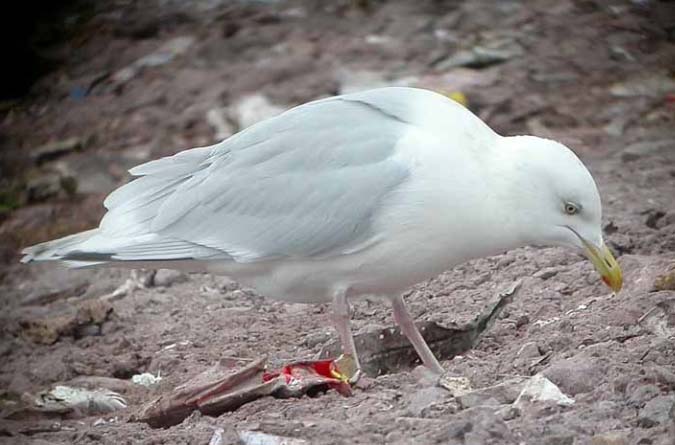
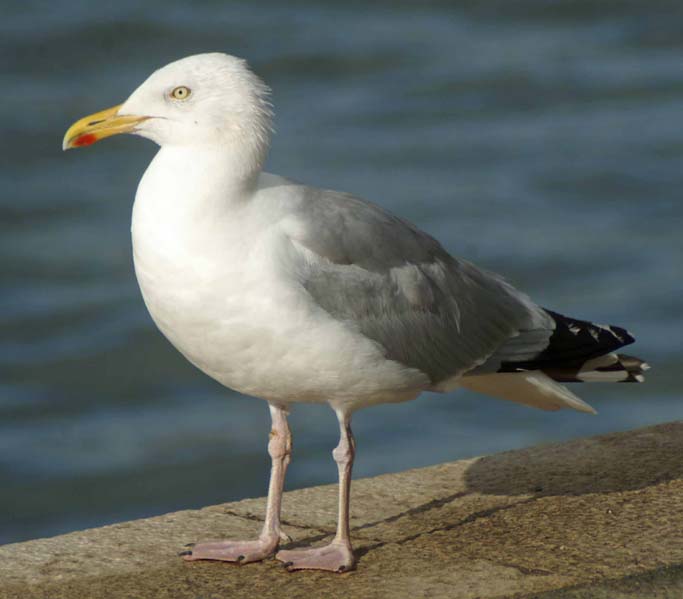
A brief inspection of the birch trees near the car park however does reveal the YLHG, which I feel fairly sure is the same bird that I saw two years previously on the Trent sluices at Colwick, four or five miles or so further up the river. The legs are a cracking bright yellow colour, but I am to a certain extent puzzled by the paleness in the grey of the bird’s back, which, according to Grant’s excellent guidebook “Gulls: a stringer’s guide” should be significantly darker than the normal Herring Gull, but I would say that this individual is definitely quite a bit paler than it should be. This is a normal Herring Gull:

KONICA MINOLTA DIGITAL CAMERA

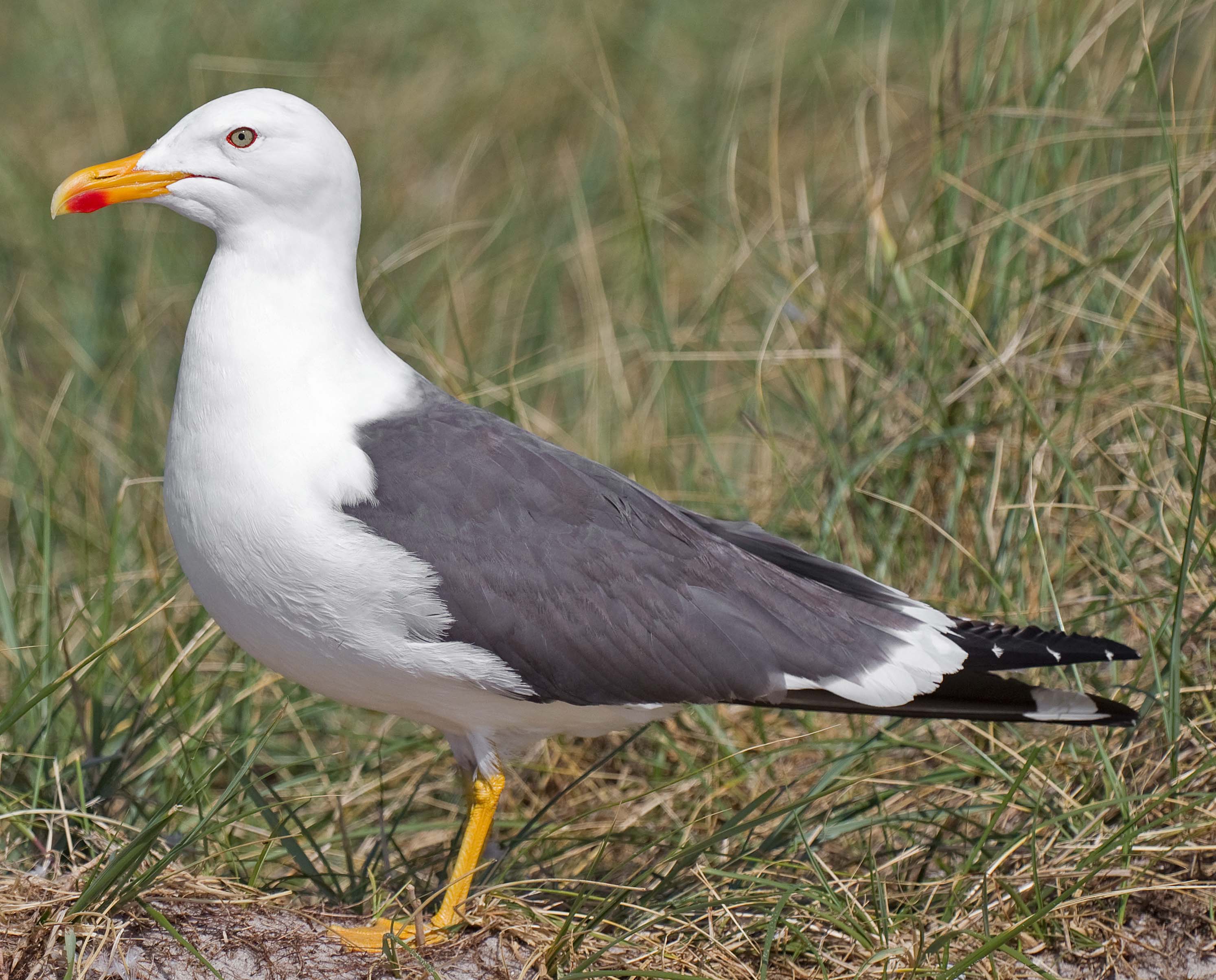
I am further puzzled by the presence on one of the lakes of an obvious Lesser Black-backed Gull. That bird, of course, has yellow legs, but again, seems paler than one might expect. Is it, therefore, a Darker-than-Normal-Yellow-legged Herring Gull?  Or a Lighter-than-Normal-Lesser Black-backed Gull? Who knows? And I am actually beginning to think:

“Who really cares?”

Here is a Lesser Black-backed Gull:

lesser black zzzzzzzzzzzzzzzzzzzzzzzzzzz

And if so, then what is the first bird?

I hate gulls. You’re always on your own when you see them. Or else you are with people so expert that they only ever discuss unbelievably rare birds and never ever mention common ones.

“Did you see the Red-Legged Kittiwake at Flamborough last week?”

“No, but I was lucky enough to find another Relict Gull yesterday, up near the lighthouse, second winter, third in the brood, it had a slight cough.”

This slideshow requires JavaScript.

Anyway, I tick the Attenborough Two as two more Firsts for Britain, namely California Gull and Slaty-backed Gull. Who knows? They might be.

This slideshow requires JavaScript.

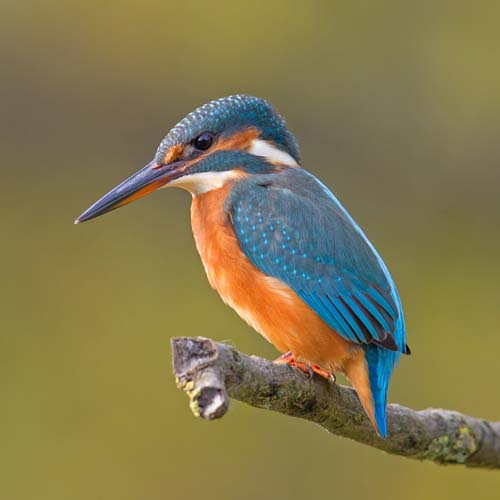
I make my way back to the car park. On the way I see a kingfisher:

Common_Kingfisher_

Thank God. At least you know where you are with a kingfisher. You never have to worry whether it’s a Glaucous Kingfisher or a Glaucous-winged Kingfisher.  A Brünnich’s Kingfisher or a Lesser Crested Kingfisher. It is just a kingfisher, a good bird to spot.

Gulls are the most puzzling of birds. Every single group of ten or more seems to contain at least one individual that might be of another very similar species. No wonder that American birdwatchers are reputed to arm themselves with photographic colour charts which allow a damned sight more than fifty shades of grey to be distinguished one from another.

And so many gull species hybridise on a regular basis. This is a frequent hybrid, the so-called “Nelson’s Gull”:

nrlsonxxxxxxxxxxxxxxxxxxxxxxxxxxxx

It has characteristics reminiscent of both Herring Gull and Glaucous Gull, its two parents:

This slideshow requires JavaScript.

On the other hand, it is really quite wonderful how Mother Nature can create so many different species across the whole world using black, white and grey as the colours from the genetic paint box, with mainly red, yellow or black for the beak and legs.

7 Comments

Filed under Nottingham, Science, Twitching, Wildlife and Nature

Victorian Cormorants and Victorian Shags

To keep birdwatchers on their toes, many birds exist in what are called “species pairs”. This means that you may know that a particular bird is either a Ruff or a Buff-breasted Sandpiper, but it will not necessarily be that easy to separate them:

This slideshow requires JavaScript.

And there are literally hundreds of these species pairs, some easy, some not quite so simple. House Sparrow and Tree Sparrow are unmistakable, but what about that rare vagrant to England, the Spanish Sparrow?

This slideshow requires JavaScript.

Montagu’s Harrier and Pallid Harrier, for females or juveniles at least, will require careful and probably lengthy examination:

This slideshow requires JavaScript.

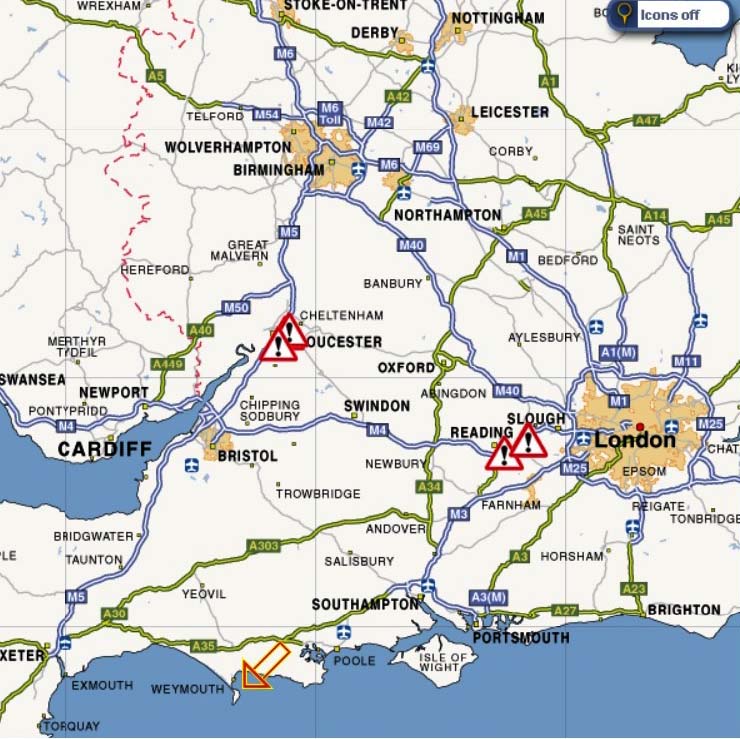
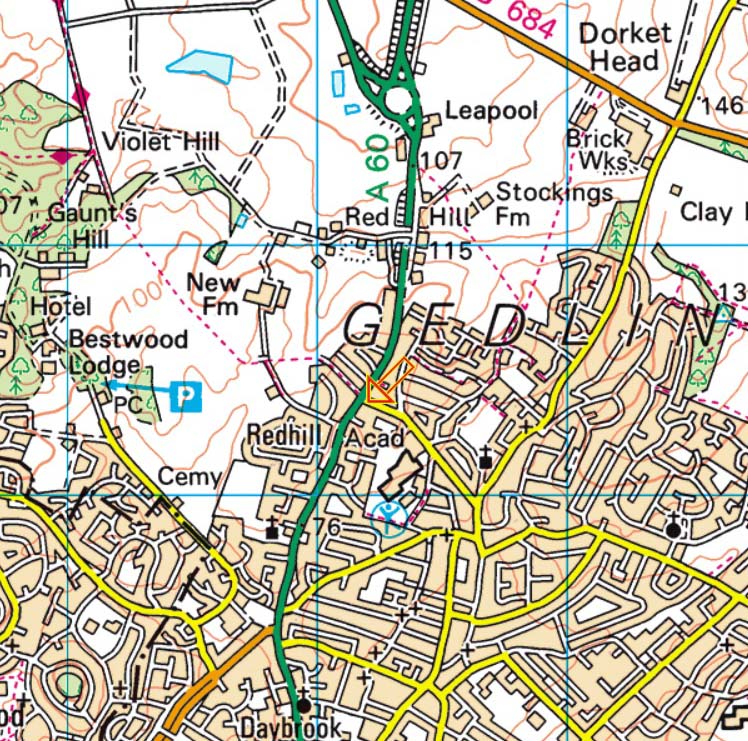
Occasionally, a particular bird will never be identified for definite. Nearly thirty years ago, I drove all the way to Weymouth in Dorset, a round trip of nearly 500 miles, to see a Pipit which was present from mid March to early May 1989, in a field near the Observatory. Look for the orange arrow:
wetymouth

It was either a Richard’s Pipit (not that rare) or a Blyth’s Pipit (one of the first two or three ever in England). Here they are:

This slideshow requires JavaScript.

And the controversy has never really been solved. Indeed, this particular bird is usually known to twitchers as the “Portland Pipit” after the Bird Observatory in whose fields it spent the winter.

In the Victorian era, of course, without modern telescopes worth more than my car, and, more importantly, field guides with colour photographs, many birds remained unidentifiable especially if they were both fairly rare. One such pair, which I still find challenging enough even now, is the Cormorant and the Shag. Here is a Cormorant:

gret corm xxxxxxxxxxxxxx

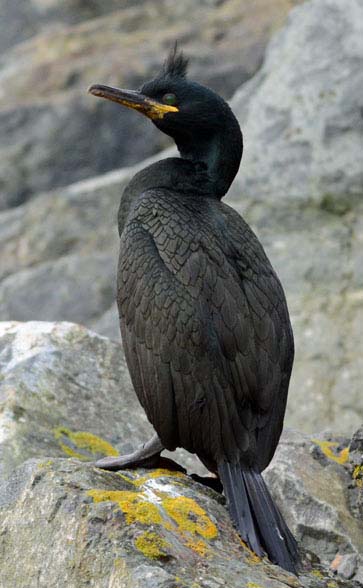
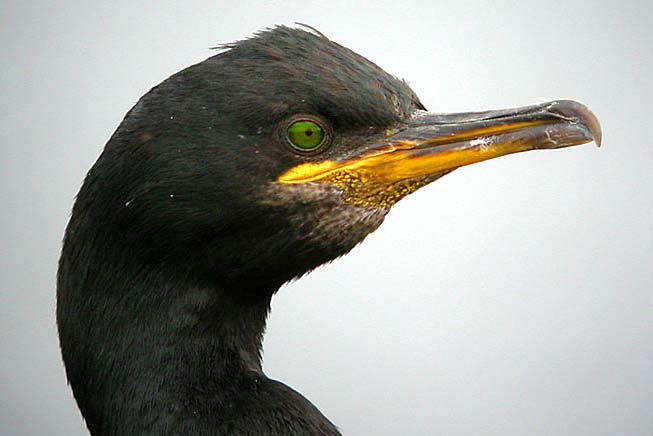
And here is a Shag:

shagbbnn xxxxxxxxxxxxxxxxx

You can probably guess what the Victorian solution was to this problem, at least as far as a rare bird was concerned. You shot the bird, if at all possible.

SHAG-03 xxxxxxxxxxxxxxxxx

With all that in mind, let’s take a trip back to the real era of Steampunk:

“According to H.E. Forrest in a letter to “The Zoologist” magazine, it was on an unrecorded date during the year of 1863 that a single Cormorant was shot at Lamb Close Reservoir near Eastwood and acquired for the collection of Joseph Whitaker:

“The keeper had seen it about some few days and noticed when he put it up, it always flew over the boathouse to another pond beyond. He told Mr Percy Smith, who was staying there, who the next morning took his gun and stood by the side of the boathouse; the keeper rowed round the lake, the bird rose, came as usual and was shot. Just as Mr Smith was lowering his gun, another large bird followed and shared the same fate; on getting to it, he found it was an immature Great Black-backed Gull; thus he brought off a very curious right and left, and secured two very rare Notts birds, which through his kindness are now in my collection.”

cormorant d xxxxxx

Thirty years later, in 1893 came the appearance of another Victorian anecdote about cormorants, this time concerning a famous bird at Newark on Trent. Once again Joseph Whitaker tells the tale:

“I am indebted to Mr Cornelius Brown of Newark on Trent for the following very interesting note : during October 1893 Newark was a centre of interest to naturalists and others owing to the visit of a friendly cormorant which continued to perch week after week on the arrow on the top of the spire of the Parish Church. The Times, Standard, and most of the leading newspapers noticed the incident while Punch magazine had some poetry upon it. The bird went away several hours each day to fish in the Trent, and returned after its sport to its lofty perch, where it might be seen trimming its feathers and making himself smart and comfortable. It left on Friday, November 17th, the day after a heavy storm, after a state of eight weeks save one day.”

The poem appeared in the comical magazine Punch on November 11th, 1893, and is a surprisingly radical comment on the church in general and clergymen in particular. It went thus:

“We are told a Cormorant sits, and doth not tire,
For a whole month, perched upon Newark spire!
Vinny Bourne’s jackdaw is beaten, it is clear
Yet there are cormorants who, year after year,
Perch in the Church. But these omnivorous people
Favour the pulpit mostly, not the steeple
Thrivers upon fat livings find, no doubt,
Cormorant within is cosier than without.”

Wikipedia tells the tale of Vincent “Vinny” Bourne, a Classical scholar who wrote a comic poem about a jackdaw which lived on a steeple.(In Latin, of course)

cornoran

For some people, the Cormorant was a bird of very ill omen. Out in the wilds of Lincolnshire:

“On Sunday, September 9th, 1860, a Cormorant took its position on the steeple of Boston Church, much to the alarm of the superstitious. There it remained with the exception of two hours absence, till early on Monday morning, when it was shot by the caretaker of the church. The fears of the credulous were singularly confirmed when the news arrived of the loss of the P.S.Lady Elgin at sea with 300 passengers, amongst whom were Mr Ingram, Member of Parliament from Boston, and his son, on the very morning when the bird was first seen.”

corm flying xxxxx

The Shag is very similar to the Cormorant, but is slightly smaller, a fact which is much more obvious when the birds are seen together. A single bird is often nowhere near as easy to identify as it is supposed to be. In the Victorian era both species were very rare in Nottinghamshire, so the chance of seeing the two together in order to make a comparison was never going to happen. For this reason, people had great difficulty in distinguishing between the two species of birds.

However in 1879, Joseph Whitaker wrote a letter to “The Zoologist” about some Shags which had turned up in the City of Nottingham itself.

“ON COMMON BIRDS IN NOTTINGHAMSHIRE.- ….Early in the same month, as some workmen at Nottingham were one morning proceeding to their work,  they came across two Shags, flapping about in Cross Street, and after an exciting chase caught them both. They were taken to T.White, birdstuffer, who tells me they dived for fish in his tank, eating several; he kept them alive for two days, but finding they “did not look like living”, killed and stuffed them. I have purchased them for my collection. Another was caught in a street close by, and the fourth was shot on Mapperley Plains. They were all young birds, possibly from the same nest, and having wandered away, got lost; or they may have been driven inland by a gale.”

shags xxxxxxxxxxxxxxxxx

In one of his newspaper articles about birds in North Nottinghamshire, published in the Nottingham Evening Post on June 21st, 1937 , Clifford W. Greatorex, a Fellow of the Zoological Society told the following story:

 “Finally, mention must be made of a Shag, three or four examples of which were recorded in early spring from various parts of North Notts. Contrary to a widely held opinion, the Shag does travel inland occasionally, although its inland visits are not so frequent as those of the more familiar and more abundant Cormorant.

sahg scilli xxxxxxxxxxxxxxxx

One of these visitors from the coast lingered on a part of Welbeck Lake, where it was seen by several reliable observers and its instinctive characteristics noted. Another, apparently injured in some way, was found in a field near a North Notts Village.

shag rutl xxxxxxxxxxxxxxx

The finder induced this bird, which could not fly, to enter a small pond, where it remained, and for the greater part of the week was fed by school children who brought it herrings, soaked bread and table scraps, all of which were devoured with avidity. Unfortunately, however, its injuries proved fatal, and one morning the young folk were grieved to find their new pet lying dead upon the bank.”
Nowadays, Shags remain fairly numerous on the rocky coasts of England, particularly in the west, but overall, they are probably diminishing in number. They are still very rare inland. Cormorants are extremely numerous, enjoying the many lakes conveniently filled with large fish for anglers to pit their wits against. At the moment, they are a protected species, but this may not last too much longer.
In the meantime, Cormorants will continue to entertain, as greedy but ever optimistic birds:

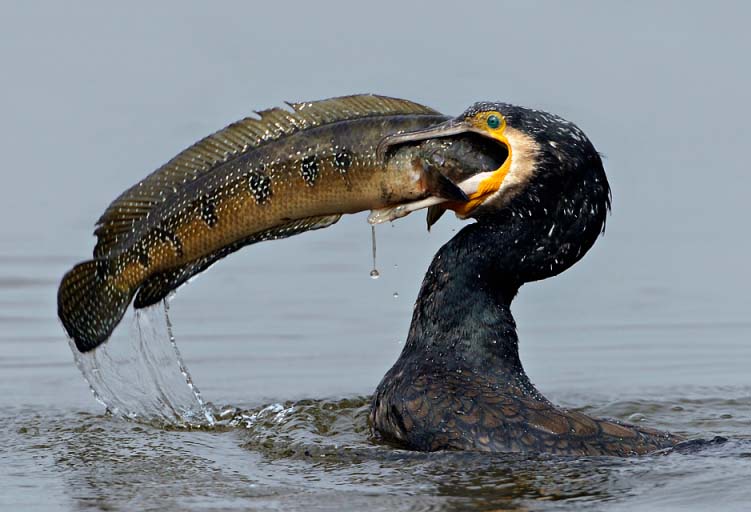
great-cormorant xxxxxxx


4 Comments

Filed under History, Nottingham, Twitching, Wildlife and Nature

A lovely old bird called Elsie

(An extract from my birdwatching diary “Crippling Views”)

Saturday, June 25, 1988

Birdline organises another weekend for me. Look for the orange arrows:

This slideshow requires JavaScript.

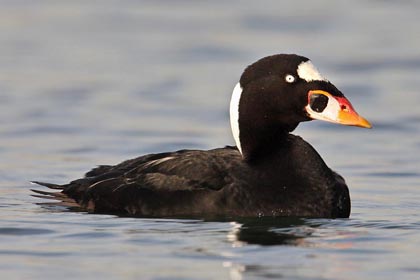
This Saturday, it’s a vagrant duck from North America, a drake Surf Scoter, that has been found offshore at Holme next the Sea  in north Norfolk. A very well-behaved bird, it has been seen every single day of the week, and should be a cinch. Should be:

xxxxxxx surf_scoter_1655

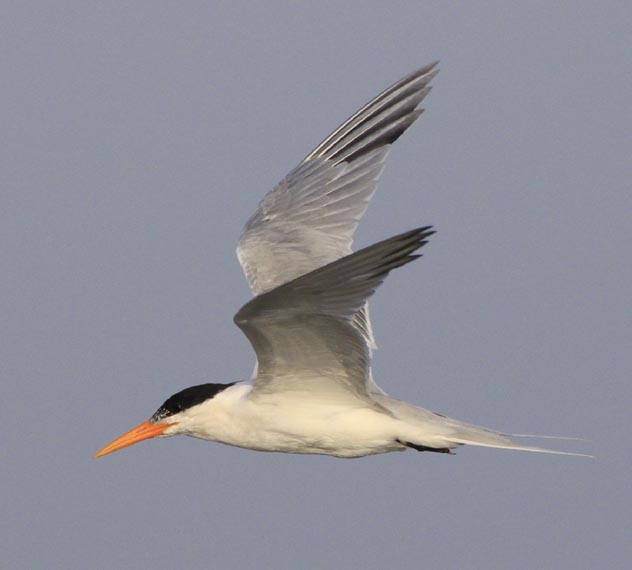
I go with Paul, Robin and Sue. It’s a beautiful summer’s day, blue skies, a bright sun and a typically bracing east coast wind. After an uneventful three hour trip, we park in a layby at the side of the road at the western end of the Holme reserve. As soon as we get out of the car, I see a most peculiar bird. It’s a large tern, flying steadily eastwards along the beach. About the size of a Sandwich Tern, it has a straw yellow bill. I am paralysed, I can’t remember what colour bill a Sandwich Tern has. For a few moments, I think that I’ve got everything exactly backwards, so that all Sandwich Terns have a yellow bill with a black tip. But that’s not the right way round. Sandwich Terns have a black bill with a yellow tip! I force myself to look at the bird for the duration of the flypast, but it’s very difficult to take in a great deal, because I’m so panic stricken:

Sterne voyageuse (Sterna bengalensis)

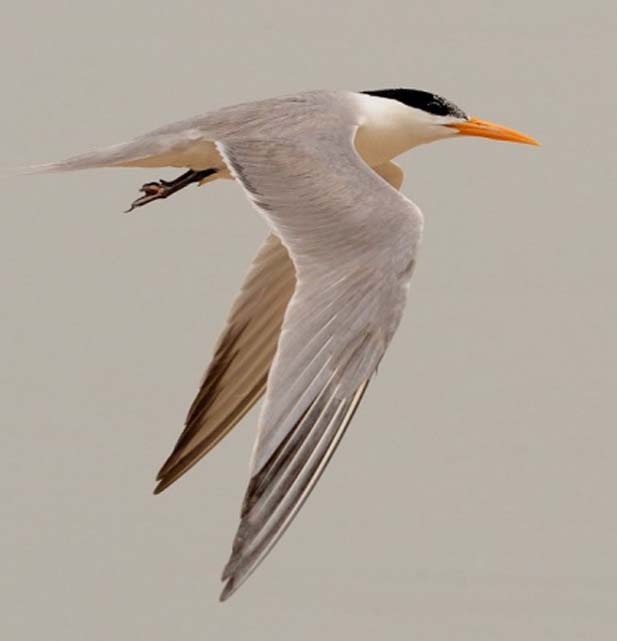
I think of shouting to Paul, but he’s three miles away, year ticking Redshank. I don’t have the courage to yell to another group of nearby birdwatchers, because deep down, I have a terrible suspicion that I have got it all wrong, that I will be calling out to them just for a Sandwich Tern. I keep looking. The bird is fairly round winged, with fairly dark upper parts to both its wings and back. It has a noticeably white trailing edge to its wings, a little like a Laughing Gull, and for a tern, it seems big, almost the size and bulk of a gull. I walk thirty or forty yards, trying to dismiss the bird as an aberration, the product of a rarity crazed mind. I even consider the idea that I just got out of the car, tired from the driving, and somehow misidentified a Little Tern. There are quite a lot of them over the beach, and mental blocks through fatigue are not that unusual. Then suddenly, the bird reappears. It is in company with  two Sandwich Terns and I can easily pick it out, totally different from its two companions:


This time, I shout to Paul and tell him to get on to the last bird. He manages to pick it out and agrees with me on two things. Firstly, that it is different to the Sandwich Terns, and secondly, that it has a straw yellow bill.  We have an exciting discussion about it and Paul puts forward the idea that it is a Lesser Crested Tern, a very rare vagrant to Britain, but one which has been seen a few times of late, due in part, it is thought, to a single lost bird which wanders the east coast of Britain, looking eagerly for its Libyan homeland. I haven’t a clue. I’ve never even heard of a Lesser Crested Tern. I thought that Gaddafi had abolished birds as being too flippant. I don’t even have a book with Lesser Crested Tern in it:

xxxx LCT 2

When I get back to Nottingham, I spend many a happy hour, trying to get information on the mystery bird. What convinces me though, is an illustration that I find in an old Indian birdwatching book, where the most salient points are the yellow beak, the dark mantle and the brightest of white trailing edges. They ought to know. They see them a damned sight more often than I do. And what finally proves it to me totally is an announcement a couple of days later that a Lesser Crested Tern has recently been present, on and off, at Cley next the Sea, just a few miles down the coast to the east. Seduced by the promise of eternal fame, I send a letter to the Norfolk Bird Recorder, and also to the Reserve Warden at Holme.

The Surf Scoter, of course, after all this, is long gone. We spend the rest of the day looking for it, but without any luck at all. The Common Scoters are exactly that, but among the hundreds of sea duck, there is no bright white head:

We also see a lot of Little Terns, who succeed in sowing the seeds of doubt, but who, at the same time, solve quite a few problems. They fly down the same track as the putative Lesser Crested Tern, but with a completely different flight action. They flutter like butterflies. They don’t fly purposefully like the mystery bird:

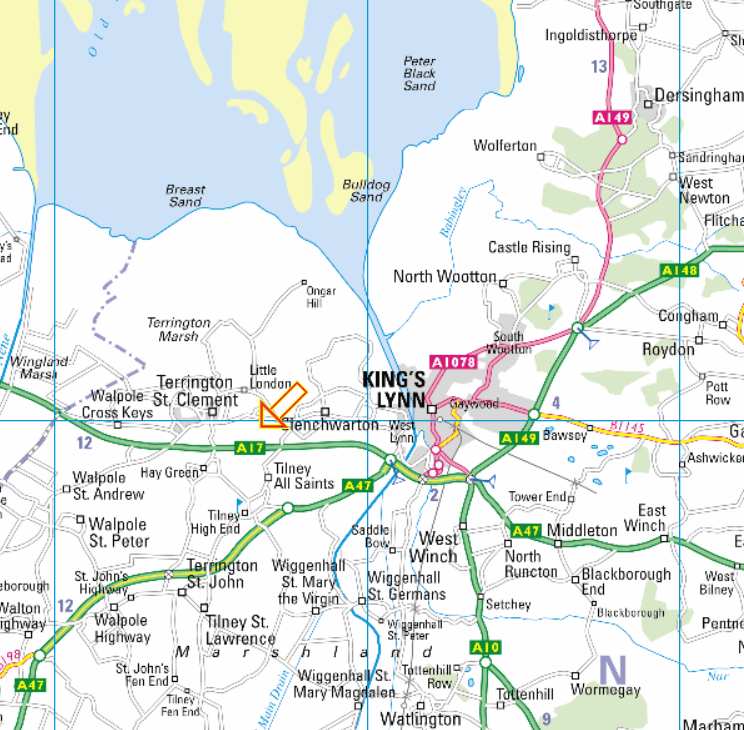
And anyway, I saw it in the company of Sandwich Terns, so I have a good idea of its size, and it’s a lot bigger than a Little Tern. It’s a different bird, in actual fact. A thrilling end to a memorable day is provided as we motor south to Kings Lynn, on the way back. Look for the orange arrow:

lynn

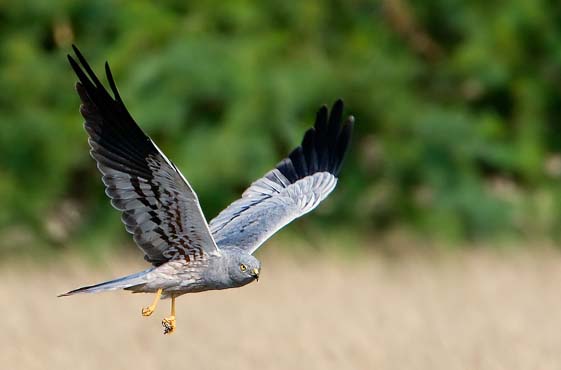
Just beyond the ring road, we see a large raptor quartering the fields to our left:

xxxxxxxxxxxxxxxx Montagu's_Harrier

It crosses the road above our heads, continues the quartering, and finally disappears behind the line of trees on the horizon. It is a male Montagu’s Harrier, perhaps the North Wootton bird, but more likely, from a site not yet revealed to the Verminous Company of Egg Thieves. It is fairly isolated out here though. Let’s hope that the Montagu’s Harrier family spend their summer undisturbed, raise their babies and leave peacefully. Flying back if possible, not over Malta or any other world centre of illegal hunting:

xxxxx montagus_Harrier_Serengeti_


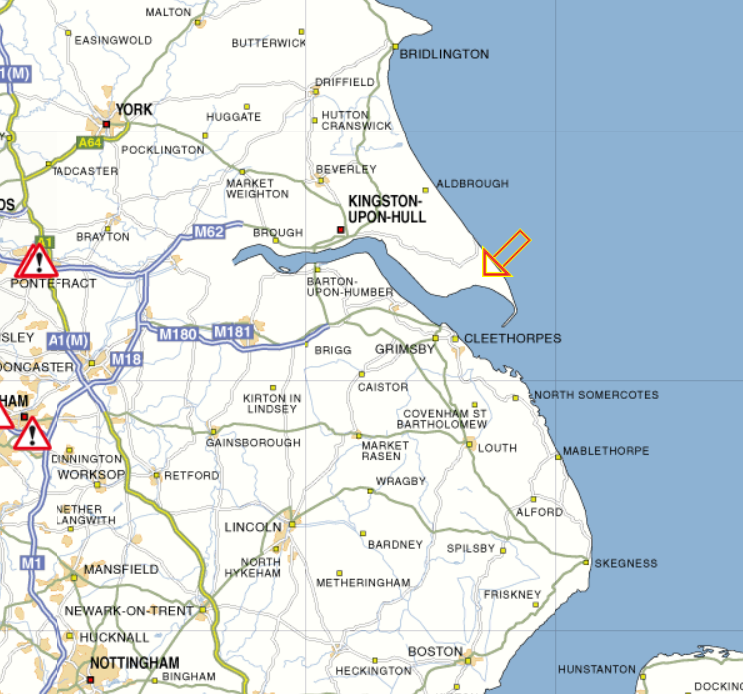
I sent in my claim of a Lesser Crested Tern to the British Bird Rarities Committee, but after a year or two of careful consideration, they rejected it,  even though the Birdwatching Committee in Norfolk seemed reasonably satisfied with it. So, a few years later, I drove to Spurn Head in Yorkshire to see another, or conceivably the same returning, Lesser Crested Tern. Look for Nottingham in the bottom left and the orange arrow:

spurn

I went there on two separate occasions, and finished up driving nearly 500 miles in total. After almost two days standing in “The Place”, “The Bird” did not deign to tern up (sick). On the second day, I was there at seven in the morning, and I was then the last to leave at eight o’clock in the evening. Another birdwatcher arriving alone at half past eight then found the bird exactly where it was supposed to be standing and I’d missed it. That started to make it personal.

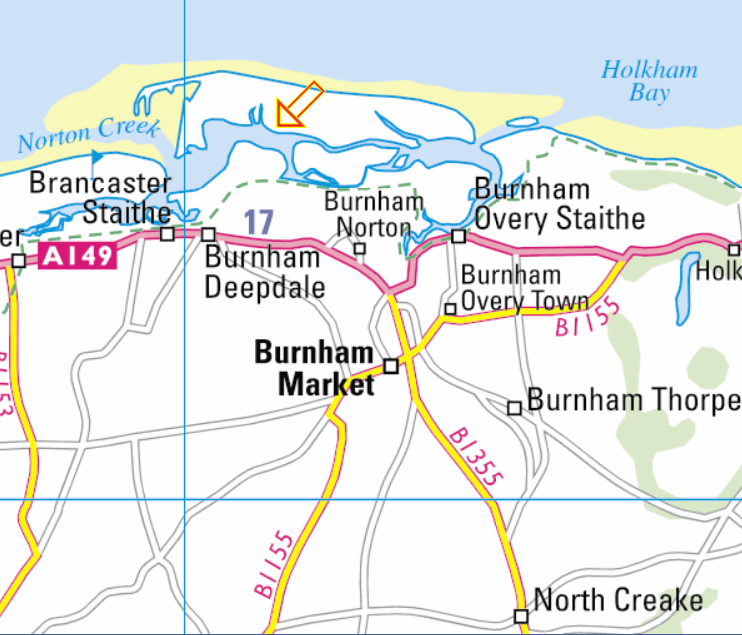
A little while later, I drove to the north Norfolk coast where foolhardy twitchers were wading across a tidal creek to Scolt Head Island, their telescopes and tripods held above their heads like the Marines in Vietnam. They were looking for a Lesser Crested Tern which had been seen in the Sandwich Tern colony. Look for the orange arrow: 

scolt

I decided, though, to stay on the mainland, not drown and keep my eyes open for the bird flying down the coast to fish. Three wasted hours. No chance!

It was by now way beyond personal. Around this time a Lesser Crested Tern had been hybridising with Sandwich Terns in a tern colony on the Farne Islands, some three or four miles off the coast of Northumberland, some 200 miles to the north of Nottingham. Eventually, everybody realised that all the many records of Lesser Crested Tern on the English East Coast were most probably this one returning individual, being seen over and over again by different people.  Because the initials of a Lesser Crested Tern are “LCT”, the bird was now being called “Elsie”. I decided to bite the bullet  and drive up to the Farne Islands. As the bird was nesting, it should be a cinch. Should be.

Look for the orange arrows :

This slideshow requires JavaScript.

I failed to see it. So I decided to try again, and at very long last, I saw Elsie’s straw yellow bill sticking jauntily out of a crowd of black billed Sandwich Terns, all sitting on their eggs.

And I watched this good tern, this most excellent tern, for a very long time. A very long time. And then, half an hour later, I came back for seconds. And yes, I had already seen a bird just like Elsie, with her unmistakable bill, somewhere else, a long time previously, but the details escaped me for the moment.
Afterwards, I worked out that the nearest colonies of Lesser Crested Tern were on the coast of Libya. To see one, I had driven to Holme (210 miles for the round trip), Spurn Head twice (500 miles for two round trips), Scolt Head Island (250 miles for the round trip) and the Farne Islands(880 miles for two round trips). How far is it to Libya by car?

11 Comments

Filed under History, Personal, Science, Twitching, Wildlife and Nature

The Corncrake: the sound of Victorian England

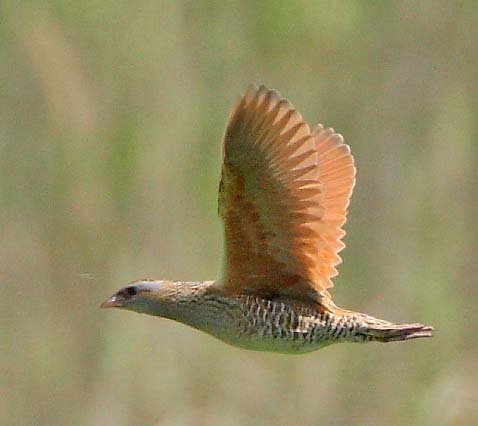
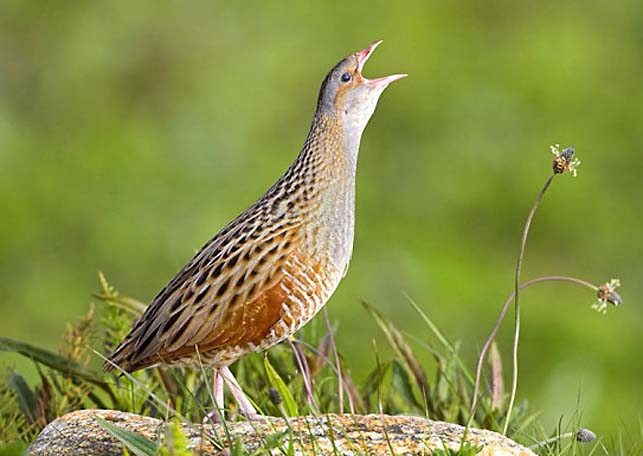
Nowadays the Corncrake is limited to the Outer Hebrides in Scotland although there is also what seems to be a highly successful  reintroduction scheme being carried out in the RSPB Nene Washes Reserve in Cambridgeshire, England:

Corncrakegreyt zzzzzzzzz

In the first half of the nineteenth century, Corncrakes were present throughout the length and breadth of England and their distinctive call was heard in every sunlit field. Even their Latin name, crex crex, is onomatopoeic. The birds were described as producing the most distinctive summer sound to be heard on a country walk anywhere in England. This is the song of the corncrake, beautifully recorded by “therhys927”

Corncrakes will often sing all through the night, and they can in fact be pretty aggravating little so-and-so’s once the initial novelty has worn off:

siningig zzzzzzzzzzzzzzz

John Clare, England’s greatest poet, wrote a poem about the bird which he knew as the “Landrail”:

“How sweet and pleasant grows the way
Through summer time again
While Landrails call from day to day
Amid the grass and grain

We hear it in the weeding time
When knee deep waves the corn
We hear it in the summers prime
Through meadows night and morn

And now I hear it in the grass
That grows as sweet again
And let a minutes notice pass
And now tis in the grain”

Nowadays, the Corncrakes are all gone, gradually killed off by decade after decade of desire for profit, intensive farming practices and in particular the mechanised mowing techniques used by the nation’s farmers in place of the trusty scythe.  This sad decline is chronicled in Nottinghamshire by the county’s Victorian birdwatchers:

crake zzzzzzzzz
In 1866, in his “Ornithology of Nottinghamshire”,  William Felkin wrote that “the corncrake is very common”. Three years later, in 1869, William Sterland provided a charming account of this delightful bird in “The Birds of Sherwood Forest”:

“That bird of singular habits and note, the corncrake, visits us in abundance every year, sometimes arriving as early as the first of May, while in 1853 I did not hear its note until the 18th. This was unusually late; the season being a remarkably cold and backward one, a fact of which our other migratory birds also seemed, in some mysterious way, to be fully cognisant. Nothing, indeed, relating to the feathered tribes is more wonderful or more deserving of our admiration than that knowledge, call it instinct or what you will, which, implanted in them by their Creator, enables them to hasten or delay their departure for their distant but temporary places of abode, according as the seasons there are suitable to their necessities or otherwise. How strikingly is this wisdom brought forward in Holy Scripture: “Yes, the Stork in the heaven knoweth her appointed time and the turtle, and the crane, and the swallow observe the time of their coming.”

William Sterland seems well aware of the piece of Corncrake behaviour which was to prove its downfall, as the mechanized mower made its inexorable way forward:

“I have never succeeded in causing the Corncrake to take wing except with a dog, and even then its flight is always brief, as it takes an early opportunity of dropping to the ground and regaining its cover. It flies rather slowly with its legs hanging down, and there is such an air of effort about his movements on the wing, that I have often wondered how its migrations are performed.
Its ventriloquial powers are well known to every observer. Now it’s harsh “Crake, crake” seems within a few yards, and the next moment it sounds as if it were halfway across the field, and this apparent variation in distance is so well simulated that in a consecutive repetition of its call for ten or twelve times, a few notes will sound as if uttered almost at your feet, and the next two or three from afar, and yet the bird is standing motionless all the time, as I have several times tested. Its singular call I have often imitated by drawing my nail across the teeth of a pocket comb, and thus inducing its near approach.”

flightg zzzzzzz

Again Sterland reveals how fully conscious he is of the problems the Corncrake will face throughout the rest of the nineteenth century:

“The female sits very closely on eggs, so closely indeed, as not infrequently to lose her life by the mower’s scythe. I have known two instances of this, in one of which the poor bird was almost cut in two.”

Ten years later, in 1879, William Sterland provided additional details about the Corncrake:

“An abundant summer visitor. It is also been found in winter, and on this account has been thought by some to hibernate; but apart from the fact that no bird is known to hibernate, why should a corncrake which remains during the winter not be able to fare as well as a water rail or a common snipe. Cold does not affect them.”

In his “Scribblings of a Hedgerow Naturalist”(1904), Joseph Whitaker wrote:

“The other evening when talking to Rose the Nottingham taxidermist (who has set up a great many specimens in this collection) I remarked how very few Corncrake there were about, he said he well remembered about 35 years ago, a man bringing a large basket to his father, of these birds, which he had shot in two days, and they numbered over fifty; at that time he said the meadows round Nottingham were full of them, and their call could be heard on all sides. This year I have heard one, although I have been about a great deal.”

corncrake zzzzzzz

No Corncrakes in 1904, no meadows in 2014! Elsewhere Joseph Whitaker wrote about his country house at Rainworth, between Nottingham, and Mansfield:

“I am sorry to say the Corn Crake is getting scarcer. I have not heard one near the house was several years, although twenty years ago they were in every mowing field. No doubt the result of mowing machines which cuts the young up often I fear.”

Three years later in 1907, Joseph Whitaker provided in “The Birds of Nottinghamshire”  the following information :

“I sorrow to say that this interesting bird is a rapidly vanishing species, not only as far as Notts is concerned, but in many other counties. Twenty years back it was the exception in the spring not to hear a corncrake in nearly every mowing field in the Trent Valley, and almost every seed and grass field left for hay in other parts. In this very high and dry parish of Blidworth, we had between ten and fifteen pairs, now for the last three years not a bird has been heard.”

corcrake_30594 zzzzzzz

Like his fellow nature writers, Joseph Whitaker chronicles the decline:

“At Southwell, on a June night, their curious call resounded on all sides; now this year there may be two pairs. Mr Henry Smith Junior of Cropwell Butler informs me that this scarcity is very noticeable in that part, and in fact all over the south of the county.”

Alas, Whitaker was to be proved wrong when he wrote:

“Let us hope that it will be many years before they are quite a bird of the past, but if they decrease during the next twenty years as fast as their decrease during the last two decades, it pains me to think that it may be so.
I once heard a corncrake calling inside the kitchen garden at Welbeck Abbey.”

And finally, in “Jottings of a Naturalist” in 1912, Whitaker wrote:

“Twenty years ago there were Corncrakes all over the parish, in fact it was the exception not to hear them in every mowing field, but I know that there is been none for the last ten years, not a single bird heard, and the parish is six thousand acres; and it is not only so in these parts, it is the same everywhere.”

Corncrakeflight zzzzzzzzz

And really, that was that. The end of the Corncrake.

As the Great War loomed, the Victorian age drew to a close. No more mowing fields, no more meadows full of flowers, no more clouds of brightly coloured butterflies. And no more Corncrakes. Just mud, blood, war and death.

To film a Corncrake nowadays, you are more or less wasting your time in England. This beautiful, atmospheric video comes from “mikhailrodionov” in faraway Russia:


10 Comments

Filed under History, Nottingham, Science, Twitching, Wildlife and Nature