Tag Archives: Nottinghamshire

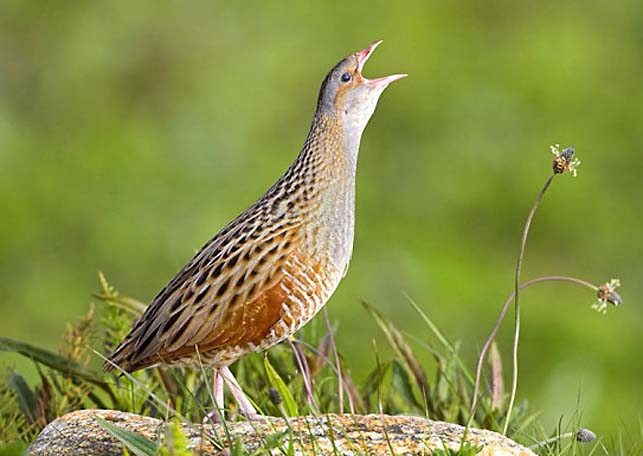
The Corncrake: the sound of Victorian England

Nowadays the Corncrake is limited to the Outer Hebrides in Scotland although there is also what seems to be a highly successful  reintroduction scheme being carried out in the RSPB Nene Washes Reserve in Cambridgeshire, England:

Corncrakegreyt zzzzzzzzz

In the first half of the nineteenth century, Corncrakes were present throughout the length and breadth of England and their distinctive call was heard in every sunlit field. Even their Latin name, crex crex, is onomatopoeic. The birds were described as producing the most distinctive summer sound to be heard on a country walk anywhere in England. This is the song of the corncrake, beautifully recorded by “therhys927”

http://www.youtube.com/watch?v=KAR3PddzXgY

Corncrakes will often sing all through the night, and they can in fact be pretty aggravating little so-and-so’s once the initial novelty has worn off:

siningig zzzzzzzzzzzzzzz

John Clare, England’s greatest poet, wrote a poem about the bird which he knew as the “Landrail”:

“How sweet and pleasant grows the way
Through summer time again
While Landrails call from day to day
Amid the grass and grain

We hear it in the weeding time
When knee deep waves the corn
We hear it in the summers prime
Through meadows night and morn

And now I hear it in the grass
That grows as sweet again
And let a minutes notice pass
And now tis in the grain”

Nowadays, the Corncrakes are all gone, gradually killed off by decade after decade of desire for profit, intensive farming practices and in particular the mechanised mowing techniques used by the nation’s farmers in place of the trusty scythe.  This sad decline is chronicled in Nottinghamshire by the county’s Victorian birdwatchers:

crake zzzzzzzzz
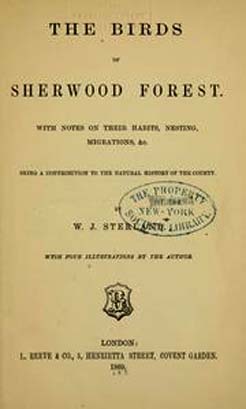
In 1866, in his “Ornithology of Nottinghamshire”,  William Felkin wrote that “the corncrake is very common”. Three years later, in 1869, William Sterland provided a charming account of this delightful bird in “The Birds of Sherwood Forest”:

“That bird of singular habits and note, the corncrake, visits us in abundance every year, sometimes arriving as early as the first of May, while in 1853 I did not hear its note until the 18th. This was unusually late; the season being a remarkably cold and backward one, a fact of which our other migratory birds also seemed, in some mysterious way, to be fully cognisant. Nothing, indeed, relating to the feathered tribes is more wonderful or more deserving of our admiration than that knowledge, call it instinct or what you will, which, implanted in them by their Creator, enables them to hasten or delay their departure for their distant but temporary places of abode, according as the seasons there are suitable to their necessities or otherwise. How strikingly is this wisdom brought forward in Holy Scripture: “Yes, the Stork in the heaven knoweth her appointed time and the turtle, and the crane, and the swallow observe the time of their coming.”

William Sterland seems well aware of the piece of Corncrake behaviour which was to prove its downfall, as the mechanized mower made its inexorable way forward:

“I have never succeeded in causing the Corncrake to take wing except with a dog, and even then its flight is always brief, as it takes an early opportunity of dropping to the ground and regaining its cover. It flies rather slowly with its legs hanging down, and there is such an air of effort about his movements on the wing, that I have often wondered how its migrations are performed.
Its ventriloquial powers are well known to every observer. Now it’s harsh “Crake, crake” seems within a few yards, and the next moment it sounds as if it were halfway across the field, and this apparent variation in distance is so well simulated that in a consecutive repetition of its call for ten or twelve times, a few notes will sound as if uttered almost at your feet, and the next two or three from afar, and yet the bird is standing motionless all the time, as I have several times tested. Its singular call I have often imitated by drawing my nail across the teeth of a pocket comb, and thus inducing its near approach.”
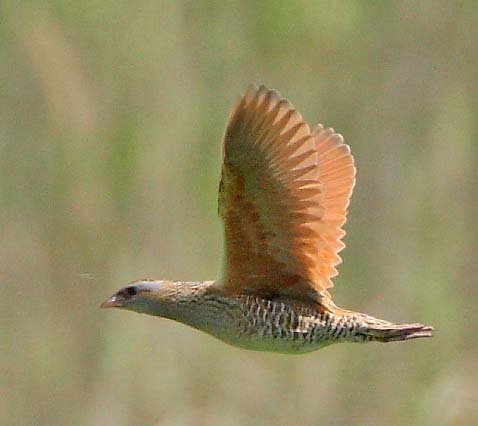
flightg zzzzzzz

Again Sterland reveals how fully conscious he is of the problems the Corncrake will face throughout the rest of the nineteenth century:

“The female sits very closely on eggs, so closely indeed, as not infrequently to lose her life by the mower’s scythe. I have known two instances of this, in one of which the poor bird was almost cut in two.”

Ten years later, in 1879, William Sterland provided additional details about the Corncrake:

“An abundant summer visitor. It is also been found in winter, and on this account has been thought by some to hibernate; but apart from the fact that no bird is known to hibernate, why should a corncrake which remains during the winter not be able to fare as well as a water rail or a common snipe. Cold does not affect them.”

In his “Scribblings of a Hedgerow Naturalist”(1904), Joseph Whitaker wrote:

“The other evening when talking to Rose the Nottingham taxidermist (who has set up a great many specimens in this collection) I remarked how very few Corncrake there were about, he said he well remembered about 35 years ago, a man bringing a large basket to his father, of these birds, which he had shot in two days, and they numbered over fifty; at that time he said the meadows round Nottingham were full of them, and their call could be heard on all sides. This year I have heard one, although I have been about a great deal.”

corncrake zzzzzzz

No Corncrakes in 1904, no meadows in 2014! Elsewhere Joseph Whitaker wrote about his country house at Rainworth, between Nottingham, and Mansfield:

“I am sorry to say the Corn Crake is getting scarcer. I have not heard one near the house was several years, although twenty years ago they were in every mowing field. No doubt the result of mowing machines which cuts the young up often I fear.”

Three years later in 1907, Joseph Whitaker provided in “The Birds of Nottinghamshire”  the following information :

“I sorrow to say that this interesting bird is a rapidly vanishing species, not only as far as Notts is concerned, but in many other counties. Twenty years back it was the exception in the spring not to hear a corncrake in nearly every mowing field in the Trent Valley, and almost every seed and grass field left for hay in other parts. In this very high and dry parish of Blidworth, we had between ten and fifteen pairs, now for the last three years not a bird has been heard.”
corcrake_30594 zzzzzzz

Like his fellow nature writers, Joseph Whitaker chronicles the decline:

“At Southwell, on a June night, their curious call resounded on all sides; now this year there may be two pairs. Mr Henry Smith Junior of Cropwell Butler informs me that this scarcity is very noticeable in that part, and in fact all over the south of the county.”

Alas, Whitaker was to be proved wrong when he wrote:

“Let us hope that it will be many years before they are quite a bird of the past, but if they decrease during the next twenty years as fast as their decrease during the last two decades, it pains me to think that it may be so.
I once heard a corncrake calling inside the kitchen garden at Welbeck Abbey.”

And finally, in “Jottings of a Naturalist” in 1912, Whitaker wrote:

“Twenty years ago there were Corncrakes all over the parish, in fact it was the exception not to hear them in every mowing field, but I know that there is been none for the last ten years, not a single bird heard, and the parish is six thousand acres; and it is not only so in these parts, it is the same everywhere.”

Corncrakeflight zzzzzzzzz

And really, that was that. The end of the Corncrake.

As the Great War loomed, the Victorian age drew to a close. No more mowing fields, no more meadows full of flowers, no more clouds of brightly coloured butterflies. And no more Corncrakes. Just mud, blood, war and death.

To film a Corncrake nowadays, you are more or less wasting your time in England. This beautiful, atmospheric video comes from “mikhailrodionov” in faraway Russia:
 

10 Comments

Filed under History, Nottingham, Science, Twitching, Wildlife and Nature

The Birdwatchers of Victorian Nottinghamshire

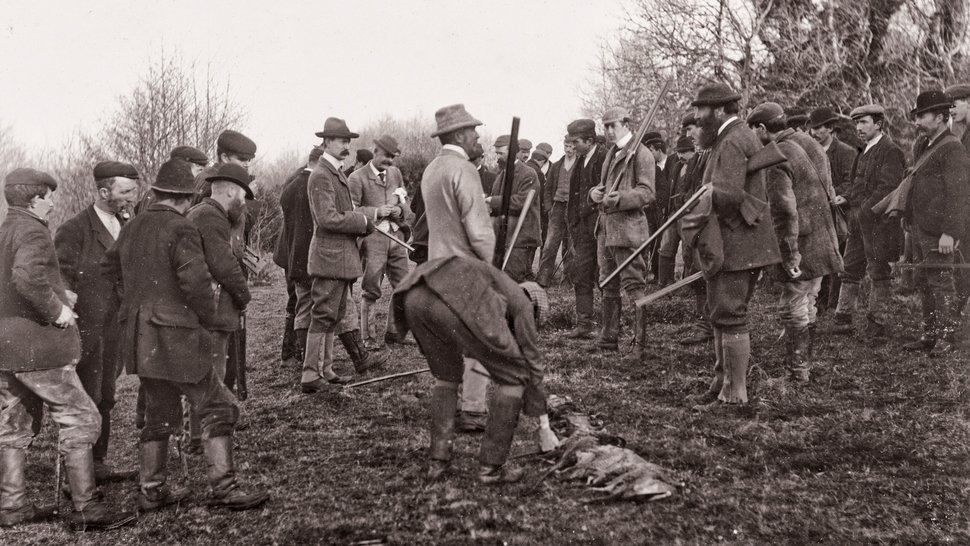
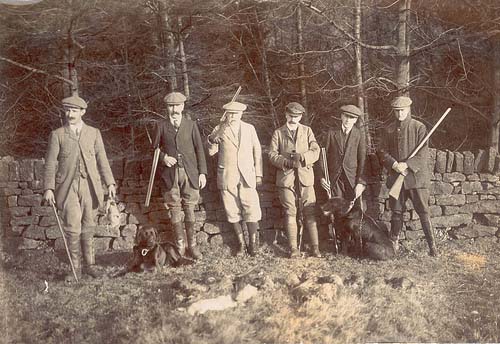
In the Victorian era there were hardly any birdwatchers in Nottinghamshire. Most ordinary people seem to have been too busy just living their lives to have a hobby such as watching birds. Among the richer individuals such as the landed gentry and the nobility, their particular interest was not watching but shooting birds:

another shoot

Even so, the very fact that they enjoyed shooting birds would actually have led them to develop some identification skills, however rudimentary, if only to avoid shooting a species which was out of season, or the same species over and over again:

shooting

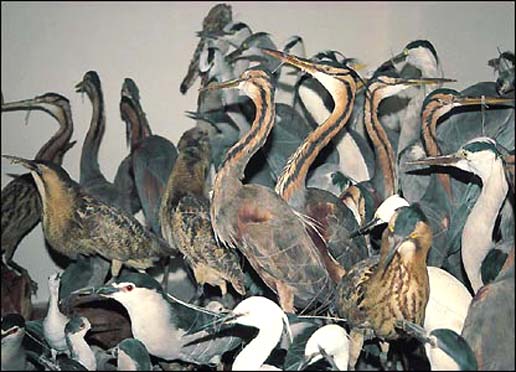
At this time, there was great interest in having a large collection of stuffed birds or animals. Here again, identification skills would have been important:

_42866547_stuffed_416

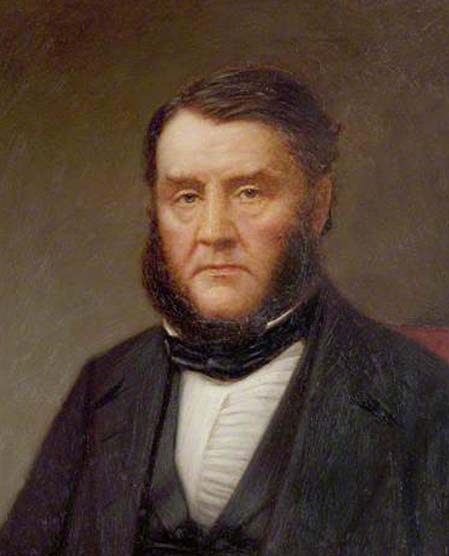
The earliest actual birdwatcher in Nottinghamshire seems to have been a man called William Felkin junior who lived in Nottingham from at least 1845-1870. Like his father, he was a lace manufacturer, but he became a Fellow of the Zoological Society and possessed a collection of stuffed birds of some 313 species. In 1866 he wrote the first ever book about birds in the county, entitled “The Ornithology of Nottinghamshire”. It was incorporated in Allen’s “Hand-book to Nottingham” published in the same year. This, I believe, is William Felkin senior. Hopefully. he looked a lot like his son:

felkin senior zzzzzzz

A contemporary of Felkin was William Foottit of Newark-on-Trent (fl 1840-1860). He was the local Coroner and ordinary people from miles around would bring unusual birds to him. Foottit was a frequent contributor to “The Zoologist” magazine:

Untitled

In 1869, clearly an outdoorsman of some competence, William Sterland of Ollerton wrote the marvellously entertaining “Birds of Sherwood Forest”:

sterland book

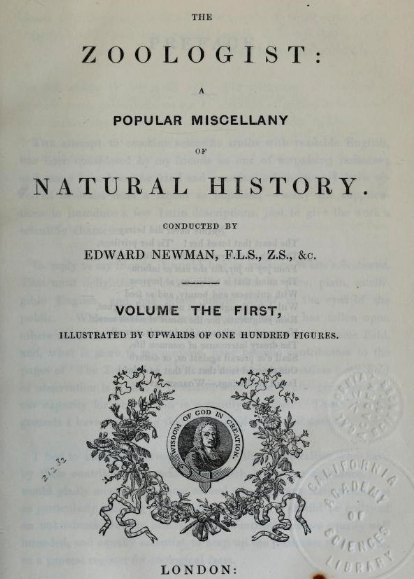
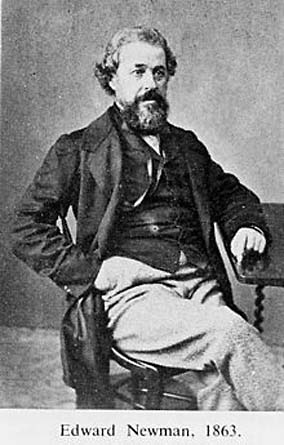
This book contained many anecdotes, and a number of records of rare birds. Sterland was the relatively uneducated son of a “grocer/ ironmonger/ tallow chandler/ dealer in sundries”, and, when the great man deigned to review it, his book was slated by Edward Newman, owner of “The Zoologist” magazine :

220px-EdwardNewman

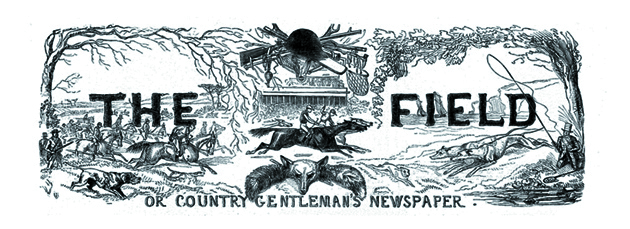
This was possibly because Sterland was a frequent contributor  to “The Field” magazine, a fierce rival of “The Zoologist”:

p_1-the-field-top-banner

It is more likely, though, that this was a slightly more complex issue. Newman had himself left school at sixteen to go into his father’s business.  Now he mixed with some of the most prominent scientists and zoologists in the land. I suspect that if Newman’s well healed and well connected upper class friends found out that William Sterland still worked in his Dad’s village grocer’s shop, they might well have been strongly reminded of the humble origins of Newman himself.

Unabashed, though, in 1879, William Sterland produced “The Descriptive List of the Birds of Nottinghamshire”. Needless to say, Edward Newman still had quite a few buckets of bile left to throw, but all the local newspapers in the Nottingham area really liked the book.

Sterland’s collaborator in this venture was a young man called Joseph Whitaker, now universally acknowledged as “The Father of Nottinghamshire Ornithology”.  Whitaker (1850-1932), the son of a farmer, was born at Ramsdale House, nowadays a golf centre and wedding venue to the north of Nottingham. Look for the orange arrow:

ramsdale map

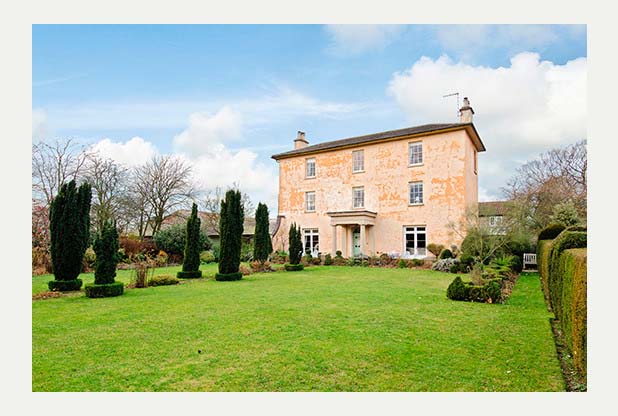
Recently this beautiful building received a great deal of publicity as the erstwhile residence of the most infamous dentist in the history of the National Health Service:

ramsdale zzzzz

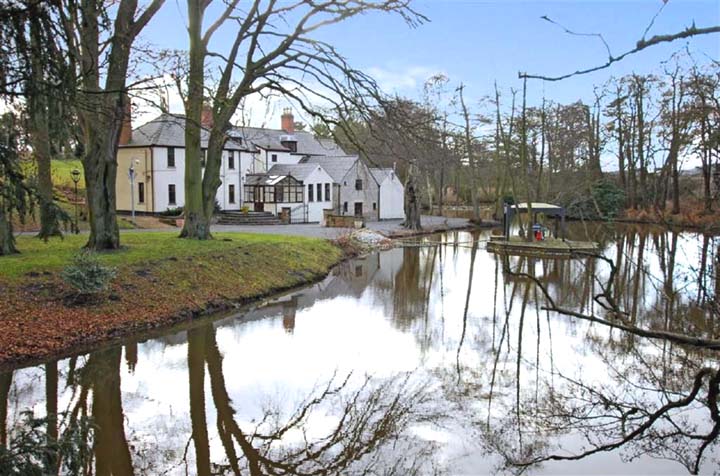
In later life Whitaker moved to Rainworth Lodge, a large country house with a lake, slightly further north in the county. Look for the orange arrow:

rain ladge

Here, he was known to one and all as the man to contact about birds in Nottinghamshire, whether it be a member of the nobility or a simple farm labourer who had found an unusual bird dead in the road as he walked to work:

rainworth zzzzzzz

Whitaker would travel around Nottinghamshire by horse and trap to see various interesting species of birds, or to talk to people who had seen, and/or shot, unusual birds on their estate.

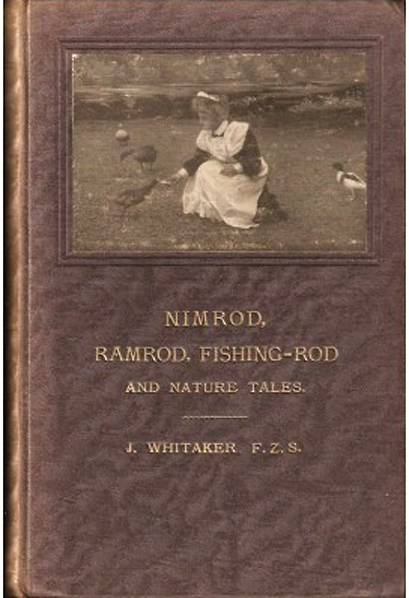
Whitaker wrote a number of books about nature, including “Scribblings of a Hedgerow Naturalist” and “Jottings of a Naturalist: Scraps of Nature and Sport on Land and Sea”. His finest title was most assuredly “Nimrod, Ramrod, Fishing-Rod and Nature Tales”. I believe that the young lady on the front cover of the book is the maid, rather than Whitaker himself:

nimrod

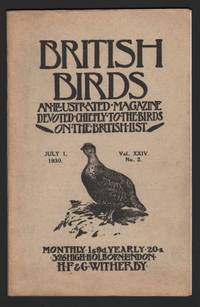
Whitaker was a frequent contributor to “The Zoologist” and in later years to the newly fledged “British Birds” magazine:

british birds

Before the rise of the pager, the mobile phone and the Internet, this publication was the only way to announce the presence of rare birds.

Whitaker also corresponded with his social betters, the Lords and Ladies whose many estates were the origin of the expression “The Dukeries” to describe north Nottinghamshire. There is a large collection of Whitaker‘s letters in the local collection at Mansfield Library. As well as the nobility, Whitaker also exchanged letters with many of the great ornithologists of the Victorian era, the men who wrote textbooks on birds, either in Britain, or in Europe as a whole. Joseph Whitaker’s greatest triumph, though, was a book entitled “The Birds of Nottinghamshire”,  which he had printed privately in 1907. It contains information about every single species of bird which the author knew to have occurred in the county. In Mansfield Library, we still have Whitaker’s own copy of this book, to which he has had a professional bookbinder add extra pages. In this way, the great man could cut out interesting stories from newspapers or magazines and then just paste them in.  Alternatively, he could simply handwrite in any interesting items of bird news which he had gleaned. Unfortunately, I have been able to trace only four photos of Joseph Whitaker, none of them as a young man. In all of them, he has a reassuringly large walrus moustache:

This slideshow requires JavaScript.

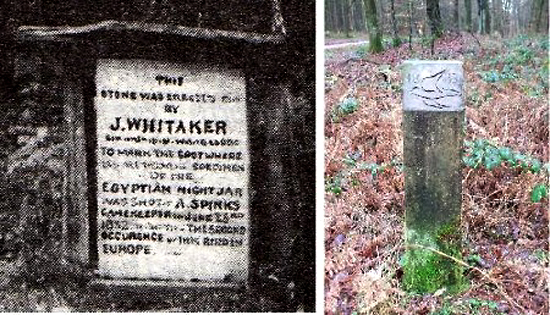
Whitaker’s greatest claim to fame was the Egyptian Nightjar which was shot in 1883 in Thieves Wood near Mansfield by a gamekeeper called Albert Spinks. At the time this poor lost individual (the bird, not the gamekeeper) was the first known sighting in England, and just the second in Europe. Even now, a hundred and thirty years later, only one more has been seen in this country. Whitaker erected a stone to commemorate the event but it was smashed to smithereens in the 1980s (to celebrate its centenary, presumably) and replaced by a wonderful modern sculpture costing well in excess  of £8.50:

original mem

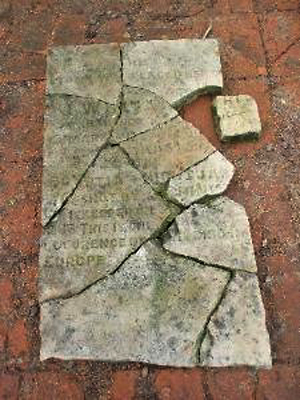
The pieces of the original stone were recently found and reassembled, although one little bit does seem to be somewhat of an enigma:

bits of stone

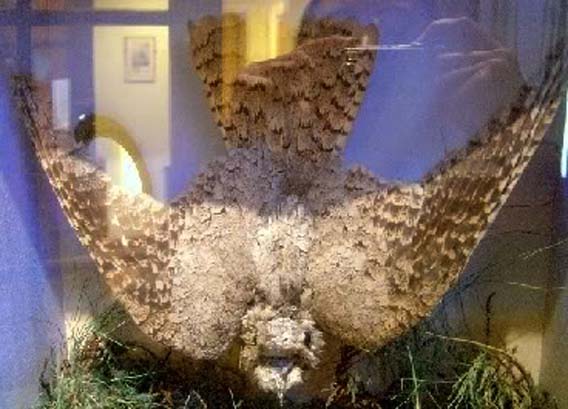
The bird itself was stuffed and, as an item of immense prestige, it went into Whitaker’s enormous collection. After his death, it eventually finished up in the foyer of Mansfield Library, safe behind highly reflective glass.

nightjar2

I thought it might be quite interesting to bring to a wider audience some of the birdwatching anecdotes which Whitaker mentions, both in his original book, and in the very many additions which he made to it. In future blog posts, therefore, I will bring you the true story of the famous Egyptian Nightjar and any number of other notable birds.

One final point is that the Nottinghamshire of the Victorian era was a very different place to the Nottinghamshire of today. The current Nottingham ring-road was just a muddy footpath alongside the Daybrook. Had our own suburban house existed then, there would have been no other private houses in sight in any direction. Just Bagthorpe Prison, Bagthorpe Hospital and the City Workhouse. It is amazing just how few people must have been alive in the county at that time.

A second final point is that many of these early ornithologists would not have had optical aids of any great standard, whether binoculars or telescopes. They may have had nothing beyond the Mark One Eyeball. In addition, they may have had no access to identification books, where they could carefully check what they had seen. This is why, if the presence of a rare bird was to be proven beyond doubt, it had to be shot. That is the origin of that grand old saying, “What’s hit is history, what’s missed is mystery”.

13 Comments

Filed under History, Humour, Nottingham, Wildlife and Nature

Letters carved in stone, sixty years ago

How many times have you walked out of the school’s Forest Road gate, and quite simply, failed to notice the extensive collection of carved initials on the left hand pillar? And if you did notice them, did you disregard them as being just more of the pointless graffiti that we are now forced to accept in the society of the early twenty first century? Or did you carefully look at the dates? But just wait awhile, gentle reader, and imagine the scene to yourself…

It is late 1942.  In Europe, Hitler stands on the opposite side of the English Channel, watching Dover through his binoculars.

Not A Chance

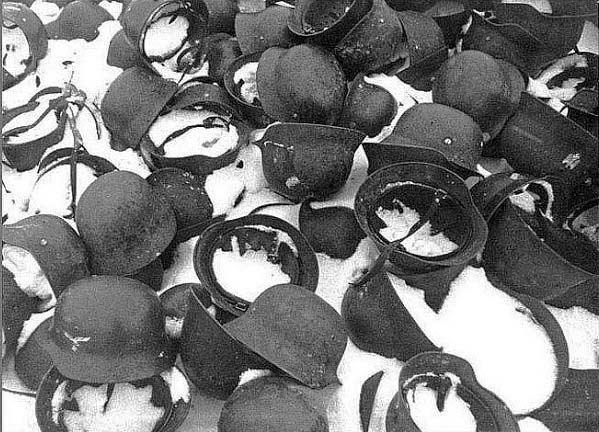
Great Britain remains resolutely defiant, but largely unable to press home any significant advantage. The British  armed forces are quite simply, not strong enough. There have been hardly any significant victories so far for the British, and there seem to be few obvious ways forward to rid the continent of what will eventually become known as “The Scourge of the Swastika”. Only the victory by Montgomery at El Alamein in North Africa lights up the Stygian gloom. And how many British people actually realise at the time the real significance of the telegram General Friedrich Paulus sends his Führer, telling him that the German Sixth Army is now completely surrounded?

stalingrad_dead_germans_ww2_

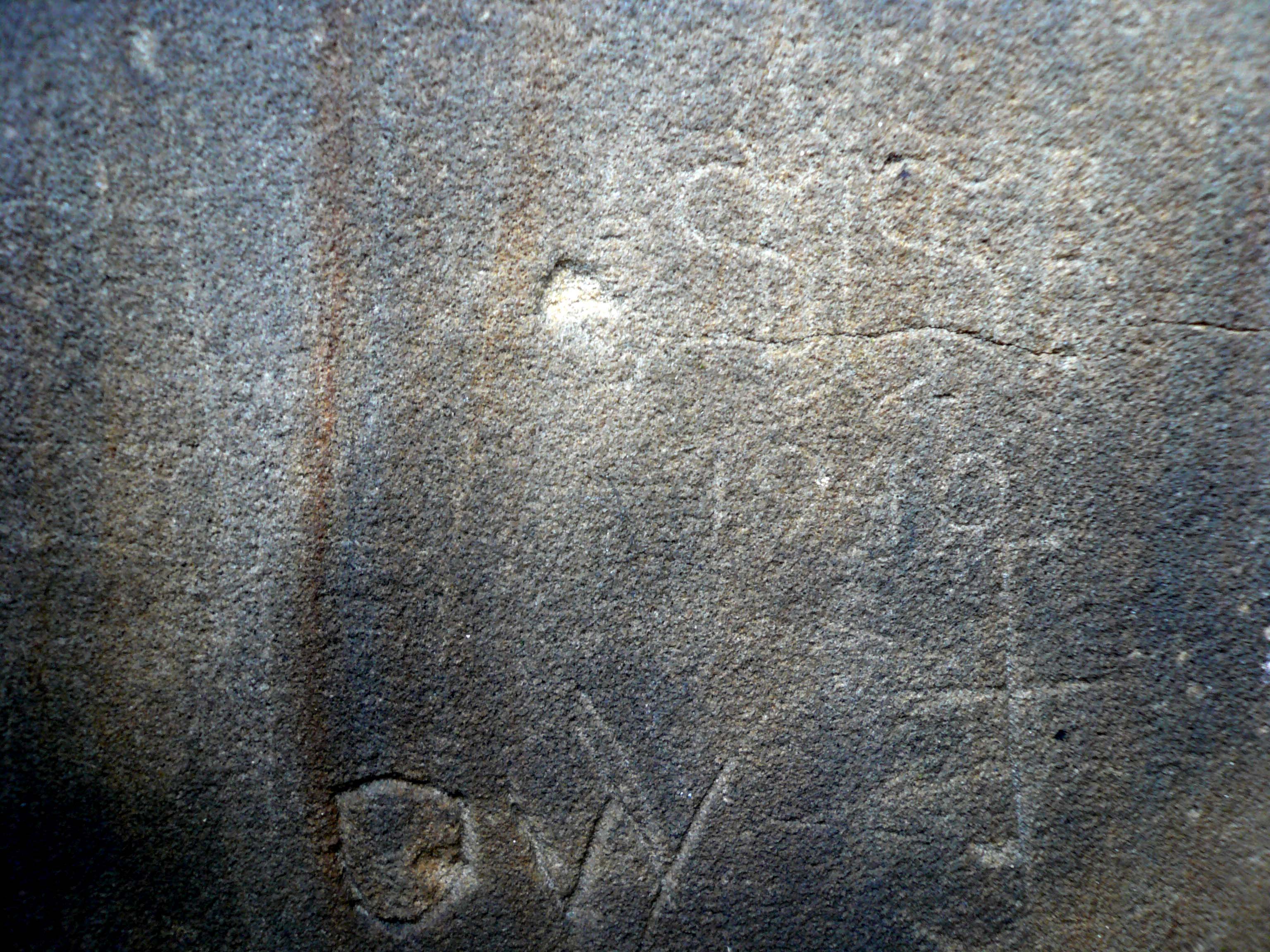
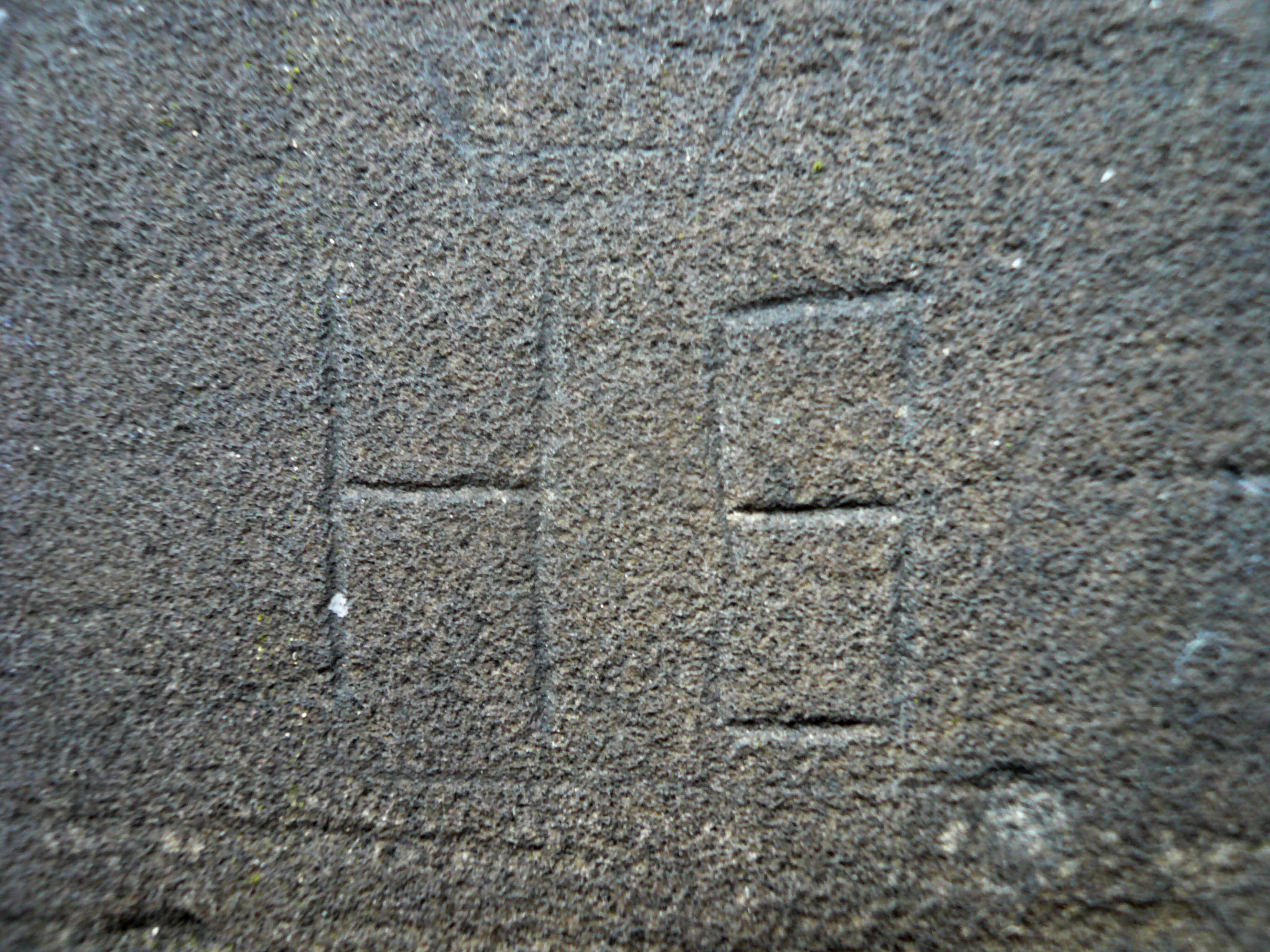
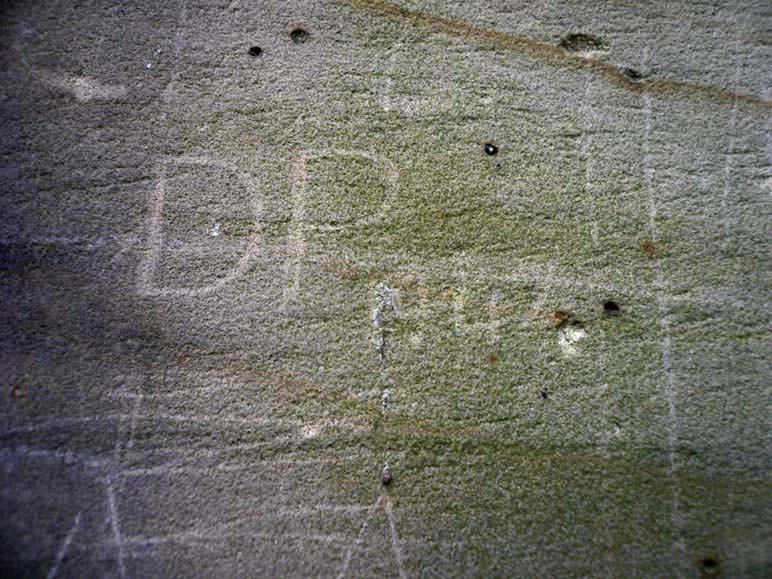
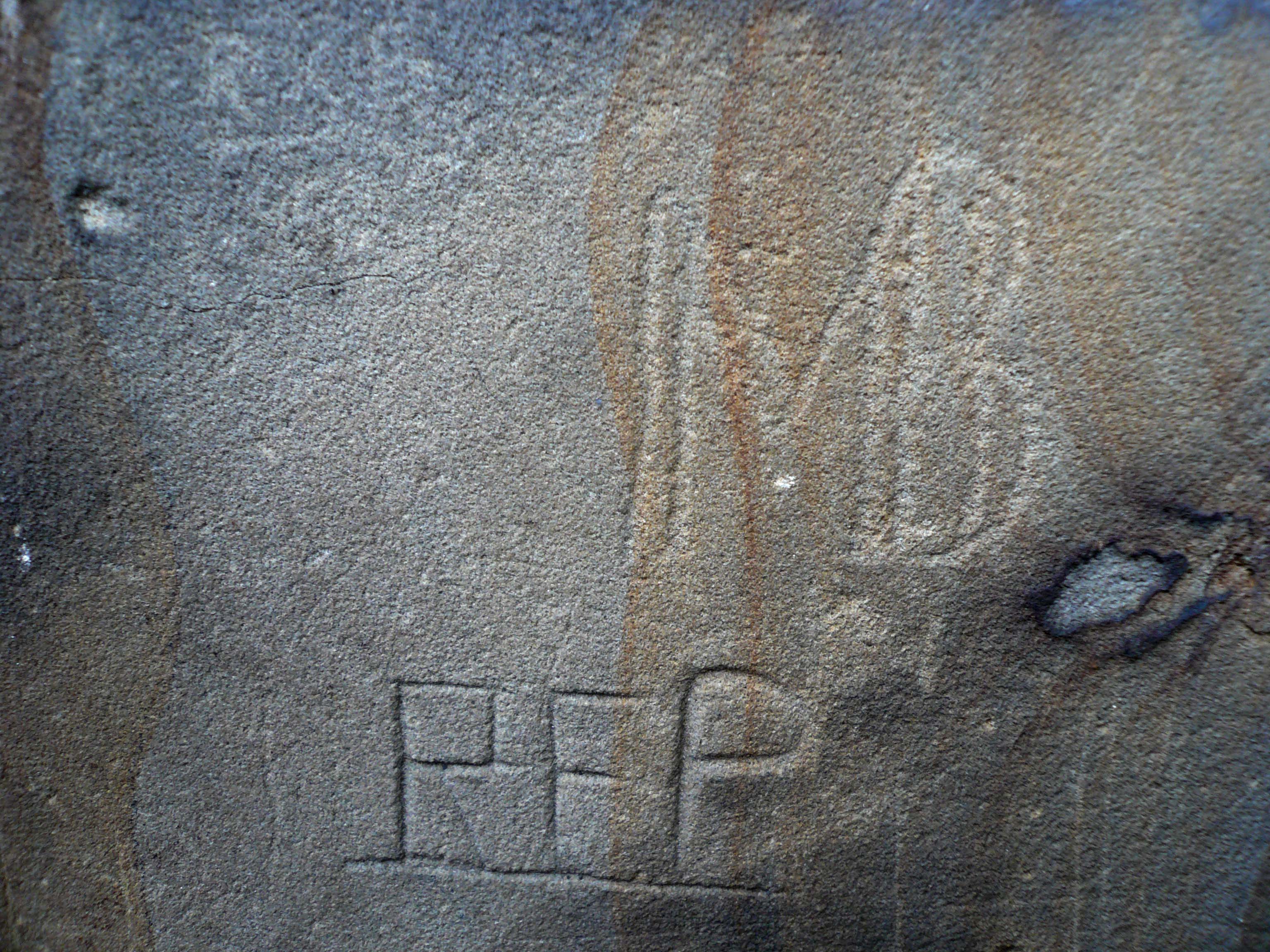
These dark days are recalled on the Forest Road entrance of the High School, where boys, or, more likely, young men, have carved their initials more than seventy years ago. And some dates, and even a slightly misunderstood swastika.

first one

Judging by the physical height of this insolent vandalism, they may well have been in, say, the Fifth Form, literally, upwards. They include what appears to be “WH 1942”, “DP” and “DP 1942”, along with what may possibly be “SS 1940”, and the undated “MB”, “HE”, “HS” and “PFP”. Indeed, the only problem with these initials is that they are extremely difficult to photograph, because, like other interesting acts of vandalism, they are hidden away from direct sunlight, and the subleties of the various shades of stone have proved beyond the capabilities of my camera, even though it does have quite a decent lens. Only Photoshop has dragged the past out into the present.

P1220254START VHERE

My subsequent researches, and best guesses, have revealed a few likely suspects. “WH” and “DP” may conceivably have been young colleagues in the Fifth Form A with Mr.Whimster during the academic year 1941-1942.

William Norman Hill was born on November 23rd 1927, and entered the High School on September 20th 1938 at the age of ten. His father was Mr F.Hill, a School Master of 8, Lexington Gardens, Sherwood. He left the school on July 31st 1945.

Dennis Plackett was born on October 22nd 1927. He entered the school on Monday, September 25th 1939, at the age of eleven. His mother was Mrs.Ellen Plackett, a housewife of 7, Anthill Street, Stapleford.  Dennis was a gifted young man, a Nottinghamshire County Council Scholar, and he left the school on August 1st 1944.

Another interpretation is that “WH 1942” was William Jack Harrison. This young man was, quite simply, outstanding. He was born on December 5th 1924, and entered the High School on September 19th 1935 at the age of ten. His mother was Mrs E.M.Harrison of 53, Burlington Road, Sherwood.  He would have been in the Upper Fifth Form with Mr.Palmer in 1941-1942, and then in the Mathematical and Science Sixth Form with Mr.Holgate during the academic year of 1942-1943. William stood out in two separate areas. In 1940 he was initially a Lance-corporal in the Junior Training Corps, but he soon became a full Corporal. In 1941, he won Mr Frazier’s prize for the most efficient Junior NCO or cadet, and was then named Commander of the Most Proficient House Platoon. At some point towards the end of the academic year of 1941-1942, he promoted to be the Junior Training Corps Company Sergeant Major.

In addition, in the sporting world, by the time the School List for 1942-1943 was published, William had won his First XV Colours and his Cap for Rugby and had been named as Captain of Rugby. In the Summer Term, he went on to be the Captain of Cricket, and to be awarded his Cricket Colours and his Scarf. He was also, by dint of his sporting position as Captain of Cricket, a School Prefect. William left the school on December 19th 1942.

The reason that I myself would prefer this interpretation is that “DP” and “DP 1942” may well be David Phillips, who was in the Economics Sixth Form with Mr Smyth during the two academic years of 1940-1941 and 1941-1942. He may well have been carrying out some kind of school tradition when he carved his name and the date on the pillar, knowing that he was going to leave the school in July 1942.

7ngttrrrrr

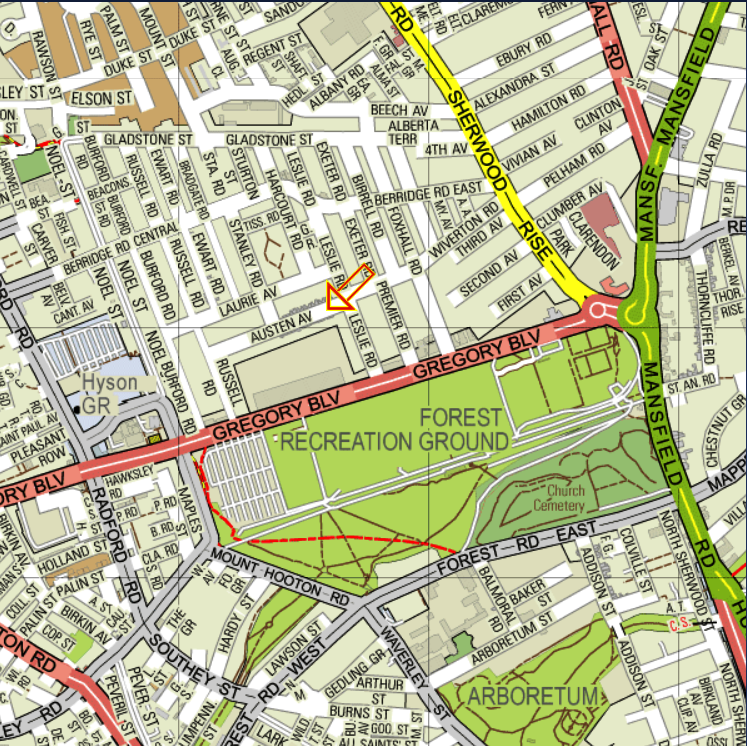
David was born on May 2nd 1923, and entered the school on January 13th 1935 at the age of eleven. His father was Mr P.Phillips, a Factory Manager of 45, Austen Avenue, on the far side of the Forest Recreation Ground.

austen a2

We have relatively few details of David’s career at the High School, but we do know that by September 1941, he was a Corporal in the Junior Training Corps. In the Christmas Term of 1942, he was awarded his Full Colours for Rugby, and he became a School Prefect. David was also awarded his Rowing Colours for his achievements with the Second IV.

I have a very strong feeling that these two young men were friends. Austen Avenue, of course, is arguably, on the same cycle route home as Burlington Road, Sherwood, where William Harrison lived.

burlington a2


Perhaps the two walked down together across the Forest Recreation Ground, and David would then get on his bike and cycle slowly off towards Austen Avenue. William would continue down what would have been at the time an undoubtedly more traffic free Mansfield Road, towards Burlington Road in Sherwood.

David Phillips shared the very same interests as William Harrison. They were both in the same rugby team, and both seemed to have loved sport, whether rugby, cricket or rowing. They were both in the Junior Training Corps and clearly were attracted to the military life. As regards their academic classes, they were a year apart, but I feel that their common interests would have overcome this difference, especially when the two rugby players, or Junior Training Corps members, realised that they could walk down across the Forest together every evening after a hard day at school.

And when the end of 1942 came round, they may well both have left the school on the same day, December 19th. Were they both going into the Army together?

The interpretations above are all based on a combination of informed best guesses, a thorough search of the relevant School Lists and registers and the usual human desire to take purely circumstantial evidence as proven fact. Not surprisingly, though, it has proved impossible to trace any of the other initials in any meaningful kind of way. There were quite simply too many possible “SS”s in 1940, and “MB”, “HE” and even “PFP” have all proved equally beyond my powers. Even so, this must be among the oldest graffitti in Nottingham.

one


13 Comments

Filed under History, Nottingham, The High School

The Ghost of George’s Hill

I used to be a teacher. Not much connection there with scary monsters, but I did once hear an absolutely wonderful ghost story at a Parents’ Evening. The phantom involved is actually very famous in Nottinghamshire, but at the time, I had never heard this scary tale.

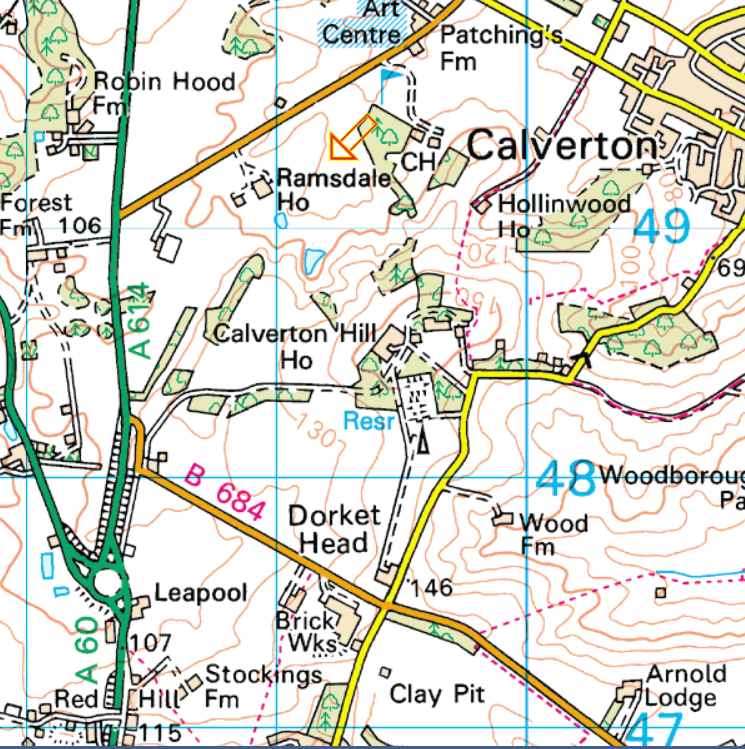
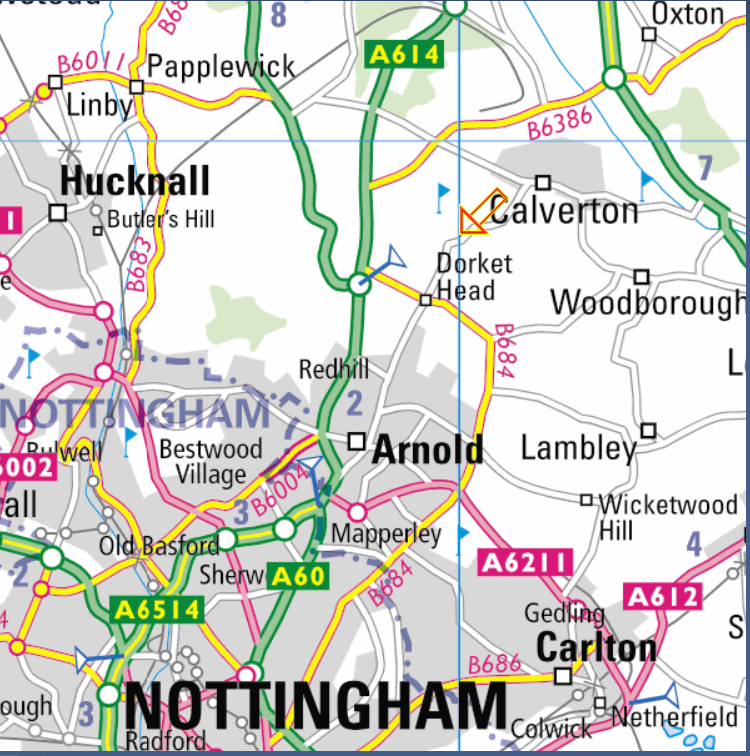
I was speaking to a boy’s mother. She said that the family lived in the village of Calverton.  She told me how her husband refused ever to drive again along a certain road to the north of Nottingham because it was strongly haunted, and he had been absolutely terrified when he met the ghost. Look for the orange arrow…

Untitled s

In the map above, the yellow road in the centre is the B684, the “Plains Road” which leaves Nottingham northwards and climbs slowly but surely along what must have been at one time an ancient Stone Age Ridge Route and perhaps even a hunting trail. With some amazing views, particular to the east, the road eventually sweeps around to the west  to join the main road from Nottingham, the  A614. This road goes northwards towards the A1 at Clumber Park, the “Great North Road”. Just before this major junction there is a minor cross roads called Dorket Head where a country lane winds northwards down an extremely steep hill. It forms a short cut down to what is nowadays the dormitory village of Calverton.

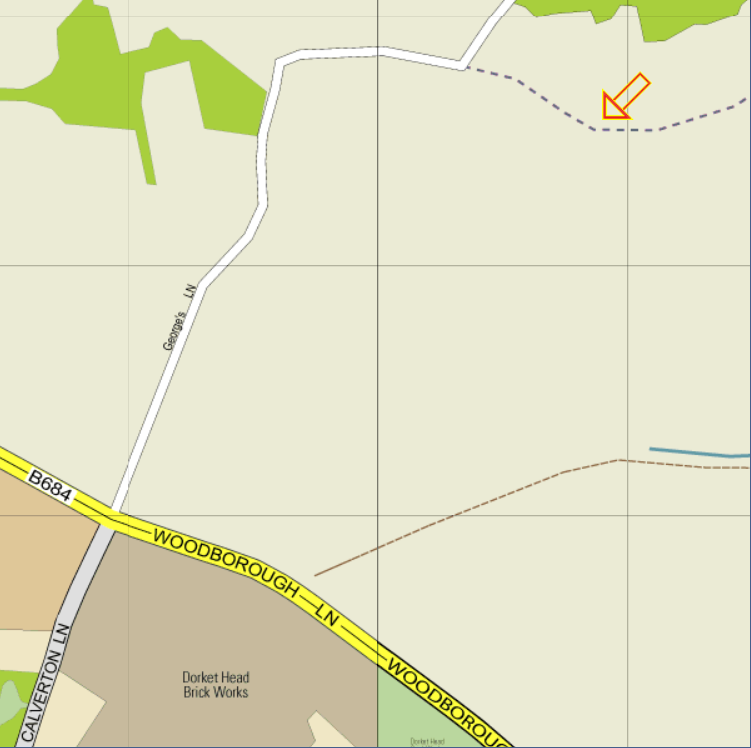
The map below is a larger scale version of the most important features in the tale. (the orange arrow points to the steeply winding country lane in question)

dork head 1

The mother explained how her husband had seen the ghost and he had been so absolutely terrified that, after this, he had never ever again driven back home along this road. He therefore ignored an obvious shortcut to Calverton from his office, one which would have saved quite a lot in petrol costs over the weeks and months. Instead the husband preferred to spend his hard earned cash on driving around the three sides of a rectangle, but a rectangle where there was no possible prospect of being terrified out of his wits on a second occasion. This circuitous route ran along the B684 to the main road, the A614, and then along the next turn right, the brown road past Ramsdale House and up to the Arts Centre, and then another right turn into Calverton. The three sides of his rectangle must have included making at least one right turn across the high-speed oncoming traffic on the A614.

Her husband had seen the ghost in the absolutely classic way which is featured on so many different websites about Nottinghamshire phantoms.

Basically it is a very simple scenario. As you drive down the narrow road following the twisting, turning descent with great care, concentrating hard on what is ahead of you, you suddenly notice that there is somebody sitting in the empty back seat of your car. You will see the stranger occasionally in the rear view mirror when the car swings from side to side as you follow the twisting loops of the road. Sightings of your unwanted passenger will be only fleeting, but they will seem more terrifying because of this. Drivers who stop the car to look behind them invariably find that the rear seat is empty.

Anyway, this particular father was so terrified that he never again even contemplated going down the hill. The ghost he saw, as far as I remember, was an old woman. The mother also told me how a very great number of people in Calverton, if they can possibly avoid it, would not consider for a moment driving down this hill for the very same reason as her husband.

Ten minutes’ research on the Internet revealed that the road is called George’s Lane and the hill is called George’s Hill. The haunting seems to be most frequent at Dorket Head or at the junction with Spindle Lane. On this map, Dorket Head is the crossroads which forms the junction of George’s Lane with the B684. The dotted line, indicated again by the orange arrow, is Spindle Lane.

dorket haed

Nicholas A.C. Blake of Nottingham made an appeal for information on his website. He too had seen an old lady in the car and he sought other witnesses at “nblake42@hotmail.com”

Sarah Meakin of Carlton, Nottingham, returned from Calverton after some babysitting to feel the car suddenly go cold on a warm summer’s evening, and she then looked in her rear view mirror to see “a black hooded figure, which can only describe as looking like a monk”.
The absolutely splendid “Paranormal Database” reveals that…

“A ghostly entity is reported to materialise on the back seat of passing cars in both of these locations – on the lane the figure takes the form of an old lady, and on the hill the figure wears a black hooded garment. Normally the witness only sees the entity in the rear view mirror; when they turn round, the figure has vanished.”

Well, you know where George’s Lane is, and you know what might happen and you know what you might see. So off you go, and make sure you keep your eyes on the road, as well as on your rear view mirror.

17 Comments

Filed under Nottingham, The High School

A child minding dilemma

(An extract from my old birdwatching diary “Crippling Views”)

Saturday, June 11, 1988

I walk back home from the local newsagents, my eyes peeled as always for the odd brilliant white Gyrfalcon, soaring over the City Hospital. But, as always, without any luck.

zzzz gyr

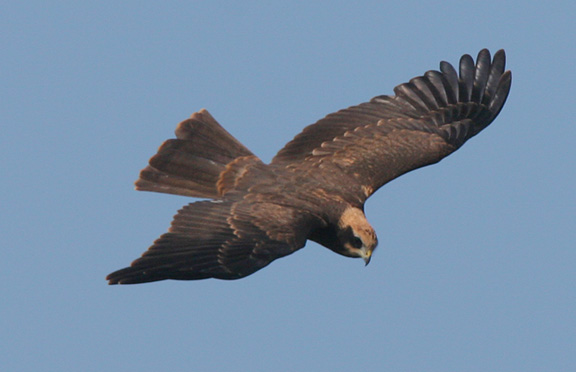
Suddenly, a big brown raptor comes into sight, making its way purposefully along the Ring Road, flying along the line of the valley, heading roughly eastwards.

surf marsh harrier

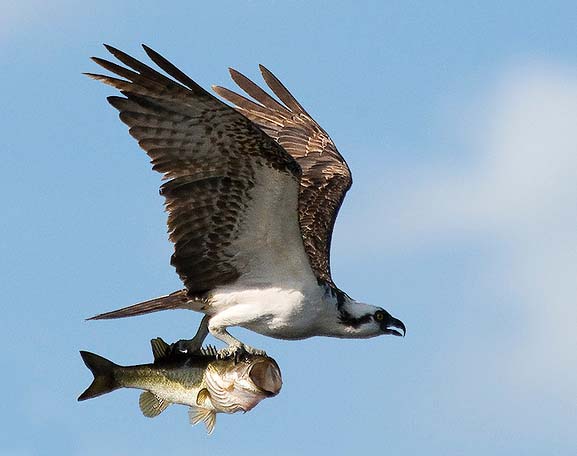
At first, because of the time of year, I presume that it must be an Osprey, although I can’t really imagine why, because it doesn’t look anything like an Osprey and it isn’t carrying a fish.

zzzzzzzzzzzzzz  osprey-with-bass

For a start, it has an obviously pale, or even white head. It is this latter feature that makes me realise that it is a Marsh Harrier.

zzzzz  marsh_harier_

Then there is an agonising decision to face. Do I run a home like the clappers, and then the bird will become eligible to be included in my “Seen from the Garden List”? If it were left to me, there would be no contest, but the problem is that I have my Baby Daughter, aged two, asleep in my arms. Mum will be a bit displeased if I plonk her down on the pavement and leave her, just so that I can see the same bird a second time, only thirty seconds after I have seen it for the first time, although, granted, from a different place. So, I forget the idea of momentarily hanging Baby Daughter on somebody’s front fence, and walk maturely on, trying to persuade myself that moral ticks count just as much as real ones do. It’s a lot more difficult to make these decisions when you’ve only just moved house and your Garden List is not yet in double figures.

Twenty six years later and I still haven’t seen an enormous number of raptors from my back garden. Sparrowhawks are probably the commonest.

zzzzz sparrow

In nearly thirty years, there has only ever been one Kestrel.

zzzzzzzCommon_kestrel_in_flight

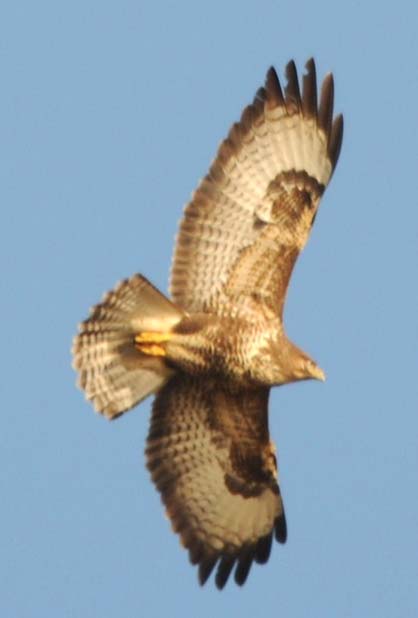
I have seen a good number of Common Buzzards.

zzzzzzzzzzzzzzzz_Buzzard---Frisa

I have also seen Peregrines on several occasions, but this is because the latter now nest on the top of the Newton Building in South Sherwood Street in the middle of the City.

This slideshow requires JavaScript.

The best bird of all has been Red Kite, which is a good bird to see out in the countryside of wildest Nottinghamshire, never mind in a suburb of its largest conurbation. 

This slideshow requires JavaScript.

Birds of prey, or raptors, are notoriously difficult to identify, and fleeting glimpses, often without binoculars, quite often make you feel that you may have seen a particular species, but, alas, not well enough, or with enough certainty, to add it to your Garden List. In this category would be Hobby, Goshawk and Rough-Legged Buzzard.

This slideshow requires JavaScript.

2 Comments

Filed under Nottingham, Twitching, Wildlife and Nature

In memory of those who perished in the Holocaust

This is an extract from the history of the High School which I have been writing recently:

Tuesday and Wednesday, March 29th and 30th 2005

Organised by the Reverend Stefan Krzeminski, over the course of two days, the whole of Year 9 had the privilege of visiting what is now the National Holocaust Centre near Ollerton in north Nottinghamshire.

In past years the boys had been able to listen to the testimony of Arek Hersh, but on this occasion the speaker was Josef Perl ….

“It was not long before the train stopped and the front wagons pulled up at a platform. The people inside, who had clearly come directly from their homes, were marched away and disappeared down some steps straight to the gas chambers. We were in Auschwitz.

The doors of our wagons were unlocked and we had to jump down. There was a smartly dressed commandant deciding who would live and who would die.

Waving his riding crop, he indicated “links oder recht” (left or right) with a casual flick of the wrist. Those he sent to the left (over 70 per cent) went immediately to the gas chambers, those to the right had been selected, either for work or for experimentation.

It was Dr Mengele.”

I myself well remember hearing this chilling story of an encounter with the Angel of Death. At lunch, I was able to ask the question about concentration camps which had burned in my mind for years, namely, “Why, if you were all going to die anyway, didn’t you fight back and kill the Germans?”

Mr Perl answered my question and then asked me that, as a teacher, I should tell as many people as possible exactly what had happened in the Holocaust, so that it could never happen again.

I have never forgotten Josef Perl, or his request. Once again, therefore, I am happy, if that is the word, to do exactly as he asked.

1 Comment

Filed under History, Nottingham, Personal, The High School

Two local twitches

(An extract from my old birdwatching diary “Crippling Views”)

Monday, September 5, 1988

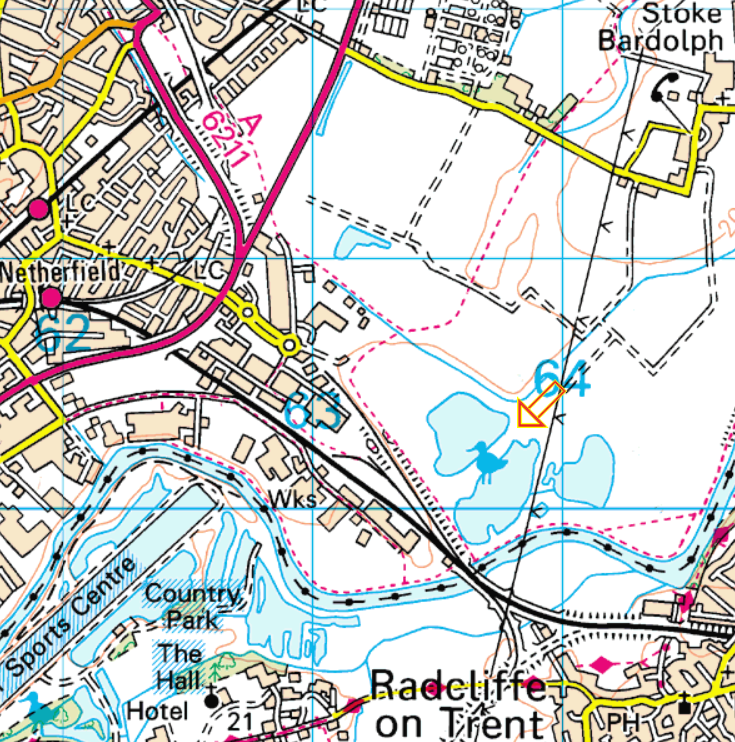
Another walk around my local patch, Netherfield  Sludge Pits, the Cape May of the Nottinghamshire gravel pits complex. (see the orange arrow)

Untitled

Once again, it turns up the big one, with immediate and excellent views of Sedge Warbler, and a male Reed Bunting in the same fifteen yards of hedge.

This slideshow requires JavaScript.

At the side of the path, there is a little flock of fifteen or twenty Yellow Wagtails and over the main lake, a Common Tern.

This slideshow requires JavaScript.

They used to nest on the little island, until it was submerged by the rising tide of slurry from the local coalmine. Knocking around the fields are a Kestrel, some Jackdaws and a few Stock Doves.

This slideshow requires JavaScript.

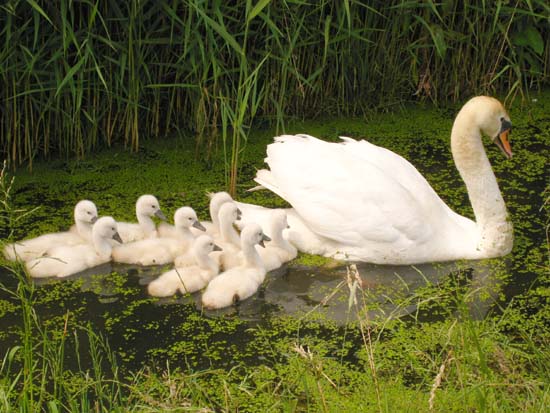
On one of the smaller pools, Mute Swans have bred.

Swan_with_nine_cygnets_xxxxxxxxx

They have produced several cygnets, but don’t worry, the anglers lead shot will soon put a stop to that. It’s amazing to think that Curlew used to breed here fifty years ago, and that, at this very site, Black-winged Stilts nested just after the Second World War.

A flock of finches here once contained an Ortolan Bunting and Little Bunting travelling together, and just after the Second World War, there was an apparent family  group of Gull-billed Terns come through, .

This slideshow requires JavaScript.

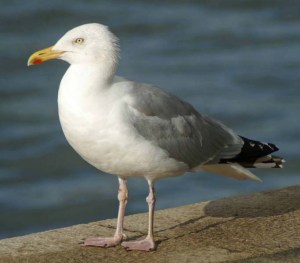
Today, there are three Great Black-backed Gulls, and a Herring Gull.

That’s what the destruction of habitat is all about.

**********************************************************************************************
Wednesday, September 7, 1988

An evening trip this time. A local birdwatcher has told me about a superb new place that attracts wonderful birds by Nottinghamshire’s normal standards. It’s a couple of flooded meadows down by the River Trent at Stoke Bardolph (now, alas, with houses built on them). Look for the orange arrow:

This slideshow requires JavaScript.

For some reason, the farmer has allowed the fields to flood, and for an even more obscure reason, he has permitted them to remain flooded. Waders in unprecedented numbers have been attracted for a short stopover as they fly south down the Trent Valley to Africa. Previously, I would only have thought of Stoke Bardolph for the incredible stink of the sewage works that are down there, but this is really something else. It’s just like a hide at Cley-next-the-Sea, with Curlew Sandpipers, Spotted Redshanks, a dozen or so Dunlin and some Greenshanks.

This slideshow requires JavaScript.

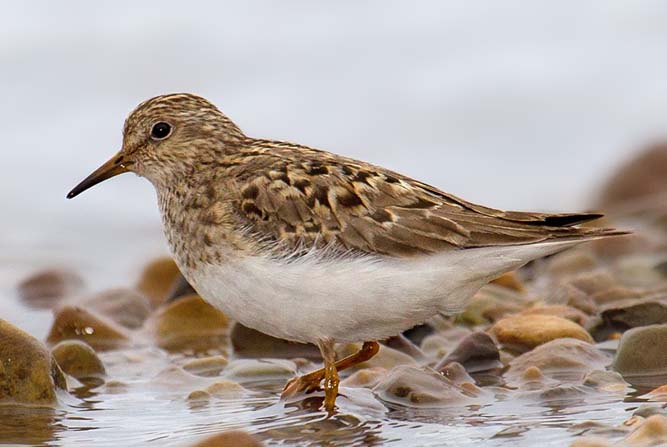
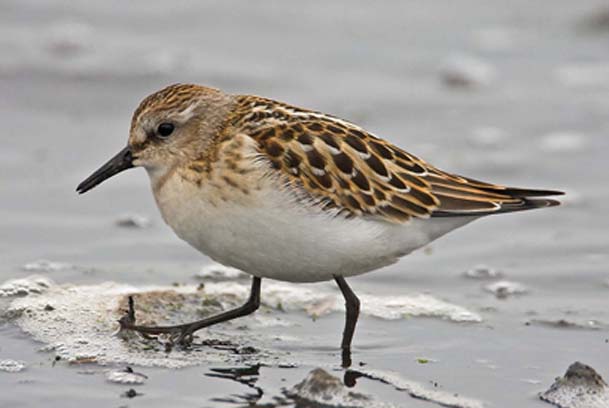
There is  a single stint, which causes us a little excitement as Steve and I try very hard to turn it into a Temminck’s Stint.

Temmincks_zzzzzzzzzzzzzzzzzzz

But it must, unfortunately, stay as a Little Stint. Still, it was a good try.

Little Stint1zzzzzzzzzzzzzzzzzzzzzzz

The only negative thing about the whole evening is the failure of the Hobby to appear at the appointed time.

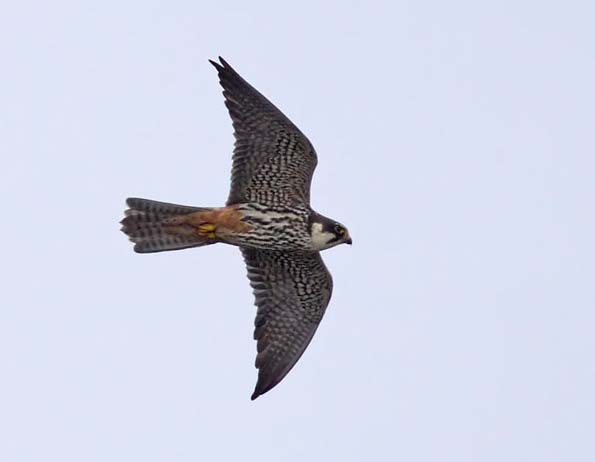
Hobby xxxxxxxxxxxxxxxxxxxxx

There is at least one, if not two, birds in the area, and it, or they, often hunt over the woodland on the opposite side of the river. It’s even been seen knocking around in the gardens of neighbouring Burton Joyce, a riverside village. Tonight, though, there’s nothing.
Never mind – it’s a really brilliant wader site for somewhere as far from the coast is this. What a pity, therefore, that only a few months later, despite the impassioned pleas of a number of different conservation bodies, the farmer  should plough up the land without compunction, and what could have been a brilliant inland nature reserve is lost forever. So much for a democratic society. We are about as democratic as the Democratic Republic of East Germany is democratic. If you own the land, you can do whatever you like with it, irrespective of how many people subsidise you with their taxes and would like some kind of input as to what is done with the land.

Leave a comment

Filed under Nottingham, Politics, Twitching, Wildlife and Nature

Gun Battle on Derby Road: three slain, and a horse

Derby Road seems reasonably peaceful now, but not in 1701, when Timothy Buckley, a 29-year old criminal from Stamford, Lincolnshire, was arrested after a ferocious gun battle as he tried to rob a stagecoach on its way to Derby.  The coach contained three gentlemen attended by two footmen. Buckley had previously been a shoemaker’s apprentice in London, but gradually became a more and more hardened criminal after his return to Nottinghamshire and the Wild North.
Beyond “two miles from Nottingham”, we do not know exactly where this gun battle took place, but usually, highwaymen would strike as the coach was moving uphill, and was therefore travelling at its very slowest pace.

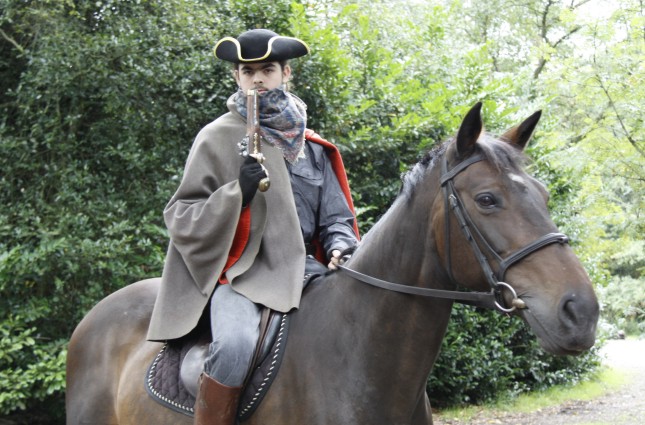
highwayman

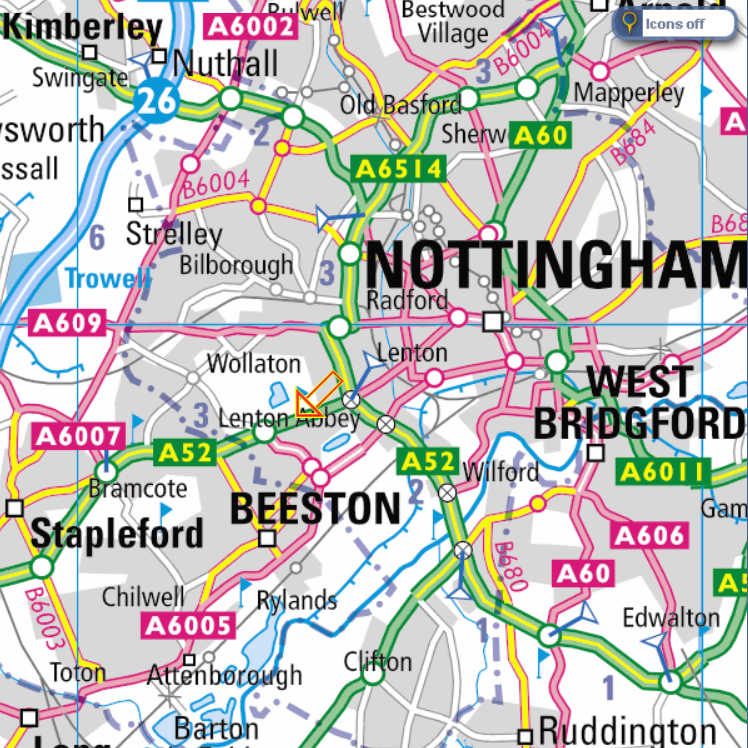
To me, the steep slope near the present day St.Barnabas Cathedral is too close to the city centre, so my best guess would be that stretch of the A52 as it climbs steadily after the present-day Ring Road, between the back of Wollaton Park and the grounds of Nottingham University. On this map, look for the orange arrow which is over the green A52 road with the words “Lenton Abbey” written over it. If the incident was any further on, then it might have been on the shorter slope near to the present day Bramcote Leisure Centre.

shoot out
No sooner had Buckley commanded the stagecoach to “Stand and Deliver, Your Money or your Life!”, than one of the passengers, unwilling “to submit to a single bravo”, blasted him with a blunderbuss. Buckley’s horse was shot out from under him, and died instantly.

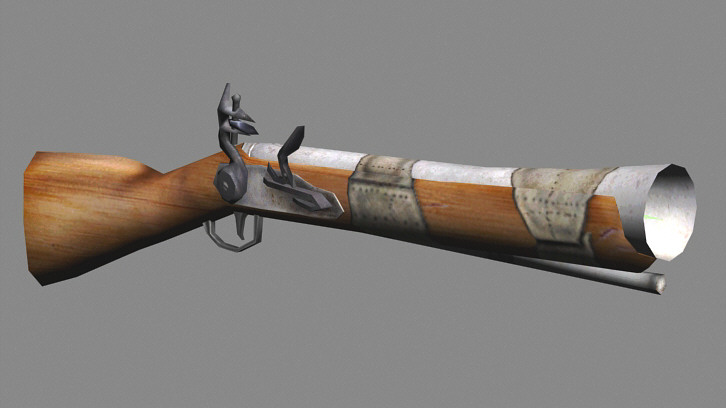
Blunderbuss1

A blunderbuss was a murderous weapon, used for close-in fighting, in the words of Wikipedia, “when it was unimportant to protect objects around the intended target”. This formidable firearm was loaded with shot and anything else the user thought might do the job, small pieces of metal, nails, bits of rock or stone, or even salt. It was flared at the muzzle, and was the 17th-19th century equivalent of the shotgun so beloved of Wells Fargo personnel.
Interestingly, the military term dragoon is taken from the fact that early blunderbusses (or should that be “blunderbi”?) were decorated with dragon’s heads around the muzzle, and the blast would seem a little like the fire of a real dragon.
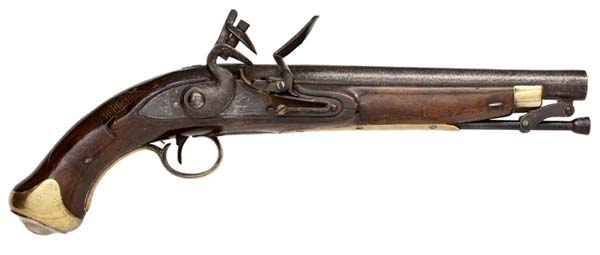
Buckley was not lightly armed either. He was carrying eight horse pistols. The largest were up to twenty inches long, and were carried in holsters across the horse’s back just in front of the saddle. This seems an unlikely number of such large weapons, but perhaps some were coat pistols (carried in the pocket of a greatcoat) coach pistols, (carried in a saddlebag perhaps), or belt pistols, (carried on a belt, hanging from a hook).

horse pistol xxxxxxxxIn any case, Buckley was very attached to his favorite horse and enraged by its untimely demise, “a most desperate conflict ensued”. Buckley let fly with all his pistols.
One male passenger and a footman both fell dead, shot through the heart. Eventually, though, Buckley was overcome by the remaining occupants of the stagecoach, as he grew gradually weaker and weaker from loss of blood, caused by his eleven severe gunshot wounds.

Guild-hall-1750 and prison

After a brief trial at Nottingham Shire Hall, Buckley was found guilty and was later hanged. He was only 29 years of age, and he was sentenced also to be “hanged in chains”. I don’t know how long his rotting cadaver was left exposed to the elements, but as a birdwatcher, I certainly know that there was one famous case in Nottingham where a dead criminal decayed over the course of the winter, helped by passing crows and magpies, only to have, with the advent of spring, a pair of blue tits raise their young inside his empty skull, using his eye sockets to go in and out, perhaps even operating their own one-way system.

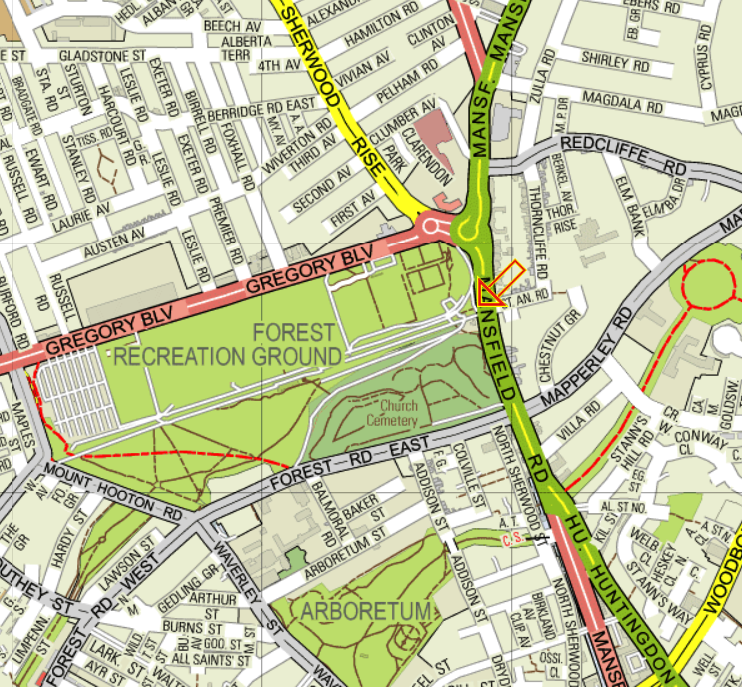
As these events all took place in 1701, Buckley would have been executed on what is now “The Forest Recreation Ground”. Centuries ago, “The Forest”, was called “The Lings” and was a very different place from what it is like nowadays. Largely covered by gorse and scrub, it was considered to be the southernmost part of Sherwood Forest itself. It was only as late as 1845 that, under the Nottingham Inclosure Act, some eighty acres of Sherwood Forest were set aside for recreational use. This area became “The Forest Recreation Ground” and to commemorate the event the Mayor of Nottingham planted a special Oak tree called the “Inclosure Oak” which can still be seen today at the Mansfield Road entrance. The orange arrow marks the oak tree:

Untitled

Pretty well straightway, the area became a site for sports and shows, or a combination of the two.

forest

In the summer of 1801, four butchers held their weddings there simultaneously, and decided who was to pay for the wedding picnic by holding a donkey race, with four animals, each equipped with mascots taken from the wardrobes of their respective owners’ new wives. The race was easily won by the donkey which had corsets attached to his tail with a bow of green ribbon. In second and third place were the animal with a pair of stockings around its neck, and another with a saddle made out of a nightgown.  Needless to say, the donkey wearing a voluminous pair of ladies’ drawers was placed last.
By this time, the Forest had already been a horse racing course for well over a hundred years. Not long before that, bear baiting had taken place on the very site where the horse racing course was later to be constructed. In 1798, a new horse racing track in the form of a figure-of-eight was built. Unfortunately, this rather novel choice of layout, designed to give the maximum length of course in the smallest possible area, was not overly successful, as spectators did not have a sufficiently good view. Crashes between horses were apparently too infrequent to compensate for this.
By the middle of the nineteenth century, though, there were at least two major race meetings per year, in spring and autumn, and the area was beginning to attract the same kind of people who can still be found there nowadays, well over a hundred and fifty years later…

“…loiterers…policemen…tooting footmen…toddling children…enterprising
vendors… overcharging greenhorns…patterers, chanters and beggars…sailors without arms or legs… “downy blokes”…holiday makers….villains…detectives …boozers and nymphs of easy virtue…ministers of religion……“black sheep”…enterprising merchants…aristocratic swells… pleasure seekers…a few robberies, a few drunks, a few fights…married men, sitting in the drinking places at the Stand with an assemblage of whores…the unemployed poor…”

Indeed, with whisky at an all-time low of 75p a gallon, so unsavoury did the area become that in 1879, male members of Nottingham University staff were threatened with instant dismissal if they were ever found at the horse races.
Other sports were played there as well. From 1865-1879, Nottingham Forest both practiced and played soccer here, being known therefore as “Forest Football Club”. Cricket was widely played in the summer, as were types of field hockey known variously as bandy, shinney or shinty.
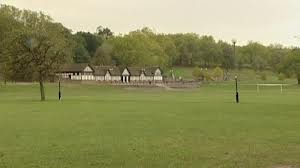
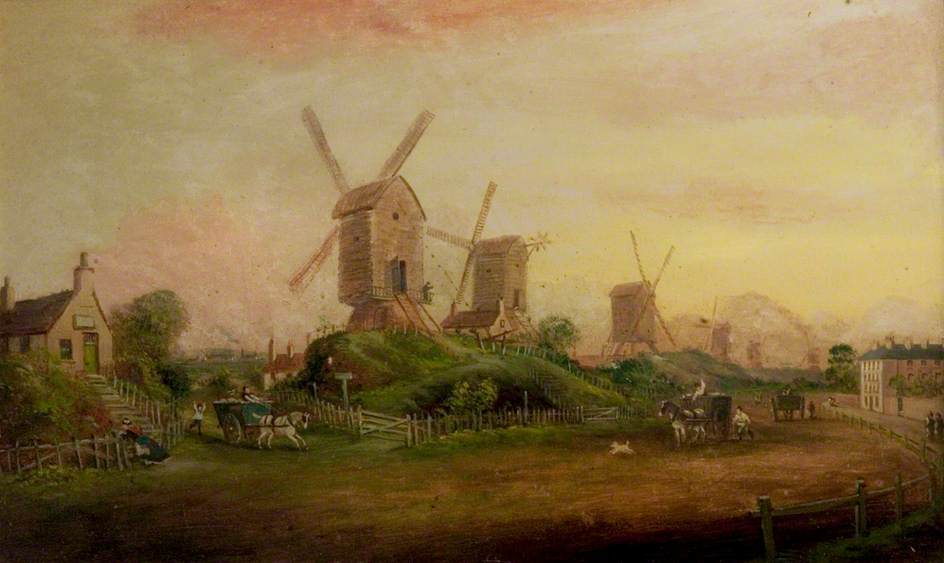
Apart from sport, alongside what is now Forest Road East, there was a long line of thirteen windmills, all taking advantage of the strong winds and updrafts which blew across the open ground lower down to the north.

(c) Nottinghamshire Archives; Supplied by The Public Catalogue Foundation

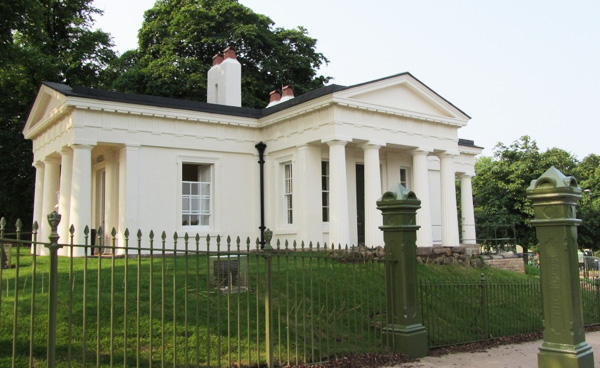
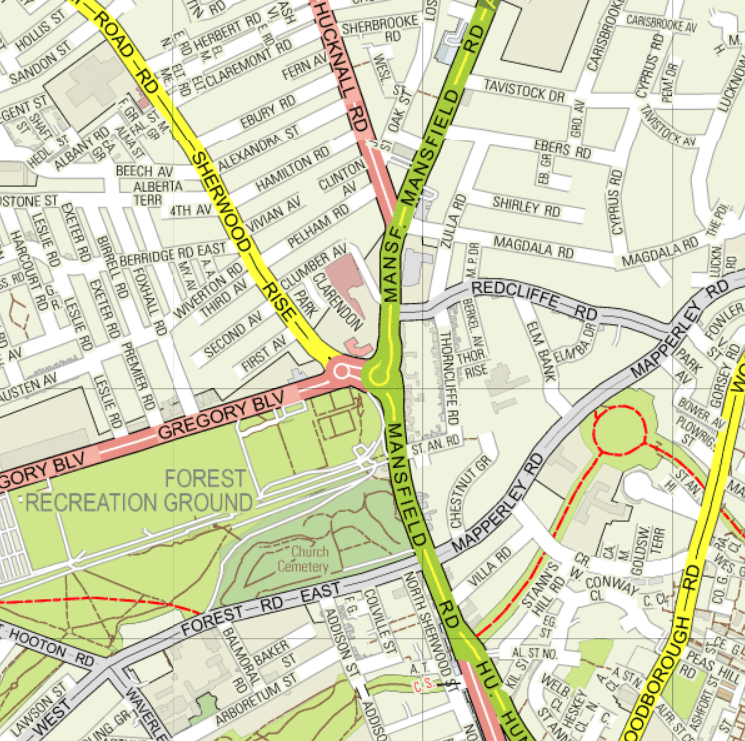
The exact place where the gallows stood and where Tinothy Buckley met his Maker has not necessarily been recorded absolutely accurately. Public executions took place here until as recently as 1827, and I am fairly certain that, many years ago, I read that the gallows used to stand a little distance down Mansfield Road from St.Andrew’s Church, within the present day Rock Cemetery. This was to the south of the white, recently refurbished, Lodge House. Clearly, in the latter part of the nineteenth century, there was still some judicial rôle for this building to fulfil, as it was originally used as a Police or Keeper’s Lodge and a police cell can still be seen at basement level.

forestlodge

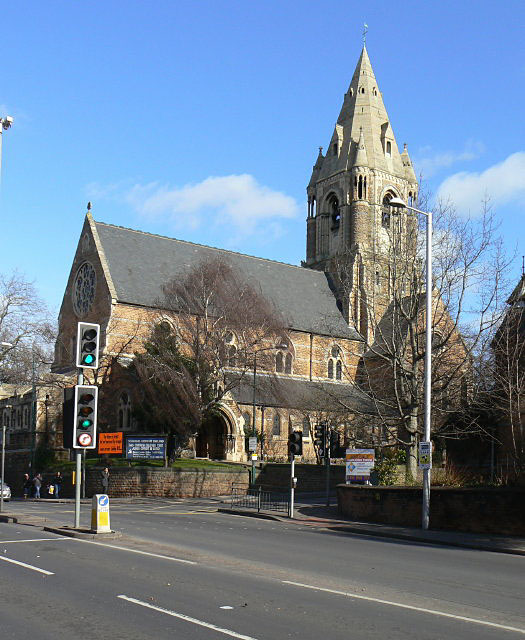
Others say that  there was a gallows on the same site as present-day St.Andrew’s Church, and, indeed, when excavation work was done here in 1826 for the church foundations, more than fifteen apparently medieval skeletons were found. This was presumably connected with a much earlier era, when travellers left the City of Nottingham through the gate in the mediaeval wall near what is now the Victoria Centre branch of Boots the Chemist. As they climbed painfully slowly up the hill which is now Mansfield Road, stagecoach robbers and mere footpads would sometimes pounce at Forest Road: hence the gallows which were constructed here, and might even have concentrated the thieves’ minds a little as they waited to swoop upon their prey from behind the bushes.

Notingham_St_Andrew_Nottinghamshire

“Garner’s Old Nottingham Notes” (date unknown) somehow contrive to be both illuminating and yet somehow confusing…

From information given, the gallows appear to have been erected on the level ground which now forms the upper portion of the Rock Cemetery, and it was probably 100 yards or rather more from Mansfield Road…..
Judging by the large old official map of the borough, measuring from the present Forest Road East, I consider it probable that, going northwards, the site of the gallows was about 100 yards from the southern boundary of the Rock Cemetery, and probably rather more from Mansfield Road, according to the contour of the ground, as depicted upon the official map. There is much likelihood that the gallows was erected near to where the last windmill on that side of the Forest then stood or was afterwards constructed.
It is certainly proper to state that I have seen two or more old maps on which the ground now covered by St Andrews Church, and southwards from there, is entitled Gallows Hill. The upper part of the ground is no doubt higher than any portion of the Rock Cemetery, and I have thought that this might possibly be the original place on which the gallows stored a few centuries back and perhaps afterwards were moved to the spot above designated.”

to gallowszzzzzzzzzz

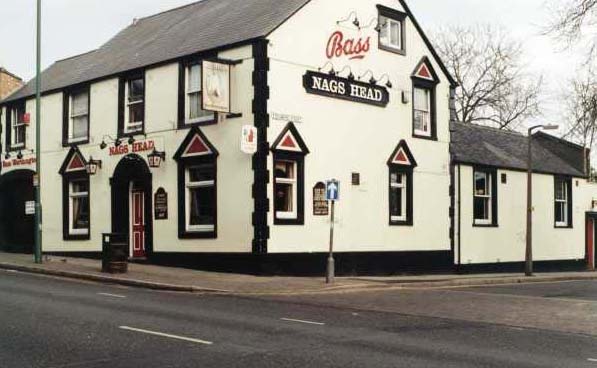
Wherever the exact location of the gallows, when convicted prisoners were to be hanged, they were usually brought from the County Hall in High Pavement, or the Town Hall at Week-day Cross, through the maze of streets in Hockley, and then walked along Clumber Street, Milton Street and finally up the hill along Mansfield Road. Prisoners were entitled to one last drink at the Nag’s Head Public House, which was traditionally paid for by the landlord.

00001tmp

There is, of course, a traditional tale, told no doubt, of every road with a set of gallows and a public house. One particular prisoner, who was a teetotaller, therefore, refused his last mug of ale at the Nag’s Head. He was taken straight on to the gallows and duly hanged. Seconds later a much flustered horse rider came galloping up the hill, and screamed to a halt by the little knot of people. He was waving a piece of paper which was, of course, the Royal Pardon for the Recently Hanged Man. Had the latter been just a little later in arriving at his place of execution, then he would have been saved. The “little later” of course, is exactly the time it takes to quaff a pint of ale.
The last person to be executed at these gallows on Forest Road was William Wells, a 45 year old native of Peterborough, who had robbed James Corden in Basford Lane and Mansfield Road on March 7th 1827. He was executed on April 2nd 1827.
Not all highwaymen meet with disaster however. Just occasionally one of them can make that leap from criminality to superstardom…


6 Comments

Filed under Criminology, History, Nottingham

Black Shuck on the world stage

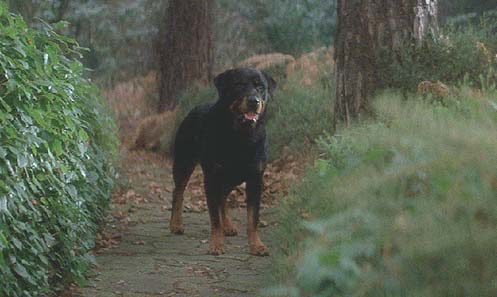
As I have said in two previous blogposts, Old Shuck, Black Shuck, or simply Shuck is the name of the huge, phantom black dog which roams, allegedly, the fields and fens of Norfolk and Suffolk. There are, of course, many places other than East Anglia where completely credible reports occur. We have already looked at three in Nottinghamshire, but almost every county in England has its own version of the creature, whether that be the “Bogey Beast” in Lancashire, the Lincolnshire “Hairy Jack”, the “Gallytrot” in Suffolk or the “Bargheust” in Yorkshire and the North.

hellhound zzzzz

They are often associated with electrical storms, such as Black Shuck’s appearance at first Bungay and then Blythburgh in Suffolk. More often, though, they are linked to places rather than meteorological conditions. Churchyards and graveyards at midnight are a favourite, as well as crossroads. Equally, if not more, favoured are dark lanes, ancient pathways and lonely footpaths in the countryside. Occasionally, there is a connection with water, such as a river, a lake or even a beach. Sometimes, such as at Launceston in Cornwall, it may be an ancient tumulus, as is the case with the….

“graves and prehistoric burials whose attendant hounds proliferate densely in Wiltshire and West Somerset on the grounds that they can be seen as passages downwards to the World of the Dead, and so also suicide graves and scenes of execution…”

(Theo Brown: ‘The Black Dog’, in Porter and Russell (ed.) ‘Animals in Folklore’ (1978).”

Likewise, the Black Dog is seen as the “guardian of the threshold, escorting souls into the afterlife”. According to Jennifer Westwood in her book “Albion” (1985) :

“Black Dogs commonly haunt lanes, footpaths, bridges, crossroads and graves – all points of transition, …..held to be weak spots in the fabric dividing the mortal world from the supernatural.”

And :

“If a count be made of the kind of places favoured by these apparitions one thing becomes plain. Quite half the localities are places associated with movement from one locality to another: roads, lanes, footpaths, ancient trackways, bridges, crossroads.”

Let’s now leave Nottinghamshire’s Shuck eating his Pedigree Chum for just a moment, and skip thousands of miles to the north east of the United States. In her most excellent book, “Real Wolfmen True Encounters in Modern America” the author Linda S Godfrey explains her idea that…

“One common factor seems to emerge from every collection of strange creature accounts: there is an unmistakable connection between anomalous beings and certain features of the land. Unexplainable creatures and events tend to occur near freshwater; on hills; at boundary areas such as roads; and on or near burial grounds, and military zones, and all types of sacred areas around the world.
This geographic predictability supports the premise of many contemporary investigators like Rosemary Ellen Guiley, Nick Redfern, and the late John Keel, who suspect that anomalous creatures are not natural animals; they are entities that belong to a completely non-human realm and are attracted to certain energies of the Earth and all living creatures.”

The researchers listed above, and many others, believe that werewolves, Bigfoot, alien big cats, grey aliens, UFOs and sea monsters as well as more traditional entities such as fairies, dragons and ogres are all part of a planet-wide “spirit” population that manifests “in some sort of concert with the human mind, intent on  its own enigmatic purposes.”

.
And of course, this theory does go quite a long way to explaining a very large question, namely, “Why do so many apparently reliable witnesses continue to report the same, impossible things?”

.
If we just think of Great Britain, how many UFOs, Black Dogs, ghosts and even sea serpents have been reported over the years?

Linda S Godfrey, who specialises in the more exotic of the world’s canids and possible canids writes about the Wolfmen who are regularly seen in her native Wisconsin.

portrait xxxxxxx

Wolfmen in form are rather like Bigfoot, except that they have a wolf’s head.  They are thinner than Bigfoot, and consequently, can move very quickly if required. The most famous of the American Wolfmen is the “Beast of Bray Road”.

This slideshow requires JavaScript.


Witnesses have sketched what they saw on this most famous of cryptozoological highways…

This slideshow requires JavaScript.

Linda S Godfrey first became interested in the Beast when she was a journalist and had the opportunity to speak to one of the first witnesses….
WisconsinWolfnespaper ccccccc

Fairly frequently, the Wolfman’s favourite food is roadkill. These were originally witness sketches…

This slideshow requires JavaScript.

There are at least two photographs…

This slideshow requires JavaScript.

One of the very earliest known sightings of a Wolfman occurred not in Bray Road, but at the St Coletta School for Exceptional Children, where Mark Shackelman worked as a security guard. Linda S Godfrey tells the story….

“The nightwatchman’s main duty was to make quiet surveillance of the 174 acre grounds…The land was dotted with ancient Native American burial mounds.
One evening, movement on the mound behind the main building drew the sharp nightwatchman’s attention as he observed what appeared to be a large animal digging furiously atop the raised earth. The creature was roughly man-size, covered in dark fur, and knelt in a way that should have been physically impossible for a four-footed beast And it fled on two feet rather than four as soon as it noticed Shackelman’s presence.
The flummoxed Watchman examined the mound next day and saw that the Earth had been torn by what looked like big claw marks, with raking slashes in sets of three. That night, he made sure to arm himself with a big, club-like flashlight before making his rounds. Sure enough, the creature was there again, digging in the mound near midnight. This time, however, it rose upon its hind legs and faced Shackelman. It stood about six feet tall and reeked of rotten meat.
Shackelman bravely shined his light at the creature so that he could get a good, long look at it. Although it was covered in fur, he could make out powerful arms that ended in hands with thumbs and little fingers that were much smaller than the middle three digits, explaining the triple slashes in the dirt. It had a muscular torso and a canid head with a muzzle and pointed ears. Perhaps most surprisingly of all, the creature made a growling vocalisation that Shackelman later described as a “neo-human voice” and that sounded to him like three syllables, “ga- dar-rah”. The creature continued to make fearless eye contact with Shackelman, who felt he was in imminent and mortal danger.”

If you want to read what happens to Mr. Shackelman, or the Wolfman, then you will have to buy the book! You will not be disappointed! It is a marvellous book which opens a whole world of strangeness that takes a lot to explain away. This report of a wolfman was just the first of the many. According to Linda S Godfrey…

“Was the St Coletta creature just a sign of things to come? The Shackelman sighting was only the first of over one hundred reports nationwide of a human sized canine that could run upright or crouch with a chunk of bloody carrion clutched in its paws. In that incident and most sightings since, the creature is described with a head that appears wolf-like but a body that often – except for its fur, dog shaped limbs, and elongated pause – looks somewhat humanoid because of its powerfully muscular torso and shoulders.”

Here are some more modern colour photos, in some cases taken by trailcams.

This slideshow requires JavaScript.

If you look at Youtube, a search for the “Beast of Bray Road” will reveal scores of films of varying quality. This lasts an interesting three minutes…

and this is a more thorough full length programme

If, however, you find yourself being tempted towards the “Gable Film”, please be aware that its maker has already acknowledged, several years ago, that the film is (a very accomplished) fake .

7 Comments

Filed under Cryptozoology, Science, Wildlife and Nature

Schweinfurt Two: sixty B-17s downed, 650 airmen killed

I hope that you were able to read my blog post about the American Eighth Air Force’s first raid on the ball bearing factories at Schweinfurt. This brave action took place on August 17th 1943, and was a catastrophe. As I wrote a few weeks ago…

“The raid caused a 34 per cent loss of production at Schweinfurt but this was soon made up for by surplus supplies from all over Germany The industry’s infrastructure, while vulnerable to a sustained campaign, was not vulnerable to destruction by a single raid.”

I quoted the casualty figures…

“230 bombers had taken part, and sixty of these were destroyed. Five hundred and fifty two men were killed in the air, and seven poor souls made it back home, but, alas, had already succumbed to their injuries. Twenty one men were badly wounded. Beyond the sixty B-17s shot down, between 55-95 further aircraft were badly damaged. Of these many were too severely damaged ever to be repaired.”

Despite these huge losses, the Eighth Air Force plan had always been to go back to Schweinfurt a second time. It was to take the best part of two months to rebuild their forces, but on October 14th 1943, the B-17s returned to attack the factories where, at the time, American wartime intelligence thought ball bearing production had been permanently reduced by up to a third.
This time, changes would be made. Instead of a two-pronged attack on the ball-bearing works at Schweinfurt and the Messerschmitt aircraft works at Regensburg, the entire force would attack Schweinfurt alone.

2 photos contrails

Secondly, additional fighter escorts were added to protect the vulnerable bombers as much as was possible during both the outward and return journeys of the operation. Each of the three bomber wings, therefore, was to be escorted by multiple squadrons of P-47 Thunderbolts. For an unknown reason, though, none of the P-47s were equipped with drop tanks, an important mistake which significantly limited their escort range. And one outfit of fighters previously allocated to the Flying Fortresses was given the job of acting as an escort to the 29 B-24 Liberator bombers on a diversionary mission to Emden.

This slideshow requires JavaScript.

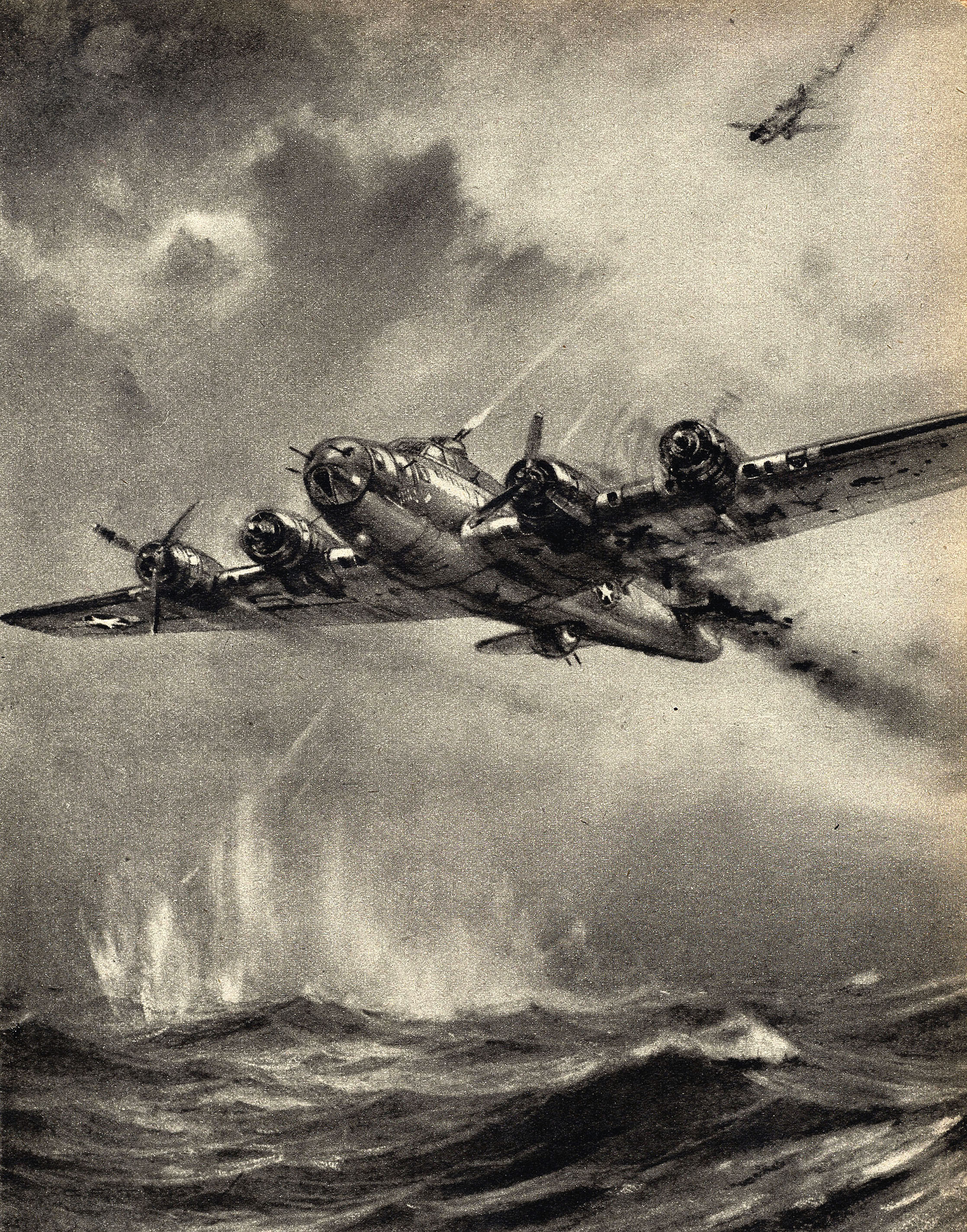
At first, though, things went quite well. When the bombers were initially intercepted as they crossed the coast the P-47s succeeded in shooting down seven Bf 109s. But over the Netherlands the P-47s came to the end of their range and the B17s were left alone and virtually defenceless.  Large numbers of Focke-Wulf FW 190s and Messerschmitt Bf 109s  made repeated attacks exactly as they had done in August. The 305th Bomb Group lost 13 of its 16 B-17s in just a few minutes. Further into Germany, this second Schweinfurt Raid would soon follow the same pattern as the first one.

This slideshow requires JavaScript.

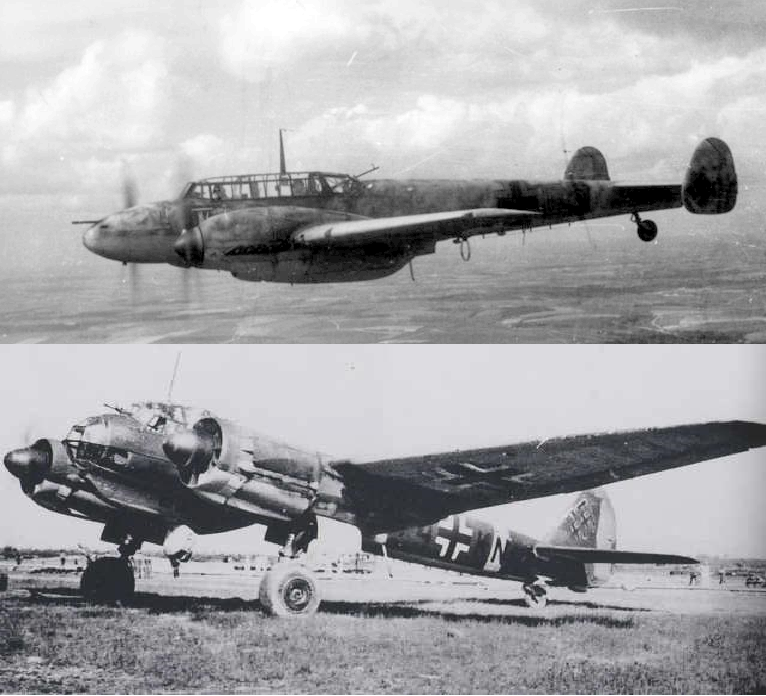
As well as single engined fighters, twin engined Messerschmitt Bf110s and Junkers Ju88s were encountered. They carried much heavier cannon.

two by two

This time, many more aircraft were armed with Werfer-Granate 21 rocket launchers, firing unguided stand-off rockets.

two rockets

Here are two wonderful pictures from the Life Magazine of  the day, showing the heroic efforts of the brave young Eighth Air Force gunners.

As in August, although the ball-bearing factories were badly hit, the mission did not achieve any long lasting effects. Ball bearing production was halted for around six weeks but these losses were again easily made up by the large stocks the Germans already had. After this second attack, all of the ball bearing facilities were dispersed from Schweinfurt across the whole of Germany to reduce the risk of their being bombed for a third time.
General “Hap” Arnold claimed that “Black Thursday” and its losses were just incidental, but daylight bomber raids deep into Germany without fighter escort were suspended until further notice. Cynics might well have asked just how many B-17s did the Eighth Air Force have left on strength anyway?
Long distance bombing raids would only recommence in February 1944 with the advent of Operation Argument, a series of missions later to be called the “Big Week”. By then, escorts were available in the form of P-51B Mustangs.

Arnold’s “incidental losses” on the second Schweinfurt raid were astounding. Of the 291 B-17s on the mission, 60 were shot down over enemy territory.

This slideshow requires JavaScript.

Another 17 bombers were damaged so heavily that they had to be scrapped. A further 121 B-17s were damaged to a greater or lesser extent and many of the crippled bombers would require a great deal of time and effort to repair them.

This slideshow requires JavaScript.

These B-17 losses represented more than 26% of the attacking force. The losses of aircrew were equally devastating, with 650 men killed out of 2,900, some 22% of the bomber crews. Certain units were hugely affected. The 306th Bomb Group lost 100 men, with 35 either killed in the air or died of wounds and 65 made Prisoners of War. The 305th Bomb Group lost 130 men with 36 killed outright. This constituted 87% of their complement.

fighting man

My own father, Fred, even if he seems never to have had a great deal of contact with the Americans of the Eighth Air Force, always had enormous respect for their almost unbelievable bravery. Some thirty years after the war, as I returned from university, Fred was to accompany me, one dull autumn day, on a visit to the American Cemetery at Madingley near Cambridge.

Cambridge_American_Cemetery_and_Memorial

How strange to think that these neatly kept graves may well have been the last resting place of some of the brave young airmen he had watched flying high above him in the frosty blue sky of East Anglia so many years previously.

If your navigational skills are up to it, this is Part One of a ten film series about  the Schweinfurt raid.

In another blog post, I will look at what the Eighth Air Force did after the two disastrous raids on Schweinfurt, and how their airmen’s lives were saved, and arguably the Second World War was won, thanks to Ronnie Harker, a New Zealander who at the time was working at Hucknall in Nottinghamshire, just six miles to the north west of where I am sitting right now as I write the conclusion to this post.

11 Comments

Filed under Aviation, History