Category Archives: Humour

Six Kings and Two Queens (3)

So why is this rambling windbag of a tale called Six Kings and Two Queens ?

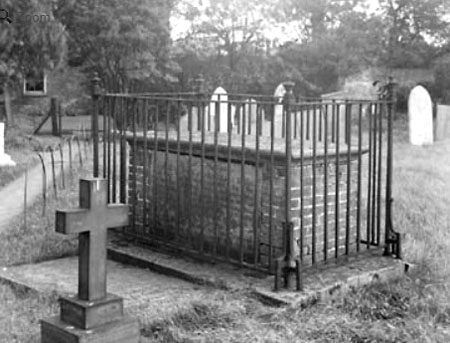
Well, the hero, John Deane, the entrepreneur, the sea captain, the ex-cannibal, the ex-poacher, the ex-deer stealer and the ex-butcher’s apprentice lived a very long life. And when he eventually succumbed, Captain Deane, as the locals all called him, was buried in the churchyard at Wilford:

john deane tombxxxxxx

He had lived through the reigns of six kings and two queens.

He was born during the reign of Charles II. To me, Charlie looks a real sleeze of a man. He couldn’t keep his hands off Nell Gwynne’s oranges and he appears to me to be just the type to be arrested by the police for having inappropriate images on his computer:

charles II

And here is History’s most famous orange seller, Charles’ mistress Nell Gwynne. This was his own personal pin-up:

gwynn

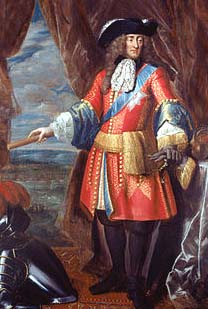
Next came James II. Here he is. He was chucked out eventually because he was a Roman Catholic, and because of this, the Protestant nobles thought that he would eventually want to be an absolute monarch and then they would all have to work for a living:

James_II_(1685)

The Glorious Revolution of 1688 brought in William and Mary:

william_and_mary

Is is just me, or does Mary look like a man?

Queen Anne was definitely not a man. She had seventeen children but, poor woman, none of them survived to become adults:

annexxxxxxxxxxxxxxxxxxxxxxx

No silly jokes about her. She is too sad a person for that. All of her weight gains came from what must have been more or less continuous pregnancies.

Enter George I, a German who spoke little or no English:

King_George_I_

Like all of the Hanoverians, George I hated his son and his son hated him. Here is George II. He was the last English king to lead his troops into battle, at Dettingen in 1743. He galloped so fast his wig blew off:

george II

George III was mad, mad, mad. He lost the American colonies, of course. Perhaps they thought they would be better off without a registered lunatic in charge?

King George III

George III  was the last monarch of John Deane’s long life. Six and out, to borrow a cricketing phrase.

Mr Spielberg, I have the film script for all of this nearly half finished…


22 Comments

Filed under Criminology, History, Humour, Nottingham

A Twitch to Kent : Day Two

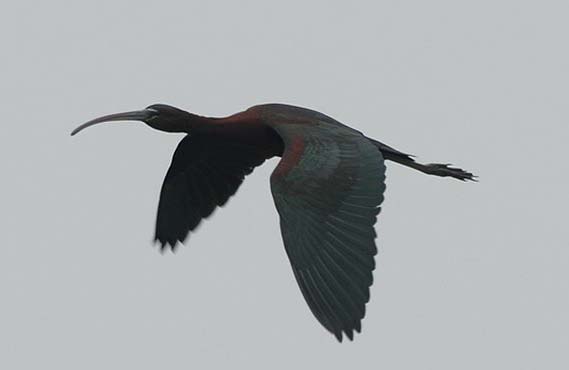
In a previous article, I told the story of going down to Kent in a minibus in an effort to see rare birds, or, at the very least, some different species to those in Nottinghamshire. On the Friday, we saw a Glossy Ibis:

gloucsglossyibis

Saturday, October 15th, 1988.

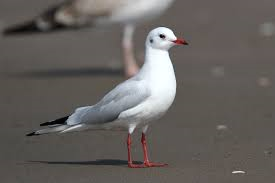
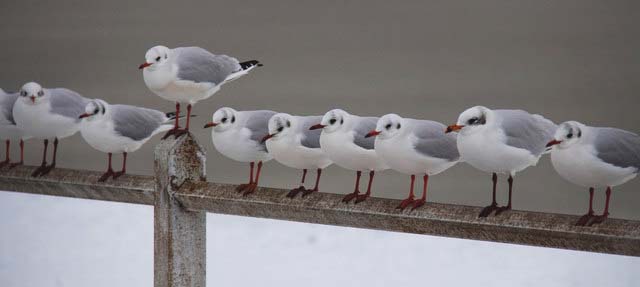
“Next day sees us up at the crack of dawn, to look for the Mediterranean Gulls that are supposed to frequent nearby Copt Point. This is reputed to be a very good place for them, with up to 40 or 50 of them at the right time of year. It should be easy. Black-headed Gull bad:

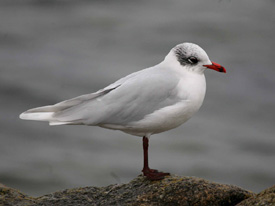
BHG Mediterranean Gull good:

Med%20Gull%20Sa

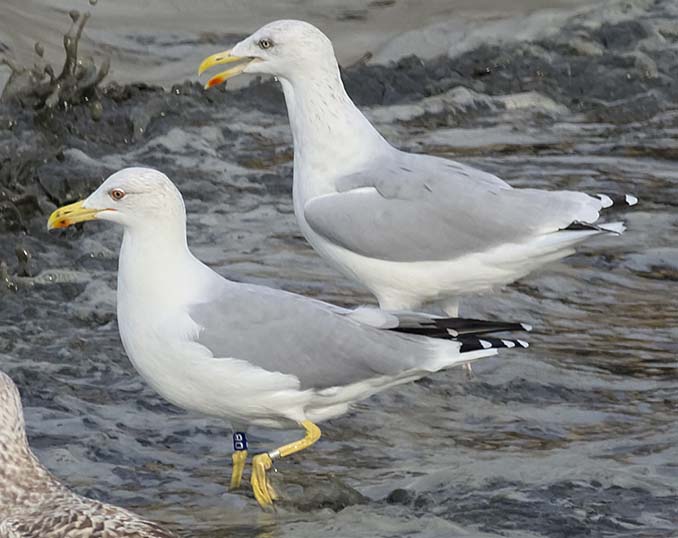
We are out on the promenade at the first light of dawn, but we don’t succeed in finding any. We dofind a Yellow-legged Herring Gull. The clue is in the name:

ylhg xxxxxxx

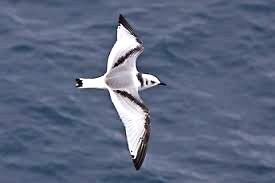
There is a juvenile Kittiwake too:

kitti xxxxxxxxxxxxxxxxxxxxxxxxxxx

Apart from these moderately interesting finds, we are totally unable to find our quarry.

This is not in actual fact totally surprising, because, as it emerges in conversation at breakfast, we were not even at the correct place.

I suppose in retrospect that the bay were looking at was not a great candidate to be called Copt Point, but as strangers we knew no better, and we were given no directions. We should have been about half a mile further north of where we were, so we all go there first thing after breakfast. I am a little embarrassed . I have never failed to find a major landmark before.
We spend half an hour here, and soon find the Mediterranean Gulls. There are about six of them, mostly in winter plumage, sitting out on the rocks near the sewage outlet, about 50 yards from the beach. There are hundreds, if not thousands of Black-headed Gulls, but the Mediterranean Gulls stand out quite well, with their more thickset appearance, and their all white wing tips. Black-headed Gull bad. Mediterranean Gull good:

difficult to pick out

They are still relatively boring though. This will not be the main bird for the day, thank goodness, because we have had a tremendously lucky break. After trying to convince everyone yesterday that it might be a good idea to drive to Dorset to see the Isabelline Shrike, we find out that a second bird has been found at Sandwich Bay, just a few miles up the road from where we are, and adjoining the famous golf course.
We scurry over there in the minibus, everybody greedily totting up another potential tick on their life list.
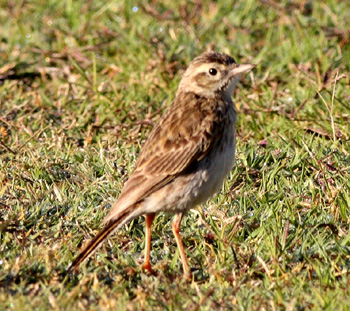
Everybody is so excited . Isabelline Shrike will be a tick for everybody. There is a Richard’s Pipit there too, which will be another tick for me and a good few others:

rich pipt

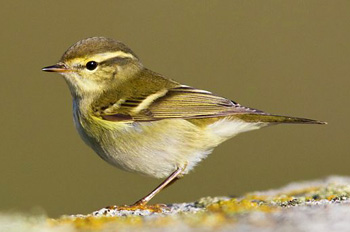
There is a Yellow-browed Warbler, which will be a third tick for quite a few people. Everything looks good:

tYBW

As we arrive, we see a crowd looking very intently indeed at a closely cropped meadow, just the place for a Richard’s Pipit.
We rush past them all, after checking with someone that the pipit is still there.
This is a major mistake, but we are all overwhelmed by the desire to go off and see the Isabelline Shrike, which is a much rarer bird. It is quite a walk, just the distance to get the adrenaline flowing.
When we arrive, there’s quite a crowd, all standing on the opposite side of the railway track, looking back into the overgrown hedge which runs alongside the rails. Suddenly a train arrives and the great whooshing noise as it goes past persuades the shrike to move out of the foliage and to perch out in the open:

isabellineshrike cdrfvgxxxxxxxxxxxxxxxxxxxxxxx

It is a rather bland bird, completely buffy brown, with the beginnings of a hooked beak, and the most obvious feature of all, a fairly bright red tail. It is clearly nothing like a Red-backed shrike, and I can understand why the two new species have been split from the one old one.
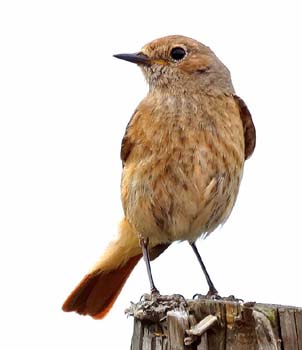
Now we go back for the Richard’s Pipit, only to find that the people there were all looking at what was in fact a Common Redstart, not a particularly rare species at a migration spot like this:Common_redstart_female

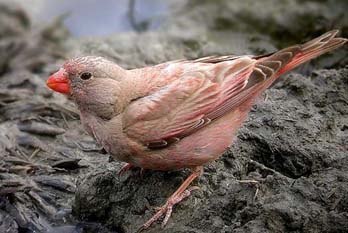
Nevertheless, we give it an hour or so for the pipit, looking around the neighbouring fields where the warden says that the bird has been seen over the past few days. No luck, I’m afraid. Now the day just degenerates into rumour and counter rumour. We hear that Trumpeter Finch has been seen and heard flying over, but we dismiss that out of hand:

trumpeter

Little do we know that we are just a couple of hours from the discovery of what, at the time, was a very rare bird indeed.

Nowadays, almost thirty years later, Isabelline Shrike has been split into three different species. One is called Turkestan Shrike, the second is Daurian Shrike and the third is Chinese Shrike. The bird we saw at Sandwich was one of the most frequently encountered  types in England at the time, and I think nowadays, it would have been listed as a Daurian Shrike. I used to get very hot under the collar about things like that when I was younger. But now,  I realise that it’s just somebody who wants a couple more ticks than they would have got in 1988.

14 Comments

Filed under History, Humour, Science, Twitching, Wildlife and Nature

Football in the Old Days ; Derby County v Norwich City

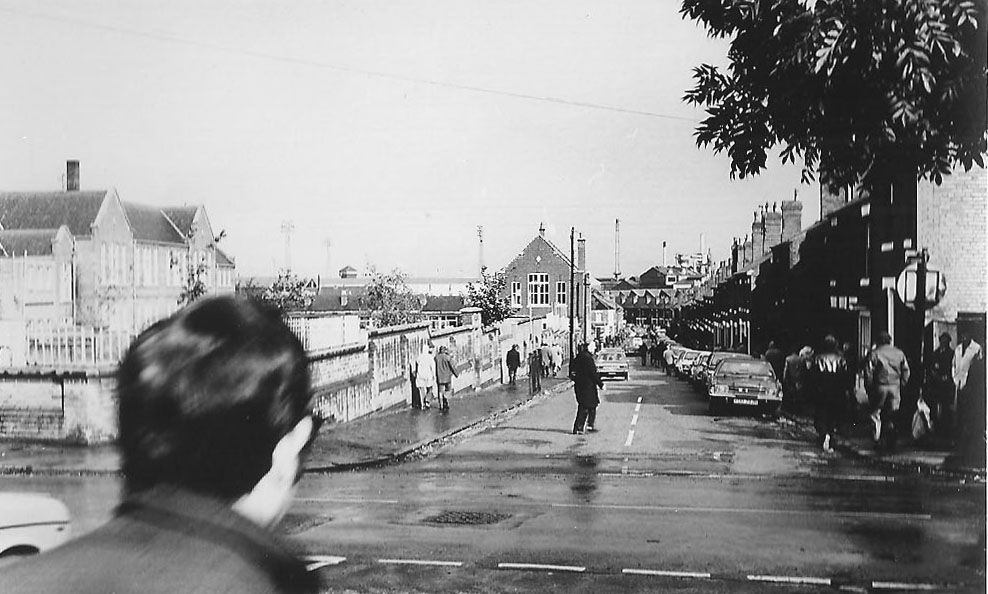
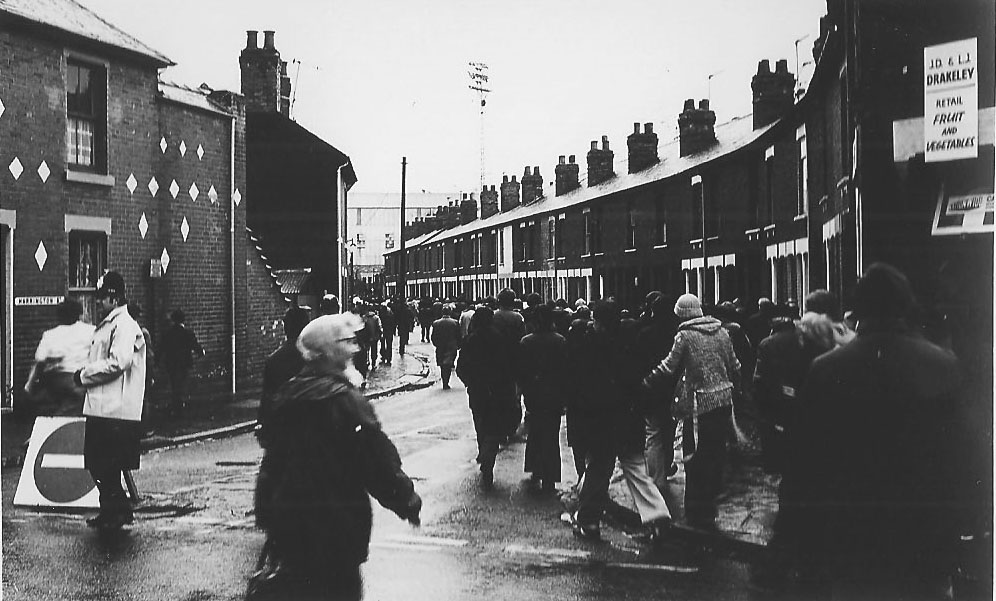
Imagine it is the late 1970s. We are walking down to the old Baseball Ground, and about to turn into Harrington Street. The floodlights of the ground are just visible:

A fur x police hors 4

My Dad, my brother and I used to park on what had been the Parade Ground at the old Victorian army barracks at Normanton, and then walk down to the football ground. If we were at all late for the kick off, Fred, my Dad, was quite capable of generating a punishing pace along the terraced backstreets. It was with complete justification that my brother would regularly accuse him of setting off like “a long dog” (whatever that was).
On one occasion, Fred was extremely late for the game, so rather than miss a second of the action, he just left the car on the grass verge of the Ring Road. He accepted as a necessary evil the inevitable parking ticket and fine he would receive, and paid it without demur, but both my brother and myself were advised, “Don’t tell your mother.”
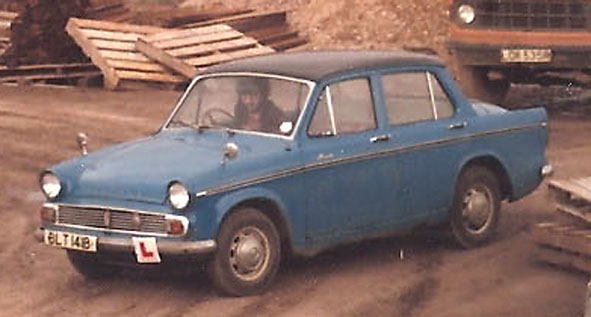
This was not too dissimilar from an incident when he damaged his beautiful pale blue Hillman Minx quite badly by reversing it into an, admittedly, pale grey, well camouflaged lamp post, down near the bridge which went over the railway lines at Swadlincote Station:

building site 3asdf

Again, he accepted the cost of the panel beater and a resprayed rear wing, on the basis of “Don’t tell your mother.”
Closer to the ground, Harrington Street was closed to traffic because of the thousands of people all rushing down to the game. The single floodlight is even more obvious:

B - Copy (3)
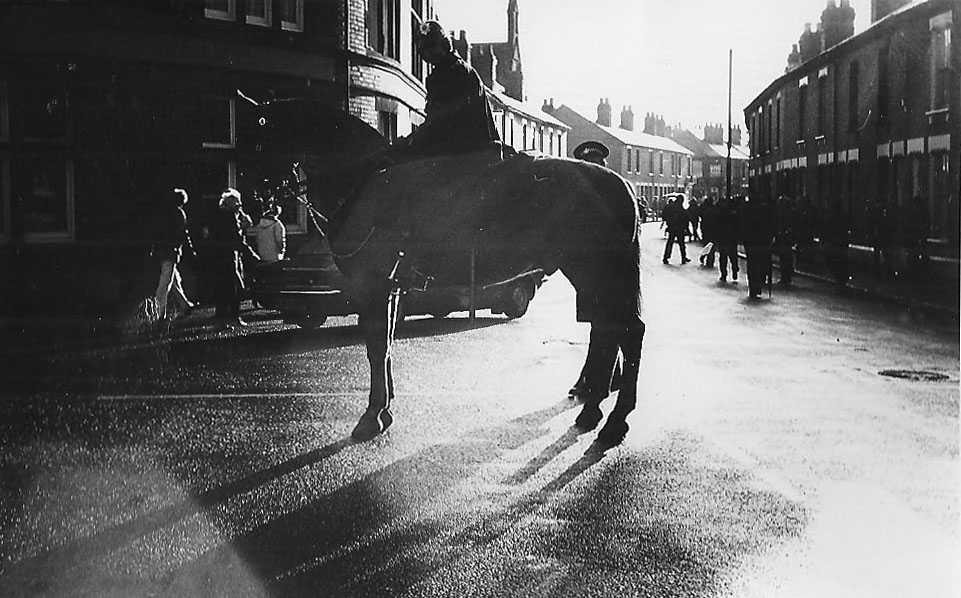
Here is a backlit policeman on his horse, and more terraced houses, looking back past the long demolished Baseball Hotel:C x police horses - Copy (2)

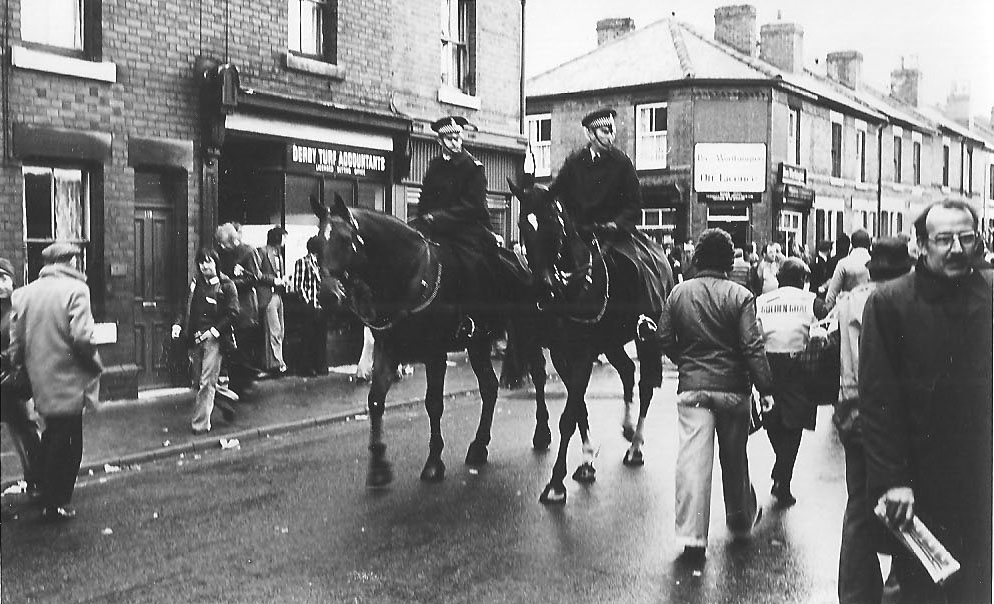
Two rather drenched policeman on their horses, walking down Shaftesbury Crescent. Look at the fashions! Look at the flares!

D r x police horses 1

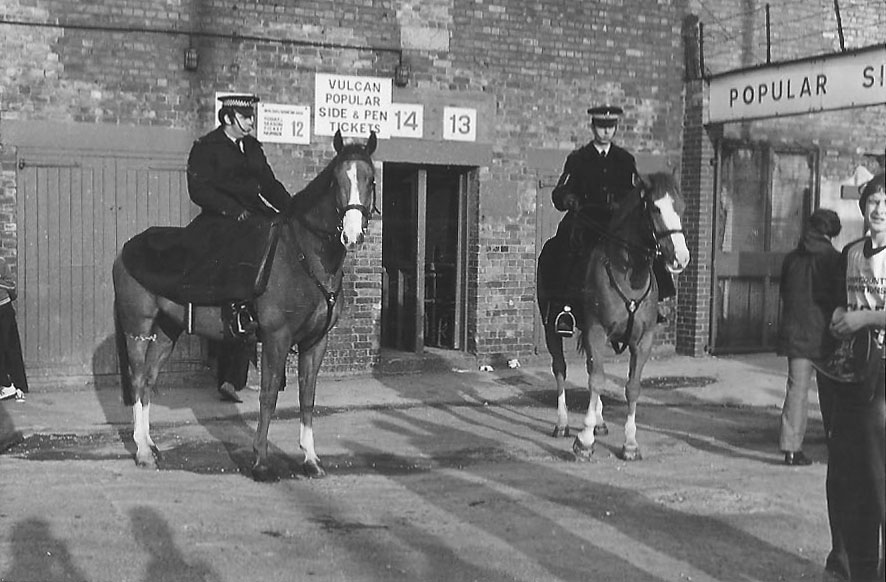
At last! These two policemen have the sense to find a little shelter from the weather:

E ur more police horses -photo 3

They are at the back of the Normanton Stand, at the entrance to the Popular Side. The “Popside” was where hooligans of both teams would stand. There would be disorder at virtually every game.
Fred, as a man of some fifty or so years of age, was himself physically attacked, on two occasions, both of them by those lovable, loyal, warm hearted supporters of Newcastle United.

We had a period when we used to park the car in the playground of Litchurch Lane Junior School, for a mere 25p. One day, as we returned from the game, I was surprised to see large brown birds flying over our heads. Only when one of them crashed into the wall of the railway repair works, did I realise that they were not birds, but bricks, thrown by a group of discontented Newcastle supporters.

On another occasion, a group of Newcastle supporters set about giving a damn good kicking to an innocent young man and his girlfriend, who had the misfortune to be walking along Osmaston Road, just in front of us. My Dad, Fred, of course, armed with his RAF maxim of “it always happens to somebody else, never to me”, raced off to help out the young victims. I can remember how Fred grabbed one hooligan’s foot as he prepared to kick the poor young man, and then wrenched it around backwards as hard as he could. That must have hurt! Afterwards, I remember too how the young victim had been kicked so much that he had lost the face off his watch.

When I got home, I discovered a tear on my favourite green USAF war surplus jacket. That tear was present in my T-shirt as well, and my back had a long red mark on it. I have always reckoned that that was as close as I ever got to being stabbed, by somebody I did not even see, in a mêlée of whirling bodies.
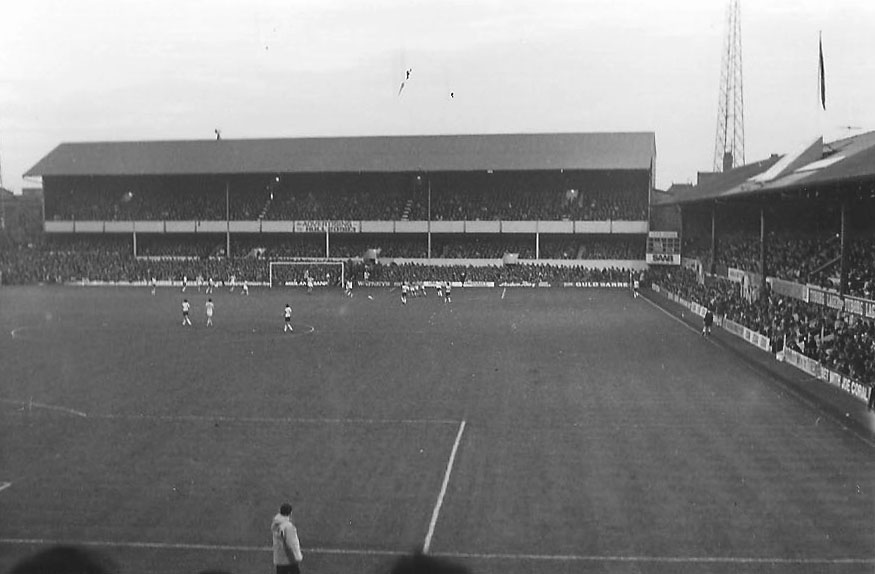
The opponents for this match are, I think, Norwich City:

F football x four photo 4

They are playing in yellow shirts and white shorts, which was a slight change from their normal kit with green shorts:

This slideshow requires JavaScript.

The problem was that in the early 1970s, lots of people still had black and white televisions, and Derby and Norwich would have looked very similar, as Derby were wearing white shirts with dark blue shorts, and Norwich yellow and green. Here Derby press forward with yet another attack:

F football x four photo 4

I can’t remember the score of this game, but I think it is safe to say that Derby probably won. They used to beat Norwich fairly regularly in the 1970s.


25 Comments

Filed under Derby County, Football, History, Humour, Personal

High School Football Team achieves Perfection on the Forest

Wednesday, January 21st 1981

On a dull, dreary, drizzly day in winter, the author stood with the football team coach, Tony Slack, watching the First XI play a well contested match against High Pavement 2nd XI. We were on the Forest, at the side of a pitch which has now been partially covered by the all-weather facilities. Look for that orange arrow:

This slideshow requires JavaScript.

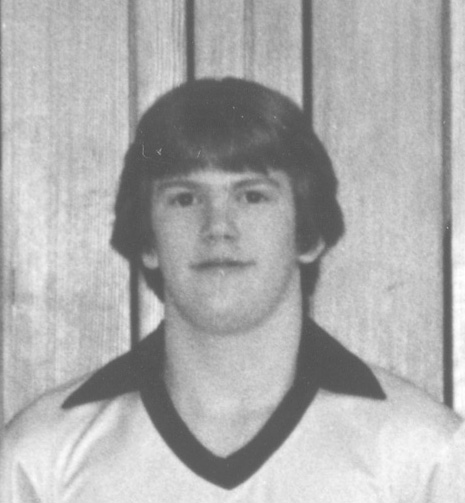
Suddenly, eighteen year old Norman Garden, his sleeves rolled up in determined fashion, won the ball with a strong, vigorous tackle at the edge of his own penalty area:

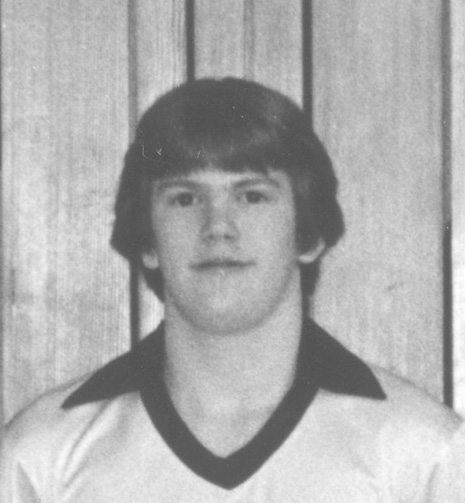
NORMAN GARDENxxxxxxxxxxxxxxxxxxxxxxxxxxxx

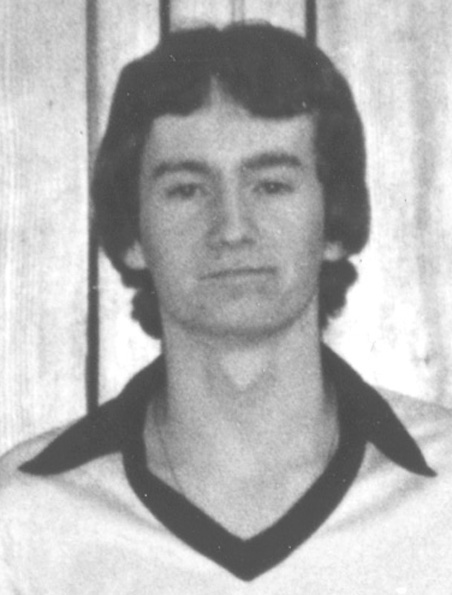
He came forward with the ball at his feet and set off thoughtfully towards the opposition goal. Looking up, he sent a long, curving, arcing pass out to young Bert Crisp on the left wing. Bert trapped the ball, then ran forward ten yards or so, and looked across at the attacking possibilities:

BERT CRISP the one
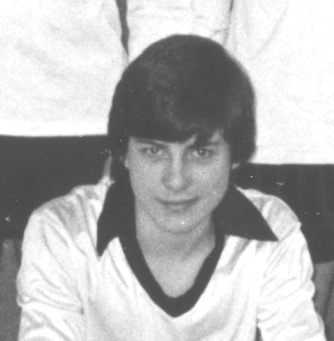
Five yards outside the penalty area stood Chris Ingle, the team’s centre forward. He was in his usual pose, apparently disinterested, lacking commitment, without any apparent desire for hard physical involvement, a young man who only came alive when he saw the whites of an opposing goalkeeper’s eyes:

CHRIS INGLE ONE WWWWWWWWWWWWWWW

Chris began to move. He accelerated slowly but purposefully from his standing start as he crossed the white line of the penalty area. Bert Crisp instinctively knew what to do. He clipped in a wickedly curving centre, about four or five feet above the ground. It was timed to arrive at the penalty spot at exactly the same time as the deadly centre forward. Chris Ingle, as the ball flew in front of him, launched himself full length over the cloying mud.
He met the ball hard with his forehead, catching it a blow which rocketed it towards the top corner of the net. “Goal!!” we teachers both yelled in our minds. But it was not quite over. The opposing goalkeeper soared backwards and with a despairing left hand just managed to flick out at the ball. He diverted it upwards, and it flew onto the crossbar and behind the goal for a corner.

Chris Ingle got up and wiped the mud from his hands down the front of his white shirt. Tony Slack turned to me and said, “You wouldn’t see anything better than that in the First Division.” And he was right.

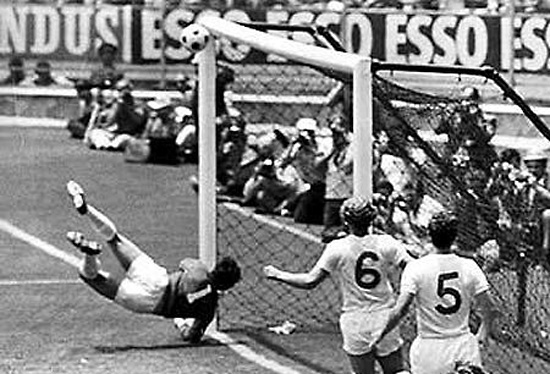
And, in case you missed it, here’s that fabulous save again…

banks defesa

19 Comments

Filed under Football, History, Humour, Nottingham, Personal, The High School

Deadly Deer (5)

There are apparently 75,000 collisions between cars and deer every year in the UK. This results in 450 injuries and, the latest figures allege, as many as twenty fatalities, both drivers and passengers.
It is not surprising that these traumatic events are so frequent. The United Kingdom has more than two million deer. This represents the highest total since Saxon times:

-fallow-deer-stag-herdxxxxxxxxxxxxxx

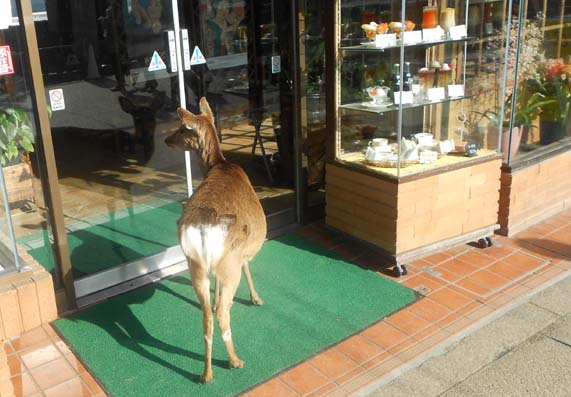
A few years ago, there was even a muntjac deer in our staff car park, right in the middle of Nottingham:

8507_Muntjacxxxxxxxxxxxxxxxxxxxxxxxx

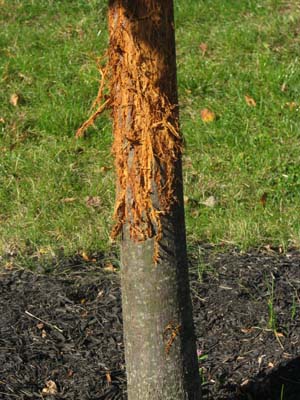
With over-browsing, deer cause enormous damage to our woodlands, and especially the birds who breed there. Too often deer consume the low vegetation which hides their nests and in general, they have a hugely negative effect on trees, shrubs, plants and flowers. This circular destruction of the bark will kill the tree:

deer-damage

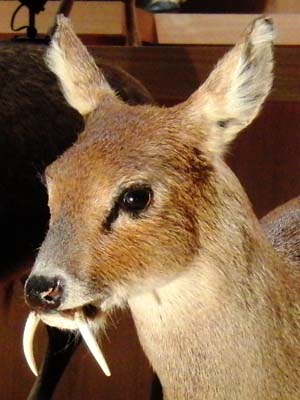
Recently a group of scientists suggested that half of England’s deer should be shot to help preserve our woodland landscape. Several species are actually foreign immigrants to our countryside, namely muntjac and Chinese water deer:

Chinese_water_deer_

Another introduced species are Sika , which manage to get absolutely everywhere:

Sikadeer

Overall, this enormous population of deer causes around £4.5m worth of damage to plantations and woods in Scotland alone. In England, it is not so much the trees which suffer, as the cereal crops, mainly in east and south-west England, where deer cause £4.3m worth of financial loss annually.
I can’t find out the overall cost of deer culling but I suspect, given our successive governments’ ability to spend other people’s money, it will be approximately £14.76 squillion pounds per year.
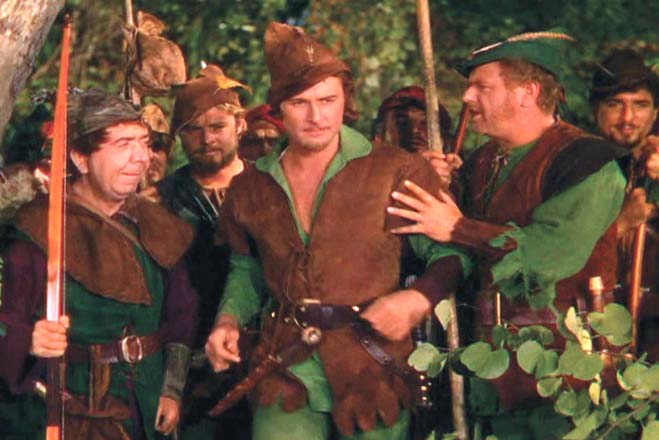
So let’s do it for free. Here in Nottinghamshire, let’s encourage petty criminals to clear off out of the city and live in groups in the forest, armed only with bows and arrows. They could wear green for camouflage and shoot the King’s deer on a regular basis.  And on Bank Holidays why not have great big barbecues for everybody to go to ?

robin hood- heroes
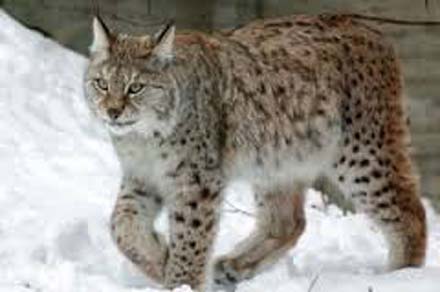
And bring back the lynx. We could have every single animal sponsored by the aftershave company. Lynxes are so shy you wouldn’t even notice them in our local woodland.

lynx a

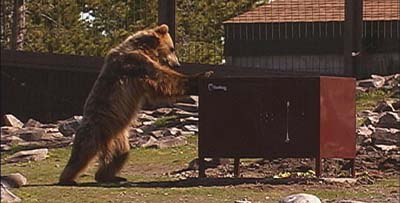
You would obviously notice Brown Bears, but so what? They eat deer by the freezer full. And furthermore, it would make enormous financial sense to have a great big bear eating the contents of all the rubbish bins in our country parks, rather than buying gigantic expensive specialised vehicles and paying humans to empty them.

image_encounters

And think of America itself. What do they have in the woods that eats deer? I’ll give you a clue. It’s totally nocturnal. It’s very shy, especially given the fact that it’s nine feet tall. You would never see them and when you did nobody would believe you. All you’d see would be a gradual diminution in the deer population.

.
If that’s a step (or should I say, a Big Foot) too far, then let’s look back a little in time to the Middle Ages.
As recently as 1433, Sir Robert Plumpton was granted a piece of land in Nottingham by King Henry VI (Parts 1-3) if he could manage to blow his horn and thereby frighten and chase away all the wolves in Sherwood Forest. The piece of land he held in Nottingham was called “Wolf Hunt Land” (The clue’s in the name). In this way Sir Robert probably helped the wolf towards its eventual extinction which occurred, supposedly, during the reign of Henry VII (or Henry VI Part Four, as he was occasionally called).
At this time, back in early fifteenth century, wolves were limited to just a few areas, anyway. Some forests in Lancashire such as Bowland, the Derbyshire Peak District and the Yorkshire Wolds.
So let’s reintroduce them now. Two million deer to cull. Let Wolfy have a go. We know that they are harmless. Two deaths in North America in 129 years? Negligible!! They’d take care of the deer problem for us:

wolf pack one

And what better sight than watching a pack of wolves  chase down a mountain bike rider over the romantic fells of the Lake District?

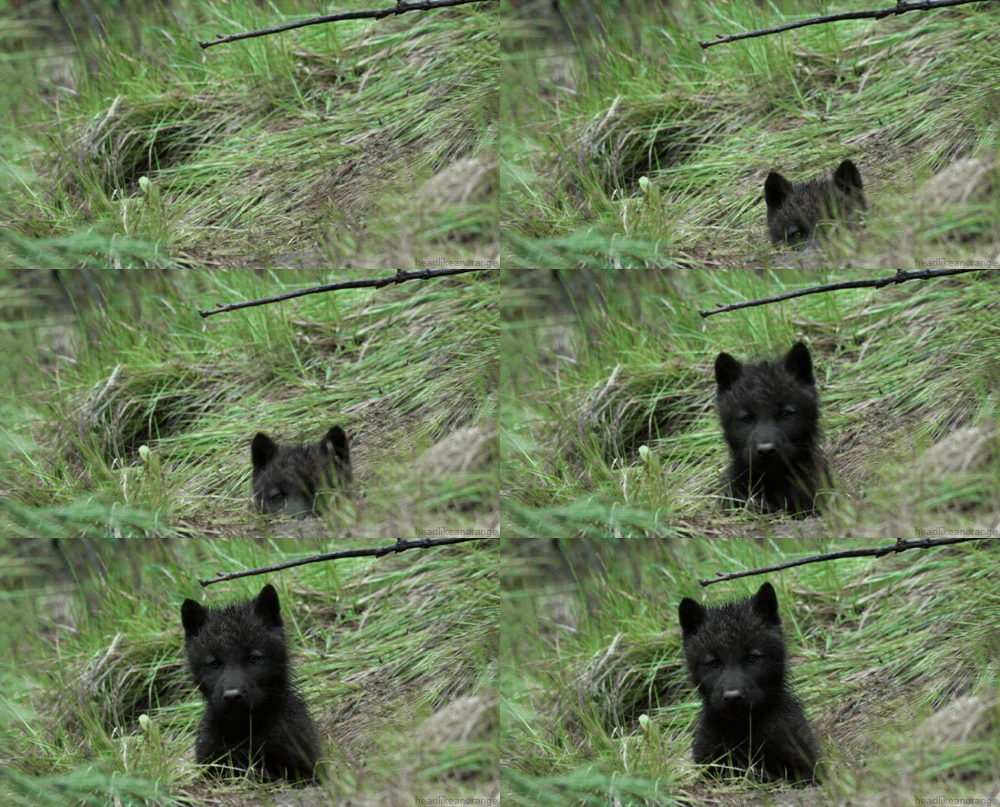
wolf baby

Or another pack pursuing quad bike riders in the New Forest? Perhaps a whole wolf family practicing their hunting techniques on somebody else’s badly behaved and loud mouthed kids.

eyes wolf
What’s not to like?

Just watch this video, which comes, literally, from the “HeartOfTheWilderness”:

Or if you are a child, why don’t you let the Smithsonian Channel teach you to howl like a wolf? Ideal for relieving the monotony of those tedious car drives to school. Better even than the counting songs from French lessons:


23 Comments

Filed under History, Humour, Politics, Science, Wildlife and Nature

The only trophy the High School Football Team ever won

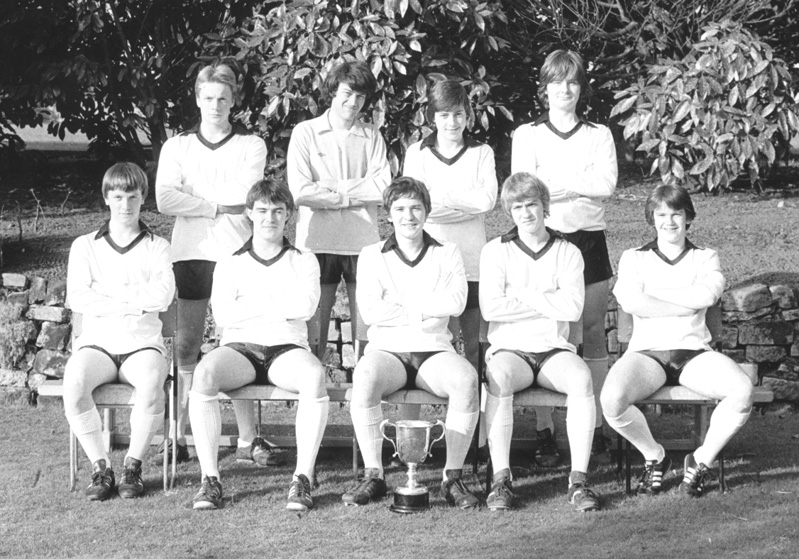
In late March 1981,  the school’s footballers won the Nottinghamshire Schools’ Football Association Seven-a-Side competition. This was the first time that a High School football team had ever won a cup at any level. Here is the squad:

six-a-side BETTER BEST BESTxxxxxxxxxxxxxxxx

The competition was organised into a number of groups, and in their initial group, the High School won two games, and lost just one, to Worksop College ‘B’ team. The High School therefore qualified for the next stage of the competition as the best losers.
This next stage was the semi-final, where they beat Worksop College ‘A’ team by one goal to nil. They therefore went forward to the Final, strangely enough, against Worksop College ‘B’ team. This ‘B’ team was the very same one which had already beaten the High School in the group stages.
In this game, the score was 0-0 at full time, and two periods of extra time did not produce any goals either. As there was no winner as yet, therefore, penalty kicks would be needed to decide the contest. The first five kicks were successful by each side, and the score was 5-5. Everybody would have to try again. The first Worksop player, though, then missed his second kick, leaving the High School needing just one goal to win the cup.
Norman Garden, who had come on as a half time replacement, took the kick, arguably the most important in a minimum of 110 years football at the High School.

NORMAN GARDENxxxxxxxxxxYESY EYS

By his own admission, head down, he took approximate aim. The ball hit both the post and the crossbar but screamed into the back of the net for the winning goal. The High School were the victors by the unusually high score of 6-5.
The team was coached, as always, by Tony Slack:

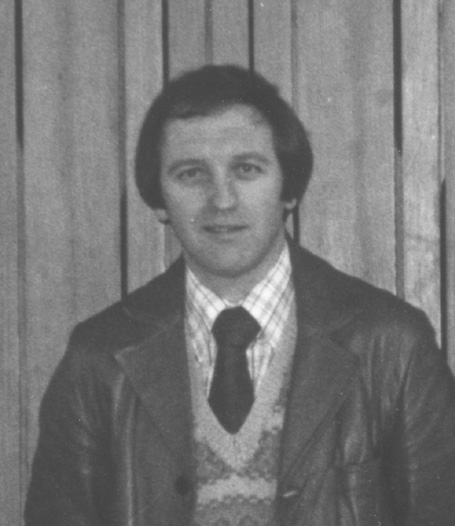
TONY SLACKKK WWWWWWWWWWWWWW

Team members were Raich Growdridge as captain, Simon Derrick, John Ellis, Norman Garden, Chris Ingle, Tim Little, Neil McLachlan, Richard Mousley and Chris Peers.

This slideshow requires JavaScript.


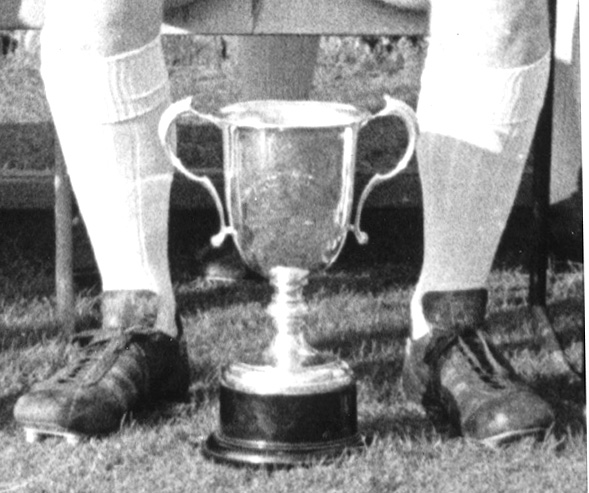
This remains the High School’s only ever official trophy:

ta cup

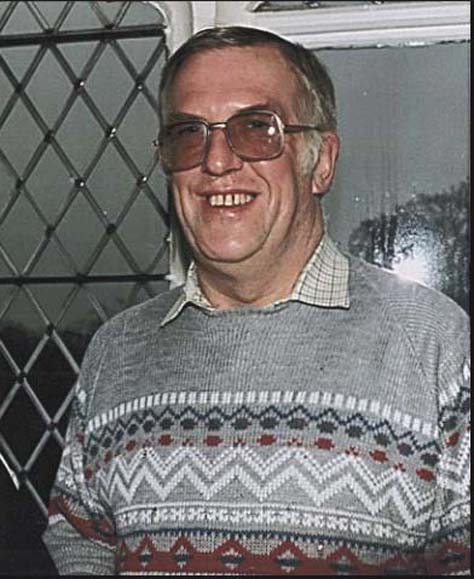
Strangely enough, the cup was never contested again, and despite various attempts by High School teachers to surrender it back to the relevant authorities, nobody ever came forward to take responsibility for it. As far as is known, the magnificent cup, at least twenty pounds of almost pure, locally mined Worksop silver, still remains somewhere deep in the bowels of the School, locked away for safe keeping by Tony Hatcher, the school caretaker at the time:

tony hatcher

29 Comments

Filed under Football, History, Humour, Nottingham, The High School

The Most Dangerous American Animal (3)

So what is the most dangerous animal for our American friends??

Well, we already know that wolves have never killed anyone in the lower 48 states of the USA with just one death in Alaska and one in Canada since the year 2000:

621166__the-wolf-pack_p

The most difficult problem I had with the USA was in finding accurate figures. Some lists refer to a single year and others to a number of years. On the other hand, the animals mentioned were all roughly the same in terms of the number of deaths, however the number was expressed.

Soooo…..don’t worry about sharks, with one fatality per year on average between 2001-2013. It was the same figure for alligators, crocodiles (you have both?) mountain lions, moose and, surprising to me, bears. All three species together, Grizzly, Black and Polar kill around two people per year between them. Venomous snakes and lizards (you have both?) kill six, and scorpions one victim fewer.

I didn’t know what a non-venomous insect was, or rather, I just couldn’t see how it would kill you, but anyway, they managed to kill nine people. Much more dangerous, though, were cows with an average kill total of around twenty. According to one expert:

“Large livestock are powerful, quick, protective of their territory and offspring, and especially unpredictable during breeding and birthing periods.”

Most people killed by cows are farm workers although they will attack walkers, birdwatchers and artists on occasion. In particular, in my experience, they especially seem to hate easels and tripods, thinking you are some kind of four or five legged supercow. Meat producing cattle are more docile in their behaviour and milk producing breeds are the worst of all, especially Friesians:

Big_beasts_trigger_2663528kxxxxxxxxxxxxxxxxx

Mammals such as horses, pigs, deer and others killed 52 people annually between them, although strangely, this figure does not count road collisions.

More dangerous still are bees, wasps and hornets with just under sixty deaths, mostly through anaphylactic shock. Other venomous insects killed a further sixty victims, who included a large proportion of old folk in the southern states killed by fire ants.

image_fireants

One website alleges that domestic dogs kill 250 people per year and states that $1 billion is lost every year through injuries and deaths caused by dogs. Sadly 34% of the victims are children under four years of age. Elsewhere totals were much lower with the National Canine Research Council reporting 41 fatal dog attacks in 2014 and 32 fatalities in 2013.

Keep it in context though. The USA has a population of 318.9 million people and 2.6 million people die every year. All animal deaths combined constitute a measly 0.008 percent of all fatalities.

Annually, 33,000 people are killed in cars. There must be towns smaller than that.

AAA-Causes-of-Car-Crashes-Study

30,000 people fall to their deaths.

Nearly 39,000 manage to poison themselves.

11,000 people are shot and killed.

3,868 people drown.

41,000 commit suicide every year.

Around two and a half thousand Americans choke to death every year, with roughly the same total for deaths in fires. Six hundred people shoot themselves accidentally, with 45% of them children. Forty five of the adults will be hunters walking alone in the woods.

In the less serious category, 33 people are killed every year by lightning. A massive 413 deaths occur every year as a result of accidents with ATVs. Even elevators have their dangers…yes, you read correctly…..they kill 26 unfortunate people every year. These don’t look dangerous…but they are:

doors

And what about England? Well, we’ll see in the near future.

32 Comments

Filed under Criminology, History, Humour, Science, Wildlife and Nature

Match-fixing (2)

I have always wondered exactly what happened to Leeds City, a team that apparently just disappeared, after playing first class football for ten years or more. Of course, we have all heard of Leeds United, famous for its few triumphs and many near misses in the late 1960s and early 1970s. But what about Leeds City? How does a big football club just disappear?
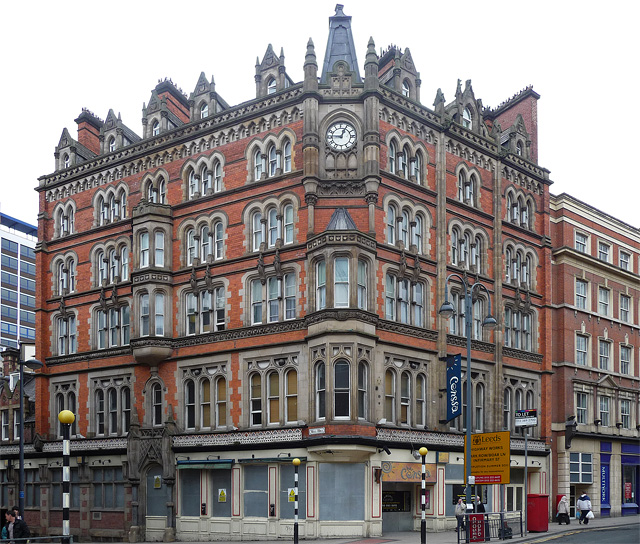
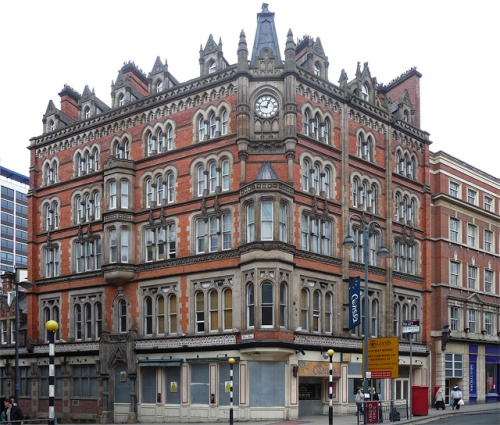
Well, they were founded at the Griffin Hotel in 1904.  Here is the Griffin Hotel nowadays. It doesn’t seem to be doing much better than Leeds City:
griff

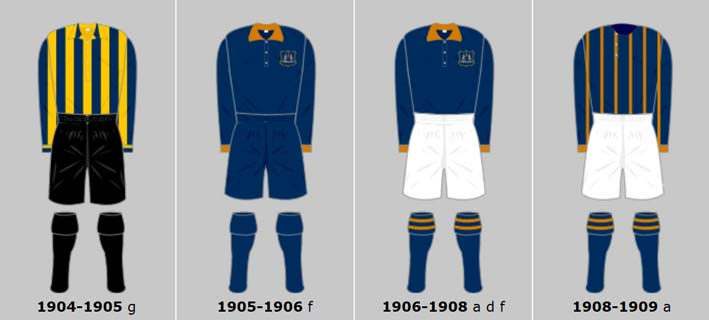
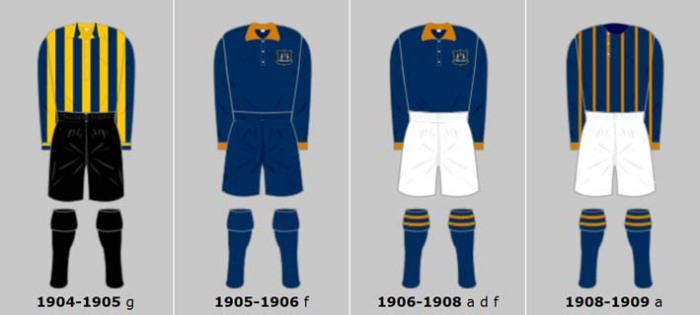
Leeds City were slated to be the primary football team in the city, somebody who could bring the delights of a relatively new sport to a rugby mad area.This allowed them to adapt the council’s coat of arms as their own and to wear the city’s colours of gold and blue for their shirts:
leeds city top row

Luckily for them, a local rugby club folded around this time, and Leeds City moved straight into their old stadium in Elland Road.
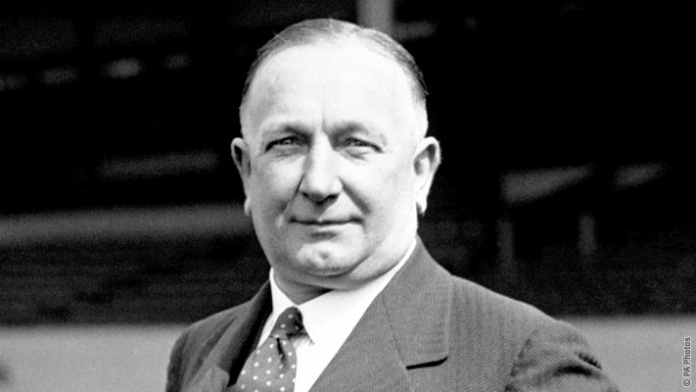
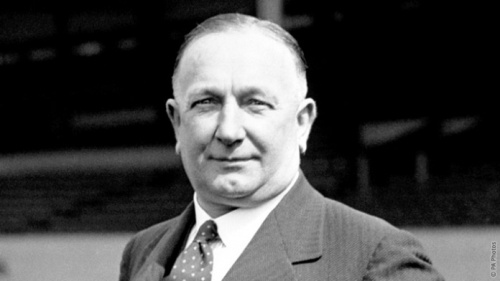
A decent ground enabled them to arrange friendly games against local league clubs, and after making powerful friends in this way they became members of the Second Division for the 1905-1906 season, when they finished sixth. Years ago, it was the club secretary who did what would nowadays be the job of team coach and club manager. City started with Gilbert Gillies (1904-1908) and then Frank Scott-Walford (1909-1912). The club’s record was fairly average until they appointed Herbert Chapman, the legendary manager of Huddersfield and Arsenal, who took City to fourth place in the Second Division, their highest position so far. Here is the great man. His ghost was said for many years to haunt Arsenal’s old ground at Highbury:
gun__1357732038_chapman_herbert1

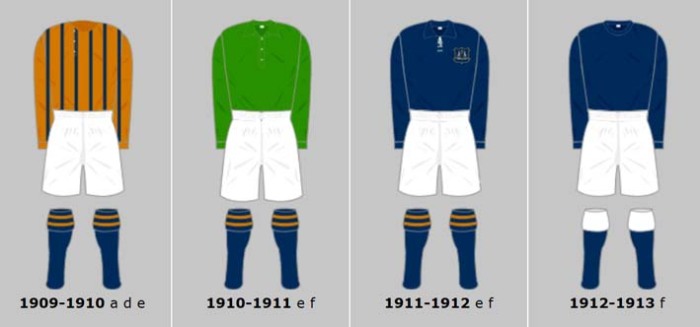
Until the First World War, Leeds City continued to wear blue and gold as their colours, except for the 1910-1911 season. Research by David Tomlinson has revealed that their kit changed at this point, when they signed five young, inexperienced, but hopefully talented, Irishmen for the team. The Leeds Mercury, in their match report, said

“It must be remembered that these Irishmen are very young men, who have been brought into a higher class of football than that to which they have been accustomed, and that they were playing their first match amid unfamiliar surroundings. Mr Scott-Walford evidently had an eye to making his new men feel at home as well as to stage effect when he attired the team in green jerseys and supplied green flags to mark the centre line, and he apparently realised that their first match might go wrong when he  addressed them in his official programme: “Should your efforts deserve success, and it is denied you, we shall extend our sympathy, when you do badly we shall still think you have done your best.”

It certainly looks very strange for a team from Leeds:
leeds city row. two

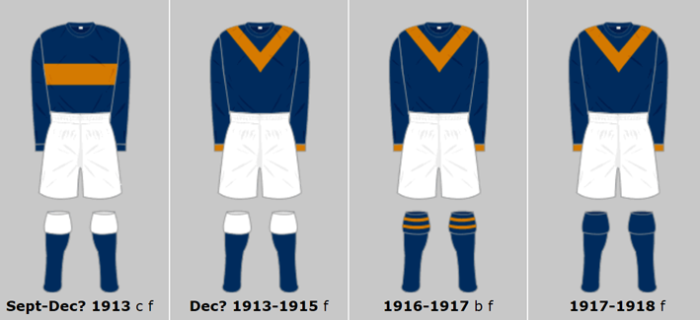
During the 1913-1914 season they adapted a kit which they would wear for the rest of their short history:
leeds city row three

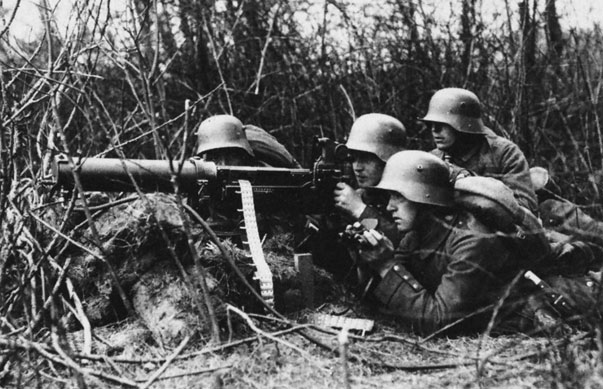
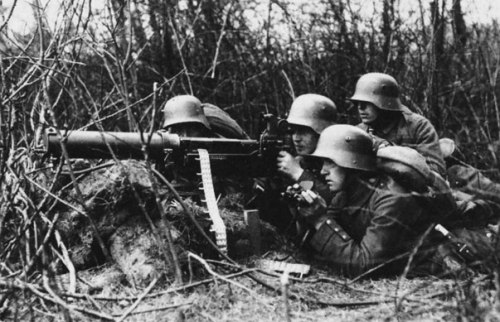
The Football Association has always been very adept at thinking up rules and regulations. It was strictly forbidden, for example, for a club to pay their players over the course of the Great War. No matter how dangerous it was fighting for King and Country, it was down to you to look after the wife and kids, rather than allow your rich erstwhile employer to help you out, even if that arrangement suited both sides. And woe betide, of course, anybody caught breaking the rules, even though many clubs did. It was a blind date with a bunch of Germans for you. Hopefully, you won’t get the one whose hat doesn’t fit:
a23_world_war_1_german_machine_gun_1

Leeds City were grassed up to the FA by a former player who told journalists that the club’s guest players for friendly games were being paid to turn out and play. The FA considered this to be an extremely serious offence, and began an investigation.
City, being both arrogant and stupid, did not help themselves by their poor choice of reaction to the FA’s questions. Instead of rolling over with a loud cry of:

“I am guilty, guilty, guilty but O how I regret my wrongdoing”

they basically told the Football Association:

“Get stuffed. You can’t look at the books”.

The FA’s reaction was to make a huge example of the wrong doers.  Immediate expulsion from the League sine die as they say, and the disbandment of the entire club.

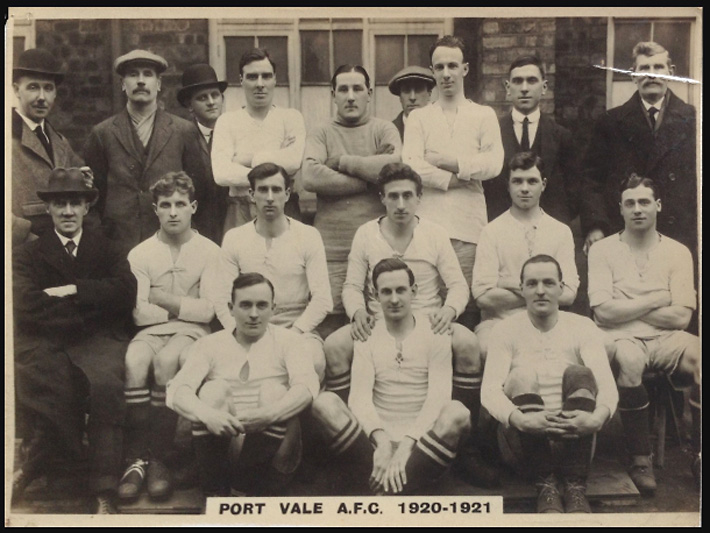
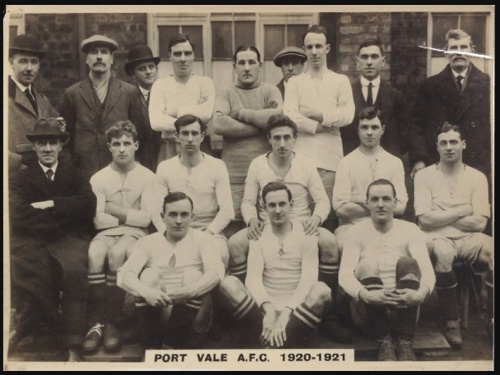
They had played only eight games of the 1919-1920 season and delighted Port Vale took over the rest of City’s fixtures. I bet the man with the rip across his face was the first one to die. I saw it in a horror film once:
port

Herbert Chapman, the club secretary, and a good few others, were also banned sine die. All the club’s assets were to be sold off. Not just the tables and chairs, but the players too.
At ten o’clock on October 17th 1919, therefore, an auction was held at the Metropole Hotel, where sixteen footballers were all sold to the highest bidder. They were bought by nine various clubs for a total of £9,250.
Billy McLeod £1,250 to Notts County
Harry Millership to Rotherham County (who??) and John Hampson to Aston Villa, both for £1,000.
Willis Walker to South Shields (who??) and John Edmondson to Sheffield Wednesday, both for £800
Other clubs who coughed up either £600 or less were Grimsby Town, Manchester City, Aston  Villa, Lincoln City and Hartlepool United.

Poor old Francis Chipperfield, worth only £100 to Lincoln City. I wonder if he just packed up football and went to join the circus?

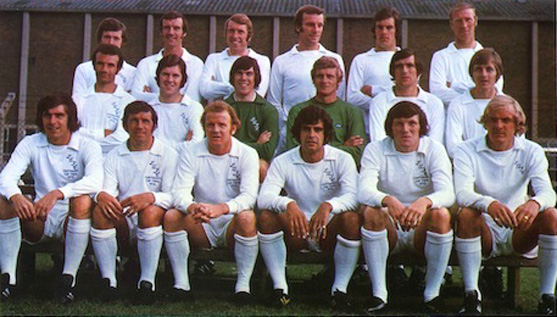
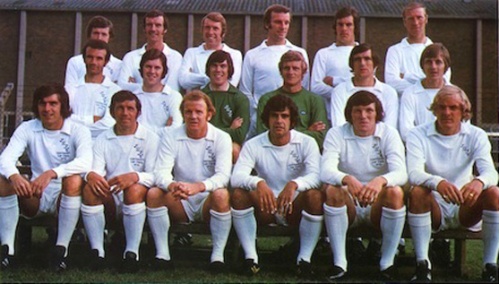
During the afternoon, after the auction, a number of other local officials, or at least, all the ones who were as pure as the driven snow, founded a new club, Leeds United, which could play in the now deserted Elland Road ground. United initially took over the fixtures of City’s reserves in the Midland League, but for the next season of 1920-1921, the club was promoted into the Second Division:
pasted-graphic-1

As I have done before in other posts, I would like to thank the website who supplied all of the illustrations of the old football kits from days of yore.

It is the best ever website for the soccer nerd and all those little boys who had more than twenty different Subbuteo teams.

15 Comments

Filed under Criminology, Football, History, Humour, Politics

Match-fixing (1)

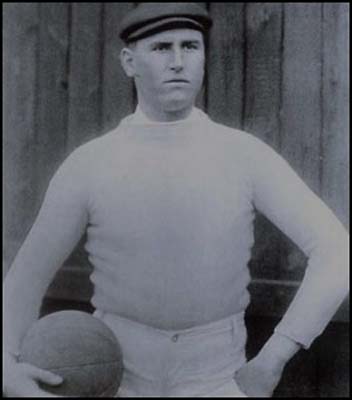
Corruption in football is nothing new. More than a century ago, in 1900, Burnley goalkeeper Jack Hillman attempted to corrupt the Nottingham Forest goalkeeper and the other players by giving them £2 each to let Burnley win on the last day of the season and perhaps thereby escape relegation. It didn’t work. Burnley went down with 27 points from 34 games, along with Glossop North End who managed only 18. Here’s Hillman, apparently twenty minutes after the invention of angora sweaters::

jack-hillman-264x300

Had the bribe succeeded, Burnley would have overtaken and relegated Preston North End (28 points) who would have taken their place in Division Two. Hillman was called to account by the authorities, but amazingly, they didn’t accept his explanation of “I was only having a laugh!” He got a rather lenient twelve month ban, although this meant no pay for that period and the loss of a benefit match which would have netted him around £300. Even worse for him, though, was the fact that he never played international football for England again, having just broken into the team
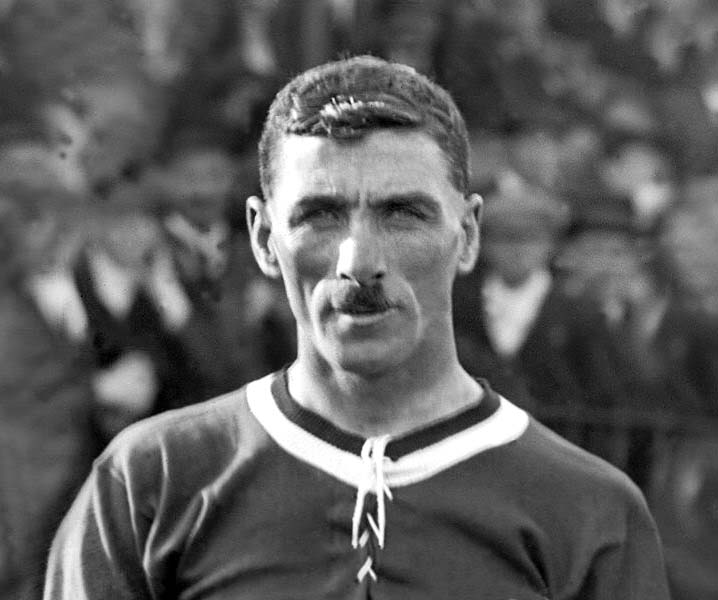
In 1905, at the opposite end of the table, Manchester City were trying to win the League title. Billy Meredith, their star winger, decided to make the task a little bit easier by offering the Aston Villa players £10 to let them win. Like Hillman, Meredith received a year long ban, but rocked the footballing boat by alleging that he had been ordered to bribe the Aston Villa player, Alex Leake, by his Manchester City manager, Tom Maley. Bribery, said Meredith, was common practice at Manchester City who finished the 1904-1905 season in third place behind champions Newcastle United and Everton. A whole selection of players were suspended, as were members of the club staff and directors from the boardroom. Here’s Meredith. He looks like he’s wearing in a new moustache for his shy, and rather strange, German penfriend:

meredith

Meredith actually wrote an open letter to the Athletic News:

“You approve of the severe punishment administered by the Commission AGAINST ME and state that the offence I committed at Aston Villa should have wiped me out of football forever. Why ME ALONE? when I was only the spokesman of others equally guilty.”

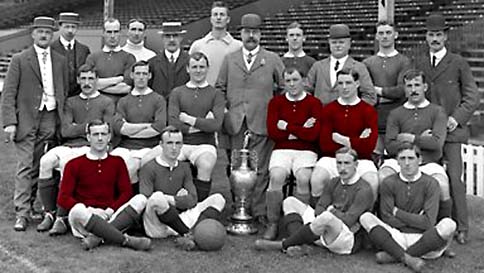
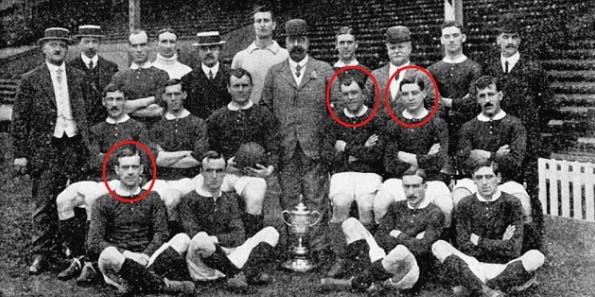
In 1915, Liverpool played so poorly as they lost 2-0 to relegation-threatened Manchester United that one of the many bookmakers who had taken bets on the game refused to pay out, at odds of 7-1.  He had probably heard of the clandestine meetings of players in the pubs of Manchester and Liverpool. And the poor old bookmaker was completely right. In the United team, Sandy Turnbull, Enoch West and Arthur Whalley were the guilty men and in the Liverpool team it was the fault of Tom Miller, Bob Purcell, Jackie Sheldon and the rather appropriately named Thomas Fairfoul. Can you spot the guilty players in this old picture of Manchester United?

wh turn wets

Would you like a second go?

betting-scandal-600x312

It looks like Liverpool are not quite so helpful towards the local detectives:

liverpool 1915

And no, the man with the cap is the trainer.

Jackie Sheldon as an ex-United man was the mastermind behind the coup but not everybody in the two teams was happy to cheat in this way. Both Fred Pagnam (Liverpool) and George Anderson (United) refused to participate. Indeed, when Pagnam shot and hit the opposing crossbar his teammates all showed their anger with him. It was perhaps his own fault, as before the match he had threatened to score a goal to spoil their nasty little plan. By now, whiter-than-white Billy Meredith was a United player, but everybody had taken great care not to tell him about what was happening and nobody passed to him throughout the game…something which, of course, aroused his suspicions as to what exactly was going on.  A penalty was missed by such a distance that the ball only just failed to hit the corner flag.  The crowd, feeling they had wasted their penny entrance money, grew increasingly angry with the proceedings.
Overall though, things were getting very much out of hand with match fixing. As an example, all seven of the Liverpool-Manchester United match fixers, along with an eighth player, Lawrence Cook of Stockport County, were banned from football sine die. (that effectively means “for life”)
Cynics might say that that was a fairly limp punishment as professional football had already been suspended because of the war. The even more cynical would point out that the Naughty Eight were given hints about a possible return to football, but only if they signed up for the Army and survived the carnage of the Western Front:

somme

A succession of away games on the Somme and at Passchendaele gave seven of the Naughty Eight their promised lifting of the ban. Fairfoul in fact turned away from football but the other six went back to their previous employment. For some reason “Lucky Enoch” West did not have his ban rescinded until 1945 when he was 59 years of age.

The_Battle_of_the_Somme_film_image1

Poor Sandy Turnbull had to be contented with a posthumous permission to resume his footballing career. He joined the 23rd Battalion of the Middlesex Regiment before a free transfer to the 8th Battalion of the East Surrey Regiment. He became Lance-Sergeant Turnbull and was killed on May 3rd in the Battle of Arras at the age of 33.  Sandy was the son of James and Jessie Turnbull, of I, Gibson St., Kilmarnock, Ayrshire and the husband of Florence Amy Turnbull, of 17, Portland Rd., Gorse Hill, Stretford, Manchester. He had won FA Cup medals with both Manchester City and Manchester United:

Deadgerman

The Grim Reaper has no favourites though. Sandy has no known grave and his death is commemorated along with that of almost 35,000 others from the United Kingdom, South Africa and New Zealand who died in this fairly pointless battle and whose bodies have never been identified. Overall, the Battle of Arras was quite a slaughter. Nearly 160,000 British lads and about 125,000 young Germans renounced their right ever to play football again. In a mere five weeks. Here is Polygon Wood where Sandy had tried to mark out a football pitch for himself and his pals:

polygonwood

Alas, they didn’t realise that a Great War average of one ton of explosives per yard of trench was going to be a really, really big problem with that.


22 Comments

Filed under Criminology, Football, History, Humour, Nottingham

The Bristol Beaufighter at Hendon

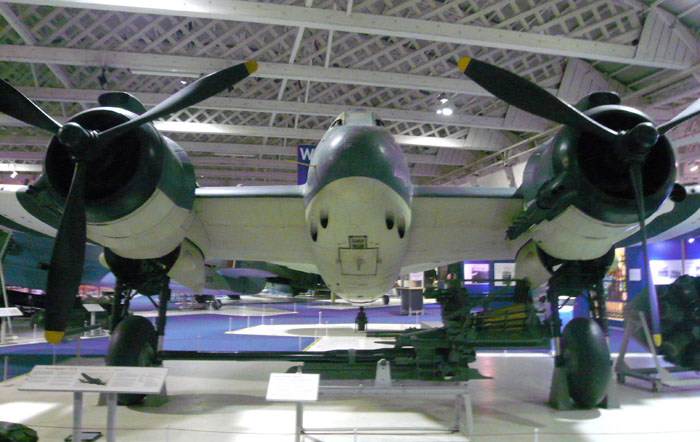
I went on a trip to RAF Hendon Museum a few years ago, and I intend to share one or two of the more interesting aircraft with you over the months. Hopefully I will only be using my own photographs, so here are my excuses first. The Museum is really quite dark, so that the daylight or bright artificial lights have no effect on the (poor quality) Second World War paint. The museum is also very cramped, so try as I might, I could not get all of the aircraft into the shot at once.

P1320446

This particular aircraft is a Bristol Beaufighter Mk X. The Beaufighter flew for the first time on July 17th 1939 and the RAF received them in April of the following year. They were used as night fighters with airborne interception radar or, like this aircraft, as strike fighters, especially in Coastal Command. Armed with a combination of four cannons in the nose, machine guns, bombs, rockets or torpedoes, they were a formidable opponent. Production reached 5562 aircraft and they equipped 52 squadrons of the Royal Air Force:

P1320758
This particular example, RD253, BF-13 was built in October 1944 at Old Mixon in Weston-super-Mare. It has Bristol Hercules XVII engines and is one of a batch of 500 Mark Xs built there between September 1944-August 1945.

It is painted in Coastal Command colours of dark grey on the top, and underneath a much paler grey. The black and white stripes are there to undo all the work of the camouflage designers and painters in an effort to prevent friendly fire shooting the aircraft down. This could be a huge problem as one or two British anti-aircraft gunners apparently had Iron Crosses for five kills or more.

P1320433

This aircraft initially went to 19 Maintenance Unit at St Athan in Glamorgan on November 2nd 1944.
On March 7th 1945, it was sent to RAF Pershore in Worcestershire.

P1320445

Ten days later, on March 18th 1945,it was one of sixteen sent to Portela near Lisbon for use by the Portuguese Naval Air Arm, the Forcas Aereas da Armada. The aircraft was taken out of service in 1949 and then parked in the open in front of the Instituto Superior Tecnico.  It came to the Hendon Museum via South Africa, Bicester in Oxfordshire and  St Athan in Glamorgan, and was restored by 1968.

Overall, the Beaufighter strikes you as a very, very powerful and heavily armed aircraft. There must have been a lot of young men who really enjoyed the chance to fly it, armed to the teeth, with the sole aim of destroying anything belonging to the enemy that moved.


24 Comments

Filed under Aviation, History, Humour