
Last time, I spoke of the actual end of High School football at Christmas 1914, and the reasons that brought it about. Basically, they were mostly connected with the idea of “other things to do”.
There were picture palaces and films. Exciting films about beautiful women such as Lillian Gish and Mary Pickford. Beautiful Lillian Gish was once the Number One star in Hollywood yet today she is forgotten. Years ago I bought her autograph for next to nothing on ebay. Mary Pickford was equally famous. She was a Canadian and my grandfather, Will Knifton and his brother, John Knifton, worked as bricklayers on her mansion, shortly after their arrival in Canada, before the First World War :

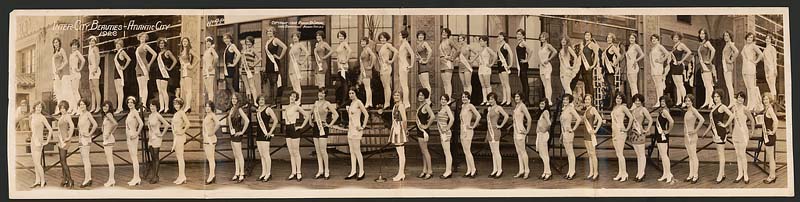
Some of the films were comedies about “bathing beauties” whatever they were:
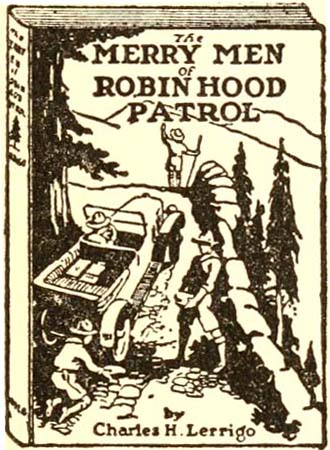
The Boy Scouts attracted some of the boys:
Strangely enough, though, this unwillingness to give up their valuable time and participate in football did not seem initially to have a direct relationship with the success, or lack of it, of the School’s First Team.
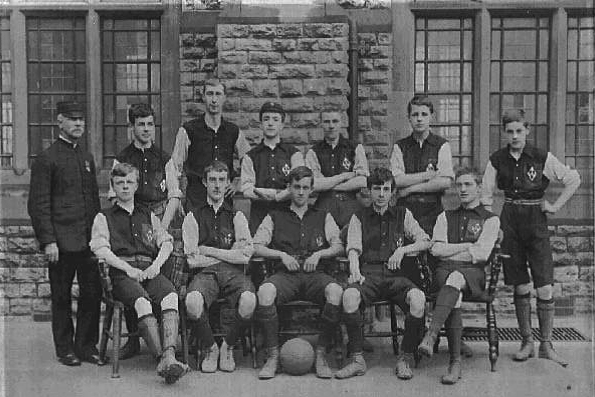
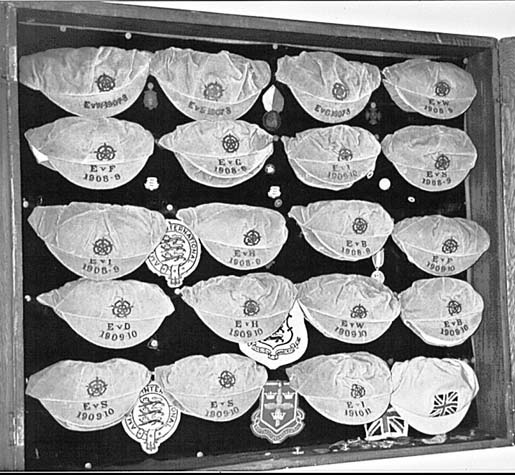
Indeed, the football teams, both First and Second Teams, may actually have been too successful for their own good. Playing so many matches, both on Wednesdays and Saturdays, and occasionally after lessons on Tuesdays and Thursdays, meant that the supply of younger talent was denied the facilities or the opportunities to train or to practice.
Match reports are incomplete for the 1911-1912 season, but those that do still exist show an impressive start to the year, which read:
Played 11 won 10 drew 1 lost 0
Even in the 1913-1914 season, things were far from disastrous:
Played 13 won 7 drew 0 lost 6
We know only a little about the social aspirations of the parents and staff but the School magazine provided some of their views, and they were certainly in favour of rugby, the upper class game. “Follow the money” as the Americans say:
“Rugger is the finer game and produces better all-round development.”
“Rugger is much superior”
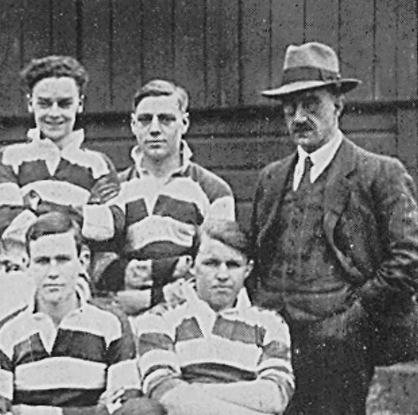
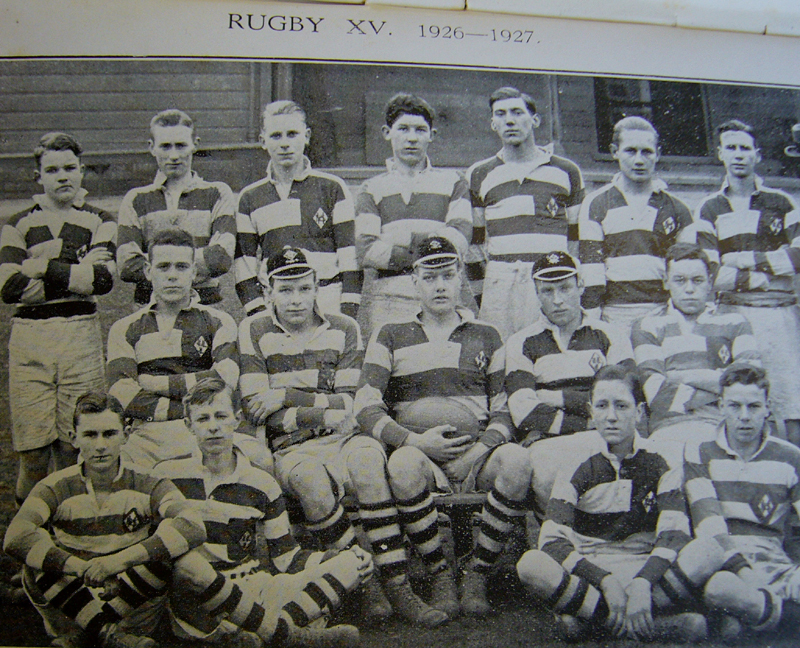
Here’s an early rugby team:

A lot of the parents’ ideas were based on class prejudice. This is a rather unusual opinion below, but this parent would like to see the public schools and the amateur football players exert more influence on the professional game :
“I shall always be sorry to see the Public Schoolboy seceding from Soccer. For good or ill, it has taken a hold upon the working classes of the Kingdom, and the more the game is leavened by pure amateurism, the better. There is a field of real social reform in the Association of Public School football with the professional and League variety.”
At least one other parent thought along similar lines:
“Soccer is England’s game at present, and the more Schoolboys drafted into it the better ; we do not want the national game to drift into the hands of professionals.”
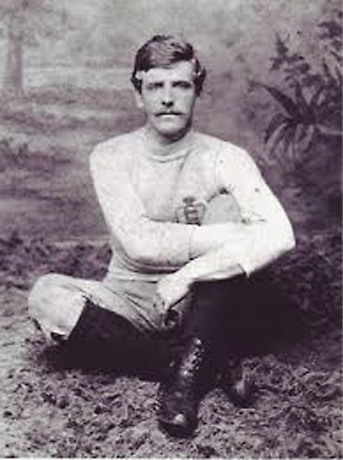
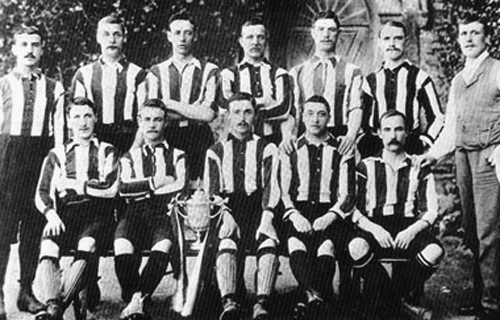
Here is an amateur boys’ team of the period:

Such comments in the “Rugger or Soccer ? ” debate make it abundantly clear that football was perceived as a sport where the professional players , and the working class, were taking over from the amateur player , and the upper class. Of the two Nottingham teams, Nottingham Forest, for example, indubitably represented the working class and wore red shirts. Notts County, on the other hand, had been founded by young men from the professional classes such as bankers, lawyers, and lacemakers, who, in 1862, after enjoying playing football in “The Hollow”, a piece of waste ground near the Cavalry Barracks in the exclusive Park Estate, had decided to form a club.
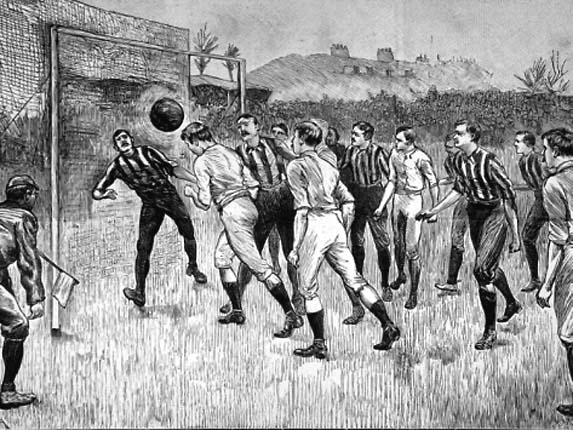
As we saw last time, the General Committee at the High School, presumably of School sport, and made up of Masters, had voted 2-1 in favour of adapting rugby as the new school sport. The boys in the Upper School were thought to favour very strongly the handling game “because of the novelty of the suggestion”, and the parents, had also voted for rugby by a 3-2 majority. The Old Boys favoured the same sport by a majority similar to that of the parents. The only group who seemed to favour football were the smaller boys, those who were not about to go off to university, but instead were in the First, Second and Third Years. I suspect that the Fourth and Fifth Years were probably divided in their opinions but I have no irrefutable evidence for that. Indeed, I did find at least one source that said that overall, the boys in the First, Second, Third, Fourth and Fifth Forms would probably have opted to continue with football. What was certainly true is that hardly anybody, parents, boys, even the staff, had ever seen a game of rugby played.
By today’s standards, the voting procedure about the taking up of rugby was hardly carried out in a particularly unbiassed way. The envelope sent out to Old Boys and parents containing their voting slip also contained a short article summarising “the advantages claimed for Rugger.”
Even the article in “The Nottinghamian” was at pains to point out how many other schools would be available to play rugby fixtures, if the change was made. They included recent converts such as Trent College, Denstone, Newark, Grantham, Retford, Oakham, Leeds, Bradford and the Birmingham schools.
In many ways, therefore, the decision to adapt rugby would seem already to have been taken, long before any Old Boys or parents were asked to rubberstamp it in a postal ballot.
































 John Knifton